

Self Sustaining Farming: Sustainable Agriculture Training India
Introduction: Moving Towards Self Sustaining Farming in India
Self sustaining farming is no longer a niche ideal—by 2026 and beyond, it’s rapidly becoming a mainstream reality in Indian agriculture. Anchored in locally adapted, resilient systems that protect soil, conserve water, and support biodiversity, these approaches are not just about environmental care—they’re about livelihoods, drought resilience, and supporting growing populations. At their core, they blend traditional knowledge with modern science to create closed-loop, low-input, and highly efficient agricultural systems.
This comprehensive guide explores the landscape and future of self sustainable farming and sustainable agriculture training in India—from essential guiding principles and practical tools to emerging trends, infrastructure, and digital platforms such as Farmonaut, which is advancing the digital agriculture revolution.
- ✔ Boosts soil organic matter and nutrient cycling naturally
- 💧 Maximizes water efficiency—safeguards crops against drought
- 🌱 Increases biodiversity and natural pest suppression
- 🔄 Reduces dependency on external inputs and lowers costs
- 📈 Improves farmer incomes through diversification and local markets



Modern self sustaning farming in India is most successful where farmers combine local, traditional methods (like mixed cropping or cow dung compost) with science-backed innovations such as drip irrigation or satellite-based monitoring.
Key Principles of Self Sustaining Farming for India’s Future
Let’s examine the core tenets shaping self sustaining farming and sustainable agriculture training in India—forming the backbone of all resilient farm systems:
- Soil health as foundation: Crop rotation, green manures, biofertilizers, composting, and reduced tillage rebuild soil organic matter, sequester carbon, and enhance nutrient cycling.
- Water stewardship: Rainwater harvesting, contour farming, mulching, drip irrigation, and check dams slash irrigation needs and drought risk.
- Biodiversity & ecosystem services: Diversification via intercropping, agroforestry, hedgerows, and pollinator habitats stabilizes yields and supports pest regulation.
- Resource efficiency & waste valorization: Maximizing on-farm energy use, recycling organic waste into compost, biochar, or biogas to close nutrient loops.
- Local markets & resilience: Community seed banks, farmer-producer cooperatives, and shorter local supply chains drive economic viability and reduce spoilage.

Soil Health: Foundation of Sustainable Systems
Healthy soil is the heart of sustainable farming in India. Decades of chemical input reliance, excessive tillage, and monocropping have degraded vast tracts of Indian farmland. Self sustaining farming counters this by rebuilding soil organic matter, enhancing microbial communities, sequestering carbon, and ensuring nutrient cycling.
Core Practices for Soil Health:
- Crop rotation: Prevents nutrient depletion and breaks disease cycles.
- Green manures & biofertilizers: Legumes and microbial inoculants fix atmospheric nitrogen, feeding crops naturally.
- Composting: Transforms on-farm waste into rich organic matter that supports soil life.
- Reduced tillage & minimum soil disturbance: Decreases erosion, supports beneficial soil microbes, and improves water retention.
- 🌾 Increases carbon storage (mitigating climate change)
- 🪱 Supports earthworms & beneficial microbes vital for nutrient availability
- 💧 Improves soil moisture retention, protecting crops during dry spells

Regularly monitor your field’s soil organic matter and moisture status with tools like multispectral satellite systems—apps such as Farmonaut deliver actionable, time-sensitive insights for effective soil management.
Water Stewardship: Maximizing Efficiency & Resilience
Water efficiency is critical in a country where many regions face erratic rainfall and looming drought risk. Self sustaining farming practices across India leverage:
- Rainwater harvesting (rooftop & field check dams)
- Contour farming and mulching to reduce runoff
- Drip irrigation networks for resource-efficient water use (see video)
- Agroforestry and silvopasture to regulate water cycles and boost groundwater recharge
These practices drastically reduce irrigation needs and stabilize yields even during extreme weather events.

Relying solely on groundwater for irrigation without rainwater harvesting can severely deplete aquifers and increase long-term risk—always combine multiple water stewardship methods for resilience.
Biodiversity, Ecosystem Services & Pest Management
Indian self sustainable farming goes beyond monoculture. Through intercropping, agroforestry, biodiversity hedgerows, and pollinator habitats, farmers support ecosystem services vital for resilient production and natural pest suppression.
Biodiversity Strategies in Practice
- Intercropping—mixing compatible crops to disrupt pest and disease cycles
- Agroforestry—planting trees on farmland for shade, fodder, soil structure, and microclimate regulation
- Hedgerows & floral strips—habitat for natural pest predators and pollinators
- Mulching & organic matter—improves microbe diversity in soil

Integrated Pest Management for Resilience
- 🚫 Minimize synthetic pesticides—use natural predators, organic sprays, and resistant crop varieties
- 🐞 Encourage beneficial insects and parasitoids to suppress pests biologically
- 📈 Monitor pest outbreaks with remote sensing or diagnostic field tools
Supporting self sustaining farming projects with biodiversity and efficient resource management can yield strong long-term returns and aligns with ESG and regenerative investment themes emerging in India.
Resource Efficiency, Waste Valorization & Energy Optimization
Maximizing the circular use of resources and minimizing external inputs is fundamental to self sustaining farms. Smart management of waste streams, on-farm energy production, and careful post-harvest handling directly contribute to resilient, low-cost, and low-emission agriculture.
- 🔄 Biomass & biogas: Livestock dung and crop waste can be transformed into energy (for lighting, pumps) and nutrient-rich compost
- ☀️ Solar-powered irrigation pumps: Reduce fuel costs and grid dependency
- 🌾 Biochar: Enhances soil organic matter and secures long-term carbon
- 🏡 On-farm composting areas: Turn food and crop waste into valuable organic fertilizer

Integrate a small biogas unit and solar panel on your farm—not only do you recycle waste efficiently, you generate clean energy for essential farm operations!
Local Markets, Community Systems & Economic Resilience
Short, local supply chains cut post-harvest losses and improve profitability for Indian farmers. By focusing on:
- Community seed banks—preserve native resilience and diversity
- Farmer-producer cooperatives—boost bargaining power, enable group certification, and share infrastructure
- Local processing & storage—value-added products and waste minimization
Farmers are better able to withstand market shocks and price fluctuations—paving the way for self sustaining farming to move from marginal practice to the Indian mainstream.

Self Sustaining Farming in Practice: Integration & Application
In today’s India, self sustainable farming is built on combining diverse livelihood options, efficient resource management, local knowledge, and new technologies—all supported by practical, hands-on sustainable farming training in india. Let’s see how these systems work together.
Integrated Crop, Livestock & Tree Systems
- Agroforestry and silvopasture systems: Trees provide fodder, shade, and soil protection; livestock fertilize fields; and diversified crops break pest and nutrient cycles.
- Closed-loop nutrient recycling: Farmyard manure composted with crop waste enriches the soil and lowers fertilizer costs.
- Crop timing & diversity: Precision seeding and staggered sowing with native drought-tolerant seeds lower crop failure risks.
- 🌳 Example: Mango orchards grown with pulses and millets in-between trees, integrating goats for weed management and manure

Crop & Pest Resilience Through Natural Inputs
- Use of resistant varieties and early planting to evade pest cycles
- Neem, cow urine, or biological sprays—supporting organic/chemical-free pest management
- 🌾 Native millet varieties withstand drought & require less external input
- 🐝 Pollinator strips boost fruit and seed yields naturally
Digitized Advisory, Financing & Risk Management
-
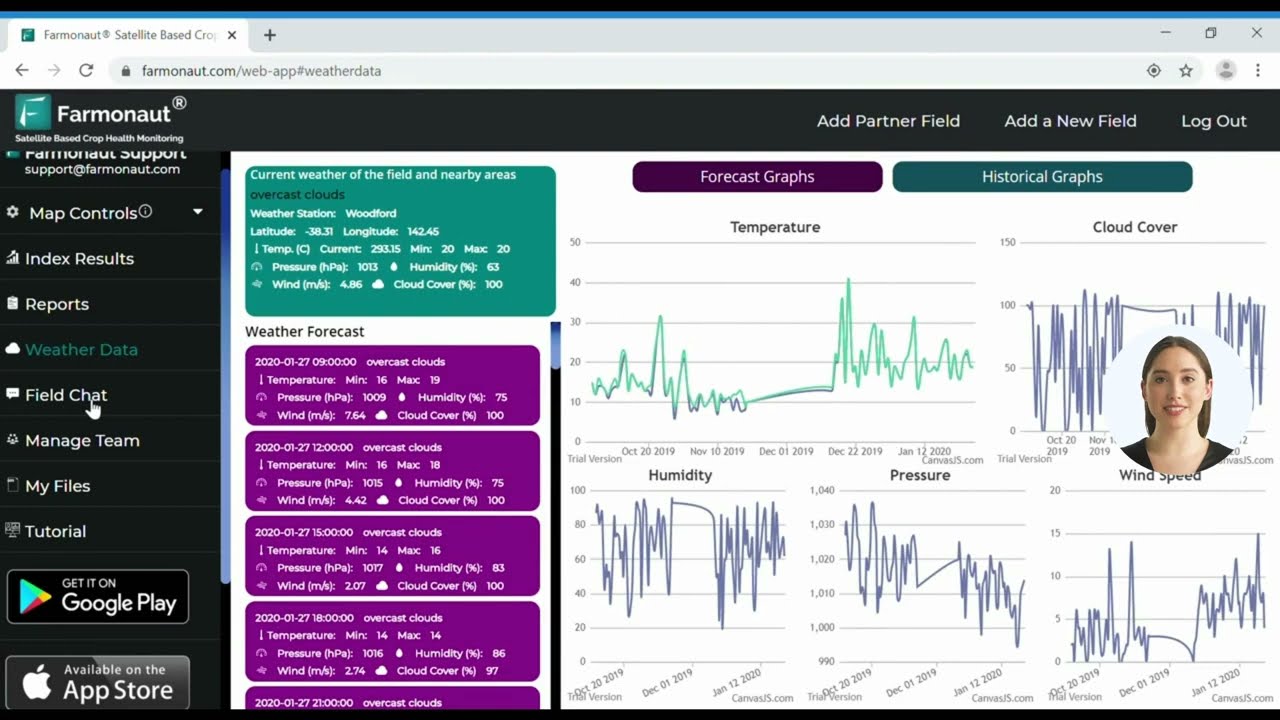
Satellite and AI-powered advisory platforms (like Farmonaut’s Jeevn AI) are transforming how Indian farmers access climate- and pest-risk information.
Learn more about blockchain-based traceability—vital for ensuring supply chain transparency and lending confidence to self-sustaining systems. - Microcredit, insurance, and public subsidies: These financial tools help ease the transition to sustainable practices. Farmonaut’s satellite-based insurance solutions support faster claims and lower risks for Indian farmers.
Sustainable Farming Training in India: Knowledge Transfer, Advisory & Policy
Effective sustainable agriculture training is the backbone of the Indian transition to self sustaining farming across states. Modern training combines:
- Farmer field schools and block-level demonstration farms for hands-on learning
- Digitized advisory services (satellite, SMS, app-based platforms) for real-time, field-specific recommendations
- Community-based seed systems for local adaptation and resilience
- Women-led resource networks and capacity building for inclusion
- Policy support in 2025 & beyond: Includes grants and subsidies for on-farm composting, use of biofertilizers, water-use efficiency, and on-farm storage infrastructure
For developers and advanced users, Farmonaut’s robust satellite API and API Developer Docs deliver direct, actionable insights into system performance, microclimate, and crop progress.
Self Storage Farmland & Supporting Infrastructure
On-farm storage, cold rooms, and solar drying facilities are game changers for self sustaining farming—especially for India’s smallholders. Features of ideal self storage farmland include:
- Energy-efficient cold storage units for perishables to reduce waste
- Solar drying racks to create high-value, shelf-stable products
- Modular sheep sheds, livestock pens, or composting pads to close nutrient loops
- Rainwater capture systems and micro-irrigation networks to optimize water and energy
- Agroforestry plots planted along field edges or as shelterbelts—adaptable to farm growth
In India, on-farm storage and decentralized value addition can reduce post-harvest losses by over 20%, providing a direct boost to net farm incomes!
Comparison Table: Sustainable Practices & Their Estimated Impact
| Sustainable Practice | Description | Estimated Soil Health Improvement | Estimated Water Efficiency Gain | Biodiversity Impact | Resilience to Climate Variability |
|---|---|---|---|---|---|
| Organic Composting | On-farm waste transformed into nutrient-rich organic material | Up to 40% increase in organic matter (High) | Moderate, retains moisture | High: Boosts soil and beneficial organisms | High: Stabilizes yields in drought/flood |
| Rainwater Harvesting | Capture and store rainwater using ponds, check dams, or tanks | Low to moderate (prevents erosion) | Up to 50% increase (Very High) | Moderate: Creates ponds/wetland habitats | High: Reduces drought risk |
| Crop Rotation | Alternating crops to enhance nutrient cycling & break pest cycles | High (prevents depletion) | Moderate | Moderate: Supports multiple crop types | Moderate: Reduces crop failure risk |
| Integrated Pest Management (IPM) | Natural predators, crop selection, and minimal chemicals | Low (does not affect structure) | Low | High: Preserves beneficial insect populations | High |
| Drip Irrigation | Efficient micro-irrigation delivering water directly to plant roots | Low (indirect) | Up to 60% savings (Very High) | Low | High under drought conditions |
| Agroforestry | Integrating trees with crops and/or livestock | Moderate to high (adds leaf litter, roots) | Moderate (deep roots access water) | Very High: Increases on-farm diversity | Very High: Buffers against wind, drought, floods |
Benefits & Outcomes of Self Sustaining Farm Systems
Why are more Indian farmers adopting self sustaining farming? The results speak for themselves —
- 🌱 Environmental: Enhanced soil fertility, less erosion, greater carbon sequestration, and efficient water use
- 💰 Economic: Lower input costs, more income streams (timber, fodder, non-timber forest products), and stronger local market linkages
- 👩🌾 Social: Drought resilience, increased rural employment, gender inclusion through networks, and empowered farmer communities
- ⚡ Infrastructure: Flexible, scalable systems that grow with the farm—ready to adapt to changing climate and markets in 2026 and beyond
- Reduced chemical input use means lower production costs and higher safety.
- Increased on-farm pollinator activity directly increases yields over time.
- Stronger market access and traceability help open premium and export opportunities.
Farmonaut: Satellite Technology Advancing Sustainable Agriculture in India
We at Farmonaut are committed to making satellite-driven insights affordable and accessible for all Indian farmers and agri-businesses. Our advanced platform delivers:
- Satellite-based monitoring: Real-time farm insights via NDVI, soil condition, and pest-risk maps for optimal management and resilience
- AI-driven advisory: Our Jeevn AI system tailors actionable strategies for integrated resource efficiency, pest detection, and drought adaptation
- Blockchain traceability: Enables secure supply chain transparency—building trust with local and export markets
- Fleet & resource management: Optimize farm machinery and reduce operational costs seamlessly
- Environmental impact monitoring: Calculate carbon footprint and foster sustainable land use
(see carbon footprinting)
Our system is available on Android, iOS, and web browser platforms, along with dedicated APIs for developers and agri-businesses, enabling seamless integration across any scale of operation.
For large-scale plantation management, explore our Large Scale Farm Management tools—empowering organizations, cooperatives, and contract producers with advanced oversight and reporting.
Frequently Asked Questions
- What is self sustaining farming?
It is a holistic, resilient system that blends traditional and modern practices to minimize external inputs, cycle nutrients, protect biodiversity, maximize water efficiency, and ensure economic stability for Indian farmers. - How is sustainable farming training in India delivered?
Via farmer field schools, demonstration plots, digitized advisory apps, and peer-to-peer rural networks, tailored to local regions and needs. - What role does technology play in self sustainable farming?
Technologies like satellite imagery, AI advisory, and digital resource management (e.g., Farmonaut) enable farmers to monitor, plan, and adapt efficiently—improving field-level decision-making and overall farm health. - Why is biodiversity important in Indian agriculture?
Biodiversity supports pest suppression, stabilizes yields, and strengthens ecological stability—key for resilience under erratic weather and climate change threats. - How does self storage farmland help reduce losses?
Energy-efficient storage, drying, and processing at the farm level minimize spoilage, boost value addition, and protect incomes from market volatility.
Key Strategies for Self Sustaining Farming in 2026
- ✔ Closed nutrient cycles (integrated crop-livestock-tree systems)
- 💧 Efficient water management (rainwater harvesting, drip irrigation)
- 📊 Digitized field monitoring (satellite insights, Jeevn AI advisory)
- 🌳 Biodiversity & agroforestry corridors
- 🏡 On-farm storage and value-addition for reduced losses and better incomes
Summary & Moving Forward
Self sustaining farming is moving from marginal experimentation to a national mainstream in the coming decade—grounded in locally adapted, closed-loop systems designed to minimize external dependency and maximize efficiency. By integrating soil health, water stewardship, biodiversity enhancement, and local value chains, India’s resilient and resource-efficient agriculture is invigorated for the challenges of 2026 and beyond.
Farmonaut supports this transformation by delivering advanced satellite-based, AI-driven, and secure blockchain-backed solutions to democratize access to actionable field-level intelligence—empowering every stakeholder in India’s journey towards productive, profitable, and sustainable agriculture.
We invite every farmer, agri-entrepreneur, and community group to engage with Farmonaut’s platform—unlocking the full value of self sustaining farming, from soil to storage, for generations to come!

 Bharat Krushi Seva
 Geno
Geno Hayleys Agriculture
 Linx Agritech
 Adinet
 Save Your Soils
 Grandstream Algérie
 XOS Realty
 Geospatial Lab Africa
 Agro La Gándara
 HIPSAC
 ZOL Zimbabwe
 Juligerm
 AdBio
AdBio MISE Maroc
 NWNS
NWNS
