

Thailand Agriculture Industry 2026: Sustainable Farming
“By 2025, over 60% of Thai farms are expected to adopt climate-smart and sustainable agriculture practices.”
“Thailand aims to increase sustainable crop production by 30% through digital tools and resilient management by 2026.”
Table of Contents
- Thailand Agriculture Industry Overview: 2026 Landscape
- Key Trends Shaping Agriculture in Thailand
- Sustainable Farming & Environmental Management
- Digital Innovations: Boosting Productivity & Resilience
- Climate Adaptation: Weather, Water & Risk Management
- Resilient Farm Management & Diversification
- Supply Chains, Markets, & Price Stabilization
- Key Crops: Rice, Cassava, Palm Oil, Rubber, Sugar & More
- Forestry, Agroforestry & Land Rehabilitation
- Infrastructure & Rural Development
- Table: Sustainable Farming Trends (2023 vs 2025)
- How Farmonaut’s Satellite Technology Is Shaping Sustainable Agriculture
- Farmonaut Product Highlights & Resources
- Key Insights & Callout Boxes
- FAQs – Thailand Agriculture Industry 2026
- Conclusion: The Future of Sustainable Farming in Thailand
Thailand Agriculture Industry Overview: 2026 Landscape
The thailand agriculture industry stands at a pivotal crossroads as we approach 2026, transitioning from reliance on traditional methods to embracing cutting-edge digital innovations, resilient management, and growing environmental stewardship. For centuries, agriculture in Thailand has played a critical role in the nation’s economy, shaping rural life, national identity, and export competitiveness.
The sector, accounting for nearly 10% of GDP and employing approximately a third of the workforce, faces both opportunities and challenges. Critical drivers include:
- Climate adaptation amidst increased monsoon variability, droughts, and flood risks
- Modernization of supply chains for global market competitiveness
- Government support for rural development, inclusive finance, and digitalization
The focus is not just on boosting yields, but on ensuring economic resilience, sustainability, and market access for millions of farmers—with smallholders at the heart of rural Thailand. Navigating these crossroads requires bold adaptation and careful balancing of priorities in crops, resource use, and management approaches.
Key Trends Shaping Agriculture in Thailand for 2026
- ✔ Climate-smart agriculture practices are expanding across Thailand farmland, increasing resilience to weather variability.
- 📊 Precision irrigation and smart weather data are optimizing input timing and reducing water and fertilizer costs.
- ✔ Sustainable crop diversification is promoted: high-value fruits, vegetables, medicinal herbs, and non-staple cash crops.
- 📊 Digital platforms connect farmers directly to buyers, shortening chains and boosting price transparency and competitiveness.
- ⚠ Post-harvest and storage improvements help reduce grain quality loss and buffer against market price fluctuations.
Sustainable Farming & Environmental Management in Thailand Agriculture
Sustainability is now at the core of thailand agriculture industry policy and practice. The country’s ambitions align with global trends—reducing carbon footprints, conserving soil and water, and protecting biodiversity while boosting farm income.
Environmental Drivers for Change
- ✔ Government programs emphasize conservation tillage, buffer plantings, and efficient fertilizer schemes.
- 📊 Certification programs for sustainably-produced rice, rubber, palm oil are expanding export and premium market access.
- ✔ Agroforestry expansion (mixing crops and tree species) improves soil, reduces erosion, and diversifies income sources in rural areas.
- ⚠ Management of chemical inputs to reduce environmental harm and pest resistance.
- ✔ Large-scale rehabilitation of degraded land and mining zones to restore fertility and ecosystem value.
Thailand’s agroforestry and forest buffer zones are pivotal for long-term soil health, carbon sequestration, and supply chain credibility in the export market.

Visual List: Thailand’s Leading Sustainable Agriculture Initiatives
- 🌱 Conservation Tillage reducing soil disturbance and promoting water retention
- 🪵 Agroforestry & Buffer Planting near rivers and fields for biodiversity and erosion protection
- 🌾 Certified Sustainable Crops: rice, palm oil, and rubber now with traceability and reduced carbon
- 💧 Water-Saving Irrigation (drip/smart scheduling) and rainwater harvesting
- 🎯 Integrated Pest Management minimizing use of chemical pesticides
Digital Innovations: Boosting Productivity & Resilience in Thai Farming
Digital transformation is revolutionizing management, yield optimization, and risk reduction across thai farmland. The leap from manual, traditional methods to precision, data-driven management systems is offering both smallholders and large producers new opportunities for growth.
Key Digital Technologies in Thailand Agriculture
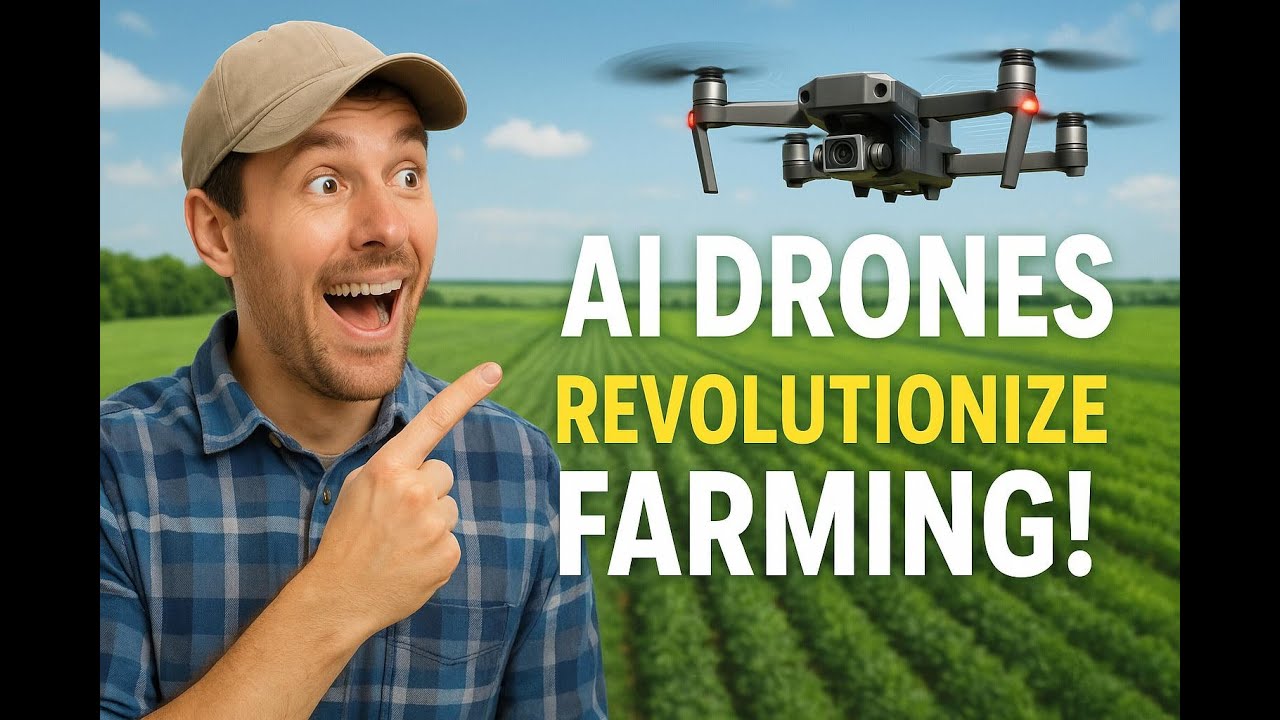
- ✔ Satellite imagery and drones for field scouting, soil health mapping, and monitoring crop vigor
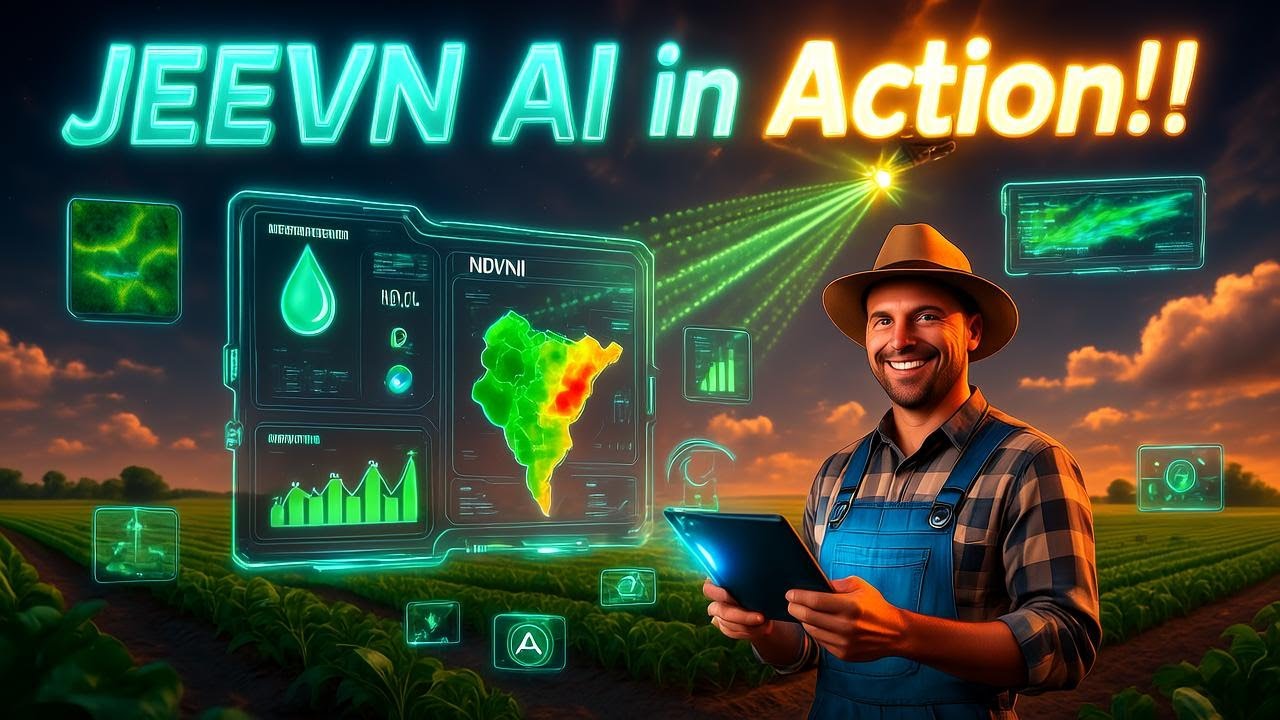
- 📊 AI-based advisory systems that provide real-time planting window and fertilizer timing data
- ✔ Cloud-based farm management platforms accelerating decisions and documentation for farmers
- 📊 E-commerce & market linkages for direct sales, shortening supply chains
- ✔ Weather-based early warning and microclimate monitoring for robust risk management
Did you know? Thailand is on the threshold of a digital revolution—by 2025, over 80% of medium and large farms are expected to use at least one form of digital advisory or marketplace platform.
Climate Adaptation: Weather, Water & Risk Management
The central plains of Thailand, historically the rice bowl of Southeast Asia, are now increasingly challenged by climate variability—interrupted monsoons, prolonged drought, and flood risks in the south. Robust risk management systems and weather-driven advisories are becoming critical components of farm resilience.
Climate Risk Factors Impacting Thailand Farming
- ✔ High rainfall variability threatens rice, sugar, and cassava yields
- ⚠ Water scarcity in the central and northeast due to drought seasons
- ✔ Increasing risk of floods in the south and coastal provinces affects palm oil and rubber
- 📊 Pest outbreaks associated with shifting temperature and rain patterns
Proactive Approaches for Climate-Smart Farming
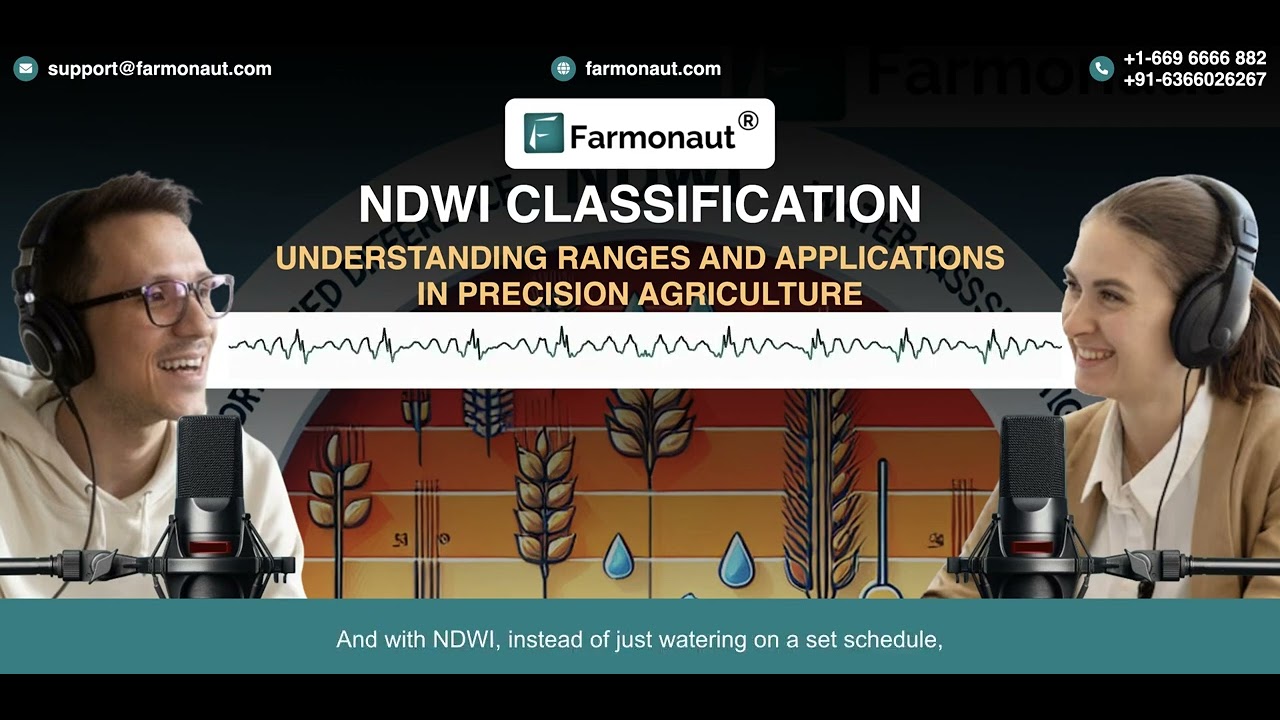
- ✔ Precision irrigation using sensors and satellite data to match water use to crop needs
- 📊 Field-based weather monitoring and microclimate stations for real-time farm advisories
- ✔ Adoption of improved seed varieties that tolerate drought and recover from flooding
- ⚠ Insurance mechanisms and credit for weather risk adaptation
- ✔ Early warning systems for optimizing planting windows and fertilizer timing
Combining satellite-driven data with on-field sensors provides Thai farmers with powerful insights to optimize water and fertilizer usage, reducing costs while maximizing yields and sustainability.
Resilient Farm Management & Diversification in Thailand Agriculture
Building resilience into farm systems goes beyond technology—it’s about diversifying crops, strengthening farmer cooperatives, and accessing inclusive financial services and mechanization investments.
Diversification: Reducing Single-crop Dependence
- ✔ Government programs and policies encourage intercropping, diversified plots, and expansion into non-staple cash crops
- 📊 Contract farming with agribusinesses and processors increases market certainty
- ✔ Extension services and subsidies support trials of high-value and niche commodities like medicinal herbs
Strengthening Smallholders: Cooperatives & Market Access
- ✔ Improved access to credit and input subsidies, especially for small-scale farms
- 📊 Farmer cooperatives enhance bargaining power, facilitate pooled investments in irrigation, storage, and mechanization
- ✔ Improved post-harvest and storage mechanisms addressing price fluctuations
- ⚠ Many smallholders still face high input costs, lack of access to cold chains, and limited market information
- ✔ Digital extension services bridge knowledge gaps and link farmers with up-to-date market and climate data
Supply Chains, Markets, & Price Stabilization
Access to markets and price stability remain critical for the sustainability of Thai agriculture. Trade policies, chain modernization, and robust storage investments directly influence what, where, and how Thai farmers grow and sell.
- ✔ Trade and stabilization policies influencing cultivation choices and crop selection
- 📊 Export competitiveness hinges on grain quality, residue-free produce, and traceable supply chains
- ✔ Government incentives for cold storage, transportation, and post-harvest handling improvements
- ✔ Adoption of blockchain-based traceability schemes (see Farmonaut Traceability) to capture premium markets and secure contracts


Opportunities are expanding for investments in cold chain infrastructure, digital market platforms, and blockchain traceability—foundational for Thai agriculture’s global growth and sustainable yield.
Key Crops in Thailand: Rice, Cassava, Palm Oil, Rubber, Sugar, Fruits & More
The backbone of thailand agriculture is found in its staple and export crops, but 2025–2026 marks a push for diversification and value-added opportunities.
Rice: The Identity and Engine of Thai Farming
- ✔ Remains the central crop—both economically and culturally
- 📊 New seed varieties and precision irrigation are boosting yield gains
- ✔ Integrated crop management systems address pest resistance and nutrient use efficiency
Expanding Beyond Staples: Cash & Niche Crops
- ✔ Cassava and sugar—vital for bioenergy and industry
- ✔ Palm oil—with new sustainability certification schemes
- ✔ Rubber—for both raw exports and agro-processed value chains
- ✔ High-value fruits and vegetables—mangos, durian, longan, vegetables for fresh and processed markets
- ✔ Niche medicinal herbs and specialty commodities—rising demand in wellness and pharma sectors
Agroforestry, Forest Restoration & Sustainable Land Rehabilitation
Forestry, agroforestry, and land management are central to sustainability and ecosystem services in Thailand’s rural landscape. Beyond maximizing crop productivity, restoring forest resources and integrating trees with farms provide long-term resilience, erosion protection, and carbon footprint mitigation.
Thailand’s Agroforestry Strategies
- ✔ Mixed tree-crop planting (e.g., rubber and timber), boosting productivity and biodiversity
- 📊 Mangrove and wetland rehabilitation for flood and erosion risk reduction in southern coasts
- ✔ Reforestation incentives for farmers reclaiming degraded or ex-mined land (see Farmonaut’s Forest Advisory)
- ⚠ Resource balancing to ensure crop yields and carbon sequestration targets are met
Infrastructure & Rural Development: Foundations for Sustainable Growth
Strong infrastructure is the backbone for shifting the thailand agriculture industry into a modern, competitive era. Investments in roads, cold storage, rural electrification, and irrigation networks enable lower transaction costs, more stable market access, and ultimately higher profitability for farmers.
- ✔ Expanded irrigation networks: boosting drought resilience throughout the central plains
- ✔ Upgrade of rural roads: connecting farms with digital supply chains and export hubs
- ✔ Modern storage facilities: reduce post-harvest loss and improve price stability
- ✔ Electrification and rural connectivity: enables mobile advisory services and access to real-time data
- ✔ Land rehabilitation after mining: returning land to productive agriculture through soil management and environmental restoration
Overlooking investments in post-harvest infrastructure can undermine long-term profitability, even with advances in production—safeguarding grain quality and cold chain access is crucial for export success!
Comparative Table of Sustainable Farming Trends & Impact in Thailand (2023 vs. 2025 Estimates)
| Trend/Practice | 2023 Estimate | 2025 Estimate |
|---|---|---|
| Climate-Smart Practices | ~35% of farms | 60%+ of farms |
| Sustainable Crop Adoption (% of total farms) | ~25% | 32–35% |
| Digital Tool Utilization (% increase) | Baselined (<5%) | 18–22% increase |
| Resilient Farm Management Techniques | Emerging (pilot stage) | Mainstreamed in new contracts/exports |
Thailand Sustainability Progress: Visual Breakdown
- 🌍 60%+ farms using climate-smart practices by 2025
- 🌿 32–35% expand into sustainable crops, including organic and high-value commodities
- 📱 22% rise in digital tool adoption & smart advisory platforms
- 📦 Post-harvest improvements mainstreamed in targeted supply chains
- ⚡ Farmer cooperatives double collective investments (storage/irrigation)

How Farmonaut’s Satellite Technology Is Shaping Sustainable Agriculture in Thailand
At Farmonaut, we believe access to affordable, real-time satellite insights is a game-changer for agriculture in Thailand. Our solutions equip farmers, businesses, and governments with platform-based, actionable data to ensure resilient management, reduce costs, and realize the full potential of climate-smart, sustainable farming on both small and large plots.
Our Core Services Empowering Sustainability, Productivity, and Transparency
- ✔ Satellite-Based Crop Monitoring & AI Advisory: Multispectral imagery for crop health, soil moisture, and precision irrigation. Predict planting windows and optimal fertilizer timing.
- ✔ Blockchain-Based Traceability: Secure, transparent chains for sustainable rice, rubber, and palm oil – facilitating premium export contracts (Learn More: Farmonaut Traceability).
- ✔ Environmental Impact, Carbon Tracking: Monitor farm emissions, resource efficiency, and environmental compliance (Learn More: Carbon Footprinting).
- ✔ Fleet and Resource Management: Optimize use of vehicles, machinery and personnel to lower costs & minimize environmental impact (Fleet & Logistics Features).
- ✔ Farm Management API & Integration: Seamless data access for developers and agribusinesses (Farmonaut API, API Documentation).
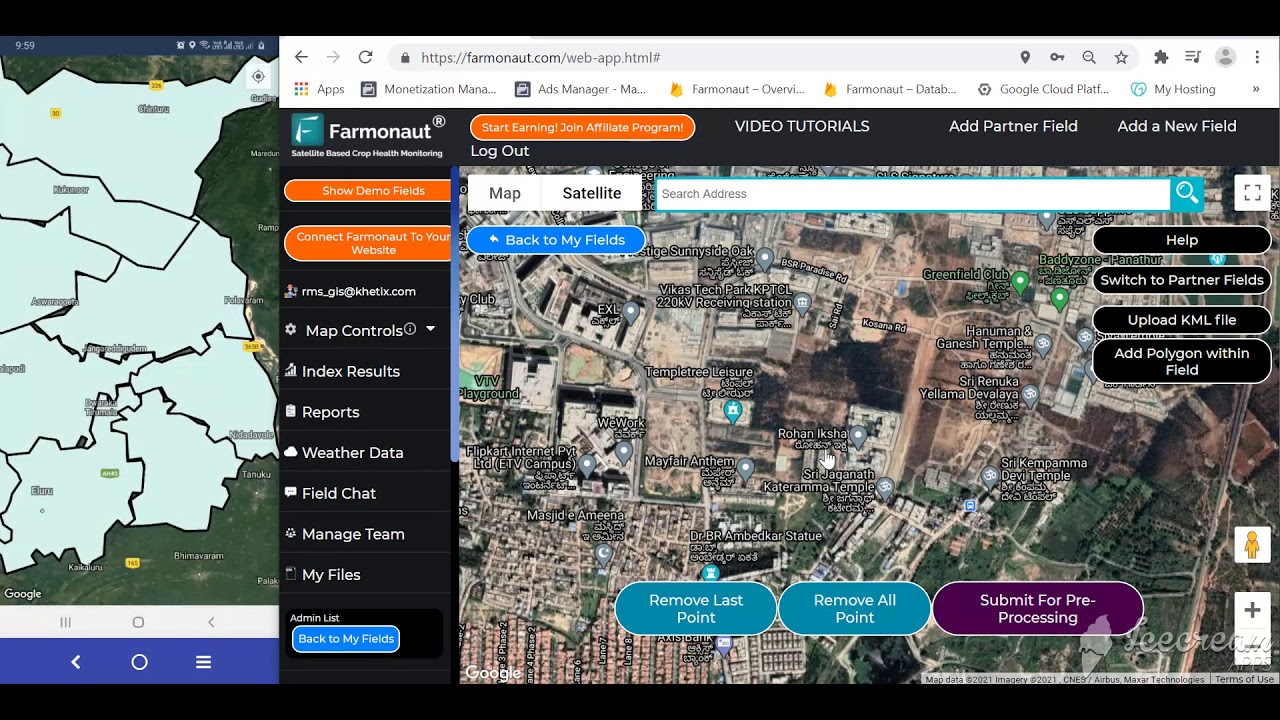
Our mobile, web, and API platform delivers real-time data and advisory, aligning perfectly with Thailand’s drive to modernize rural agriculture, support smallholders, and unlock global export value.



Farmonaut Product Highlights & Resources for Thailand Farmland
- ✔ Large Scale Farm Management: Keep all your plots in a single dashboard, receive targeted crop health, irrigation, and risk alerts. Explore How
- ✔ Satellite-Verified Crop Loan/Insurance: Improve access to financial products with credible, data-driven verification. See Benefits
- ✔ Crop Plantation & Forest Advisory: Get real-time advice for both field crops and agroforestry restoration. Start Now
Farmonaut’s carbon tracking and AI advisory directly address key Thai government priorities—helping farms meet sustainability certification standards for export eligibility.
Key Insights & Callout Boxes for Thailand Agriculture Industry
Thailand’s sustainable farming gains are anchored in climate-smart rice production, soil conservation, and use of digital tools—laying a competitive foundation for 2026 and beyond.
Adoption of blockchain traceability and digital platforms is doubling in Thai farming—empowering farmers to connect directly with global buyers and premium markets.
Supply chain modernization and infrastructure upgrades are fast-tracking rural development in Thailand—presenting attractive return prospects for forward-thinking investors.
Underestimating the impact of smallholder constraints—access to credit, mechanization, and extension services—can limit the scalability of sustainability gains industry-wide.
Use satellite-driven farm management as a foundation for accessing loans and insurance—building risk resilience for every size of Thailand farmland.
FAQs – Thailand Agriculture Industry 2026: Sustainable Farming
Q: What are the biggest changes expected in Thailand’s agriculture by 2026?
A: By 2026, the thailand agriculture industry will see widespread adoption of climate-smart practices, precision irrigation, digital field management, and increased certification for sustainable rice, rubber, and palm oil. There will also be significant expansion into high-value crops, eco-friendly storage systems, and digital-led supply chains.
Q: How are Thai farmers adapting to climate change?
A: Farmers are increasingly using improved seed varieties, precision irrigation, and weather-based advisory systems. Integration of early-warning systems for planting and fertilizer timing, water-saving technologies, and investment in resilient infrastructure help counter monsoon variability, droughts, and floods.
Q: Is digital technology accessible for smallholders in rural Thailand?
A: Yes. Through government initiatives and platforms like those provided by Farmonaut, smallholders can access affordable satellite-based insights, digital extension services, and even blockchain-enabled traceability. Mobile app accessibility and improved rural connectivity support inclusion.
Q: How do certification and environmental schemes help Thai agriculture?
A: Certification schemes (in rice, palm oil, and rubber) open up higher-value export markets. Environmental monitoring and traceability support the credibility and marketability of Thai crops, satisfying stricter global standards and incentivizing sustainable practices at the farm level.
Q: What is the main hurdle for Thailand’s agriculture industry in the coming years?
A: Critical hurdles remain around equitable access to finance, reducing input costs, expanding rural infrastructure, addressing smallholder constraints, and mainstreaming knowledge and technology at scale.
Conclusion: The Future of Sustainable Farming in Thailand
The thailand agriculture industry in 2026 reflects a dynamic balance—retaining the rich heritage of traditional farming while accelerating toward a climate-smart, digital future. Driven by robust government support, evolving export markets, and cutting-edge satellite technology, the sector is delivering on sustainability goals without sacrificing competitiveness or rural livelihoods.
Continued progress depends on:
- ✔ Mainstreaming climate-smart farming practices
- ✔ Deepening digital integration and market modernization
- ✔ Strengthening resilient farm management and farmer cooperatives
- ✔ Prioritizing inclusive policies for smallholders’ access to finance, input, and services
- ✔ Further investment in sustainable infrastructure and land rehabilitation
At Farmonaut, we are committed to supporting all stakeholders in this journey—making affordable satellite, AI, and blockchain insights a reality for every farm across Thailand. For more product information, visit our web and app platforms above, and stay updated for the next generation of precision, sustainable agriculture solutions.
Discussion
Questions, corrections or field experience? Share them below. First-time comments are reviewed before they appear, and your email is never published.
No comments yet. Be the first to add a question or your experience.

 Payagri
 WB Dev
 Sama Premium
 Prochecker
 Tres Valles
 LACOS Geoinformation
 Pulsar Supernova
 Magrifly
 LatConnect 60
 WebsEdge
 Blickwinkel
 Agricultural Credit Policy Council
 MCSOD
MCSOD Marei Nursery
 eKGIS
eKGIS Mostas Tech
 Andex
Andex FCF India
 Unifrutti Gulf
 Deluxe Conseil
 Licence holder · Niger · Gold
 Licence holder · Nigeria · Gold + lithium










