

Biggest Agricultural Machinery Companies Australia: 2026
“Australia’s agricultural machinery market is projected to reach over AUD 3.2 billion by 2026, driven by advanced equipment adoption.”
“In 2025, the top five machinery brands will account for nearly 60% of Australia’s total agricultural equipment sales.”
Table of Contents
- Snapshot: Australian Agricultural Machinery Market in 2025–2026
- Comparison Table: Leading Companies 2025–2026
- Biggest Players in Australia’s Agricultural Machinery Landscape
- Precision Agriculture, Telematics, and Automation Trends
- Sector-Specific Demand Drivers
- Role of Local and Regional Brands & Dealers
- Tech Innovations & Evolving Market Segments
- Future Outlook: Policy, Tech, & Sustainability Goals
- How Satellites and Digital Platforms are Supporting Market Shifts
- FAQ: Australian Agricultural Machinery Market
Snapshot: Australian Agricultural Machinery Market in 2025–2026
Australia’s agricultural sector is deeply dependent on robust machinery and innovative equipment to sustain productivity across its vast, varied, and often challenging terrain. Ranging from the arid rangelands of the Outback to the lush irrigation districts in the Murray–Darling Basin, the country’s diverse landscape creates unique and evolving machinery requirements.
As of 2025 and heading into 2026, a handful of multinational and strong domestic players dominate, with John Deere, AGCO (Massey Ferguson and Valtra), CNH Industrial (Case IH, New Holland), and Kubota representing the biggest agricultural machinery companies Australia sees on the market. These leading brands underpin everything from tractors to combines, balers, sprayers, and the precision agriculture technologies that are rapidly gaining ground. They are supported by a network of local dealers, service providers, and regional innovators addressing the tailored needs of Australian farms and cropping systems.
- ✔ Australia agricultural machinery market value set to exceed AUD 3.2 billion by 2026.
- 📊 60% of all machinery sales in 2025 expected from five key brands.
- ⚠ Precision farming and automation adoption outpaced global averages.
- 🔎 Demand for smaller, versatile equipment rising in niche sectors like vineyards and horticulture.
- 🌏 Global players integrate with local dealers for rapid parts/service access across Australia.

Comparison Table of Leading Australian Agricultural Machinery Companies (2025 Estimates)
| Company Name | Estimated 2025 Market Share (%) | Notable Equipment Types | Key Technological Innovations | Headquarters Location | Projected 2026 Growth Rate (%) |
|---|---|---|---|---|---|
| John Deere | 21 | Tractors, Combines, Balers, Sprayers, Tillage Tools | Precision farming, JDLink telematics, autonomy, advanced GPS | Moline, Illinois, USA | 6.2 |
| CNH Industrial (Case IH & New Holland) | 19 | Row-crop & Utility Tractors, Combines, Hay Tools, Sprayers | Telematics, AFS/PLM systems, high-hp machines, yield mapping | London, UK / Amsterdam, NL | 5.8 |
| AGCO (Massey Ferguson, Fendt, Valtra) | 11 | Tractors, Balers, Sprayers, Tillage, Seeding Equipment | AgCommand, Fuse smart farming, telemetry, multisystem integration | Duluth, Georgia, USA | 6.7 |
| Kubota | 8 | Compact Tractors, Mowing, Utility Loaders, Implements | Eco-friendly engines, compact automation, operator ergonomics | Osaka, Japan | 7.1 |
| Australian Independent/Regional Manufacturers* | 4 | Irrigation, Vineyard, Cotton, Specialized Implements | Custom engineering, local crop adaptation, rapid service | Various (QLD, NSW, VIC, SA) | 4.3 |

The biggest agricultural machinery companies Australia relies on have built a competitive edge thanks not only to product breadth, but to their robust regional service, rapid spare-parts channels, and technology adoption rates—especially in broadacre and integrated cropping systems.
Biggest Players in Australia’s Agricultural Machinery Landscape (2025)
The australia agricultural machinery market remains dominated by a select group of global and local brands whose offerings span tractors, harvesters, balers, sprayers, tillage, and advanced technologies. Below, we analyze how these powerhouses structure the backbone of Australia’s farming efficiency into 2026.
1. John Deere
- ✔ Strongest presence in grain, livestock, and broadacre cropping
- 📊 21% market share in 2025; robust catalogue of tractors, combines, balers, sprayers, and tillage machines
- 🔧 Widespread dealer network ensures rapid parts and service coverage
- 💡 JDLink telematics and precision farming solutions set industry benchmarks in yield mapping and equipment uptime
- 🔋 Rising interest in hybrid/electric tractor concepts for sustainability goals

2. CNH Industrial (Case IH & New Holland)
- ✔ Second-largest force powering large-scale cropping (including grains, cotton) and diversified operations
- 📊 19% market share; excelling in high-hp utility and row-crop tractors, advanced combines, precision sprayers, and hay tools
- 💻 Telematics and AFS/PLM systems offer real-time data, remote monitoring, and robust yield mapping capabilities
- 🔄 Extensive dealer coverage in eastern and southern Australia’s cropping regions
3. AGCO (Massey Ferguson, Fendt, Valtra)
- 🌾 Key brands trusted for versatility and durability in mixed farms, dairy, and emerging horticulture market segments
- 📊 11% market share in 2025; with wide-ranging products including balers, advanced tillage, and crop establishment equipment
- 🌐 Fuse smart farming, telemetry, and multisystem integration drive strong leads in the precision agriculture technology space
- 🔧 Strong dealer support in Victoria, South Australia, and emerging northern farming districts

4. Kubota
- 🍇 Strategic footprint in smaller farms, horticulture, and vineyards
- 📊 8% market share in 2025; best known for compact tractors, mowing equipment, front loaders, and robust implements ideal for niche and specialty crop systems
- 🌱 Eco-friendly engines and compact automation features increasingly align Kubota with sustainability-minded Australian growers
- 🎯 Responsive after-sales service and parts availability, especially important in coastal and southeastern farming zones
5. Regional Players & Local Innovators
- ✔ Specialized implement providers for cotton, citrus, sugarcane, and vineyard machinery
- 📍 Notable presence in Queensland, Riverina (NSW), Sunraysia (VIC), and Barossa Valley (SA) for custom-solution equipment
- 🛠 Fast, localized service and manufacturing adaptations, critical for managing climate volatility and district-level demand surges
- 🚜 Growing role in precision fertilizer application, variable-rate irrigation, and soil/salinity management tools

As the australian agricultural machinery market pivots to integrated precision solutions, brands with proven post-sale support and innovation pipelines are best positioned for sustained growth beyond 2026—especially in digital crop management and connectivity.
Precision Agriculture, Telematics & Automation Trends in 2025–2026
Technology is reshaping Australia’s agricultural machinery landscape. Today’s biggest players are racing to deliver GPS-guided equipment, real-time telematics, variable-rate application, and even robotic solutions into the hands of farmers from Victoria’s grain plains to the table grape vineyards of Sunraysia.
🚀 Top Technology Trends (2025–2026)
- Full-ag autonomy: Robotic tractors, self-propelled sprayers
- Telematics & remote diagnostics: Reduced farm machinery downtime
- Yield mapping & variable application: Maximized inputs, minimized waste
- Electric/hybrid engines: Lower emissions, improved sustainability scores
- Cloud-connected farm data ecosystems: Optimized planning and resource management


Invest in precision technology upgrades—they can deliver double-digit efficiency gains, particularly for broadacre grain and mixed cropping operations. Connected platforms improve asset management and support predictive maintenance cycles.
Precision Agriculture: Key Benefits for Australian Farms
- ✔ Boost yields through targeted fertilizer, water, and pesticide use
- 🌱 Conserve water—critical amid ongoing drought cycles
- 🔄 Reduce environmental footprint via smart input management
- 📉 Cut fuel, labor, and resource cost by automating repetitive field operations
- 🔍 Data-enabled decisions for sustainable cropping year-round


Barriers and Incentives for Tech Adoption in 2025
- ⚠ Barrier: Upfront equipment cost for small/medium farms
- ⚠ Barrier: Skills gap—need for technician and farmer upskilling
- 👍 Incentive: Flexible financing options from leading dealers
- 👍 Incentive: Government sustainability & water-saving funding
- 👍 Incentive: Demonstrated ROI in productivity, fuel, and input use

Overlooking dealer proximity and post-sale service support when selecting a machinery brand can lead to costly downtime and missed planting/harvesting windows, especially in remote Australian regions.
Sector-Specific Demand Drivers Shaping Equipment Needs
Australia’s farming landscape is uniquely segmented, with biggest farming companies and family farms alike serving grain, horticulture, livestock (including dairy), cotton, sugarcane, forestry, and viticulture. Their demand for technology, machinery, and after-sales service depends on crop mix, climate risks, and business scale.
- ✔ Grain, wheat, and canola: Large-capacity combines, GPS-guided planters, and high-hp tractors
- ✔ Cotton: Specialty cotton pickers, wide-boom sprayers, moisture/irrigation management tools
- 🍊 Citrus, vineyards, orchards: Compact, maneuverable tractors, precision sprayers, and pruning/harvesting attachments
- 🌱 Horticulture (berries, veg, nuts): Multi-use compact equipment, specialist row-planters, automatable harvesters
- 🐄 Dairy: Loader tractors, advanced feeding & barn management equipment with emerging electric options
- 🌳 Forestry: Heavy-duty harvesters, log loaders, and soil-preserving implements adapted for native forests
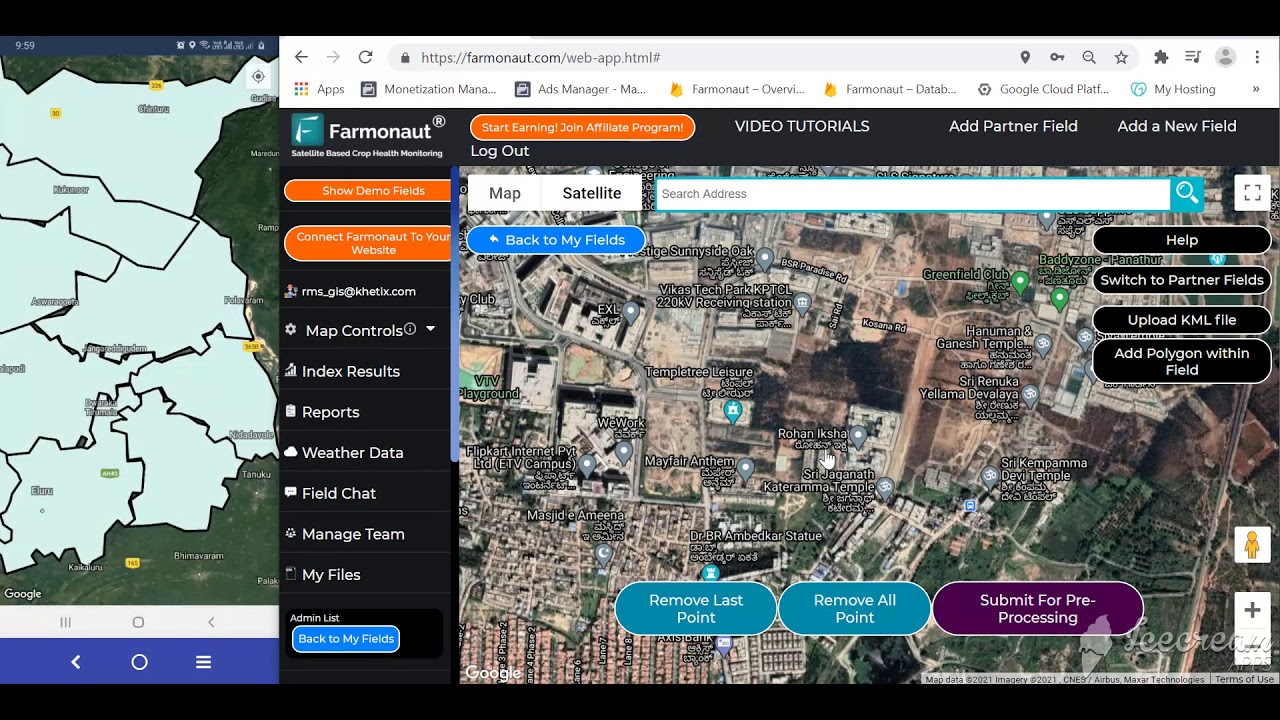
Australian farms are increasingly integrating satellite-driven, AI-powered advisory to optimize machinery work cycles, irrigation, and input timing—key to thriving across diverse segments like citrus, dairy, and broadacre grains.
Local & Regional Players: Service, Parts & Financing Across Australia’s Vast Geography
Australia’s vast, challenging geography means that dealership networks, local innovators, and rapid on-farm support are crucial for operational continuity. Outages in critical machinery during peak seasons can compound farm costs and impact yields.
- ✔ Dealer & distributor proximity ensures minimal downtime in remote districts
- ✔ Flexible machinery financing options open up tech access for smaller/medium growers
- ✔ Parts availability is a top differentiator in brand choice for farmers
- ✔ Australian regional manufacturers provide agile, tailored solutions (e.g., for irrigation or horticulture)
- ✔ After-sales service excellence cements farmer loyalty and protects asset value
Prioritize brands and local networks that back their machines with rapid-response maintenance, parts delivery, and 24/7 digital support—especially for operations spanning multiple properties or isolated rural zones.
Key Technology Innovations & Market Segments (2025–2026)
The Machine Mix: Responding to Regional and Environmental Realities
- ✔ Environmental responsibility drives rising interest in electric and low-emission models
- ✔ Precision water management tools and smart irrigation fight drought and improve input efficiency
- ✔ Biggest agriculture companies increasingly deploy telematics, online parts, and remote support ecosystems to cut costs over machine lifecycles
Emerging Growth Areas in Australia’s Machinery Market
- 🌳 Forestry equipment supporting large-scale carbon programs and wood export
- 🌱 Horticulture and specialty crops—need for multi-use, maneuverable, and electric machines
- 🌾 Broadacre and irrigated grains: Innovations in high-output seeding, auto-guidance, and data-driven yield analysis
- 🌊 Smart irrigation platforms for managing water and salinity risks
- 🛰 Satellite-driven advisory tools for environmental and operations monitoring (see Farmonaut’s approaches below)
With Australia’s vast variation in farm sizes, climate exposures, and regulatory requirements, the long-term winners will be those machinery players—both global and regional—who can leverage real-time digital insights and adapt to both mass and niche market needs.
How Satellites & Digital Platforms Support Australia’s Machinery Market Adaptations
Satellite-based platforms like Farmonaut are transforming how Australian farms, cooperatives, and agribusinesses monitor assets, manage resources, and boost yields—all without expensive on-field sensors. Using multispectral satellite imagery, Farmonaut delivers detailed insights into crop health, water stress, and soil conditions across vast territories, ranging from Queensland to Western Australia.
- ✔ Satellite crop monitoring reduces both field scouting time and input costs
- 💡 Blockchain-based traceability ensures authenticity and compliance in grain, cotton, and horticulture supply chains
- 📉 Carbon footprinting solutions track and help lower emissions from machinery and operations
- 🛰 Fleet management tools optimize machine use across large and small holdings
- 🛡 Satellite-based verification fast-tracks loan and insurance approvals for farming operators by providing independent, remote data
Our platform also supports large-scale farm management (see the Agro Admin App) and works seamlessly with major machinery networks, government agencies, and agrifinancial providers across Australia.



Developers and integrators supporting local machinery dealers can leverage Farmonaut’s open satellite and weather API for direct equipment and environmental insights, with more details found in our API developer documentation.
“Australia’s agricultural machinery market is projected to reach over AUD 3.2 billion by 2026, driven by advanced equipment adoption.”
“In 2025, the top five machinery brands will account for nearly 60% of Australia’s total agricultural equipment sales.”
Future Outlook: Technology Adoption, Policy & Sustainable Growth for 2026 and Beyond
- ✔ Climate variability accelerates adoption of efficient irrigation, tillage, and soil management tools
- ✔ Australian farm consolidation drives a mix of high-capacity machines and cost-effective, versatile equipment for smaller operations
- ✔ Regulatory targets on emissions, dust, and water use fuel investments in low-carbon machinery and telematics-based monitoring
- ✔ Sustainability and traceability are now essential for both compliance and export market access
- ✔ Service and digital support ecosystems will determine long-term brand leadership
Key Factors Shaping the 2026 Competitive Landscape
- ✅ Technology partnerships—between machinery brands, satellite platforms, and on-farm data aggregators—will accelerate productivity and reduce environmental risks
- ✅ Rapid machine innovation cycles outpacing traditional replacement periods (shifting from 10+ years to less than 7)
- ✅ Integrated resource management will blend machinery use, telematics, environmental compliance, and traceability in a single dashboard
- ✅ Capital expenditure planning increasingly supported by digital verification for loans and insurance, as provided via satellite-based agri-financing
- ✅ Skills development in digital agronomy and connected fleet management will be vital for all players
Australia’s biggest agricultural machinery companies will continue to dominate only if they maintain tight synergy between product innovation, regional support, environmental compliance, and digital value-adds—and “smart farm” platforms like Farmonaut allow farmers to make the most of every asset, hectare, and machine.
Frequently Asked Questions (FAQ): Australian Agricultural Machinery Market 2025–2026
Q1: Who are the biggest agricultural machinery companies Australia relies upon in 2025–2026?
The largest market shares are held by John Deere, CNH Industrial (Case IH, New Holland), AGCO (Massey Ferguson, Valtra), and Kubota, with top regional innovators completing the mix.
Q2: What are the most important Australian agricultural machinery trends in 2025?
Core trends include precision agriculture, digital connectivity, telematics, real-time monitoring, sustainability tools, and rising demand for multi-purpose, emissions-compliant equipment for both large and small operations.
Q3: How do dealers and service networks impact farm machinery uptime in Australia?
Local and regional dealer networks are essential to ensure rapid parts availability, maintenance, and on-farm support—especially significant for regions far from manufacturing centers or shipping logistics.
Q4: Why is precision farming technology adoption so critical for Australian farms?
It drives higher yields, better resource stewardship, cost savings, regulatory compliance (water, carbon, chemical), and provides a competitive edge in export markets with strict traceability and sustainability demands.
Q5: How is Farmonaut relevant to the agricultural machinery space in Australia?
Farmonaut’s satellite-driven monitoring, AI-driven advisories, blockchain traceability, and environmental compliance tools help Australian farms maximize machinery usage, boost efficiency, obtain financing, and meet sustainable production criteria without being an equipment manufacturer or seller.
In summary, the biggest agricultural machinery companies Australia will see dominating its landscape in 2026 and beyond are those investing in agility, after-sales service, digital integration, and sustainable technology, supported by a growing ecosystem of satellite platforms and data-driven farm management. Whether you’re an equipment reseller, agribusiness, farm manager, or a policy-maker overseeing rural innovation, staying ahead means leveraging both the robust machines in the field and the precision insights now available from above.
For more about how digital tools, AI, and satellite platforms can help your farming or agri-business operation succeed, visit Farmonaut or explore traceability and sustainability offerings today.
Discussion
Questions, corrections or field experience? Share them below. First-time comments are reviewed before they appear, and your email is never published.
No comments yet. Be the first to add a question or your experience.

 FieldZero
 Indico Company
 Byju’s
 Kubota
 FFBS
FFBS Jontra
 Kalustyan
 Tucor
Tucor Geno
Geno Hayleys Agriculture
 Linx Agritech
 Adinet
 Save Your Soils
 Grandstream Algérie
 Licence holder · Niger · Gold










