

1 Acre Sugarcane Profit & Yield vs Ashwagandha Profit 2025
“Sugarcane yields average 80 tons per hectare, generating up to ₹1.5 lakh profit per acre in 2025.”
“Ashwagandha can earn farmers ₹2 lakh profit per acre, surpassing sugarcane profitability in 2025.”
Introduction: The Cornerstone of Agricultural Profitability in 2025
Agriculture remains the backbone of the global economy, providing livelihoods to millions and feeding our growing population. In countries like India, Brazil, and Thailand, staple crops such as sugarcane have long dominated the agricultural landscape. However, as the global demand evolves and the value of herbal crops soars, alternative crops like ashwagandha are gaining traction—especially for those seeking higher profit margins per acre in 2025.
This comprehensive analysis delves into 1 acre sugarcane profit, average yield of sugarcane per hectare, and ashwagandha profit per acre to provide actionable guidance for farmers, agribusinesses, and agri-entrepreneurs. By understanding the economic viability, key yield and profit metrics, and the modern solutions available for agricultural optimization, we aim to equip you with the tools to maximize per acre returns in 2025’s fast-changing farming landscape.

Sugarcane Cultivation: Average Yield & Profitability per Acre (2025)
Sugarcane is a tropical crop extensively grown for sugar production and a host of byproducts (including bioethanol and jaggery). In 2025, advancements in agronomic practices, pest management, and irrigation technologies have continued to uplift its yield and profit potential for farmers.
Key Metrics: 1 Acre Sugarcane Profit & Yield
- Average yield of sugarcane per hectare: 60–90 metric tonnes. This translates into 24–36 metric tonnes per acre (1 hectare ≈ 2.47 acres).
- Per acre sugarcane yield (2025): Established average at 30 tonnes per acre, though ranges vary depending on region, variety and management.
- Market prices (2025): Sugarcane stands at ₹2,800–₹3,500 per tonne (approx. $40–$50 per tonne at current rates).
- Gross revenue per acre: About ₹84,000–₹1,05,000 (30 tonnes × ₹2,800–₹3,500).
- Input costs per acre: ₹45,000–₹65,000 (including labor, seeds, fertilizers, irrigation, etc.).
- Net profit per acre: Typically ₹40,000–₹50,000 (roughly $400–$900), depending on production performance and market fluctuations.
Sugarcane Production: By the Numbers
- Sugarcane is primarily cultivated in India, Brazil, and Thailand.
- India is the world’s second-largest producer, expanding both acreage and productivity through improved varieties and efficient irrigation.
- Sugarcane byproducts like ethanol make the crop more commercially sustainable.


Factors Influencing 1 Acre Sugarcane Profit
- Irrigation: Sugarcane is a water-intensive crop and dependable irrigation drives higher yields.
- Input Costs: Seed, fertilizers, pest management, and labor account for most expenses.
- Market price fluctuations: Government price support mechanisms in India help stabilize rates.
- Harvesting & Processing: Availability of nearby mills and efficient logistics increase gross revenue.
Ashwagandha Profit Per Acre: The Rising Medicinal Crop (2025)
As herbal supplement markets experience meteoric growth across the globe, ashwagandha (Withania somnifera) has emerged as a lucrative alternative for farmers. Leveraging its medicinal value and high market demand, the ashwagandha profit per acre can surpass that of sugarcane by a wide margin in 2025, especially when cultivating the crop organically and tapping into export markets.
Key Metrics: 1 Acre Ashwagandha Profit & Yield
- Average yield of ashwagandha root per hectare: 3,000–4,000 kg.
- Per acre root yield: 1,215–1,620 kg (250–350 kg of dried root per bigha, 5 bighas = 1 acre in many states).
- Market price (2025): ₹1,200–₹1,500 per kg (for high-purity, export-quality dried roots).
- Gross revenue per acre: Approximately ₹15,00,000–₹24,00,000.
- Input costs per acre: Typically ₹1,00,000–₹2,00,000 (including organic inputs, seeds, labor, processing, harvesting).
- Net profit per acre: Conservative estimates put this at ₹2,00,000 and higher.
Ashwagandha as a Commercial Herbal Crop
- Strong demand from Ayurvedic, health supplement, and herbal pharma companies.
- Grows best in semi-arid, well-drained soils with moderate rainfall.
- Fits well into crop rotations, especially in regions with water scarcity where sugarcane is less suitable.
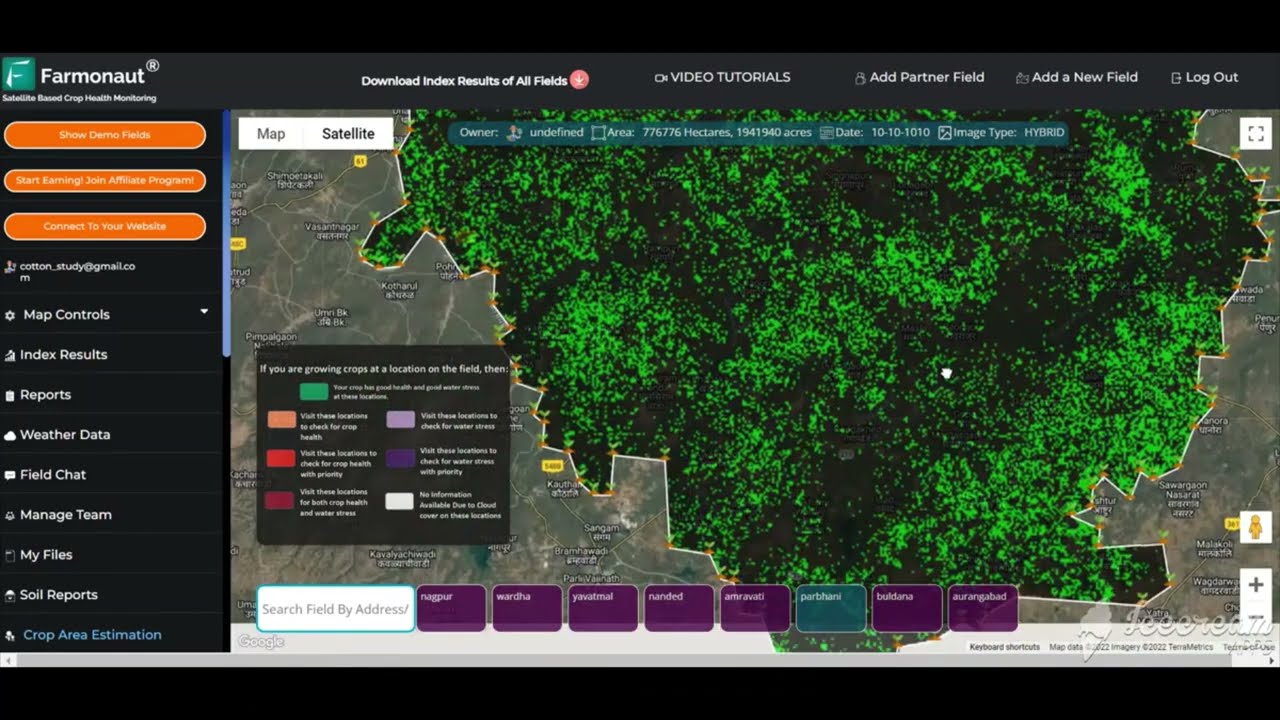
Profitability Comparison Table: Sugarcane vs Ashwagandha (2025)
To directly address the central question of how each crop performs per acre in 2025, the following table offers a clear side-by-side comparison.
| Crop | Expected Yield per Acre (tons/kg) | Market Rate (₹/ton or ₹/kg) | Estimated Gross Income per Acre (₹) | Input Cost per Acre (₹) | Estimated Net Profit per Acre (₹) | Labor Requirement (man-days) | Cropping Duration (months) |
|---|---|---|---|---|---|---|---|
| Sugarcane | 24–36 tons (24,000–36,000 kg) | ₹2,800–₹3,500/ton | ₹84,000–₹1,05,000 | ₹45,000–₹65,000 | ₹40,000–₹50,000 | 110–140 | 10–14 |
| Ashwagandha | 1,215–1,620 kg | ₹1,200–₹1,500/kg | ₹15,00,000–₹24,00,000 | ₹1,00,000–₹2,00,000 | ₹2,00,000–₹10,00,000 | 80–100 | 5–7 |



Average Yield of Sugarcane per Hectare: Factors & Optimization for 2025
The average yield of sugarcane per hectare remains a yardstick for economic viability and profitability in regions like India, Brazil, and Thailand. To enhance 1 acre sugarcane profit, it’s crucial to understand how this yield can vary:
- Climate & Rainfall: Sugarcane thrives in tropical and sub-tropical climates with 1000–1500 mm rainfall.
- Soil Quality: Well-drained, fertile loamy soils yield best results; saline or waterlogged soils lower yields.
- Irrigation Management: Efficient water usage through drip irrigation reduces costs and boosts productivity.
- Fertilizer Application: Integrated nutrient management using organic and inorganic fertilizers sustains high tonnage per hectare.
- Pest & Disease Control: Early detection, resistant varieties, and timely action prevent significant losses.
- Timely Harvesting & Processing: Delays can cause sucrose loss, reducing market value per tonne.
- Variety Selection: Improved hybrids (like Co-0238, Co-86032 in India) consistently produce yields above 80+ tonnes per hectare.
Those who optimize these factors can consistently achieve yields at the upper end of the range, directly supporting higher 1 acre sugarcane profit.

Ashwagandha Profit Per Acre: Key Drivers, Cultivation Tips, and Market Insights (2025)
Growing ashwagandha successfully for maximum profit per acre in 2025 involves both advanced farming practices and smart market positioning:
- Land Selection: Semi-arid, well-drained, slightly alkaline or neutral soil is preferred. Avoid waterlogging!
- Good Quality Seeds: High-germination seeds from reliable sources ensure vigorous plant growth.
- Sustainable & Organic Inputs: Demand for organic ashwagandha fetches premium market prices.
- Water Management: Minimal irrigation needed except in dry spells, making it ideal for regions with water scarcity.
- Crop Care: Timely weeding and pest monitoring for aphids, mites, and fungal diseases is essential. Biological control is advisable.
- Harvesting: Roots are ready for harvesting after 5–7 months. Extreme care is needed as root damage can reduce per kg market rates.
- Processing & Grading: Clean, dry, properly graded root fetches ₹1,200–₹1,500/kg, critical for high gross revenue per acre.
- Market Channels: Direct linkage with exporters or Ayurvedic manufacturers ensures higher per acre realized prices.

Farmonaut Solutions for Optimizing Yield and Profitability in 2025
Farmonaut’s satellite-driven agricultural monitoring services empower farmers to accurately assess field health, optimize input use, and make data-driven decisions for crops such as sugarcane and ashwagandha. By leveraging real-time monitoring and AI advisories, we help maximize net profit per acre and minimize waste.
Essential features for those focusing on profit optimization in 2025 include:
-
Large-Scale Farm Management (details):
Remotely monitor hundreds of fields, receive crop health alerts, and plan timely interventions for maximum yield across acres. -
Fleet Management (see how it works):
Optimize logistics, fuel usage, and labor allocation for large-scale sugarcane harvesting and ashwagandha collection. -
Product Traceability (more info):
Use blockchain to assure buyers of organic certification and origin in the herbal supply chain, leading to premium pricing. -
Carbon Footprinting (understand your impact):
Calculate and reduce emissions from cropping and processing, aligning with global sustainability norms (increasingly demanded by buyers in 2025). - Satellite API Integration: For custom solutions, plug into our API or review the Developer Docs.

“Sugarcane yields average 80 tons per hectare, generating up to ₹1.5 lakh profit per acre in 2025.”
“Ashwagandha can earn farmers ₹2 lakh profit per acre, surpassing sugarcane profitability in 2025.”
Decision Factors: Sugarcane or Ashwagandha Cultivation in 2025?
The profitability and yield metrics only tell half the story. For every farmer or agri-entrepreneur in 2025, the right choice between sugarcane and ashwagandha depends on a broad set of factors:
Land & Water Availability
- Sugarcane requires abundant water and is ideal only for irrigated tracts with strong drainage facilities.
- Ashwagandha thrives in drier, well-drained soils and is sustainable for semi-arid and rainfed regions.
Labor & Input Costs
- Sugarcane is labor-intensive at planting and harvest.
- Ashwagandha, although requiring skilled labor for harvesting and grading, is less labor-intensive comparatively and suitable for farmers facing labor shortages or high wage costs.
Market Demand & Price Stability
- Sugarcane prices are relatively stable, protected by government policies in regions like India.
- Ashwagandha prices are more volatile, but the demand trajectory is sharply upward in global herbal and medicinal markets.
Crop Duration, Rotation & Diversification
- Sugarcane occupies land for up to 12–14 months, potentially slowing crop rotation cycles.
- Ashwagandha matures in under 7 months, offering scope for double cropping or integration into diversified farming systems.
Processing & Supply Chain Access
- Sugarcane requires proximity to mills for timely processing (to avoid sucrose loss).
- Ashwagandha can be dried and stored, but direct market access to exporters, pharma companies, or processors maximizes returns.
Sustainability & Future Readiness
- With shifting regulatory and environmental priorities, crops requiring less water, energy, and fertilizer—like ashwagandha—could see additional incentives or sustainability-driven premiums.
- Adopting renewable, traceable, and sustainable agricultural practices (for example, using Farmonaut’s Carbon Footprinting tools) will become essential for market access in the future.
Farmonaut’s Technology For Data-Driven Crop Optimization
Realistic crop profitability in 2025 will be dictated by input efficiency, resource management, market intelligence, and traceability. As Farmonaut, we help bridge this technology gap for forward-thinking farmers and agribusinesses:
- Our satellite-based crop monitoring gives near real-time updates on field health, moisture stress, and pest outbreaks.
- The Jeevn AI advisory system delivers custom guidance—right from planting to harvesting, optimizing per acre yields for both sugarcane and ashwagandha.
- Blockchain traceability helps validate the organic and sustainable credentials of herbal produce, earning premium rates.
- With our fleet management solutions, large and small farming systems can cut logistics costs and improve operational profitability.
- Environmental tools like carbon accounting help you align with market and regulatory demands for low-footprint agriculture by measuring and managing emissions.
Our tools are available via mobile, web apps (see all platforms), and APIs (API docs) for seamless integration into your agricultural workflow in 2025.
FAQs: Sugarcane vs Ashwagandha Profitability in 2025
1. What is the 1 acre sugarcane profit in 2025?
1 acre sugarcane profit in 2025 is commonly in the range of ₹40,000–₹50,000 per acre, depending on the yield (average 30 tonnes per acre), input costs, and market prices.
2. How does the average yield of sugarcane per hectare compare to previous years?
The average yield of sugarcane per hectare has improved due to better varieties and irrigation, now stabilizing around 80 tonnes per hectare in top-producing regions like India and Brazil.
3. What is the net profit from ashwagandha per acre?
With strong market demand and optimal cultivation, ashwagandha profit per acre in 2025 can reach ₹2,00,000 and above, especially when sold to export or Ayurvedic markets.
4. Which crop offers better drought resilience?
Ashwagandha has higher drought resilience due to its minimal water requirements, making it ideal for semi-arid areas. Sugarcane demands consistent, substantial irrigation.
5. Can Farmonaut help optimize both these crops?
Absolutely! We at Farmonaut provide satellite-driven monitoring tools to track field health, guide input optimization, and maximize per acre profit for both sugarcane and ashwagandha. We also offer blockchain-based traceability solutions for export-oriented herbal crops.
Conclusion: Strategies to Maximize Per Acre Agricultural Profitability in 2025 & Beyond
In 2025 and beyond, agriculture demands strategic decisions to optimize returns, especially as markets evolve and resource dynamics shift. For those with access to water-rich lands and established processing facilities, sugarcane remains a robust choice offering moderate but steady profitability per acre. For progressive farmers in semi-arid or marginal tracts, ashwagandha represents an opportunity to access significantly higher profit margins per acre—provided they focus on quality, market linkages, and process their root harvest with care.
Whichever path you take, a data-driven, technology-supported approach—as offered by Farmonaut—can help remove uncertainty, optimize input use, and secure a better place in domestic and global agricultural markets.
- Assess your land and irrigation resources carefully before choosing your crop.
- Upgrade your practices and traceability systems to command a premium in herbal (ashwagandha) or sustainable (sugarcane bioethanol) markets.
- Leverage advanced platforms like Farmonaut’s monitoring tools, mobile app, and API suite for optimizing yields and profits per acre.
- Explore sustainable farming methods to future-proof your operations—and tap into a world that is increasingly eco-conscious.
For those interested in advanced resource management and real-time agri-advisory capabilities, explore our crop plantation and forest advisory services via Farmonaut’s App.
Ready to join the new age of profitable, sustainable, and technologically-driven agriculture? Choose your crop wisely—and let technology be your ally in 2025!

 Soybean Processors Association
 Sun Palm Australia
 Grandstream Algérie
 XOS Realty
 Geospatial Lab Africa
 Agro La Gándara
 HIPSAC
 ZOL Zimbabwe
 Juligerm
 AdBio
AdBio MISE Maroc
 NWNS
NWNS Red August Group
 Farm Inc
 WeMe Global
 Agrotoken
 Blue BearX
 Insignito
 Croptimum
 DnCubed
