

Sugarcane Agriculture: John Deere Sugarcane Harvester Revolutionizes Sustainable Farming Efficiency In 2025 & Beyond
Table of Contents
- 1. The Crucial Role of Sugarcane Agriculture in the Global Landscape
- 2. Traditional Sugarcane Harvesting: Challenges and Limitations
- 3. The Evolution of Mechanization in Sugarcane Agriculture
- 4. John Deere Sugarcane Harvester: Features, Advancements, and Efficiency
- 5. Comparative Efficiency Table: Manual vs. John Deere Sugarcane Harvesting
- 6. Key Technologies in John Deere Sugarcane Harvesters
- 7. Sustainability in Sugarcane Agriculture: Mechanization’s Environmental Edge
- 8. Impact on Making Sugar from Sugarcane: From Field to Mill
- 9. Farmonaut Satellite Technology: Modernizing Sugarcane Agriculture
- 10. Integrated Precision and Smart Farming for 2025 & Beyond
- 11. The Future of Sugarcane Mechanization: 2026 and Beyond
- 12. Farmonaut Subscriptions and Solutions
- 13. Frequently Asked Questions (FAQ)
- 14. Conclusion: The High-Tech, Sustainable Future of Sugarcane Agriculture
“John Deere harvesters can process up to 100 tons of sugarcane per hour, revolutionizing farm productivity.”
1. The Crucial Role of Sugarcane Agriculture in the Global Landscape
Sugarcane agriculture is one of the central pillars of the global agricultural landscape, particularly in tropical and subtropical regions such as Brazil, India, Thailand, Australia, and parts of Africa. As a primary source for sugar production, sugarcane supports not just the table sugar sector but also biofuel industries, especially bioethanol, and numerous value-added products including molasses, bagasse, and paper. In 2025 and beyond, demand for these products continues to rise sharply, driven by increasing global consumption and the need for renewable energy options.
- Economic Significance: Sugarcane is an important cash crop for millions of smallholder and commercial farmers alike.
- Employment: The crop supports vast agricultural employment in harvesting, processing, and transport.
- Environment: Sugarcane cultivation also impacts soil health and water cycles, making sustainable farming practices crucial for balance.
- Energy: As a biofuel raw material, it helps reduce dependency on fossil fuels and supports climate change mitigation efforts.
However, as 2025 approaches—and the world looks toward 2026 and beyond—the pressure is on to make sugarcane agriculture both highly efficient and sustainable. Enter modern mechanization and the John Deere sugarcane harvester.

2. Traditional Sugarcane Harvesting: Challenges and Limitations
Until the last decade, sugarcane harvesting globally remained a manually intensive process. Manual cutting requires teams of workers using machetes or knives to cut cane stalks close to the ground, strip leaves, and load for transport. This process is:
- Time-consuming: Manual labor can severely limit harvesting speed, increasing operational costs and delaying delivery to mills.
- Labor-intensive: Large crews are required, often working in difficult conditions—heat, exposure to snakes/insects, and repetitive strain injuries are common.
- Quality control: Manual methods can increase crop damage and residual waste, affecting soil health and next-cycle regeneration.
- Unpredictable Output: Productivity varies greatly from worker to worker, leading to inefficiencies and inconsistent sugar content in batches sent for processing.
These challenges set the stage for a revolution in machine agriculture—the transition from traditional to mechanized practices.
3. The Evolution of Mechanization in Sugarcane Agriculture
The world’s leading equipment and agriculture machinery manufacturers, particularly brands like John Deere, have transformed sugarcane agriculture over the last decade. The introduction and widespread adoption of sugarcane harvesters have been driven by:
- Advancements in cutting and crushing mechanisms capable of handling dense, fibrous cane stalks.
- Development of GPS guidance systems and onboard automation for efficient field coverage and integration with transport systems.
- Improved fuel efficiency and emission reductions, making machines both economical and environmentally friendly.
- Focus on minimizing damage to crops, leaving less residual waste and promoting better soil regeneration.
Mechanization doesn’t stop with harvesting: Precision agriculture now includes mechanized planting, fertilizing, irrigation and weed management—all powered by recent technologies and supported by innovative companies like Farmonaut via advanced crop plantation and advisory tools.
4. John Deere Sugarcane Harvester: Features, Advancements, and Efficiency
The John Deere sugarcane harvester is globally recognized as the gold standard for modern, efficient, and sustainable sugarcane harvesting machines. From 2025 onward, John Deere’s sugarcane harvester models are set to play a crucial role in shaping the future of sugarcane agriculture. Here’s how:
- High Capacity Harvesting: John Deere harvesters can process up to 100 tons per hour—enabling rapid, large-scale operations in both tropical and subtropical regions, while ensuring that higher quality cane reaches the mills.
- Cutting-Edge Technologies: Features include robust engines, reinforced cutting blades that handle dense stalks with ease, automated loaders, and onboard sorting mechanisms for optimal efficiency.
- Efficient & Gentle Harvesting: These machines cut cane close to the ground to minimize residual waste left in the field—promoting better soil health and cleaner regeneration for the next crop cycle.
- Sustainability: Advancements focus on high fuel efficiency and lower emissions, aligning with global movements toward sustainable agricultural practices and climate change mitigation—a top priority from 2026 onward.
- Precision and Automation: GPS-based guidance systems ensure maximum field coverage and minimal overlap, reducing wasted time and resources.
As a result, the John Deere sugarcane harvester is not just a machine—it’s a transformative solution that answers the modern requirements of sugarcane farming worldwide.

5. Comparative Efficiency Table: Manual vs. John Deere Sugarcane Harvesting
Below is a comparative table that summarizes the stark difference in efficiency, sustainability, and suitability between manual harvesting and the John Deere sugarcane harvester:
| Harvesting Method | Estimated Harvesting Speed (tons/hour) |
Labor Requirement (workers/ha) |
Fuel/Energy Consumption (liters/ha) |
Harvest Loss (%) | Suitability for Farm Size |
|---|---|---|---|---|---|
| Manual Harvesting | 4–8 | 30–50 | 0 | 8–15 | Small/Medium |
| John Deere Harvester | 60–100+ | 2–4 | 20–35 | 3–5 | Medium/Large |
Key Takeaway: John Deere sugarcane harvesters reduce labor requirements by over 50%, significantly boost harvesting speed, lower crop losses, and deliver more consistent results—making them indispensable in sustainable, large-scale, and modern sugarcane agriculture globally.
“Modern harvesting machines reduce labor needs in sugarcane farming by over 50%, thanks to advanced automation technology.”

6. Key Technologies in John Deere Sugarcane Harvesters
The remarkable efficiency and sustainability of the John Deere sugarcane harvester stem from a suite of advanced technological features:
- GPS Guidance Systems: Enable precise row following, eliminating manual guesswork and maximizing field coverage with minimal overlapping. This increases effective crop harvest per hectare and reduces input waste.
- Automated Cane Loaders: Streamline the movement of stalks from ground to transport vehicles, integrating seamlessly with logistical operations so that harvested cane promptly reaches mills before sucrose content decreases.
- Onboard Sorting Mechanisms: Ensure only clean, mature, and healthy sugarcane is delivered for making sugar from sugarcane, enhancing overall milling efficiency and sugar quality.
- Powerful Engines & Reinforced Blades: Designed for heavy-duty operations, enabling easy cutting of dense, fibrous cane stalks, and handling even the most challenging field conditions.
- Emission Controls & Fuel Efficiency: Modern John Deere models now come equipped with low-emission, high-efficiency engines, aligning with global efforts toward climate change mitigation.
- Crop Damage Minimization: Optimized cutter bar designs cut cane as close to ground as possible, effectively minimizing residual waste and leaving healthy stools for the next crop cycle.
Such technologies, including GPS and automation, are set to become universal in new machine agriculture deployments by 2026, making harvesting faster and more reliable than ever before.
Optimize Your Farm Management with Farmonaut Technologies
-
Fleet Management Solutions
– Use Farmonaut’s real-time fleet tracking to optimize deployment of harvesters & logistics vehicle, cutting costs and improving safety for machinery in sugarcane operations. -
Blockchain-Based Traceability
– Ensure every batch of sugarcane is tracked from field to mill, enhancing supply chain transparency and consumer trust. -
Carbon Footprinting
– Monitor emissions from harvesting machines and implement strategies to further reduce your environmental impact. -
Crop Loans and Insurance Support
– Use satellite-based verification to support claims, reducing fraud and accelerating access to financing.



7. Sustainability in Sugarcane Agriculture: Mechanization’s Environmental Edge
Increasingly, sustainability is at the core of sugarcane production. Mechanization, especially through John Deere sugarcane harvesters, brings several environmental and socio-economic benefits:
- Reduced Soil Compaction: Optimized wheel and track designs prevent long-term soil damage, allowing repeated cropping cycles with high yields.
- Maximized Soil Health: Clean, close-to-ground cutting leaves healthy stool for ratooning (regrowth), preserving organic matter and enhancing soil structure.
- Emission Reductions: Improved engine efficiency and reduced fuel consumption lower the carbon footprint of large-scale sugarcane agriculture.
- Efficient Resource Use: Automated application of fertilizers and pesticides in machine agriculture minimizes chemical runoff.
- Labor Welfare: Fewer workers are exposed to the physical strain and risks of manual harvesting.
For operations aiming to demonstrate sustainability, Farmonaut’s carbon footprint solutions (Track & manage your carbon impact) are an essential tool to monitor, report, and improve farm performance for compliance and market advantage.

8. Impact on Making Sugar from Sugarcane: From Field to Mill
The process of making sugar from sugarcane is critically dependent on the timing, quality, and cleanliness of harvest. Here’s how the John Deere sugarcane harvester influences this process:
- Prompt and Efficient Delivery: Automated loading means that harvested cane moves rapidly to trucks and then to processing mills, critical since sucrose content decreases quickly post-harvest.
- Cleaner Cane, Higher Juice Recovery: Mechanical sorting mechanisms reduce dirt and leaf trash in harvested cane, leading to easier milling and higher extraction efficiency.
- Uniform Cane Size: Consistency in crop size enhances milling throughput and sugar recovery, supporting industry sustainability.
- Reduced Harvest Loss: Mechanized harvesters leave less cane in the field, ensuring maximum utilization of what’s grown.
The result is not just greater production efficiency, but also product quality and profitability for everyone in the sugar industry.

9. Farmonaut Satellite Technology: Modernizing Sugarcane Agriculture
As sugarcane cultivation grows more high-tech, satellite-based monitoring and precision advisory tools—like those we offer at Farmonaut—are rapidly becoming the backbone of next-level machine agriculture.
- Crop Health Monitoring: We leverage multispectral satellite imagery (NDVI and more) to track vegetation health, stress zones, soil moisture, and predict potential yield losses in real time.
- Resource Management: Our platform assists growers and agri-businesses in making data-driven decisions about irrigation, fertilization, and pest control—reducing unnecessary input and boosting overall sustainability.
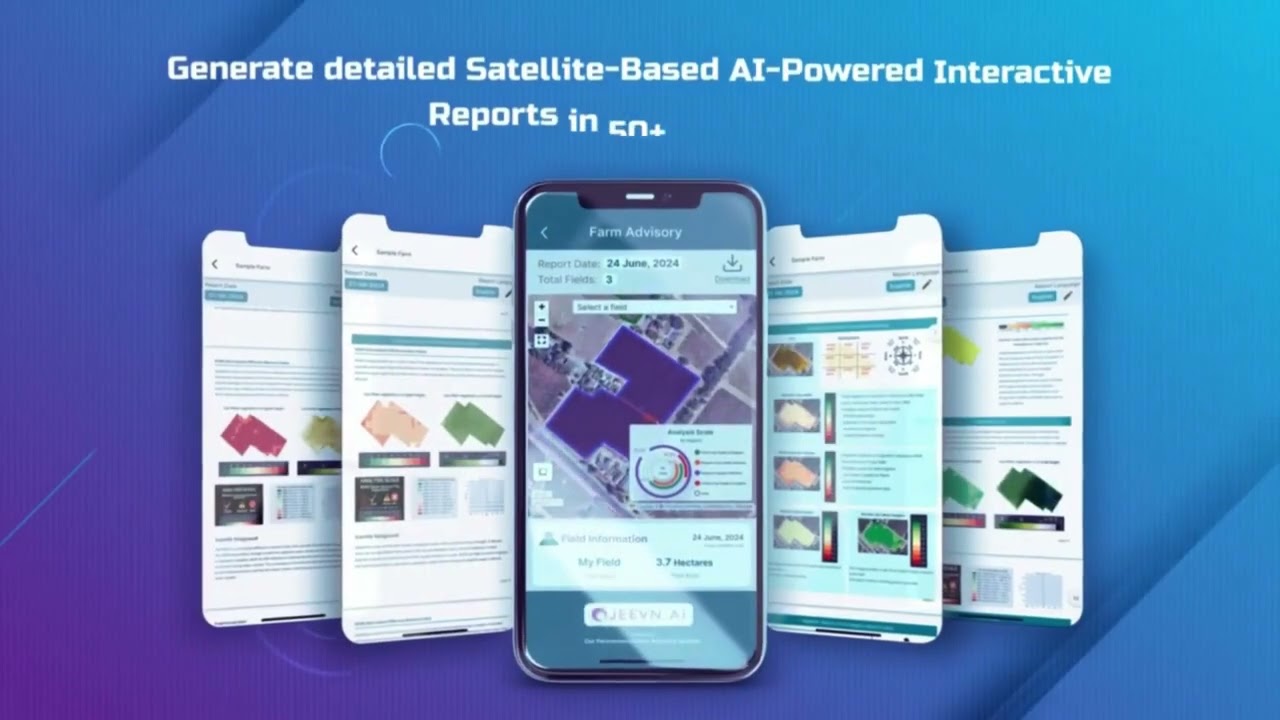
- AI-Powered Advisory: Integrated large-scale farm management tools and our Jeevn AI provide actionable insights for maximizing field efficiency, coordinating machinery, and monitoring environmental impact.
- API Integration: Businesses, governments, and developers can seamlessly access every analysis through our public API and robust developer documentation.

10. Integrated Precision and Smart Farming for 2025 & Beyond
The synergy between mechanized sugarcane harvesting and digital technologies (satellites, AI, drones, IoT) will continue to define modern agriculture in 2026 and beyond:
- Precision Agriculture: GPS-driven mapping, drone-assisted scouting, and satellite monitoring allow sugarcane farmers to reduce input wastage and optimize every square meter of their fields.
- Automated Machine Coordination: Fleet management tools track every harvester, loader, and transport truck in real time, ensuring nothing is left to chance and maximizing operational speed and reliability. Learn more about efficiency at Farmonaut Fleet Management.
- Farm-Wide Resource Integration: Water, nutrients, and crop protection can be managed precisely according to current satellite data, reducing environmental impact while enhancing yield.
Blockchain-based traceability also ensures authenticity within the entire sugarcane supply chain, right from field to processing mills and on to end-users and buyers.
11. The Future of Sugarcane Mechanization: 2026 and Beyond
By 2026, sugarcane agriculture will see further integration of automation, electrification, and artificial intelligence in machinery and crop management:
- All-Terrain Adaptability: John Deere sugarcane harvesters under continuous development will better handle uneven terrain and smaller landholdings, ensuring access for smallholder farmers in diverse regions.
- Hybrid/Electric Powertrains: Electrified harvesting machines will further reduce fuel use and local emissions, making sustainable practices a default standard.
- Machine Learning & Predictive Maintenance: Built-in analytics will allow real-time assessment of engine health, wear on blades, and operator performance, reducing downtime and maximizing lifespan.
- Integrated Environmental Impact Reporting: Satellite remote sensing and carbon footprinting tools will be universally accessible for compliance, incentives, and corporate reporting.
The future is not just about milk-and-honey profitability—it’s about building a regenerative, climate-smart, and resilient sugarcane sector.
12. Farmonaut Subscriptions and Solutions
Explore Farmonaut’s affordable, modular subscription plans for satellite-driven insights, AI advisory, fleet/resource management, traceability, and environmental monitoring to modernize your sugarcane agriculture operations.
You can also access Farmonaut via web and mobile apps for instant insights from anywhere.
13. Frequently Asked Questions (FAQ)
What is the main advantage of using a John Deere sugarcane harvester over manual harvesting?
The John Deere sugarcane harvester radically increases harvesting speed (up to 100 tons/hour), reduces labor requirements by more than half, and minimizes crop loss and damage. It also improves field consistency and deliverability to mills, contributing to higher sugar production and sustainability.
How does mechanization support sustainability in sugarcane agriculture?
Mechanization using advanced harvesting machines (like John Deere harvesters) reduces soil compaction, maximizes harvest efficiency, lowers fuel emissions, and improves environmental stewardship by optimizing resource input with less waste.
Are John Deere harvesters suitable for all sugarcane farm sizes?
John Deere harvesters are ideal for medium to large fields (commercial operations), with ongoing advancements expanding adaptability for smaller farms and more rugged terrains by 2026.
What role does Farmonaut play in sugarcane agriculture?
We at Farmonaut offer satellite-based crop health, environmental monitoring, resource optimization, AI advisory, traceability, and fleet management tools to modernize and improve decision-making for sugarcane farmers, agribusinesses, and governments globally. Learn more about our fleet management solutions.
How can mechanized harvesting impact sugar yield and quality?
Automated cutting, onboard sorting, and efficient logistics (all part of John Deere sugarcane harvesters) ensure that cane reaches the mills with minimal loss of sucrose content, offering cleaner, higher-yield batches for making sugar.
14. Conclusion: The High-Tech, Sustainable Future of Sugarcane Agriculture
From 2025 onward, sugarcane agriculture is driven by rapid mechanization advancements and a growing commitment to sustainable agricultural practices. With game-changing solutions like the John Deere sugarcane harvester and the integration of precision technology, onboard automation, and satellite monitoring (as provided by Farmonaut), the sector stands poised to meet rising global demand while reducing its environmental footprint.
Modern machine agriculture—including GPS automation, emission reductions, AI-based resource management, and blockchain traceability—is transforming both large-scale and smallholder sugarcane farming into models for global agri-innovation. As electrified and AI-integrated harvesters become reality, the future of sugarcane (field to mill to market) will be one of unprecedented efficiency, traceability, and sustainability.
If you are a sugarcane farmer, agricultural enterprise, or policymaker looking to adopt leading-edge technology and solutions in 2025 and beyond, the time to act is NOW. Embrace John Deere technology, pair it with Farmonaut’s precision monitoring and management platform, and shape the next chapter of high-tech, sustainable sugarcane agriculture.

 Contec Global
 ASQI
ASQI Teledarbas
 Wild Oak Farm
 SFX
SFX BACF Africa
 Doodlakine
 Exurbia Geospatial
 FieldZero
 Indico Company
 Kubota
 FFBS
FFBS Jontra
 Tucor
Tucor
