

Sugarcane Production Guide: 10 Best Tips for Yield
“Sugarcane yields can increase by up to 30% with proper soil preparation and nutrient management techniques.”
Table of Contents
Overview of Sugarcane Production
Sugarcane (Saccharum officinarum) is a vital tropical grass cultivated extensively for its high-sucrose stalks, which are processed into products such as sugar, molasses, and ethanol. As growers, our understanding of sugarcane cultivation practices—from soil preparation and seed selection to harvesting and post-harvest handling—forms the backbone of healthy, sustainable sugarcane farming and optimal yields.
In this comprehensive sugarcane planting guide, we’ll cover the most essential practices needed to maximize yield while ensuring sustainability. Emphasis is placed on irrigation methods, fertilization, disease and pest management, and leveraging advanced tools—like Farmonaut’s precision technology—for efficient, data-driven management. Let’s unlock higher productivity by mastering these 10 best tips for sugarcane yield optimization!





Sugarcane Production Guide: 10 Best Tips for Yield
Our journey through sugarcane cultivation rests on understanding both traditional farming wisdom and the latest technological advances. Here’s our step-by-step breakdown of the top 10 tips every grower should follow for healthy, high-yielding crops.
1. Assessing Ideal Climate and Soil Conditions
Sugarcane thrives in tropical and sub-tropical climates with stable temperatures ranging from 20°C to 32°C. A long growing season—ranging from 9 to 24 months—is essential for optimal growth, depending on the chosen variety and local climatic conditions. Our careful selection of optimal soil for sugarcane greatly influences yield:
- Type: Sugarcane can adapt to various soil types, but deep, well-drained loamy soils are ideal for facilitating robust root systems and nutrient uptake.
- Depth: A minimum soil depth of 1 meter is crucial, as roots may penetrate up to 5 meters depending on soil preparation and moisture conditions.
- pH Range: Maintain a slightly acidic to neutral pH (5.0 to 8.5). Both excessive acidity and alkaline soils can hinder nutrient absorption.
- Salinity: While sugarcane is moderately sensitive to soil salinity, higher levels will reduce yields. Always monitor and manage salinity especially in irrigated terrains.
The right soil conditions set the foundation for all subsequent cultivation practices. When unsure, we recommend utilizing soil testing—either locally or via smart platforms like Farmonaut—to assess organic matter, salinity, and pH for tailored fertilization plans.
Farmonaut Insight
Farmonaut’s large scale farm management platform lets us use satellite-sourced soil data to map soil moisture and nutrient levels, enabling data-driven decisions for better root health and crop performance.
2. Land Preparation for Efficient Plant Growth
Preparing land properly is essential for root development and effective nutrient uptake. The following steps are important:
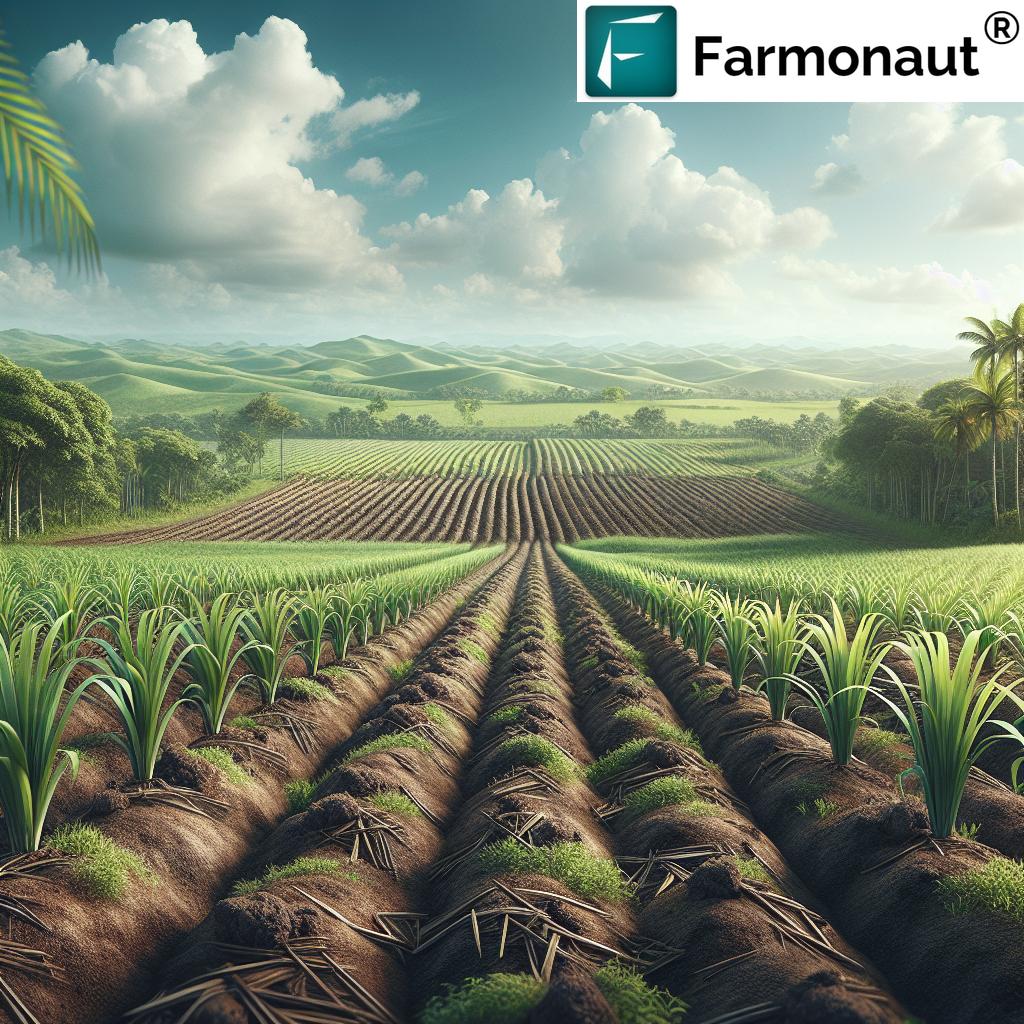
- Tillage: Perform deep plowing (around 30cm) followed by harrowing. This creates a fine tilth that facilitates root penetration and water movement.
- Incorporate Organic Matter: Apply 25–30 tons per hectare of well-rotted farmyard manure or compost. This improves soil fertility, structure, and boosts beneficial soil microorganisms.
- Leveling: After tillage, use leveling implements to even the field. Well-leveled land improves water distribution and reduces waterlogging
Soil preparation is not just about turning the earth—it directly impacts cane vigor, nutrient uptake, and final harvest quality.
3. Optimal Planting Methods for Maximum Yield
Strong germination and robust early development lay the groundwork for a high sugarcane yield.
- Seed Selection: Always use healthy setts (stem cuttings) containing at least two viable buds for vigorous sprouting. Disease-free setts reduce the risk of pest and disease outbreaks.
- Planting Time: In most tropical regions, planting is synchronized with the arrival of the rainy season to guarantee adequate moisture.
- Spacing: Use furrow planting with row spacing of 1.1–1.4 meters. Proper spacing supports sunlight capture, root expansion, and air circulation, thus decreasing disease pressure.
- Planting Depth: Place setts about 8–10cm deep to ensure quick emergence yet guard against desiccation.
Carefully planning spacing also simplifies later operations like weed control and irrigation.

4. Efficient Sugarcane Irrigation Methods
“Efficient drip irrigation can save up to 40% water while maintaining optimal sugarcane growth and productivity.”
Sugarcane requires a consistent water supply for healthy growth and high yields. Here’s how to optimize irrigation:
- Total Water Requirement: Sugarcane typically requires 1,500–2,500mm water over its full growing season. This volume is higher in sandy soils and lower in clay.
- Furrow Irrigation: Suitable for flat terrains and prevalent in most conventional systems. Water is channeled between rows to minimize wetting the upper stalks and promote efficient use.
- Drip Irrigation: A modern, sustainable option that delivers water directly to roots. Drip systems promote water conservation, reduce weed emergence, and optimize fertilizer application (fertigation).
- Sprinkler Irrigation: Beneficial in undulating lands or light-textured soils. It provides uniform soil moisture and prevents waterlogging.
- Irrigation Scheduling: Adjust application intervals based on crop growth stages, rainfall, and monitored soil moisture levels. Water stress during tillering and grand growth phase must be prevented.
Adopting efficient irrigation methods not only conserves water but can boost sugarcane yield and reduce disease incidence related to overwatering.
Farmonaut Technology
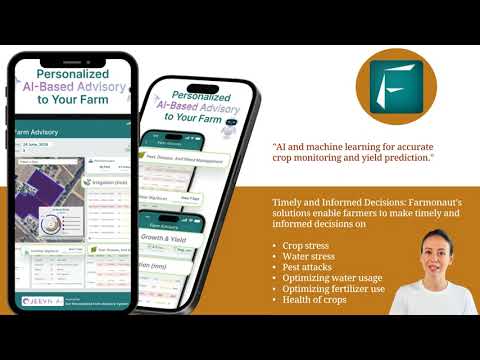
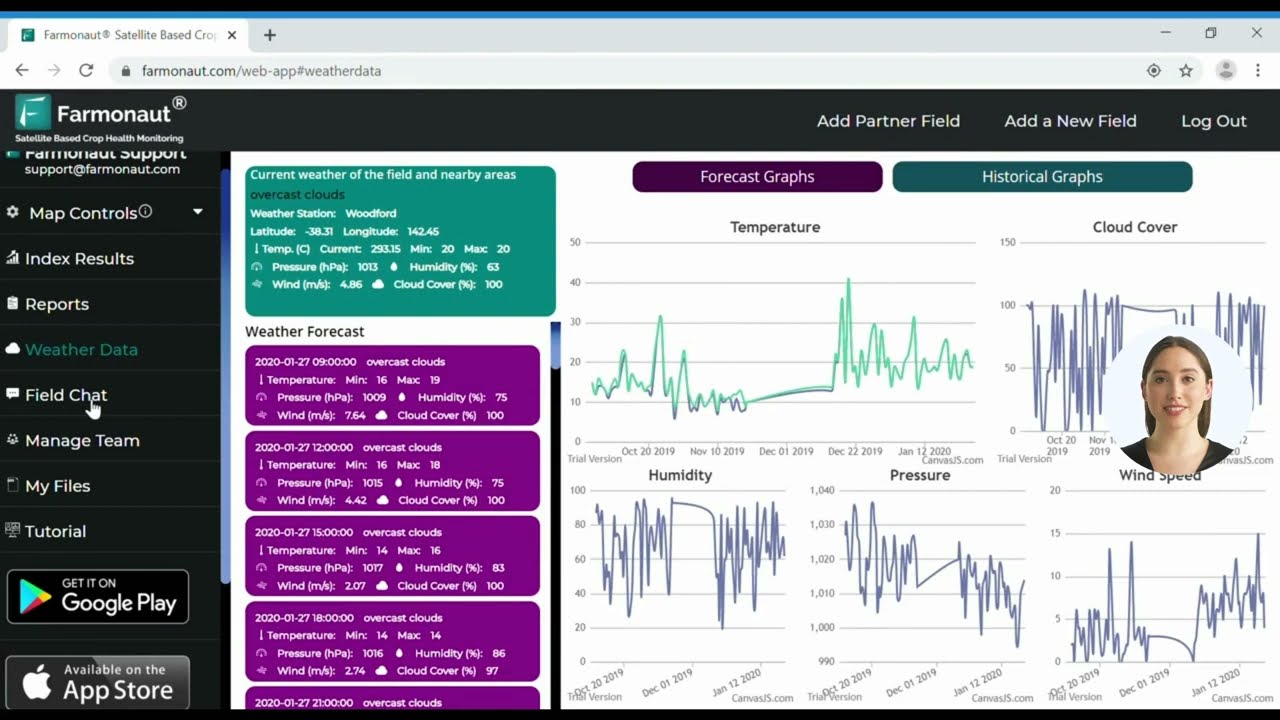
With Farmonaut’s crop and resource management solutions, we can view real-time satellite images to track soil moisture and implement targeted irrigation scheduling. This is essential for sugarcane production in large fields, ensuring no patch is under or over-watered.
Additionally, for deeper water usage tracking and responsible resource management—and to meet sustainability targets—explore Farmonaut’s carbon footprinting product. Carbon tracking also helps in reducing water and energy levels for irrigation.
5. Balanced Fertilization Strategies
Accurate fertilization is vital in maximizing sugarcane yield. Both macro- and micro-nutrients must be provided in the right dose and at the correct growth stage:
- Nitrogen (N): Apply 100–200 kg per hectare, split between planting and subsequent growth stages to support stalk elongation and leaf production. Over-application can reduce sugar content in stalks and promote disease.
- Phosphorus (P): 20–90 kg per hectare is recommended to promote early root development and cane tillering.
- Potassium (K): Apply 125–160 kg per hectare. Ample potassium supports stalk strength and enhances drought resistance.
- Micronutrients: Keep an eye on common deficiencies—especially sulfur and zinc—and supplement as required for robust cane growth.
Conduct annual soil tests and adjust fertilizer inputs accordingly. In cases of high organic matter content, reduce synthetic fertilizer doses.
6. Weed and Pest Control for Healthy Sugarcane
Weed competition and pest damage are two major causes of reduced sugarcane yield. Timely control measures are thus paramount:
- Weed Management: Start with pre-emergence herbicides soon after planting, complemented by hand weeding and hoeing during the initial growth stages. Mechanical cultivation also controls late germinating weeds.
- Pest Symptoms: Monitor for key threats like sugarcane borers, white grubs, termites, and scale insects.
- Sugarcane Pest Control: Practice integrated pest management (IPM) combining biological controls (such as Trichogramma wasps or beetles), cultural methods, and only targeted chemical sprays if an outbreak is serious.
Efficient pest and weed control in early stages can result in up to a 20–25% improvement in yield.
Use Farmonaut’s real-time AI-based advisory to get notifications about green cover loss (indicative of pest or weed outbreaks), and consult Jeevn AI advisory system for pest-specific best practices.
7. Disease Management in Sugarcane Crops
Sugarcane disease management focuses on prevention and early attention:
- Seed Treatment: Treat all setts with recommended fungicides before planting. This prevents primary transmission of viruses and fungal pathogens.
- Field Sanitation: Remove and destroy infected plants and crop residues immediately to halt spread.
- Resistant Varieties: Opt for robust, disease-resistant sugarcane varieties, especially where mosaic, red rot, smut, or leaf scald are recurrent.
- Rotation: Practice crop rotation—alternate sugarcane with legumes or cereals for at least one season to break disease cycles.
- Regular Monitoring: Use visual scouting and, ideally, remote sensing (via Farmonaut or local extension services) for early-detection mapping of disease outbreaks.
This comprehensive approach not only maintains healthy crops but also sustains yield over multiple growing seasons.
8. Sugarcane Harvesting Techniques for Maximum Sugar Recovery
Harvesting at the right time with correct methods is key to ensuring high sucrose content and minimal yield losses:
- Timing: The optimal window is when the cane matures (10–18 months after planting depending on variety and climate). Signs include firm stalks, dry leaves, lower pithiness, and high Brix readings.
- Manual Harvesting: Use sharp cutlasses or knives to cleanly cut stalks as close to the ground as possible. Avoid residual stubble as it reduces ratoon performance and total yield.
- Mechanical Harvesting: In large fields, mechanical harvesters boost efficiency but require well-leveled fields and proper spacing.
- Post-Harvest Handling: Transport harvested canes swiftly to processing facilities—delays can result in sucrose loss due to microbial decomposition.
By implementing the right sugarcane harvesting techniques, we minimize losses and produce better-quality sugar and byproducts.
9. Ratoon Cropping for Resource-Efficient Production
Ratoon management (raising new crops from the regrowth or stubble of previous harvests) is an effective way to multiply output from a single planting:
- Prompt Management: Post-harvest, irrigate and apply nutrients to aid sprout emergence.
- Weed and Disease Control: Continue early weed removal and monitor for pests, as old stubble can harbor pathogens.
- Yield Implications: Typically, the first ratoon crop yields 75–85% of the plant crop, and the second ratoon around 70%. Good management can keep yields high for two or even three ratoons.
- Benefits: Ratooning lowers seed and labor costs and saves land preparation time, maximizing profitability per hectare.
10. Environmental Sustainability and Conservation Measures
Sugarcane cultivation impacts soil, water, and surrounding ecosystems. Thus, sustainable sugarcane farming practices are crucial:
- Soil Conservation: On slopes or erodible terrains, plant grassed waterways, contour bunds, or other erosion control structures to curb soil loss.
- Efficient Resource Use: Prioritize efficient irrigation methods and limit residue burning—favor mulching for soil health.
- Integrated Pest Management (IPM): Rely on biological controls and cultural techniques to cut down on chemical pesticide use and related side effects.
- Carbon Monitoring: Tracking carbon footprints is increasingly required for responsible farming; Farmonaut’s carbon footprinting tool makes this easy and actionable.
When environmental stewardship is built into our sugarcane production, we not only secure current harvests but also the future of our farms.
Sugarcane Cultivation Tips Summary Table
How Farmonaut Transforms Sugarcane Production with Technology
To achieve consistent yield optimization in sugarcane production, integrating technology into our management toolbox is crucial. Farmonaut makes precision agriculture accessible with advanced tools for everyone—from smallholder growers to large agribusinesses.
Farmonaut’s Suite of Solutions
- Satellite-Based Crop Health Monitoring: Regular NDVI mapping pinpoints plant stress, pest outbreaks, and irregular irrigation in real time, letting us respond quickly before yields are affected.
- AI-Powered Advisory System (Jeevn AI): Get instant insights on weather, disease and pest pressure, and growth stage recommendations drawn from a blend of satellite and field data.
- Blockchain Traceability Solutions: For businesses ensuring transparent, trustworthy supply chains, Farmonaut’s product traceability system leverages blockchain to authenticate every step, from planting to harvest to market.
- Resource & Fleet Management: Farmonaut’s fleet management helps agribusinesses optimize transportation and field logistics, reducing costs per ton of cane delivered and improving harvest timing precision.
- Carbon Footprint Monitoring: Track and report carbon emissions from all farm activities, making compliance, eco-labeling, and resource saving straightforward. Explore Farmonaut’s carbon footprinting product.
- API & Developer Access: For researchers and developers, Farmonaut’s API (see API Developer Docs) makes it possible to embed precision tools into any custom solution or research project.
- Crop Loan and Insurance Verification: With satellite-based verification, banks and insurance firms can expedite loan approval and claims while guarding against fraud. Visit Farmonaut’s crop loan & insurance product for more information.
All these tools are available on web, Android, and iOS platforms, making smart farm management possible anywhere, anytime.
Frequently Asked Questions about Sugarcane Production
What is the best soil type for sugarcane production?
The optimal soil for sugarcane is a deep (at least 1 meter), well-drained loamy soil with a slightly acidic to neutral pH (5.0–8.5). This combination supports robust root development and efficient nutrient uptake.
How often should sugarcane be irrigated?
Irrigation intervals depend on soil type, weather, and growth stage. In sandy soils or hot dry climates, irrigate every 7–10 days. Use drip irrigation or furrow irrigation as appropriate for your field.
What is the best time for planting sugarcane?
In tropical climates, sugarcane is best planted at the onset of the rainy season to ensure sufficient soil moisture for rapid sprouting and healthy early growth.
How can Farmonaut help optimize sugarcane yields?
Farmonaut provides satellite-based crop monitoring, AI-powered crop advisory, fleet/resource management, carbon tracking, and product traceability—all of which can optimize resource use, prevent losses, and maximize overall yield.
What is ratoon cropping, and how can it be made successful?
Ratoon cropping involves regrowing new shoots from the stubble leftover after harvest. To ensure high yields in ratoons, promptly irrigate and fertilize after harvest, remove weeds and diseased plants, and continue pest vigilance.
How can I manage pests and diseases in my sugarcane crop?
Start with disease-free seed setts and practice integrated pest management (IPM)—including biological pest controls, crop rotation, and minimal, targeted pesticide applications.
Why is sugarcane harvesting timing important?
Harvesting sugarcane at the right maturity stage (10–18 months post-planting) ensures maximum sugar recovery. Delayed harvesting can decrease sucrose content; premature cutting results in low yield and impaired ratoon growth.
What are the main environmental considerations for sugarcane cultivation?
Soil erosion prevention, efficient water use, responsible chemical application, and carbon monitoring are vital to sustainable cane production. Explore tools like Farmonaut’s carbon footprinting for easy compliance.
Conclusion: Mastering Sugarcane Yield—A Guide to Sustainable Success
To sum up, maximizing sugarcane yield requires a comprehensive approach—balancing agronomic expertise with modern technology adoption. From assessing soil and climate conditions and employing precise irrigation methods, to pest and disease management, these 10 tips form our blueprint for sustainable sugarcane farming.
Leveraging advanced solutions like Farmonaut amplifies our capacity for data-driven decisions, improves resource efficiency, and ultimately delivers healthier, higher-yielding crops.
Whether we are experienced commercial growers or new to sugarcane, continuous learning and the right management tools are keys to thriving in the ever-evolving agricultural landscape. Let’s commit to best practices, sustainable approaches, and smart technology use for a brighter, more profitable future in sugarcane production.

 Pistachio ST
 Field Capacity
 Abhishta Agri
 Indosistim Teknologi
 Liquify Digital
 CU Foods
 BeyondTech Global
 Rouge VC
 AgroGreen Dynamics
 AgroRisk
 Oath Inc
 Reddane Farming
 Esri North East Africa
 Cresol
 MDCV UK
 Etech Consulting Madagascar
 Vestlandsforsking
