

7 Economic Problems in Agriculture & Solutions for Growth
“Over 60% of farmers worldwide face high input costs, impacting their profitability and long-term sustainability.”
- Introduction: Understanding Economic Problems in Agriculture
- Problems and Solutions Summary Table
- 1. Prices & Income Volatility
- 2. Input Costs & Access to Credit
- 3. Land Tenure & Resource Allocation
- 4. Climate Risk & Environmental Sustainability
- 5. Market Access & Post-Harvest Losses
- 6. Policy & Institutional Framework
- 7. Technology Adoption & Productivity Gaps
- Labor Dynamics, Rural Viability & Financing the Transition
- Key Solutions for Growth & Sustainability
- Satellite & Technology-Driven Solutions: The Farmonaut Approach
- FAQs
- Conclusion
Introduction: Understanding Economic Problems in Agriculture
Agriculture is the backbone of countless economies—connecting land, policy, price, input, risk, productivity, and sustainability. However, the economic problems in agriculture often jeopardize the viability and growth of sectors like farming, forestry, mining-linked agriculture, and agro-based infrastructure. These seven core economic challenges shape the day-to-day realities of farmers and influence how policymakers drive sectoral growth.
Agriculture economics is far more than just data and policies—it’s about livelihoods, climate, markets, and the ongoing quest for resilient, sustainable growth. Let’s explore the 7 economic problems in agriculture, their practical implications, and solution pathways for growth in the current era.
Problems and Solutions Summary Table: 7 Economic Problems in Agriculture
1. Prices & Income Volatility: The Heart of Economic Problems in Agriculture
Price volatility and income instability are the defining economic problems in agriculture. Prices are notoriously cyclical and volatile due to risks like weather, policy, global demand-supply shocks, and changing input costs. For smallholders lacking robust risk management tools, this often means income swings that can push farmers into distress selling, underproduction, or even exiting farming altogether.
- ✔ Weather and supply chain shocks can cause abrupt price drops—farmers may be forced to sell at a loss (“price cliffs”).
- ⚠ Global price swings in key commodities translate quickly to local income instability, especially for export-dependent crops.
- 📊 Delayed investments often occur during downturns, hampering long-term productivity gains and discouraging adoption of improvements.
- ⚠ High price risk reduces willingness to invest in tech, equipment, or soil health.
- ✔ Income volatility impacts rural viability, especially where alternative livelihoods are scarce.
Solutions for Price Volatility and Income Instability:
- Implement crop insurance and public/private risk-sharing mechanisms.
- Encourage the use of futures markets and price stabilization funds.
- Invest in real-time production and demand forecasting tools for smarter planning.
- Support farmers with price guarantees, floor prices, or minimum support price policies where feasible.

“Market risks cause up to 30% annual income fluctuation for smallholder farmers, highlighting the need for stable policies.”
2. Input Costs & Access to Credit: Shaping Economic Farming Outcomes
Input costs and access to credit constitute the biggest day-to-day economic problems in agriculture. Fertilizers, seeds, pesticides, machinery, and irrigation systems are all essential—but these expenses are subject to global price swings, fuel price volatility, and supply chain disruptions.
- 📊 Input costs can account for over 20% of gross farm income, squeezing margins especially during periods of high global prices.
- ⚠ Limited access to affordable credit or collateral-based loans restricts technology adoption, mechanization, and timely purchase of inputs.
- ✔ Innovative financial products like digital lending, satellite-based loan verification, and flexible repayment schedules can lower these barriers.
- ⚠ For small and marginal lands, recurrent costs are harder to absorb, increasing the risk of underproduction or inefficiency.
Solutions for Input Cost and Credit Accessibility:
- ✔ Enhance access to subsidized fertilizers, seeds, and pesticides for smallholders.
- ✔ Promote microfinance, flexible digital lending, and satellite-based farm assessments.
- ✔ Reduce collateral requirements using alternative verification mechanisms (for example, integrating satellite data with Farmonaut’s crop loan and insurance services).
- ✔ Improve agricultural extension services for input optimization and cost management education.

- 💡 Key benefit: Lower input costs increase overall profitability and support sustainable farm growth.
- 💳 Access to affordable credit: Enables timely investment in seeds, fertilizer, and technology.
- ⚙ Improved efficiency: Mechanization and input optimization boost yields and reduce waste.
- 🌾 Boosts adoption: Financial flexibility allows more farmers to try advanced sustainable practices.
- 🟢 Strengthens resilience: Reduces vulnerability to seasonal cash-flow challenges.
3. Land Tenure & Resource Allocation: The Foundation of Agriculture Economics
Secure land rights and efficient resource allocation are central to both agriculture economics and rural viability. Insecure land tenure reduces long-term investment incentive—farmers hesitate to invest in soil health, water management, or agroforestry without legal certainty. Fragmentation of holdings further limits economies of scale and efficient resource use.
- 🏞 Fragmentation leads to inefficient use of water, labor, and machinery.
- ⚠ Competing land uses (mining, forestry, infrastructure projects) can pressure agricultural land availability and price.
- 💡 Secure land tenure directly boosts willingness to invest in soil improvements and climate adaptation.
- ⚠ Insecure rights are especially challenging for marginalized, indigenous, and smallholder populations.

Strategies for Land Tenure Security and Resource Allocation:
- ✔ Enact and enforce clear land titling and registration systems.
- ✔ Use remote sensing and blockchain for transparent land records and traceability (learn more about Farmonaut’s traceability solutions).
- ✔ Encourage land consolidation and cooperative structures to achieve scale.
- ✔ Integrate land use planning for balanced growth of agriculture, mining, forestry, and infrastructure.
- ✔ Foster policy dialogue on compensation mechanisms where land conversion is necessary for infrastructure or mining projects.
4. Climate Risk & Environmental Sustainability: Facing the Dual Challenge
Climate risk and environmental sustainability are now core challenges in agriculture economics. Weather variability, droughts, rising temperatures, and intensive farming harm yields, soil fertility, and forest productivity. Farmers and policymakers contend with the dual imperative: adapt to climate shocks and ensure long-term environmental health.
- 🌪 Weather variability can wipe out an entire season’s work, causing up to 30% yield losses in extreme years.
- 💦 Soil health & water availability are jeopardized by erosion, over-extraction, and unsustainable practices.
- 🌳 Agroforestry and regenerative agriculture have become essential for restoring balance and resilience.
- ⚠ Adaptation costs (irrigation, drought-resistant seeds, conservation) are high—and not all farmers can afford them without policy or financial support.

Steps for Climate Risk Management and Environmental Sustainability:
- ✔ Prioritize climate-smart agriculture (soil conservation, zero-till, water-saving irrigation).
- ✔ Leverage carbon footprinting solutions (see Farmonaut’s tools for sustainable agriculture and mining).
- ✔ Invest in agroforestry, crop diversification, and integrated nutrient management.
- ✔ Provide targeted financing for adaptation: incentives, blended finance, and public–private partnerships.
- ✔ Disseminate extension services and knowledge resources on climate adaptation best practices.

5. Market Access & Post-Harvest Losses: Unlocking Value in the Chain
One of the most pervasive problems of agriculture sector is weak access to profitable markets and high post-harvest losses. Inefficient infrastructure, long supply chains, poor storage, and lack of processing facilities erode value—sometimes up to 30% of potential farm output.
- 🚚 Poor transportation systems and remote locations increase costs, especially for smallholders in less-connected regions.
- ⚠ Inadequate storage and processing result in spoilage and value loss—affecting income and price realization.
- 🗂 Lack of grading standards and market information prevents farmers from accessing premium markets.
- 📉 Weak value chains undermine the ability to scale production or invest in quality improvements.
- 🔗 Invest in storage and cold chains to reduce post-harvest spoilage.
- 📊 Promote digital market information systems for real-time pricing and demand updates.
- 💼 Encourage farmer cooperatives for shared logistics and bargaining power.
- 🌍 Build export-oriented value chains for high-value crops, forestry, and agro-based products.
- 🧮 Enhance rural infrastructure—roads, collection centers, rural markets—to open new market channels.

6. Policy & Institutional Framework: Shaping Solutions for Economic Problems in Agriculture
A strong policy and institutional framework is essential for addressing the economic problems in agriculture. Flawed or unpredictable agricultural policy, ineffective subsidies, or lack of extension services can distort incentives, misallocate resources, and undermine productivity.
- ⚠ Uncoordinated subsidies can lead to input overuse or resource misallocation.
- 📊 Heavy taxation or abrupt policy changes deter investment and risk-taking.
- 🏛 Weak extension systems fail to transmit knowledge and best practices, widening productivity gaps.
- ✔ Cooperatives, land reform, and targeted credit schemes can support sector-wide innovation and resilience.

- ✔ Develop and implement coherent, long-term policies that signal stability to the sector.
- ✔ Adopt digital extension platforms for up-to-date knowledge transfer, monitoring, and advisory services.
- ✔ Reform subsidies to promote sustainable practices and smart resource allocation.
- ✔ Align land, infrastructure, and environmental policy for holistic rural development.
7. Technology Adoption & Productivity Gaps: Closing the Divide
Persistent productivity gaps stem from uneven technology adoption in agriculture. Without best practices, many producers operate well below potential, missing opportunities to increase yield, efficiency, and sustainability.
- 💡 Yield gaps between top-performing and average farms can exceed 30–40% due to uneven adoption of improved seeds, precision irrigation, and soil management practices.
- ⚠ Barriers include capital costs, knowledge gaps, limited extension services, and risk aversion.
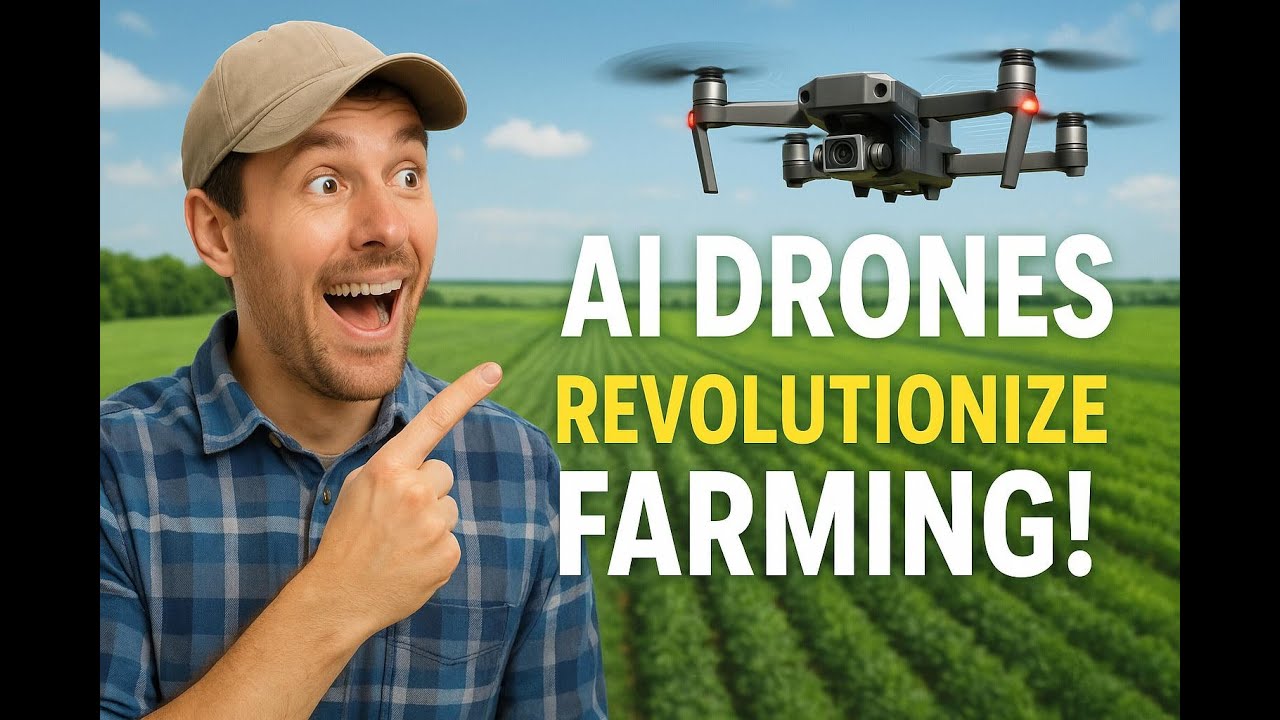
- 🌱 Precision agriculture, AI advisory systems, and drone technologies accelerate the closing of this gap.
- ✔ Invest in affordable, modular technology packages for smallholders (mobile apps, remote advice, satellite monitoring).
- ✔ Promote demonstration farms and farmer-to-farmer learning.
- ✔ Partner with private tech providers for rapid scale-up.
- ✔ Leverage fleet and resource management platforms to optimize machinery, logistics, and resource use.
Labor Dynamics, Rural Viability & Financing the Transition
Parallel to the seven core challenges, labor availability and the quest to finance sustainable transitions remain vital. Migration, skill shortages, and limited rural opportunities affect economic farming, while a lack of patient, risk-sharing capital limits adoption of long-term improvements and climate resilience.
- 🤝 Labor migration to urban centers can reduce farm productivity and restrict intensive practices.
- 🧑🔬 Skill shortages in agronomy, ecology, and digital systems hamper technology adoption and certification.
- 💰 Transition financing (including blended finance and public–private partnerships) is essential for green investments in soil health, water, and agroforestry.
- 🔥 Without robust financing mechanisms, the sector cannot move toward climate-smart agriculture and resilient rural growth models.

Farmonaut’s platform provides tools for real-time farm, fleet, and resource management, enabling farmers and enterprises to optimize logistics and plan labor and operations efficiently across rural and peri-urban contexts.
- 🚀 Scalable monitoring tools allow users to manage expanding farm or mining operations with consistent data for planning and labor allocation.
- 📲 Mobile & API access (see our Android, iOS, and developer API options) ensure flexibility for diverse users.
Key Solutions for Growth & Sustainability in Agriculture Economics
Addressing the 7 economic problems in agriculture requires a holistic, integrated approach. Here’s how farmers and policymakers can drive solutions:
The wider set of farm challenges, beyond the purely economic ones, is covered in common problems farmers face with practical fixes for each.
- ✔ Strengthen risk management: Implement crop insurance, price stabilization, and futures markets.
- ✔ Improve input and credit access: Promote flexible, affordable credit and optimize input subsidies for smallholders.
- ✔ Secure land rights: Modernize titling and support transparent allocation for economic farming and sustainable growth.
- ✔ Invest in climate adaptation: Mainstream climate-smart agriculture and environmental monitoring tools.
- ✔ Upgrade market infrastructure: Expand rural storage, cold chains, and digital information platforms.
- ✔ Modernize policy frameworks: Align subsidies and regulatory incentives, and support robust extension services.
- ✔ Bridge technology gaps: Promote affordable digital tools, training, and partnerships to close yield divides.
Satellite & Technology-Driven Solutions: The Farmonaut Approach
At Farmonaut, we focus on making advanced agricultural technologies more affordable and accessible for all users across agriculture, mining, and infrastructure sectors. Our platform delivers:
- 🛰 Satellite imagery and AI-driven real-time monitoring for crops, mining land, and infrastructure—enabling rapid, data-driven decisions and optimizing resource management.
- 🔗 Blockchain-based traceability to strengthen supply chain transparency for agriculture and mining, and support regulatory or premium value claims (learn more).
- 🌱 Environmental impact tracking (carbon, water, emissions) for compliance and sustainability reporting (details here).
- ⛈ Jeevn AI-driven decision support—customized advice based on real-time data (weather, soil, crop health) via mobile or web applications.
- 🚜 Fleet & resource management software to manage farm machinery, vehicles, and infrastructure assets for enhanced efficiency.
- 🤝 API solutions for integration with financial institutions, ensuring rapid, fraud-resistant loan and insurance assessments (more info).
Our tools are accessible through web and mobile apps (both Android and iOS), or via the Farmonaut API, making it easy for farmers, enterprises, and governments to integrate actionable insights into day-to-day management and policy.


- 🌐 API Access: Developers and agri-enterprises can automate workflows and data integration using the Farmonaut Weather & Satellite API Docs.
- 🛡 Security: Blockchain implementation ensures supply chain and product traceability, boosting trust for agro-industrial and mining-linked supply chains.
- 🌎 Scalable: Ideal for small family farms, large corporate farms, infrastructure projects, and government initiatives.
Frequently Asked Questions (FAQs)
What are the seven core economic problems in agriculture?
The seven main economic problems in agriculture—based on a global overview—are: 1) prices and income volatility, 2) input costs and access to credit, 3) land tenure and resource allocation, 4) climate risk and environmental sustainability, 5) market access and post-harvest losses, 6) policy and institutional framework, and 7) technology adoption and productivity gaps.
How do global market risks affect farmers’ incomes?
Global demand-supply imbalances, trade policy shifts, and price volatility can cause annual income fluctuations as high as 30% for vulnerable smallholder farmers, underscoring the need for robust risk management and policy frameworks.
Why is secure land tenure critical for agricultural investments?
Farmers are far more likely to invest in long-term soil health and water management if land rights are clear and secure. Land fragmentation or poorly defined tenure can result in underinvestment and inefficiency, hampering sustainable yield growth.
How does technology adoption help address economic problems in agriculture?
Digital tools, precision agriculture, AI-driven advisory, and satellite monitoring close yield gaps, optimize input use, reduce post-harvest losses, and improve climate resilience—helping both small and large producers adapt and thrive.
What solutions exist for financing sustainable transitions in agriculture?
Patient capital, blended finance, public-private partnerships, and data-driven verification systems (like remote satellite monitoring) enable affordable credit, risk-sharing, and incentives for green investments in land, water, and environmental health.
How do I access Farmonaut’s satellite solutions?
You can access our solutions through web, Android, iOS apps, or through application programming interfaces (API).
Conclusion: Charting a Path for Growth & Resilience
The 7 economic problems in agriculture are not insurmountable, but they do require concerted effort, clarity of policy, and innovative technology. By investing in risk management tools, affordable input systems, secure land rights, robust infrastructure, adaptive policy, and progressive technology, we can together achieve sustainable, inclusive growth in the agriculture sector.
At Farmonaut, we are committed to supporting farmers, enterprises, and policymakers with the very latest in satellite, AI, and blockchain-based solutions—making our economies more resilient, transparent, and prepared for the challenges and opportunities that lie ahead.
Ready to transform your approach to agriculture, mining, or infrastructure planning? Access Farmonaut’s suite of actionable, real-time intelligence today!
Discussion
Questions, corrections or field experience? Share them below. First-time comments are reviewed before they appear, and your email is never published.
No comments yet. Be the first to add a question or your experience.

 Clubhouse OS
 John Deere
 Progenseed
 SkyHarvest
 Polaris Digitech
 Teledarbas
 Wild Oak Farm
 SFX
SFX BACF Africa
 Doodlakine
 Exurbia Geospatial
 FieldZero
 Indico Company
 Kubota
 Licence holder · Niger · Gold










