

10 Problems of Indian Agriculture & Solutions 2025: Key Challenges, Sustainability, and the Way Forward
“Over 60% of Indian farmers face unpredictable weather, impacting crop yields and income stability each year.”
Introduction: The Backbone of India’s Economy
Agriculture is the backbone of India’s economy, playing a central role in the livelihoods of a significant portion of the population. Approximately 58% of India’s rural population depends on farming for food, employment, and income, anchoring rural development and economic stability. However, despite its critical importance, the agricultural sector faces numerous challenges—particularly regarding sustainability, productivity, and access to modern technologies.
As we journey further into 2025, it becomes essential to ask, “What are the 10 problems of agriculture and solutions?” This article explores the main problems of Indian agriculture, focuses on sustainable development, and outlines real-world solutions using examples of the latest technological advancements. Our focus is on ensuring food security, environmental stability, and the enhancement of rural livelihoods for the future.
What Are the 10 Problems of Agriculture in India?
Understanding what are the main problems in agriculture enables us to address the root causes and implement impactful solutions. Below, we outline the 10 main problems of Indian agriculture with a special focus on issues like weather, sustainability, infrastructure, and market access.
- Dependence on monsoons and unpredictable weather
- Fragmented land holdings and small farm sizes
- Inadequate access to modern technology and machinery
- Soil degradation and fertility loss
- Post-harvest losses and poor storage facilities
- Lack of access to credit and fair pricing mechanisms
- Market uncertainties and price volatility
- Labor shortages and migration
- Limited agricultural extension services
- Environmental concerns and need for sustainable practices
Problems & Solutions Comparison Table 2025: Indian Agriculture
| Agricultural Problem | Proposed Solution | Environmental Sustainability Focus | Estimated Impact (2025) |
|---|---|---|---|
| Dependence on monsoons & unpredictable weather | Investment in efficient irrigation (drip, rainwater harvesting), climate-resilient crops, precision weather forecasting | Water-saving, climate adaptation | Up to 20% reduction in water use; improved yield stability |
| Fragmented land holdings | Land consolidation, cooperative farming, technology-enabled resource sharing | Reduced resource redundancy, increased mechanization | Better resource efficiency for 1+ million smallholders |
| Inadequate access to modern technology | Affordable access to technology, training, government & private support | Higher productivity, resource efficiency | Expected yield increase: 15% |
| Soil degradation & fertility loss | Sustainable soil management, organic practice promotion, soil health monitoring | Reduced chemical runoff, enhanced soil biodiversity | Up to 30% reduction in fertilizer use |
| Post-harvest losses & inadequate storage | Cold chain infrastructure, digital logistics, agro-processing units | Reduced spoilage, food waste control | Potential to save 15-20% of food, benefiting millions |
| Lack of access to credit & fair pricing | Institutionalized credit, transparent digital payment, FPOs, crop insurance | Financial resilience, reduced exploitation | Increased income stability for 2+ million farmers |
| Market uncertainties & price volatility | Strengthened MSP, real-time price data, contract farming | Decreased price fluctuations, transparency | Price stability for >1 million farmers |
| Labor shortages | Mechanization, labor-saving farm technologies, digital workforce platforms | Reduced drudgery, increased efficiency | 20-30% productivity gain during peak seasons |
| Limited agricultural extension services | Digital extension platforms, mobile advisory, local resource centers | Wide, scalable outreach, knowledge dissemination | Access for 5+ million farmers |
| Environmental concerns & sustainability | Agroforestry, diversified cropping, carbon tracking, sustainable practice promotion | Biodiversity, reduced emissions, soil & water conservation | 30% lower carbon emissions in target areas |
“Sustainable practices could boost Indian farm productivity by up to 30% by 2025, reducing environmental impact.”
Comprehensive Analysis: Main Problems of Indian Agriculture & Sustainable Solutions for 2025
1. Dependence on Monsoons and Unpredictable Weather
A significant portion of Indian agriculture remains highly vulnerable due to its dependence on monsoons and unpredictable weather. Erratic rainfall, droughts, floods, and unseasonal rains disrupt crop cycles. With climate change exacerbating extreme events, the result is reduced yields and distress for farmers.
Solution: Efficient Irrigation, Climate-Resilient Crops & Advanced Forecasting
- Investment in irrigation infrastructure (drip irrigation, rainwater harvesting, and expanded irrigation networks) can significantly reduce dependence on rainfall.
- Adoption of climate-resilient crop varieties and advanced weather forecasting technologies empower farmers to mitigate weather-related risks.
- Real-time tools can alert farmers to impending extreme weather events, allowing better resource planning and protective strategies.

Cost-effective, satellite-driven weather forecasting platforms—such as those integrated within apps or web systems—are increasingly available on the market. These digital tools harness satellite and AI data to enable timely, precise alerts across India.

Farmonaut provides advanced, real-time satellite-based weather advisory services and remote sensing tools through its web, Android, and iOS platforms. These tools support better farming decisions, resource use efficiency, and adaptation to weather uncertainties.



2. Fragmented Land Holdings
In India, most farmers cultivate small and fragmented land parcels. This setup limits the adoption of mechanization, reduces economies of scale, and diminishes market competitiveness. The outcome is inefficient resource use, restricted productivity, and hindered rural development.
Solution: Land Consolidation, Cooperative Farming & Tech-Enabled Models
- Land consolidation and cooperative farming models can pool resources, reduce redundancy, and enable mechanization and modern technologies.
- Platforms supporting collaborative resource utilization lets smallholders access machinery and infrastructure that was previously unaffordable.
- Policy-driven models also foster knowledge-sharing and market power, providing a stronger voice for small-scale farmers.

Such approaches are essential for maximizing the efficiency and sustainability of agricultural production, which is why encouraging consolidation and cooperative models is among the top solutions for solving problems of Indian agriculture in 2025.
3. Inadequate Access to Modern Technology
Many Indian farmers—especially in remote and economically weaker areas—lack access to modern technology. This includes advanced machinery, precision farming tools, quality seeds, and efficient irrigation systems. The technology gap severely restricts farming productivity, sustainability, and competitiveness in global markets.
Solution: Technology Access, Training & Farmer-Friendly Platforms
- Public- and private-sector schemes must bridge the affordability gap, making advanced agri-tech accessible to smallholders.
- Training and demonstration centers build digital literacy and technical knowledge regarding modern farming practices.
- Platforms that offer satellite monitoring, AI-based advisories, or APIs simplify technology adoption at every scale—enabling farmers to monitor field health, irrigation, and yield potential in real time.
Explore Farmonaut’s Agricultural APIs for integrating real-time satellite data, weather forecasts, and crop management tools tailored for developers and agri-businesses.
Developer API Documentation — ensures seamless integration for precision farming and monitoring systems.
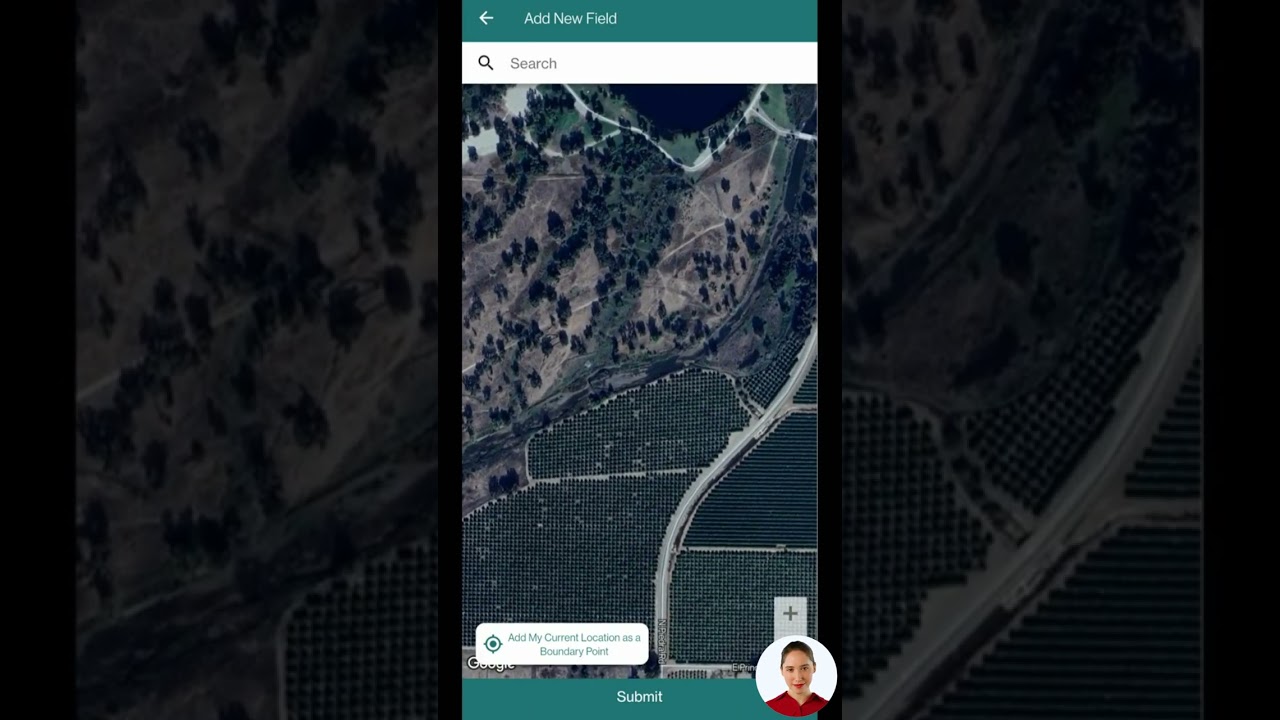
With the adoption of digital platforms and mobile apps, more and more farmers can access information on best practices, real-time crop health, and weather advisories, crucial for sustainability and productivity.
4. Soil Degradation and Fertility Loss
Excessive chemical input use, monocropping, and improper irrigation have caused significant soil degradation across India’s key agricultural zones. This results in fertility loss, pH imbalance, erosion, and poor water retention, directly affecting crop output and rural incomes.
Solution: Sustainable Soil Management, Organic Practice, and Monitoring
- Soil-testing and mapping allows for targeted fertilizer and irrigation application, reducing environmental impact and improving yield.
- Adoption of sustainable practices such as crop rotation, green manuring, biofertilizers, and reduced tillage helps restore soil health.
- Organic farming practices further reduce degradation, enhance biodiversity, and ensure long-term agricultural sustainability.


Learn about Farmonaut’s Carbon Footprinting Platform—helping agricultural businesses and farmers monitor environmental impact, reduce emissions, and enhance soil health sustainably.

5. Post-Harvest Losses and Poor Storage Facilities
A substantial portion of Indian farm produce is lost post-harvest, primarily due to inadequate storage, substandard transportation, and lack of agro-processing units. These losses diminish farmer profitability and represent a severe challenge to food security and the overall development of the agricultural sector.
Solution: Cold Chains, Modern Storage Infrastructure & Logistics Technology
- Investment in post-harvest infrastructure — including cold storage chains, digital logistics, and processing centers — reduces spoilage and preserves crop quality.
- Technology-enabled supply chains connect farmers directly to markets and consumers, improving timely delivery and reducing intermediary costs.
- Blockchain-based traceability platforms further increase transparency and authenticity in the supply chain, especially for high-value crops.
Explore Farmonaut’s Traceability Solution—provides end-to-end blockchain-based transparency for tracking produce from farm to market, minimizing post-harvest losses and fostering consumer trust in Indian agriculture.

6. Lack of Access to Credit and Fair Pricing
Smallholder farmers often struggle to get affordable institutional credit due to lack of collateral or formal credit history. Meanwhile, the dominance of middlemen and absence of fair price discovery mechanisms undermine profitability and threaten long-term stability.
Solution: Expanding Credit, Digital Payments, FPOs & Crop Insurance
- Promotion of Farmer Producer Organizations (FPOs) increases collective bargaining, access to formal finance, and fair market presence.
- Institutionalized credit and digital payment platforms (including direct benefit transfer schemes) rapidly increase transparent, timely financial access.
- Crop insurance schemes protect against losses due to adverse weather, pests, and market price fluctuations.
Farmonaut Crop Loan and Insurance Platform—supports satellite-based verification and risk monitoring for secure, timely credit and insurance flows to Indian farmers, reducing fraud and empowering rural households.
7. Market Uncertainties and Price Volatility
Unpredictable market prices—whether due to supply-demand imbalances, policy changes, or export restrictions—create high income uncertainty for farmers. These main problems in agriculture hinder sustainability and discourage investment in improved practices.
Solution: Strengthened MSP, Price Data Systems & Smart Policies
- Expansion and effective implementation of Minimum Support Prices (MSP) shields farmers from extreme price crashes and market shocks.
- Real-time digital market information systems provide accurate data on demand, supply, and regional prices, leveling the playing field for smallholders.
- Promotion of contract farming offers price stability, assured markets, and introduces modern best practices.
Reliable information systems tied to satellite data and market intelligence apps can help bridge the information gap and enable data-driven market access decisions.
8. Labor Shortages
The Indian agricultural sector faces a growing labor shortage due to rapid urban migration, demographic shifts, and low rural wages. This is especially acute during peak farming seasons, affecting timely sowing, harvesting, and post-harvest handling.
Solution: Mechanization, Automation & Farm Management Tech
- Mechanization and the adoption of labor-saving technologies (like drones, automated planters, harvesters) can significantly reduce dependence on manual labor.
- Affordable leasing models and cooperative ownership of machinery make modern equipment accessible to even small farms.
- Digital workforce platforms can supplement on-farm labor during critical periods.
Discover Farmonaut’s Fleet Management Platform—provides satellite-driven logistics solutions for optimizing the use of tractors, harvesters, and other farm machinery across dispersed, small holdings.
9. Limited Agricultural Extension Services
Many farmers do not receive timely information on best practices, weather, or government schemes. This information gap leads to outdated, inefficient, or environmentally unsustainable practices on Indian farms.
Solution: Digital Advisory, Knowledge Centers & Scalable Extension
- Digital platforms—mobile apps, web portals, and API integrations—can deliver personalized agricultural advisory services at scale.
- Satellite-driven extension systems (like those integrated through Farmonaut’s advisory and monitoring solutions) provide localized, real-time insights and weather updates to farmers.
- Community resource centers can enhance adoption and support among digitally less literate farmers, ensuring inclusivity.
Learn more about Farmonaut’s Large-Scale Farm Management App—supporting agricultural businesses, extension agents, and cooperatives with real-time monitoring, digital advisory, and scalable extension services.
10. Environmental Concerns and Sustainability
Excessive use of water, pesticides, and monoculture practices threaten India’s agricultural sustainability, leading to biodiversity loss, soil and water contamination, and increased carbon emissions.
Solution: Agroforestry, Carbon Monitoring & Diversification
- Agroforestry and diversified cropping systems enhance biodiversity and improve soil and water conservation.
- Precision farming and resource monitoring reduce waste and environmental damage.
- Tools for carbon monitoring and reporting support compliance and promote climate-smart agricultural practices.
Explore Carbon Footprinting in Agriculture—track, monitor, and reduce on-farm carbon emissions to build a sustainable, resilient agri-sector for 2025 and beyond.
Farmonaut: Leveraging Advanced Technologies for Sustainable Indian Agriculture
Our mission at Farmonaut is to democratize access to satellite technology, artificial intelligence, and blockchain for the agriculture sector. We provide affordable, scalable, and user-friendly solutions that empower Indian farmers, agribusinesses, and government agencies to make data-driven decisions for sustainability, profitability, and productivity.
- Satellite-based crop and soil monitoring for precision agriculture and optimized resource use
- Jeevn AI advisory systems to provide localized, real-time weather, crop, and management advice
- Blockchain-based traceability to ensure transparency, authenticity, and trust in agricultural supply chains
- Environmental impact monitoring and carbon footprinting to promote sustainable practices
- Fleet and logistics management tools for machinery and resource optimization
Farmonaut Subscriptions & Services
Explore our flexible subscription plans designed for farmers, businesses, and government agencies seeking to leverage the full potential of satellite technology, AI, and blockchain.
Affordable. Scalable. Real-world impact for Indian agriculture in 2025 and beyond.
Frequently Asked Questions (FAQ)
-
Q: What are the 10 problems of agriculture and solutions in India?
A: The 10 main problems in Indian agriculture for 2025 include dependence on monsoons, fragmented land holdings, inadequate technology access, soil degradation, post-harvest losses, lack of credit, market volatility, labor shortages, limited extension services, and environmental concerns. Solutions focus on sustainability, modernization, infrastructure, digital advisory, and farmer empowerment. -
Q: How can technology boost farming productivity and sustainability?
A: Digital and satellite technologies optimize resource use, enable precision farming, offer real-time weather and crop advisories, and empower farmers to make informed decisions for higher yields and reduced environmental impact. -
Q: What role does Farmonaut play in addressing Indian agriculture’s main problems?
A: We provide advanced, affordable satellite monitoring, AI advisory, blockchain-based traceability, and environmental impact solutions—boosting productivity, sustainability, and resilience for India’s farmers and agribusinesses. -
Q: How does carbon footprinting support sustainable agriculture?
A: Carbon footprinting tracks emissions on the farm, helping farmers and agribusinesses reduce waste, improve energy use, meet regulatory requirements, and contribute to global climate goals while maintaining yields. -
Q: Where can I access Farmonaut’s apps and API documentation?
A: Download our app on Android, iOS or explore our web platform. Developers can view API docs here.
Conclusion: The Road Ahead for Indian Agriculture in 2025 & Beyond
The problems of Indian agriculture are complex, interlinked, and critical to the nation’s future food and environmental security. As we’ve explored throughout this article, addressing these challenges requires coordinated technological, institutional, and policy interventions with a focus on sustainability and inclusion.
By integrating innovative solutions such as efficient irrigation, cooperative farming, sustainable practices, affordable modern technology, and robust digital platforms, India can ensure higher yields, better rural livelihoods, and reduced environmental impact. It is imperative for all stakeholders—farmers, governments, businesses, and technology providers—to collaborate proactively, making sustainability and profitability the dual cornerstones of agricultural transformation for 2025 and beyond.
For farmers, agri-businesses, and government agencies seeking to join this journey, affordable, satellite-based insight platforms like those developed by Farmonaut are already making a real-world impact—bridging knowledge gaps, optimizing resource use, and building the foundation for a resilient, prosperous, and sustainable Indian agricultural sector.
Discussion
Questions, corrections or field experience? Share them below. First-time comments are reviewed before they appear, and your email is never published.
No comments yet. Be the first to add a question or your experience.

 M11 Agri
 Sapoznick Farms
 Agrotoken
 Blue BearX
 Insignito
 Croptimum
 DnCubed
 Field Capacity
 Indosistim Teknologi
 Liquify Digital
 CU Foods
 BeyondTech Global
 Rouge VC
 AgroGreen Dynamics
 AgroRisk
 Oath Inc
 Reddane Farming
 Esri North East Africa
