

Agribusiness Systems: Top 5 Innovations & Loans 2026
“By 2025, global agribusiness technology investments are projected to surpass $12 billion, accelerating innovation and sustainable growth.”
The Future of Agribusiness in 2025–2026: Driving Sustainable Growth Through Innovation and Finance
Agribusiness continues to serve as the backbone of global food security, rural prosperity, and economic development. As we move deeper into 2025 and look ahead to 2026, the agribusiness sector faces unprecedented challenges and opportunities arising from climate change, technological advancements, and evolving financial landscapes.
Accelerating innovation, environmental sustainability, and financial solutions are reshaping agribusiness systems worldwide. Today, stakeholders in agribusiness farms, food agribusiness, and modern farm management must stay informed about the latest industry trends, tools, and loan options to thrive through this transformative era.
This comprehensive guide explores the top five innovations in agribusiness systems for 2025–2026 and the crucial role of tailored agribusiness loans and finance products in enabling sustainable agricultural growth and resiliency.

Understanding 2025–2026 Agribusiness Dynamics
- Climate change accelerates risks but also creates demand for smarter, sustainable farming systems.
- Technological innovation—from AI and satellites to IoT and blockchain—offers new solutions for monitoring, efficiency, and traceability.
- Global consumer trends now emphasize traceable, organic, and ethically produced food products.
- Agribusiness loans and innovative finance models are evolving to support adoption of modern technologies and environmental practices.
- Digital platforms and supply chain systems are vital to market access, traceability, and supply security.
1. Integrating Technology for Enhanced Agribusiness Productivity
The adoption of precision agriculture technologies is reshaping the agribusiness sector in 2025–2026. Through AI-driven farm management systems, connected IoT sensors, advanced drone technology, and real-time satellite monitoring, agribusiness farms can now optimize resources, increase yields, and reduce their environmental impact.
Key Technologies Driving Modern Farm Management
- Satellite Imagery & Multispectral Monitoring: Real-time mapping of crop health, soil moisture, vegetation vitality, and field anomalies enables smarter decisions and optimized interventions for farmers and agribusinesses.
- AI-Powered Farm Management: Automated analysis recommends optimal planting dates, harvest windows, and resource allocations based on weather, historical yields, and real-time sensor data.
- IoT Sensors: In-field devices capture soil moisture, pH levels, temperature, and other essential variables, allowing for precision irrigation, fertilization, and pest management.
- Drone Technology: Drones support high-resolution mapping, crop spraying, and even direct seeding, reducing chemical inputs and labor costs.
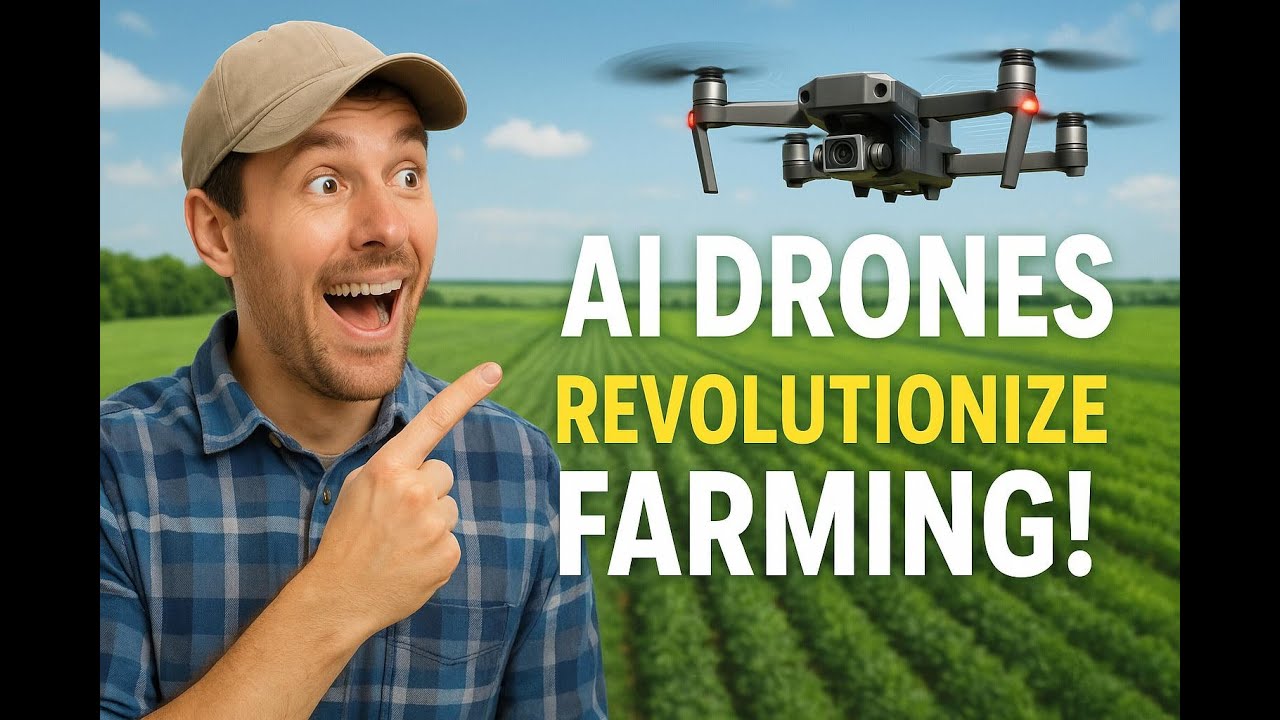
With the accelerated adoption of these technologies, agribusiness enterprises can improve efficiency, achieve higher product quality, and provide traceability for increasingly discerning consumers. These innovations enable sustainable farming operations that are more resilient to weather variability and market price risks.
Benefits of Tech Integration in Agribusiness Systems
- Enhanced Productivity: Smart systems analyze historical and real-time data to optimize planting, watering, and fertilizer application, ensuring higher yields with lower inputs.
- Resource Efficiency: Precision agriculture reduces waste of water, energy, and agrochemicals, minimizing environmental impact.
- Reduced Post-Harvest Losses: Real-time crop monitoring helps to address threats swiftly, securing yields and reducing losses.
- Greater Market Access: Digital traceability systems validate product origin and sustainability claims, opening doors to premium organic and export markets.
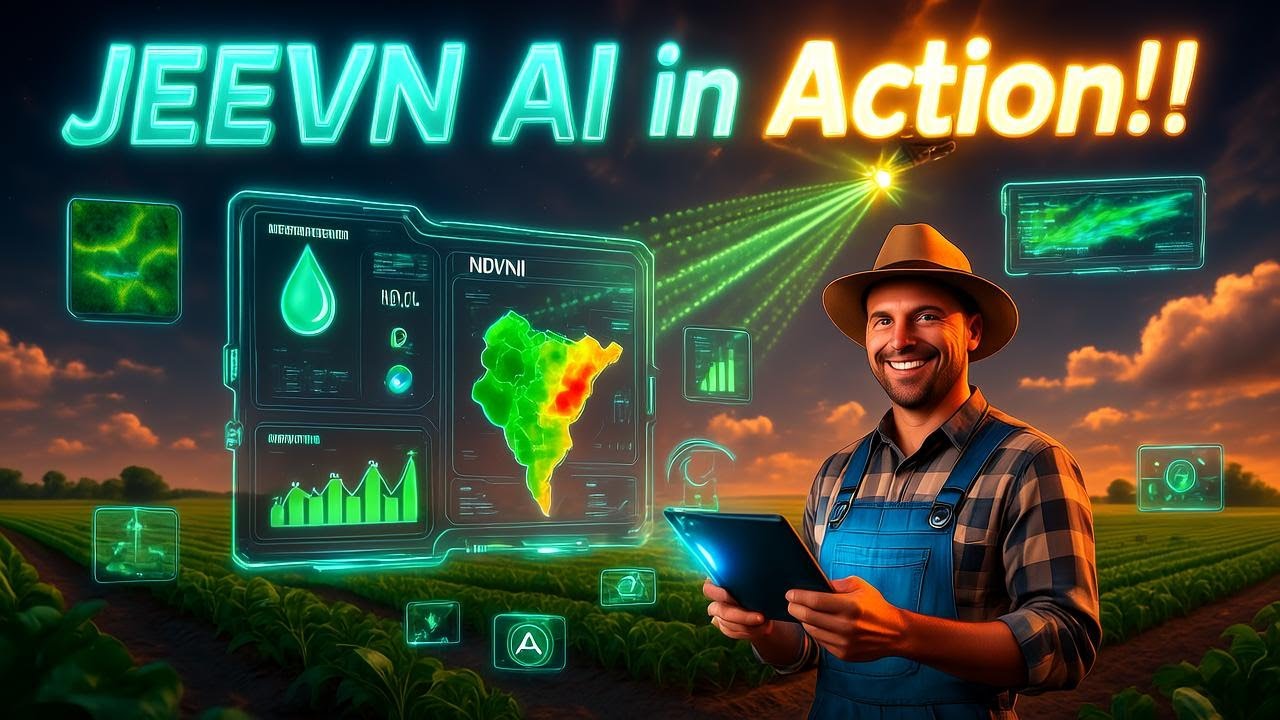
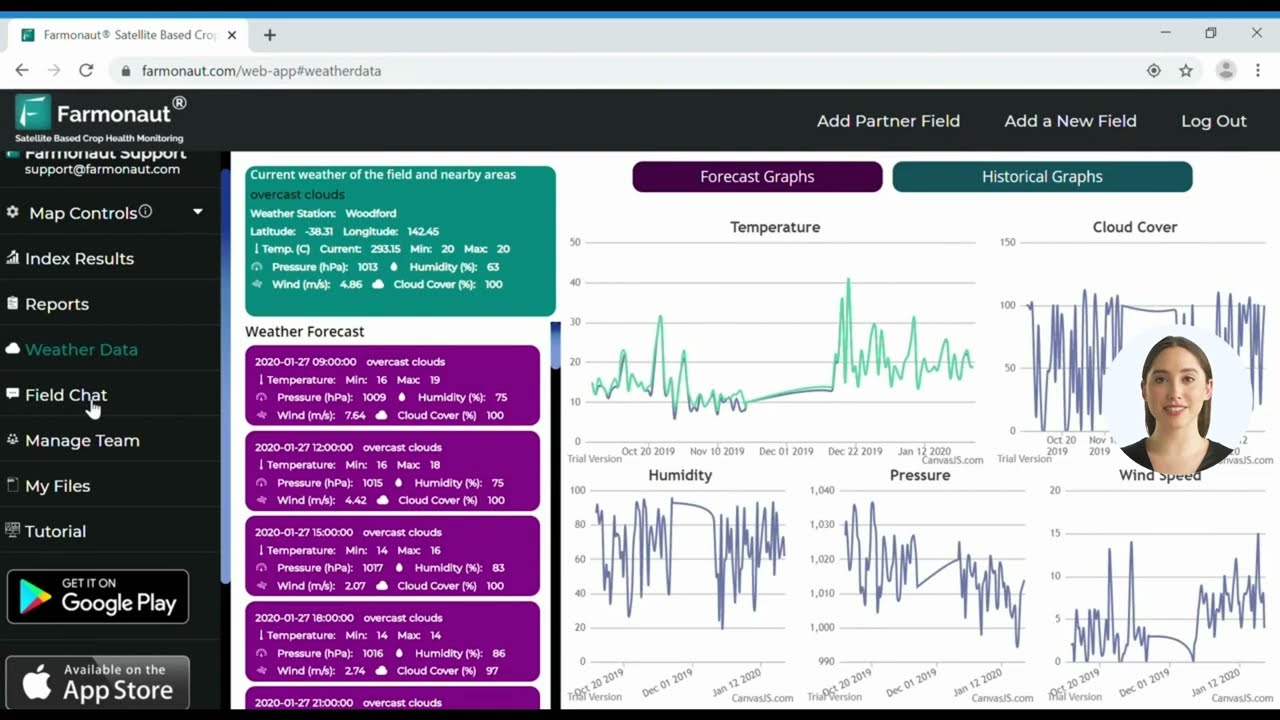
Interested in remote, real-time farm management integrated with AI, satellite, and IoT?
Try our Farmonaut Web and Mobile App for holistic crop monitoring and field analytics.



Developers & Enterprises: Leverage the Farmonaut Satellite & Weather API for seamless integration, or explore detailed developer documentation today.
2. Sustainability as a Core Business Model for Modern Agribusiness
Agribusiness systems in 2025–2026 have undergone a fundamental transformation: sustainability is not just a compliance requirement—it is the central pillar of business models and growth strategies.
Forward-looking agribusiness farms recognize that long-term viability hinges on environmental stewardship and the health of soil, water, and biodiversity. From adopting regenerative agriculture practices to reducing chemical inputs and investing in renewable energy, agribusiness enterprises are leading the sustainability shift.
“Innovative finance models may boost agribusiness sector loans by 38% in 2026, supporting tech-driven agricultural expansion.”
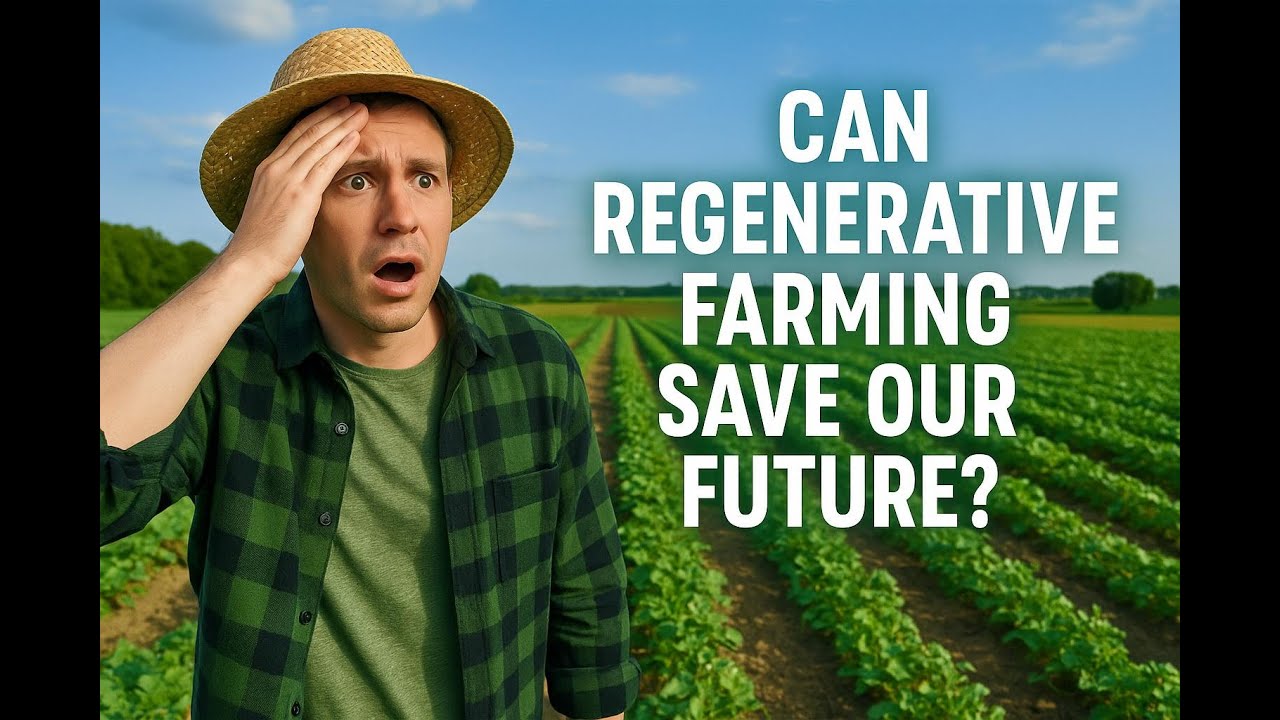
Sustainable Agricultural Practices in Agribusiness and Food Sectors
- Regenerative Agriculture: Focuses on soil health, increasing organic matter, and improving the land’s resilience to climate change.
- Carbon Footprint Reduction: Digital solutions quantify, monitor, and actively manage GHG emissions associated with farm operations.
- Biodiversity Conservation: Integrating native species, reducing monoculture, and protecting habitats within farm landscapes.
- Reduced Chemical Inputs: Emphasis on precision fertilization, targeted pesticide use, and organic production methods.
- Renewable Energy Investments: Transitioning to solar, wind, and bioenergy for powering agricultural operations.
This environmental focus also aligns with global regulatory pressures and consumer preferences for sustainably produced food products, opening high-value premium markets and new growth opportunities.
Explore how satellite-driven Carbon Footprinting solutions on Farmonaut allow businesses and governments to quantify and reduce emissions, supporting regulatory compliance and market differentiation.

Blockchain-based traceability is a critical aspect of sustainability, providing end-to-end product traceability for agribusiness and food supply chains. Interested? Learn more about Farmonaut’s Traceability Solutions for building trust and transparency in your farm-to-table journey.
3. The Role of Agribusiness Loans and Finance in Sustainable Growth
Financing remains a critical driver of growth and innovation within agribusiness systems. In 2025–2026, the landscape of agribusiness loans is evolving to empower farmers, rural enterprises, and modern agribusiness farms to invest in technology, infrastructure, and sustainable practices.
Key Trends in Agribusiness Financing
- Tailored Loan Products: Financial institutions are designing credit options that account for seasonal risks, weather disruptions, and market price volatility—supporting both smallholders and large-scale farming operations.
- Innovative Collateral Models: Use of satellite-based verification and blockchain traceability to assess loan eligibility and reduce fraud in agricultural finance.
- Public and Private Sector Initiatives: Government-backed schemes and private investment platforms help scale sustainable agribusiness systems across the global south and rural Asia–Africa corridors.
- Green & Climate-Smart Loans: Specialized loans support renewable energy projects, carbon farming, and organic certification in agribusiness and food sectors.
Discover how digital, satellite-driven crop verification unlocks faster, more accurate loan approvals. Visit our Crop Loan and Insurance page to learn more.

Sustainable Agribusiness Loans: What to Expect in 2026
- Digital application channels—streamlining approvals and disbursement.
- Flexible repayment plans aligned to farming cycles and weather-related income fluctuations.
- Bundled loan-insurance products for disaster and crop risk management.
- Greater access for small and medium agribusiness farms through satellite-enabled due diligence.
4. Strengthening Agribusiness Systems and Digital Supply Chains
The 2025–2026 agribusiness landscape demands resilient and transparent systems connecting all actors—from input suppliers to processors, distributors, and retailers. Digital supply chain platforms are transforming traditional routes into efficient, traceable, and agile networks.
Real-time data integration—from field sensors to logistics and market analytics—enhances coordination, price discovery, inventory flow, and ultimately, food security at the national and global levels.
Key System Enhancements Transforming Agribusiness in 2025–2026
- Digital Traceability: Blockchain records verify source, quality, and sustainability claims from farm to retail.
- Integrated Logistics & Fleet Management: Satellite-monitored vehicles and smart route planning enhance efficiency and decrease the carbon footprint. For automated fleet and asset control, see Fleet Management.
- Risk & Impact Monitoring: Real-time weather and impact alerts safeguard transport and storage chains from climate or market disruptions.
- Collaborative Supply Ecosystems: Seamless data flow connects farmers, buyers, certifiers, and regulators for more responsive and resilient agribusiness and food systems.
For large-scale digital farm management, remote sensing, and multi-farm oversight, our Large Farm Management solution is designed for enterprises and institutional users.
5. Food Agribusiness and Consumer Trends Reshaping the Sector
Global consumer demands are fundamentally transforming the direction of food agribusiness in 2025–2026. Buying preferences now prioritize organic products, locally sourced ingredients, and fully traceable food systems, underscoring health, environmental, and social responsibility.
In response, agribusinesses are adopting certified organic methods, diversifying crops, and investing in digital transparency tools that empower consumers and open new markets worldwide.
- Organic and Specialty Crop Expansion: As organic demand soars, more farms embrace organic certification and regenerative practices.
- Local Sourcing Initiatives: Support for short-supply chains strengthens rural economies and ensures fresher, higher-quality food products.
- End-to-End Traceability: Blockchain technology assures food safety and transparency for health-conscious consumers—another use case for product traceability solutions.
- Health & Nutrition Awareness: Informed consumption drives growth in specialty grains, plant-based options, and natural ingredients.
Comparison Table: Top 5 Agribusiness Innovations & Loans 2026
| Innovation Name | Description | Estimated Market Adoption (2025, %) | Sustainability Impact | Potential Loan Providers | Estimated Loan Range (USD) |
|---|---|---|---|---|---|
| Satellite & AI Monitoring Systems | Real-time, multi-spectral monitoring of crops, weather risk, and field conditions, using satellite, AI analytics, and APIs. | 52% | Reduces water/fertilizer wastage by up to 18%; prevents resource mismanagement | Agribusiness banks, agri-fintech firms, insurance-backed institutions | $5,000–$120,000 |
| Blockchain Traceability Solutions | Enables end-to-end traceability for agri-food supply chains, ensuring provenance, authenticity, and anti-fraud. | 31% | Builds consumer trust; supports premium, organic, and export markets | Digital lenders, impact investment funds, government schemes | $7,000–$50,000 |
| Regenerative Agriculture Practices | Adoption of crop rotation, cover cropping, organic amendments, agroforestry, and integrated pest management at scale. | 45% | Increases soil organic matter; sequesters carbon; boosts biodiversity | Green banks, agricultural co-ops, rural micro-finance | $2,500–$80,000 |
| IoT-Enabled Fleet & Resource Management | Smart sensors in fleets, tractors, and farm equipment to track usage, fuel, carbon footprint, and optimize logistics. | 29% | Cuts operational emissions and costs; lowers accidental risk | Agri-equipment lenders, commercial banks, leasing companies | $10,000–$200,000 |
| Climate-Smart Crop Loans & Digital Financing | Financial products with weather-indexed repayment, bundled insurance, and sustainability-linked rates. | 40% | Enables climate adaptation, reduces lending risk, promotes sustainable growth | Commercial banks, rural banks, government-backed programs | $1,200–$150,000 |
Farmonaut: Technology, Data, and the Leap to Sustainable Agribusiness Growth
At Farmonaut, we make satellite-driven insights affordable and accessible for businesses, individuals, and governments worldwide. By integrating advanced satellite imagery, artificial intelligence, and blockchain traceability, we empower users with data-driven solutions across agriculture, mining, infrastructure, and environmental monitoring.
- Satellite-Based Monitoring: We deliver real-time monitoring of crops, soil, and environmental conditions—enabling precision farming and resource optimization.
- AI Advisory Systems: Our Jeevn AI analyzes satellite layers to provide tailored strategies for farmers and enterprises, improving processes and yields.
- Blockchain-Enabled Traceability: We offer secure, transparent supply chains for agribusiness systems, building trust and enabling claims in premium markets.
- Fleet & Resource Management: We help organizations cut costs and emissions by optimizing vehicle fleets, equipment, and workforce allocation.
- Environmental Impact Monitoring: Our platform enables businesses to track, adjust, and report carbon footprints—accelerating sustainability goals.
- Finance Solutions: Satellite-verifiable data supports loan eligibility and insurance for agricultural and mining sectors.

Our subscription-based model serves everyone from individual farmers to global agricultural enterprises and government projects. APIs and mobile integration enable seamless adoption and scaling.
API Access: Integrate Farmonaut API into your agribusiness systems for satellite and environmental data in real time!
We help our clients drive sustainable agricultural growth, reduce risks, and access new markets—building a future of responsible, data-powered agribusiness worldwide.
Interested in tailored plantation or forest advisory? Explore our digital advisory services for crop, forest, and plantation management here.
Frequently Asked Questions (FAQ)
-
What are agribusiness systems, and why are they important in 2026?
Agribusiness systems refer to the integrated processes—from production to supply, financial management, and digital tracking—that sustain modern agriculture. In 2026, such systems are crucial for optimizing efficiency, ensuring traceability, enhancing food security, and enabling sustainable business practices. -
How is technology changing agribusiness farms?
Advanced technologies—such as satellites, AI, IoT, drones, and blockchain—enable real-time monitoring, data-powered decision-making, and resource optimization. These innovations help agribusiness farms increase productivity, mitigate risks, and meet market demands for quality and sustainability. -
What financial options exist for investing in agribusiness innovation?
Agribusiness loans are diverse, including traditional bank loans, government schemes, climate-smart loans, micro-finance, and impact investments. Emerging digital verification solutions now streamline approvals and expand loan access for tech upgrades and sustainable practices. -
Why is traceability essential in food agribusiness now?
Consumers, regulators, and premium buyers increasingly demand proof of food origin, ethical standards, and sustainability. Blockchain traceability ensures authenticity, reduces fraud, and opens access to premium, export, and organic markets. -
How can small and medium farmers access modern agribusiness systems?
With affordable, subscription-driven platforms, cloud-based apps, and mobile solutions, smallholders can now access technology once limited to large enterprises—enabling equitable participation in digital agriculture. -
What role does Farmonaut play in global agribusiness trends?
Farmonaut delivers scalable satellite, AI, and blockchain solutions for monitoring, advisory, traceability, and environmental compliance. We make advanced insights accessible, supporting all users—farmers to governments—on the path to sustainable agricultural growth. -
What practical benefits do digital supply chain systems bring to agribusiness?
They minimize post-harvest losses, enhance inventory and fleet management, ensure compliance, and provide faster, more informed market access—helping agribusinesses thrive even in challenging climates and dynamic marketplaces.
Conclusion: Navigating Agribusiness Growth Beyond 2026
As we advance through 2025 and beyond, agribusiness systems stand at a crossroads—poised to address climate-driven challenges and meet global food demands through relentless technology adoption, deep-rooted sustainability, and evolving financial systems.
Farmers, enterprises, and financial institutions must now work together to optimize resource use, drive innovation adoption, and create adaptive, resilient supply networks. Modern agribusiness loans, digital traceability, satellite-driven impact monitoring, and consumer-centric systems are the pillars of growth for 2026 and beyond.
By staying ahead of these sector trends and leveraging the right technological solutions, agribusiness stakeholders will not only meet evolving market needs but will also ensure a secure, prosperous, and sustainable future for global food and rural development.
Ready to power your agribusiness or rural operations with data-driven breakthroughs? Join us at Farmonaut and drive your journey toward sustainability, growth, and lasting food security.
Discussion
Questions, corrections or field experience? Share them below. First-time comments are reviewed before they appear, and your email is never published.
No comments yet. Be the first to add a question or your experience.

 Aamoksh One Eighty
 Patrick America
 Red Dog Management
 Liquify Digital
 CU Foods
 BeyondTech Global
 Rouge VC
 AgroGreen Dynamics
 AgroRisk
 Oath Inc
 Reddane Farming
 Esri North East Africa
 Cresol
 MDCV UK
 Zerella Group
 Etech Consulting Madagascar
 Vestlandsforsking
 Delicio
 WB Dev
 Sama Premium
 Prochecker
 Exploration consultancy · South Africa · Gold
 Licence holder · Niger · Gold










