

Agricultural Career Pathways 2025: Top Agronomist Career Trends Shaping Our Food and Environmental Future
Introduction to Agricultural Career Pathways 2025
The agricultural sector remains the undisputed cornerstone of the global economy and an enduring driver of food security. With evolving technology, changing environmental conditions, and new demands for sustainability, career opportunities within agriculture are expanding at a pace the industry has never seen before.
Standing at the forefront of these changes are agronomists, whose multifaceted roles blend science, technology, and innovation to solve some of the world’s most pressing challenges—from climate change and resource scarcity to crop health, productivity, and environmental stewardship.
In this comprehensive exploration, we dive deep into agronomist career trends, the evolving agricultural career pathways of 2025 and beyond, and how modern tools (including satellites, AI, blockchain, and data analytics) are revolutionizing the agronomy profession. Whether you are a student, job seeker, established professional, or a farmer considering the future, this guide will illuminate the diverse, dynamic, and impactful opportunities now unfolding within modern agriculture.



Farmonaut’s suite of apps empowers modern agronomists—providing real-time satellite data, AI guidance, and precision insights for sustainable, efficient crop management.
What is Agronomy?
Agronomy is the interdisciplinary science and technology of producing and using plants for food, fuel, fiber, and land reclamation. At its core, agronomy draws from biology, chemistry, ecology, and earth sciences to improve crop production, enhance soil health, and develop sustainable farming practices across diverse conditions.
- ✔ Key Focus: Applying **scientific principles** to solve crop, soil, pest, and environmental challenges on farms of every scale.
- 📊 Data Insight: Agronomists analyze **soil chemistry** and **plant physiology** to optimize **yields** while mitigating negative **environmental impact**.
- 🌎 Scope: Agronomy is central to addressing **global challenges** such as **climate change**, **resource scarcity**, **soil degradation**, and **food security**.
Key Pillars of Modern Agronomy
- Crop Production – Optimizing crop varieties, planting schedules, and nutritional inputs.
- Soil Health – Enhancing structure, fertility, and biodiversity.
- Sustainable Practices – Promoting minimal chemical usage, regenerative agriculture, and efficient water management.
- Precision Agriculture – Integrating data, remote sensing, and technology solutions for site-specific management.
- Climate Adaptation – Designing strategies resilient to changing environmental conditions and weather extremes.
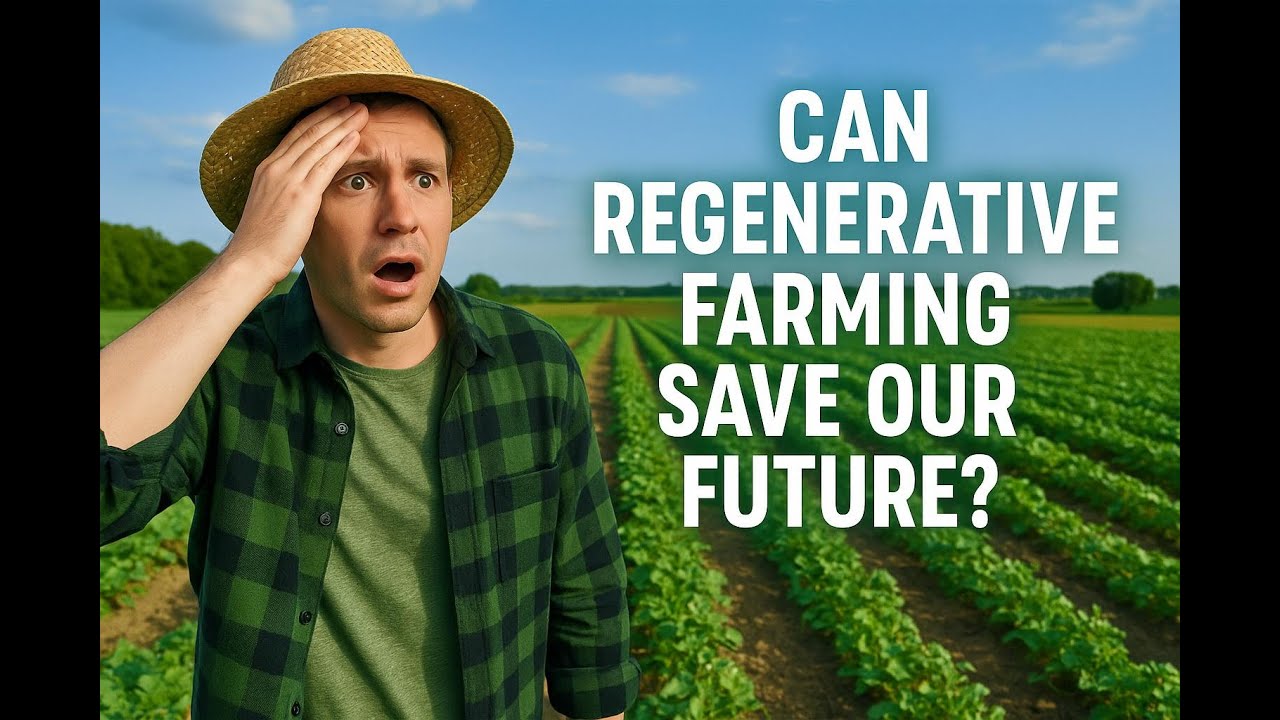
The Role of an Agronomist in 2025 and Beyond
In the landscape of 2025 and beyond, the agronomist career is more dynamic and multifaceted than ever. Agronomists do far more than advise on crops; they are integral, tech-savvy professionals bridging practical farming, advanced science, and innovative technologies.
Modern Agronomist Responsibilities
- 📈 Designing and Implementing Crop Management Strategies to optimize productivity while minimizing environmental impact.
- 🧪 Analyzing soil conditions, evaluating nutrient requirements, and recommending **fertilization plans**.
- 🌱 Selecting crop varieties ideally suited to specific climates and soil conditions.
- 🦟 Advising on pest, weed, and disease control measures.
- 📊 Leveraging precision agriculture technologies: drones, satellite imagery, IoT, and AI to monitor crop health, detect anomalies, and guide decisions.
- 🔗 Collaborating closely with farmers, engineers, researchers, and policymakers – aligning on sustainability goals and regulatory guidelines.
- 💡 Championing innovation and best practices in all stages of the agri-food chain, from fieldwork to supply chain traceability.
Their expertise is increasingly **essential for transitioning to sustainable, climate-smart farming**, ensuring farms remain resilient amidst **climate change**, and that national and global **food systems** thrive under evolving pressures.
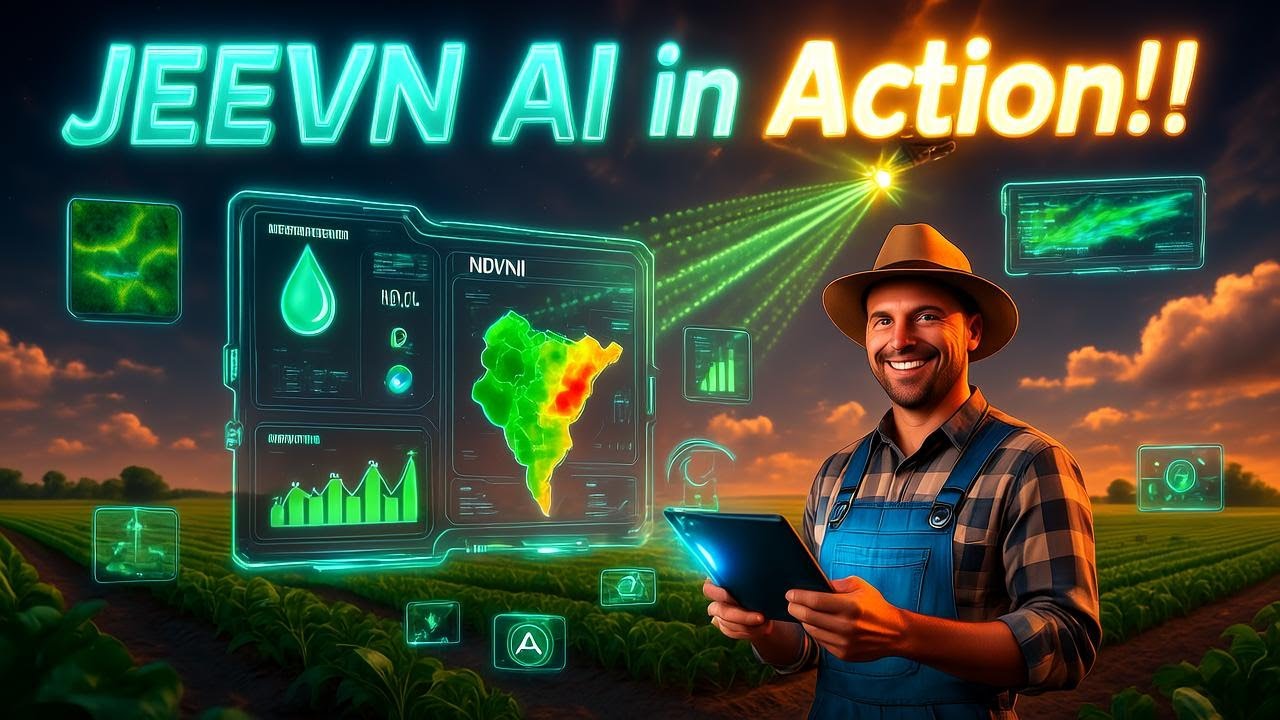
A Closer Look: The Sophisticated, Data-Driven Agronomist
- Integrating AI & Big Data: Agronomists in 2025 must handle large-scale data analytics (from soil sensors, drones, satellites) to uncover actionable insights.
- Environmental Monitoring: Using real-time tracking to reduce greenhouse gas emissions and implement sustainable land use.
- Supporting Policy: Advising on local, regional, or international regulatory compliance and incentive programs for sustainability.
Today’s agronomist is both a scientist & a technologist—crucial for connecting precision agriculture, innovative solutions, and daily farming operations.
How Technology Is Revolutionizing Agronomist Careers
As technology and innovation now define every step of the agricultural career pathway, today’s agronomist must be adept with emerging **tools and platforms**. Satellite monitoring, IoT, blockchain, and AI are rapidly becoming industry standards.
Top 6 Technological Advances Shaping Agronomy
- 🛰️ Satellite Imagery: Real-time crop, soil, and climate monitoring—critical for large and small-scale farm management.
- 🕹️ Drones & UAVs: Aerial mapping, targeted spraying, and early detection of stress/disease.
- 🤖 AI & Machine Learning: Automated anomaly detection, tailored advisories, and predictive yield analytics.
- 🌐 Blockchain-Enabled Traceability: Ensuring transparent, tamper-resistant tracking from “farm-to-fork.”
Learn more about Farmonaut Traceability. - 🔗 IoT (Internet of Things) Sensors: Soil moisture, microclimate, and nutrient sensing for hyper-specific responses.
- 📡 Data Platforms & Cloud Apps: Centralized dashboards (like Farmonaut) for integrated farm, fleet, and project management.

Farmonaut’s Technological Suite for Agronomists & Farmers
We at Farmonaut are committed to democratizing advanced satellite-based monitoring, AI advisory, and blockchain traceability. Our platform delivers:
- 🌱 Jeevn AI Advisory System: Customized insights, weather forecasting, and strategies based on multispectral satellite data.
- 🌎 Environmental Impact & Carbon Footprint Tracking: Monitor, reduce, and report emissions for sustainable agriculture.
- 🗂️ Blockchain-based Traceability: Transparency, fraud reduction, and authenticity from seed to shelf.
- 🚜 Fleet & Resource Management: Optimize farm machinery, logistics, and operational costs efficiently. For large operations, our Large Scale Farm Management App is indispensable.
- 🕒 Real-Time Monitoring: Timely detection of crop health issues supports prompt action—improving yields and reducing input wastage.
Our app and API solutions are accessible via web and mobile.
For developers and integration: Connect with our Farmonaut Satellite & Weather API and Developer Docs for custom agronomy and agri-tech solutions.

Career Pathways in Modern Agronomy: Roles, Technology, and Growth Trends
With a shift to data-centric, technology-enabled approaches, the agronomist career now encompasses a broad spectrum of specialized roles and career pathways for 2025 and beyond.
| Career Role | Key Technologies Used | Est. Job Growth (%) 2025 | Avg. Salary (USD) | Primary Responsibilities |
|---|---|---|---|---|
| Precision Agronomist | Drones, Satellite Imagery, IoT Sensors, Data Analytics Platforms |
+22% | $60,000 – $115,000 | Design & implement tech-driven precision farming plans; analyze crop health; optimize resource use |
| Soil Health Specialist | Remote Sensing, Spectral Analysis, Laboratory Diagnostics, AI Models |
+19% | $55,000 – $95,000 | Assess & restore soil fertility; recommend amendments; support sustainable agricultural practices |
| Crop Data Analyst | Big Data Analytics, Machine Learning, Cloud Dashboards |
+24% | $70,000 – $130,000 | Analyze large agri-datasets; predict yield & disease trends; support informed decisions for agronomy teams |
| Agronomy Consultant | AI Advisory Apps, Farm Management Platforms, Remote Training Tools |
+18% | $65,000 – $105,000 | Advise farms & agribusinesses on tech adoption, sustainability, and regulatory compliance |
| Plant Breeding Specialist | Genomics, Robotics, CRISPR, Image Recognition AI |
+21% | $72,000 – $138,000 | Develop new plant varieties; enhance resilience, nutrition & environmental adaptation |
| Sustainable Agriculture Advisor | Blockchain, Carbon Footprint Apps, Environmental Tracking Tools |
+23% | $62,000 – $118,000 | Guide climate-smart strategies; measure sustainability metrics; align practices with eco-goals |
Note: Values represent estimated global trends for 2025. Actual compensation and growth vary by region and institution.
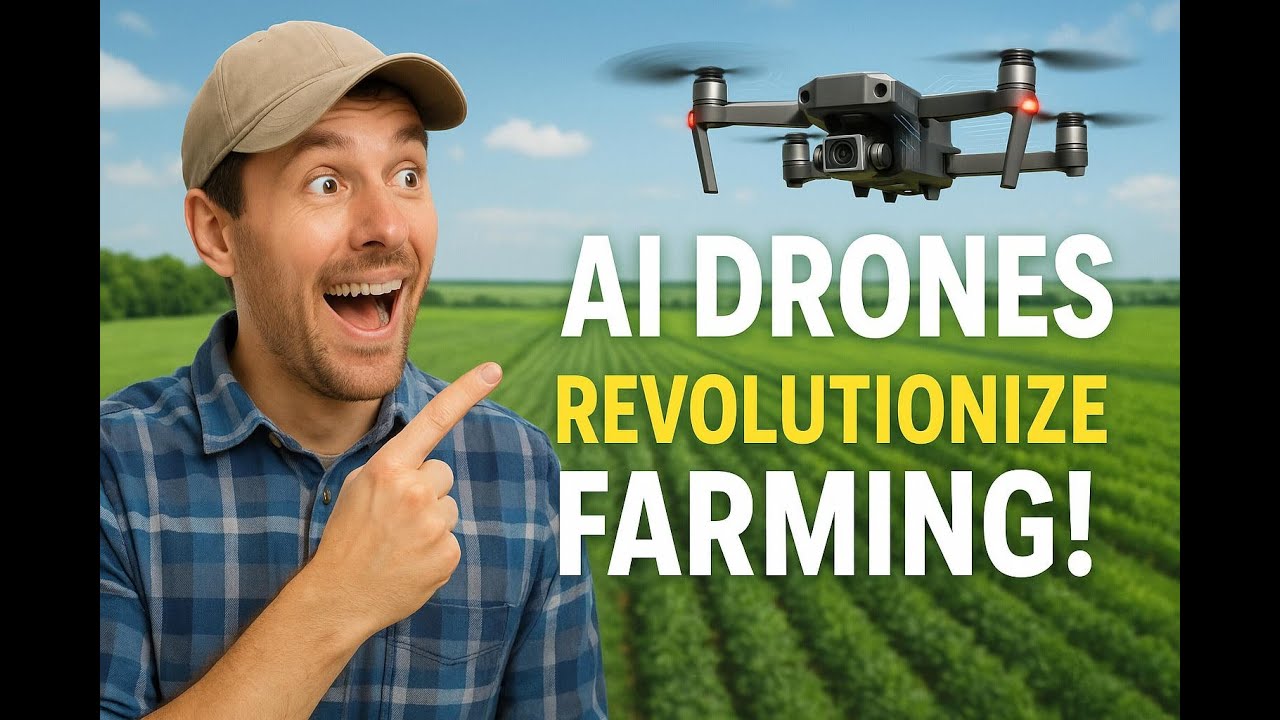
Visual List: 🌱 Top Specializations in Agronomist Careers for 2025
- 🧑💻 Crop Data Analytics Specialist – Merging biology and big data
- 🌍 Environmental Impact Assessor – Quantifying and reducing agri-ecosystem footprint
- 🌾 Sustainable Practices Advisor – Implementing regenerative and organic practices in farms
- 🧬 Plant Genetics and Breeding Expert – Driving adaptation to new climates and consumer needs
- 📑 Agri-Regulations & Compliance Specialist – Ensuring sustainable farming aligns with local and international statutes
Choose a specialization that aligns not only with market demand—but with your passion for science, sustainability, or technology. Niche expertise greatly boosts career prospects.
Educational Pathways, Key Skills & Attributes for Agronomist Careers
Becoming an agronomist in the modern, tech-driven landscape requires a strong foundation in agricultural sciences, complemented by **practical training and continuous learning in technology and environmental policy**.
Educational Requirements
- 🎓 Bachelor’s Degree in Agronomy, Crop Science, Soil Science, Agricultural Engineering, or related fields.
- 📚 Advanced Degrees (MSc, PhD) for specialist roles—especially in research, consultancy, or academia.
- 🔬 Coursework covering (but not limited to): plant physiology, soil chemistry, agroecology, precision agriculture, technology integration, pest management, and agri-business.
- 🛠️ Hands-on Experience: Internships, fieldwork, or research assistantships with academic institutions, agri-tech firms, or government agencies.
Essential Skills for Future-Ready Agronomists
- 🧐 Analytical Thinking – Critically assess data, trends, and patterns.
- 💻 Technological Proficiency – Comfort with remote sensing, data modeling, and digital platforms.
- 👥 Communication – Translate scientific/technical information to diverse audiences (farmers, policymakers, business owners).
- 🔄 Adaptability – Stay agile with evolving technologies, environmental policies, and market demands.
- 🌱 Environmental & Ethical Awareness – Balance economic goals with sustainability and resource preservation.

Focusing solely on traditional soil or crop science without upskilling in digital technologies and **data analysis** may limit job opportunities in the emerging agricultural landscape.
✔ 5 Essential Skills Modern Agronomists Need
- 📊 Data-Driven Decision-Making
- 🛰️ Remote Sensing Literacy
- 🗣️ Stakeholder Communication
- ♻️ Sustainability Best Practices
- 🛠️ Continuous Learning in AI, agri-tech, and regulations
Spotlight: Farmonaut’s Role in Modern Agronomy
As the agricultural sector embraces ever-advancing technology, having access to the right data and tools is more crucial than ever. At Farmonaut, our mission is to equip businesses, governments, and individual users—including agronomists and farmers—with affordable, AI-powered satellite insights.
- 📡 Satellite Monitoring: We deliver up-to-date multispectral satellite imagery so agronomists can monitor vegetation health (NDVI), soil moisture, and detect stress long before symptoms show on the ground.
- 🧠 AI Advisory (Jeevn): Our AI delivers actionable strategies, forecasts, and anomaly alerts for revolutionary crop management.
- 🔗 Blockchain Traceability: Ensure supply chain trust and transparency—learn about our traceability solution.
- 📦 Fleet & Resource Tools: From farm fleet optimization to machinery monitoring, we empower smart logistics and reduce overhead.
- 🌳 Crop, Plantation & Forestry Advisory: Use Farmonaut web/mobile app for real-time decision-making in forestry, agroforestry, and plantations.
Our scalable subscriptions and accessible API allow any agribusiness to tap into environmental monitoring (e.g., carbon footprinting), insurance/loan verification for crops (crop loan and insurance), and rapid expansion into new regions. In 2026 and beyond, these are must-have tools for every future-ready agronomist.
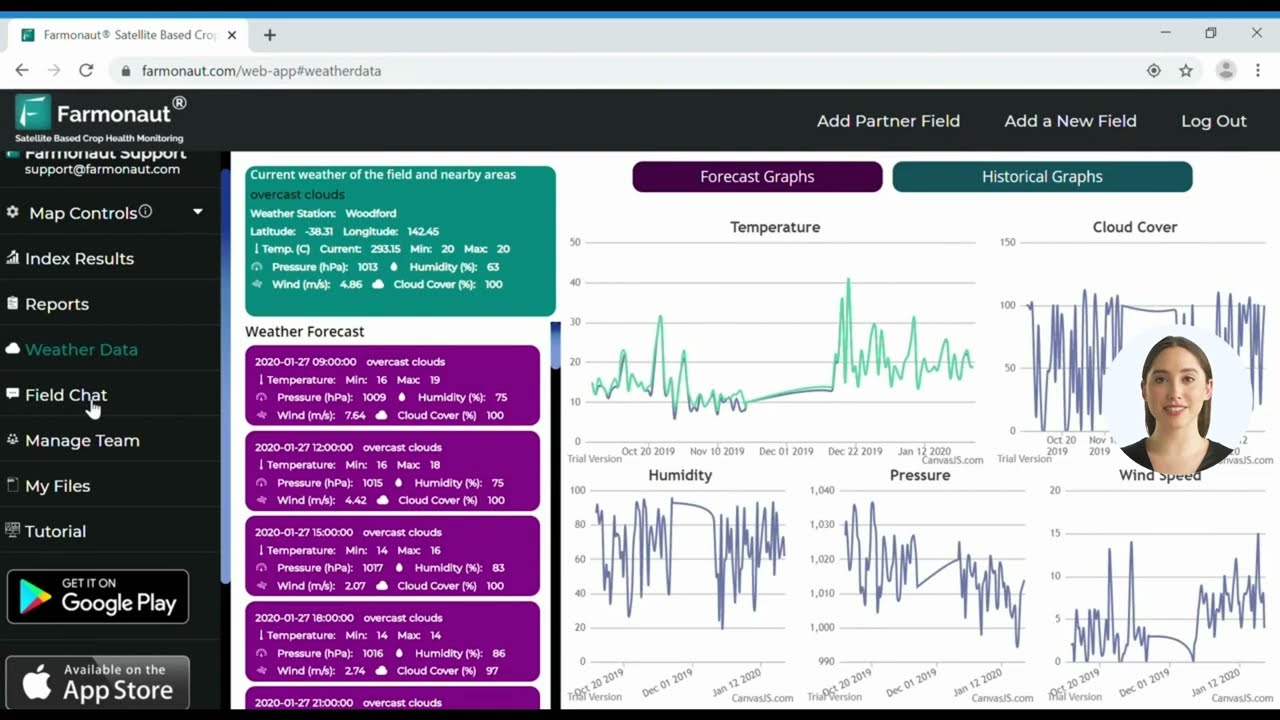
Explore our demo video below to view advanced satellite-based crop monitoring on Farmonaut:
Opportunities, Emerging Areas, and Future Growth in Agronomy
The agricultural sector is no longer confined to traditional roles. Today’s career pathways in agronomy offer a wide range of choices to suit diverse interests:
- 📈 Higher Demand: Sustainability pressures, climate adaptation, and food security ensure skilled agronomists will see job opportunities continually expand in 2026 and beyond.
- 💡 Innovation Hubs: Vertical farming, smart greenhouses, regenerative agriculture, and organic certification are driving new, impactful career options.
→ Watch this quick explainer on regenerative agriculture and soil health in 2025:
- 🌍 Global Reach: Digital platforms and remote monitoring allow agronomists to impact global food systems and environmental security from anywhere.
- 🔬 Cross-disciplinary Collaboration: Working with data scientists, engineers, climate experts, and more, to deliver sustainable results.
- 🏅 Impact & Recognition: Make a tangible, positive difference in combating resource scarcity and enhancing global nutrition.
From the field to the executive suite, a modern agronomist’s reach is vast—and growing every year.
Investments in agri-tech and digital platforms are expected to increase by over **25% annually** through 2027, driven by the need for precision agriculture, environmental impact monitoring, and blockchain-based traceability.
Expert Insights & Highlights
Career versatility in agronomy now rivals the tech sector. Whether your strengths lie in biology, AI, policy, or logistics, there’s a high-demand pathway for you.
Pursue additional certifications—like satellite data analysis or carbon footprinting—to stand out and future-proof your agronomy career.
Neglecting communication and teamwork skills can hinder career progression; success now demands close collaboration across disciplines and stakeholder groups.
As more agri-businesses adopt carbon footprint and sustainability metrics, “Sustainable Agriculture Advisor” is among the fastest-growing agronomist career roles for 2025-2027.
Integration of APIs and data-driven platforms (like the Farmonaut API) is revolutionizing how agronomy insights are deployed in field-level decisions.
Why Choose an Agronomist Career Pathway in 2026 and Beyond?
- ✔ High Global Impact: Help secure food, environmental, and resource futures worldwide.
- ✔ Job Market Growth: Over **20% projected growth** in high-tech, data-enabled agronomy roles.
- ✔ Multiple Career Pathways: Work in consultancy, R&D, tech, government, sustainability, or entrepreneurship.
- ✔ Technology and Innovation at the Core.
- ✔ Personal and Professional Fulfillment—see the real-world impact of your work.
Frequently Asked Questions – Agricultural Career Pathways & Agronomy in 2025-2026
What is the primary focus of modern agronomy careers?
The modern agonomist career focuses on integrating technology, science, and data-driven solutions to optimize crop yields, soil health, and sustainability—while addressing major global challenges like climate change and food security.
Is it necessary to have computer or data science skills to become an agronomist in 2026?
While not always mandatory, technological and data skills are increasingly essential for future-ready agronomists. Proficiency in remote sensing, data analytics, and digital platforms greatly enhances your impact and employability.
What qualifications are required for advanced roles in agronomy?
A bachelor’s degree in a related science is typically required. For research, consulting, or policy roles, a postgraduate degree (MSc or PhD—especially with coursework in precision agriculture, environmental science, or agricultural data analytics) is highly recommended.
Which industry sectors offer the most job opportunities for agronomists?
Sectors include agri-consultancies, seed and input firms, R&D institutes, NGOs, government agencies, precision technology companies, and sustainable food enterprises worldwide.
How does Farmonaut support modern agronomist career pathways?
We provide affordable, scalable, and accessible satellite imagery, real-time monitoring, AI advisories, and blockchain-based resource management tools—empowering agronomists, researchers, and agri-business professionals to make smarter, data-driven decisions in every environment.
Conclusion: Agricultural Career Pathways & Agronomist Profession – The Next Chapter
As the world’s population grows and environmental conditions become increasingly complex, agronomists and their expertise will remain at the heart of global sustainability, food security, and economic stability. The agricultural sector is rapidly evolving, as are the skills, technologies, and career opportunities within agronomy.
With specializations ranging from precision agronomist and crop data analyst to sustainability advisor, the profession offers a vast, impactful, and versatile landscape for those with a passion for science, technology, and the environment. Embracing change, upskilling in digital solutions, and focusing on sustainability set the foundation for success in this vital and rewarding field.
At Farmonaut, we’re proud to support these agricultural career pathways—delivering real-time, affordable tools for the next generation of agricultural professionals to thrive within 2026 and beyond.
Ready to embark on your own agricultural career pathway? Download Farmonaut App and step into the future of agronomy today!
Discussion
Questions, corrections or field experience? Share them below. First-time comments are reviewed before they appear, and your email is never published.
No comments yet. Be the first to add a question or your experience.

 Mera Farmhouse
 GalaxEye Space
 Sun Palm Australia
 Grandstream Algérie
 XOS Realty
 Geospatial Lab Africa
 Agro La Gándara
 HIPSAC
 ZOL Zimbabwe
 Juligerm
 AdBio
AdBio MISE Maroc
 NWNS
NWNS Red August Group
 Farm Inc
 WeMe Global
 Agrotoken
 Blue BearX
 Insignito
 DnCubed
 Licence holder · Niger · Gold
 Licence holder · Nigeria · Gold + lithium










