

- Introduction: Navigating Agricultural Hazards in 2026
- Types of Agricultural Hazards in 2025–2026
- Rising Climate Risks & Environmental Hazards
- Worker Health, Safety, and Ergonomic Hazards
- Technological Shifts: Smart Solutions & New Hazards
- Sustainable Practices for Future Farming Systems
- Policy, Infrastructure & Support Systems
- Farmonaut’s Role in Mitigating Agricultural Hazards
- Summary Table: Key Hazards, Impacts & Solutions (2025–2026)
- Key Insights, Callouts, and Visual Lists
- FAQ: Agricultural Hazards, Climate Risks & Safe Practices
- Conclusion
- Farmonaut Subscriptions
“By 2026, extreme weather events could reduce global crop yields by up to 20% without adaptive sustainable practices.”
Agricultural Hazards 2026: Key Risks & Solutions
Summary: Agricultural Hazards – Navigating Risks for a Sustainable Future in 2025 and Beyond
In 2026 and beyond, agriculture remains the backbone of global food security and rural economies. Yet, the sector continues to face mounting agricultural hazards due to evolving farming practices, climate change, demographic shifts, and new technological advancements. From physical risks associated with heavy equipment and mechanization to the intensifying environmental hazards brought by extreme weather events like floods and droughts, farmers worldwide are navigating a complex landscape of threats in 2025 and 2026.
Understanding these hazards, their impacts on health, crops, and farming systems, and implementing sustainable solutions is critical to safeguarding not only agricultural productivity but also the resilience of entire communities and ecosystems.
The types of agricultural hazards are wide-ranging and continue to evolve—successful farming in 2026 demands adaptive risk management strategies and a commitment to sustainable practices to secure future food systems globally.



Jump to the comparative summary table of key hazards and solutions

Types of Agricultural Hazards in 2025–2026
To develop a holistic understanding and effective response to agricultural hazards, we must recognize the core categories these risks fall into. These include physical, chemical, biological, ergonomic, and environmental hazards. Each presents its own set of challenges and requires dedicated management strategies to limit impact and build resilience.
Below we classify key hazards relevant for 2025 and 2026.
1. Physical Hazards
Physical hazards include risks from machinery, tools, and farm infrastructure. Mechanized equipment—such as tractors, planters, and harvesters—can cause injuries if improperly handled or maintained. With rising levels of farm automation, new protocols are necessary to prevent accidents not only for traditional, but also for advanced robotic operations.
- ⚙️ Equipment entanglement, machine rollovers, improper tool use—all can lead to serious injuries and loss of productivity.
- 🔊 Noise pollution from machinery frequently results in hearing loss among farm workers.
- 🌪️ Natural events like hailstorms, floods, droughts also physically damage crops and farmland—adding to the environmental risk landscape.
2. Chemical Hazards
Chemical hazards encompass the risks related to the use of pesticides, herbicides, fertilizers, and soil amendments. Exposure can result from direct handling, drift in the air, or residues—posing both acute (poisoning) and chronic health problems such as respiratory diseases and cancers.
- 💀 Improper chemical storage, lack of personal protective equipment (PPE) increases exposure risk for workers and their families.
- 🌱 Runoff from excessive or misapplied chemicals contaminates soil and water systems, impacting environmental health.
- 🔬 2025 sees a growing push toward safer, bio-based agrochemicals and precision technologies that minimize the quantity and improve targeting.
- ⚠ However, misuse of chemicals and a lack of safety awareness remain pervasive challenges in many agricultural systems.
3. Biological Hazards
Biological hazards are caused by living organisms such as bacteria, viruses, fungi, and pests. These include:
- 🦠 Zoonotic diseases from livestock (e.g., avian influenza, brucellosis) that can lead to outbreaks in humans and animals.
- 🐛 Pest infestations (e.g., locusts, armyworms) that destroy crops and undermine food security.
- 🌾 Cereal rusts, rice blast, and other plant diseases can cause large-scale yield losses if surveillance and early detection are inadequate.
Adopting integrated pest management (IPM) and disease monitoring is essential for the modern sector.
4. Ergonomic Hazards
Ergonomic hazards result from repetitive tasks, heavy lifting, prolonged stooping, and awkward postures—common in farming operations lacking adequate machinery. The consequences may include:
- 💪 Musculoskeletal disorders (back pain, carpal tunnel syndrome, joint injuries)—particularly affecting laborers.
- 🚜 Lack of mechanization intensifies physical strain, while sudden upgrades to advanced, unfamiliar equipment pose new ergonomic risks through operator error.
5. Environmental Hazards
Environmental hazards are intensifying as the climate shifts, driven by rising temperatures, changing rainfall patterns, and unpredictable weather events. Notable risks include:
- 🔥 Heatwaves, droughts, floods—each can devastate crops, erode soil, and diminish water supplies.
- 💧 Water contamination and soil degradation due to overuse of chemicals and runoff.
- 🌍 Persistent pollution and greenhouse gas emissions threaten long-term sustainability and resilience of global agriculture.
“Over 70% of agricultural workers face health risks annually from chemical exposure and climate-driven hazards worldwide.”
Rising Climate Risks & Environmental Hazards in Agriculture
The climate crisis is the defining challenge of the era for agriculture. The frequency and severity of extreme weather events like floods, droughts, heatwaves, and unseasonal frosts are increasing, threatening farm productivity and food security on a global scale.
- ⚠️ In 2025–2026, climate-driven hazards can reduce annual yields by up to 20% in vulnerable regions.
- 🌊 Coastal areas face compounded risks from sea-level rise and saltwater intrusion, jeopardizing soil health and freshwater availability.
- 📈 Crop pests and diseases are expanding into new territories as temperature and moisture regimes change.
Ignoring early warning signs of climate extremes—like subtle changes in soil moisture, NDVI (Normalized Difference Vegetation Index), or pest outbreaks—can increase crop losses dramatically. Implement carbon footprinting and satellite-based soil health monitoring to anticipate and mitigate impacts ahead of time.

Worker Health, Safety, and Ergonomic Hazards in Agriculture
Agricultural workers are on the frontline of hazard exposure. The complexity of farming tasks—often performed under the stress of weather, time, and economic constraints—makes safety and occupational health priorities for the sector.
- 🧑🌾 Repetitive motions, excessive loading, bending, and tool misuse can lead to chronic musculoskeletal disorders. Proper ergonomic tools and automation can help reduce strain on laborers (see Farmonaut’s fleet management and equipment allocation).
- 🩺 Without access to the right protective equipment and safety training, workers face greater risk from chemicals and machine-related injuries.
- 🏥 Lack of rural occupational health facilities continues to be a critical gap in developing regions globally.

Technological Shifts: Smart Solutions & New Hazards
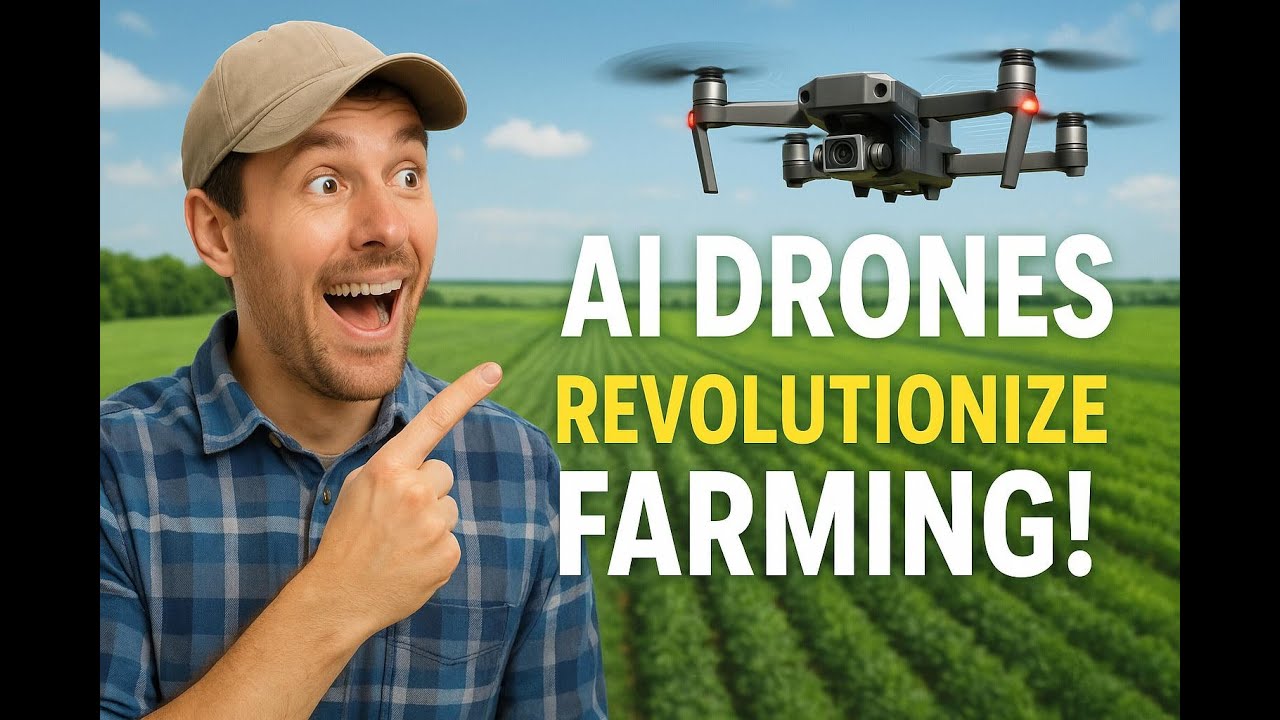
The wave of technological advancements—satellite monitoring, AI-driven analytics, precision management—is transforming agriculture, presenting both new opportunities and risks. As farms globally shift toward modern, mechanized systems, the nature of agricultural hazard is changing.
- 🚀 Automated, robotic equipment minimizes manual labor but requires updated protocols to prevent accidents from software, sensor, or human error.
- 🛰️ Satellite-based monitoring platforms—such as Farmonaut—empower farmers to anticipate risks, monitor crop health, and optimize resource management with actionable, real-time insight.
- 🔗 Blockchain-based traceability systems help secure food supply chains, protecting against counterfeiting, overuse of chemicals, and fraud.

Visit Farmonaut’s Large-Scale Farm Management App for more on precision farm management and crop monitoring at scale.
Sustainable Practices for Future Farming Systems
In the face of mounting hazards, sustainable practices are not just environmentally responsible—they are critical for the resilience and future of agriculture.
- 🌳 Regenerative agriculture—including cover crops, minimal tillage, and agroforestry—improves soil health and reduces chemical dependency.
- 💧 Precision irrigation and drip systems optimize water usage, reducing vulnerability to drought and water stress.
- ⭐ Adoption of climate-resilient crop varieties and IPM to counter pest and disease emergence.
Explore Farmonaut’s Crop Plantation & Forest Advisory Tools for guidance on sustainable land management for climate-adaptive farming in 2025–2026.
Avoid monocultures! Diversifying cropping systems through rotations and integration with livestock can significantly reduce risk from pest and disease cycles, stabilizing yields when climate events strike.
Policy, Infrastructure & Support Systems for Navigating Hazards
Effective policy and robust infrastructure are foundational to resilient agricultural systems. As risks intensify due to climate and socio-economic pressures, the role of governments, research institutions, and service providers becomes ever more significant:
- 📲 Access to real-time early warning systems via apps and web platforms is now essential for proactive risk management.
- 🏦 Satellite-based crop loan and insurance verification (via Farmonaut) reduces fraud, boosts financial protection, and enables quick disaster recovery for farmers.
- 🔏 Transparency solutions like blockchain-based traceability protect both consumers and producers, promoting accountability in supply chains.
Projects that enable precision climate monitoring and real-time risk alerts are set to shape the future of agricultural investments through 2026—visit Farmonaut’s API developer docs to transform your agri-tech solution: farmonaut.com/farmonaut-satellite-weather-api-developer-docs/

Farmonaut’s Role in Mitigating Agricultural Hazards
We at Farmonaut are committed to empowering the agriculture sector with advanced satellite technology, real-time monitoring, and AI-driven risk management tools. Our solutions are designed to help farmers and stakeholders anticipate hazards, protect their assets, and implement sustainable practices all over the world.
- 🔬 Satellite-Based Monitoring: Multispectral imagery tracks crop health, soil conditions, pest infestations, and environmental impacts (NDVI, NDWI and more).
- 🤖 AI Advisory (Jeevn AI): Delivers early warnings, tailored management recommendations, and data-driven insights to minimize the risk from weather, pests, and diseases.
- 🔗 Blockchain Integration: Ensures transparency and traceability in crop supply chains, protecting both producers and consumers from fraud.
- 🌱 Environmental Impact Tracking: Real-time measurement of carbon footprint, water use, and emissions enables sound environmental stewardship (learn more).
Our platform is available via web, Android, iOS, and robust API integrations. Farmonaut democratizes access to satellite intelligence, accelerating every step toward sustainable, climate-adaptive agriculture in 2026 and beyond.
Integrating satellite-driven solutions with ground data empowers better decisions at every level—enhancing resilience against agricultural hazard while promoting sustainability and productivity in the sector.
Summary Table: Key Agricultural Hazards, Estimated 2025–2026 Impacts, and Sustainable Solutions
| Hazard Type (Focus Keyword) |
Estimated 2025–2026 Impact | Risk Level | Recommended Sustainable Solution |
|---|---|---|---|
| Drought | Up to 15–20% crop loss in affected regions; $40+ billion annual global loss | High | Drip irrigation, Drought-tolerant varieties, Farmonaut satellite water management |
| Pest Infestations | 5–18% crop loss/year; expanding to new areas due to climate change | High | Integrated Pest Management (IPM), Early warning systems, Crop diversification |
| Soil Erosion | Loss of up to 0.3% arable land annually; productivity decline in Southeast Asia, Africa, Midwest US | Medium-High | Cover crops, Conservation tillage, Agroforestry (Farmonaut carbon impact tracking) |
| Heatwaves | Up to 10% yield reduction in cereals, livestock stress mortality risk; especially India & Southern Europe | High | Heat-resilient breeds, Shaded shelters, Smart irrigation, Rest scheduling for workers |
| Floods | Localized crop destruction (10–35% in flood zones); spread of water-borne diseases | Medium | Soil drainage, Elevated beds, Early warning & weather monitoring (Farmonaut monitoring tools) |
| Chemical Exposure | 70%+ worker risk exposure/year; chronic health issues, contamination of 10% of global surface water | High | Safer agrochemicals, PPE, Precision application, Regulatory enforcement, traceability |
| Machinery Accidents | Thousands of injuries, ~3–5% farm fatalities annually worldwide | Medium | Operator training, Maintenance logs, Equipment allocation via fleet management |
| Livestock Diseases | Regional outbreaks mismanagement leads to $20+ billion global loss/yr | Medium-High | Biosecurity protocols, Regular health checks, Real-time monitoring |
| Occupational Health | Chronic back/knee injuries in >40% of aging labor force; productivity loss | Medium | Ergonomic tools, Mechanization, Worker health education |
Nearly half of global agricultural land faces moderate-to-high risk from at least one major climate-driven event by 2026—making real-time hazard monitoring and sustainable land management a non-negotiable for food security.
Key Insights, Callouts & Visual Lists
Combine satellite data with local field scouting to validate early warning signals—preventing both false alarms and missed hazards for both crops and livestock.
✔ Five Essential Actions to Future-Proof Your Farm:
- 🌐 Implement Real-Time Risk Monitoring with satellite and AI solutions.
- 🛡️ Adopt Integrated Pest & Crop Management Strategies to reduce reliance on chemicals.
- 🍃 Pursue Regenerative Agricultural Practices to restore soil and water health.
- ⚒️ Prioritize Worker Health & Safety Programs—provide training, PPE, and ergonomic tools.
- 🔗 Secure Supply Chain Transparency with blockchain and traceability technology.
⚠ Five Risks to Avoid as Hazards Intensify:
- 🚫 Ignoring Early Climate Warnings—delayed action increases crop and asset loss.
- 🔓 Poor Biosecurity in livestock and crop disease management.
- 🧪 Improper Chemical Mixing or Storage risking health, soil, and water.
- 🦺 Lack of PPE for Workers around machinery or agrochemicals.
- 💼 Under-investing in Technology—falling behind in hazard detection and management.
Relying exclusively on historical planting calendars. With climate shifts, use dynamic data and real-time monitoring for adaptive decisions.
Farmonaut Offers:
- 🛰️Satellite Imagery: Detects early signs of drought, pest, and disease stress.
- 📱API Integrations: Seamlessly integrate real-time data into decision systems. Farmonaut API
- ⚙️Automated Fleet/Resource Management: Boosts worker safety, equipment efficiency.
- 🌍Environmental Compliance tools: Track carbon and water footprints with dedicated platform.
- 📈Scalability: From smallholder plots to large agribusinesses, adapt as your needs grow.
The transition to sustainable, technology-driven agriculture is not just an option—it’s a necessity for minimizing future risks and ensuring long-term viability.
Environmental risk analytics and real-time agricultural hazard detection platforms are top demand areas for 2026—early adoption positions agribusinesses for higher resilience and investor confidence.
Neglecting ergonomic principles in the race to mechanize can raise worker injuries and downtime. Invest in technology and worker training together for safer operations.
FAQ: Agricultural Hazards, Climate Risks & Safe Practices
What are the main agricultural hazards affecting farmers in 2025–2026?
The most critical hazards include climate-related events (droughts, floods, heatwaves), chemical exposure, machinery accidents, pest and disease outbreaks, and soil degradation. Each can significantly reduce productivity, health, and long-term sustainability of agriculture systems.
How can farmers anticipate and reduce risks from extreme weather events?
By using early warning systems, such as real-time satellite monitoring and weather forecasts (see Farmonaut’s platform), farmers can better anticipate hazards, optimize planting and harvest schedules, and implement preventative measures to reduce loss.
Are sustainable practices really effective for risk management?
Absolutely. Practices like regenerative agriculture, integrated pest management, and precision agriculture have proven to increase resilience, boost yields, and reduce costs related to input use, health impacts, and climate-driven events.
Why is traceability important for agricultural hazard management?
Traceability—powered by blockchain—ensures full transparency in the food supply chain, reducing the risk of pesticide misuse, fraud, and quality problems. It enables faster responses when hazards are detected and strengthens trust with buyers and regulators. Discover Farmonaut’s product traceability tools for 2026.
How can agricultural stakeholders get started with hazard monitoring technology?
Access is easier than ever! Web, mobile, and API solutions like Farmonaut’s platform are available for instant satellite-driven insights, with scalable options for individuals, businesses, and governments.
Conclusion: Navigating Agricultural Hazards for a Sustainable and Resilient Future
The landscape of agricultural hazards in 2025 and 2026 is more complex and interconnected than ever before. From the intensification of climate risks to the persistent challenges of chemical and biological hazards, farmers and stakeholders must innovate, adapt, and collaborate to ensure food security and environmental sustainability.
By embracing satellite-driven monitoring, AI-powered risk prediction, and sustainable management strategies, the sector can not only withstand present and emerging challenges, but also seize new opportunities for growth and resilience in the future.
Let’s make 2026 a turning point for safe, sustainable, and prosperous agriculture worldwide—empowering farmers, workers, and businesses with the insights and tools to navigate the hazards of the changing world.
Farmonaut Subscriptions & Tools
Unlock advanced monitoring, risk analytics, and resource management for your farm or business. Explore affordable, scalable subscription options built for the future of agriculture in 2026:
Browse product-specific solutions for carbon footprinting, traceability, insurance & financing, fleet management, and large-scale farm administration.

 Esri North East Africa
 Farmer Amigo
 Cresol
 Atur Kuliner
 MDCV UK
 Zerella Group
 Etech Consulting Madagascar
 Vestlandsforsking
 Agritein
 Delicio
 WB Dev
 Sama Premium
 Prochecker
 Tres Valles
 LACOS Geoinformation
 Magrifly
 LatConnect 60
 Blickwinkel
 Agricultural Credit Policy Council
