

Table of Contents
- Introduction
- The Pivotal Crossroads: Agriculture Community in 2025-2026
- Trivia Break
- Technological Innovations Transforming the Agriculture Community
- Sustainable Practices & Climate Adaptation for 2026
- Key Agricultural Technologies & Sustainable Practices (2025-2026) Table
- Strengthening Agricultural Infrastructure and Supply Chains
- Empowerment: Women, Youth & Inclusive Opportunities in Agriculture
- Digital Future & Smart Farming Applications
- Expert Callouts & Highlights
- Challenges Ahead for the Agriculture Community
- Farmonaut: Empowering Resilient, Sustainable Agriculture
- FAQ: Agriculture Community Innovation & Sustainability 2026
- Conclusion & The Road Ahead
“In 2025, precision farming increased crop yields by up to 20% using AI-driven soil and weather analytics.”
Agriculture Community: Innovation & Sustainability 2026
Empowering the Agriculture Community: Innovations, Challenges, and Opportunities
The agriculture community stands at a pivotal crossroads as we enter 2025 and look ahead to 2026. With the global population projected to rise, climate change intensifies, and farming practices undergo rapid transformation, the way we approach food security and rural livelihoods is evolving. Today, technology, sustainable methods, and innovative solutions are intersecting more than ever, reshaping the landscape for farmers, communities, and stakeholders worldwide.
This article explores the state of the agriculture community in 2025-2026, highlighting critical innovations, ongoing challenges, and transformative pathways for empowerment, productivity, and environmental stewardship.



The Pivotal Crossroads: Agriculture Community in 2025-2026
As we move further into 2025 and anticipate the changes of 2026, the agriculture community faces unprecedented challenges and remarkable opportunities:
- 🌍 Rising global populations drive an urgency for efficient and resilient crop production to secure the world’s food supply.
- 🌱 Climate change and erratic weather patterns demand new farming methods and sustainable practices.
- ⚡ Technological advances in AI, satellite, IoT, robotics, and data analytics offer game-changing solutions for efficiency and environmental sustainability.
- 🔗 Supply chain and market dynamics are evolving, requiring robust infrastructure, storage, and digital connectivity.
Against this dynamic backdrop, farmers, agribusinesses, policy-makers, and rural stakeholders are working to empower communities, reduce costs, and reshape the future of agriculture through a blend of traditional knowledge and advanced technology.
Trivia Break
“Advanced gene-editing technologies reduced agricultural water usage by 15% in sustainable farming communities by 2026.”
The next wave of agricultural innovations is driven by precision systems, real-time analytics, and resource-efficient solutions—bridging technology with sustainability.
Technological Innovations Transforming the Agriculture Community
In 2025 and beyond, the agriculture community is leveraging advanced technologies to increase efficiency, reduce costs, and promote sustainable farming practices. These innovations are redefining what it means to be a modern farmer and shaping the future of food security. Here’s how:

Precision Agriculture: Satellite, Sensors, and Data-Driven Decision Making
- 📡 Satellite imagery (like NDVI, EVI, and MSAVI2 analytics) enables real-time crop monitoring, soil health tracking, and detection of irrigation needs or pest outbreaks.
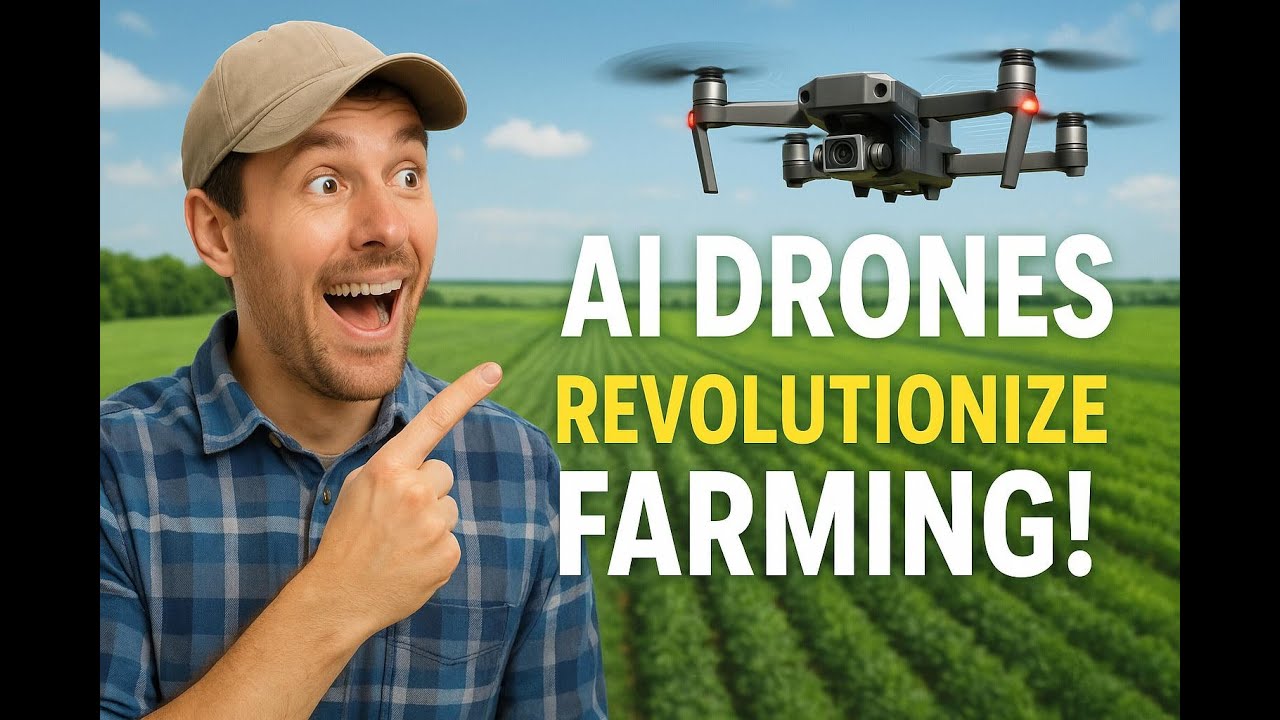
- 🛰 Drones and IoT sensors capture localized data—moisture content, nutrient levels, temperature, and weather forecasts—to facilitate targeted interventions.
- 📊 AI analytics integrate all data streams to optimize water, fertilizer, and pesticide use, thus enhancing yields and minimizing damage to the environment.
For instance, soil moisture sensors enable targeted irrigation schedules, conserving scarce water resources in drought-prone areas—a critical advance in climate adaptation and sustainable resource management.

Artificial intelligence-driven platforms process complex field data and provide customized expert advice to farmers worldwide, facilitating informed, precise, and climate-responsive decisions.
- ✔ Key Benefit: More accurate resource usage drives increased crop yields.
- 📊 Data Insight: Real-time monitoring helps reduce fertilizer and pesticide waste.
- ⚠ Risk or Limitation: Requires robust digital infrastructure and farmer training.
- 🛡 Sustainability Point: Sensors and analytics aid early detection of pests, reducing reliance on chemicals.
- 🔗 Connected Chain: Digital traceability builds consumer trust and supports food security.

Automation and Robotics Reshaping Labor Dynamics
With urban migration increasing and resulting in labor shortages in rural areas, automation is transforming how farms operate:
- 🤖 Autonomous tractors & harvesters reduce dependency on manual labor and handle critical tasks with high efficiency.
- 🚜 Robotics enable continuous operation—even under adverse weather—enhancing productivity and consistency.
- 📱 Affordable digital applications bridge the digital divide, giving smallholder farmers access to pricing, forecasts, and expert advisory on their smartphones.
Visual List: Key Agriculture Technology Benefits for 2025-2026
-
🚜
Automation: Increases productivity, addresses workforce shortages, and reduces human error. -
🌐
Real-time Satellite Monitoring: Empowers farmers with actionable insights for every crop cycle. -
📱
Digital Apps: Democratize access to market prices and advisory worldwide.
Farmers who invest early in smart irrigation and AI-driven analytics often see a faster return on investment by reducing input costs and water usage.
Sustainable Practices & Climate Adaptation for 2026
The most pressing external challenge for the agriculture community remains climate change. With erratic weather, prolonged droughts, pest outbreaks, and soil degradation becoming increasingly common, farmers are adopting climate-smart agriculture practices to build resilience and reduce greenhouse emissions.
- 🌳 Agroforestry combines crops, livestock, and trees, optimizing land usage and promoting biodiversity.
- 🔄 Crop rotation and diversification help maintain soil health and minimize pest invasions.
- 🌱 Organic and regenerative farming practices restore soil organic carbon, supporting long-term productivity while reducing reliance on synthetic inputs.
- 🚜 Conservation tillage methods enhance soil moisture retention and decrease erosion risks.
- 💧 Smart irrigation systems use sensors, AI, and automation to minimize water waste.

Climate-smart and organic practices can reduce CO₂ emissions by up to 35%, while improving soil’s water retention and biodiversity indices.
Key Agricultural Technologies & Sustainable Practices (2025-2026) Table
Strengthening Agricultural Infrastructure and Supply Chains
The success of the agriculture community in 2025-2026 is directly tied to the resilience of its infrastructure, storage systems, and supply chains—from post-harvest handling to digital marketplaces.
- ❄️ Cold storage expansion and modern logistics minimize post-harvest losses in perishable commodities.
- 🚚 Improved roads and rural transportation connect farmers to urban markets, reducing dependency on exploitative middlemen.
- 🪙 Digital trading platforms empower farmers by directly linking producers and buyers—enhancing price transparency and financial inclusion.
- 🔋 Renewable energy systems—chiefly solar-powered pumps and facilities—reduce operational costs and support sustainability.

Investment in agricultural infrastructure, advanced cold chain logistics, and renewable energy integration
is projected to yield double-digit returns in emerging and developing economies by 2026.
Fleet management systems in agriculture, powered by AI and satellite technologies, help to optimize transport logistics, reduce operating costs, and ensure timely delivery of harvests. Explore more about efficient fleet management for large and small-scale agricultural enterprises on our Fleet Management page.
Empowerment: Women, Youth & Inclusive Opportunities in Agriculture
Empowering all segments of the agriculture community is a cornerstone of productivity and resilience for 2026 and beyond. Women, youth, and indigenous groups are increasingly recognized for their critical role in agricultural livelihoods.
- 👩🌾 Women receive greater access to land rights, education, and finance, amplifying gender equity and farm productivity.
- 🧑💻 Youth engagement initiatives leverage technology and entrepreneurial models to reduce rural-to-urban migration and inject innovation into farming.
- 🌱 Inclusive finance tools, including micro-loans and insurance, offer risk protection and capital for equipment or sustainable inputs.
- 🌿 Policy support strengthens land tenure security and promotes community-driven agricultural development.
Neglecting to combine social empowerment programs with new technologies can slow adoption and limit positive impacts in target rural communities.
Empowerment in agriculture is also about digital inclusivity. Access to online platforms and financial services can be life-changing. Crop loans and insurance solutions backed by satellite data—such as those found in our Crop Loan & Insurance offering—are reducing financial risks and making it easier for farmers to safeguard investments amidst ongoing market and weather volatility.
Digital Future & Smart Farming Applications
Digital transformation in agriculture involves more than just data. It encompasses API integrations, blockchain-based traceability, and mobile accessibility for every member of the agriculture community.
- 📲 API integrations enable seamless data flows and smart analytics for large-scale farm management systems. Developers can access our satellite and weather API through Farmonaut API. Dive deep into technical capabilities at our Developers Docs.
- ✅ Blockchain-based traceability ensures product authenticity, builds trust, and supports the entire agriculture supply chain. Learn more about the traceability revolution for agricultural commodities here.
- 📱 Instant digital access via web, iOS, and Android apps connects rural farmers with expert advice, weather forecasts, and resource management tools.

- 🌍 Large-Scale Farm Management Solutions: For agribusinesses and governments to monitor, analyze, and optimize agricultural production at scale. Explore our Agro Admin App for more details.
- 🌳 Crop Plantation & Forest Advisory: Integrated digital platforms deliver timely, satellite-driven recommendations for enhanced forest and crop plantation management. Access the solution at Farmonaut Crop & Plantation Advisory.
- 🌿 Carbon Footprinting: Environmental compliance and sustainable marketing are easier with accurate, satellite-based carbon footprint monitoring. Get started on our Carbon Footprinting page.
Visual List: Top 5 Digital Innovations Empowering Agriculture (2025-2026)
-
🛰
Remote Satellite Advisory -
📲
Instant Mobile App Access -
🔗
Blockchain Traceability -
🔋
Renewable Energy Systems -
🤖
AI & Machine Learning
Digital transformation delivers: better market access, precision advisory, transparency, cost savings, and empowered agricultural communities worldwide.
“In 2025, precision farming increased crop yields by up to 20% using AI-driven soil and weather analytics.”
Expert Callouts & Highlights
Challenges Ahead for the Agriculture Community
Despite significant progress, ongoing challenges remain for farmers and the wider agriculture community:
- 🌦 Climate volatility and erratic weather threaten crop yields and farm incomes.
- 💸 Market volatility, including fluctuating global commodity prices and trade barriers, increase risks for smallholders.
- 🌱 Land degradation and loss of soil fertility make sustainable farming practices a must for preserving productivity.
- 🌍 Digital divide persist, with limited access to smartphone applications, digital platforms, and high-speed connectivity in rural and remote areas.
- ⚖ Insufficient or poorly enforced policy frameworks hinder inclusive, technology-driven growth in agriculture.
- 🕊️ Political instability and conflict remain barriers in some developing economies, disrupting supply chains and agricultural livelihoods.
Addressing these obstacles will require collaborative, multi-sectoral strategies—from policy improvements and infrastructure investments, to farmer-centric digital innovation and ongoing education.
Farmonaut: Empowering Resilient, Sustainable Agriculture
At Farmonaut, we recognize that empowering the agriculture community means making cutting-edge technologies accessible, affordable, and practical for every grower, from smallholders to major agribusinesses, government planners, and investors.
Our satellite technology platform offers seamless real-time farm monitoring, AI-powered expert advisory (via Jeevn AI), blockchain-enabled traceability, and advanced resource management tools—all accessible through user-friendly Android, iOS, web apps, and robust APIs.
- 🌱 Crop Health & Resource Optimization: Multispectral imagery and data analytics for input use efficiency and yield improvement.
- 🧮 Carbon Footprint Tracking: Environmental impact monitoring for smarter, sustainable operations. Learn more.
- 🔗 Traceability & Transparency: Blockchain-based digital records that guarantee authenticity from farm to fork. Discover product traceability.
- 🚚 Fleet & Logistics Management: Lower operating costs and ensure timely deliveries. Details here.
- 💰 Crop Loans & Insurance: Satellite-based field verification for secure, swift processing. Explore offerings.
Our mission is to democratize satellite-driven insights, delivering real benefits—reduced costs, increased productivity, minimized environmental damage, and access to premium markets—while supporting governments, businesses, and individual farmers in building resilient, data-driven agricultural systems.
All our core services are available via a transparent, subscription-based model—with scalable, remote access for all sizes of farming and agribusiness operations.
FAQ: Agriculture Community Innovation & Sustainability 2026
Q1: What is the agriculture community, and how is it evolving in 2026?
The agriculture community comprises farmers, rural stakeholders, policymakers, agribusinesses, and support systems that collaboratively sustain and evolve food production. In 2026, it is increasingly defined by the adoption of advanced technologies, sustainable practices, social empowerment, and data-driven management to boost resilience, productivity, and food security.
Q2: How does technology support sustainable agriculture?
Technologies such as satellite imagery, IoT sensors, AI analytics, blockchain-based traceability, and smart irrigation allow farmers to:
- Optimize input use, reducing waste and maximizing yields
- Predict and adapt to changing weather and market conditions
- Enhance soil health and manage environmental impacts
- Increase transparency along supply chains
Q3: What are the main ongoing challenges the agriculture community faces?
The top challenges are:
- Climate volatility, unpredictable weather, and pest/disease outbreaks
- Access to infrastructure, digital tools, and reliable markets
- Financial risks and limited access to loans/insurance
- Land degradation and resource scarcity
Q4: How can smallholder farmers benefit from satellite and AI-based tools?
Smallholders can access satellite insights for crop health, targeted irrigation, and early warning on pest or disease risks—leading to better decision-making, lower costs, and reduced losses. Platforms like Farmonaut make these tools accessible via smartphone, web, and APIs.
Q5: Where can I learn more about Farmonaut’s platform and services?
Visit Farmonaut.com for the latest on our satellite monitoring, blockchain traceability, environmental impact services, and more—serving the future needs of the global agriculture community.
Conclusion & The Road Ahead
As we stand at the intersection of technology, tradition, and sustainability, the agriculture community in 2026 will continue to influence both food security and environmental stewardship on a global scale. Smart integration of advanced tools, inclusive empowerment, and sustainable practices remains the pathway to resilient, thriving, and future-ready agriculture.
- ✔ Robust digital tools and AI-driven management systems offer real returns on productivity and risk reduction.
- ✔ Sustainable resource management & climate-smart practices can mitigate environmental impacts.
- ✔ Empowerment of rural women, youth, and smallholders will drive inclusive economic growth and innovation.
- ✔ Advanced infrastructure, traceability, and renewable energy systems lay the groundwork for efficient agri-value chains.
- ✔ Collaboration between technology providers, financial institutions, and local communities will be the engine of scalable, long-lasting change.
The road ahead for the agriculture community is both challenging and inspiring. As resilience, productivity, and sustainability take center stage, we remain committed to supporting these evolving needs with accessible, impactful, and innovative satellite-based solutions.
For more information, explore our platform, download the app, and join us as we help empower agriculture worldwide—for 2026 and far beyond.

 Godrej Agrovet
 Hayleys Agriculture
 Linx Agritech
 Adinet
 Save Your Soils
 GalaxEye Space
 Grandstream Algérie
 XOS Realty
 Geospatial Lab Africa
 Agro La Gándara
 HIPSAC
 ZOL Zimbabwe
 Juligerm
 AdBio
AdBio MISE Maroc
 NWNS
NWNS Red August Group
 Farm Inc
 WeMe Global
 Agrotoken
 Blue BearX
 Insignito
 DnCubed
 Indosistim Teknologi
 Liquify Digital
 CU Foods
 BeyondTech Global
 Rouge VC
 AgroRisk
 Oath Inc
 Esri North East Africa
 MDCV UK
 Etech Consulting Madagascar
 Vestlandsforsking
 WB Dev
 Sama Premium
 Tres Valles
 Blickwinkel
 Agricultural Credit Policy Council
 eKGIS
eKGIS Mostas Tech
 Andex
Andex Deluxe Conseil
 WICO
WICO Chimera Innovation
 SkyHarvest
 Teledarbas
 Exurbia Geospatial
 FieldZero
