

Agriculture GIS Jobs & Best Paying Forestry Jobs 2025: Technology, Careers, and the Future of Land Management
“By 2025, GIS specialists in agriculture can earn up to $95,000 annually, reflecting rising demand for tech-driven expertise.”
As we approach 2025, the landscape of agriculture GIS jobs and best paying forestry jobs stands transformed by rapid advances in technology and the growing importance of data-driven resource management. With Geographic Information Systems (GIS) now integral to managing natural resources, optimizing operations, and making informed decisions, professionals with GIS expertise have become essential drivers of progress across the agricultural, forestry, and environmental sectors.
In this comprehensive article, we explore not only the most promising agriculture GIS jobs, best paying forestry jobs, and roles in 2025, but also the technological advancements shaping these careers. We highlight salary benchmarks, discuss real-world applications, and show how innovations like satellite imagery, AI, remote sensing, and IoT sensors underpin growth and opportunity in the sector.
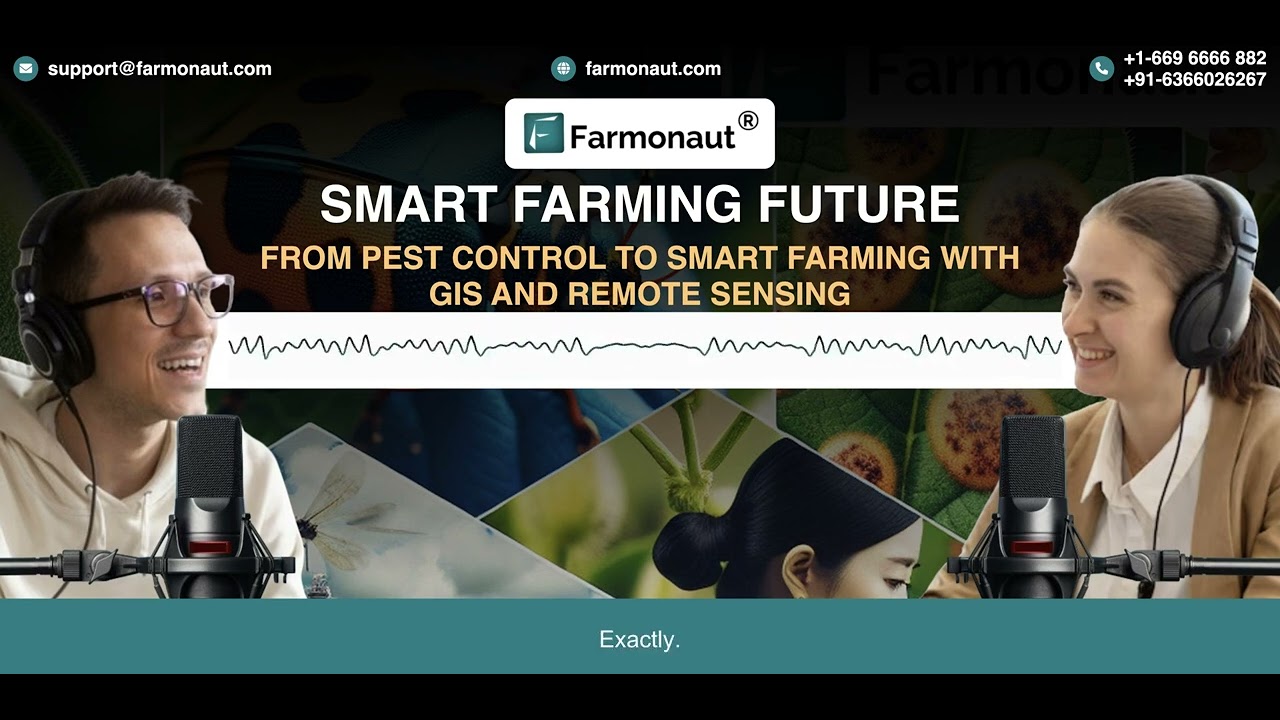
GIS in Agriculture & Forestry: 2025 Overview
The ongoing convergence of agriculture and forestry with geospatial technologies is redefining land and resource management. Today, agriculture GIS jobs span a range of responsibilities, from using satellite imagery to monitor crop health and soil quality to developing models for pest and disease prediction. Simultaneously, the demand for forest and forestry GIS professionals is soaring, especially in roles linked to climate mitigation, sustainable ecosystem management, and conservation practices.
Whether in the fields of precision agriculture or strategic forest management, opportunities for jobs, roles, and careers that combine technical GIS skills with environmental stewardship are greater than ever. Let’s take a closer look at the transformative role GIS plays in agriculture today.

The Role of GIS in Agriculture: Precision, Productivity & Decision-Making
Geographic Information Systems (GIS) enable farmers and agribusinesses to collect, analyze, and interpret a spectrum of spatial data—from soil types, topography, and weather patterns to irrigation needs, crop health, and pest outbreaks. Precision agriculture practices, widely adopted in 2025, rely heavily on GIS to enhance productivity while minimizing environmental impacts.
- Mapping farmland for maximized yields and optimized resource use
- Monitoring crop conditions using satellite imagery and drones
- Integrating data from sensors and GPS devices for real-time field insights
- Supporting sustainable practices by tracking soil health and minimizing fertilizer input costs
GIS professionals in agriculture are increasingly tasked with not only mapping farmland but also analyzing spatial data and developing models to predict disease spread or pest infestations. By integrating diverse datasets, such as satellite-derived NDVI (Normalized Difference Vegetation Index), remote sensing indicators, and on-ground sensor measurements, decisions are now more scientific, scalable, and precise than ever before.
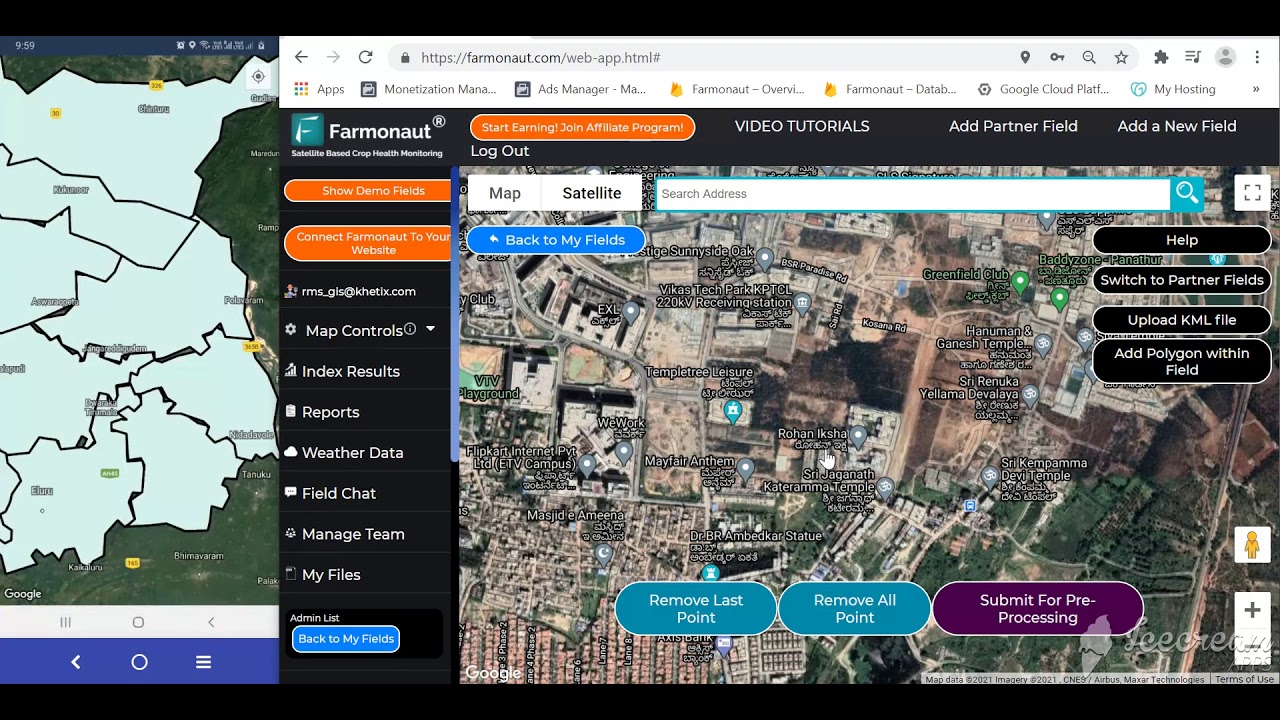
Farmonaut’s advanced satellite-based monitoring platform is a key enabler for these developments, providing services such as
carbon footprint monitoring, blockchain-enabled traceability, and large scale farm management tools. These solutions amplify the role of GIS in enhancing sustainability, improving yields, and optimizing resource management.
Agriculture GIS Jobs in 2025: Opportunities & Growth
The demand for specialized agriculture GIS professionals continues to grow amid rising adoption of smart farming and sustainability-focused practices. As data becomes central to farm operations, the need for experts who can bridge technical GIS skills and agronomic knowledge is at an all-time high.
Most In-Demand Agriculture GIS Jobs in 2025
- GIS Analyst/Scientist – Agriculture: Tasked with creating and maintaining comprehensive spatial databases; analyzing data to improve yields and reduce input costs; working closely with other specialists to develop predictive models for disease spread and pest outbreaks.
- GIS Technician: Assists with mapping, data collection, monitoring crop conditions (satellite imagery, drones), and the day-to-day maintenance of databases.
- Agriculture Data Scientist: Leverages advanced programming skills (Python, R), AI models, and algorithms to interpret large datasets, automate data processing, and generate actionable insights for farmers and agronomists.
Responsibilities for these roles often include:
- Mapping farmland and natural resources
- Analyzing yield and soil health data to improve farming practices
- Developing models and simulations to predict disease outbreaks and optimize irrigation needs
- Collaborating with agronomists, soil scientists, and farmers to apply GIS insights in the field
Requirements typically include proficiency with GIS software like ArcGIS and QGIS, experience with remote sensing, and strong programming skills (especially in Python). Familiarity with crop types, weather patterns, and best soil/field management practices is a considerable plus.
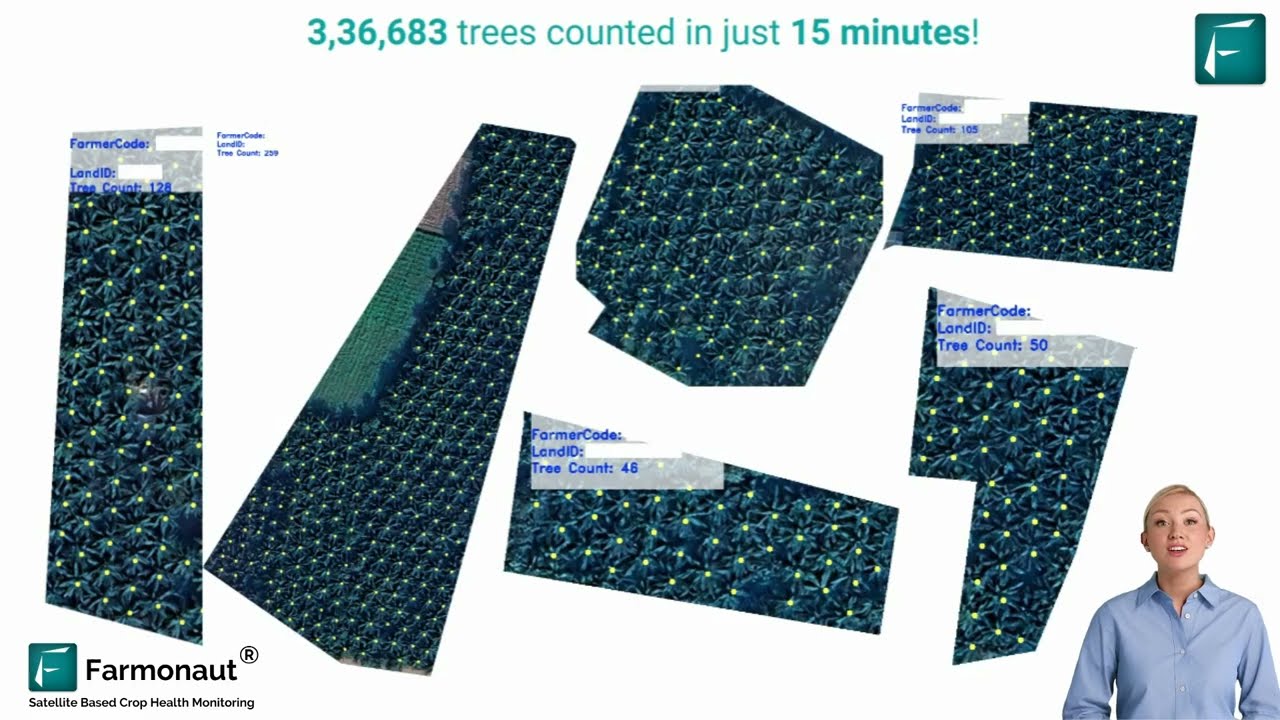



Our solutions at Farmonaut help agriculture GIS professionals access and interpret real-time satellite data for reducing carbon footprints and for optimizing vehicle, machinery, and fleet use in agriculture, further boosting both operational efficiency and career demand.

“Forestry GIS analysts are projected to see a 30% job growth rate by 2025, driven by digital mapping innovations.”
Best Paying Forestry Jobs in 2025: Roles, Salaries & the Power of GIS
Forestry, closely intertwined with natural resource management, now offers some of the best-paying, most rewarding GIS-centered positions. Professionals in forestry GIS are vital for sustainable forest management—integrating satellite and drone data to facilitate wildfire prevention, timber harvesting operations, reforestation strategies, and carbon stock assessments (learn about satellite-based carbon footprinting tools).
Top-Paying Forestry GIS Positions in 2025
- Forest GIS Manager: Oversees all GIS initiatives in forest operations, from data integration to policy-making for harvest and conservation.
- Remote Sensing Specialist: Utilizes satellite imagery and drones to monitor forest health, detect illegal activities, and track changes for climate and conservation initiatives.
- Land Use Planner: Applies GIS data to balance forestry requirements with urban expansion and ecosystem preservation. Essential for agencies and consultancies focusing on sustainable land management.
- Forest Ecologist (GIS Expert): Uses spatial data to study biodiversity, species distribution, and ecosystem services, informing conservation strategies.
Fulfilling these roles typically requires advanced technical expertise in GIS software, remote sensing (e.g., satellite-based forest monitoring tools), prowess in python programming, and a deep understanding of climate science, environmental law, or forest ecology.

Impact of GIS Technology on Agriculture and Forestry Careers
As GIS becomes an integral tool across agriculture and forestry, the skillset required of professionals is evolving. Besides the foundation in geographic systems and spatial data analysis, high-growth roles increasingly require:
- Software Proficiency: Proven experience in ArcGIS, QGIS, remote sensing platforms (e.g., ENVI, ERDAS), and open-source mapping solutions.
- Programming Skills: Competence in Python (for automation and advanced modeling), SQL (database querying), and R (data analytics).
- Integration of Remote Sensing & IoT: Combining satellite imagery, drones, and sensor networks to improve accuracy and decision speed.
- Environmental Literacy: Understanding of sustainable practices, climate adaptation strategies, and relevant laws/regulations.
- Project Management & Collaboration: Cross-functional work with agronomists, environmental scientists, and engineers for large-scale operations and policy impact.
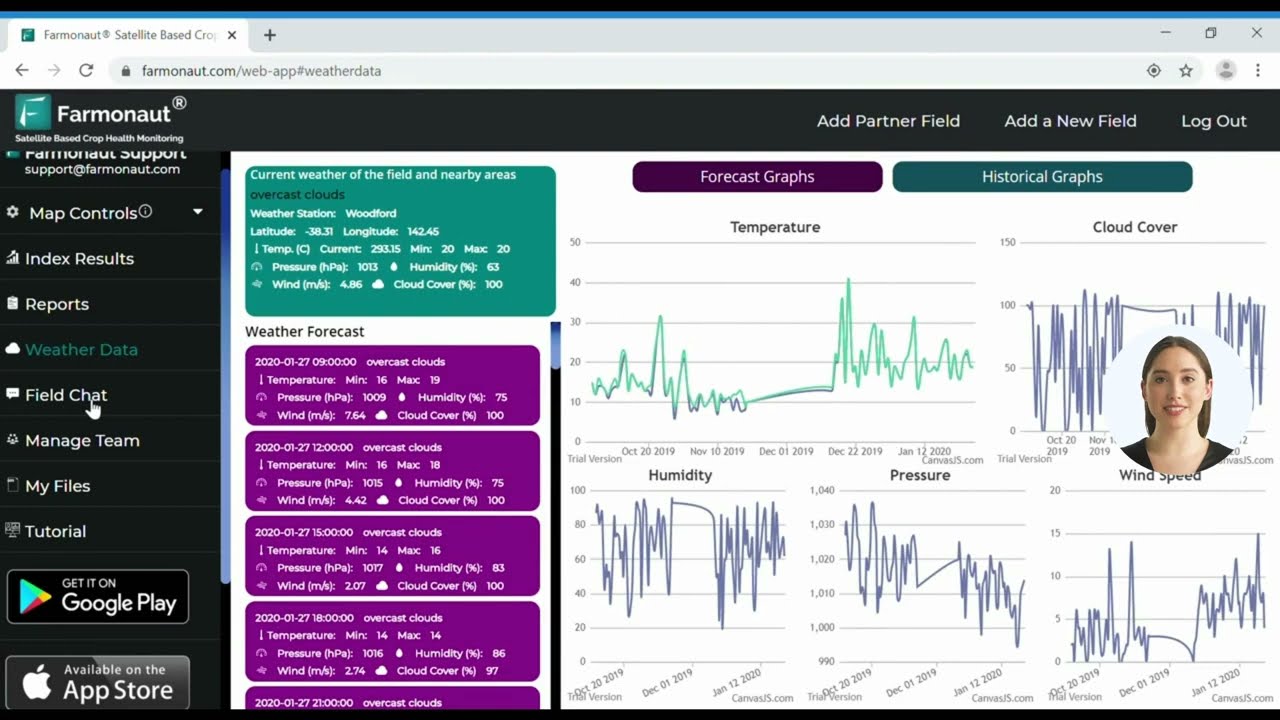
For developers and businesses seeking custom solutions, Farmonaut offers a robust API for integrating satellite and weather data directly into third-party applications.
Detailed Farmonaut API documentation is available to accelerate custom deployments across agricultural, forestry, and environmental management systems.
Top Agriculture GIS & Forestry Jobs 2025: Roles, GIS Impact & Estimated Salaries
| Job Title | Industry | Core Responsibilities | Role of GIS Technology | Est. 2025 Salary (USD/year) | Required Qualifications/Skills | Growth Potential |
|---|---|---|---|---|---|---|
| Precision Agriculture Analyst | Agriculture | Analyze yield, crop, soil, and irrigation data to optimize farm inputs and productivity. | Uses GIS to monitor crop health, automate mapping, and predict disease/pest outbreaks. | $62,000–$85,000 | GIS (ArcGIS/QGIS), Python, agri-science, remote sensing | High—driven by precision/smart farming demand |
| Remote Sensing Specialist | Forestry/Agriculture | Analyze satellite/drone data to assess vegetation health, monitor deforestation, and inform decisions. | Integrates satellite imagery, AI and sensor data for mapping and surveillance. | $80,000–$110,000 | GIS, ENVI/ERDAS, image processing, Python | Very High—AI & remote sensing integration |
| Forestry GIS Manager | Forestry | Oversee GIS-based resource mapping for timber operations, reforestation, and wildfire management. | Leads teams in comprehensive spatial data management and reporting for sustainable forestry. | $95,000–$120,000+ | GIS (ArcGIS Pro/Server), forest ecology, PM skills | High—expanding forestry digital ops |
| Land Use Planner | Forestry/Environmental | Plan sustainable land/resource use balancing industry, urban, and wildland requirements. | Applies GIS modeling to optimize land use policies and support conservation efforts. | $78,000–$105,000 | GIS, urban/env. planning, data modeling | Strong—urbanization & conservation trends |
| GIS Database Administrator | Agriculture/Forestry | Manage large-scale, multi-source GIS and sensor databases for field ops, compliance, and analytics. | Automates spatial data ingestion, access, QA/QC, and integration for big data management. | $70,000–$90,000 | DBMS (SQL/PostGIS), cloud GIS, Python/Shell | High—explosive growth in agri/forestry data |
| Forest Ecologist (GIS Expert) | Forestry | Research biodiversity, species populations & provide ecosystem services analysis using GIS. | Use spatial models to inform sustainable forestry policies & conservation strategies. | $85,000–$112,000 | GIS, ecology, advanced data analysis, env law | High—global focus on biodiversity |
Innovation & the Future: Integration of GIS, AI, Remote Sensing & Smart Technologies
The future of agriculture GIS jobs and best paying forestry jobs is driven by the integration of GIS with technologies like AI, machine learning, IoT sensors, and blockchain. These interconnected systems transform traditional agricultural and forestry operations into smart systems that:
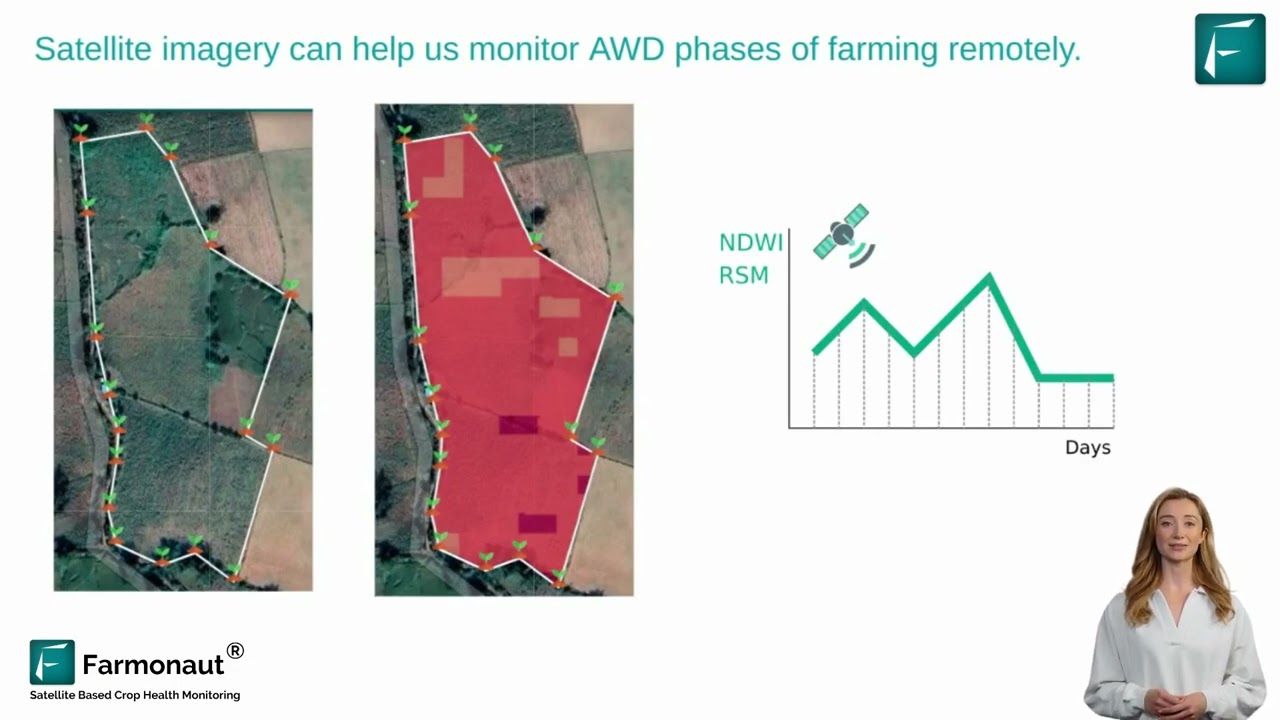
- Automate crop and forestry monitoring (e.g., automatic detection of alternate wet and dry farming, or forest tree mapping via AI-based satellite analysis).
- Enable real-time, actionable advice for farmers and resource managers via AI-powered platforms.
- Support transparent, secure supply chains (blockchain-based traceability), reducing fraud and improving trust.
- Track environmental impact (e.g., carbon emissions management).
- Boost sustainability with constant analysis of soil health, crop vitality, and forestry resource depletion/replenishment rates.
Beyond technical expertise, the next generation of GIS professionals must develop a strategic mindset, understanding both the ecological impact and long-term economic value of their analyses. Certifications like GISP (GIS Professional) and credentials in remote sensing or environmental law are increasingly advantageous.
How We at Farmonaut Empower GIS Careers & Resource Management
We at Farmonaut are committed to making satellite-driven geospatial insights accessible and affordable for professionals, businesses, and government agencies across agriculture, forestry, mining, and infrastructure development. Our platform uniquely blends:
- Multispectral satellite imagery—delivering up-to-date information on crop growth, health, and soil conditions.
- AI and machine learning—for automated advisory, disease and pest diagnostics, and actionable recommendations (Jeevn AI Advisory System).
- Blockchain—enabling traceability solutions for sustainable, fraud-free supply chains.
- Real-time resource management—monitoring carbon footprint, optimizing fleets and equipment usage, and supporting compliance with evolving environmental standards (via fleet management tools).
For large-scale agricultural and forestry projects, our cloud-based, API-driven infrastructure allows real-time integration into any data ecosystem, supporting efficient decision-making and regulatory compliance. Our solutions are scalable, designed for both smallholder farmers/advisors and national, government-level resource management.
Get started with:
- Farmonaut web and mobile apps for live field, crop, and forest monitoring.
- Fleet and equipment optimization modules for streamlined operations.
- Satellite-based risk assessment tools for crop loans and insurance.
Frequently Asked Questions (FAQ): Agriculture GIS Jobs & Best Paying Forestry Jobs 2025
What are the highest-paying GIS jobs in agriculture and forestry for 2025?
The best paying roles include Forestry GIS Manager ($95,000–$120,000+), Remote Sensing Specialist ($80,000–$110,000), and Forest Ecologist with GIS expertise ($85,000–$112,000). In agriculture, Precision Agriculture Analysts and GIS Data Scientists are especially well-compensated, commanding up to $95,000 depending on experience.
What qualifications and skills are required for agriculture GIS jobs?
Proficiency in GIS software (ArcGIS, QGIS), Python programming, experience with satellite imagery analysis, and a background in agronomy or soil science. Certifications such as GISP or remote sensing credentials improve employability in 2025 and beyond.
How does GIS technology improve forestry and agriculture practices?
GIS enables real-time monitoring of crops, forests, soil, and environmental conditions, supports predictive analytics, automates resource allocation, and helps track sustainability metrics like carbon emissions.
Which industries are adopting GIS most rapidly?
Agriculture, Forestry, Environmental Conservation, Urban Planning, and Infrastructure are leading adopters. Demand for professionals with GIS expertise in 2025 is highest in roles supporting sustainability, climate change mitigation, and resource optimization.
How can I start a career in agriculture or forestry GIS?
Begin with a degree or certification in geospatial sciences, agriculture, forestry, or environmental science. Gain hands-on experience with GIS tools, learn programming languages like Python, and build a portfolio of projects using free satellite data and platforms (such as Farmonaut’s web/app solution).
What makes GIS a promising long-term career?
The rise of smart farming, sustainable forestry, and climate-focused resource management ensures that GIS professionals remain in high demand, with increasing salaries and advancement opportunities as more industries recognize the value of geospatial technologies.
Conclusion: Why GIS is the Future of Agriculture & Forestry Careers in 2025—Opportunities Await
Agriculture GIS jobs and best paying forestry jobs are frontiers for those passionate about technology, environmental stewardship, and innovation. As spatial data, AI-driven insights, and remote sensing solutions continue to evolve, GIS professionals stand at the intersection of science, sustainability, and economic opportunity.
2025 marks a pivotal year, with integrated GIS technologies transforming job roles and increasing earning potential. From field mapping and sensor integration to climate impact assessment and resource optimization, GIS experts are essential for a sustainable future in agriculture and forestry.
For those seeking rewarding, impactful, and forward-looking careers, now is the time to embrace GIS and geospatial technologies. The blend of technical proficiency, environmental context, and innovative thinking guarantees a future where your skills make a meaningful difference—for people, planet, and prosperity.
Start your journey in the world of GIS with the most advanced, affordable tools—explore what we at Farmonaut have built to empower your next big step!
Discussion
Questions, corrections or field experience? Share them below. First-time comments are reviewed before they appear, and your email is never published.
No comments yet. Be the first to add a question or your experience.

 Click2Cloud
 TVS Electronics
 BW Pipelines
 WICO
WICO Gen Chayat
 Chimera Innovation
 SkyHarvest
 Polaris Digitech
 Teledarbas
 Wild Oak Farm
 SFX
SFX BACF Africa
 Doodlakine
 Exurbia Geospatial
 FieldZero
 Indico Company
