

Agriculture in the Desert: 7 Powerful Innovations for 2026
Summary: Agriculture in the Desert – Innovations and Challenges in 2025-2026
Agriculture desert environments have long been considered a daunting challenge due to extreme temperatures, scarce water, and poor soil fertility. As global population growth intensifies the demand for food and arable land becomes increasingly limited, agriculture in the desert is now emerging as a vital frontier for sustainable food production in 2025 and heading into 2026.
With advances in technology, water management, and resilient crop science, arid regions—once inhospitable—are being transformed into productive zones that secure food, boost local economies, and promote sustainable development. This transformation is enabling agricultural security, ensuring economic development, and fostering resilience in the face of climate unpredictability.
In this comprehensive guide, we’ll explore the key innovations unlocking the potential of agriculture in the desert, examine the unique challenges faced by farmers in arid zones, and delve into how technology and advanced management strategies are paving the path to sustainable production in 2026.



Agriculture in the desert is increasingly driven by advanced technology, resilient crops, and sustainable water management—enabling food security and economic growth in some of the planet’s most inhospitable environments!

Challenges of Agriculture in the Desert
Deserts, such as those in the Middle East, North Africa, and the Sahel, are characterized by minimal rainfall — often less than 250 mm annually. This means extremely dry conditions that can limit traditional farming practices. High daytime temperatures increase evaporation rates, putting additional stress on plants and soils.
The soil in deserts is often sandy or rocky, typically lacking organic matter and essential nutrients. This leads to poor fertility and challenging growing conditions for traditional crops. In some areas, high salinity in the soil and groundwater further complicates farming efforts, imposing additional stress on crops.
Assuming that all deserts face the same challenges in agriculture. In reality, issues like soil salinity, groundwater availability, and temperature extremes can vary dramatically across arid regions.
Additional Desert Agriculture Challenges:
- ✔ Scarce water resources are a critical limiting factor for crop growth and yield.
- ✔ Extreme daytime temperatures can increase plant water demand and evaporation.
- ✔ Sandy soils provide limited root support, nutrients, and retain less water—challenging plant establishment.
- ✔ Poor access to infrastructure for irrigation, transportation, and market connectivity is another concern.
- ✔ Fluctuating commodity prices and climate unpredictability add significant risk.
All of these factors combine to make desert farming a high-risk, often low-yield endeavor—until now.

Focus Keyword: 7 Powerful Innovations Driving Agriculture in the Desert for 2026
The last decade has witnessed breakthroughs in precision farming, water-saving systems, infrastructure, and crop science, bringing hope for sustainable food production in deserts. Here are seven powerful innovations making waves for 2026 and beyond in agriculture in the desert.
-
Precision Drip Irrigation & Advanced Water Management
- ✨ Targeted drip irrigation systems, coupled with soil moisture sensors, make every drop count.
- ✨ IoT and remote sensing platforms allow farmers to deliver water directly to plant roots—drastically reducing waste.
- ✨ Renewable energy-powered desalination provides fresh irrigation water in saline or groundwater-scarce regions.
- ✨ Automated irrigation schedules, using real-time data, eliminate guesswork and further optimize water usage.
-
Drought-Tolerant and Salt-Resistant Crop Varieties
- 🌾 Bioengineered and selectively bred crops like wheat, maize, millet, quinoa, and sorghum thrive in arid environments.
- 🌾 These crop innovations stand up to extreme temperatures, water scarcity, and high salinity, helping maintain yields.
- 🌾 Focus on heat-resilient, fast-growing, and more nutritious varieties will help feed a growing population among deserts.
-
Soil Improvement Techniques
- 🪴 Biochar, organic compost, and mycorrhizal fungi enrich soils, improving water retention and restoring fertility.
- 🪴 Increase the soil’s nutrient content, root development, and carbon sequestration.
- 🪴 Soil amendments create a buffer against extreme heat, helping crops adapt to challenging conditions.
-
Controlled Environment Agriculture (CEA)
- 🏢 Greenhouses, hydroponics, and vertical farming shield plants from harsh climates and extreme temperatures.
- 🏢 Climate-controlled systems allow for year-round food production in otherwise inhospitable areas.
- 🏢 Water efficiency is enhanced, with some hydroponic systems using up to 90% less water than field agriculture.
-
Renewable Energy Integration
- ☀️ Solar and wind installations provide off-grid, clean energy for irrigation, water desalination, and greenhouse climate control.
- ☀️ Lowers operational costs, reducing dependence on fossil fuels in remote, arid agricultural zones.
- ☀️ Critical for powering automated monitoring, pumps, and digital advisory platforms.
-
Satellite Monitoring & Decision Support Systems
- 🛰️ Real-time satellite insights gauge crop health, soil moisture, and stress factors across vast desert landscapes.
- 🛰️ AI-powered agronomic analytics provide targeted advice for irrigation timing, nutrient applications, and yield predictions.
- 🛰️ Carbon Footprint Monitoring helps track environmental impact as desert agriculture expands.
-
Supply Chain Transparency & Risk Management
- 🔗 Blockchain-based traceability ensures trust and transparency from farm to market, especially for export crops.
- 🔗 Satellite-driven verification for crop loans and insurance (More Details) boosts access to financing and reduces fraud risk in arid regions.
- 🔗 Integration of product traceability builds consumer confidence in food produced in emerging desert agriculture zones.

Comparison Table of Desert Agriculture Innovations (2026): Technology, Application, and Estimated Impact
| Innovation Name | Description | Technology Type | Estimated Water Savings (%) | Estimated Crop Yield Improvement (%) | Scalability (Low/Medium/High) | Key Regions Using |
|---|---|---|---|---|---|---|
| Precision Drip Irrigation | Low-pressure emitters supply water directly to plant roots, minimizing evaporation/waste. | Internet of Things (IoT), Sensors | Up to 55% | 20–30% | High | Middle East, North Africa, India |
| Drought/Salt-Tolerant Seeds | Bioengineered crops withstand high heat and saline soils, ensuring reliable production. | Genetic Engineering, Breeding | 15–30% | Up to 40% | High | MENA, Sahel, South Asia |
| Solar Desalination | Solar power runs desalination plants, producing irrigation water from saline sources. | Renewable Energy, Water Treatment | 40–70% | 15–30% | Medium | Middle East, Africa |
| Controlled-Environment Ag (CEA) | Greenhouses and vertical farms use climate control to produce food year-round. | Hydroponics, Climate Control, IoT | Up to 90% | Up to 250% | High | UAE, Israel, Saudi Arabia |
| Soil Enhancement (Biochar & Compost) | Organic amendments boost water retention, nutrients, and soil carbon. | Organic/Input Application | 25–40% | 20–35% | Medium | Africa, Middle East, India |
| AI & Satellite Farm Monitoring | NDVI/NDWI analytics track crop/soil conditions and guide resource allocation. | AI, Remote Sensing | 10–35% | 10–30% | High | Global |
| Blockchain Traceability | End-to-end supply chain verification prevents fraud and enhances food security. | Blockchain, Digital Ledger | Indirect | Indirect | High | Global exports, MENA, Asia |
7 Key Benefits of Innovations in Agriculture Desert 🌏
- ✔ Enhanced Food Security: Crops can now be produced in previously barren regions.
- ✔ Water Conservation: Smarter irrigation tech slashes water usage—up to 55% savings by 2026!
- ✔ Economic Upliftment: Desert farming generates jobs, boosts local economies, and enables trade.
- ✔ Climate Resilience: Advanced genetics and tech reduce risk from temperature swings and drought.
- ✔ Year-Round Production: CEA and hydroponics make possible continuous, high-yield harvests.
- ✔ Soil Revitalization: Compost, biochar, and mycorrhiza restore fertility and fight desertification.
- ✔ Sustainable Energy Use: Renewables power critical operations, reducing emissions and costs.

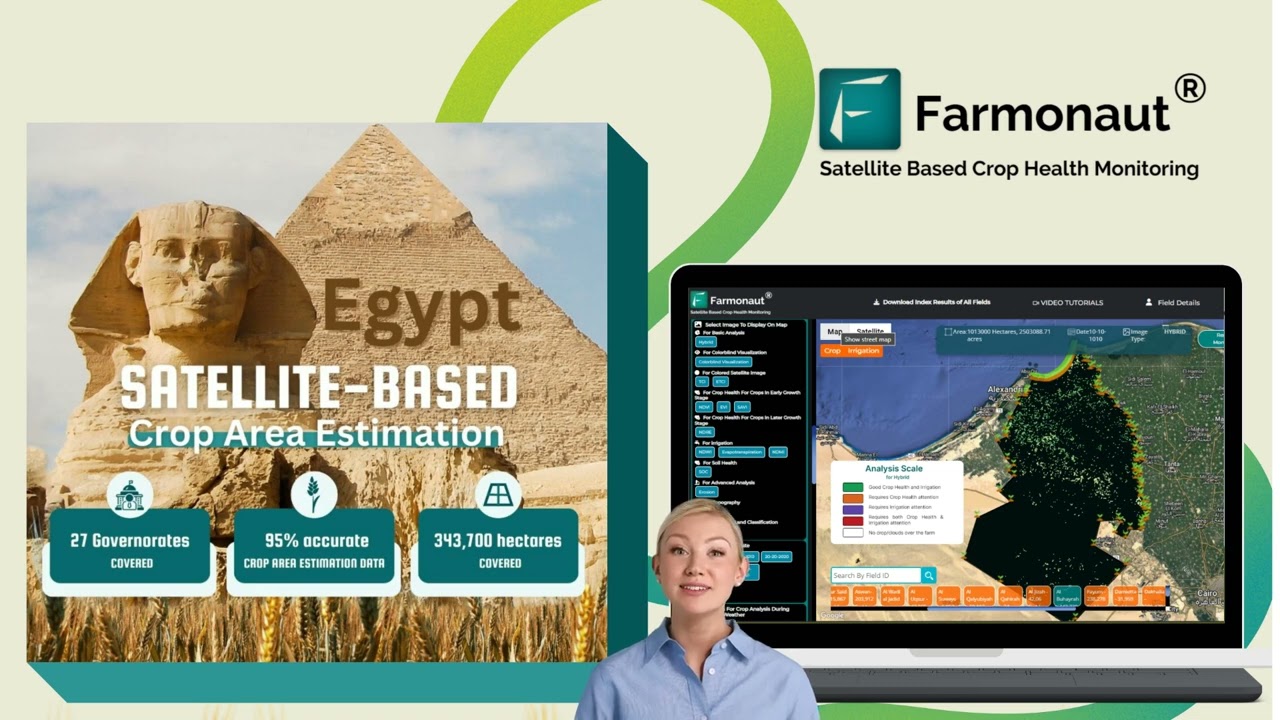
Intelligent water management, using sensors and AI analytics, enables farms to “do more with less”. Pair satellite monitoring with precision dripping for unbeatable results!
How Technology is Shaping the Future of Desert Farming
The intersection of digital tools, IoT devices, satellite imagery, and advanced genetics is revolutionizing agriculture in the desert. These synergies bring improved monitoring and predictive analytics, making high-risk environments manageable and profitable:
- 📡 Satellite Imagery: Delivers real-time crop and soil data—critical for spotting stress early and intervening quickly.
- 🌡️ IoT & Sensors: Continuously monitor soil moisture, temperature, and environmental conditions in remote regions.
- 🌱 Genetically Engineered Crops: Reduce sensitivity to warming and unpredictable rainfall.
- ⚡ Renewable Energy: Provides reliable, off-grid power for farms in underdeveloped regions.
For those managing large-scale desert farms or infrastructure projects, comprehensive solutions like Farmonaut’s Large Scale Farm Management Tools and Fleet Management Systems provide centralized, satellite-driven insights for monitoring operations, enhancing security, and optimizing resources.
High demand for desert agriculture innovations is fueling venture capital flows into agri-tech, water management, and genetic R&D startups, especially in the Middle East and North Africa.

Land managers can track vegetation changes and desertification trends using cloud-based satellite platforms. This aids in both agricultural planning and environmental compliance.
- 📊 Data insight: Accurate monitoring prevents wasted inputs and
reduces losses from extreme events. - ⚠ Risk or limitation: Initial investment costs for controlled environment systems may be high—government support often necessary in underdeveloped regions.
- 💡 Enhancement: Blockchain traceability lets buyers verify the source of nutrition-packed crops grown in desert zones.
- 🌞 Benefit: Solar powered systems reduce ongoing energy costs and emissions for farms, greenhouses, and desalination facilities.
- 🔑 Key insight: These systems are increasingly scalable from smallholder to corporate agriculture—benefitting everyone from family farms to national projects.
Neglecting local soil amendment needs when introducing new crops often leads to poor yields—always test and adjust with biochar, compost, and beneficial microbes.
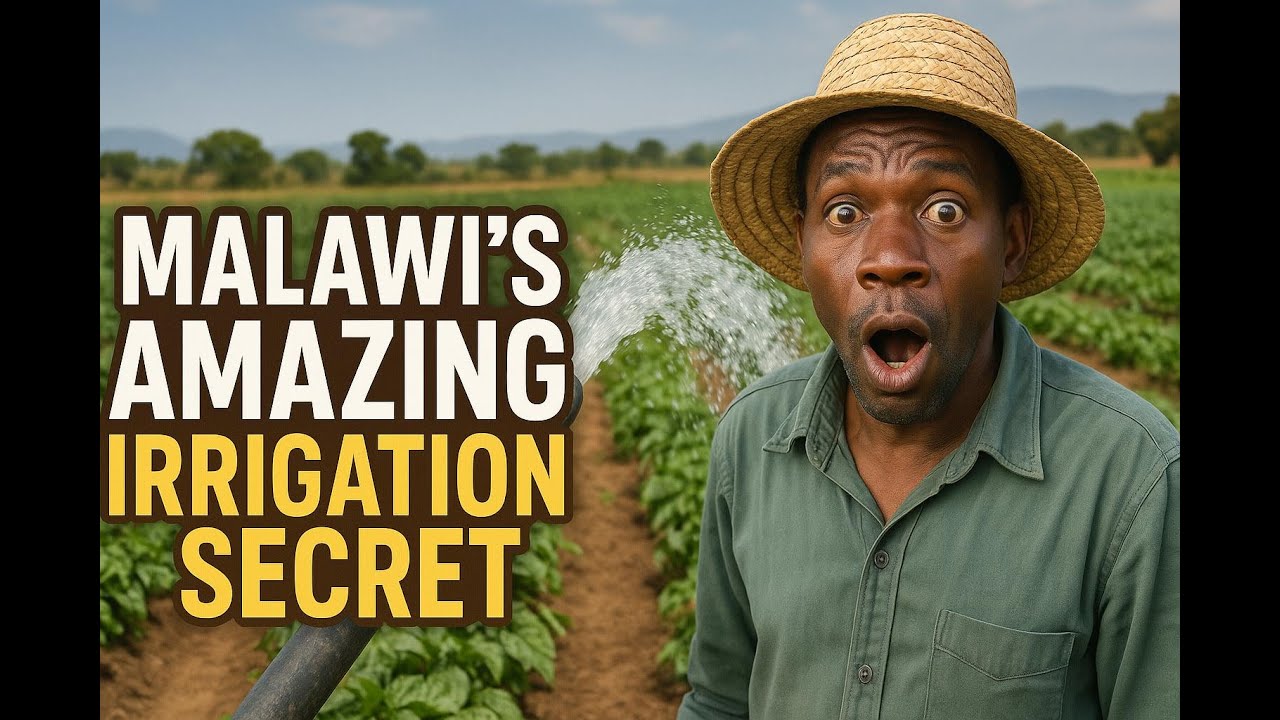
Farmonaut: Satellite & Digital Solutions for Desert Agriculture
Advanced digital technology is the linchpin for scalable, sustainable agriculture desert operations. This is where Farmonaut’s suite of satellite and AI-powered tools deliver real-time, actionable insights for a wide range of users—including individual desert farmers, businesses, and ministries.
Why Digital Solutions are Critical for Agriculture Desert Operations:
- ✔ Monitor crop health and soil moisture across vast, remote arid regions without visiting every field.
- ✔ Detect water stress, nutrient deficiencies, or pest outbreaks using high-frequency satellite imagery and vegetation indices.
- ✔ Automate “decision support” for precision irrigation and fertilization, removing guesswork under highly variable conditions.
- ✔ Verify sustainability for supply chains and access carbon markets; learn more about carbon footprinting solutions here.
Incorporating satellite monitoring, AI, and blockchain offers increased transparency, efficiency, and scalability—without the burden of expensive, on-site hardware installations.
Key Insight:
Farmonaut delivers field-level analytics, blockchain product traceability, and environmental impact monitoring to make arid zone agriculture data-driven, transparent, and climate-ready. Try Farmonaut API or Fleet Management Solutions for optimized farm vehicle usage and large-scale operation deployment.
For those interested in reforestation, biodiversity, and sustainable crop selection for arid and forested regions alike, our Crop Plantation & Forest Advisory services help landowners make informed decisions based on real-time data.
Leverage Farmonaut’s Jeevn AI Advisory for custom irrigation, weather forecasts, and yield maximization strategies tailored for desert and arid farming challenges!
FAQ: Agriculture in the Desert – Top Questions Answered
1. Is desert agriculture sustainable in the long run?
Yes, with advanced water management, resilient crops, soil enhancement, and digital monitoring, modern agriculture in the desert can be highly sustainable while ensuring food security and economic development.
2. How much water can innovations like precision drip irrigation save in the desert?
Up to 55% water savings can be achieved through precision drip irrigation systems with IoT sensors and automated management, according to projections for 2026.
3. What crops are best for desert agriculture?
Drought-tolerant and salt-resistant crops such as millet, sorghum, quinoa, and bioengineered wheat and maize varieties are ideal choices for agriculture in arid zones.
4. What roles do digital solutions like Farmonaut play in desert agriculture?
Digital solutions such as Farmonaut’s satellite-based monitoring, AI analytics, and blockchain traceability make large-scale desert farming efficient and transparent, supporting everything from precision irrigation to supply chain verification.
5. Can smallholder farmers benefit from desert agriculture innovations?
Absolutely. Advanced irrigation, improved seeds, and digital tools are increasingly affordable and user-friendly, enabling small farms to maximize yields and minimize risks—especially with advisory apps and satellite-guided alerts.
Conclusion: The Future of Agriculture in the Desert (2026 and Beyond)
In summary, agriculture in the desert was once considered an insurmountable challenge. However, **as the global population grows and climate change intensifies,** transforming arid regions into agricultural powerhouses is no longer just an option—it’s a necessity. With innovations driving higher yields, water conservation, and climate resilience, we are witnessing a revolution that is both technologically advanced and ecologically mindful.
The future of desert farming is powered by a unique convergence of:
- Cutting-edge irrigation and energy solutions
- Biotechnology for crop resistance
- Actionable satellite and AI intelligence
- Blockchain-backed transparency
- Soil and environmental stewardship
By leveraging these, we’re equipped to produce food sustainably, ensure agricultural security, and support economic development in some of the world’s most challenging regions.
Through the adoption of these innovations, arid lands can be transformed into productive, life-supporting environments, improving livelihoods and safeguarding food systems for generations.
Ready to embrace the future of agriculture? Start with Farmonaut’s digital tools today and join the movement making sustainable agriculture in the desert a thriving reality in 2026—and beyond!

 Chimera Innovation
 Hiteshi Infotech
 Clubhouse OS
 Progenseed
 SkyHarvest
 Polaris Digitech
 Teledarbas
 Wild Oak Farm
 SFX
SFX BACF Africa
 Doodlakine
 Exurbia Geospatial
 FieldZero
 Indico Company
