

Agriculture Journalism 2025: Key Trends, Impact & Importance
“By 2025, over 60% of agriculture news outlets will feature dedicated climate change sections, reflecting rising industry focus.”
Agriculture journalism stands at the crossroads of farming, technology, and media, shaping how information on food security, climate change, policies, and rural life is delivered to the world. As we enter 2025, agriculture journalism moves beyond traditional reporting and fully embraces emerging platforms, digital storytelling, and actionable insights.
This comprehensive guide dives deep into agriculture journalism definition, analyzes its rising importance in 2025, examines key trends, and showcases the evolving role of agriculture journalists in a rapidly changing global sector. We’ll also highlight how technology leaders like Farmonaut are making precise, actionable data accessible to farmers and rural communities worldwide.
What is Agriculture Journalism? A Definition for 2025
Agriculture journalism is a specialized branch of journalism dedicated to covering issues related to agriculture, farming, forestry, rural development, and agribusiness. It serves as a critical link between the agricultural sector and the general public, providing timely, relevant, and accurate news on the practices, trends, and challenges shaping our food systems.
Unlike general news reporting, agriculture journalism requires deep understanding of agricultural sciences, agronomic factors, rural economies, and the socio-political context that influences farmers and rural communities. Agriculture journalists must translate complex scientific and economic data into engaging, accessible stories for diverse audiences.
- Focuses on diverse platforms – print (newspapers, magazines), television, radio, and digital media.
- Covers a vast range of topics: farming practices, government policies, market trends, food security, climate impacts, technological innovations, and rural livelihoods.
- Collaborates with agronomists, environmentalists, policymakers, and farmers to deliver content that’s factual, insightful, and actionable.
- Plays a key role in knowledge transfer, advocacy, and rural empowerment.
At its core, agriculture journalism is about telling the stories behind every seed, harvest, challenge, and breakthrough.

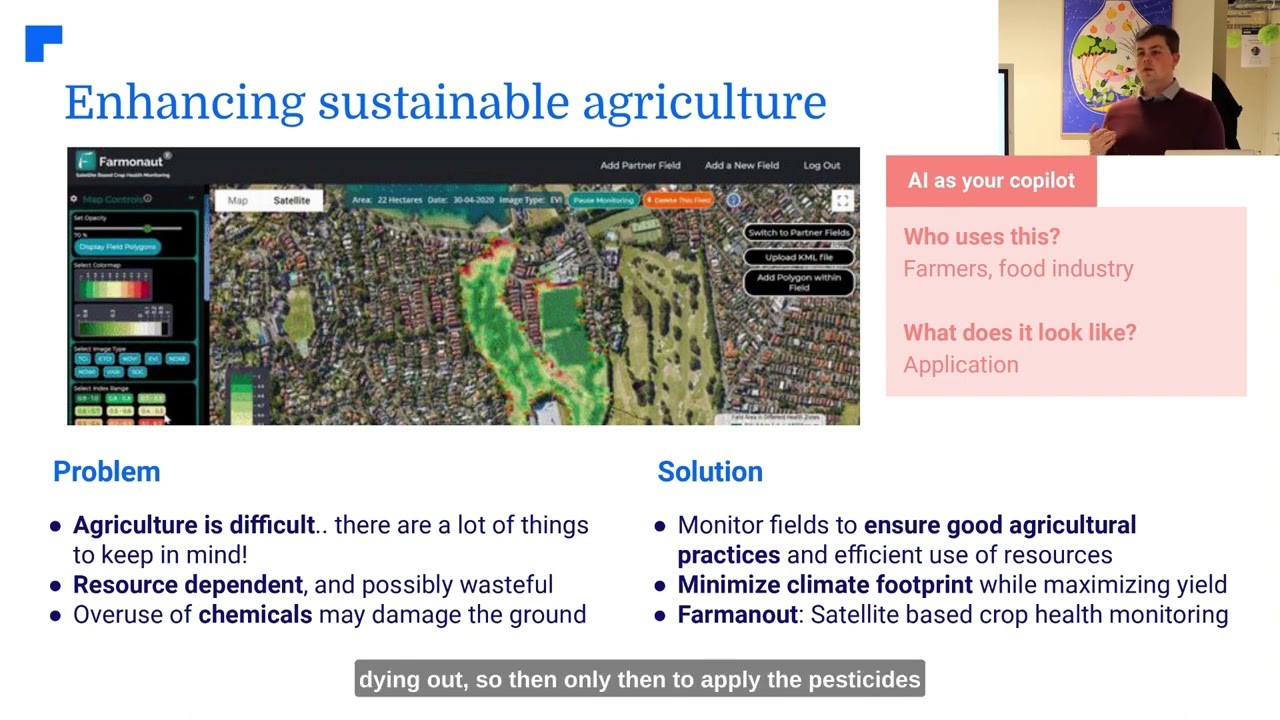
Try Farmonaut’s Satellite Crop Monitoring Web App
The Importance of Agriculture Journalism in 2025
The importance of agriculture journalism in 2025 is underscored by the complex challenges the sector faces: rapid technological advancements, climate change, global food security, policy reforms, and the empowerment of rural communities.
-
Bridging the Knowledge Gap
- In 2025, the agriculture sector sees unprecedented innovations in precision farming, biotechnology, AI, and digital solutions. Many farmers struggle to navigate these changes without reliable sources of information.
- Agriculture journalists translate complex, scientific topics into accessible, actionable content for broader adoption.
-
Promoting Sustainable Practices
- With climate change threatening global food productivity, journalism educates on sustainable methods—from carbon footprint reduction to biodiversity protection and resource conservation.
- Farmonaut’s Carbon Footprinting Tools empower agriculture journalism by providing up-to-date, credible climate data for reporting. Learn about Carbon Footprinting & Sustainability Tracking
-
Influencing Policy & Advocacy
- Agriculture journalists spotlight market volatility, land rights, and policy issues, shaping public opinion and guiding government decisions at regional, national, and global levels.
- Coverage ensures farmer challenges, voices, and innovations are included in policy discussions and development frameworks.
-
Enhancing Market Transparency
- Accurate reporting on crop prices, supply chains, and export/import trends helps farmers make informed decisions.
- Market news and blockchain-based traceability increase trust in food supply chains.
Explore Farmonaut’s Blockchain-Based Traceability for Agriculture & Food
-
Empowering Rural Communities
- Agriculture journalism amplifies rural voices, delivers government scheme updates, and makes innovations accessible, improving livelihood outcomes and food security in rural economies.
- Digital apps, such as Farmonaut’s, bridge physical distances and allow rapid, targeted dissemination of relevant news and advisories (

 ).
).
In summary, agriculture journalism continues to play a vital role in 2025, serving as a bridge between data, innovation, and farmer empowerment in a world where timely, accurate, and insightful information is critical for agricultural resilience and growth.
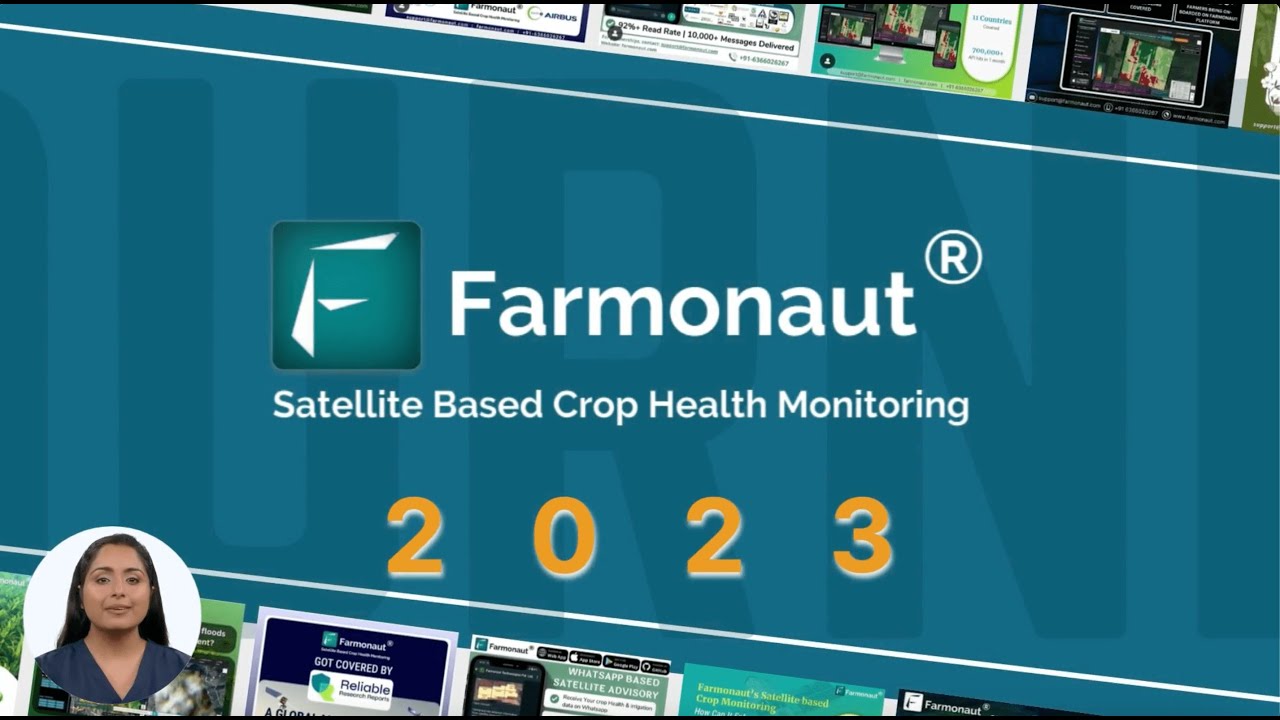
“In 2025, agriculture journalism is projected to reach 1.2 million rural readers monthly, a 35% increase since 2020.”
Key Roles and Trends in Agriculture Journalism 2025
Core Role: The Modern Agriculture Journalist
- Information Intermediary: Translates technical advances and policy news into understandable content for farmers and rural communities.
- Watchdog & Advocate: Investigates land rights issues, market abuses, and environmental threats.
- Policy Influencer: Highlights grass-root realities to inform regional, national, and global decision makers.
- Storyteller: Tells the human stories behind agricultural innovations and struggles, using engaging, multimedia formats.
- Sustainability Educator: Spreads awareness about conservation, regenerative agricultural practices, and climate resilience.
Top Trends in Agriculture Journalism for 2025
- Climate-Centric Reporting: Highlighting climate change, emissions reduction, and adaptation strategies at the forefront of coverage.
- Data-Driven Journalism: Use of satellite data, remote sensing, and geospatial analytics for factual, timely, and precise stories.
- Policy & Subsidy Explainers: Demystifying government policies, subsidies, loan schemes, and insurance options for farmers.
- Technological Innovations: Covering breakthroughs in biotechnology, AI, IoT, and digital farming—and how they can be adopted on-the-ground.
- Blockchain-Based Traceability: Tracking food from farm to fork and increasing supply chain transparency via secure, verifiable data.
- Rural Empowerment Focus: Content contextualized for regional languages, cultural realities, and the needs of underserved rural communities.
- Multimedia and Interactive Content: Increasing use of video, podcasts, infographics, and social media to reach audiences of all ages and literacy levels.

Trends Comparison Table: Agriculture Journalism 2025
| Trend | Estimated Prevalence in 2025 (%) | Key Impact Area | Relevance to Farmers | Example Application |
|---|---|---|---|---|
| Climate Change Focus | 60% | Policy, Practice, Awareness | Guides climate adaptation and sustainability decisions | Coverage of drought mitigation & emissions reduction strategies |
| Data-Driven Reporting | 45% | Market, Practice | Helps optimize resource use & improve yields | Satellite-based crop health insights |
| Policy Explainers | 35% | Policy, Funding | Improves understanding of support schemes | Articles clarifying eligibility for government subsidies |
| Technological Innovations | 40% | Practice, Productivity | Encourages adoption of new, efficient methods | Features on AI, blockchain, or precision agriculture |
| Blockchain-Traceability | 22% | Trade, Trust | Ensures food quality & origin transparency | Blockchain-powered supply chain verification |
| Multimedia/Digital Platforms | 55% | Awareness, Inclusion | Expands education to rural & remote users | API-powered news alerts on weather and crop health |
Impact of Agriculture Journalism: Stakeholders and Outcomes
The impact of agriculture journalism in 2025 extends across the food value chain—from farmers and agribusinesses to consumers, policymakers, researchers, and rural communities.
On Farmers
- Enables real-time, informed decisions on crop management, weather patterns, market prices, and pest/disease alerts.
- Delivers actionable knowledge on sustainable practices, loan schemes, and insurance—boosting productivity and reducing risk.
- Enhances resilience by reporting on successful adaptation strategies and warnings for threats like droughts or pest outbreaks.
On Policymakers & Governments
- Provides ground-level insights for more effective policy formulation and subsidy targeting.
- Ensures that real farmers’ voices & field realities drive regional and national policy decisions.
- Informs regulatory frameworks around food security, agri-input use, and climate adaptation.
On Agribusinesses
- Enables large-scale monitoring, logistics planning, and supply chain risk assessment via satellite and digital content.
- Increases transparency and trust in commodity traceability and sustainability commitments.
- Farmonaut’s Fleet Management Tools drive efficient logistics for agribusinesses and enhance supply chain reporting.
On Rural Communities
- Expands access to timely and relevant information, bridging the rural-urban knowledge gap.
- Raises awareness on health, nutrition, market opportunities, land rights, and environmental stewardship.
- Inspires youth toward agriculture careers and entrepreneurship by showcasing innovation and opportunity.
On the Urban Public & Food Consumers
- Builds greater trust in food quality, sourcing, and sustainability through transparent, factual content.
- Informs urban citizens about the impacts of their consumption and food policy on rural producers and the environment.

Journalistic Practices & Innovations in Agriculture Journalism 2025
2025 marks a turning point for journalism practices, as digital transformation and technology adoption reshape how content is generated, distributed, and consumed.
Digital & Mobile-First Platforms: Expanding Rural Reach
- Rise of agriculture-dedicated mobile apps, web portals, and chatbot-based platforms that deliver hyper-local news, advisories, and market updates directly to farmers’ phones.
-
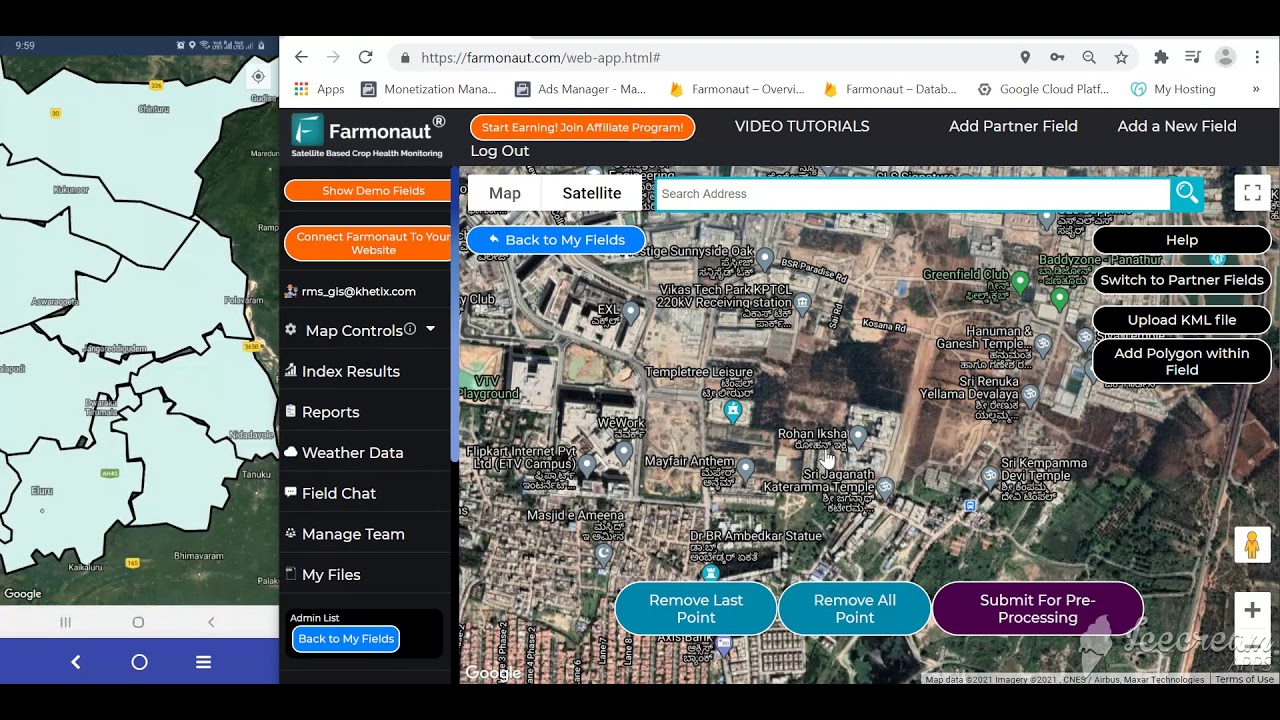
Farmonaut’s Satellite Crop Monitoring Platform plays a pivotal role, bridging the knowledge gap with up-to-date, geospatial, and climate-ready news for users globally.
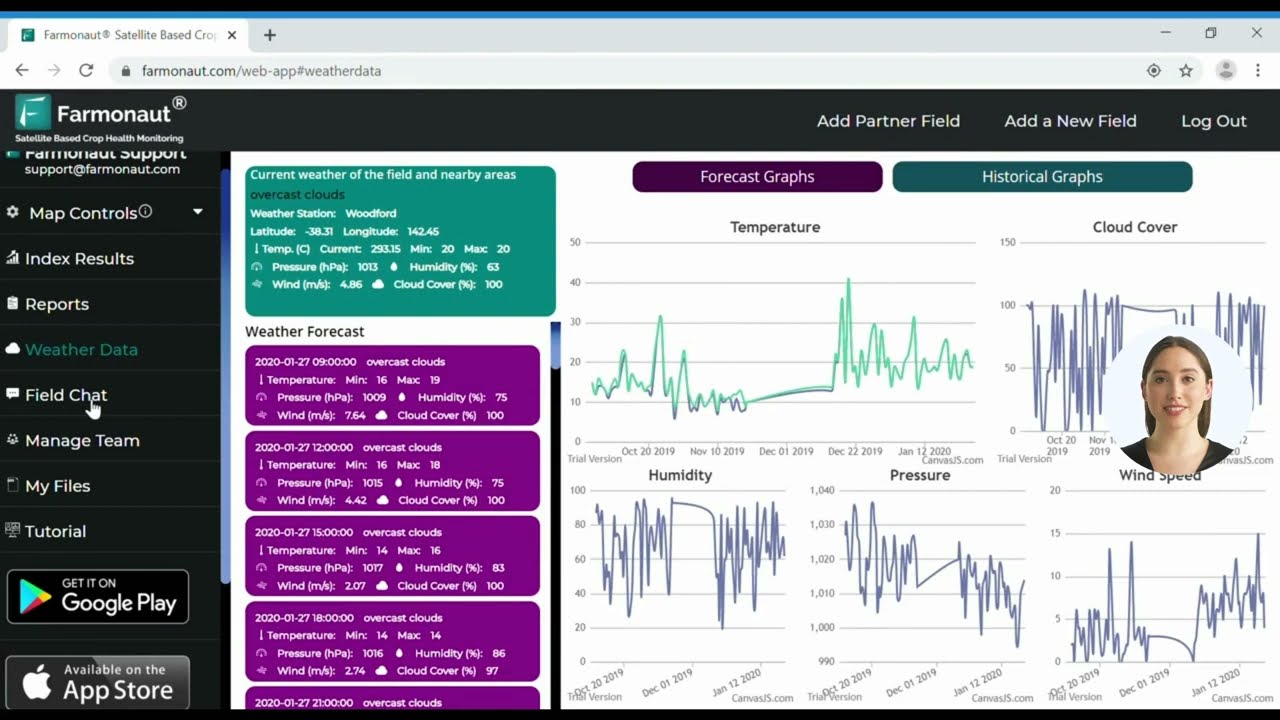
Farmonaut Satellite & Weather Data API: Power your agricultural content with real-time farm data! Read the API Developer Docs.

AI & Data Science in News Generation
- AI-based analysis of satellite imagery, weather trends, and crop data enhances reporting accuracy and enables timely dissemination of advisories.
- Advanced analytics identify regional trends in pest outbreaks, yield gaps, and climate anomalies—helping journalists and content creators focus on issues critical to each farming region.
-
Learn about large-scale farm management powered by satellite data:
Farmonaut Large Scale Monitoring Solutions

Blockchain for Transparency Reporting
-
Blockchain traceability provides journalists with trusted data sources for stories on food safety, provenance, and supply chain fraud.
Discover Farmonaut Product Traceability for food supply chain journalism - Drives coverage on organic, fair-trade, and region-specific agri-products by offering verifiable data on their origins.
Accessible Explainers & Visual Storytelling
- Increasing use of infographics, interactive graphs, videos, and podcasts to break down otherwise complex agricultural issues.
- Tailoring content for different literacy levels and local languages increases reach among rural and marginalized communities.
Social Media Influence & Citizen Journalism
- Wider dissemination of agriculture news and innovations through regional Facebook groups, YouTube channels, WhatsApp advisories, and farmer networks.
- Farmers increasingly become co-reporters, sharing real-time images, field updates, and success stories via digital channels.
Farmonaut: Empowering Data-Driven Agriculture Journalism & Decision Making
As an agritech pioneer, we at Farmonaut recognize the transformative role of journalism in ensuring farmers, agribusinesses, and policymakers have timely, actionable, and precise agricultural information.
Our suite of technology platforms is designed to make satellite-based, AI-driven farm data accessible and affordable to farmers and journalists worldwide.
- Satellite-Based Crop Health Monitoring: Offering real-time insights into NDVI, soil moisture, and crop health for enhanced, fact-based farming news and advisories.
-
Blockchain-Based Traceability: Securing food supply chain information at every stage from farm to consumer, enabling transparent, verifiable reporting for food and textile sector journalism.
See how product traceability supports global agri-reporting - AI-Powered Advisory (Jeevn AI): Delivering local, customized weather, crop management, and resource use advice – perfect for digital platforms and regional reporting.
-
Fleet & Resource Management: Allowing agribusinesses to optimize field logistics while providing journalists with accurate data points for news on agricultural operations at scale.
Explore fleet data’s value in operational news coverage - Carbon Footprinting: Offering reliable, up-to-date climate impact metrics for coverage on emissions, sustainability standards, and environmental regulation.
Our subscription-based model ensures farmers, agribusinesses, and researchers can choose scalable, affordable data access levels—no expensive hardware required. We also enable plug-and-play integration with other apps and news platforms via API access.
Ready to empower your agricultural stories and advisories with satellite precision?
Access Our Web App & Mobile Solutions
For agriculture reporters and policymakers focused on crop insurance, farmer credit, and subsidy distribution, our satellite-based farm verification speeds up loan approvals and reduces fraud. Discover Satellite Crop Loan & Insurance Validation Tools
FAQs: Agriculture Journalism 2025
What is agriculture journalism?
Agriculture journalism is a specialized branch of journalism focused on reporting and disseminating news, analysis, and insights related to agriculture, farming, rural development, forestry, and agribusiness.
Why is agriculture journalism important in 2025?
Its importance lies in bridging the knowledge gap between agricultural innovations and the end-user, educating on sustainable practices, influencing policy, enhancing supply chain transparency, and empowering rural communities for food security and economic resilience.
How has agriculture journalism changed in the digital era?
Digital, mobile, and data-driven platforms now deliver real-time news, multimedia explainers, and region-specific advisories—expanding reach to rural and underserved communities worldwide.
What are the latest trends in agriculture journalism for 2025?
Top trends include climate-centric content, data-driven investigation, AI/analytics, blockchain-based traceability, multimedia storytelling, government policy explainers, and rural empowerment initiatives.
How does technology (like Farmonaut) contribute to modern agriculture journalism?
Technology platforms such as Farmonaut provide agriculture journalists and content creators with instant, credible data for accurate news, transparency in supply chain reporting, AI-powered advisories, and climate impact analytics. This data-driven approach enhances both the quality and speed of news dissemination.
Where can I access the Farmonaut App and API for agriculture data?
You can access the Farmonaut Web App here, Android App here, and iOS App here.
For data integration and API docs: API Page and Developer Documentation.
Conclusion: The Future of Agriculture Journalism
As we look to the future, agriculture journalism will be even more vital, helping society navigate the complexities of food security, environmental change, rural livelihoods, and technological breakthroughs.
- Agriculture journalists serve as multidisciplinary educators, watchdogs, and advocates—empowering farmers, policymakers, and the public with actionable, transparent information.
- Innovative tools, platforms, and cross-sectoral insights are critical in ensuring robust, data-driven, and climate-resilient agricultural reporting in 2025 and beyond.
- Technology-driven solutions—like those offered by Farmonaut—provide the infrastructure for fast, reliable, and scalable dissemination of actionable news and advisories, bringing the benefits of innovations directly to those who need it most.
Agriculture journalism is not merely about reporting the news—it’s about catalyzing real-world change, fostering resilience across rural communities, shaping food policy, and ensuring the sustainability of global agriculture for generations to come.
Agriculture Journalism: Definition, Importance, and Role in 2025—Summary
Agriculture journalism is a specialized branch of journalism dedicated to reporting on agriculture, farming, forestry, rural development, and agribusiness. In 2025, its importance is greater than ever as the sector faces rapid technological innovations, complex policies, and unprecedented climate challenges. Agricultural journalists bridge the knowledge gap, advocate for farmer interests, promote sustainable practices, and deliver accurate, timely information via digital, multimedia, and data-driven platforms. The future of agriculture journalism is data-powered, inclusive, and crucial to achieving sustainable food security globally.

 Byju’s
 Kubota
 FFBS
FFBS Jontra
 Kalustyan
 Tucor
Tucor Geno
Geno Hayleys Agriculture
 Linx Agritech
 Adinet
 Save Your Soils
 Grandstream Algérie
 XOS Realty
 Geospatial Lab Africa
