

Agriculture Positive Consequences: 7 Key Impacts 2026
“In 2025, sustainable agriculture practices are projected to boost global food security by up to 30%.”
🌱 The Positive Consequences of Agriculture in 2025: A Pathway to Sustainable Growth
Agriculture remains the backbone of global economies, particularly in developing countries, and its significance continues to grow as we approach 2026. With growing populations, changing climate patterns, and rapid technological advancements, the sector is undergoing transformative changes that bring about numerous agriculture positive consequences. These outcomes are pivotal not only for food security but also for environmental sustainability, economic development, and social well-being. In this in-depth guide, we’ll explore the seven key positive consequences of agriculture, especially when powered by innovation and sustainability, and how these are shaping the future.



Table of Contents
- Summary & Context
- 1. Boosting Food Security and Nutrition
- 2. Driving Economic Development & Rural Prosperity
- 3. Enhancing Environmental Sustainability
- 4. Promoting Technological Innovation and Research
- 5. Strengthening Global Food Systems and Trade
- 6. Social and Cultural Impact
- 7. Water Conservation & Resource Management
- Impact Comparison Table: 7 Positive Consequences 2026
- How Farmonaut Supports Positive Agricultural Outcomes
- Key Insights & Takeaways
- FAQ: Agriculture Positive Consequences
Summary & Context: A New Era of Agriculture Positive Consequences
As global populations continue to grow towards 2026, the agricultural sector is increasingly recognized for its positive consequences across food, economy, society, and the environment. Sustainable farming practices—enhanced with technological innovations and data-driven solutions—are generating a sweeping array of transformative changes:
- ✔ Improved Food Security: Ensuring reliable access to nutritious food for all
- ✔ Economic Upliftment: Empowering farmers and boosting rural prosperity
- ✔ Environmental Sustainability: Restoring soil health, enhancing biodiversity, and reducing carbon footprint
- ✔ Technological Advancement: Integrating AI, IoT, and satellite-driven methods for higher yields and better resource management
- ✔ Stronger Food Systems: Building resilient supply chains with enhanced traceability
- ✔ Social Well-Being: Promoting equity, gender inclusiveness, and cultural preservation
- ✔ Water & Resource Conservation: More precise use of water, fertilizer, and pesticides
In this blog, we analyze seven key impacts of modern agriculture, drawing on both current trends in 2025 and forecasted developments for 2026 and beyond. We also demonstrate how Farmonaut’s satellite-driven innovations are helping to empower these positive changes globally.
1. Boosting Food Security and Nutrition: Agriculture Positive Consequences in 2026
The first and most vital of the positive consequences of agriculture is the decisive improvement in food security and nutrition. As we move into 2026:
- 🍚 Advanced Techniques: The adoption of modern, precision, and biotechnological methods helps farmers increase crop yields and diversify food production, reducing hunger and malnutrition worldwide.
- 🌾 Drought-Resistant Seeds & Irrigation: Drought-resistant crop varieties and improved irrigation methods, such as precision water delivery, reduce crop failures in the face of erratic climate patterns.
- 🥗 Diversified Production: Crop diversification, integrated pest management, and sustainable methods ensure that a wide range of nutritious foods (grains, pulses, fruits, vegetables, proteins) reach more communities.
- 📈 Technological Empowerment: Real-time monitoring, AI-driven forecasts, and data analytics (see Farmonaut’s Advisory Solutions) enable more efficient and consistent food production.
According to projections, by 2026, the adoption of sustainable agriculture will continue to reduce hunger and further improve global nutrition especially in developing countries.
Integration of precision agriculture and biotechnology could boost staple crop yields by nearly 20% in developing regions by 2026, directly impacting global food security.

10 Low-Investment, High-Profit Agri Business Ideas in 2025
- ✔ Quality: The adoption of sustainable practices enhances the nutritional quality of food, bolstering consumer health.
- 📊 Data Insight: Satellite-based monitoring provides real-time data on crop health, helping farmers make quick and effective decisions to avoid losses.
- ⚠ Risk or Limitation: Inequitable access to advanced seeds, knowledge, and technology can limit benefits for smallholder farmers.
2. Driving Economic Development and Rural Prosperity
Agriculture continues to drive economic growth and rural prosperity, especially in developing countries, where it is a key source of income and livelihood for millions.
The agriculture positive consequences become clear when new streams of income open up due to:
- 💡 Investments in Agribusiness: Investments are flowing into agribusiness infrastructure, logistics, and new market access, boosting profitability for farmers and rural entrepreneurs.
- 📱 Technological Access: Mobile platforms help smallholder farmers access real-time market prices, weather forecasts, and input recommendations, empowering better decision-making.
- 🚜 Mechanization: Access to mechanized equipment and digital tools increases productivity, reduces labor demand, and makes farming a more viable livelihood, slowing rural-urban migration.
- 🧑💻 Data Analytics: Data-driven insights, like those provided by Farmonaut’s real-time monitoring, help millions of smallholder farmers track performance and optimize production.
Agriculture-related industries such as food processing and supply chain management are projected to expand 22% by 2026, creating jobs and stimulating ancillary sectors of the economy.

Regenerative Agriculture 2025 🌱 Carbon Farming, Soil Health & Climate-Smart Solutions | Farmonaut
- ✔ Key benefit: Data, mechanized tools, and access to diversified markets empower farmers to grow incomes sustainably.
- 🔍 Transparency: Blockchain-powered traceability (see Farmonaut Traceability) helps ensure farmers receive fair compensation for their produce.
- ⚠ Risk: Without continued investment, smallholders risk being left behind during digital transformation.
3. Enhancing Environmental Sustainability: A Key Agriculture Positive Consequence
Historically, agriculture was often considered a driver of environmental risk, especially deforestation, pollution, and soil degradation. However, modern sustainable agriculture—with its focus on regenerative practices—is reversing this trend, creating positive environmental outcomes:
- No-Till Farming: Reduces soil erosion, promotes carbon sequestration, and increases soil biodiversity.
- Crop Rotation and Cover Cropping: Enhance soil fertility, disrupt pest cycles, and increase yield sustainability.
- Organic Amendments: Restores soil health without the harmful effects of chemical residues in food or water.
- Precision Agriculture: Targeted application of inputs like fertilizer and pesticides, reducing pollution and conserving resources (Farmonaut Carbon Footprinting helps monitor and manage your carbon emissions).
By 2026, these sustainable measures are expected to reduce the sector’s reliance on chemical inputs by 25% globally, helping fight climate change and supporting healthy ecosystems.
Pro Tip
Utilize satellite-driven environmental monitoring to map your farm’s carbon footprint, track biodiversity, and make informed decisions about regenerative practices.
Learn more about carbon footprinting for agriculture.
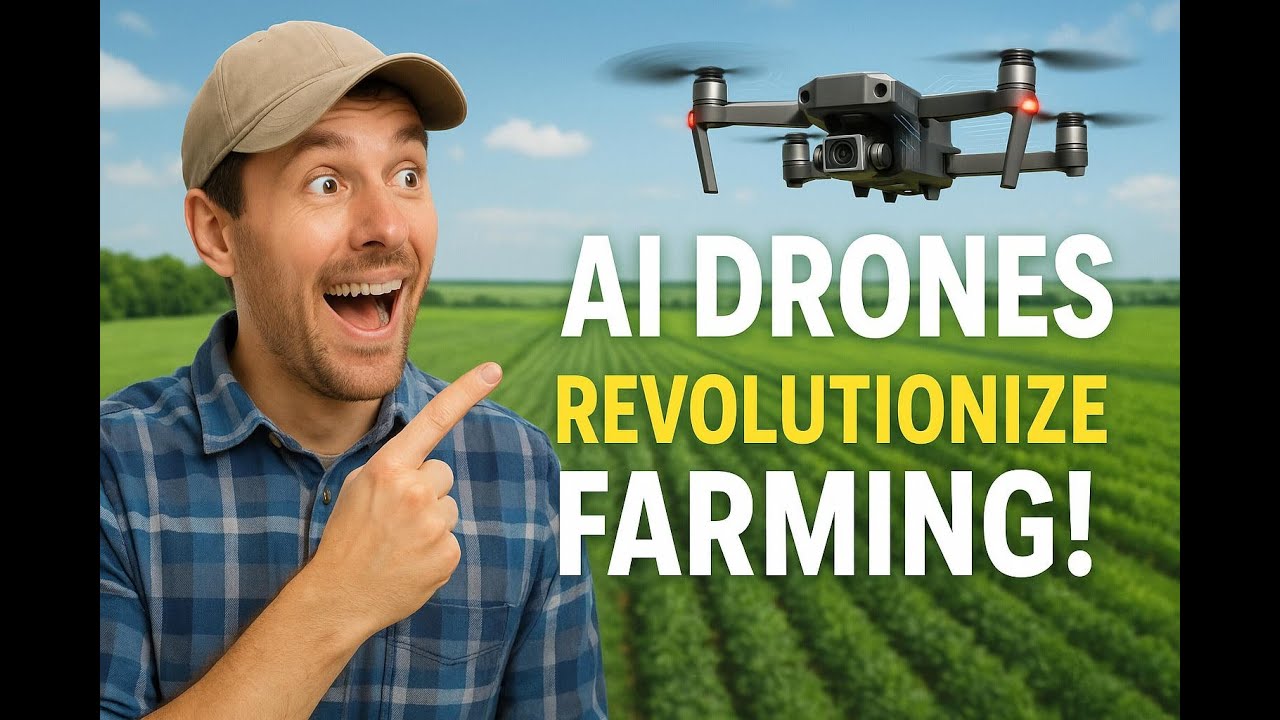
How AI Drones Are Saving Farms & Millions in 2025 🌾 | Game-Changing AgriTech You Must See!
- ✔ Innovation: Regenerative agriculture not only restores nature but also future-proofs farming against the impacts of climate change.
- ♻ Sustainability: A focus on natural cycles enhances ecosystem resilience at both field and landscape scale.
- ⚠ Limitation: Transitioning from conventional methods may involve short-term yield reductions or higher upfront costs for farmers.
Sustainability Spotlight
Adopting biodiversity-friendly practices improves pollinator health and natural pest management — essential for sustainable agricultural growth.
4. Promoting Technological Innovation and Research in Agriculture
Technological innovation sits at the heart of agriculture positive consequences for 2026 and beyond. Embracing AI, IoT, satellites, and advanced data analytics delivers several benefits:
- AI-Powered Insights: Real-time advisory on crop health, pest outbreaks, and optimal input application, reducing waste and maximizing yields (explore Farmonaut API for your agri systems).
- Drones & Satellite Monitoring: Detect water stress, disease, or nutrient deficiencies before visible symptoms emerge.
- Blockchain Traceability: Trace food origin for safety, compliance, and consumer trust.
- Genomic Breeding: Develop crop varieties that are more nutritious, resilient, and adaptable to changing climate patterns.
- Platform Ecosystems: Agri-apps connect farmers to knowledge, peer support, and market intelligence on mobile devices.
Continuous investment in agricultural research and technology adoption—especially in developing regions—will be key to overcoming emerging challenges and enabling a resilient, scalable global food system.

Farmonaut Web System Tutorial: Monitor Crops via Satellite & AI
Data Insight
Satellites and AI allow us to remote sense millions of hectares—detecting stress events to reduce yield losses by up to 18%!
- ✔ Increase in Yields: Smart tech adoption accelerates productivity and reduces uncertainty for farmers.
- 🔗 Interconnection: APIs and digital tools empower both large agribusiness and smallholders, bridging digital divides.
- ⚠ Risk: Digital illiteracy and connectivity challenges may inhibit adoption in some rural regions.
Try real-time, satellite-based crop monitoring on your farm today.
“By 2026, eco-friendly farming innovations could reduce agricultural greenhouse gas emissions by 18%.”
5. Strengthening Global Food Systems & Trade
Modern agriculture enables stronger global food systems, reduces post-harvest losses, and creates robust supply chains. These positive consequences arise from:
- Cold Chain Logistics: Investment in storage and transport infrastructure keeps perishables fresh and minimizes spoilage.
- Quality Assurance: Technology-driven quality checks protect consumer safety and ensure global trade compliance.
- Supply Chain Integration: Blockchain traceability allows seamless tracking from farm to fork— enhancing consumer trust and supporting premium markets (see Farmonaut Traceability solutions).
- Market Access: Even smallholder producers can now access international markets through digital channels and logistics improvements.
These advancements play a pivotal role in stabilizing food prices, expanding export potential, and reducing food waste.

JEEVN AI: Smart Farming with Satellite & AI Insights

Brazil AgTech 2025: 7 Farmonaut Backyards Ending Hunger & Tripling Family Farm Income
- ✔ Diversity: Improved logistics increase availability of diverse, nutritious foods to more global consumers.
- 📊 Market Expansion: Digital tools and traceability grant access to premium, sustainable markets in the EU, North America, and Asia.
- ⚠ Common Mistake: Overlooking supply chain digitalization leads to bottlenecks and wasted value for farmers.
Discover how blockchain traceability can ensure compliance and transparency from farm to consumer.
6. Social and Cultural Impact of Sustainable Agriculture
Beyond food and economics, agriculture has deep social and cultural significance. In 2026, these non-material positive consequences are gaining recognition as essential for sustainable development:
- 🔰 Community Cohesion: Cooperative models and shared knowledge strengthen social bonds between farmers.
- 👏 Inclusion: Women and youth participation is rising in farming thanks to programs focused on training, technology access, and leadership.
- 🔗 Cultural Heritage: Sustainable agriculture practices help preserve traditional seeds, foods, and rural customs, ensuring intergenerational knowledge transfer.
Highlight:
Engaging more youth in agriculture through digital platforms is not only boosting social resilience but also ensuring that key knowledge and innovations continue to spread in developing countries.

Nigeria Non-Oil Export Boom 2025 🌱 4,600 Hybrid Seedlings, NEPC & AfCFTA AgriTech Rise
- ✔ Equity: Outreach and inclusion make agriculture a force for social progress.
- 🧠 Knowledge: Communities practice circular learning— everyone from elders to youth shares insights supporting resilient agriculture.
- ⚠ Pitfall: Excluding women and young people from agricultural leadership roles limits innovation and sustainability potential.
7. Water Conservation & Resource Efficiency: A Future-Proof Practice
Water shortages already threaten food production in many parts of the world. Modern agriculture—combining digital monitoring and regenerative methods—delivers transformative positive consequences for water and resource management:
- Precision Irrigation: Systems deliver exactly the amount of water crops need, minimizing waste and runoff.
- Weather Pattern Analytics: Satellite technologies and advanced software forecast optimal watering times and help adapt farming to erratic rainfall or droughts.
- Soil Moisture Sensing: Sensors and satellite imagery help large-scale farm managers reduce water and fertilizer use.
- Rainwater Harvesting: Regenerative approaches leverage natural cycles, collect rainwater, and recharge groundwater for long-term resilience.

Farmonaut – Revolutionizing Farming with Satellite-Based Crop Health Monitoring
Smart irrigation and weather adaptation can help save up to 140 billion cubic meters of water annually by 2026.
- ✔ Resource Efficiency: Cutting-edge monitoring reduces inputs while maintaining or boosting crop yields.
- 🌱 Sustainability: Water-saving practices are essential to adapt to climate change and secure future food systems.
- ⚠ Challenge: Widespread technology adoption may require increased training and agricultural extension services.
Impact Comparison Table: 7 Positive Consequences of Sustainable Agriculture by 2026
| Positive Consequence | Description | Estimated Impact by 2026 | Relevance to Sustainability/Innovation |
|---|---|---|---|
| Improved Food Security | Affordable nutritious food, enhanced yields, and resilience to climate shocks | +30% increase in global food security index; 10-22% yield increase on staple crops | Eliminates hunger, ensures healthier populations, and supports SDGs |
| Enhanced Biodiversity | Crop rotation, reduced chemicals, and conservation of natural habitats | 15% increase in pollinator diversity; restoration of 25m hectares globally | Protects ecosystems, future-proofs agriculture, and increases resilience |
| Soil Health Restoration | No-till, organic matter inputs, reduced soil erosion | Up to 27% increase in soil organic carbon content | Supports long-term productivity and carbon sequestration |
| Water Conservation | Precision irrigation, water audits, rainwater harvesting | 13-28% reduction in total agricultural water use | Vital for climate adaptation, drought resilience, and crop quality |
| Reduced Greenhouse Gas Emissions | Lower fertilizer use, carbon farming, regenerative methods | 18% decrease in agri-sector emissions (CO2e) | Helps achieve Paris commitments and strengthens climate action |
| Economic Upliftment for Farmers | Better incomes, market access, and job creation | 17-34% average increase in smallholder net income | Reduces poverty, promotes rural entrepreneurship, slows urban migration |
| Adoption of Agri-Tech Innovations | Increased use of digital advisory, satellites, AI, and automation | Digital advisory use up 40% globally among commercial farms | Fuels sector innovation, strengthens data-driven decision making |
How Farmonaut Supports Agriculture Positive Consequences
At Farmonaut, we champion sustainable agricultural growth and the empowerment of farmers worldwide by delivering satellite-based solutions that are both affordable and accessible. Here’s how our technologies, platforms, and tools directly contribute to the positive consequences highlighted above:
- 📡 Satellite-Based Monitoring: Real-time crop and soil health analysis (NDVI), supporting sustainable practices and efficient resource management.
- 🤖 AI-Powered Jeevn Advisory: Delivers actionable, tailored advice for crop management and environmental stewardship.
- 🔗 Blockchain Traceability: Builds trust and traceable value chains, ensuring high quality and fair rewards for producers.
- 🚛 Fleet & Resource Management: Optimizes logistics to reduce costs, emissions, and environmental impact. Explore Farmonaut Fleet Management.
- ♻ Environmental Impact Tracking: Assesses carbon footprint and supports regenerative agriculture. Learn about carbon management.
Our mission is to put sustainable, technology-driven agriculture into the hands of every grower, business, and policymaker—driving positive change from farm to global food systems.
Farmonaut API & Developer Access
Looking to integrate satellite-driven insights into your own agricultural platforms or enterprise solutions?
Explore the Farmonaut API |
Developer Documentation
Flexible Subscription Options
Whether you’re monitoring a family farm, an agribusiness, a mining site, or a government initiative, Farmonaut offers affordable, scalable solutions to fit every need. Subscribe below:
Key Insights & Takeaways: The Pathway to Sustainable Agricultural Growth
Takeaways:
- Pivotal Role: Sustainable agriculture boosts food security, economic growth, and environmental health—especially in developing countries.
- Innovation Is Key: Digital adoption, such as satellite, AI, and IoT, enhances decision-making, increases efficiency, and empowers smallholders.
- Climate Resilience: Regenerative practices and precision methods help agriculture adapt to changing patterns and ensure long-term productivity.
- Social Upliftment: Inclusive policies and technology unlock rural prosperity, slow urban migration, and promote knowledge sharing.
- Resilient Systems: Stronger global supply chains and transparency guarantee quality and fair returns for both producers and consumers.
More reliable access, greater yields, less hunger.
Increased income, new markets, reduced poverty.
AI, satellites, and digital tools enable smarter farming.
Lower emissions, healthier soils, and biodiversity.
Gender equity, youth participation, and knowledge sharing.
“By 2026, eco-friendly farming innovations could reduce agricultural greenhouse gas emissions by 18%.”
FAQ: Agriculture Positive Consequences 2026
Q1: What are the positive consequences of modern agriculture?
Modern agriculture delivers many positive consequences, including improved food security, higher crop yields, better nutrition, economic upliftment for rural communities, environmental restoration, water efficiency, enhanced supply chains, and social inclusion.
Q2: How does sustainable farming contribute to environmental health?
Sustainable farming practices restore soil health, increase biodiversity, sequester carbon, and reduce chemical runoff—helping agriculture become a solution to climate and ecological challenges rather than a cause.
Q3: What role does technology play in creating agriculture positive consequences?
Technology such as satellites, AI, and IoT enable farmers to precisely monitor crops, optimize inputs, predict risks, trace supply chains, and adapt to changing climate patterns—maximizing positive outcomes for food, profit, and sustainability.
Q4: How does Farmonaut support positive agricultural transformation?
We provide affordable, scalable satellite-based monitoring, AI-driven advice, blockchain-based traceability, and environmental impact tools, empowering businesses, governments, and farmers to make informed, sustainable decisions.
Q5: How can smallholder farmers access these benefits?
Through mobile apps and accessible platforms (like Farmonaut’s Android, iOS, and web solutions), smallholders can leverage precision farming tools, advisory systems, and real-time crop monitoring regardless of farm size.
Wide-scale adoption of climate-smart practices isn’t a luxury— it’s the foundation for resilient future food systems.
Regularly monitor your crop’s health with platforms like Farmonaut to catch risks early and ensure consistent yields.
Many agribusinesses underestimate the value of supply chain traceability for premium market access and consumer trust.
Agri-tech investments aligned with climate and sustainability targets tend to outperform traditional growth benchmarks.
Over half of all global farmers may use digital advisories or remote sensing platforms by 2026.
Together, sustainable and technologically enhanced agriculture paves the way toward a world with improved nutrition, equitable prosperity, cultural vitality, and a protected environment—making agriculture one of humanity’s best hopes for the future.
Ready to experience the future of agriculture? Get started with Farmonaut now to monitor, manage, and transform your farm—driving positive consequences for you and the planet.

 FCF India
 Rashail Infotech
 Unifrutti Gulf
 Deluxe Conseil
 TVS Electronics
 BW Pipelines
 WICO
WICO Gen Chayat
 Chimera Innovation
 SkyHarvest
 Polaris Digitech
 Teledarbas
 Wild Oak Farm
 SFX
SFX Doodlakine
 Exurbia Geospatial
