

AI Plant App: 7 Ways to Diagnose Plant Diseases Fast
Meta Description: Discover how AI plant identification apps empower farmers with fast species recognition, instant crop disease diagnosis, and advanced plant care insights. Revolutionize plant health and management today.
“Over 90% accuracy: AI plant apps can identify thousands of plant species and diseases within seconds using image recognition.”
Introduction: AI Technology Empowering Plant Disease Diagnosis
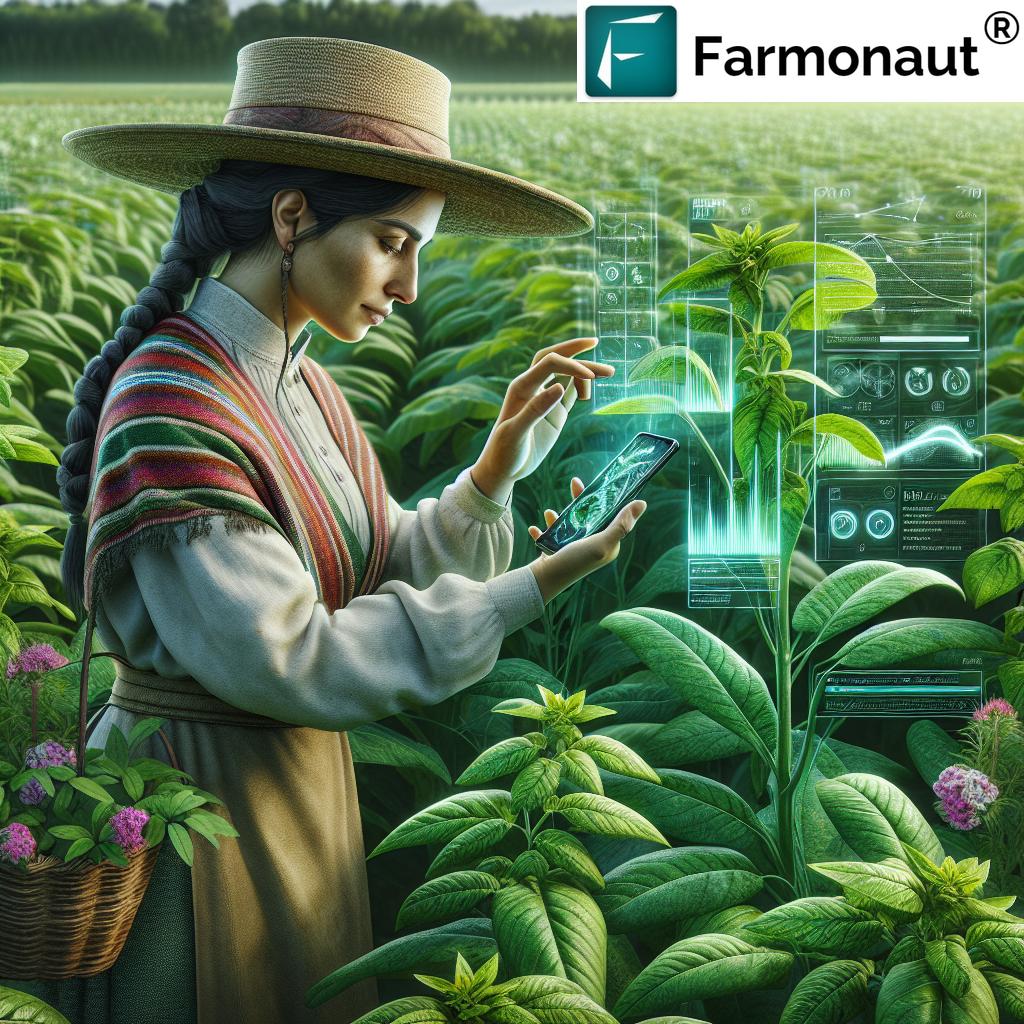
Artificial Intelligence (AI) is transforming every aspect of agriculture and forestry—from the way farmers monitor plant health to the speed of crop disease diagnosis. AI plant identification apps are pioneering this change. These advanced mobile tools leverage machine learning algorithms and vast plant species databases to provide real-time support in the field. Now, farmers, foresters, and horticulturists can capture images of plants on their smartphones and instantly receive diagnosis, species information, tailored care instructions, and even advanced management strategies—all on the go.
With increasing environmental challenges, demand for food production, and threats from emerging diseases and pests, having access to reliable, data-driven insights is critical. Whether it’s identifying plant species instantly in diverse habitats or providing nutrient deficiency diagnoses, AI is revolutionizing how we address plant health issues globally.
“AI-powered plant diagnosis apps reduce disease detection time by up to 80% compared to traditional manual methods.”
Key Features of AI Plant Identification Apps
AI plant identification apps combine the latest in technology to empower users through instant plant identification, disease diagnosis, and optimized plant care. Here are the main features driving their immense value in agriculture and forestry:
- Instant Plant Identification:
Take a photo of any plant with your mobile, and within seconds, advanced algorithms analyze the image for immediate species recognition. No internet? Leading solutions cache essential data for offline use—perfect for work in remote or rural areas. This feature brings expert knowledge right into the hands of fieldworkers, enhancing habitat quality assessments and plant surveys. - Disease Diagnosis & Treatment Recommendations:
Upload photos of symptoms—from leaf spots to wilting—and the app leverages deep learning to deliver accurate diagnoses. Many tools suggest potential treatments and preventive measures for both pests and nutrient deficiencies, enabling timely chemical or organic interventions. - Care Guides & Maintenance Reminders:
Most AI apps are equipped with maintenance reminders and tailored care guides: when to water, prune, fertilize, or re-pot—perfect for both home garden enthusiasts and industrial growers. - Community Engagement & Expert Support:
Share observations with a global community and get advice from experts. Continuous data sharing broadens the database, and collective knowledge leads to more accurate predictions and solutions.
7 Ways to Diagnose Plant Diseases Fast Using AI
Let’s dive into the practical, evidence-based methods where AI plant identification apps outpace manual disease detection and fundamentally empower practitioners across agriculture and forestry:
-
1. On-the-Spot Species Recognition:
AI plant identification apps instantly identify plant species by comparing user-taken photos with enormous plant databases. With over 300,000 species catalogued globally, accurate recognition in diverse ecology and wildlife habitats helps users avoid misdiagnosis downstream. -
2. AI-Powered Symptom Analysis:
These apps employ deep learning to distinguish unique symptom patterns on leaves, stems, and fruits—spots, molds, lesions—leading to reliable plant disease identification directly from images. -
3. Multi-Disease Detection:
Sophisticated algorithms allow for pest and disease detection in agriculture simultaneously. For instance, when uploading a single leaf image, the app checks for viral, fungal, and pest-induced issues all at once. -
4. Instant Nutrient Deficiency Diagnosis:
Algorithms are trained to spot signs of common nutrient deficiencies (yellowed leaves, stunted growth, etc.), suggesting tailored fertilizer or soil amendment recommendations—crucial for optimal plant health. -
5. Field-Ready Offline Mode:
Top AI tools operate without network connectivity in rural settings, storing essential database modules and syncing data later. This enables real-time plant health monitoring on large-scale farms or forest plots. -
6. Integration with Remote Monitoring and Sensors:
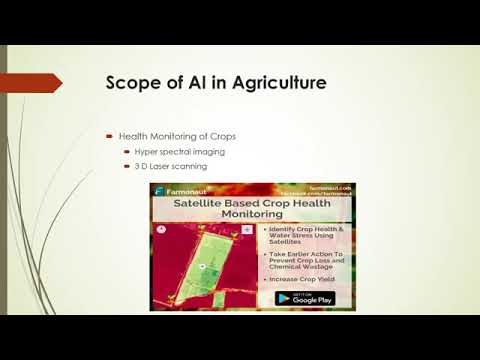
Apps like Farmonaut (see below) combine remote crop monitoring solutions—satellite imagery, weather analytics, and sensor data—with AI-powered disease diagnosis for actionable, field-level insights. -
7. Expert-Verified Treatment and Management Guidance:
Diagnoses are bolstered with verified treatment options, application checklists, and preventive measures. Many apps tap into a global network of plant pathologists for accurate curation and timely advice.
Notable AI Plant Identification Applications
With rapid advances in machine learning and mobile technology, several AI plant identification apps stand out:
- Plantix:
From diagnosing crop problems to suggesting treatment measures, Plantix empowers farmers with instant, image-based crop disease diagnosis and nutrient deficiency detection. Its database covers thousands of diseases and pests—the perfect diagnostic companion for fieldworkers. - Pl@ntNet:
A global “citizen science project”, Pl@ntNet draws on contributions from experts and the public alike, using deep learning to analyze photos for plant species identification. It enhances user knowledge while supporting ecology studies and habitat monitoring. - Agrio:
Agrio specializes in AI plant diagnosis for both pests and diseases, and delivers advisory solutions—within seconds—to farmers and professional agronomists worldwide. - E-Surveyor:
E-Surveyor, from the UK Centre for Ecology & Hydrology, enables instant, AI-powered plant species identification to support wildlife habitat monitoring and sustainable agricultural practices. - Farmonaut:
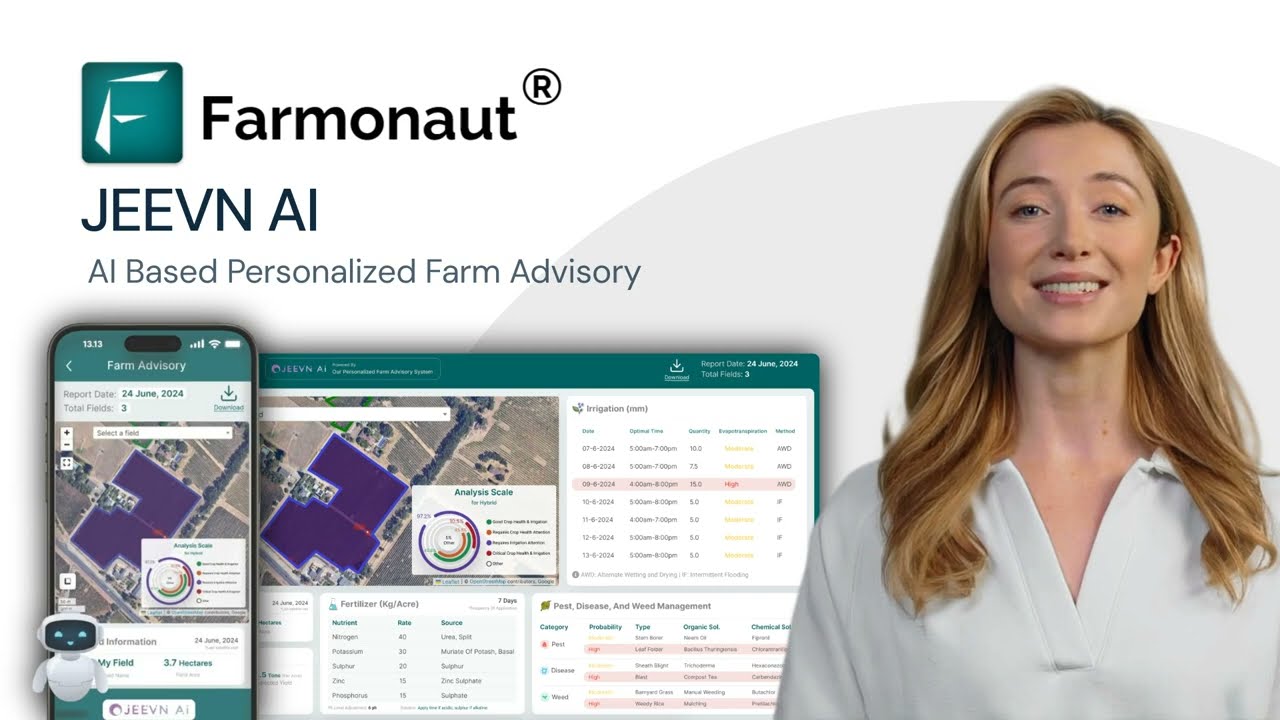
We at Farmonaut offer a comprehensive platform integrating satellite-based crop health monitoring, AI-powered advisory systems, blockchain traceability, and powerful resource management tools. Our Jeevn AI delivers personalized advice, real-time plant health monitoring, and actionable data for farmers globally. Learn more about our large-scale farm management solutions and plant plantation advisory.

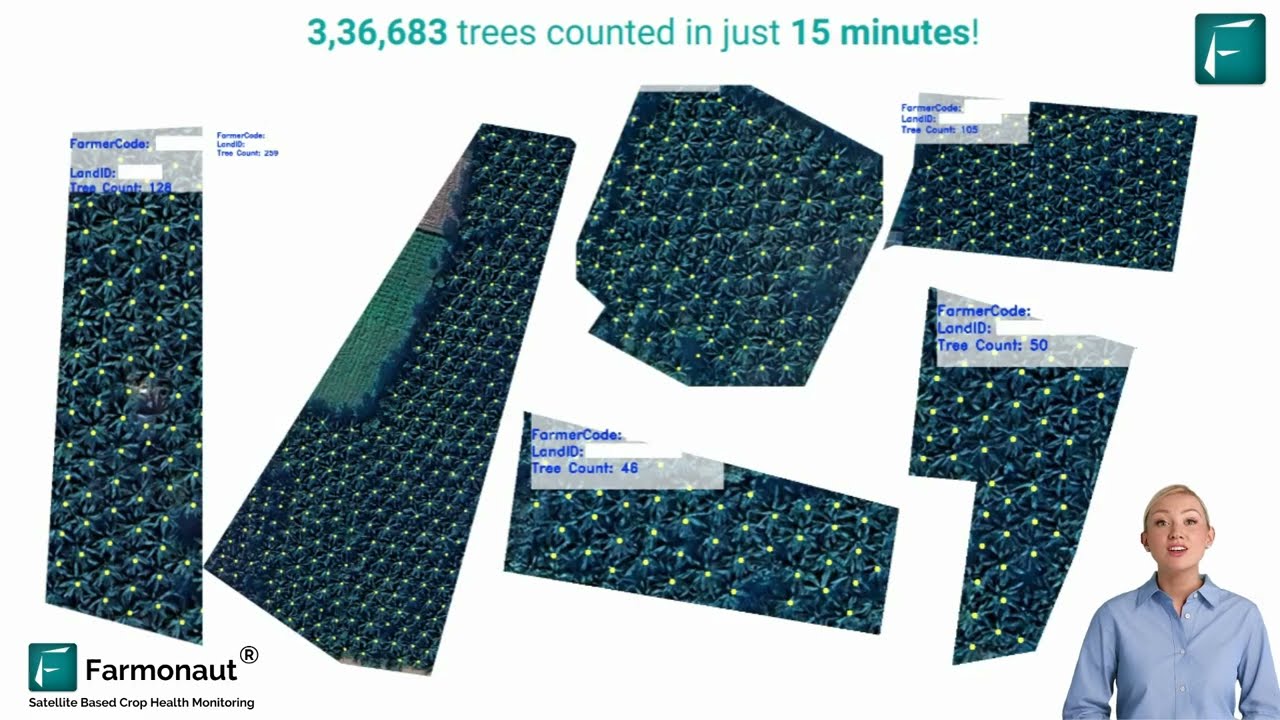
Real-Time Plant Disease Diagnosis with Farmonaut
We at Farmonaut are committed to democratizing precision agriculture through affordable and accessible data-driven solutions. Farmonaut’s platform stands out by blending satellite imagery with AI advisory and blockchain traceability to assist farmers, agribusinesses, and government agencies worldwide.
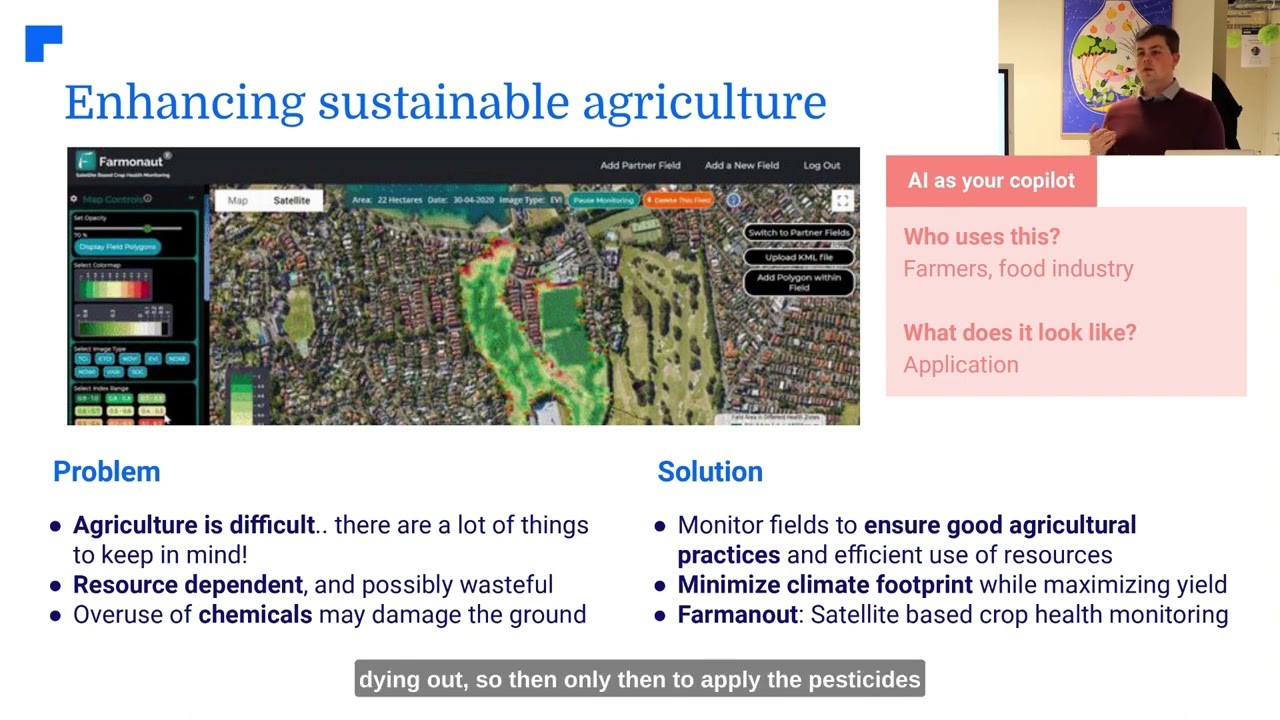
- Satellite-Based Crop Health Monitoring: Through multispectral satellite images, we empower users with vegetation health indices (like NDVI), soil moisture status, and other critical data layers. Find out how this enables highly accurate carbon footprinting and field-level resource management.
- Jeevn AI Advisory: Our AI-driven system personalizes plant nutrition, disease diagnosis, and weather forecasting for each farm, promoting productivity and environmental safety. Explore our blockchain-based traceability solution—for guaranteeing crop origin and process transparency.
- API Integration: Technical users and researchers can directly access our satellite and weather data via Farmonaut API or get implementation details from our developer documentation.
-
Mobile Accessibility: Farmers and organizations can use our Android and iOS apps for real-time advisory, large scale farm management, and field data collection.



Why Choose Farmonaut for Plant Disease Identification?
- Comprehensive Data Layers: Crop health, water stress, and potential disease risks visualized at every growth stage.
- Customized Recommendations: Jeevn AI provides tailored care guides, maintenance reminders, and treatment recommendations for enhanced plant care and management.
- Scalable to Any Farm Size: From smallholder fields to thousands of hectares—for individual farmers, agribusinesses, and government monitoring.
- Cost-Efficient, Hardware-Free: No high investment in drones or sensors—just a mobile device and our user-friendly interface.
- Sustainable Resource Management: Integrated fleet management tools and crop insurance verification boost efficiency and access to financing.
AI-Powered Plant Disease Diagnosis vs. Traditional Methods
| Diagnostic Method | Speed of Diagnosis (Estimated Time) | Accuracy Rate (Estimated %) | Accessibility | User Skill Required | Example Tool |
|---|---|---|---|---|---|
| Farmonaut AI Plant App | 1–2 minutes (real-time) | 90–95% | Mobile/web, global, affordable | Basic; guided by app | Farmonaut |
| Plantix AI Diagnosis | 1–3 minutes | 90–93% | Mobile (Field), global | Basic | Plantix |
| Traditional Field Scouting | Hours–days | 60–75% | Manual, location-dependent | Expert in pathology/agronomy required | Manual |
| Manual Reference Guidebooks | Hours–days | 60–75% | Books/outdated, local libraries | Moderate–high | Book/Manual |
Table Insights:
- AI apps (like Farmonaut and Plantix) deliver instant, accurate diagnoses—often in under 2 minutes—greatly accelerating disease management.
- Traditional scouting relies on manual expertise, slower speed, and presents a higher risk of misidentification, especially for less-experienced users.
Benefits of AI Plant Identification Apps in Agriculture & Forestry
- Enhanced Decision-Making: Real-time, accurate diagnoses empower users to act swiftly—optimizing plant care and management for higher yields and sustainability.
- Cost Efficiency: By catching diseases and pests early, AI plant apps cut losses and limit the use of agrochemicals, reducing both operational costs and environmental impacts.
- Educational Resource: Learn about plant species, disease cycles, and optimal care practices. AI apps double up as ongoing educational resources for everyone from farmers to students.
- Community Collaboration: Crowdsourced photos and field observations mean continuous database growth and more robust disease models.
- Scalability: AI apps seamlessly cover single gardens or massive plantations, providing tailored advice at every scale.
Discover More Ways AI Enhances Agriculture:
-
Carbon Footprinting:
Monitor and reduce your operation’s carbon emissions in real time—meet global sustainability targets with actionable insights. -
Blockchain Traceability:
Bring transparency and trust to your supply chain. Our traceability suite removes ambiguity and combats fraud in food and textile supply networks. -
Crop Loan and Insurance Verification:
Rely on satellite verification to streamline agricultural loan approvals and maximize access to insurance products—reduce risk, boost financial inclusion. -
Fleet & Resource Management:
Optimize your agricultural machinery and logistics—lower operational costs, coordinate teams better, and boost overall productivity with farm-wide oversight. -
Large Scale Farm Management:
Track and manage multiple farms or community assets from a single dashboard—tailored for agribusiness and government-scale needs. -
Crop Plantation/Foreset Advisory:
Our advisory tools guide large plantation operations, including forest plantations, with science-backed, AI-fueled crop management strategies.
Challenges and Considerations for Plant Disease Diagnosis Apps
- Accuracy Constraints: While accuracy can exceed 90%, factors like poor image quality, local species anomalies, and rare disease presentations may lead to errors. Continuous database improvement and community uploads gradually minimize such risks.
- Data Privacy: Farmers and practitioners need transparency about how their photos, location data, and diagnosis history are stored, shared, and secured, especially given potential third-party applications of agricultural data.
- Device & Internet Dependence: In the most remote regions, spotty mobile networks or lack of access to smartphones may hamper usage, though many modern apps now feature strong offline capabilities.
- Algorithm Bias: Disease models perform best on crops and symptoms well-represented in the training data. For emerging or regionally unique issues, model retraining and specialist expert advice are essential.
Future Prospects: Expanding the Role of AI in Plant Health Monitoring
The horizon for AI plant identification apps is broad and bright—with innovations set to further transform farming, forestry, and ecology. Here are key directions:
- Integration with Remote Sensing and IoT: Increasingly, plant diagnosis platforms connect satellite imagery, drones, and field sensors for holistic real-time plant health monitoring on a regional or global scale.
- Continuous Algorithm Improvement: Communities and experts share more data (including rare disease images), making AI models smarter and more region-specific over time.
- Global Collaboration: By linking databases and practices worldwide, we’re moving toward a truly global plant disease identification network—one that empowers everyone, regardless of geography or farm size.
- Educational Expansion: Future apps will focus even more on user learning modules, actionable alerts, and community research, making plant health management universally accessible.
FAQs on AI Plant Disease Diagnosis Apps
What is an AI plant identification app?
An AI plant identification app uses machine learning algorithms and vast plant databases to analyze images taken with mobile devices. It delivers instant, on-the-spot species recognition, disease diagnoses, and even treatment recommendations—making plant care and disease management much faster and more accurate.
How accurate are AI crop disease diagnosis tools?
Top apps like Farmonaut and Plantix report 90–95% accuracy rates for recognized species and common plant diseases, especially when users capture images in good lighting and with clear symptom representation.
How do AI apps benefit farmers and foresters?
By reducing disease detection time by up to 80%, AI-powered apps let users manage threats rapidly, optimize crop health and resource use, and learn best management practices—at an affordable cost and without specialist skills.
Can I use these apps offline or in remote areas?
Yes, many modern AI plant apps—including Farmonaut—offer offline functionality and field-ready disease diagnosis, syncing data once connection is restored. This supports farmers in remote or limited connectivity environments.
What about data privacy with AI plant apps?
Users should always read privacy policies closely to ensure their photos and location data are managed ethically and securely, with transparent protocols for any data sharing.
What distinguishes Farmonaut from other AI plant apps?
We at Farmonaut stand out with our satellite-based monitoring, Jeevn AI personalized advisory, blockchain-backed traceability, and integrated tools tailored for government, corporate clients, and individual farmers across every scale of agriculture and forestry.
Farmonaut Subscription Options & Links
Empower your farm, maximize yields and sustainability—choose from our flexible subscription options, designed for every scale and use case.
Access our platform via Web & Mobile:
Conclusion
AI-powered plant identification apps have fundamentally upgraded the toolbox of farmers, foresters, and horticulturists. By streamlining species recognition, democratizing plant disease identification, and seamlessly integrating care guides and community support, these tools are unlocking a new era of data-driven, environmentally sound agriculture and forestry.
The journey is not without challenges—accuracy, privacy, and reach still require dedicated attention. Yet, with the relentless evolution of AI algorithms, expansion of global databases, and strategic integration with remote and satellite-powered technologies, the future of plant health and resource management looks brighter, smarter, and more sustainable than ever.
We at Farmonaut are dedicated to helping every user harness this AI transformation—supporting sustainable practices, maximizing productivity, and delivering actionable insights on any scale. Join us in redefining how the world grows, protects, and cares for its essential green resources.
Discussion
Questions, corrections or field experience? Share them below. First-time comments are reviewed before they appear, and your email is never published.
No comments yet. Be the first to add a question or your experience.

 Grandstream Algérie
 XOS Realty
 Geospatial Lab Africa
 KhetiBuddy
 Agro La Gándara
 HIPSAC
 ZOL Zimbabwe
 Juligerm
 AdBio
AdBio MISE Maroc
 NWNS
NWNS Red August Group
 Farm Inc
 WeMe Global
 Agrotoken
 Blue BearX
 Insignito
 Croptimum
 DnCubed
 Field Capacity
 Indosistim Teknologi
