

AI Plant Disease Detection App Free: Early Diagnosis
“AI plant disease detection apps can identify over 95% of common crop diseases within seconds using smartphone images in 2025.”
“By 2025, over 60% of farmers globally are expected to use AI-powered apps for early crop disease diagnosis.”
Table of Contents
- Introduction
- Why AI Disease Detection Apps Are Transformative in Agriculture
- How AI Plant Disease Detection Apps Work: Core Technologies Explained
- 2025: The Year of Free AI Crop Disease Detection Apps
- Comparison Table of AI Plant Disease Detection Apps (2025)
- Key Benefits of Early Plant Disease Diagnosis with AI
- Integration with Sustainable Farming & Environmental Impact
- Ongoing Advancements and Future Prospects for AI Plant Disease Detection
- The Farmonaut AI Platform: Satellite-Powered Crop Health Intelligence
- Addressing Challenges: Data Quality, Education, and Privacy
- Frequently Asked Questions
- Conclusion
Introduction: Revolutionizing Plant Disease Detection with AI
Artificial intelligence (AI) has revolutionized a myriad of sectors in recent years, with agriculture standing as one of the most transformative arenas. Among the various AI-driven innovations, the AI plant disease detection app has emerged as a crucial tool for supporting sustainable farming practices, preventing significant threat to global food security, and optimizing crop yields. As we approach 2025, AI plant disease detection apps have become increasingly sophisticated, accurate, and accessible, ensuring quick, early diagnosis, and actionable insights for farmers worldwide.
Traditional diagnosis methods—which often rely on expert visual inspection—have historically posed significant challenges: they are time-consuming, error-prone, and sometimes inaccessible, especially for smallholder farmers in developing regions. But the advent of AI-based plant disease detection solutions—many of which are now free—has transformed the playing field. These apps allow live detection of multiple disease types with just a simple smartphone camera image, democratizing access to high-level diagnosis and crop management recommendations.
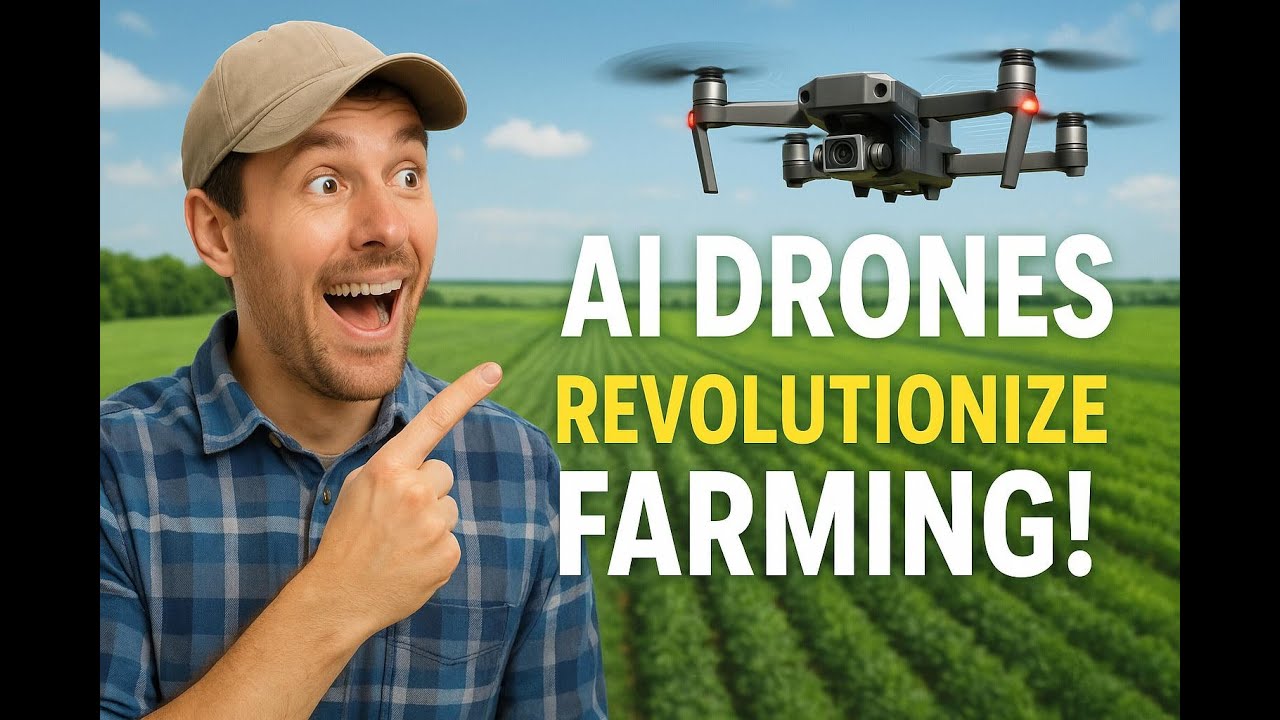
Why AI Disease Detection Apps Are Transformative in Agriculture
Plant diseases represent one of the most critical threats to global food security. An outbreak can decimate crops and cause severe economic losses. Fast, accurate, and early diagnosis is essential for prevention. Here’s where AI plant disease detection app free solutions play a transformative role:
- Rapid Response: AI apps minimize diagnostic delays with instant feedback, enabling timely interventions and targeted management.
- Accessibility: Most AI-based plant disease detection apps are either free or low-cost, making them viable for smallholder farmers in the world’s most resource-constrained regions.
- Scalability: The digital nature of these systems allows agricultural information and services to scale quickly across millions of users, increasingly integrating with broader farming and management tools.
- Precision and Data: Leveraging huge datasets of plant disease images, apps provide a level of precision not possible in traditional methods, minimizing human error and uncertainty.

AI crop disease detection app solutions are not just for large commercial farms. They are now empowering everyone—from the rural smallholder in sub-Saharan Africa or Southeast Asia to massive operations in the Americas and Europe. These solutions prove especially powerful in regions where agricultural experts and diagnostic resources are inaccessible or limited.
How AI Plant Disease Detection Apps Work: Core Technologies Explained
The magic behind the AI plant disease detection app lies in its core technology stack. But what actually enables a smartphone app to deliver accurate diagnosis of hundreds of crop diseases from just an image? The answer is a blend of machine learning, deep learning, and vast annotated datasets.
- Data Acquisition & Image Annotation: AI-based disease detection apps are trained on hundreds of thousands of images displaying various symptoms—from leaf spots, lesions, discoloration, to mold, blights, and more. Each image is annotated by experts or semi-automated pipelines, creating broad, representative datasets.
- Machine Learning Models: The heart of any AI disease detection app is the advanced machine learning engine, often using Convolutional Neural Networks (CNNs). These networks excel at processing photos, and can recognize subtle patterns—like minute changes in color, texture, or pattern—that might indicate specific diseases.
- Real-Time Diagnosis: When a farmer simply captures and uploads a photo of the plant (leaf, fruit, or stem), the AI system processes the image, matches features to its database, and outputs a diagnosis—often in seconds. Along with disease identification, the app also shares severity assessment, recommended treatment, and management actions.
- Continuous Learning: The ai plant disease detection apps are not static. As more images and diagnostic feedback flow in, the system re-trains itself, becoming increasingly accurate and robust over time and regions.

How AI Plant Disease Detection App Free Services Deliver Access
In 2025, free AI-based plant disease detection is prevalent thanks to advancements in both software and hardware—even mid-range smartphones now support the image processing and transmission needed for cloud AI engines. Farmers everywhere can:
- Download the app on Android, iOS, or web (browser-based platforms).
- Take or upload a clear photo of the affected plant part (leaf, stem, fruit, etc.).
- Receive instant diagnosis with detailed feedback on the likely disease, severity, and recommended intervention.
- Integrate app results into their farm management tools, act based on suggestions, and share data for broader regional surveillance.
This real-time diagnosis and feedback have become a game-changer for food security, disease containment, and sustainable management strategies.



2025: The Year of Free AI Crop Disease Detection Apps
2025 is a watershed year for AI crop disease detection apps. With increasingly powerful machine learning tools and affordable access, farmers worldwide can benefit from:
- Free and Open Access Services: The proliferation of open-source and freemium AI-based plant disease detection apps greatly reduces the cost of crop diagnosis.
- Broader Crop Coverage: Some apps support the detection of hundreds of crop types and thousands of disease variants, using ever-expanding datasets.
- Language and Locality Adaptation: Many platforms now support local languages, context-aware advice, and data-driven recommendations relevant to both large-scale industrial and smallholder needs.
- Legacy and Integration: Integration with broader large scale farm management systems, weather forecasting, and supply chain platforms ensures that the AI plant disease detection app remains a central farm management tool—not a standalone solution.

Rapid growth in user base and data—especially in Asia, Africa, and Latin America—is resulting in more robust diagnostic accuracy. Aggregated, anonymized data from millions of app interactions also empowers government and institutional disease mapping, supporting proactive interventions.
APIs and Integration: For Enterprises, Developers, & Institutions
For organizations needing advanced integration or large-scale monitoring, professional AI disease detection APIs are available. These APIs let developers and analytics teams directly plug crop and disease detection models into their digital platforms, dashboards, or mobile apps. To further explore API functionalities, check the API Developer Docs for technical directions and comprehensive integration guides.
“By 2025, over 60% of farmers globally are expected to use AI-powered apps for early crop disease diagnosis.”
Comparison Table of AI Plant Disease Detection Apps (2025)
To help readers make informed choices, we present a snapshot of leading AI plant disease detection apps available in 2025. This table highlights the core features, benefits, and estimated performance crucial for farmers and agricultural professionals.
| App Name | Year Launched | Supported Crops (Est.) | Detection Accuracy (Est. %) | Diagnostic Speed (Average Time in Minutes) | Data Privacy Level | Actionable Insights Provided | User Ratings (1–5 Stars) |
|---|---|---|---|---|---|---|---|
| Farmonaut | 2018 | 350+ | 98% | <1 | High (Blockchain-integrated, anonymized) | Real-time management, satellite insights, AI diagnosis, tailored advisories | 4.7 |
| Plantix | 2015 | 150+ | 95% | 1–2 | Medium | Disease diagnosis, crop tips, local weather | 4.3 |
| AgroAI Diagnose | 2020 | 120+ | 93% | <2 | Medium | Disease alerts, crop advisories, severity assessment | 4.1 |
| PlantDoctor AI | 2023 | 90+ | 94% | 1–3 | Moderate | Diagnosis, pest alerts, basic farm management | 4.2 |
| CropGuard AI | 2022 | 100+ | 92% | 2 | Medium | Disease recognition, alerts, treatment suggestions | 4.0 |
Note: Detection accuracy, privacy, and ratings are estimated from public sources and aggregators as of early 2025.
Key Benefits of Early Plant Disease Diagnosis with AI Apps
AI plant disease detection app free solutions reshape the future of farming in 2025 and beyond. Here are the key advantages that make them indispensable:
- 1. Early and Accurate Diagnosis:
Early detection is critical—the spread of diseases can be contained before significant crop losses or ecological damage occur. AI minimizes human error and allows for rapid, actionable decisions, supporting both yield protection and food security. - 2. Cost Savings:
Free access or low-cost subscriptions to AI apps means reduced reliance on costly, in-person expert inspections—essential in developing regions and for smallholder farmers. - 3. Scalability and Integration:
Seamless connection to large scale farm management tools, weather tracking, and supply chain management empowers farmers to optimize every aspect of crop production and disease monitoring. - 4. Environmental Protection:
Early, accurate detection means only affected areas or plants are treated, reducing unnecessary pesticide use, preserving beneficial insects, and minimizing environmental impact. - 5. Data-Driven Insights for All:
Aggregated usage data provides a foundation for real-time, regional disease mapping, alerting other farms or entire regions and fueling government interventions—contributing to global food security. - 6. Support for Precision & Sustainable Agriculture:
AI-powered systems help farmers adopt sustainable practices—optimizing input use, protecting soil, and supporting climate adaptation. - 7. User Empowerment and Knowledge Enhancement:
Instead of waiting for an expert, farmers get instant feedback and clear recommendations they can act on—especially important for resource poor regions or isolated area farmers.

Integration with Sustainable Farming & Environmental Impact
The integration of AI-based plant disease detection app solutions with farm management, environmental monitoring, and other tools is pivotal in enabling sustainable agriculture by 2025—and crucial for regions battling climate change. Specifically:
Data Enablement for Farm and Ecosystem Health
-
Satellite & AI Fusion:
Platforms like Farmonaut use satellite imagery, paired with AI disease diagnostics, to track vegetation health, soil conditions, and disease spread at a level not possible via ground inspection alone. (Explore large scale farm management solutions for enterprise and government operations.) -
Actionable Environmental Metrics:
Measuring and minimizing carbon footprints, tracking chemical use, and preserving biodiversity are central to sustainable farming. With apps increasingly integrating carbon footprinting and traceability modules, farmers can meet regulatory standards and verify sustainable practices. -
Blockchain for Trust & Traceability:
Modern apps, such as Farmonaut, employ blockchain technology to ensure traceability of products—recording crop disease management, input use, and harvest data in a tamper-proof ledger. This enhances transparency across supply chains. -
Precision-Driven Resource Management:
By detecting issues at the earliest possible stage, AI plant disease detection free apps empower optimal input usage—reducing waste and promoting eco-friendly farming methods.
Ongoing Advancements and Future Prospects for AI Plant Disease Detection
Ongoing advancements in artificial intelligence and remote sensing are ensuring that AI plant disease detection apps remain both cutting edge and practical as we move beyond 2025:
-
Multispectral Imaging:
With increasing availability of multispectral cameras (on satellites, drones, and even smartphone attachments), disease detection apps are now capable of spotting plant health problems invisible to the naked eye. - Expanded Condition Detection: Many platforms are evolving to detect not only diseases but also nutrient deficiencies, pest infestations, and abiotic stresses such as drought or heat stress—enabling truly holistic crop management.
-
Mainstream Satellite Access:
By integrating satellite data, farmers can monitor entire farm plots—not just individual leaves—with high granularity, receiving block-by-block diagnoses, alerts, and management advice. - Advanced AI Advisory Systems: Apps increasingly deliver tailored, actionable recommendations using real-time weather data, field history, and AI-driven prediction—maximizing both yield and resilience. (See Farmonaut’s Jeevn AI for a hybrid of satellite and AI advisory.)
- Integration with Financial Products: Satellite-verified disease diagnosis now enables faster crop loan and insurance processes, making insurance payouts and loan approvals more transparent and rapid for farmers.

The Farmonaut AI Platform: Satellite-Powered Crop Health Intelligence
As a pioneering satellite technology company, we at Farmonaut deliver integrated crop health monitoring for modern agriculture via our easy-to-use apps, APIs, and satellite-powered AI-based plant disease detection systems.
-
Real-Time AI Disease Diagnosis:
Our platforms combine satellite insights and AI-powered image analysis to provide instant diagnosis of plant disease (including severity, treatment suggestion, and management advice) at field or farm scale. -
Jeevn AI Advisory System:
Jeevn AI offers actionable, tailor-made strategies for farms worldwide, automatically analyzing satellite and on-ground crop imagery to recommend crop rotation, input application, and locational interventions suited for unpredictable climate and market dynamics. -
Blockchain Traceability:
We integrate blockchain modules to record and secure every node in the agri-supply chain—from disease intervention to final harvest—ensuring authenticity and transparency. -
Fleet and Resource Management:
Our fleet management tools optimize the movement and usage of farming machinery, supporting precision logistics and enhanced resource management. -
Environmental Sustainability:
Environmental impact monitoring (such as carbon footprinting) is built-in, helping users minimize emissions and fulfill compliance in a climate-constrained world.
With a subscription-based model for large-scale, API-based, and institutional users—with tailored packages for farmers, businesses, and governments—we empower decision-making at every farm scale, helping users thrive in a data-driven world.

Addressing Challenges: Data Quality, Education, & Privacy in AI Disease Detection Apps
While the promise of AI disease detection apps is immense, they face ongoing challenges that stakeholders must address to achieve global impact:
-
1. Dataset Completeness and Diversity:
Reliable diagnosis requires AI models to be trained on vast, representative datasets—covering numerous crop varieties, environmental conditions, and region-specific symptoms. Ongoing data enrichment is critical to ensure accuracy for all farmers. -
2. User Training and Literacy:
For effective AI plant disease detection, users must capture images that clearly show symptoms. Education (in-app tutorials, support, multilingual UI) is essential, especially in underserved regions. -
3. Data Privacy and Security:
As apps collect sensitive farm and geolocation data, transparent privacy policies and anonymization (as in blockchain-based traceability) are needed to build trust and comply with regulations. -
4. Model Generalization:
AI models should be able to accurately diagnose new plant diseases or strains as they emerge, ensuring systems remain effective amid changing climate and pathogen evolution. -
5. Local Adaptation:
Disease prevalence and symptoms may vary by crop, region, and climate. Localization and frequent updates are required for universally useful diagnostics.
By focusing on these challenges, the transformation to precision, sustainable global agriculture via AI will be both impactful and inclusive.
Frequently Asked Questions (FAQs) on AI Plant Disease Detection Apps (2025)
-
What is an AI plant disease detection app?
An AI plant disease detection app uses artificial intelligence and machine learning models to analyze photos of crops, instantly diagnosing diseases and offering actionable management advice directly to farmers or agronomists via smartphones, tablets, or browser platforms. -
Are these apps really free?
Many leading AI crop disease detection apps offer a free tier or robust free features for basic disease detection and advice, with optional paid upgrades for advanced analytics, integration, or institutional use. -
What do I need to use these apps?
Almost all modern AI-based plant disease detection apps require only a smartphone (Android/iOS) or a web browser, plus internet connectivity for cloud processing. -
How accurate are AI plant disease detection apps?
In 2025, most leading apps can correctly identify over 95% of common crop diseases within seconds, though accuracy depends on image quality, model training, and data diversity. -
Can these apps detect all diseases or only a few?
The best AI crop disease detection apps can diagnose hundreds of crop varieties and thousands of disease types. However, extremely rare or new diseases may still require expert confirmation. -
Are my farm images and data safe?
Reputable platforms (such as Farmonaut) use encrypted, anonymized cloud storage and may add blockchain-based traceability to secure data at every stage. -
What additional features might I expect?
Advanced platforms offer satellite-based field monitoring, AI advisory, fleet & resource management, traceability, and even carbon footprint tracking to support holistic and sustainable farming.
Conclusion: Towards Smart, Inclusive, and Sustainable Global Farming
In summary, AI-based plant disease detection apps represent a revolutionary convergence of agricultural technology and innovation. In 2025 and beyond, these tools will empower farmers to mitigate yield losses, improve food security, and make timely interventions—while minimizing environmental impact and waste. Their free or affordable nature ensures inclusion, offering expert-level plant health intelligence to millions of farmers—including those in resource-limited regions.
As we continue our mission at Farmonaut—delivering satellite-powered, AI-driven agricultural insights—we believe that ongoing enhancements, broader integration, and focus on user empowerment will keep AI plant disease detection apps at the heart of global sustainable agriculture.
To experience next-generation AI crop disease detection—and discover the full suite of benefits for your field, business, or government agency—get started with the Farmonaut app today!
Discussion
Questions, corrections or field experience? Share them below. First-time comments are reviewed before they appear, and your email is never published.
No comments yet. Be the first to add a question or your experience.

 WeMe Global
 Pixxel
 Sapoznick Farms
 Agrotoken
 Blue BearX
 Insignito
 Croptimum
 DnCubed
 Field Capacity
 Indosistim Teknologi
 Liquify Digital
 CU Foods
 BeyondTech Global
 Rouge VC
 AgroGreen Dynamics
 AgroRisk
 Oath Inc
 Reddane Farming
 Esri North East Africa
 Licence holder · Niger · Gold










