

Almond Milk Affecting Bees? 5 Critical Facts for 2025
“It takes 2 million bee hives to pollinate California’s almond orchards each year, representing 60% of America’s total hive population.”
Almond Milk Affecting Bees in 2025: Overview
Almond milk has rapidly become the go-to plant-based alternative for millions of health-conscious consumers globally. This surge in demand is largely driven by environmental and health reasons, making almond milk an increasingly popular choice throughout 2025 and beyond. However, the rapid expansion of almond farming has ignited renewed scrutiny concerning the sustainability of almond cultivation—particularly relating to almond milk affecting bees and overall environmental health.
The shift towards almond-based products comes with a complex environmental footprint. At the intersection of almond production and pollinator welfare lie intricate relationships: almonds are one of the most bee-dependent major food crops. Consequently, questions like “Are almonds killing bees?” have become critical concerns in debates around sustainable practices and pollinator-friendly farming.
In this comprehensive post, we’ll explore five critical facts for 2025 about almond farming, pollination practices, habitat conditions, and sustainability challenges. We’ll also highlight next-generation strategies for bee-friendly orchards and environmentally conscious growers, all while incorporating actionable data that can empower decision-making for agricultural businesses, policymakers, and consumers.
For those seeking data-driven decisions in agriculture, including almond cultivation planning and environmental compliance, we at Farmonaut offer a comprehensive real-time satellite monitoring suite. These tools help optimize farm management for sustainability and productivity. You can access our platform across Android, iOS, and Web apps.

Critical Fact 1: Almond Pollination and the Bee Connection
The connection between almond trees and honeybees is unlike any other crop. Almond flowers are heavily reliant on pollination by bees—specifically, managed honeybee colonies—to produce nuts. This reliance is both a marvel and a vulnerability: without bees, almond productivity would collapse.
- Unlike self-pollinating crops (like tomatoes), almonds require cross-pollination, which only bees and other pollinators can provide.
- Each spring in California—the world’s leading almond farming areas—millions of honeybee colonies are leased to pollinate thousands of hectares of orchards during the brief but intense blossoming period.
- This annual migration represents one of the largest pollinator mobilizations globally, spotlighting the intricate ties between commercial growers, beekeeping, and environmental dynamics.
Because bees are so vital for almond production, concerns about “almond milk affecting bees” are fundamentally concerns about the long-term resilience of both bees and almond supply chains.
Critical Fact 2: Almond Farming Practices and Bee Health
There is growing concern in both the scientific community and among consumers regarding the role of almond farming practices in the current stresses that bee populations face globally. While the notion that “are almonds killing bees” is complex, several indirect risks are worth closer examination:
1. Pesticide Use & Applications
- Pesticides—particularly neonicotinoids and fungicides—are used to control almond pests and diseases, but residues can be harmful or even lethal to bees, especially when applied during bloom.
- Certain chemicals have been shown to disrupt bee navigation, weaken immune systems, and negatively affect reproduction and colony health.
- Inappropriate or excessive pesticide applications magnify these dangers, potentially triggering acute bee mortality events.
2. Monoculture & Habitat Loss
- Almond farms are often vast monoculture operations, dominating the landscape and replacing diverse natural habitats.
- Lack of floral diversity and nutrition options outside blossom time can severely weaken bee resilience and overall health.
- In large parts of California, continuous almond plantings result in limited forage periods and habitat loss for most pollinators year-round.
3. Bee Transport and Migratory Stress
- The transport of millions of bee colonies from across the US into almond regions each spring causes significant stress to bees.
- Exposure to agrochemicals, diseases, poor management conditions, and long-distance transport contribute to colony mortality and higher disease susceptibility.
- Many beekeepers view almond pollination as a double-edged sword: lucrative, but risky for bee welfare.

It is crucial to understand that almond cultivation is not the sole—and not even the primary—driver of declining bee populations. Multiple factors contribute, including habitat loss across agricultural regions, pesticide use globally, diseases (notably Varroa mite infestations), and climate stressors.
“Almond farming consumes about 3.2 gallons of water per almond, significantly affecting both bee habitats and local ecosystems.”
On the environmental front, controlling resources and adopting sustainable practices in almond growing is critical. At Farmonaut, our Carbon Footprinting system allows agribusinesses to monitor their overall ecological impact, reducing not just carbon emissions, but also providing real-time data on water usage and land management. This is vital for almond growers aiming to reduce environmental stressors that indirectly affect both bees and ecosystem health.
Critical Fact 3: Pesticide Use in Almond Orchards (2025 Trends)
The issue of pesticide use in almond orchards—especially during the bloom periods—remains at the forefront of discussions about the health of bee populations in 2025. Pesticide applications have legitimate roles in pest control but can have unintended consequences for non-target pollinators.
- Neonicotinoids are under particular scrutiny; these chemicals, often applied as seed treatments or sprays, are now widely recognized as harmful to bees due to their impact on navigation, behavior, and reproduction.
- New-generation pest control products and integrated pest management (IPM) techniques are being adopted to mitigate these effects.
- Timing of pesticide applications is now recognized as critical; best practices include avoiding all spray applications during bloom or when bees are most active.

A paradigm shift toward precision pest management and organic control methods is evident now more than ever. These practices help decrease reliance on broad-spectrum chemicals, providing safer environments for pollinators and reducing risk of acute mortality in bee colonies.
Employing these sophisticated, pinpoint practices is possible through cutting-edge monitoring. Our Fleet Management and Satellite Monitoring Tools at Farmonaut help growers precisely identify pest outbreaks, optimize application timing, and enforce strict stewardship over field-level practices—bolstering both orchard management and pollinator safety.
Learn about Fleet Management for orchards →
Critical Fact 4: Monoculture, Habitat Loss, and Bee Nutrition Challenges
The monoculture nature of large-scale almond farms—particularly in California, which dominates global almond production—raises concerns about year-round habitat and nutrition for pollinators.
- Once the short spring bloom ends, vast tracts of almond orchards offer little to no forage for bees, thus weakening their nutrition and reducing resilience against diseases and environmental stress.
- Loss of native habitats around almond farms translates into a lack of alternative pollen/nectar sources, directly correlating to lower colony health and productivity in subsequent pollination periods.
- Conversion of extensive landscapes into almond plantations has broader environmental knock-on effects—altered hydrology, increased susceptibility to pests, and exacerbated climate vulnerability.

In response, progressive growers in 2025 are implementing habitat enhancement strategies. These include the planting of flower-rich hedgerows, wildflower strips, and cover crops between and adjacent to almond trees, supporting a diverse range of pollinators and beneficial insects.
These habitat amendments not only uplift bee health but also promote ecosystem resilience and stability. Sustainable almond cultivation now increasingly means managing for biodiversity both inside and outside the orchard fence.
Understanding land use changes and their longer-term impact is vital. At Farmonaut, our Large Scale Farm Management platform enables growers and researchers to observe, analyze, and optimize sustainability strategies for orchard landscapes—supporting balance between almond production and pollinator welfare.
Critical Fact 5: Sustainable Solutions & Innovations for Almond Pollination
Faced with mounting challenges—from almond milk affecting bees to water scarcity and ecological disturbance—the almond industry is pivoting towards dynamic and science-driven sustainable solutions for 2025 and beyond:
Integrated Pest Management (IPM)
- IPM strategies embrace biological pest controls, optimal pesticide timing, and non-chemical approaches like pheromone disruption, minimizing direct harm to bees.
- Real-time monitoring through remote sensing and AI technologies enables precise risk assessments and better pest management decisions.
Habitat Enhancement & Agroecology
- Multi-functional landscapes—with wildflower strips, hedgerows, and managed buffer zones—support both bees and other beneficial organisms, increasing biodiversity and system resilience.
- Cover cropping in orchards can reduce the need for synthetic inputs and improve soil fertility and health, indirectly benefiting pollinators.
Diversifying Pollinators and Bloom Periods
- Research focuses on deploying alternative pollinators such as native bees and managed bumblebee colonies to supplement honeybees and reduce mortality risk through diversified species roles.
- Developing almond varieties with varied and extended bloom periods can help stagger pollination demand, giving both bees and growers more flexibility.
Colony Health Support & Beekeeping Protocols
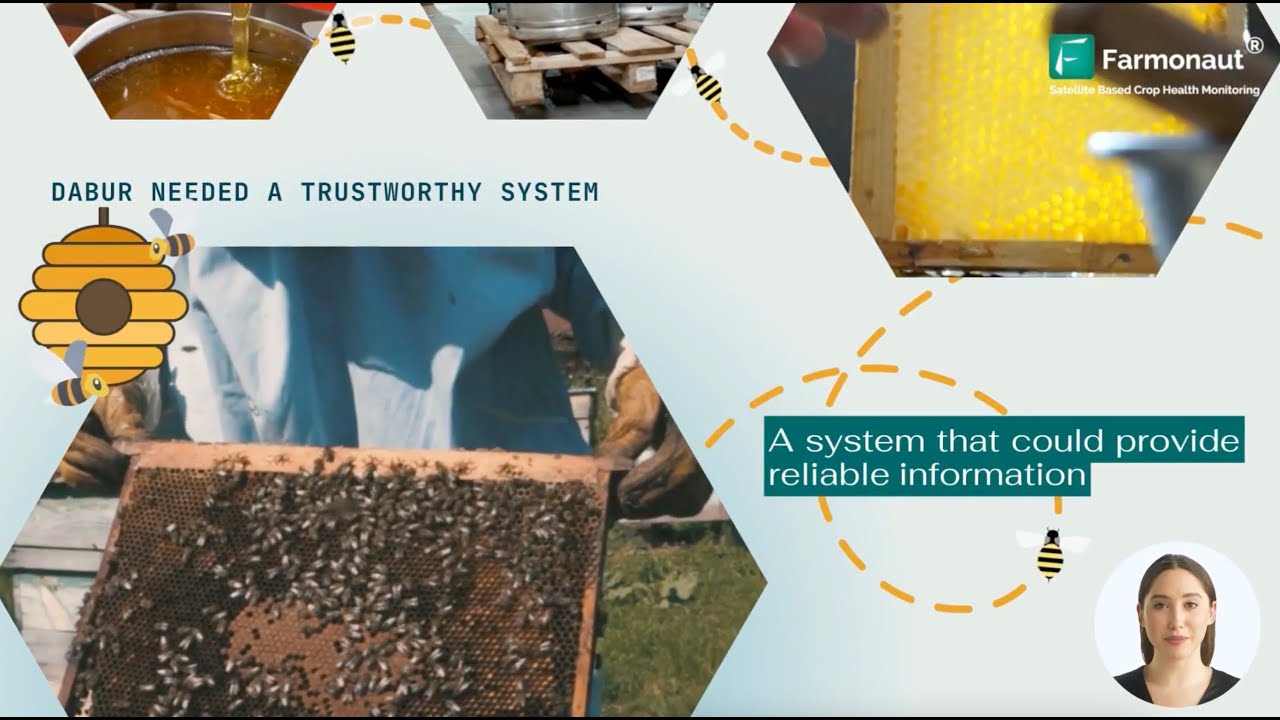
- Best practices now emphasize regular colony health checks, veterinary interventions for disease control, careful nutrition supplementation, and protocols for stress-free transport during pollination periods.
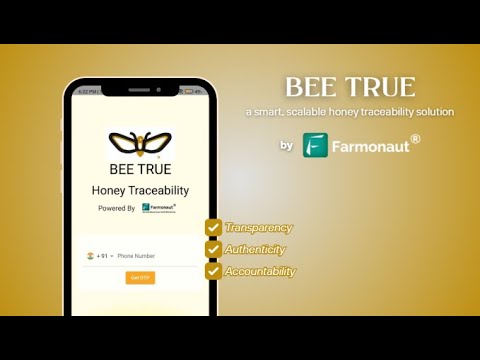
- Blockchain-based traceability for honey and hive products can ensure food authenticity and bolster pollinator management transparency—for which our Product Traceability system provides cutting-edge solutions.
Explore our Crop Loan and Insurance verification platform to streamline certification and reduce fraud in almond insurance schemes based on real-time satellite validation.


Comparative Impact Table: Almond Farming & Bee Populations
To help you compare the evolving landscape of almond farming and its impact on bees and the environment, here’s a table synthesizing various orchard management practices and their projected outcomes in 2025.
| Almond Farm Practice | Estimated Impact on Bee Population (2025) | Pesticide Usage (Estimated % Reduction) |
Water Consumption (Liter/kg Almond) | Sustainability Score (1–5) |
|---|---|---|---|---|
| Conventional Pollination (Monoculture, chemical-dependent) |
High stress & mortality risk; declining colony health | 0% | ~14,000 L | 1 |
| Organic Farming (No synthetic pesticides, habitat buffers) |
Robust bee populations; higher nutrition & resilience | ~90% | ~10,000 L | 4 |
| Water-Saving Techniques (Drip irrigation, mulching) |
Moderate stress; indirect benefits via habitat | ~30–50% | ~6,500 L | 3 |
| Reduced Pesticide Use (IPM, timing control) |
Notable drop in mortality; improved colony health | ~60–70% | ~11,500 L | 3.5 |
| Sustainable Pollinator Management (Diverse forage, alternative pollinators) |
Strong bee populations; long-term resilience | ~70–85% | ~9,000 L | 5 |
*Scores and estimates represent projections based on current research and best practices as of 2025.
Navigating the Challenges Ahead: Bees, Almonds, and Environmental Health
With almond milk remaining a preferred alternative for consumers, the industry stands at a crossroads in 2025. The responsibility to ensure environmentally balanced almond production—while safeguarding pollinators critical to orchard productivity—has never been more pressing. Leading almond-growing areas, particularly California, are emblematic of the wider challenges facing both agricultural and wild bee populations worldwide.
- Expansion of almond production has brought economic benefit but also a need for increased governance around water, pest control, and pollinator management.
- Consumer and retailer scrutiny is driving almond brands and commercial growers towards more transparent, sustainable practices—often requiring evidence-backed tracking, such as through satellite and blockchain tools.
- As bees are increasingly recognized as essential for many crops, their protection has become a proxy for overall agricultural and environmental resilience in the face of climate and market uncertainty.
Sustainability is now both a moral and business imperative. Monitoring carbon footprints, embracing digital traceability, integrating cover crops, and supporting year-round bee habitats are no longer “nice to have”—they are expected of serious players in the almond sector.
For organizations and professionals navigating these future challenges, our Farmonaut platform enables on-demand access to actionable geospatial intelligence, ecosystem monitoring, and supply chain audits—all with the aim of promoting almond production that is both productive and sustainable.
Almond Tree for Sale? 2025 Future-Friendly Farming Considerations
For growers, foresters, and investors considering purchasing almond trees for commercial orchards or agroforestry projects in 2025, the ecological context is crucial:
- Choose disease-resistant, climate-adapted cultivars—these not only reduce reliance on chemical inputs but stabilize yields during unpredictable environmental changes.
- Assess site suitability: optimal proximity to managed or wild bee populations (or provision for alternative pollinators) is essential for long-term orchard productivity.
- Prioritize diversified plantings over monoculture wherever feasible; integrating almonds with other crops supports year-round biodiversity and ecosystem resilience.
- Explore new models—like agro-silvicultural integration—where orchard landscapes are intentionally interspersed with natural habitat zones, benefiting bees, birds, and the broader environment.
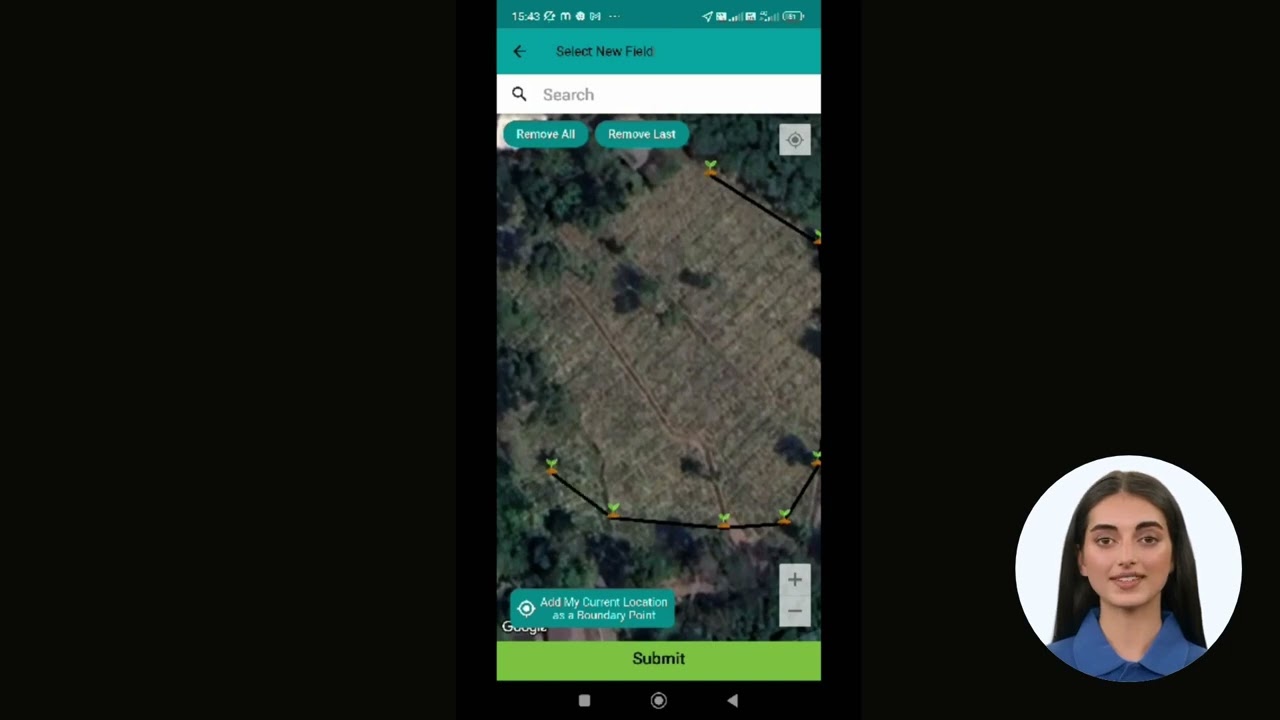
Ready for forward-thinking orchard management? Let us at Farmonaut empower your journey with remote monitoring, plantation advisories, and crop health tracking via our Crop Plantation, Forestry, and Advisory modules.
FAQs: Almond Milk, Bees, & 2025 Industry Trends
Q1: How is almond milk affecting bees in 2025?
Almond milk itself does not harm bees. However, the agricultural practices surrounding almond cultivation can significantly impact bee populations. Intensive monoculture, pesticide use, and migratory beekeeping expose bees to various stresses that reduce their health and increase mortality risks, especially during pollination seasons in major almond-producing regions like California.
Q2: Are almonds killing bees directly?
No, almonds themselves are not killing bees. The concern is about the cumulative impact of conventional almond farming—use of neonicotinoids, habitat loss, and biosecurity challenges—which collectively can contribute to bee population decline. Mitigating these risks requires adopting more sustainable and pollinator-friendly farming practices.
Q3: What sustainable strategies help protect bees in almond orchards?
- Adopting Integrated Pest Management to minimize pesticide exposure.
- Planting diverse forage and habitat buffers around orchards.
- Supporting bee health through nutrition, disease control, and low-stress transport protocols.
- Implementing blockchain traceability for transparency and accountability in hive product sourcing.
- Leveraging technology (e.g., satellite monitoring) to better manage resource inputs.
Q4: Is buying an almond tree for sale good for the environment?
It depends on the cultivation method. Sustainable almond farming, including integrated plantings, reduced pesticide use, efficient irrigation, and biodiversity enhancement, can minimize negative impact. Buyers should consider these factors for responsible and future-proof agriculture.
Q5: Where can I learn more about pollinator management and almond sustainability?
Leverage platforms such as Farmonaut for satellite-driven orchard monitoring, environmental impact tracking, and best practices for pollinator-friendly farm management. Many agricultural extension services and sustainability organizations also offer guidance tailored to your region.
Farmonaut Subscription & Further Reading
Unlock the next generation of environmental and precision agriculture monitoring for your almond, orchard, or agribusiness needs. Explore our subscription options to benefit from:
- Real-time satellite imagery for crop and orchard health.
- AI-powered pest, disease, and resource advisory systems.
- Blockchain-backed traceability for product authenticity and pollinator transparency.
- Fleet and resource management for optimizing inputs across your operations.
Further resources:
- Farmonaut Satellite & Weather API: Integrate our advanced insights into your digital workflow for almond and pollinator management.
- API Developer Documentation: Build and scale custom solutions leveraging satellite, AI, and blockchain for sustainable agriculture.

Final Thoughts: Toward Bee-Friendly Almond Milk in 2025
The relationship between almond milk affecting bees encapsulates a complex reality—one shaped by agricultural evolution, environmental impact, and an ever-growing consumer drive for ethical products. Addressing the challenges ahead means moving beyond finger-pointing and embracing science-based, pollinator-supportive practices for the entire almond industry.
By aligning technological innovation, responsible farm management, and ecosystem stewardship, we can help ensure a thriving future for both almonds and bees in 2025 and beyond.
Ready to monitor and optimize your orchard, field, or environmental footprint?
Let us at Farmonaut equip you with the tools for a more sustainable tomorrow.

 Tres Valles
 LACOS Geoinformation
 Pulsar Supernova
 Magrifly
 LatConnect 60
 Disease Free Life
 WebsEdge
 Blickwinkel
 Agricultural Credit Policy Council
 MCSOD
MCSOD Marei Nursery
 eKGIS
eKGIS Mostas Tech
 Andex
Andex FCF India
 Unifrutti Gulf
 Deluxe Conseil
 WICO
WICO
