

AI Field Data Collection: Boost Cotton Plant Field Yields
Table of Contents
- Introduction: The AI Transformation in Cotton Agriculture
- AI Field Data Collection: Entering a New Agricultural Paradigm
- Technologies Driving AI Field Data Collection in Cotton Plant Fields
- How AI Systems Collect and Analyze Crop Field Data
- Key Benefits: Enhancing Yields, Efficiency, and Sustainability
- Comparative Impact Table: Traditional vs. AI Data Collection
- AI-Powered Cotton Field Data Collection with Farmonaut
- Challenges, Barriers, and Future Directions
- Frequently Asked Questions
- Conclusion
Introduction: The AI Transformation in Cotton Agriculture
The integration of artificial intelligence (AI) into cotton plant field management is revolutionizing the way we think about modern agriculture. As we approach 2025, AI-powered crop field data collection is rapidly becoming indispensable, pushing boundaries in optimizing yields, reducing inputs, and enabling sustainable farming practices. Farmers are benefiting from advanced tools and platforms that deliver precise, real-time insights with minimal human intervention—driving a paradigm shift in the domain of crop management.
The transformation is vividly apparent in crops like cotton, where field operations, resource allocation, and pest management rely heavily on data-driven decisions. AI field data collection not only helps enhance productivity and improve yield quality, but also lays the groundwork for environmental stewardship and sustainable agriculture.
In this comprehensive guide, we explore the technologies, systems, benefits, challenges, and future outlook of AI field data collection in cotton plant fields. Read on to discover how the integration of AI and satellite technology is driving a transformation that positions cotton farming for success in 2025 and beyond.



AI Field Data Collection: Entering a New Agricultural Paradigm
Traditionally, cotton field data collection relied heavily on manual inspections and basic sensor networks. These methods were often prone to errors, consumed excessive labor hours, and lacked the granularity required for advanced agriculture. The advent of AI and satellite-driven solutions has changed the narrative—ushering in a new agricultural paradigm where precision, scale, and real-time analysis take center stage.
- Manual field inspections: Time-consuming, subjective, limited spatial coverage, and delayed decision-making.
- Basic sensors: Offer limited, localized data points; integrating and interpreting data required significant expertise and effort.
- Errors and inefficiencies: High risk of human error, missing early disease/pest infestations, and overusing water, fertilizer, or pesticide inputs.
In contrast, AI-powered crop field data collection platforms now gather, process, and interpret high-resolution field data—from multispectral satellite imagery, AI drones, ground robots, IoT sensors, and more—at scale and with precision. AI rapidly analyzes images, identifies patterns, and delivers actionable, tailored insights for cotton plant fields. This improves crop management, reduces input usage, and supports sustainable practices.

Technologies Driving AI Field Data Collection in Cotton Plant Fields
To fully appreciate the impact of AI field data collection in cotton agriculture, it’s essential to delve into the key technologies powering this transformation:
- Satellite Imagery & Multispectral Analysis: High-resolution imagery (NDVI, EVI, etc.) tracks vegetation health, soil moisture, and canopy development.
- AI-Driven Drones: Drones equipped with cameras and edge computing platforms fly over cotton plant fields, capture images, and relay environmental parameters.
- IoT and Smart Sensors: Embedded sensors collect soil pH, moisture, humidity, and more, providing constant data flows for AI systems to analyze.
- Edge Computing & Real-Time Processing: Enables minimal human intervention; combines rapid in-field data collection with actionable insights—optimizing field operations in real time.
- Machine Learning Algorithms: Sophisticated models identify patterns, analyze images, and predict problems before they escalate.
Farmonaut, for instance, leverages satellite-driven monitoring and AI-based advisory systems (like the Jeevn AI platform) to provide actionable, tailored insights for cotton plant field management. Using machine learning on multispectral satellite images, advanced analytics, and blockchain-based traceability, we help farmers make data-driven decisions to maximize productivity and support sustainable cultivation methods.

How AI Systems Collect and Analyze Crop Field Data: The End-to-End Journey
Below is a step-by-step breakdown of the AI field data collection and analysis pipeline as it applies to cotton plant fields:
-
Data Gathering
- Satellite, drone, and in-situ sensors collect digital images and environmental parameters (soil moisture, pH, plant coloration, canopy density, etc.).
- AI-equipped drones fly over vast plantations, and ground-based robots scan plant structures and soil.
-
Data Processing & Integration
- Raw data is processed on edge computing systems or uploaded to cloud platforms.
- Images are converted into multispectral and hyperspectral layers for deeper analysis.
-
Intelligent Analysis & Interpretation
- Machine learning algorithms analyze patterns such as leaf texture, coloration, and canopy density to identify issues (pest, disease, drought, or nutrient deficiencies).
- Pest infestations, water stress, and flowering stages are automatically detected, classified, and mapped across fields.
-
Actionable Insights & Predictive Modeling
- AI platforms generate tailored, actionable insights and recommendations for each plot or region.
- Predictive models estimate growth cycles, optimal harvest timing, and expected yield based on historical and current data.
-
Real-Time Alerts & Applications
- Farmers receive mobile notifications about urgent issues or optimal intervention times—enabling precision management and resource allocation.
- Analytics power targeted irrigation, fertilization, and disease management—improving resource use and reducing environmental impact.

Key Benefits: Enhancing Yields, Efficiency, and Sustainability in Cotton Plant Fields
- Yield Improvement: AI-driven field data collection is proven to increase cotton yields by up to 20%. With early problem detection, optimized input use, and precise intervention, output and fiber quality soar.
- Reduction in Inputs & Costs: Targeted fertilizer, irrigation, and pesticide use—based on AI insights—reduces resource consumption and directly cuts production costs, boosting overall profitability.
- Data Accuracy & Real-Time Decision Making: High-resolution remote sensing, sensor arrays, and cloud integration ensure that data is comprehensive, timely, and up-to-date, empowering quick, confident decision-making on the ground.
- Labor & Time Savings: Automation and AI-enabled analysis drastically reduce the manpower needed for field inspections, freeing up human resources for higher-value work.
- Sustainable Practices: AI field data collection enables responsible water use, minimal chemical run-off, and a reduced environmental footprint—supporting the cotton sector’s move toward climate-resilient, sustainable agriculture.
- Scalability for Smallholders & Large Plantations: Cloud-based AI platforms allow both small and large farms to leverage cutting-edge analytics, participate in data benchmarking, and optimize resources collaboratively.
Farmonaut empowers users with carbon footprinting tools for real-time environmental impact tracking. This ensures farmers, businesses, and institutions can monitor and minimize their environmental impact while increasing yield and profitability.

Comparative Impact Table: Traditional vs. AI Data Collection
| Data Collection Method | Yield Improvement (%) | Input Reduction (%) | Data Accuracy (%) | Labor Hours Required | Sustainability Impact |
|---|---|---|---|---|---|
| Traditional (Manual) Methods | 0–4% | 2–6% | 70–80% | High | Moderate to Low: Frequent overuse of water & chemicals, fragmented strategies |
| AI-Based Data Collection | 10–20% | 15–30% | 95+% | Low | High: Targeted, climate-smart interventions, minimal chemical runoff |
Key Takeaways:
- AI-based data collection delivers significantly higher yield gains, major input reductions, and greater sustainability compared to traditional methods, all while minimizing labor requirements.
- Data accuracy rises to 95%+ with AI systems, making them the gold standard for crop field data analysis in cotton agriculture.
AI-Powered Cotton Field Data Collection with Farmonaut
Our Farmonaut platform offers a modular, satellite-driven, and AI-integrated solution to cotton plant field management, available via web, Android, and iOS apps, as well as APIs for seamless integration. Farmonaut’s suite of technologies includes multispectral satellite crop monitoring, AI-based advisory systems, API access for custom data workflows, and blockchain-based product traceability.
- Real-time monitoring: Access to updated satellite data on crop health, soil conditions, and field operations.
- AI-Based Advisory: Our Jeevn AI system analyzes field data, providing customized strategies for irrigation, fertilization, pest/disease prediction, and optimal harvest timing.

- Environmental Impact Tracking: We enable farmers and agri-businesses to track carbon emissions, water usage, and other sustainability metrics (see our carbon footprinting solutions).
- Blockchain-Based Traceability: Leverage end-to-end product authentication across supply chains. This is especially valuable for cotton production seeking to meet modern sustainability requirements.
- Fleet and Resource Management: Optimize machinery usage, vehicle logistics, and reduce costs using fleet management tools.
- Large Scale Farm Management: For plantation owners and agribusinesses managing extensive acreage, our large scale farm management platform brings all monitoring, reporting, and alerting into one accessible dashboard.
- Mobile and API Access: Easily monitor your cotton fields from anywhere using our apps, or integrate field data into your existing systems with our API developer docs.
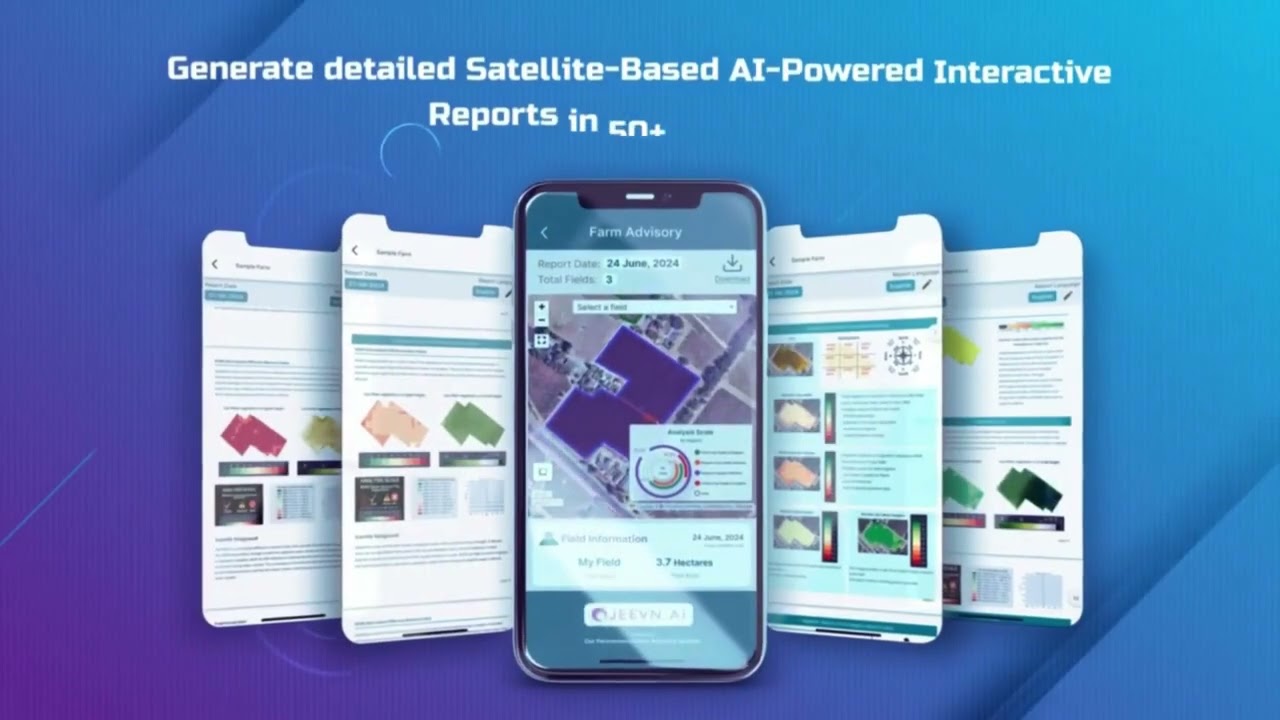
Farmonaut Subscription & Pricing Information
Farmonaut offers affordable, subscription-based access to advanced satellite and AI services for all user levels—from individual cotton farmers to large agribusinesses and government entities.
For APIs, integrations, loan/insurance verification, and more custom technical needs, see: Farmonaut Satellite API and API Developer Documentation.
Precision Tech & AI: The Smart Farming Future
Need detailed crop, plantation, or forestry advisory with AI and satellite data? Explore our Crop Plantation & Forest Advisory services for tailored satellite-driven recommendations.
Challenges, Barriers, and Future Directions in AI Field Data Collection for Cotton
Despite enormous promise, several challenges remain as the cotton sector adopts AI field data collection at scale:
- High Upfront Costs: While costs are falling, initial investment in drones, IoT sensors, and software can still be a barrier for smallholders.
- Technical Know-How: Effective use of AI platforms requires training and digital literacy among farmers and field technicians.
- Data Privacy Concerns: With increased data sharing, robust policies and transparency are crucial to encourage widespread trust and adoption.
- Connectivity & Infrastructure: Continued rollout of high-speed internet, 5G, and cloud services is key for real-time capabilities in remote rural areas.
- Standardization & Interoperability: Ensuring data collected from diverse sensors, drones, and satellites is compatible and harmonized is vital for large-scale artificial intelligence deployment.
Looking to 2025 and beyond, we see transformative trends continuing:
- Edge AI & Autonomous Systems: Cotton fields will see even more real-time, in-field analysis and interventions conducted with minimal human supervision.
- Robotics Integration: Autonomous ground robots will both collect data and act on insights (e.g., targeted weeding, precision irrigation).
- Expanded Satellite Networks: More frequent, higher-resolution images empower granular, region-wide analysis.
- Continuous Environmental Monitoring: Integrating environmental tracking and carbon footprint solutions (like those from Farmonaut) will be baseline for sustainable practices.
- Multi-Crop and Ecosystem Services: AI field data collection methods will expand from single-crop (like cotton) to integrated agro-ecosystem monitoring and management.

Frequently Asked Questions: AI Field Data Collection in Cotton Agriculture
What is the main advantage of AI-powered field data collection over traditional methods in cotton farming?
AI field data collection offers unprecedented precision, speed, and accuracy, resulting in higher yields, input reduction, and better sustainability outcomes compared to manual inspections or basic sensor networks.
How does AI help reduce pesticide and fertilizer use in cotton fields?
AI platforms analyze real-time crop data to identify exact field areas affected by pests or nutrient deficiencies, enabling targeted interventions (spot spraying, precision fertilizing), which drastically reduces resource waste and chemical runoff.
Can smallholder cotton farmers benefit from these technologies?
Yes! The rise of cloud-based platforms, mobile apps, and subscription services (like Farmonaut) is democratizing access to these advanced tools for both small and large operations.
What kinds of data are collected by AI systems in cotton fields?
Modern AI systems collect multispectral satellite and drone images (for plant health, canopy analysis), soil data (moisture, pH, nutrients), weather conditions, disease/pest presence, and other environmental parameters.
How does Farmonaut ensure data security and privacy?
Farmonaut employs secure cloud infrastructure and follows industry best practices for data management. Our blockchain-based solutions also deliver traceability with transparency and security.
Is AI-based data collection only useful for cotton, or other crops too?
While cotton fields are a prime example, AI field data collection applies to diverse crops and agro-ecosystems—boosting productivity and sustainability across the entire domain of agriculture.
Conclusion: Embracing the Future of Cotton Agriculture with AI
By 2025, AI-facilitated field data collection has become central to modern cotton farming—empowering farmers with precision insights, predictive intelligence, and sustainable practices. With the integration of AI, satellite imagery, drones, IoT sensors, and cloud analytics, the entire field management landscape is transformed.
From boosted yields and reduced resource input to real-time, actionable advice and environmentally responsible outcomes, the new era of AI field data collection offers measurable, lasting impact. Our mission at Farmonaut is to make this advanced technology accessible and affordable—so every stakeholder in the cotton value chain can thrive in a data-driven, sustainable future.
Adopting AI field data collection isn’t just a leap in productivity; it’s a fundamental step toward a more resilient, efficient, and sustainable agricultural system. Ready to join the revolution? Start with Farmonaut today.

 Delicio
 Payagri
 WB Dev
 Sama Premium
 Prochecker
 Tres Valles
 LACOS Geoinformation
 Pulsar Supernova
 Magrifly
 LatConnect 60
 WebsEdge
 Blickwinkel
 Agricultural Credit Policy Council
 MCSOD
MCSOD Marei Nursery
 eKGIS
eKGIS Mostas Tech
 Andex
Andex FCF India
 Unifrutti Gulf
 Deluxe Conseil
