

Aloevera Farming: Profitable Sustainable Practices for 2026
Aloe Vera Farming: A Sustainable and Profitable Venture for Modern Agriculture in 2025
“Aloe vera requires up to 80% less water than most traditional crops, making it ideal for drought-prone regions.”
Contents
- Introduction to Aloe Vera Cultivation
- Sustainable and Environmental Benefits of Aloevera Farming
- Agronomic Practices and Optimal Growing Conditions
- Economic Potential & Market Dynamics: Aloe Vera in 2025 and Beyond
- Aloe Vera Processing & Diverse Applications
- Aloevera Cultivation Practices and Sustainability Impact Comparison Table
- Modern Farm Management with Satellite Technology
- Key Challenges, Solutions & The Future of Aloe Vera Farming
- Frequently Asked Questions
- Conclusion
As consumer awareness and the demand for sustainable, organic, and natural products escalate leading into 2026, aloe vera farming emerges as a truly viable and profitable venture for modern agriculture. This comprehensive guide explores the economic potential, sustainable practices, eco-friendly management, and innovative agronomic benefits of aloe vera (Aloe barbadensis miller) cultivation. Farmers, agri-investors, and modern agri-entrepreneurs can discover actionable insights for optimizing aloe vera crop yields, improving soil health, and leveraging new market opportunities—all while maintaining ecological integrity.
Introduction to Aloe Vera Cultivation
Aloevera farming—often termed the cultivation of the “miracle plant”—has experienced a monumental surge due to the plant’s extensive applications in the cosmetic, pharmaceutical, and wellness industries. As we approach 2025 and look ahead to 2026, the aloe vera sector continues to expand rapidly, driven by a global shift toward organic and natural products.
Aloe vera (Aloe barbadensis miller) is a succulent crop blessed with thick, fleshy leaves that contain a translucent, gel rich in vitamins, antioxidants, and bioactive compounds. These features endow the plant with its remarkable efficacy in skincare formulations, healing ointments, dietary supplements, and even beverages. Thanks to its drought resistance and unique ability to thrive in marginalized, arid regions, aloe vera is making a mark as an excellent option for modern farming—especially as climate variability reshapes agricultural landscapes worldwide.
Aloevera farming is uniquely suitable for areas with water scarcity and poor soil quality, reducing risks and offering diverse revenue streams for farmers in challenging climatic regions.
“Global aloe vera market value is projected to exceed $3.8 billion by 2025, driven by rising demand for eco-friendly products.”
Sustainable and Environmental Benefits of Aloevera Farming
Sustainability is a cornerstone of aloe vera cultivation, with this crop embodying the principles of modern, eco-friendly agriculture:
- ✔ Drought-resistance: Requires up to 80% less water than conventional crops.
- ✔ Soil conservation: Aloe vera’s fibrous root system binds and stabilizes soil, fighting erosion in marginal lands.
- ✔ Low carbon footprint: As a succulent, aloe vera sequesters carbon, modestly mitigating greenhouse gas emissions across farm landscapes.
- ✔ Minimal input farming: Reduced need for pesticides and fertilizers, thus promoting healthier agro-ecosystems.
- ✔ Multi-purpose output: Leaves and gel waste can be repurposed as animal feed or organic compost, enabling zero-waste agronomic practices.
Implementing drip irrigation in aloe vera farming maximizes water-use efficiency, delivering direct moisture to roots while minimizing evaporation and weed growth!

Agronomic Practices and Optimal Growing Conditions in Aloevera Farming
Successful aloe vera farming begins with the selection of healthy, disease-free mother plants for propagation. Aloe vera is traditionally propagated using offsets or “pups” that grow from the base of mature plants. However, tissue culture techniques are gaining traction for their benefits in ensuring genetic uniformity and disease resistance.
Soil and Climate Requirements
- Soil: Sandy, well-drained soils are ideal; avoid waterlogging.
- pH: Tolerates a 7.0–8.5 pH range for optimal growth.
- Climate: Tropical and subtropical climatic zones—with day temperatures at 20–30°C and low frost risk—deliver best results.
- Adequate sunlight is crucial, as aloe vera struggles in deeply shaded environments.
Overwatering—especially in heavy soils—can lead to root rot and fungal issues. Ensure proper irrigation management and maintain well-draining conditions at all times.
Propagation Techniques
- Traditionally propagated via offsets (pups) separated from the mother plant once mature.
- Alternatively, tissue-cultured seedlings allow for mass propagation and rapid establishment.
- Plant aloe vera 40–60 cm apart for optimal spacing, sunlight, and airflow between plants.
For those seeking precision monitoring of plant health, soil moisture, and irrigation efficiency, our Crop Plantation Advisory App—supported by satellite and AI technology—enables real-time crop management for aloe vera farming and other sustainable agricultural ventures.



- 📊 High Adaptability: Thrives in regions with low rainfall and heterogeneous soils.
- 🌱 Long Lifespan: Each plant is productive for 5–6 years after establishment.
- 🛡️ Low Susceptibility to Pests: Natural pest and disease resistance reduces dependence on chemicals.
- 💧 Water Savings: Optimal yield with moderate watering especially at early stages of growth.
- 🔗 Flexible Harvesting: Mature leaves can be harvested multiple times per year, ensuring continuous returns.
Soil Health & Input Management in Aloe Vera Cultivation
- Apply organic manure or compost before planting to improve soil fertility and microbial activity.
- Avoid over-fertilization: Aloe vera’s low nutrient requirement complements sustainable input management.
- Adopt crop rotation or intercropping with legumes to bolster biodiversity in large plantations.
📅 Optimal Harvesting Timeline for Aloe Vera
- First harvest: 8–10 months after plantation
- Subsequent harvests: Every 3–4 months
- Plant lifespan: Up to 5–6 years with intensive management
- Yield per plant: 3–4 kg of leaves annually
- Yield per acre: 12–15 tons/year (organic methods may vary)
Economic Potential & Market Dynamics: Aloe Vera in 2025 and Beyond
The economic potential of aloe vera farming is expanding—projected to surpass USD 7 billion by 2025—largely due to the growing consumer demand across the globe for safe, natural, and organic health solutions. Not just a healthcare staple, aloe vera has become a strong player in cosmetic, pharmaceutical, beverage, and wellness markets.
- ✔ Multi-channel demand: Occupies a core position in food, health, and personal care industries
- ✔ Multiple product forms: Gel, powder, juice, and extracts present diverse value chains
- ✔ High returns: Minimal input costs, perennial harvests, and robust market prices
- ✔ Export opportunity: Fulfills international standards for organic and sustainable products
- ✔ Sectoral growth: Supported by rising consumer awareness for eco-friendly, natural products
With the market for aloe vera projected to grow beyond $7 billion by 2025, investment in sustainable farming and processing can yield substantial long-term dividends—especially where value-adding and traceability tech is integrated.

Aloe Vera Processing & Diverse Applications
The key to profitable aloe vera farming lies in harvesting and processing the gel with consistency and quality. Fresh, mature leaves are hand-harvested; the thick, inner fleshy gel is carefully extracted to avoid contamination with the bitter yellow “aloin” just under the skin.
- ✔ Skincare and Cosmetics: Aloe vera gel is widely used in creams, lotions, sunburn relief products, and serums.
- ✔ Pharmaceuticals: Ancient and modern formulations harness aloe gel for burn healing, digestive health, and more.
- ✔ Beverages and Nutraceuticals: Aloe juice and supplements draw interest for their high antioxidant and bioactive compound content.
- ✔ Animal Husbandry: By-products and leaves can be processed into livestock feed or organic manure.
Small-to-medium scale farmers can partner with local processing units for value addition, or even tap global value chains—especially if adopting blockchain traceability tools that ensure product authenticity and quality during export.
Ensuring traceability from farm to fork is now within reach for aloe vera growers. Tools like Farmonaut Product Traceability use blockchain to safeguard transparency and security throughout agricultural supply chains. This builds consumer trust, fosters premium pricing, and helps meet stringent international regulations for organic crop exports.
By adopting carbon footprinting techniques in aloe vera farming, growers gain actionable insights to further reduce emissions and document environmental stewardship for their operations.
Aloevera Cultivation Practices and Sustainability Impact Comparison
| Cultivation Practice | Estimated Yield (tons/acre) |
Water Usage (liters/acre/year) |
Input Cost (USD/acre/year) |
Carbon Footprint (kg CO₂e/acre/year) |
Sustainable Benefit |
|---|---|---|---|---|---|
| Organic (No Chemical Inputs) | 10–13 | 12,000–16,000 | 480–600 | 250–340 | ✔ Highly improved soil health, microbe biodiversity, and zero pesticide runoff |
| Drip Irrigation | 13–15 | 8,000–10,000 | 520–650 | 220–290 | ✔ Significant water conservation, reduced weed growth, optimal fertilizer use |
| Traditional Flood Irrigation | 9–11 | 17,000–22,000 | 550–700 | 370–420 | • Moderate productivity, ↑ risk of erosion, ↑ carbon footprint |
| Integrated (Organic + Drip) | 15–17 | 7,500–9,500 | 530–680 | 195–260 | ✔ Best overall environmental outcome, highest soil health & water-use efficiency |

Modern Farm Management with Satellite Technology
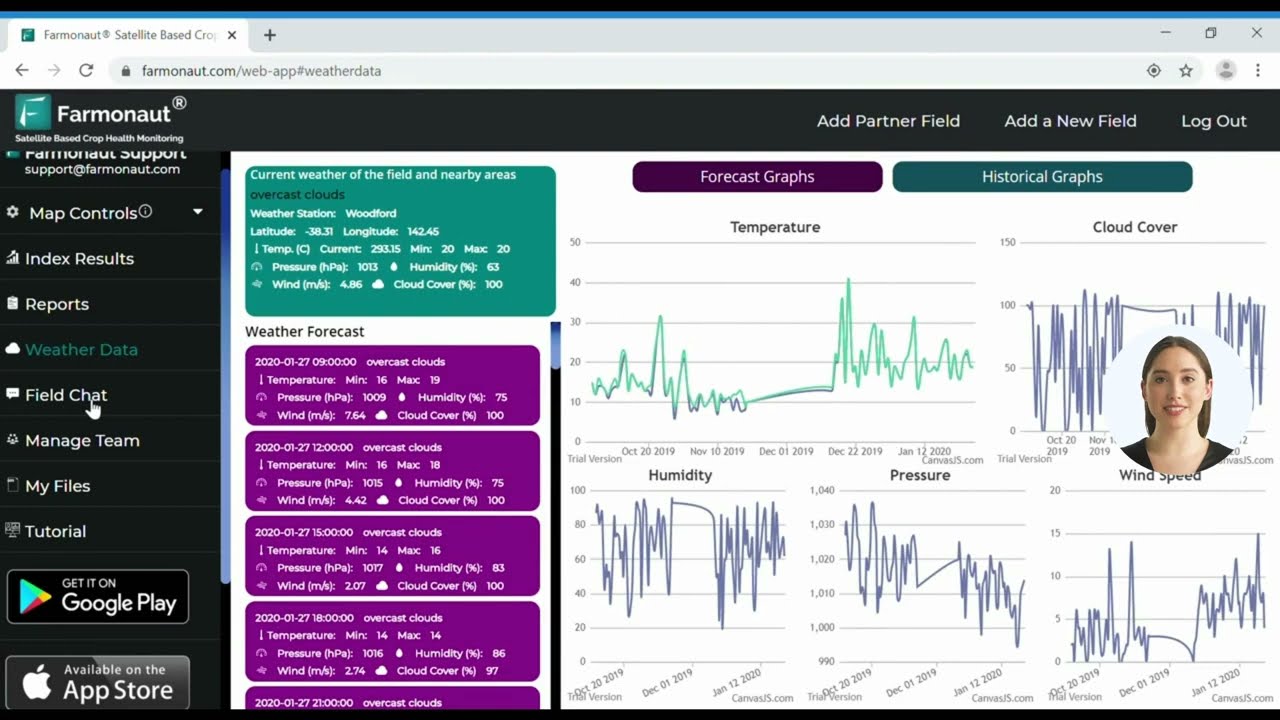
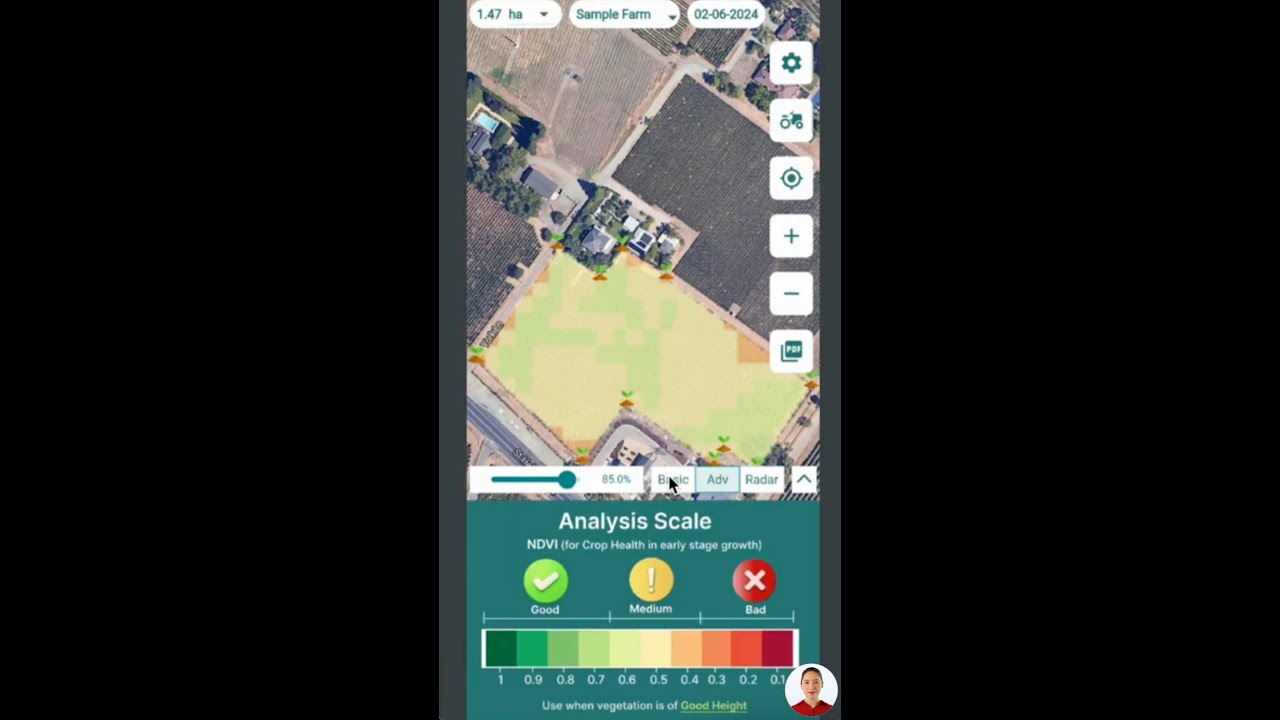
Embracing the future, smart aloe vera cultivation increasingly leverages satellite and AI-based tools—such as those offered by Farmonaut—to facilitate data-driven decision-making, monitor field health, and ensure climate-smart resource management.
- 🛰️ Satellite-Based Monitoring: Gain real-time insights into vegetation health (NDVI), soil variability, and field anomalies to optimize crop interventions.
- 🤖 AI Advisory Systems: Automated weather forecasting and AI-powered recommendations for irrigation, nutrient management, and pest control maximize resource efficiency.
- 📦 Blockchain Traceability: Secure, verifiable tracking ensures product authenticity, boosts export readiness, and delivers premium value to quality-conscious customers.
- 📊 Environmental Impact Monitoring: Track carbon emissions, water usage, and biodiversity impacts to keep aloe vera farming profitable and future-ready.
Unlock the full potential of satellite insights for aloevera farming using our accessible web, mobile, or API platforms:
- API for Automation: Seamlessly integrate satellite-driven data into your digital farm management with Farmonaut’s API.
- API Documentation: Developers and agri-tech firms can accelerate innovation with full developer docs.
- Large-scale Farm Operations: For enterprises, Farmonaut Large Scale Farm Management enables monitoring of multiple aloe fields, logistics, and compliance across vast farm portfolios.
- Agri-loan and Insurance: Access satellite-based verification for credit and insurance with Crop Loan & Insurance Monitoring.
- Fleet & Machinery Management: Easily oversee harvesters, tractors, and allied agri-machinery using Fleet Management tools, ensuring Aloe vera harvests are timely and cost-efficient.

Although aloe shows strong pest resistance, occasional fungal or bacterial outbreaks can occur—especially in climates with high humidity or under poor drainage. Regular monitoring and preventive IPM strategies are vital for stable yields.
Key Challenges, Solutions & The Future of Aloe Vera Farming
Challenges Facing Aloe Vera Farming
- ⚠ Disease outbreaks: Biotic stresses including fungal infections and bacterial leaf spots threaten yield.
- ⚠ Overwatering: Key culprit behind root rot and crop loss, especially in heavy soils or poorly managed fields.
- ⚠ Processing bottlenecks: Small farmers may lack access to advanced gel extraction and storage technologies.
- ⚠ Standardization: Maintaining consistent, contaminant-free gel quality for international exports is challenging.
- ⚠ Climate variability: Extreme weather, especially frosts, can impact production in susceptible regions.
Solutions and Future Innovations
- 🟢 Integrated Pest Management (IPM): Combining biological agents, crop rotation, and organic controls keeps pest pressure low.
- 🟢 IoT, Satellite & AI Monitoring: Real-time data enable predictive irrigation and targeted problem detection.
- 🟢 Breeding for Resilience: New, high-yielding aloe vera varieties with enhanced stress tolerance are emerging for higher productivity and better disease resistance.
- 🟢 Clustered Processing: Community gel extraction centers make value addition accessible for small-to-medium-scale aloe vera farmers.
- 🟢 Traceability & Certification: Adoption of blockchain-based traceability will help more aloe growers meet both domestic and export market standards.
🌍 Aloe Vera: Building Sustainable Agriculture for 2026 and Beyond
- Reduces irrigation dependency during dry seasons and adapts to climate variability
- Improves marginal lands, opening new areas for profitable cultivation
- Enhances biodiversity as a companion crop in diverse rotations
- Speeds up rural livelihood transformation by offering low-risk, fast-return revenues
- Supports green supply chains and positions agriculture for future carbon-credit opportunities
Optimizing your aloe vera operation’s digital presence with focused keywords (e.g., aloevera farming, sustainable aloe, aloe cultivation, organic skincare crops) can help you reach new domestic and export buyers easily in 2026 and beyond.
Frequently Asked Questions: Aloevera Farming for 2026
-
What are the main advantages of aloevera farming over conventional crops?
Aloe vera requires substantially less water, offers pest resistance, and thrives in poor soils where other crops struggle. Its multiple product applications and rising market demand yield stable, long-term profitability for farmers in 2025 and beyond. -
What is the optimal spacing for aloe vera plantation?
Spacing between 40–60 cm is recommended, allowing each succulent plant enough airflow and sunlight for robust growth and easy harvesting. -
How many harvests per year can be expected?
Up to 3–4 harvests annually, once plants mature (8–10 months after planting). Individual mature leaves are harvested as required, depending on processing needs. -
How can I ensure my aloe vera products are eligible for export markets?
Adopt organic practices, maintain traceability using blockchain tech, adhere to hygiene standards in gel processing, and respond to periodic lab testing for contaminants and quality assurance. -
Which technologies can support climate-smart aloe vera farm management?
Satellite imagery, AI-advisory platforms, real-time crop stress monitoring, and blockchain tools—such as those we provide at Farmonaut—facilitate optimal irrigation scheduling, early problem detection, and full supply chain transparency.
Conclusion: Aloe Vera as a Profitable and Sustainable Crop for Modern Agriculture
Aloevera farming is the embodiment of a future-facing agricultural venture: ecologically resilient, resource-efficient, and economically rewarding. With climate change intensifying and markets shifting towards sustainable consumption, the importance of crops like aloe barbadensis miller will only grow as we move past 2026.
By embracing robust propagation techniques, deploying climate-smart technologies, and integrating into advanced value chains, farmers and agri-entrepreneurs can enjoy lasting profits with minimal ecological footprint. With global demand for natural, clean-label health and wellness products set to rise further, the strategic case for aloe vera cultivation has never been stronger—or greener.
As we look ahead, we at Farmonaut remain committed to enabling this next generation of sustainable agriculture with affordable satellite insights, AI-driven crop management, blockchain traceability, and carbon footprint analysis—empowering every aloe vera farmer or enterprise to manage their fields with knowledge, precision, and responsibility.


 Dirks Bros Farms
 Red August Group
 Farm Inc
 WeMe Global
 Pixxel
 Agrotoken
 Blue BearX
 Insignito
 Croptimum
 DnCubed
 Field Capacity
 Indosistim Teknologi
 Liquify Digital
 CU Foods
 BeyondTech Global
 Rouge VC
 AgroGreen Dynamics
 AgroRisk
 Oath Inc
