

Ag Land Loan Process, Cow Loan, Agro Processing: 2025 Guide
Introduction: The 2025 Agricultural Financing Landscape
The year 2025 is set to be a transformative period for the agricultural sector, especially in emerging economies where rural development, enhanced productivity, and innovative financing solutions remain critical. As the economic and social cornerstone for millions, agriculture faces rising input costs, evolving consumer demand, and heightened needs for sustainability. In this context, three key financial instruments—the ag land loan process, cow loan, and agro processing support scheme—are vital in empowering farmers and agribusinesses to modernize and boost productivity.
Access to timely and adequate credit remains a critical factor among instruments facilitating growth. Institutions and governments are actively working to streamline processes, making it easier for stakeholders to unlock opportunities, improve income, and contribute positively to local and national economies.



These digital channels, including Farmonaut‘s Android, iOS, and web applications, are driving market accessibility and transparency for millions seeking sustainable ag growth. Our platform leverages powerful satellite-driven technologies to support agricultural loans and compliance (learn more about our APIs and Developer Docs).
Ag Land Loan Process in 2025: Empowering Rural Transformation
The ag land loan process has experienced substantial innovation in 2025, driven by the need to empower farmers to acquire high-potential land and invest in advanced farming activities. Let’s break down the process, eligibility, supported activities, and the direct benefits of streamlined lending.
1. What is an Ag Land Loan?
An ag land loan is a specialized facility designed for individuals or collectives seeking funds to acquire agricultural land for farming purposes. This instrument enables farmers—especially those from small and marginal backgrounds—to move beyond land leasing to full ownership, thus enhancing their financial stability and long-term development prospects.
2. Streamlined Application Process for 2025
- Digital Applications: In 2025, most applications are initiated online via web or mobile banking, reducing bureaucratic delays and human error.
- Document Submission: Applicants typically provide proof of identity, prior land documents (if applicable), and a description of the intended agricultural activity.
- Automated Verification: Banks and lending institutions utilize digital platforms for document verification, including title check, zoning law compliance, and background review.
- AI-Based Creditworthiness: Innovations allow lenders to assess borrower creditworthiness based on income sources, existing debts, and projected repayment capacity, improving access for new entrants or those with non-traditional income.
- Collateral:
- Land offered is thoroughly verified for clear titles and legal compliance.
- Satellite verification (as provided by solutions like Farmonaut) reduces risks for lenders and improves trust in documentation.
- Approval & Disbursement:
- Once approved, the loan disbursement is often staggered in tranches, aligning with the agricultural cycle—e.g., funds for land preparation, then for inputs, then for labor.

3. Interest Rates, Subsidies, and Government Programs
- Interest Rates: Remain competitive and often subsidized, especially for small and marginal farmers as part of government programs to boost agricultural growth. Typical rates in 2025 hover between 6%–10% for priority sector lending.
- Repayment Schedules: are structured to coincide with crop cycles, allowing for seasonal incomes and reducing default risk. Flexible terms, moratoriums, and extendable tenure for farmers facing climate or market disruptions.
4. Required Documentation (2025)
- Proof of Identity (Aadhaar/Passport/Valid Government ID)
- Proof of Address & Caste Certificate (for subsidies, if applicable)
- Land Ownership/Lease Documents, Property Tax Receipts
- Land Map, Soil Health Card (optional but recommended for higher eligibility)
- Detailed Project Report on intended agricultural activity
- Additional business plan details for larger loans (integrated farms, organic projects, etc.)
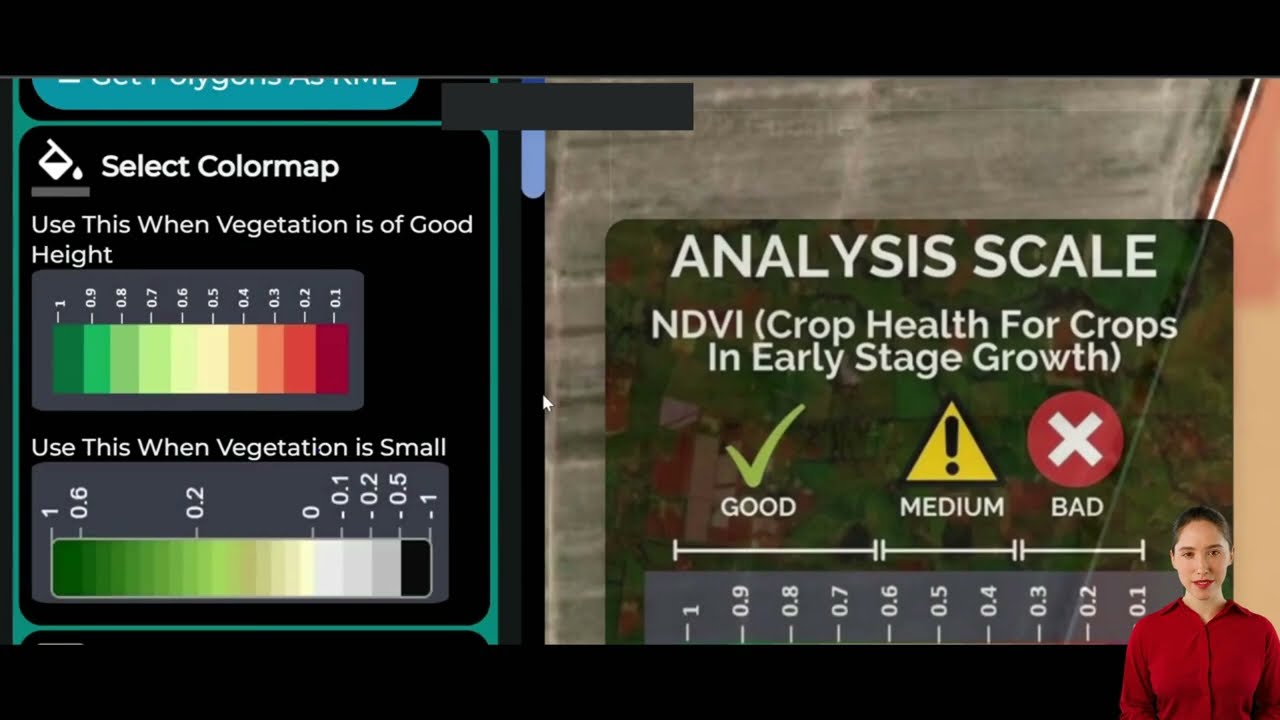
5. Farmonaut’s Role in Enhancing the Ag Land Loan Process
Farmonaut’s satellite-driven crop loan and insurance tools assist financial institutions by quickly verifying land parcels for loan applicants using real-time, high-resolution satellite imagery. This helps eliminate fraud, confirms compliance with zoning laws, and ensures documents align with actual ground realities.
Our goal is to help institutions, governments, and borrowers alike increase the speed, transparency, and accessibility of loans, reducing risk while boosting rural economic development.
6. Advantages: Streamlined Land Loans in 2025
- Faster processing: Technology-enabled checks and digital documentation reduce waiting times.
- Greater transparency: Satellite verification provides objective, unalterable records.
- Affordable financing: Subsidized interest rates and flexible terms for qualifying applicants.
- Higher eligibility: Broader loan inclusion for tenant farmers or collective landholders.
- Sustainable financing: Integration with climate-resilient project models encouraged.

2025 Agricultural Loan & Scheme Comparison
| Loan/Scheme Type | Purpose | Estimated Eligibility | Estimated Loan Amount (INR) | Estimated Interest Rate (%) | Repayment Period | Key Benefits |
|---|---|---|---|---|---|---|
| Ag Land Loan | Purchase/agricultural land, land improvement | Individual farmers, FPOs, rural collectives (aged 18+); clear land records; basic credit score | 5 lakh–2 crore (varies by land value & location) | 6–10% (subsidized for priority sectors) | 7–15 years (with moratorium options for up to 3 years) | Land ownership, higher asset security, subsidized rates, seasonal repayment, improved financial inclusion |
| Cow Loan | Cattle purchase, shed construction, feed inputs | Farmers with land or lease rights; basic business plan/milk projection | 25,000–7 lakh/cow (up to 25 lakh for dairy units) | 7–11% (lower for women, SHGs, cooperatives) | 3–7 years (repayment starts after milk production phase) | Boosts dairy income, supports animal health, often includes bundled training/support services |
| Agro Processing Support Scheme | Setup or expand value-addition units (mills, cold storages, packaging) | Farmers, FPOs, agribusinesses/entrepreneurs; viable project report; regulatory compliance | 2 lakh–10 crore (higher for consortiums/cooperatives) | 5–9% (with grants up to 35–40% of project) | Up to 10 years (grace period possible) | Grant + loan mix, infrastructure support, technical assistance, links with market chains, rural job creation |
Note: All values are indicative for 2025 and may vary by state, institution, or specific government scheme.
Cow Loan Facilities: Fueling Dairy & Livestock Growth in 2025
Dairy farming and livestock-based income remain a central pillar of rural economies, with the cow loan becoming a pivotal tool for sustainable income diversification. Let’s examine the structure, application, innovations, and support provided to farmers under modern cow loan schemes.
1. What is a Cow Loan?
A cow loan is a form of credit specifically designed to help farmers or agribusinesses acquire livestock, build sheds, buy feed, and access veterinary care. By directly supporting the purchase of cows, these loans drive up dairy productivity, boost household income, and foster sustainable rural livelihoods.

2. Cow Loan Application Process (2025)
- Application Submission:
Farmers apply through local banks, cooperative societies, NBFCs, or digital platforms, providing identity proof, land records, livestock ownership details, and a brief business/milk production plan. - Identity & Farm Verification: Banks use digital records, often incorporating satellite and biometric verification (for example, leveraging geotagged data or thumbprint scanning).
- Eligibility: Typically targeted at smallholder farmers, women entrepreneurs, SHGs (self-help groups), and members of registered dairy or livestock cooperatives.
- Loan Structuring:
- Covers purchasing cows, feed, medical care, and inputs for up to several animals.
- May include support for shed construction and equipment.
- Flexible interest rates—often starting near 7% and subsidized by government programs.
- Repayment schedules that account for the gestation period before cows begin yielding milk consistently (typically 3–6 months grace period).

3. Innovative Features in 2025
- Integration with Digital Platforms: Access to cattle breed information, loan status, and repayment reminders through mobile apps.
- Dairy Cooperative Integration: Data-sharing between banks and co-ops ensures that only genuine farmers benefit, reducing the risk of loan misuse.
- Bundled Support: Extension services such as animal health checkups, fodder management advice, or training on clean milk production often provided with the loan, improving repayment capacity and sustainable productivity.
4. Required Documentation for a Cow Loan in 2025
- Government-issued photo ID
- Address proof and land/lease documentation showing access to grazing/fodder
- Recent photos of intended shed space (geo-stamped snapshots now accepted by most banks)
- Milk production plan/estimates (for larger loans: historical records or cooperative letters)
- Passbook or basic credit history (to demonstrate ability to manage repayments)
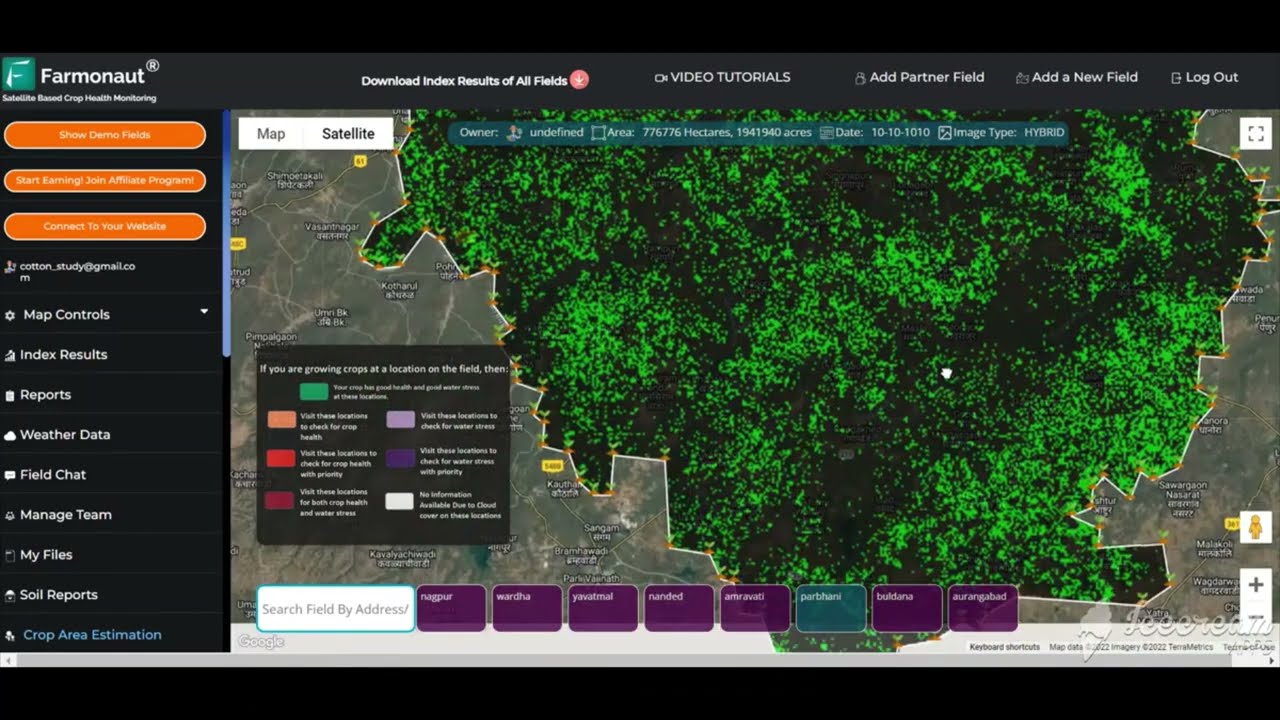
5. Why Cow Loans Remain Critical in 2025
- Timely credit remains a critical factor in boosting livestock assets and increasing nutritional/financial security in rural households.
- Flexible repayment and support make these loans a safer instrument for both lenders and borrowers, adapting to seasonal dairy flows and market changes.
- With the digitalization of credit records, institutions experience fewer defaults and greater traceability of loan utilization—minimizing fraud.
Explore Farmonaut’s real-time advisory services and productivity monitoring platform for livestock owners and dairy cooperatives. Our insights assist in climate adaptation and resource management, boosting operational sustainability. Learn more here.
Agro Processing Support Scheme 2025: Value Addition in Rural Economies
As the agricultural sector evolves, it becomes clear that value addition and processing are crucial for farmers seeking higher incomes and for nations targeting food security, nutrition, and job creation. Agro processing support schemes play a transformative role by providing financial, technical, and policy-based support for setting up processing, packaging, storage, and chain-linking units in rural locations.
1. What Is an Agro Processing Support Scheme?
An agro processing support scheme is a government-led initiative to provide grants, concessional loans, and subsidies to eligible entities setting up or expanding processing units for raw farm produce. These units may include rice mills, cold storages, food packaging plants, oilseed pressing, spice grinding, dairy value-addition setups, and modern agro processing chains for multiple commodities.
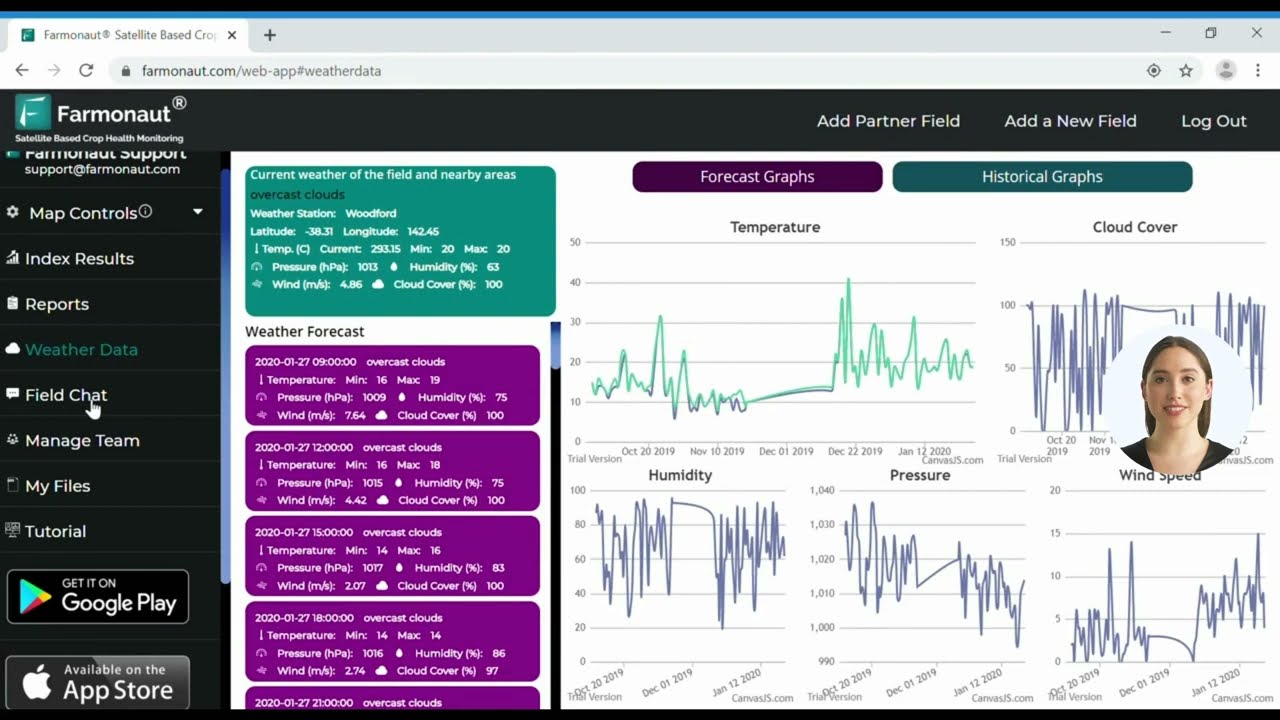
2. Eligibility and Application (2025)
- Who Can Apply? Individuals, registered Farmer Producer Organizations (FPOs), self-help groups (SHGs), cooperatives, and small/medium enterprises focused on rural agro-processing.
- What’s Needed?
- Detailed Project Report (DPR) showing:
- Raw material source, processing technology, projected output, working capital/cash flow, marketing plan, and compliance strategy (waste management, environmental permits)
- Proof of land ownership/long-term lease (for units or storages)
- Basic credit history and identity documentation
- Compliance with food safety/regulatory norms
- Detailed Project Report (DPR) showing:
- Application Submission: Digital portals and simplified documentation in 2025 make the process more accessible. Project tracking and funds utilization are monitored via app and web interfaces.
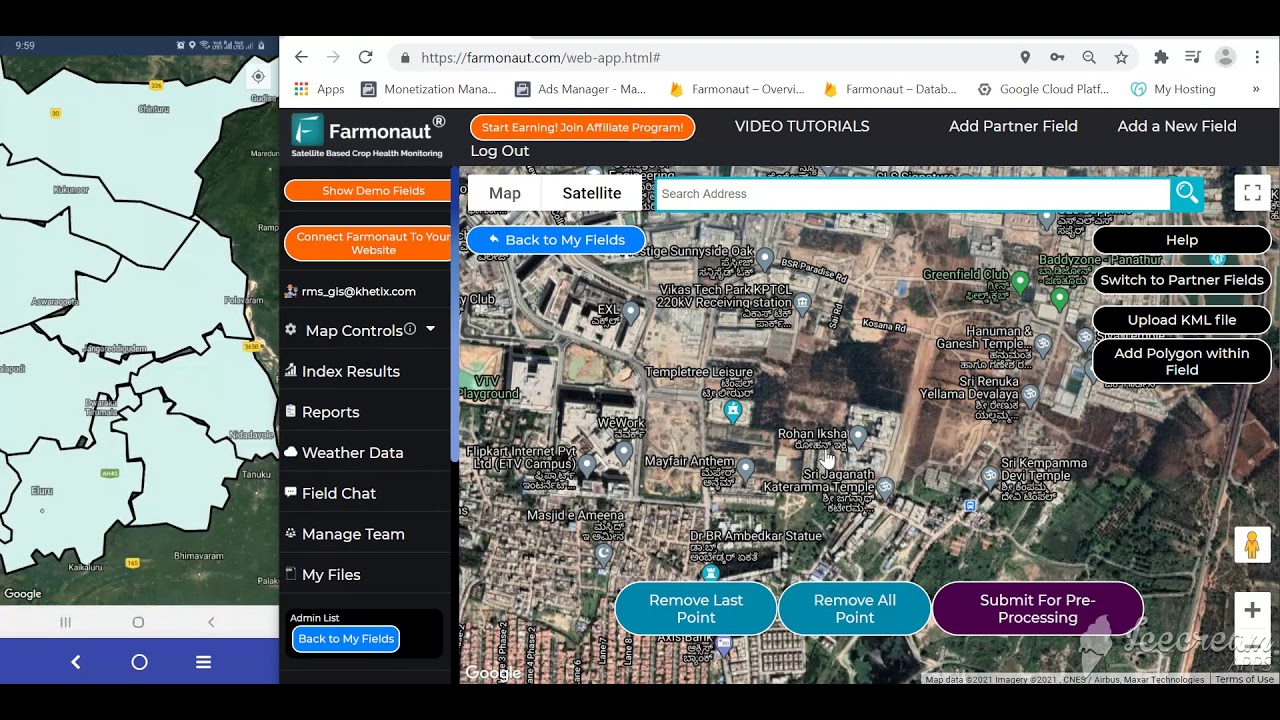
3. Support, Subsidies, and Repayment Terms
- Estimated Grants: Up to 40% (higher in backward/rural zones or for woman/tribal entrepreneurs)
- Concessional Loans: 5–9% interest, often with grace period until full commissioning of the unit
- Repayment Tenure: Up to 10 years (with short-term working capital interventions available)
- Examples of Eligible Projects: Rice/pulse mills, solar-powered cold storage, fruit/vegetable/dairy processing, composting units, food safety & quality chains, biodegradable packaging manufacturing
4. Value-Chain Support & Capacity Building
- Capacity building workshops and training initiatives are integral—empowering farmers and entrepreneurs with quality standards, tech adoption, waste management, and financial discipline.
- Market linkages—services connecting producers to high-value markets, exporters, wholesale aggregators, or e-commerce platforms, thus enhancing returns.
- Smart supply chain adoption—cold chains, traceability, and real-time logistics reduce post-harvest losses and improve shelf-life.
Farmonaut’s advanced blockchain-based traceability solutions and fleet/resource management tools empower agri-processors to meet compliance standards, optimize transport and reduce losses–enabling seamless integration with government-backed credit and support schemes.
Farmonaut Subscription Plans
Our affordable plans offer enterprise-grade satellite monitoring, AI advisories, and traceability for farms, agribusinesses, and institutions. Flexible packages available for every scale. Explore our pricing below:
5. Sustainable & Compliance-Focused Financing
- Green finance: Many processing scheme loans in 2025 are linked to carbon reduction and environmental compliance. Applicants can boost eligibility (and gain extra support) by using clean energy, water reuse, or carbon footprint tracking tools, such as those available from Farmonaut.
Integration of satellite, AI, and blockchain technologies (see our forestry and plantation advisory suite) ensures ag processors and food enterprises meet all modern compliance, traceability, and reporting standards demanded by consumers, regulators, and financiers in 2025.
Farmonaut: Satellite-Driven Support for Loan, Compliance & Sustainable Value-Chain Growth
At Farmonaut, we understand the unique challenges in agricultural finance, compliance, and productivity. Our technologies—combining satellite imagery, AI, blockchain, and fleet management—enable financial institutions, processing units, and farmers to:
- Verify land and assets for loans quickly and reliably, supporting the ag land loan process, cow loans, and agro processing support scheme.
- Track supply chains end-to-end using blockchain traceability, ensuring products remain authentic and compliant.
- Optimize input, labor, and fleet use—reducing costs and maximizing output through our resource & fleet management tools.
- Boost environmental sustainability—track carbon emissions, implement green finance best practices, and monitor soil and crop health using Farmonaut’s AI satellite analytics suite.
Experience satellite-powered credit, insurance, and compliance solutions:
Satellite-Verified Crop Loan & Insurance |
Large-Scale Farm Management |
Product Traceability |
Carbon Footprinting |
Fleet Management
Frequently Asked Questions: Ag Land Loan Process, Cow Loan, Agro Processing Support Scheme
Q1: What documents are usually required to apply for an ag land loan or cow loan in 2025?
Answer: Required documents include government-issued photo ID, address proof, land documents (ownership/lease), project or business plan, past credit or bank statements, and, for agro processing, a detailed project report. Digital submissions and geo-stamped photos are often accepted.
Q2: Who is eligible for subsidized interest rates under these schemes?
Answer: Small and marginal farmers, women, self-help groups, FPOs, and rural agrientrepreneurs benefit from subsidized rates. Eligibility criteria may vary depending on exact scheme and region.
Q3: How quickly are loans disbursed in 2025?
Answer: Digital and satellite-verification tools have reduced disbursement timelines to as few as 7–15 days for smaller loans, and 4–6 weeks for agro processing projects, assuming all documents and eligibility are in order.
Q4: What are typical repayment options for cow loans?
Answer: Repayment is structured to start after the cow’s productive (lactation) phase, with total tenure usually between 3–7 years, and sometimes a grace period of 3–6 months.
Q5: How do satellite, AI, and blockchain technologies help farmers in the loan and agro processing process?
Answer: These technologies (as found in Farmonaut’s suite) provide reliable verification, improve traceability and compliance, reduce fraud, and help financial institutions make informed lending decisions. This increases farmer eligibility and reduces barriers to finance.
Q6: Can small scale or new farmers access these facilities?
Answer: Yes, especially with digital applications, government mandates for inclusion, and subsidy support. Special targeting for youth, first-generation agri-entrepreneurs, and marginalized groups is common across 2025 schemes.
Conclusion: The Road Ahead—Modern Ag Finance for a Resilient 2025 and Beyond
The synergy between the ag land loan process, cow loan, and agro processing support scheme is reshaping agricultural development and rural economies in 2025. By facilitating land acquisition, livestock expansion, and value addition, these tools collectively empower stakeholders, boost farmer incomes, and build sustainable foundations for economic growth.
The adoption of digital platforms, satellite-based verification, and AI-driven compliance is central. Timely credit remains a critical factor in rural transformation, but the future is being secured by a network of data-driven financial tools, streamlined processes, and strategic policy support.
Farmonaut stands committed to enabling institutions, farmers, and agri-enterprises with scalable, affordable, and reliable solutions for land, livestock, and processing initiatives. Our mission is a world where finance and technology blend seamlessly to foster stronger, smarter, and more sustainable ag economies.
Ready to step into the future of agricultural finance, productivity, and sustainability?
For deeper insights or to explore API/data integration for financial institutions or regulatory compliance, browse our Farmonaut API platform and Developer Docs.
Together, let’s unlock rural potential in 2025 and build a more prosperous, sustainable future for agriculture!

 Cresol
 Atur Kuliner
 GlobalQuant
 MDCV UK
 Zerella Group
 Etech Consulting Madagascar
 Vestlandsforsking
 Agritein
 Delicio
 WB Dev
 Sama Premium
 Prochecker
 Tres Valles
 LACOS Geoinformation
 Magrifly
 LatConnect 60
 Blickwinkel
 Agricultural Credit Policy Council
 Marei Nursery
 eKGIS
eKGIS Mostas Tech
