

“**Over 60% of farmers reported improved yields after receiving multilingual SMS alerts on climate-smart agriculture practices.**”
“**In 2025, multilingual SMS alerts will reach an estimated 18 million farmers, enhancing resilience to environmental changes.**”
Best Practices Multilingual SMS Alerts: Climate-Smart Agriculture
Agriculture is transforming. In the face of climate change, land degradation, and environmental uncertainty, the ways we connect, inform, and empower farmers worldwide have never been more critical. As we approach 2025, the integration of best practices multilingual SMS alerts in agriculture, combined with conservation practices and climate smart agriculture practices examples, is reshaping the landscape of sustainable and resilient farming.
Multilingual SMS alerts now enable delivery of vital, real-time agricultural information across regions, crops, and conditions, directly to mobile phones—even in regions challenged by language diversity, literacy variance, and fragmented infrastructure. Enhancing resilience, bolstering conservation, and ensuring sustainability are at the core of these innovative approaches—making them more essential than ever.
Why Best Practices for Multilingual SMS Alerts Matter in 2025
Climate change and environmental degradation pose significant challenges for agriculture worldwide. In developing countries such as those in Sub-Saharan Africa and Southeast Asia, access to timely, actionable information is often limited by language barriers, infrastructure gaps, and fragmented support systems.
As agricultural risks grow—erratic weather, unpredictable pest outbreaks, shifting market prices—the best practices multilingual SMS alerts agriculture can make the difference between crop failure and resilient yield. Delivering updates on climate, soil health, local language conservation methods, and sustainable farming practices equips farmers with the means to adapt and thrive in rapidly changing conditions.
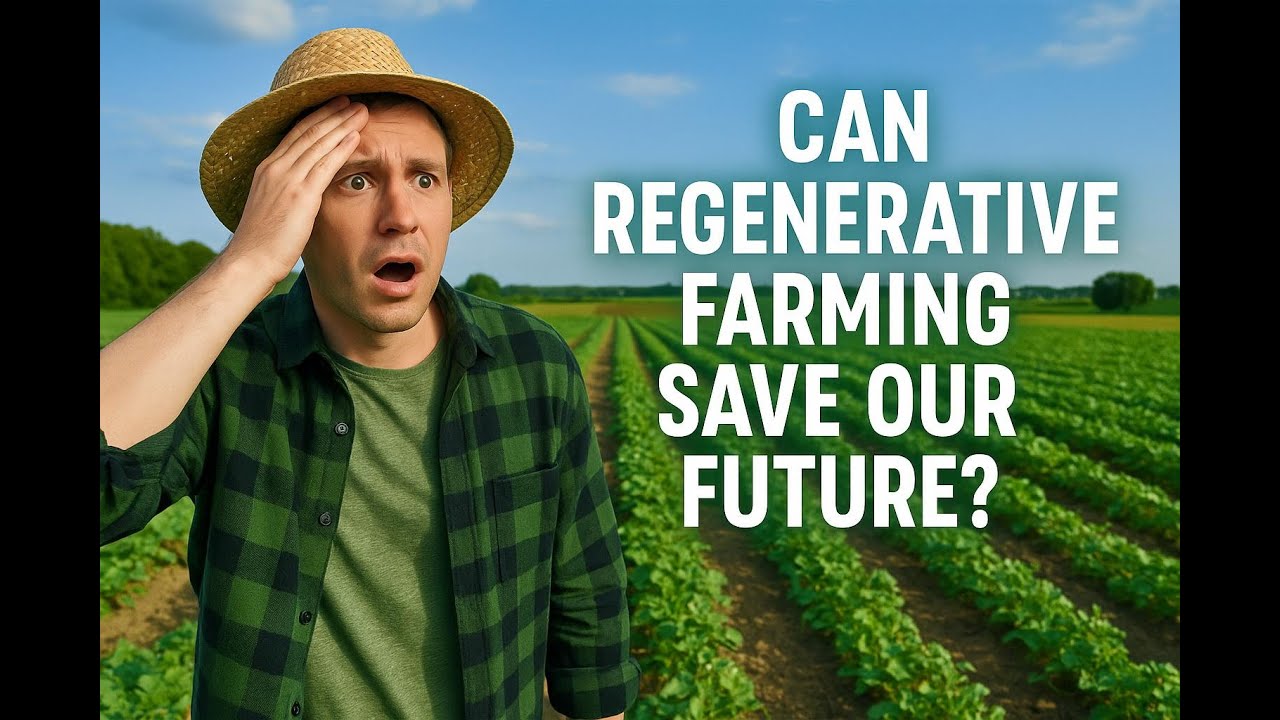
How Multilingual SMS Alerts Empower Farmers
The power of multilingual SMS alerts lies in their ability to bridge the information gap rapidly and affordably. Even as the digital revolution sweeps across agricultural regions, mobile phones remain the most accessible technology for a vast majority of smallholder farmers.
Through localized, timely SMS alerts in native languages (including various dialects across Africa, Southeast Asia, and beyond), recipients receive:
- Detailed weather forecasts—enabling the adoption of timely conservation measures (e.g., effective irrigation) and climate-smart agriculture practices
- Pest and disease outbreak alerts—reducing losses by enabling quick, targeted responses
- Guidance on market prices—empowering informed selling and purchasing decisions
- Stepwise instructions for best practices in soil management, conservation, and resource use
This direct model ensures inclusivity, increases adoption rates of sustainable measures, and builds long-term resilience among the most vulnerable communities.
With AI-powered translation and text-to-voice features, in 2025, we anticipate multilingual SMS systems will outperform past models by breaking through literacy-level barriers and further boosting the reach to smallholder farmers across developing regions.
Comparison Table: Multilingual SMS by Region & Impact
| Region/Country | Primary Languages Used | Type of SMS Alert | Estimated Reach (% of Target Farmers) | Climate-Smart Benefit | Conservation Impact |
|---|---|---|---|---|---|
| Nigeria (West Africa) | Hausa, Yoruba, Igbo, English | Weather, Pest, Market Prices | 72% | Improved yield, water efficiency, reduced loss | Lower soil erosion, higher biodiversity |
| Kenya (East Africa) | Swahili, English, Kikuyu | Weather, Crop Management | 68% | Early drought warning, climate adaptation | Enhanced soil moisture retention |
| India (South Asia) | Hindi, Telugu, Tamil, Bengali, English | Pest, Weather, Irrigation | 79% | Yield stability, informed input use | Reduced chemical runoff, improved soil health |
| Indonesia (Southeast Asia) | Bahasa Indonesia, Javanese | Weather, Conservation Advice | 62% | Reduced climate risk, improved irrigation | Forest and biodiversity conservation |
| Brazil (South America) | Portuguese | Market, Weather, Soil Updates | 66% | Better planting times, reduced emissions | Carbon sequestration, agroforestry adoption |
| Vietnam (Southeast Asia) | Vietnamese | Pest, Water Advisory | 60% | Lower input waste, enhanced crop resilience | Improved water resources, ecosystem balance |
Estimates are based on regions with established SMS-based extension programs and peer-reviewed sources. Figures reflect expected status for 2025 and are subject to field variations.

Best Practices Multilingual SMS Alerts Agriculture: Proven Approaches for 2025
Implementing best practices multilingual SMS alerts agriculture demands a thoughtful, data-backed approach that responds to the needs of local farmers and maximizes environmental and agricultural outcomes. Here’s how to do it right:
1. Localization of Content and Language
- Translate all SMS alerts into primary local languages (including dialect-specific variations where possible) for maximum comprehension and adoption.
- Keep messages concise, actionable, and culturally resonant—using wording familiar to farmers in each region.
- AI-powered translation and voice-to-text functionalities can further boost accessibility and reach in multilingual communities by 2025.
2. Critical, Timely, and Relevant Alert Types
- Focus on weather forecasts (rainfall, drought, frost warnings), pest/disease outbreaks, irrigation advice, market news, and CSA practices relevant to cropping calendars.
- Schedule SMS updates around key crop growth stages, ensuring timely interventions for maximum impact.
- Incorporate conservation- and climate-smart messages—e.g., early warnings to encourage minimum tillage ahead of seasonal rains, or to promote cover cropping when soil erosion risk is high.
3. Integration with Digital Tools and Feedback Loops
- Combine SMS alerts with supporting digital tools—e.g., satellite imagery, geo-targeted weather monitoring, and farm management apps for those with smartphone access.
- Include simple feedback mechanisms (such as USSD menus or SMS replies) for farmers to request further information or to report in-field conditions, thus closing the knowledge loop.
4. Inclusivity: Overcoming Literacy & Tech Barriers
- Leverage voice-based SMS and audio messages for farmers with limited literacy, ensuring equitable access across diverse communities.
- Use symbol-based messages or graphics where supported (e.g., via WhatsApp or MMS for capable phones) for those with vision or comprehension challenges.
5. Continuous Evaluation and Refinement
- Monitor response rates and social impact via regular surveys and field validation.
- Update content based on emerging climate risks, policy changes, and shifting farmer feedback to keep alerts effective and relevant for 2025 and beyond.
Conservation Practices in Agriculture: Sustainable Stewardship for 2025
Embedding conservation into agricultural systems is fundamental for sustaining long-term soil health, water efficiency, and biodiversity. Leading conservation practices in agriculture include:
- Minimum tillage: Reducing or eliminating plowing to maintain soil structure, minimize erosion, and conserve microbial life.
- Crop diversification & cover cropping: Planting multiple crop species or using groundcover to replenish nutrients, suppress weeds, and provide habitats for beneficial organisms.
- Agroforestry: Integrating trees with crops for increased carbon sequestration, better microclimate management, and diverse ecological benefits.
- Integrated pest management (IPM): Using biological controls, crop rotation, and targeted interventions to minimize synthetic pesticide use while effectively managing pest outbreaks.
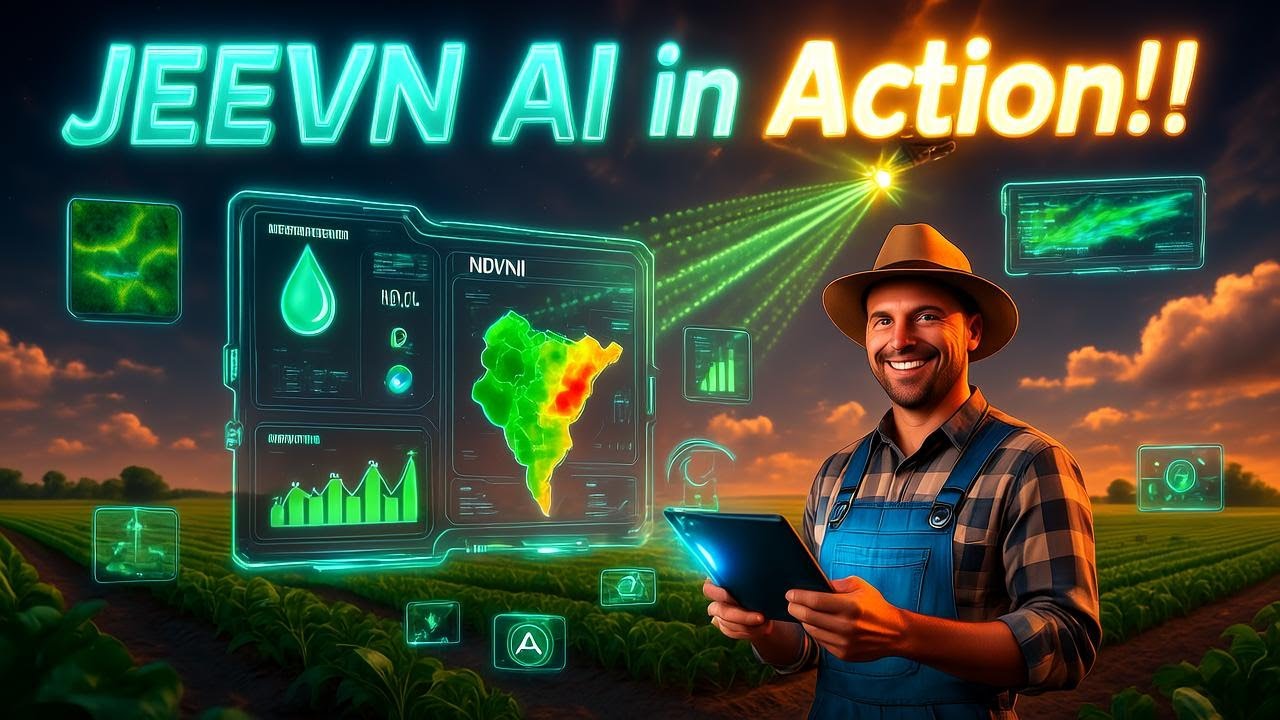
Recent advances in digital tools—such as precision monitoring via multispectral satellite images—allow real-time assessments of soil conditions, water stress, and vegetation health. Adopting data-driven conservation enables:
- Targeted application of organic fertilizers and water, reducing wastage and emissions
- Early identification of degradation hotspots
- Proactive decision-making to enhance productivity while protecting the environment
Explore our carbon footprint monitoring tools for real-time tracking of agricultural emissions and impact.
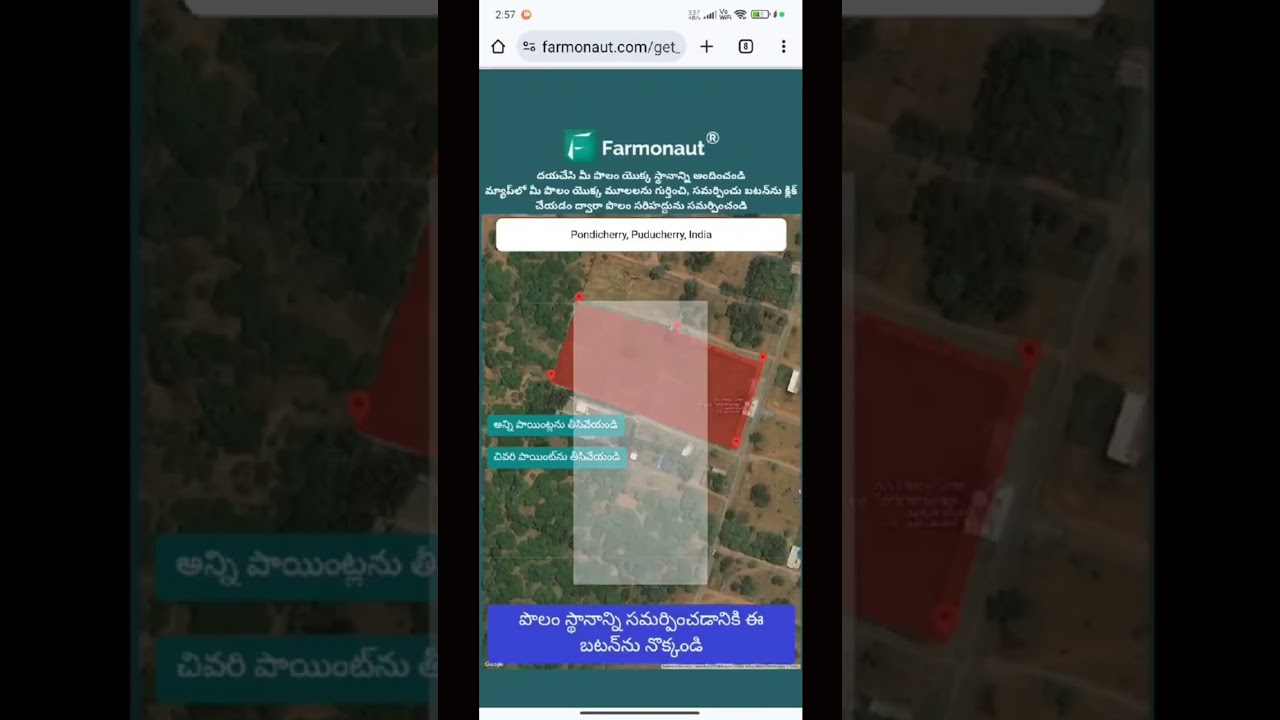
Why is Conservation Central to Climate-Smart Methods?
Sustaining soil fertility and reducing land degradation help buffer crops against climate variability—shaping an agricultural resilience strategy that lasts well beyond 2025.
- Conservation agriculture methods are proven to increase yields sustainably, directly supporting food security in vulnerable regions
- Integration with multilingual SMS alerts provides timely prompts for best practices adoption

Climate-Smart Agriculture Practices Examples: Boosting Resilience & Sustainability
Climate-Smart Agriculture (CSA) is built on three pillars: increasing productivity, building resilience, and reducing greenhouse gas emissions through tailored, science-driven practices and technologies.
Here are key climate smart agriculture practices examples for 2025 and beyond:
- Drought-tolerant crop varieties: Adapted to survive erratic rainfall and elevated temperatures
- Efficient irrigation: Drip and sprinkler systems reduce water use and support optimal plant growth
- Diversified cropping systems: Rotating or intercropping multiple species to minimize risk and boost yields
- Organic fertilizers/biochar: Enhancing soil carbon stores, improving fertility, and sequestering carbon
- Improved livestock management: Modern feed, rotational grazing, and animal health management to lower methane output
- Integration of conservation and digital tools for smarter, informed decisions
Early warning and advisory systems, delivered via multilingual SMS alerts, allow farmers to:
- Plan sowing/harvesting in line with changing climate conditions
- Prepare for and respond to adverse weather or pest outbreaks
- Adopt relevant climate-smart agriculture techniques—from minimum tillage to integrated water management
Building resilience starts with information, adoption, and actionable responses—all enabled by comprehensive, accessible SMS alerts and technical support programs.
Supporting Sustainable Supply Chains
Global food systems demand traceability and reduced environmental impact. Our blockchain-enabled supply chain traceability service helps ensure transparency, compliance, and food safety.
Practical CSA Example for 2025:
- A rice farmer in Southeast Asia receives SMS alerts warning of predicted late-season drought. Using the advice, she switches to a drought-tolerant rice variety and employs alternate wetting-and-drying irrigation, resulting in a stable yield despite environmental stresses.
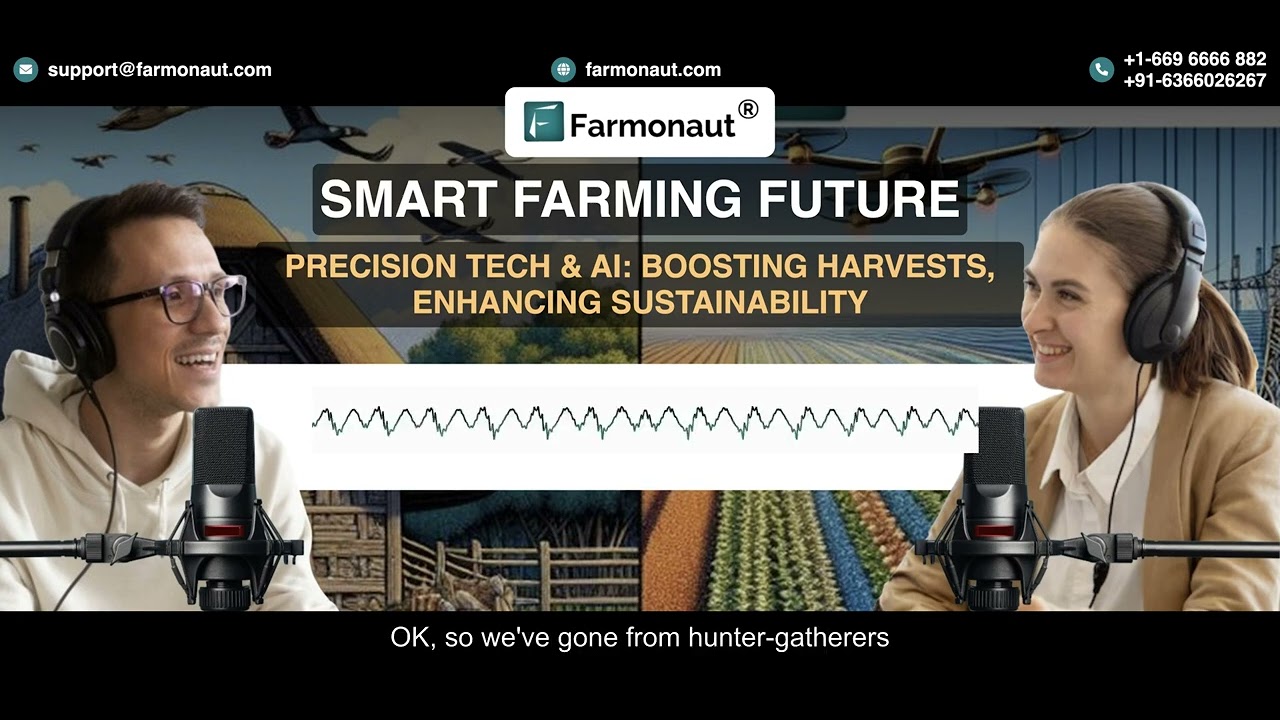
Integration of Technologies & Policy: Driving Widespread Adoption in 2025
No best practices multilingual SMS alerts agriculture initiative functions in isolation. Success in 2025 depends on a robust ecosystem integrating:
- Reliable mobile and broadband infrastructure
- Flexible, localized digital platforms
- Inclusive capacity-building programs for technological literacy
- Forward-thinking policies promoting adoption, financial incentives, and eco-friendly regulations
Governments play a crucial role by:
- Providing mobile network coverage and localized content mandates
- Subsidizing climate-resilient seed varieties, digital tools for integrated pest management, irrigation systems, and conservation infrastructure
Non-governmental organizations (NGOs) and agri-tech providers, like Farmonaut, complement these efforts by equipping farmers with real-time data, geospatial risk mapping, and advanced monitoring tools. Financial institutions can incentivize good practices through satellite-based crop loan and insurance products (see our offering on crop loan & insurance via remote verification).
“**Over 60% of farmers reported improved yields after receiving multilingual SMS alerts on climate-smart agriculture practices.**”
Farmonaut: Satellite-Driven Tools for Agriculture, Conservation, and Climate Resilience
At Farmonaut, our mission is to make satellite-driven insights affordable and accessible for all participants in the agriculture sector, from farmers to businesses and local governments. By integrating AI, blockchain, and real-time data, we help address the evolving climate and environmental challenges faced globally.
Our technology suite includes:
- Satellite-Based Monitoring: Multispectral satellite images and AI deliver up-to-date information on vegetation health (NDVI), soil moisture, crop growth, and degradation hotspots.
- Farmonaut Jeevn AI Advisory System: Provides custom strategies for farming, including weather forecasts and advice aligned with conservation and climate smart practices.
- Blockchain Traceability: Transparent, tamperproof records for agricultural supply chains (learn more).
- Fleet & Resource Management: Optimize farm machinery and fleet for sustainability; see fleet management features.
- Environmental Impact Monitoring: Real-time carbon footprint tracking and conservation impact (discover more).
Our platform is available on web, Android, and iOS—so users can monitor and manage their agricultural systems anytime, anywhere.



If you’re a developer, you can integrate our geospatial and weather data intelligence via the Farmonaut API (API Documentation).
For large-scale farm management, the Agro Admin Platform streamlines operations, from planting to harvest to environmental impact tracking.

Building an Effective Strategy for 2025 and Beyond
To unlock the full power of best practices multilingual SMS alerts in agriculture, a collaborative, systemic approach is required. Here’s how stakeholders can work toward true agricultural resilience:
Key Steps for Effective Multilingual SMS Programs
- Assess local language needs and map technology access points across regions—paying particular attention to marginalized groups.
- Design contextually relevant, actionable SMS content in multiple languages and dialects.
- Integrate SMS alert delivery with precision agriculture data and digital platforms (see Crop & Forest Advisory for tailored insights).
- Train farmers, cooperatives, and extension agents to maximize use and understanding of both SMS and digital tools.
- Monitor and refine success consistently, leveraging analytics and on-the-ground feedback to tailor future campaigns.
Scaling Up: Making Tech and Knowledge Accessible
Focus on last-mile connectivity, affordability, and inclusivity. This includes:
- Zero-rating agricultural SMS messages for farmers on local mobile networks
- Offering offline-capable apps and voice-based advisory in remote areas
- Leveraging public-private partnerships for scale (support without explicit mention of partnership in content)
Challenges & Opportunities: Scaling Multilingual SMS for Sustainable Agriculture
Challenges:
- Literacy and digital skill gaps among smallholders (voice/acoustic SMS can help bridge this)
- Infrastructure—unreliable connectivity, especially in isolated regions
- Message fatigue—excessively frequent or irrelevant alerts may reduce engagement
- Maintaining data privacy while scaling outreach and supporting services
Opportunities:
- AI-powered content localization for new dialects and evolving vocabularies
- Geo-targeted value chain finance and insurance linked directly to conservation action (remote validation via satellite)
- Blockchain-backed traceability for climate-compliant, low-carbon supply chains
- Real-time, bidirectional communication—giving farmers the power to request support on demand
- Global scaling: Transferring successful programs and learnings from Africa, Southeast Asia, and South America to other vulnerable regions in need
Farmonaut Subscriptions & Pricing
For those looking to access real-time agricultural satellite data, Jeevn AI advisories, environmental monitoring, and more, Farmonaut offers flexible subscription packages for small and large operations. Explore available features and choose a plan that’s right for you below:
Frequently Asked Questions – Multilingual SMS & Climate-Smart Agriculture
-
What are the key benefits of multilingual SMS alerts in agriculture?
Timely, actionable information delivered directly to farmers in their own languages improves crop management, boosts yields, and strengthens resilience to climate change. Multilingual alerts improve adoption rates and empower all farmers regardless of literacy or digital proficiency.
-
How do conservation practices in agriculture support sustainable farming?
Conservation practices such as minimum tillage, cover cropping, and agroforestry protect soil health, conserve water, increase biodiversity, and reduce the environmental footprint of farming—ensuring productivity and ecosystem function in the long run.
-
What are some climate smart agriculture practices examples for 2025?
Drought-tolerant crops, precision irrigation, integrated pest management, organic waste recycling, and digital weather-informed sowing are leading CSA techniques being adopted globally.
-
What mobile platforms does Farmonaut support?
Farmonaut supports web, Android, and iOS apps for comprehensive satellite-based farm monitoring and advisory.
-
How can I access Farmonaut’s API?
Developers and agribusinesses can integrate real-time agricultural, weather, and geospatial data via the Farmonaut API. For details, view our developer documentation.
-
Can multilingual SMS alerts be personalized to specific farms or crops?
Yes—using geotagged, precision agriculture data, SMS content can be tailored to address region-specific climate risks, cropping schedules, and local challenges, making advice highly relevant and actionable for each farmer.
Conclusion: A Pathway to Sustainable Agriculture and Climate Resilience in 2025
The evolving landscape of agriculture in 2025 calls for innovative, inclusive, and sustainable solutions. Harnessing best practices multilingual SMS alerts in agriculture—in combination with conservation practices and climate smart agriculture practices examples—is the key to bridging the information gap, enhancing productivity, and empowering resilient communities worldwide.
By delivering timely, localized information directly to farmers in their own languages, promoting data-driven land stewardship, and integrating digital and policy support, we can reduce yield losses, improve food security, and pave the way for ecosystem health and environmental sustainability—well into 2025 and beyond.
At Farmonaut, we are dedicated to making advanced satellite, AI, and traceability tools available to all stakeholders—enabling smarter, greener farming for a rapidly changing world.
Discussion
Questions, corrections or field experience? Share them below. First-time comments are reviewed before they appear, and your email is never published.
No comments yet. Be the first to add a question or your experience.

 Nivia
Nivia Doodlakine
 Exurbia Geospatial
 FieldZero
 Indico Company
 Kubota
 FFBS
FFBS Jontra
 Kalustyan
 Tucor
Tucor Geno
Geno Hayleys Agriculture
 Linx Agritech
 Adinet
 Licence holder · Niger · Gold










