

Corkscrew Willow, Coppice Willow & Desert Willow Tree Guide: Sustainable Forestry, Biomass, and Nursery Mastery for 2025 and Beyond
Introduction: The Remarkable Role of Willows in Sustainable Land Management (2025+)
The genus Salix (willows) continues to be a linchpin in sustainable forestry, biomass production, agroforestry, and contemporary nursery development as we advance into 2025 and beyond. The fascinating diversity among willow species—such as the corkscrew willow, coppice willow, and desert willow tree—has long held significant value in agriculture, land management, and ecological restoration.
Among the myriad of willow trees and their cultivars, these standout types represent important and highly adaptable assets for rural and urban projects alike. Their rapid growth, multi-purpose utility, and environmental benefits make them indispensable for challenges like climate adaptation, biomass energy, soil stabilization, bioengineering, and landscape enhancement.
In this comprehensive guide, we delve deep into:
- The unique features and benefits of corkscrew willow and hazel, coppice willow, and desert and Japanese willow.
- Modern nursery propagation techniques and advances predicted for 2025.
- Comparisons to support decision-making for agroforestry, biomass demand, and sustainable plantation.
- How satellite and digital agriculture tools by companies like Farmonaut are shaping the future of willow cultivation and landscape management.
“Corkscrew willow cultivars can grow up to 8 feet per year, making them ideal for rapid sustainable biomass production.”
Willow Species Overview: Corkscrew, Coppice, and Desert Willow Focus
The willow genus (Salix) features various species and cultivars that each bring unique ecological functions, ornamental qualities, and resource benefits. Among these, the focus for 2025’s forestry and agriculture often lands on:
- Corkscrew Willow (Salix matsudana ‘Tortuosa’): Famous for its twisted, spiraled branches—highly favored for visual landscaping and biomass production.
- Corkscrew Hazel (Corylus avellana ‘Contorta’): Not a willow but included for its similar ornamental “corkscrew” appearance and value.
- Coppice Willow: Managed through regular cutting (“coppicing”) to stimulate rapid regrowth; dominant in biomass plantations and ecological restoration.
- Desert Willow Tree (Chilopsis linearis): Despite not being a true willow, this tree’s tolerance to heat and drought makes it an essential tool in arid-land forestry and restoration projects.
- Japanese Willow (Salix eriocarpa): Prized for its fine foliage, pollution resistance, and use in urban and rural nursery systems.
All these species are increasingly cultivated in nurseries with pioneering techniques and are integrated into mixed-use agroforestry systems. Their broad roles reach landscape stabilization, bioengineering for riverbanks and boundaries, supporting pollinator habitats, and as renewable biomass resources.
Corkscrew Willow & Corkscrew Hazel: Ornamental and Functional Assets
1. Corkscrew Willow (Salix matsudana ‘Tortuosa’):
Corkscrew willow (sometimes called Salix Babylonica var. pekinensis ‘Tortuosa’) stands out in 2025 as both a unique ornamental feature and a functional “workhorse” in sustainable land management and biomass projects.
- Distinctive Appearance: Its signature twisted and spiraled branches offer unparalleled winter beauty, making it sought-after in contemporary landscape design, urban parks, and eco-sensitive gardens.
- Rapid Growth: Reaches upwards of 8 feet/year, serving as an excellent candidate for biomass production and soil stabilization (see trivia above).
- Environmental Functions: Perfect for erosion control along riverbanks, lakes, and field boundaries; also fosters biodiversity and supports pollinator habitats due to early spring catkins.
- Utility in Agroforestry: Integrates seamlessly with food crops and livestock systems due to its adaptability and quick regrowth.
Key 2025 Trend: The availability of corkscrew willow through innovative willow tree nursery propagation techniques—such as tissue culture and micro-cuttings—means growers can now conveniently integrate these trees for both beauty and function.
2. Corkscrew Hazel (Corylus avellana ‘Contorta’):
While not a true willow, the corkscrew hazel (also called Harry Lauder’s Walking Stick) is celebrated for its contorted branches and fascinating winter form.
- Primarily Ornamental: Still fits in sustainable agroforestry thanks to its role in increasing biodiversity and acting as a specialty feature tree in mixed cultivation settings.
- Ecological Support: Early catkin emergence provides pollen for bees, and attractive branches offer nest sites for birds.
2025 Development: Both corkscrew willow and hazel benefit from improved nursery propagation, making them readily available for sustainable landscaping, mixed farming, and bioengineering projects.

Explore low-investment, high-profit agri-business ideas, perfectly in sync with innovative willow nursery ventures and biomass plantations for 2025.
Coppice Willow: Biomass Powerhouse & Agroforestry Ally
Understanding Coppice Willow and Coppicing Practice
Coppicing is a traditional silvicultural technique where willows are periodically cut back to stimulate new shoots—a method dating back centuries, now surging in relevance due to its role in sustainable, renewable biomass production.
- Rapid, Renewable Cycles: Coppice willows are typically harvested every 3-5 years, supporting continual regrowth and high-yield returns.
- High Biomass Yield: See trivia below: Coppice willow plantations can produce up to 12 tons of dry biomass per hectare annually.
- Bioenergy and Decarbonization: Their fast regrowth and high carbon sequestration make coppice willows crucial in carbon reduction strategies and net-zero goals.
- Woven Timber & Craft Products: Stems from coppice willow create high-value basketry, fencing, and furniture.
- Eco-Engineering: Their dense root mass enables effective soil stabilization for erosion control along watercourses, slopes, and agricultural boundaries.
- Livestock & Biodiversity: Strips of coppice willow within fields offer shade, shelter, and edible browse for livestock and critical habitat for wildlife.
Advances in Coppice Willow Cultivation (2025+)
- Climate-Resilient Varieties: Selective breeding, genetic improvement, and even CRISPR-based approaches are fueling new drought- and disease-resistant lines.
- Mixed-Use Agroforestry: Coppice willow is increasingly combined with annual and perennial crops, enhancing yield and resource efficiency in rural settings.
- Nursery Innovations: Advanced propagation techniques—tissue culture, micro-cuttings, even cryopreservation—are ensuring resilient, uniform, and disease-free planting material.

Regenerative agriculture in 2025 leverages biomass crops like coppice willow for carbon farming, soil health, and climate-smart solutions.
For land managers and agroforestry professionals seeking to measure and manage the carbon footprint of their coppice willow plantations and other land assets, Farmonaut’s Carbon Footprinting solutions deliver satellite-driven, real-time carbon monitoring and sustainability metrics for smarter decisions.
Comparative Species Feature Table: Corkscrew, Coppice & Desert Willow
To support informed decision-making for forestry, nursery managers, and agroforestry professionals, the following table compares critical features of corkscrew willow, coppice willow, and desert willow regarding growth rate, ecological value, biomass potential, and propagation trends.
| Willow Species | Growth Rate (Years to Maturity) | Biomass Yield (tons/ha/yr) | Tolerance (Drought/Soil/Climate) | Ecological Benefits | Coppicing Suitability | Suggested Nursery Techniques (2025) |
|---|---|---|---|---|---|---|
| Corkscrew Willow (Salix matsudana ‘Tortuosa’) |
2–4 years | 6–8 | Good in moist, adapts to many soils, moderate drought resistance |
|
Moderate (Best for light/ornamental coppicing) |
|
| Coppice Willow (Salix spp.—e.g., S. viminalis) |
2–3 years | 10–12 | High soil/moisture adaptability, some drought lines now available |
|
High |
|
| Desert Willow (Chilopsis linearis) |
4–6 years | 2–4 |
Exceptional drought & heat tolerance Grows in poor, sandy soils |
|
Low (Not a true willow; not suited for frequent coppicing) |
|
Desert Willow & Japanese Willow: From Arid Resilience to Urban Greenery
Desert Willow (Chilopsis linearis): Drought Champion for Restoration
Desert willow trees are increasingly recognized within agriculture, forestry, and eco-restoration projects for their exceptional drought resistance.
- Not a True Willow: Despite its name, desert willow is not from the Salix genus, but it’s functionally similar and used interchangeably in dryland contexts.
- Primary Uses:
- Arid- and semi-arid-land restoration and desertification reversal
- Providing shade and shelter for livestock in harsh climates
- Supporting vital pollinator and bird habitats in dry agricultural zones
- Ecological Contribution: Plays a central role in soil stabilization and habitat creation even where water is scarce.
- Modern Nursery Techniques: In 2025, micro-propagation and tissue culture methods ensure rapid scaling and sufficient supply for drylands projects worldwide.
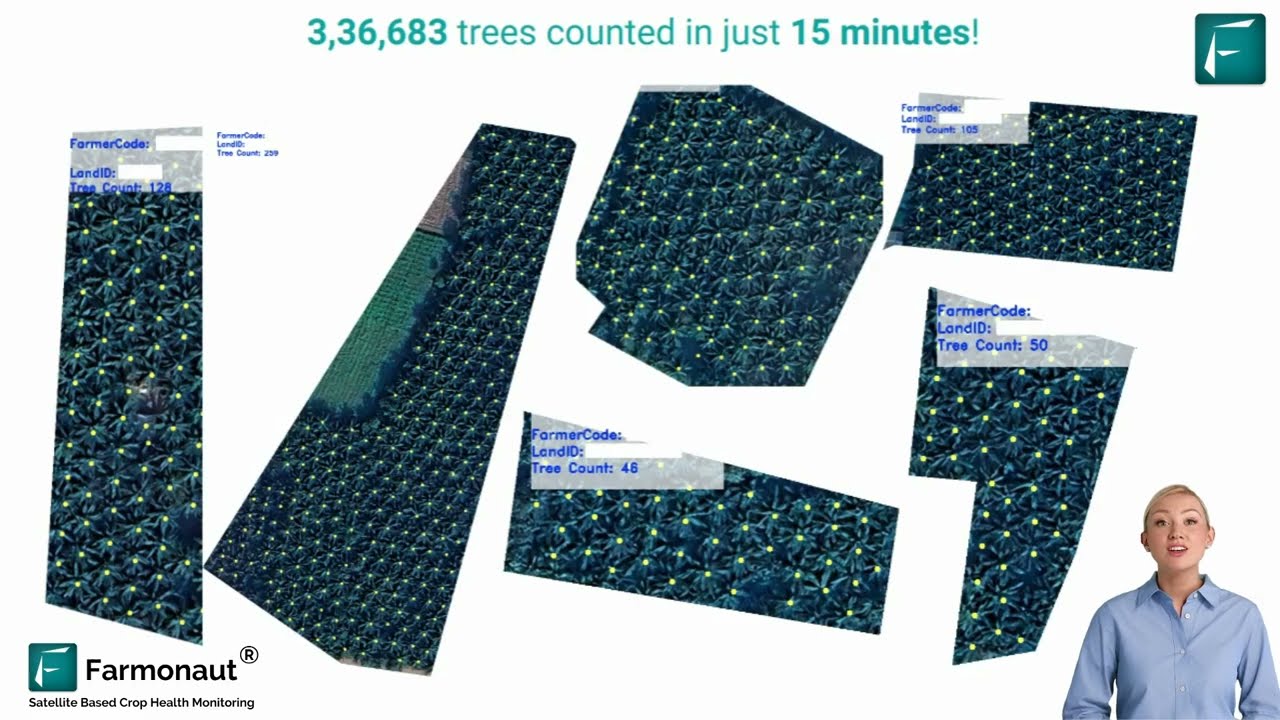
Digital forestry, AI, and satellite insights revolutionize tree (including willows) detection, inventory, and restoration monitoring.
Japanese Willow (Salix eriocarpa): Urban and Environmental Asset
The Japanese willow stands out for its fine-textured foliage, tolerance to pollution, and remarkable adaptability in urban and rural environments.
- Urban Forestry Roles: Increasingly planted in city parks, green corridors, and redevelopment projects.
- Ecological Functions: Improves air quality, reduces dust, and supports urban biodiversity, especially in green infrastructure planning for 2025 and beyond.
- Nursery Propagation: Japanese willow is often propagated from cuttings or via tissue culture for uniform quality and adaptability to various climates.
Willow Tree Nursery Innovations: Propagation & Sustainability in 2025
The willow tree nursery industry forms the critical backbone enabling sustainable willow forestry, agroforestry, and greening programs in 2025. Modern nurseries go far beyond traditional cuttings—with state-of-the-art propagation, genetic curation, and digital management.
- Tissue Culture & Micro-Cuttings: Produce vast numbers of resilient, disease-free plants, allowing quick deployment at scale.
- Cryopreservation: Revolutionizes long-term genetic conservation, ensuring rare or high-value cultivars can be re-propagated as needed.
- Blockchain-based Traceability: Farmonaut’s Traceability product is ideal for nurseries and forestry operations focused on provenance, genetic uniformity, and transparency in seed/plant supply chains.
- AI-Driven Digital Management: Satellite and AI technology empower precision monitoring of resource use, pest detection, and optimal harvest/planting times, boosting resource efficiency and environmental stewardship.



Deploy these digital tools to ensure high-performance willow tree nursery systems and efficient forestry project management.

Advanced satellite monitoring: applicable not just to broadacre crops but increasingly to nursery tree health assessment and precision resource management.
Farmonaut Satellite Technology: Monitoring Sustainable Willow Forestry
At Farmonaut, we provide satellite-driven insights and AI-based analytics—empowering nurseries, landowners, and forest managers to monitor willow plantations for optimal growth, health, and environmental benefits.
- Our multispectral imaging enables tracking of vegetation health (NDVI), soil conditions, and resource allocation in willow-based projects.
- The JEEVN AI Advisory System delivers real-time strategies for climate-resilient willow management, addressing drought, disease, or resource allocation.
- Fleet and resource management tools from Farmonaut help large willow nurseries optimize logistics, sustainability, and cost control. Discover more at our Fleet Management platform.
- Land managers benefit from environmental impact monitoring (such as carbon footprinting), supporting compliance with evolving green policies in 2025 and beyond.
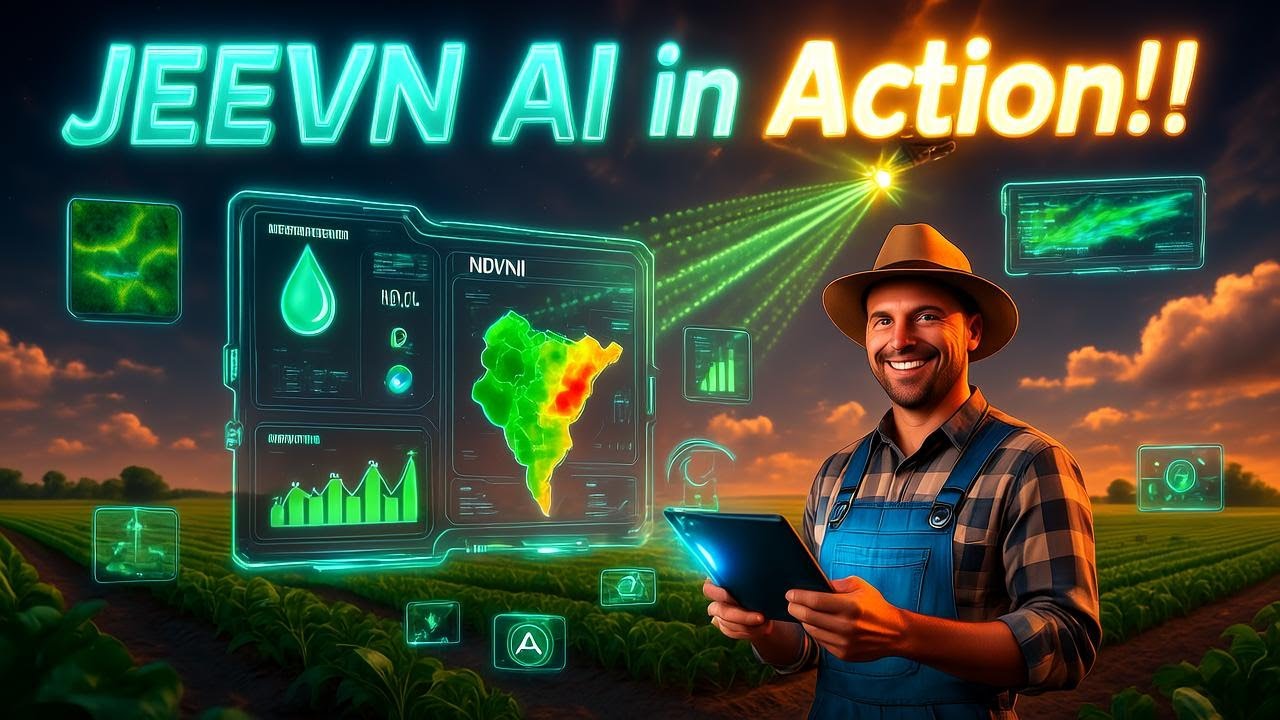
Smart farming and forestry leverage AI and satellite imagery to optimize resource management for willows and other eco-assets.
Interested in integrating satellite and AI analytics into your nursery management or forestry project? Explore the powerful, developer-friendly Farmonaut API and its Developer Documentation.
“Coppice willow plantations can yield up to 12 tons of dry biomass per hectare annually in innovative agroforestry systems.”
Practical Applications & Emerging Trends for 2026+
1. Sustainable Rural Biomass and Energy Security
The production of renewable biomass through coppice willow and select hybrid willow cultivars is expected to double across Europe, North America, and Asian agroforestry by 2026. Their rapid cycles not only provide local energy but also support nation-wide decarbonization targets and local employment.
2. Riverbank and Farmland Stabilization
Willows, especially corkscrew and coppice types, are increasingly employed in bioengineering projects for erosion control, thanks to their dense root structures and quick colonizing ability. These efforts safeguard cropland, infrastructure, and biodiversity corridors.
3. Mixed Agroforestry Systems & Climate Adaptation
Coppice willow and corkscrew willow are frequently planted alongside food crops or in rotational systems to increase biodiversity, soil health, and landscape resilience. Expect to see more drought-resistant lines and “stacked-function” approaches—where willows simultaneously perform carbon sequestration, habitat support, shade provision, and cash crop protection.
4. Willow Tree Nurseries Go Digital & Data-Driven
Nurseries in 2026+ will use AI, blockchain for traceability, and satellite oversight to ensure genetic fidelity, on-time supply, and resource optimization. Advanced propagation (micro-cuttings, cryopreservation) will be standard for the most valued willow species and cultivars.

Large-scale field and forest estate mapping—critical for modern willow-based plantations and resource tracking.
5. Policy & Ecosystem Support
- Incentive programs for planting desert willow trees and drought-adapted willows are predicted to expand, particularly in water-scarce rural zones.
- Farmers and policymakers are encouraged to use Farmonaut’s large-scale farm management suite for strategic forest, plantation, and willow-focused land development.
- Financial institutions can validate planting efforts and sustainable outcomes using satellite-based verification like Farmonaut’s Crop Loan & Insurance service.
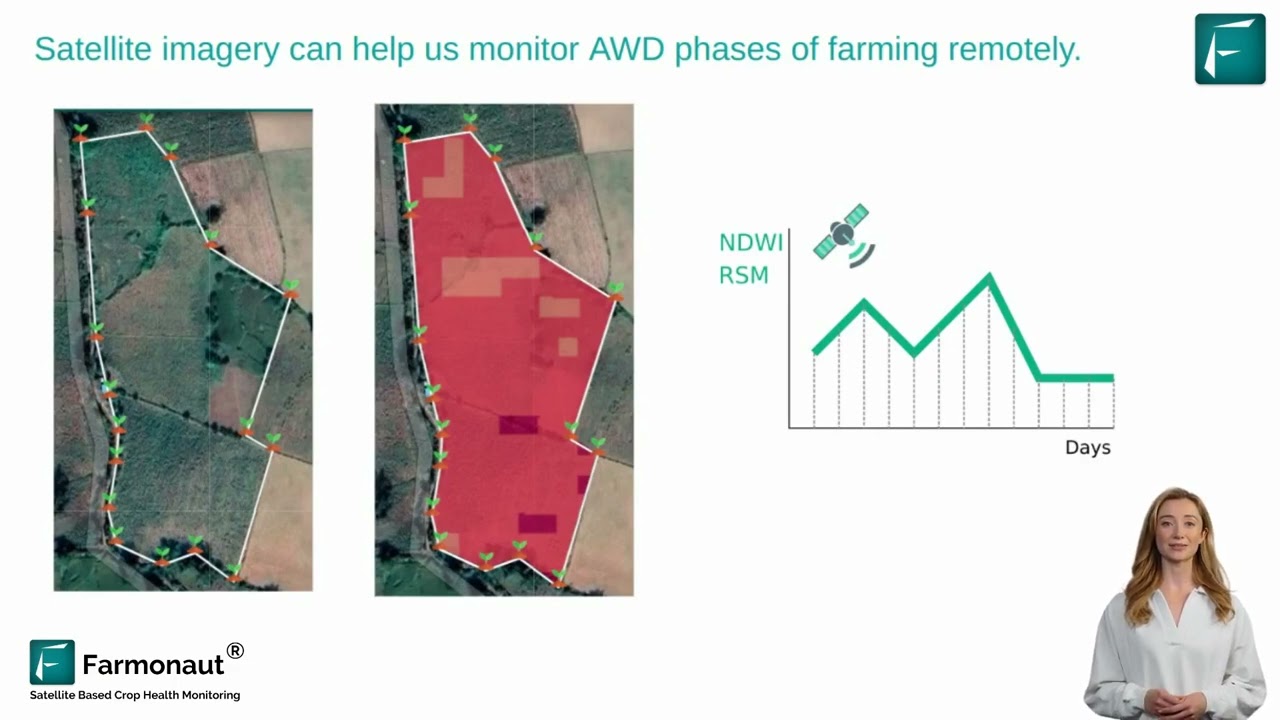
Satellite-linked, automated monitoring empowers advanced water management and climate-adapted agroforestry systems.
FAQ: Corkscrew Willow, Coppice Willow & Desert Willow Tree Guide
What makes corkscrew willow unique for 2025 forestry and landscaping?
Corkscrew willow (Salix matsudana ‘Tortuosa’) features twisted, spiraled branches and rapid annual growth (up to 8 feet). It offers both ornamental value and utility for erosion control, biomass, and biodiversity in both rural and urban environments. In 2025, advanced propagation techniques make corkscrew willow readily available for sustainable plantations and landscaping ventures.
How is coppice willow used for sustainable biomass production?
Coppice willow involves cutting stems back to stimulate new growth, creating a renewable source of biomass. Rapid regrowth allows for harvest cycles every 3-5 years, yielding up to 12 tons of dry biomass per hectare each year. It’s essential for renewable energy, bioengineering, woven timber products, and integrated agroforestry systems.
Are desert willow trees suitable for true willow agroforestry systems?
Desert willow (Chilopsis linearis) is not a true willow but plays a vital role in arid and semi-arid restoration, livestock shelter, and biodiversity support due to its drought resistance. While not ideal for frequent coppicing, it’s a preferred tree for aridland forestry and environmental projects in dry climates.
What are the most important nursery techniques for willow propagation in 2025?
Innovative nurseries utilize tissue culture, micro-cuttings, and cryopreservation to ensure genetic diversity, disease resistance, and year-round supply. Blockchain-based traceability is used for provenance, while advanced digital management ensures optimal resource efficiency and precision propagation with minimal waste.
How does satellite technology (e.g., Farmonaut) benefit willow plantations and nurseries?
Satellite-driven analytics offer real-time monitoring of willow health, soil moisture, pest pressure, and resource allocation. AI-based advisory systems suggest optimal planting, management, and harvest times. Digital monitoring enables scalable, sustainable operations for nurseries, forestry agencies, and agroforestry professionals.
Conclusion: Willows as Pillars of Sustainable Development
As we move into 2026 and beyond, corkscrew willow, coppice willow, desert willow tree, and related cultivars are proving themselves crucial to sustainable land use, ecological restoration, and renewable biomass solutions. Their rapid growth, resilience, and adaptability make them essential for integrated land management, climate adaptation, and innovative agriculture.
With advancing nursery propagation techniques, digital resource management, and satellite technologies like those we offer at Farmonaut, willow cultivation is more efficient, sustainable, and impactful than ever before.
Whether you’re a nursery manager, forester, policy-maker, or landholder, integrating willows into your systems supports not only environmental benefits—from biodiversity to carbon sequestration—but also robust economic returns for generations to come.
Farmonaut Subscription Options
Ready to elevate your willow tree nursery or plantation with real-time satellite monitoring, resource management, and AI-driven insights? Subscribe to Farmonaut today and unlock sustainable solutions for your land, nursery, and agroforestry operations.
Explore more sustainable land use and tree management resources at Farmonaut—delivering world-class satellite technology for forestry, nurseries, and agroforestry.
For advisory, management, and traceability solutions: Visit our Crop, Plantation & Forest Advisory portal.
Discussion
Questions, corrections or field experience? Share them below. First-time comments are reviewed before they appear, and your email is never published.
No comments yet. Be the first to add a question or your experience.

 GalaxEye Space
 Soybean Processors Association
 Sun Palm Australia
 Grandstream Algérie
 XOS Realty
 Geospatial Lab Africa
 Agro La Gándara
 HIPSAC
 ZOL Zimbabwe
 Juligerm
 AdBio
AdBio MISE Maroc
 NWNS
NWNS Red August Group
 Farm Inc
 WeMe Global
 Agrotoken
 Blue BearX
 Insignito
 DnCubed
