

Cost of Liquid Fertilizer vs Granular: ROI Insights
“Liquid fertilizers can reduce application time by up to 30% compared to granular types, boosting operational efficiency.”
Introduction
When we are managing agricultural operations, selecting the appropriate type of fertilizer becomes a crucial step toward optimizing crop yields and maintaining a sustainable, cost-effective system. The debate between liquid vs granular fertilizer revolves not only around cost, but also the application methods, environmental impact, and the return on investment (ROI) each option can provide. This comprehensive analysis is designed to guide us—farmers, agronomists, and agri-business managers—in making informed, technology-driven decisions.
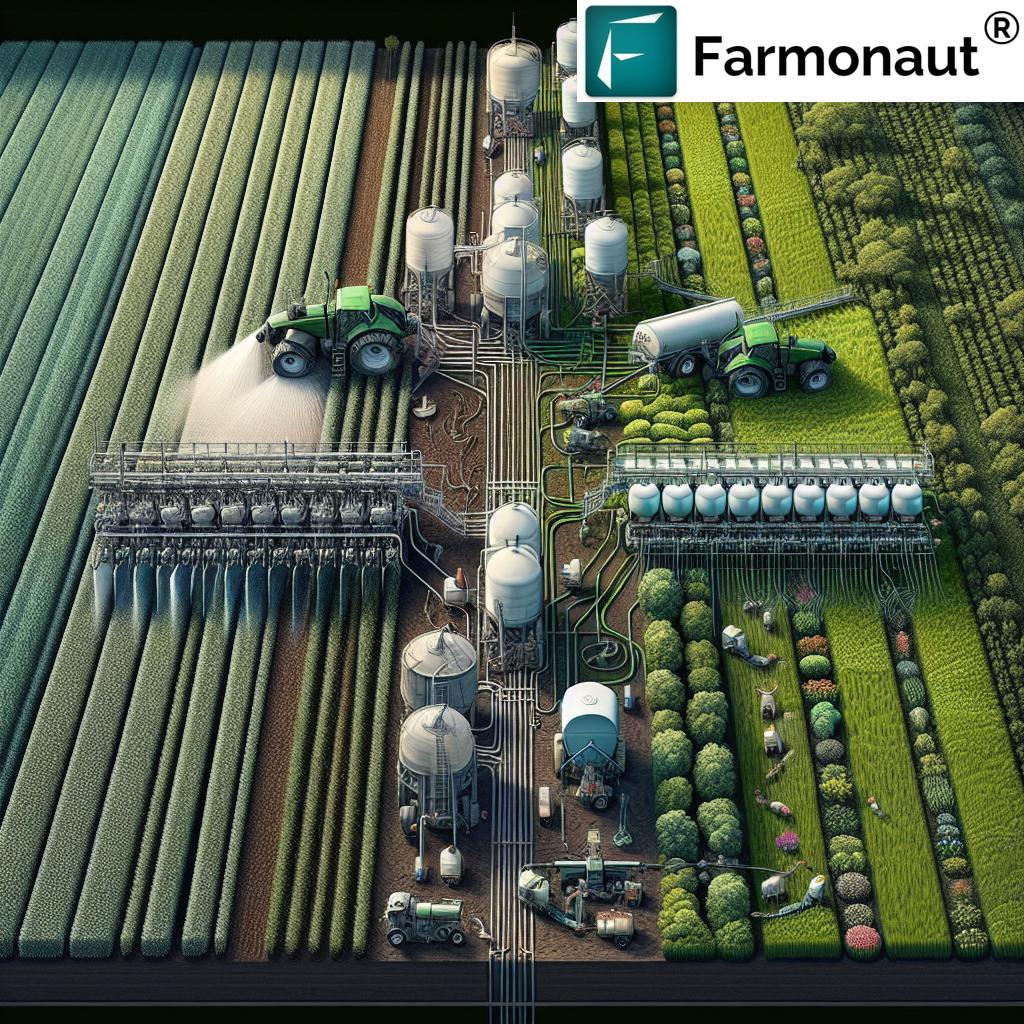
Why Comparing Fertilizer Types Matters
The comparison of liquid fertilizers and granular fertilizers isn’t just about the initial purchase price. It involves understanding the distinct characteristics that influence economic implications, overall effectiveness, application efficiency, labor requirements, and environmental considerations.
With precision agriculture technologies like those from Farmonaut, we are now empowered to use data-driven insights for nutrient management, resource optimization, and sustainability monitoring. In this guide, we bring together practical expertise and the latest advancements to show how you can leverage both forms of fertilizer to maximize ROI and support vibrant, sustainable agricultural ecosystems.
Understanding Liquid vs Granular Fertilizer: Key Terms & Concepts
Before diving deep into the fertilizer cost comparison and ROI analysis, let’s clarify some key terms and technological innovations shaping today’s fertilizer choices:
- Liquid Fertilizer: A solution or suspension applied via spraying, fertigation, or injection, offering rapid nutrient availability.
- Granular Fertilizer: Solid, pelletized material distributed on soil, typically providing a slower release of nutrients over time.
- Application Efficiency: How effectively a fertilizer is absorbed by plants, influenced by its form, timing, and method used.
- ROI (Return on Investment): The financial return for every dollar spent, factoring in both input costs and yield improvements.
- Environmental Impact: The effects of fertilizer use on soil health, water resources, and greenhouse gas emissions.
By understanding these foundational concepts, we can tailor our strategies for managing agricultural operations and selecting the appropriate fertilizer type more effectively.
Cost Comparison: Liquid and Granular Fertilizers
Fertilizer cost comparison is often the first step in evaluating our options. While granular fertilizers typically have a lower initial purchase price compared to liquid fertilizers, it’s vital to consider the full economic landscape.
Initial Purchase Price
- Granular Fertilizer: A 40-pound bag may cost between $25 and $45, covering approximately 5,000 to 10,000 square feet—making them an economical choice for large areas.
- Liquid Fertilizer: A gallon of concentrated product ranges from $30 to $60, also covering similar areas when diluted.
Total Cost of Fertilizer Application
- Liquid fertilizer application methods often require specialized spray equipment, tanks, or injection systems. Outfitting a spray truck, for example, can cost between $40,000 and $50,000.
- In contrast, granular fertilizer can be applied using simpler equipment such as broadcast or drop spreaders, which are generally less expensive.
- Labor and operational costs differ based on the application method and frequency of applications required.
It’s clear that the total investment required for each fertilizer type extends well beyond the bag or gallon price, encompassing equipment, labor, and operational expenditures.



Examples:
- Using granular fertilizer: Spreading three 40-pound bags over a 30,000 sq. ft. field can cost $75–$135.
- Using liquid fertilizer: Mixing three gallons of concentrate to spray the same area can cost $90–$180, plus additional expenses for spray tank maintenance.
The decision to use each form depends on the crops managed, pre-existing infrastructure, and the frequency of use.
Application Methods & Efficiency
The chosen application method impacts not only the fertilizer cost but also the speed and efficiency of nutrient uptake.
Liquid Fertilizer Application Methods
- Spraying: Using spray tanks or truck-mounted booms, nutrients are distributed evenly across foliage, facilitating rapid absorption by plants.
- Fertigation: Integration with existing irrigation systems (drip or sprinkler) enables delivering nutrients directly to root zones, improving fertilizer application efficiency and reducing labor costs.
- Injection Systems: Special injection equipment places nutrients below the soil surface, minimizing volatilization and loss.
Advantages: Immediate nutrient availability, targeted delivery, and reduced environmental losses when applied correctly.
Granular Fertilizer Advantages & Application
- Broadcast Spreaders: Distribute pellets over broad areas for uniform soil coverage.
- Drop Spreaders: Allow greater control over fertilizer placement, beneficial for precision row application or small plots.
- Banding: Applying concentrated bands of granules near the plant roots to reduce waste and provide slow release fertilizer benefits.
Advantages: Extended-release period, less frequent applications, typically simpler and less expensive equipment.

Labor and Operational Costs: Maximizing Efficiency
Labor costs are often overlooked but critically important in fertilizer ROI analysis.
- Liquid fertilizers can be applied more rapidly (often saving up to 30% in application time), integrating delivery with irrigation systems through fertigation, thus potentially reducing labor costs and equipment usage.
- Granular fertilizers may require more frequent applications for consistent nutrient release, potentially increasing labor and fuel usage over a season.
Adoption of advanced technology—such as Farmonaut’s large-scale farm management tools—helps schedule, track, and optimize these operations, boosting both productivity and ROI.
“Switching to liquid fertilizers may cut nutrient loss by 25%, enhancing both crop yield and environmental sustainability.”
Environmental Impact of Fertilizers: Sustainability Considerations
The environmental impact of fertilizers must be considered in all modern agricultural operations. Each form brings unique risks and benefits.
- Liquid fertilizers, with rapid release, can be more susceptible to volatilization and leaching. Nutrient loss may result in environmental pollution if not carefully managed—especially in regions with sandy soils or heavy rainfall.
- Granular fertilizers release nutrients more slowly, which can help reduce runoff, leaching, and volatilization losses. This slower nutrient release benefit supports sustainable soil health and overall ecosystem balance.
To advance sustainability and reduce carbon footprint, many organizations leverage Farmonaut’s carbon footprint monitoring tools—helping to quantify emissions, track improvements, and meet environmental compliance standards.
Fertilizer ROI Analysis and Crop Yield Optimization
At the heart of our fertilizer cost comparison is one question: Which fertilizer type offers the best ROI for higher crop yield and long-term profitability?
Yield, Quality, and Economic Implications
- Liquid fertilizers may require a higher initial investment but can increase crop yields by 5–15% thanks to their rapid nutrient availability and ability to address acute deficiencies quickly.
- Granular fertilizers may be more economical for large areas or where steady, incremental feeding is preferred, even though frequent applications may increase long-term operational costs.
Ultimately, the choice between liquid and granular fertilizers should be based on analysis of:
- Total application cost (purchase, equipment, labor, maintenance)
- Crop type and nutrient requirements
- Seasonal yield targets
- Environmental priorities (runoff, leaching risk)
- Long-term soil health and resource efficiency
With the advancements in crop health monitoring and blockchain-based traceability offered by Farmonaut, you can achieve transparent input tracking and optimize every aspect of fertilizer ROI analysis.
Comparative Cost-Benefit Table: Liquid vs Granular Fertilizer
The following Comparative Cost-Benefit Table summarizes key metrics—estimated costs, application methods, ROI, environmental impact, and yield—allowing for quick, informed decisions on fertilizer type selection to maximize agricultural productivity.
| Fertilizer Type | Estimated Cost per Hectare (USD) | Application Method | Estimated Crop Yield Increase (%) | Estimated ROI (%) | Environmental Impact |
|---|---|---|---|---|---|
| Liquid | 120–320 (plus equipment investment) | Spray, Fertigation, Injection systems | 5%–15% | 15%–35% (due to rapid effect and higher efficiency) | Medium–High (more management needed for loss and pollution prevention) |
| Granular | 80–160 | Broadcast, Drop Spreaders, Banding | 3%–10% | 8%–22% (slower, but more stable) | Low–Medium (slower release, less leaching/runoff) |
*Costs are approximate and may vary based on region, scale, fertilizer formulation, and specific crop requirements.
How Farmonaut Supports Efficient Fertilizer Use
Farmonaut is a pioneering agricultural technology company that champions affordable precision agriculture by delivering satellite-based crop health monitoring solutions. Our technology empowers us to optimize fertilizer usage, reduce resource wastage, and ensure sustainability—all without the high capital outlays of traditional precision ag tools.
Farmonaut Platform Features for Fertilizer Efficiency
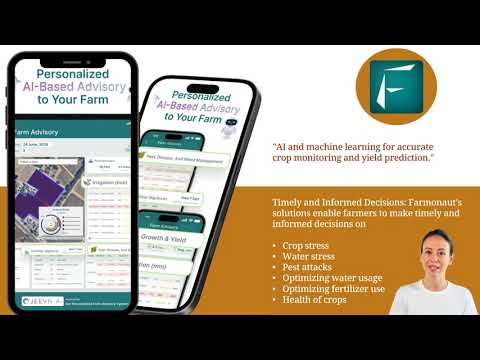
- Real-Time Crop Health Monitoring: With multispectral satellite imagery, we precisely track vegetation indices (like NDVI), soil moisture, and stress—helping us time fertilizer applications for maximum impact and minimal loss.
- AI-Powered Advisory (Jeevn AI): Receive personalized, real-time suggestions for fertilizer selection (liquid or granular), deficiency management, and optimal application timing.
- Resource & Fleet Management: Our tools help plan and monitor fertilizer application tasks, optimize machinery logistics, and reduce operational costs. Discover more at Farmonaut Fleet Management.
- Environmental Transparency: Measure, track, and reduce your farm’s carbon footprint as part of a holistic sustainability strategy.
- Blockchain Traceability: For corporates and supply chains, leverage blockchain product traceability to monitor fertilizer input history and assure regulatory compliance.
With Farmonaut, all this is accessible through Android, iOS, and web apps—as well as via API for seamless integration with existing management systems:
Farmonaut Satellite Weather & Monitoring API | Developer Docs
FAQs – Cost and ROI of Liquid vs Granular Fertilizer
1. Which fertilizer type is more cost-effective for large farms?
Granular fertilizers generally offer a lower initial cost per hectare and require less expensive equipment. This makes them a popular economical choice for broad-acre or large estate operations. However, we must balance cost with efficiency—sometimes more frequent applications or lower nutrient use efficiency can shift this balance.
2. Are liquid fertilizers worth the higher initial investment?
They can be. Liquid fertilizers provide rapid nutrient availability and can be precisely applied via fertigation, potentially reducing nutrient loss, increasing yield, and optimizing overall fertilizer ROI. Consider your farm’s infrastructure, application frequency, crop nutrient uptake rates, and available skilled labor before opting for liquid systems.
3. How does environmental impact differ between the two types?
Liquid fertilizers can lead to more volatilization and leaching if not managed properly, while granular fertilizers typically offer slower nutrient release, mitigating these effects. Adoption of precision agriculture tools for accurate timing, tracking, and rate control can minimize the environmental impact regardless of fertilizer form.
4. Does switching to liquid fertilizers always increase crop yield?
Not always. While liquid fertilizers can address acute deficiencies and accelerate nutrient uptake, the biggest yield gains come when applications are matched with crop growth demands. Data-driven monitoring—like that provided by Farmonaut—can help time applications for the optimal window to realize yield and ROI gains.
5. How can Farmonaut help in managing fertilizer applications more efficiently?
Farmonaut delivers satellite-based field health monitoring, AI-powered nutrient advisory, and comprehensive resource management tools to optimize fertilizer application efficiency. With real-time crop health insights and precise scheduling, you can minimize waste, maximize ROI, and keep your operation sustainable and profitable.
Conclusion: Choosing the Right Fertilizer for Maximum ROI
The decision between liquid and granular fertilizers is not universal. Both forms offer distinct characteristics—from cost structure and application methods to environmental impact and expected ROI.
- Liquid fertilizers excel in fast nutrient delivery, precision application, and synergy with modern irrigation systems. Their higher upfront investment may be justified for high-value and responsive crops.
- Granular fertilizers provide a lower initial price, slow release for sustained feeding, and are ideal for extensive fields and staple crops where steady nutrition is rewarded.
- Regardless of type, technology and data integration—like that from Farmonaut—empowers us to monitor, analyze, and adapt our practices for the highest yields, the greatest ROI, and genuine environmental stewardship.
We urge every agricultural operation to assess its specific crop needs, available infrastructure, and environmental objectives before deciding on the right fertilizer type. Pairing the chosen fertilizer approach with Farmonaut’s real-time crop management platform ensures cost optimization, crop health, and sustainability for the future.
Discussion
Questions, corrections or field experience? Share them below. First-time comments are reviewed before they appear, and your email is never published.
No comments yet. Be the first to add a question or your experience.

 Nale Network
 Exurbia Geospatial
 FieldZero
 Indico Company
 Kubota
 FFBS
FFBS Jontra
 Kalustyan
 Tucor
Tucor Geno
Geno Hayleys Agriculture
 Linx Agritech
 Adinet
 Save Your Soils
 Licence holder · Niger · Gold










