

Table of Contents
- Introduction: Endosulfan and Agriculture’s Persistent Challenges
- Historical Usage, Toxicity, and the Global Impact of Endosulfan
- Regulatory Status in 2025–2026: Bans, Restrictions & Ongoing Issues
- Endosulfan’s Environmental Legacy: Residual Contamination and Lasting Risks
- Public Health Risks and Effects on Agricultural Communities
- Alternatives in Pest Management 2026: IPM, Biocontrols & More
- Addressing Legacy Contamination: Remediation Solutions for a Cleaner Future
- Satellite Technology & Sustainable Management: Our Farmonaut Advantage
- Comparative Impact Table: Endosulfan vs. Sustainable Pest Solutions
- Socioeconomic & Policy Realities: The Road to a Resilient Sustainable Sector
- FAQs: Endosulfan & Sustainable Agriculture (2026)
- Conclusion: Toward a Cleaner, Safer & More Resilient Future
“Endosulfan residues persist in soil for up to seven years, causing long-term contamination risks in agricultural fields.”
Endosulfan Solutions for Sustainable Agriculture 2026
Summary – Endosulfan: Challenges and Realities in Agriculture and Environmental Management in 2025
Endosulfan, a controversial organochlorine pesticide, remains a significant concern within the agricultural sector due to its toxicity, persistence, and environmental impact. While its use has dramatically declined worldwide following international bans and stricter regulatory frameworks, the legacy of endosulfan—manifested through persistent contamination of soil and water, ecological risks, and lasting health hazards—continues to challenge farmers, policymakers, and communities. Now, as we look ahead to 2026, we see the need for a comprehensive understanding of how the agricultural sector can overcome these challenges through modern solutions, sustainable alternatives, and integrated monitoring.
This detailed guide explores the historical context, current regulatory status, environmental and health impacts of endosulfan, and presents a vision for the future of sustainable pest management using innovative technologies and best practices—including satellite-based environmental monitoring and advisory solutions.
The shift from persistent chemical pesticides like endosulfan to sustainable alternatives and digital monitoring solutions is crucial for protecting environmental and human health, especially in regions still grappling with legacy contamination.
Historical Usage, Toxicity, and the Global Impact of Endosulfan
Endosulfan, introduced in the mid-20th century, became widely used on a variety of crops—including cotton, tea, coffee, and vegetables—due to its “broad-spectrum” insecticidal properties. Its ability to control major insect pests offered an immediate boost to agricultural production worldwide. However, this widespread usage quickly raised alarm bells internationally because of:
- High toxicity to humans and wildlife
- Persistence in the environment (soil and water)
- Bioaccumulation in living organisms
- Serious public health consequences among exposed populations
- Severe disruption of ecological systems and biodiversity
After being prized for its efficacy, it became clear that long-term use of this persistent organochlorine chemical was causing a cascade of environmental and health disruptions.
“Global endosulfan production peaked at 20,000 tonnes annually, leaving lasting environmental impacts addressed by sustainable pest management solutions.”
Acute and Chronic Health Impact
- ⚠️ Acute poisoning incidents and related mortality among farmers in India, Southeast Asia, and Africa have been documented.
- 🧠 Linked to neurological disorders, endocrine disruption, and reproductive health issues in exposed populations.
- 👨👩👧👦 Long-term exposure correlates with increased rates of developmental and learning difficulties among children in high-use regions.
These risks fuelled growing concern among the global agricultural community, users, and policy makers.
Key Learnings from Endosulfan Use
- ✔ Widespread usage led to significant crop pests suppression—but at a high environmental and human health cost.
- 📊 Persistent residues detected in soil, water bodies, and food produce, especially in parts of India, Southeast Asia, and Africa.
- ⚠ Bioaccumulation in living organisms and food chains heightened ecological and public health risks.
- 🛡️ The legacy of endosulfan persists well beyond its direct agricultural use: traced in soils, rivers, and even groundwater today.

Regulatory Status in 2025–2026: Bans, Restrictions & Ongoing Issues
By the early 2000s, the overwhelming evidence of endosulfan’s high toxicity, persistence, and hazards led to international bans:
- 🔔 Stockholm Convention (2011): Endosulfan was listed as a persistent organic pollutant, paving the way for a global phase-out.
- 🌍 By 2025, more than 80 countries had banned its manufacture and use.
However:
- 🌏 Developing economies in Asia, Africa, and Latin America continue to detect residues in agricultural products and environments due to legacy contamination.
- 🌱 Illegal usage persists among some informal markets and smallholder farmers.
This ongoing contamination presents critical challenges in food safety, water quality, and environmental health monitoring.
Efforts to enforce regulatory bans can be undermined if communities lack access to affordable, practical sustainable alternatives—fostering cycles of illegal endosulfan use.
Endosulfan’s Environmental Legacy: Residual Contamination and Lasting Risks
Despite bans and strict controls, the enduring persistence of endosulfan means that much of the damage remains. Its remnants are detected in soils, sediments, and water bodies, especially in formerly high-use agricultural regions like:
- Kerala, India – notorious for groundwater and health crises related to endosulfan.
- Southeast Asia – contamination of rice paddies and freshwater systems.
- West/Central Africa – breach into major rivers and aquifers from past cotton production.
Why Does Endosulfan Persist?
- 🧬 Chemical Stability: Bioaccumulates and breaks down slowly—ranges 2 to 7 years in soil under typical agricultural conditions.
- 💧 Mobility: Easily leaches into water bodies and can travel long distances through runoff, contaminating distant ecosystems.
- 🐟 Aquatic Impact: Toxicity to aquatic life, amphibians, fish, and pollinators like bees.
- 🌱 Soil Health: Disrupts soil microbiota essential for healthy crop production and ecosystem function.
- 🌱 Persistent Soil Contamination: Residuals can last 2–7 years.
- 💧 Waterway Pollution: Increased runoff risk during rainy seasons.
- 🦋 Biodiversity Damage: Harms non-target insects and beneficial pollinators.

Public Health Risks and Effects on Agricultural Communities
Communities living and working near contaminated regions still experience:
- 🩺 Neurological issues and disorders among children and adults
- 💔 Reproductive health effects: Reduced fertility, birth defects, and hormonal disruption
- ⚕️ Increased cancer risks and chronic disease prevalence
- 👁️ Accumulation in body tissues over years via food and water intake
- 🏥 Endosulfan residues are regularly detected in blood samples in affected hotspots
Farmers and their families in India, Southeast Asia, and Africa remain particularly vulnerable due to legacy contamination and informal pesticide trade.
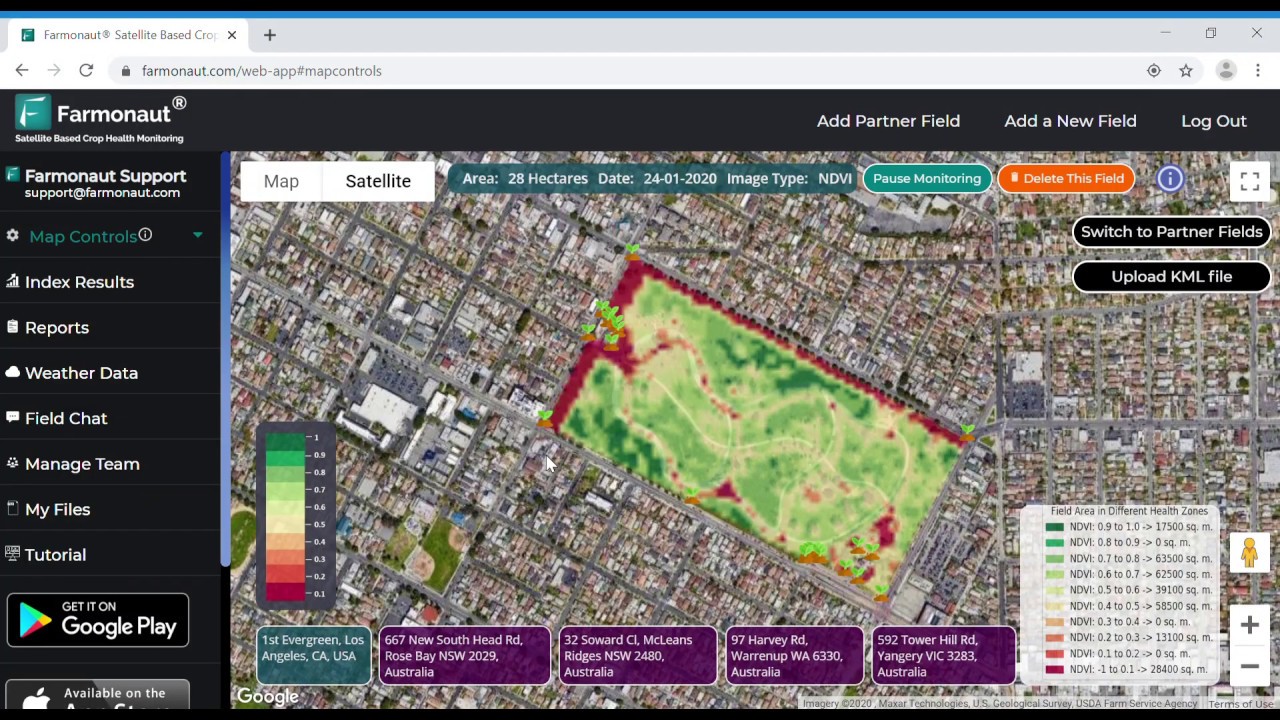
Clean water sourcing and regular food monitoring are critical in high-risk zones. Satellite-based carbon footprinting and environmental impact tools can help track contamination and reduce risk.



Alternatives in Pest Management 2026: IPM, Biocontrols & More
The agricultural sector is transitioning towards sustainable, resilient pest management systems to break the cycle of endosulfan dependence.
Modern Sustainable Alternatives
- Integrated Pest Management (IPM): Strategic use of biological, physical, and chemical tools only when absolutely necessary.
- Biological Control: Utilizes predator insects and microbials to target key crop pests (e.g., ladybugs, nematodes, Bacillus thuringiensis).
- Botanical/Biopesticides: Derived from natural sources (neem, pyrethrum, essential oils) with lower environmental persistence.
- Genetically Resistant Seeds: Marker-assisted breeding creates crops resistant to specific pests (reducing chemical application).
- Precision Technology: Drones, sensors, and satellite monitoring for farm management to detect infestations early and apply solutions precisely.
- 🦠 Biopesticides
- 🌿 Crop Rotation & Diversification
- 🤖 Satellite & Digital Advisory
- ✔ Reduced chemical input and environmental persistence
- 📊 Better alignment with global food safety standards
- 🛡️ Protection of pollinators, aquatic life, and soil micro-organisms
- 🌱 Boost to long-term ecosystem health and farm resilience
- 💡 More cost-efficient pest management in the long run

The global move toward sustainable agriculture and high-tech environmental monitoring is driving demand for remote sensing, AI-based advisory, and traceability in crop traceability solutions.

Addressing Legacy Contamination: Remediation Solutions for a Cleaner Future
Given the long-term persistence of endosulfan residues, remediation strategies are crucial. Approaches include:
- Phytoremediation: Utilizing specific plants that can extract or degrade endosulfan and its breakdown products from soil and water.
- Soil Amendments: Adding substances like biochar or activated carbon to immobilize pollutants and reduce bioavailability to crops and fauna.
- Regular Monitoring: Employing satellite-based NDVI monitoring for ecosystem health and identifying contamination hotspots.
- Community Education & Outreach: Awareness campaigning about illegal use and safe alternatives.
Research shows that combining remediation with strict chemical control, farmer retraining, and digital food/feed traceability gives the most sustainable results in legacy regions.
For developers and agritech innovators, Farmonaut’s Satellite API and Developer Docs can be integrated into your custom apps for advanced environmental monitoring and reporting.
Participatory data-driven approaches involving farmers, scientists, and local authorities are key to identifying, remediating, and preventing new endosulfan contamination.

Satellite Technology & Sustainable Management: Our Farmonaut Advantage
At Farmonaut, we recognize the enormous challenges of managing persistent agricultural contamination. Our mission is to provide cost-effective, real-time satellite-driven insights for farmers, businesses, and governments worldwide. The Farmonaut system features:
- Satellite-Based Crop Monitoring: Utilizing multispectral images to detect vegetation health, soil conditions, and hydrological patterns—crucial for identifying stressed zones due to legacy chemicals like endosulfan.
- Jeevn AI Advisory: AI-powered recommendations for pest management, irrigation scheduling, and sustainable crop rotation.
- Blockchain Traceability: Certifies food safety and authentic sustainable production—critical for markets with strict contaminant residue limits. See more on product traceability.
- Environmental Impact Monitoring: Carbon footprinting solution supports sustainable farm certification and emission tracking.
- Resource & Fleet Management: Tools for maximizing transport, equipment, and logistic efficiency in large-scale agricultural environments (see fleet management).
Our API integrations and AI algorithms enable granular, region-wide monitoring for environmental hazards—helping authorities and agribusinesses respond quicker and smarter.
Ready to scale your operations? Our crop loan and insurance verification service enables banks and financial organizations to ensure compliance and sustainability standards are met.

Comparative Impact Table: Endosulfan vs. Sustainable Pest Solutions
| Pest Management Method | Environmental Persistence (Years) | Health Risk Level | Impact on Biodiversity | Estimated Efficacy (% Crop Protection) |
|---|---|---|---|---|
| Endosulfan (organochlorine) |
2–7 | High | Severe negative—harms pollinators, aquatic species, and beneficial soil microbes | 85–90% |
| Biological Control | 0–0.5 | Low | Positive—supports ecosystem balance | 60–80% |
| Integrated Pest Management (IPM) | Varies (0–1 with best practices) | Medium | Mostly positive | 80–95% |
| Botanical Pesticides/Biopesticides | 0–0.5 | Low | Positive—minor non-target impact | 70–85% |
Satellite-based monitoring offers rapid, unbiased assessment of field contamination and recovery, helping set realistic remediation and compliance goals.

Socioeconomic & Policy Realities: The Road to a Resilient Sustainable Sector
Transitioning farmers and agricultural communities away from endosulfan dependence requires:
- Access to affordable, effective pest management alternatives
- Extension services, training, and financial/technical support
- Enforcement against illegal markets and unauthorized use
- Incentives for compliance: Farm sustainability certifications, market premiums, and insurance benefits
Policymakers are increasing surveillance and partnering with tech platforms for effective, large-scale environmental monitoring. As a neutral satellite insights provider, Farmonaut enables authorities and organizations to set benchmarks and track legacy chemical contamination—leading to more resilient food systems and informed policies.
Underestimating the cumulative impact of minor contamination events. Satellite-backed analytics help capture small-scale illegal usage before it escalates.
FAQs: Endosulfan & Sustainable Agriculture (2026)
-
What makes endosulfan so persistent in the environment?
Endosulfan’s organochlorine structure resists breakdown, allowing it to remain in soils and sediments from 2 to 7 years. Its stability and ability to leach mean it spreads contamination long after initial application. -
Why have some regions struggled to eradicate endosulfan use completely by 2026?
Despite international bans, illegal informal trade and existing stockpiles persist. Resource-limited farmers may lack affordable alternatives, necessitating greater education, support, and enforcement. -
How can satellite monitoring enhance sustainable pest management?
Satellite platforms like those offered by Farmonaut provide real-time, large-scale analysis of crop health, soil contamination, and ecosystem trends—making it easier to spot contamination, enforce regulations, and guide agronomic decisions. -
Do biopesticides work as well as chemical pesticides like endosulfan?
Biopesticides generally pose lower health and environmental risks. While sometimes slightly less effective, integrated use within IPM systems offers high protection with far fewer negatives. -
What are the signs of endosulfan poisoning in crops, and how should they be addressed?
Signs include stunted growth, leaf discoloration, and pollinator decline. Precision monitoring (e.g., NDVI) and immediate soil remediation or crop change are recommended, alongside switching to safer pest management.
Conclusion: Toward a Cleaner, Safer & More Resilient Future
The story of endosulfan is a potent reminder: quick fixes in chemical pest control often carry long-term environmental and health debts. As we move into 2026 and beyond, collective vigilance, technological innovation, and a strong commitment to sustainable agriculture must guide our actions.
Through the use of safer alternatives, improved monitoring, and education, the global agricultural community can finally overcome the legacy of endosulfan—protecting both nature’s balance and future food security.
- ✔ Endosulfan’s legacy demands strict remediation and adoption of safer alternatives.
- 🔍 Environmental monitoring is essential for rapid detection and intervention.
- 🌿 Sustainable pest management delivers long-term agricultural resilience.
- 🤝 Alignment between communities, policymakers, and tech providers is vital.
- 🛰 Farmonaut empowers users with scalable, data-driven sustainability solutions.

 SkyHarvest
 Sarvome
 Polaris Digitech
 Teledarbas
 Wild Oak Farm
 SFX
SFX BACF Africa
 Doodlakine
 Exurbia Geospatial
 FieldZero
 Indico Company
 Kubota
 FFBS
FFBS Jontra
