

Free-Range Farming: Impact on Animal Health & Soil
“In 2025, free-range farms reported a 30% reduction in animal illness compared to conventional systems.”



Summary: The Impact of Free-Range Farming Practices on Animal Health, Well-being, and the Environment – Insights for 2025
As global agriculture continues to evolve in response to growing consumer awareness, environmental concerns, and animal welfare issues, free-range farming practices have emerged as a pivotal trend for 2025—a year defined by high standards of sustainability, transparency, and well-being. These practices promote healthier, happier animals while advancing soil and ecosystem health. In this comprehensive guide, we’ll explore how free-range farming practices impact animal health and well-being, the intricacies of free-range hen farming, their relationship with organic soil health, and what are the environmental benefits and challenges of free-range farming in 2025 and beyond.

Understanding Free-Range Farming
Free-range farming represents a significant shift away from conventional, confined or intensive operations that have dominated the 20th and early 21st centuries. Instead, free-range systems seek to provide animals with meaningful access to outdoor spaces, thereby emphasizing natural behaviors, health, and welfare. As consumer demand for ethically produced livestock products and sustainable practices continues to increase in 2025, free-range farming strategies are being refined globally to meet high standards of production and certification.
1. Defining Free-Range: Spaces, Access, and Activity
- Access to outdoor environments is central. Animals must have the chance to move, graze, forage, and express natural behaviors daily.
- Systems are diverse—varied by species (e.g., hen vs. cattle), climate, rotational management (rotating pastures and grazing schedules), and regulatory standards.
- Controls for predation, exposure to weather, and buffer areas to reduce risks are essential elements in 2025’s best practice models.
- Innovations include the integration of technology (satellite monitoring, sensors, AI-driven health tracking) to optimize farm management and productivity.
2. Key Free-Range Farming Practices (2025 and Beyond)
- Rotational grazing and pasture management
- Promoting diverse habitats and ecosystem balance
- Use of natural shelters, hedgerows, and silvopastoral systems
- Integration with organic inputs and minimal synthetic intervention
- Compliance with rising certification and sustainability standards
In 2025, these systems are designed not just for animal welfare but as powerful tools for environmental conservation, climate action, and improved overall agricultural productivity.

How Do Free-Range Farming Practices Impact Animal Health and Well-being?
How do free-range farming practices impact animal health and well-being? This is the pivotal question for consumers and farmers alike in 2025. Let’s break it down:
Key Benefits for Animal Health and Welfare
- Better Physical Health: Access to outdoor spaces encourages greater movement and activity among animals. For example, free-range hens experience improved skeletal strength and cardiovascular fitness compared to caged birds.
- Reduced Stress and Behavioral Disorders: Allowing natural behaviors such as foraging, pecking, dust-bathing, and social interaction greatly reduces stress levels and the incidence of stereotypical or harmful behavioral issues.
- Lower Disease Incidence: While outdoor exposure does present certain risks (parasites, weather), pasture diversity and well-managed systems generally promote stronger immune systems, reduce respiratory illness, and can even lead to lower levels of some diseases compared to confined housing (high hygiene standards remain crucial).
- Improved Reproductive Success: Natural environmental supports improved egg-laying and mating rates, especially for free-range hen farming. Lower stress and higher welfare standards mean more consistent and higher-quality production.
Addressing the Risks: Disease, Weather, and Predation
- Exposure to weather extremes and predators can challenge animal welfare, demanding strong management, innovations in shelter design, and the use of buffer zones.
- Biosecurity in free-range systems requires proactive surveillance and, increasingly, the use of technology such as sensor-based health monitoring.
- Many farmers in 2025 rely on AI and satellite-driven solutions to overcome these challenges and maintain optimal animal health.

Free-Range Hen Farming in 2025 – Animal Health, Welfare, and Egg Quality
Free-range hen farming exemplifies how natural environments can revolutionize the welfare of poultry species—even as demand for eggs continues to soar globally. Let’s review why free-range hen farming has become significant:
1. Key Features of Free-Range Hen Farming
- Hens are given daily access to pastures, foraging areas, and outdoor runs where pecking, dust-bathing, and social behaviors are possible.
- Natural diets—hens consume not only formulated feed but also insects, seeds, plant matter, and grasses, improving the nutritional value of their eggs (notably omega-3s, micronutrients).
- Pasture rotation and integrated pest management minimize disease and overgrazing, further enhancing welfare and environmental sustainability.
2025 data shows free-range hens have lower stress levels, exhibit reduced feather pecking, and display stronger skeletal and general physical health compared to caged birds. These systems also offer improved egg-laying rates and higher egg quality due to lower stress and a more balanced diet.
Predator control, weather protection, pasture management, and the challenge of disease exposure remain pivotal. Innovations such as automated shelters, AI health monitoring, and data-driven pasture management (often using solutions such as Farmonaut’s Large Scale Farm Management App) are playing a key role in helping maintain hen welfare and industry standards.

“Soil organic matter increased by 18% on free-range farms, boosting sustainability and crop yields.”
How Do Organic Farming Practices Relate to Soil Health?
Soil health is the foundation of sustainable agriculture. In 2025, the convergence of organic and free-range farming is driving a major shift in soil management. But how do organic farming practices relate to soil health, and what makes these approaches so vital?
Key Soil Benefits of Free-Range and Organic Farming Practices
- More Organic Matter: Regular manure deposition by livestock—when managed through rotational grazing—adds nutrient-rich, natural inputs to the soil. This promotes fertility and prevents nutrient overload.
- Boosted Microbial Diversity: Organic manure and decomposed plant residues feed diverse microbial communities, which play a significant role in nutrient cycling, carbon sequestration, and plant health.
- Reduced Soil Compaction: Controlled grazing (avoiding overgrazing through rotational management) improves soil aeration and water infiltration.
- Minimized Chemical Contamination: Organic standards avoid synthetic fertilizers and pesticides, reducing soil contamination and promoting long-term resilience and balance.
- Increased Carbon Storage: Healthy, living soils with high organic matter content act as carbon sinks, mitigating climate change by reducing emissions from agriculture.
Modern soil health monitoring tools, such as Farmonaut Carbon Footprinting, enable farmers to track their soil carbon storage and make decisions to enhance environmental benefits.

Crucial Environmental Outcomes from Healthy Soils
- Improved yields and food security
- Enhanced water retention and buffering against drought (resilience to climate extremes)
- Support for biodiversity by sustaining beneficial insects, fungi, and microbes
- Reduced erosion and better landscape conservation (healthy pastures hold soil in place)

What Are the Environmental Benefits and Challenges of Free-Range Farming?
When evaluating what are the environmental benefits and challenges of free-range farming, it’s clear that these systems offer significant advantages but come with complexity. Let’s separate the benefits from the challenges so that farmers, consumers, and policymakers have a clear picture for 2025 and beyond.
Environmental Benefits: Conservation, Climate, and Sustainability
- Biodiversity Enhancement: Free-range systems maintain and restore diverse habitats for native plants, animals, and wildlife. Mixed pastures support pollinators and soil organisms, feeding into the ecosystem’s balance.
- Pollution Reduction: By naturally cycling manure through pastures instead of concentrating waste, free-range operations lower water contamination and reduce runoff, compared to concentrated animal feeding operations (CAFOs).
- Carbon Footprint Reduction: Rotational grazing and healthy soil management encourage soil carbon sequestration and, in some models, result in lower emissions per unit of animal product — especially when integrated with silvopastoral methods (adding trees/shrubs to farmlands).
- Resource Efficiency: Healthier soils mean reduced need for irrigation, lower fertilizer use, and lessened input costs overall — advancing sustainability from the ground up.
- Climate Resilience: Diverse agroecosystems buffer farming systems against droughts, floods, and extreme weather, thereby supporting food security and reliable livelihoods.

Environmental Challenges: Land, Productivity, and Management Complexities
- Land Requirements: Free-range systems generally require more land to provide animals with sufficient space for foraging and movement. If not offset by yield efficiency, this could contribute to land use concerns.
- Predation and Biosecurity: Exposure to wild predators, and the risk of disease carried by wildlife, are persistent challenges.
- Variable Productivity: Free-range operations often yield slightly slower growth rates or marginally fewer products (such as eggs or meat) per animal, as compared to intensive systems, requiring careful balancing between output and welfare.
- Certification Complexity: Adhering to different international or regional standards can be costly and administratively demanding; clear, verifiable certification remains vital in 2025.
- Weather Vulnerability: Animals are more exposed to **weather extremes**, demanding creative shelter and microclimate management.
Fortunately, modern tools and innovations, including Farmonaut’s Fleet Management and resource optimization, help farmers efficiently manage land and address these challenges without compromising sustainability and animal welfare.
Comparative Impact Table: Free-Range vs Conventional Farming (2025)
| Aspect | Free-Range Farming (Estimated 2025 Values) | Conventional Farming (Estimated 2025 Values) |
|---|---|---|
| Animal Mortality Rate (%) | 2.8 | 4.0 |
| Average Animal Health Score (1-10) | 8.5 | 6.6 |
| Soil Organic Matter (%) | 6.2 | 5.1 |
| Biodiversity Index | 7.2 | 4.9 |
| Greenhouse Gas Emission (kg CO₂e/ha) | 1,100 | 1,650 |
| Animal Welfare Rating (1-5) | 4.7 | 2.5 |
Farmonaut: Supporting Sustainable Free-Range and Organic Farming
At Farmonaut, we’re committed to promoting the adoption of sustainable, data-driven agricultural practices that support free-range, organic, and conservation-focused approaches. Our platform leverages advanced satellite technology, AI, and blockchain to help farmers worldwide monitor crop health, track animal welfare, improve resource management, and achieve carbon efficiency—all accessible on web, Android, iOS, and API platforms.
- Satellite-based Crop & Soil Health Insights: Track soil moisture, vegetation health (NDVI), and map changing pasture conditions for more effective rotational grazing and soil carbon monitoring. See more about our Carbon Footprinting solution.
- Real-time AI Advisory (Jeevn AI): Personalized alerts, weather forecasts, and crop management tips help farmers optimize their productivity while adhering to sustainability goals.
- Blockchain Traceability: Ensure transparency for consumers—showing that animal products are sourced responsibly and meet organic/free-range standards. Discover how Farmonaut Traceability advances supply chain integrity.
- Fleet and Resource Optimization: Reduce operational costs with easy to use Fleet Management tools and smart logistics for pasture, feed, and equipment movements.
- API and Developer Solutions: Integrate advanced satellite and weather data with your own farm or corporate systems with the Farmonaut API and access Developer Documentation.
- Mobile-First and Scalable: Our technology is accessible to smallholders, corporate operations, and governmental agencies alike—helping scale sustainability on any level.
- Access to Financing: Farmonaut provides satellite-based verification to make crop loans and insurance more accessible for farmers practicing free-range and regenerative agriculture.
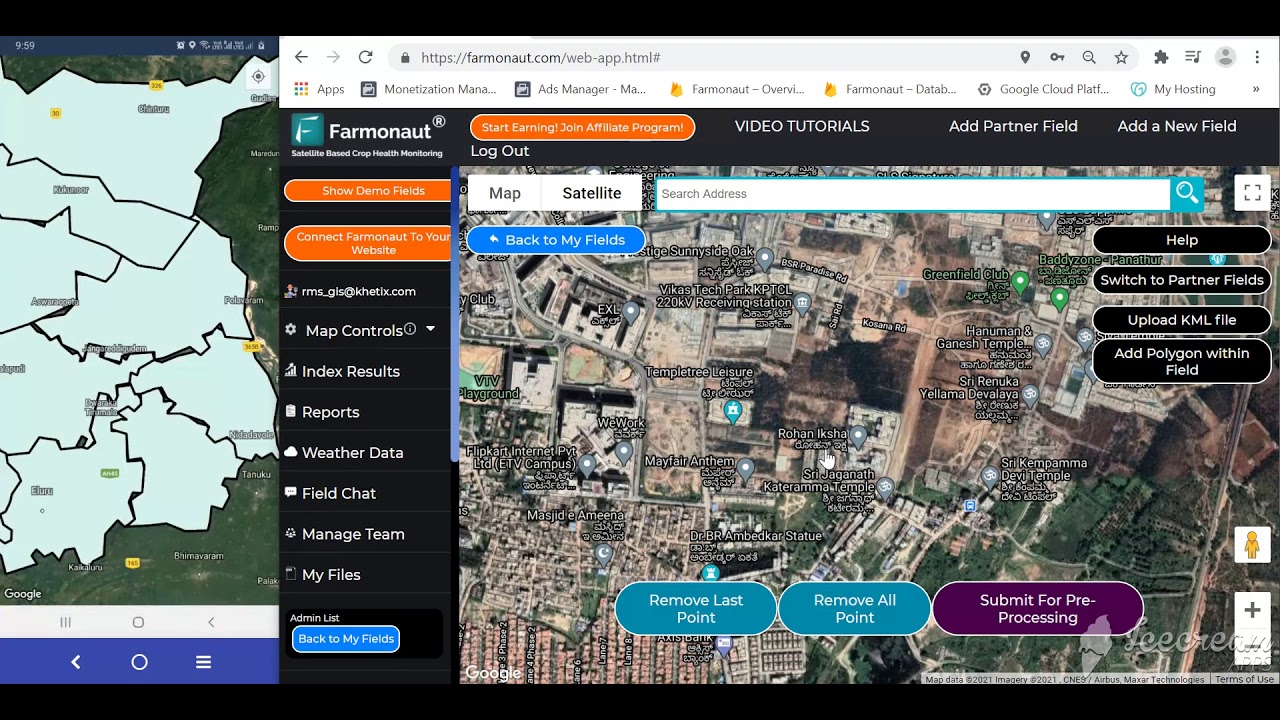
Free-Range Farming in 2025: Challenges and Innovations
Despite their many benefits, free-range systems face persistent challenges:
- Land Demand: Scaling up when land is at a premium remains an ongoing concern.
- Predation and Biosecurity: Disease management and predator exclusion (e.g., fencing, guard animals) add operational complexity.
- Variable Output and Market Competition: Lower per-animal productivity may require premium pricing and robust market access to remain competitive.
- Certification Challenges: Navigating differing global standards and verifying true “free-range” status require transparency and effective traceability.
- Adaptation to Climate Change: Unpredictable weather extremes and new disease vectors force ongoing adaptation.
Innovations for 2025 and Beyond:
- Data-Driven Management (sensors, satellites, AI integration)—now core for risk reduction and productivity gains. Solutions such as Farmonaut’s Large Scale Farm Management tools enhance decision-making and reduce resource wastage.
- Agroforestry and Silvopastoral Practices: Integration of trees with pastures boosts carbon sequestration and biodiversity.
- Regenerative Approaches: Moving from sustainability to truly regenerative practices (improving the land, not just maintaining it).
- Blockchain Traceability: Offering transparent and tamper-proof records to assure consumers and regulators of ethical standards.
- Precision Resource Use: App-based management reduces waste, optimizes productivity, and lessens the environmental impact.
Conclusion – Shaping a Sustainable Agricultural Future
Free-range farming practices in 2025 stand at the intersection of improved animal welfare, ecological balance, and transparent production that meets growing consumer demand for sustainable food. By providing animals—particularly hens—with natural environments, we foster both physical and psychological health, resulting in better yields, happier animals, and more resilient food systems.
Their integration with organic soil management promotes microbial activity, carbon sequestration, and the sort of long-term sustainability that modern agriculture requires. Despite challenges involving land use, biosecurity, and productivity, free-range systems—when empowered by cutting-edge technologies such as those available from Farmonaut—are a vital pathway toward more ethical, climate-resilient, and productive farming worldwide. These practices are not just the future: they are reshaping the present and will continue to drive the agricultural revolution for years to come.
Frequently Asked Questions (FAQ)
What are the main advantages of free-range farming for animal health and welfare?
Free-range farming practices allow animals access to outdoor environments where they can move, graze, and express natural behaviors. This reduces stress, improves physical health, and leads to lower levels of disease and behavioral issues.
How do free-range hen farming systems impact egg quality?
Free-range hens often produce eggs with higher nutritional value, including improved omega-3 content, due to their varied diet of insects, plants, and seeds, in addition to fortified feed. Welfare improvements also contribute to more consistent and improved laying rates.
How do organic and free-range farming practices benefit soil health?
Regular manure deposition, pasture rotation, and avoidance of synthetic inputs improve soil organic matter, microbial biodiversity, and carbon sequestration, making soils more fertile and resilient.
What environmental benefits do free-range systems deliver?
Free-range systems promote biodiversity, reduce water and soil pollution by avoiding concentrated waste, lower greenhouse gas emissions per hectare, and increase resilience to climate extremes.
What are the main challenges faced by free-range farming in 2025?
Free-range systems require more land per animal, face risks from predation and disease exposure, and must maintain productivity while complying with certification and high welfare standards. Integration of technology and good management practices are key solutions.
How can Farmonaut help with free-range, organic, and climate-smart farming?
We offer satellite-based crop and soil health monitoring, AI-based advisory, resource management, blockchain traceability, API integrations, and more, empowering farmers and agribusinesses to maximize both yield and sustainability.
Ready to embrace sustainable farming, improve animal health, and optimize your farm with advanced technologies? Download the Farmonaut app or integrate our APIs to make your farming smarter and more sustainable—today and for the future.

 Global Launch Base
 Elders
 Agritein
 Delicio
 WB Dev
 Sama Premium
 Prochecker
 Tres Valles
 LACOS Geoinformation
 Magrifly
 LatConnect 60
 WebsEdge
 Blickwinkel
 Agricultural Credit Policy Council
 Marei Nursery
 eKGIS
eKGIS Mostas Tech
 Andex
Andex FCF India
