

Hydroponic Container Farm: 7 Game-Changing Systems for 2026
Discover how hydroponic container farms, pipes, and horizontal hydroponic systems are transforming sustainable urban agriculture. Explore the top systems, latest innovations, cost-benefit analysis, and future-proof your farming strategies for 2025 and beyond.
“By 2026, hydroponic container farms can increase urban food production efficiency by up to 70% compared to traditional farming.”
- Introduction: Hydroponic Container Farming Enters 2026
- Why Hydroponics? Advantages & the New Agricultural Landscape
- Core Components: Hydroponic Pipes, Stands, Horizontal and Vertical Solutions
- 7 Game-Changing Hydroponic Container Farm Systems for 2026
- Comparative Feature Table: Top 7 Hydroponic Container Systems
- From AI to API: The Future of Hydroponic Farms & the Farmonaut Edge
- Hydroponic Trends for 2026 (Bullet & Visual Lists)
- Frequently Asked Questions: Hydroponic Container Farms 2026
- Conclusion: Redefining Food Security & Agronomy for the Future
Introduction: Hydroponic Container Farming Enters 2026
In recent years, the agricultural landscape has witnessed a transformative shift toward more sustainable, space-efficient, and resilient farming methods. Hydroponic systems — especially container-based farms — stand at the leading edge of this evolution, offering high yields in both urban and peri-urban regions where land scarcity, adverse climatic conditions, or degraded soils threaten traditional cultivation.
As we approach 2025 and look to 2026 and beyond, the convergence of modular hydroponic container farms, smart hydroponic pipes, adaptive plant stands, and scalable horizontal hydroponic systems will shape the next era of modern agriculture. These technologies enable farmers and growers to respond to the food security demands of a growing global population — sustainably, efficiently, and innovatively.
With urbanization and climate volatility rising, hydroponic container farm systems are projected to supply up to 50% of fresh greens and herbs in cities by 2028, leveraging less land, less water, and greater yield predictability.
But what exactly makes these hydroponic container farm solutions so revolutionary? Why is the horizontal hydroponic system gaining traction, and which new-generation systems truly stand out for 2026? Dive in as we unravel the seven most game-changing hydroponic container systems poised to shape sustainable agriculture’s future.
Why Hydroponics? Advantages & the New Agricultural Landscape
What is a Hydroponic Container Farm?
The hydroponic container farm represents a compact, modular approach to plant cultivation entirely without soil. Instead, crops grow in nutrient-rich solutions inside specialized containers. These environments can be tightly controlled for light, humidity, pH, and nutrient composition, enabling robust, year-round crop production regardless of external weather conditions. Often, these systems are deployed in urban warehouses, stacked vertically or arranged in horizontal modules, making them ideal for dense or soil-degraded regions.
Key Focus Areas:
- ✔ Water Savings: Uses up to 90% less water than conventional soil farming.
- ✔ Yield Density: Maximizes crop productivity per square meter — critical for urban or resource-limited settings.
- ✔ No Pesticides: Enables environmentally friendly growth by minimizing chemical use.
- ✔ Reduced Land Footprint: Vertical and modular configurations unlock new space in cities or otherwise unusable land.
- ✔ Consistent Quality: Precision nutrient delivery and controlled environments produce uniform, high-quality crops.
Focused keywords: hydroponic container, hydroponic container farm, hydroponic pipes, hydroponic plant stand, hydroponic plant grower, horizontal hydroponic system
Opt for adjustable hydroponic pipes with modular joints — these make it easier to scale up or reconfigure your container farm as needs change.

How Hydroponic Technologies Drive Sustainability
- 📊 Data Insight: Research shows hydroponic farms can use over 70% less land and deliver 3-4X higher yields per m² for certain leafy crops.
- ⚠ Risk or Limitation: Initial setup costs and energy use for climate control can be higher than traditional farming in some regions.
- ✔ Key Benefit: Shortened supply chains and reduced spoilage for urban-grown produce.
- 🌱 Sustainability: These systems foster environmentally responsible practices through precise resource use and minimized runoff.
- 🚀 Innovation: Integration with satellite- and AI-powered monitoring platforms, like Farmonaut, pushes precision farming to the next tier of performance.
As hydroponic container farms become mainstream, experts forecast the urban agtech sector will attract over $15 billion in new investments worldwide by 2027.
Core Components: Hydroponic Pipes, Plant Stands, and Modular Systems
Hydroponic Pipes: The Backbone of Modern Farms
The efficient delivery of oxygenated nutrient solutions directly to roots is what sets hydroponic container farms apart from their soil-based counterparts. Hydroponic pipes, usually made from durable, food-grade materials, are designed to provide optimal water flow, nutrient distribution, and root aeration. With innovations like adjustable diameters and quick-link joints, growers are now customizing pipe layouts to maximize production for specific crop requirements and address unique spatial constraints in urban settings.
- ✔ Efficient Water Use: Reducing runoff, recycling solutions within closed systems.
- ✔ Uniform Growth: Enables consistent development and quality among all plants.
- ✔ Customizable Layouts: Supports both vertical and horizontal hydroponic system designs.
Hydroponic Plant Stand: Maximizing Space and Crop Potential
The hydroponic plant stand structures hold pipes and containers securely, often with customizable tiers, to create either vertical or horizontal setups. Built with lightweight metals or reinforced plastics, these stands:
- ✔ Enable multi-tiered farming in compact spaces
- ✔ Improve air circulation and light penetration for all plants
- ✔ Simplify maintenance and harvesting
- ✔ Are portable for urban farming adaptivity
Horizontal Hydroponic System: Simplicity Meets Scalability
The horizontal hydroponic system is a game-changer for large-scale leafy green and herb production—and projected to become a mainstream configuration by 2026 in urban farm environments. Unlike vertical towers, horizontal systems arrange pipes or channels side by side for easy:
- ✔ Planting and harvesting
- ✔ System monitoring and nutrient adjustment
- ✔ Maintenance access for all crops
Skimping on durable pipe materials can lead to microbial build-up, leaks, or structural failure — invest in food-grade pipes for long-term crop quality and minimal maintenance.
“Horizontal hydroponic systems use 90% less water than soil farming, supporting sustainable food supply for future cities.”
7 Game-Changing Hydroponic Container Farm Systems for 2026
Below, we present the seven top hydroponic container farm systems driving innovation, productivity, and sustainability for urban and resource-challenged settings in 2026 and beyond. Each exemplifies a unique approach with tailored advantages in terms of yield, water use, space efficiency, and resource management.
-
1. Smart Modular Hydroponic Container Farm
- Technology Type: Modular Container (Plug-&-Play)
- Key Features: Stackable, climate-controlled, integrated IoT for resource monitoring
- Advantages: Precise environment control; rapid deployment for urban food production
- Usage: Commercial urban farms, community food hubs
-
2. Vertical Hydroponic Pipe Tower System
- Technology Type: Vertical, Pipe-Based
- Key Features: Multiple tiers, LED-integrated plant stands, efficient stacking
- Advantages: Maximum space savings — up to 150 plants/m²
- Usage: Warehouses, rooftop greenhouses
-
3. AI-Optimized Horizontal Hydroponic Bed System
- Technology Type: Horizontal Pipe-Based System
- Key Features: AI sensory monitoring, automatic pH/EC regulation, disease detection
- Advantages: Highest yields for leafy greens and herbs; ideal for continuous cycle farming
- Usage: Commercial greens production, research facilities
-
4. Solar-Assisted Shipping Container Farm
- Technology Type: Containerized, Off-grid Enabled
- Key Features: Solar power integration, battery storage, water recirculation systems
- Advantages: Energy independent; deployable in remote or disaster-stricken regions
- Usage: Rural revitalization, emergency food supply
-
5. Movable Pipe-Based Urban Microfarm
- Technology Type: Pipe-Based, Portable Container
- Key Features: Lightweight frame, modular plant stands, rapid assembly
- Advantages: Flexibility for pop-up markets, seasonal expansion, education settings
- Usage: Market gardens, school farms
-
6. Fully Automated Climate-Controlled Hydroponic Pod
- Technology Type: High-Tech Container (Closed System)
- Key Features: Wireless monitoring, remote alerts, precise dosing, robotic tending
- Advantages: Minimal labor, optimized resource use; perfect for urban institutional catering
- Usage: Hospitals, hotels, large offices
-
7. Stackable Nutrient Film Technique (NFT) Channel Array
- Technology Type: NFT Pipe Channels, Vertical & Horizontal
- Key Features: Adjustable diameters, scalable racks for various crops
- Advantages: Superb water use efficiency (over 90% savings vs. soil); easy expansion
- Usage: Urban vertical farming, indoor food retail

The trend for 2026 is clear: Hybrid systems (combining vertical and horizontal beds with mobile racks) are enabling micro-farms to fit any urban footprint, optimizing yields and sustainability.
Comparative Feature Table: Top 7 Hydroponic Container Farm Systems (2026)

From AI to API: The Future of Hydroponic Farms & the Farmonaut Edge
We at Farmonaut recognize that the power of hydroponic container farm technology is amplified by advanced data-driven decision support. Remote sensing, real-time crop analytics, and seamless integration with operational tools give hydroponic plant growers unprecedented control over every aspect of their modern farms.
How Farmonaut Powers the Next Generation of Controlled Agriculture:
- Satellite Imagery: Access to NDVI, soil quality, and microclimate reports optimize nutrient management for high-value crops.
-
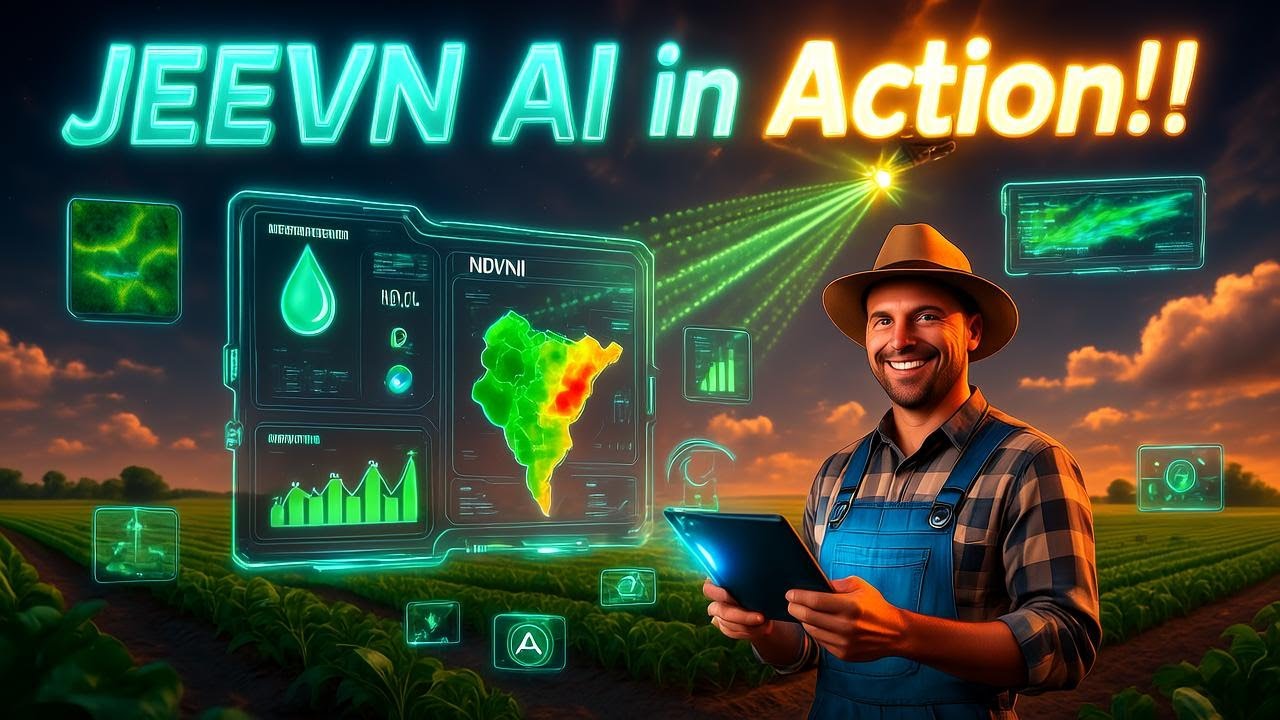
AI-Driven Advisory: Jeevn AI delivers smart recommendations on climate, irrigation, and disease prevention — maximizing yield and resource efficiency.
- API-First Platform: Integrates seamlessly with farm IoT devices and management software through Farmonaut’s API. See API Developer Docs for more.
- Traceability & Resource Management: Blockchain-based solutions offer verifiable traceability for food supply chains (learn more about traceability); fleet management tools reduce waste in logistics.
- Environmental Impact: Real-time carbon footprinting solutions help meet regulatory and corporate sustainability goals for hydroponic operations.
Well-managed hydroponic container farms use these digital solutions to further reduce resource inputs, increase crop quality, and deliver truly sustainable food production — even in challenging climatic conditions.



Try Farmonaut for instant crop monitoring insights, direct from your browser or mobile device!


Hydroponic Trends for 2026: Innovations, Insights, and Opportunities
2026 Key Hydroponic Innovations
- 🌐 AI & Satellite Monitoring: Large scale farm management and health assessment in real-time.
- 💧 Automated Dosing: Dynamic nutrient supply reduces resource use and improves quality.
- 🔗 Blockchain Traceability: Secure food chain authenticity with traceability solutions.
- 🔋 Renewable Energy: Solar/wind-powered farms becoming more common in urban and remote settings.
- 📦 Stackable Modular Farms: Easily reorganized to meet fluctuating market and spatial demands.
2026 Hydroponic Opportunities
- 🔎 Smart Monitoring APIs: Seamless farm data pipelines via Farmonaut API.
- 📈 Urban Expansion: Pop-up farms and niche market microgreens booming in cities
- 🌳 Forest & Plantation Advisory: Maximize land with satellite-guided advisory.
- 💸 Instant Lending: Secure crop loans and insurance for capital-light, tech-backed hydroponic ventures.
- ✈️ Global Export: Consistent, certified produce opens up new export markets for controlled urban farms.
2026–2028: What Urban Hydroponic Plant Growers Should Watch
- 🌱 Regenerative Practices: More hydroponic container farms are integrating carbon footprinting and soil health metrics for sustainability certification.
- 📊 Data-Driven Agronomy: Controlled environments empower informed, granular decisions for crop cycles, plant health, and resource use.
- 🏛️ Institutional Adoption: Hospitals, airports, and schools diversify on-site food supply and reduce logistics risks by deploying modular systems.
- 🎓 Tech Upskilling: Demand for hydroponic plant grower experts in sensor interpretation, farm analytics, and sustainable management is rising rapidly through 2028.
Ready to start? Flexible Farmonaut Subscriptions
Affordable access to powerful satellite and AI-driven insights for modern hydroponic and controlled environment growers.
Frequently Asked Questions: Hydroponic Container Farms 2026
What crops can be grown in hydroponic container farms?
Most leafy greens, herbs, microgreens, tomatoes, cucumbers, strawberries, and even compact fruiting plants thrive in modern hydroponic systems. Large fruit trees are typically not suitable due to size limitations.
Are hydroponic container farms truly sustainable?
Yes — especially when coupled with renewable energy, automated nutrient recycling, and advanced monitoring. They use up to 90% less water and land, minimize transport, and can eliminate pesticide/herbicide use compared to conventional agriculture.
How do I choose between vertical and horizontal hydroponic systems?
Vertical systems maximize plant density when floor area is constrained; horizontal beds are optimal for simple maintenance and crops requiring easy harvest, like lettuce and herbs. Hybrid arrangements are increasingly common in urban environments.
Is technical expertise required to manage a hydroponic container farm?
While modern systems have automated many tasks, some familiarity with environmental control, basic plumbing, and crop cycles is useful. Many operators use digital dashboards and farm management apps (like those supported by Farmonaut) for easier oversight.
Do hydroponics affect food taste or nutrition?
Foods grown in nutrient-optimized hydroponic environments are typically as or more nutritious — and often fresher tasting — than those from traditional soil due to rapid local harvest and minimal spoilage in transport.
Conclusion: Redefining Food Security & Agronomy for 2026—and Beyond
The hydroponic container farm revolution is not just a trend — it’s the new normal for modern food production. Stemming from years of pivotal innovation and transformative shifts in the agricultural landscape, these systems merge sustainability with resilience, ensuring we can nourish urban populations and remote regions, even as climate and land availability change. Whether deploying pipes, stands, horizontal or vertical setups, growers are positioned to meet 2025 and 2026’s food security challenges with confidence.
The future belongs to innovation, precision, and sustainability—and Farmonaut’s suite of satellite, AI, and traceability solutions will continue empowering the hydroponic plant grower for scalable success, whatever the setting or constraints.
Explore more about Farmonaut’s vision for sustainable, data-driven agriculture — and join the movement toward smarter food production in an ever-changing world.
Discussion
Questions, corrections or field experience? Share them below. First-time comments are reviewed before they appear, and your email is never published.
No comments yet. Be the first to add a question or your experience.

 Save Your Soils
 YelloSkye
 GalaxEye Space
 Grandstream Algérie
 XOS Realty
 Geospatial Lab Africa
 Agro La Gándara
 HIPSAC
 ZOL Zimbabwe
 Juligerm
 AdBio
AdBio MISE Maroc
 NWNS
NWNS Red August Group
 Farm Inc
 WeMe Global
 Agrotoken
 Blue BearX
 Insignito
 Licence holder · Niger · Gold
 Licence holder · Nigeria · Gold + lithium










