

Table of Contents
- Introduction to Vertical Farming
- Core Concepts & How Vertical Farming Works
- Vertical Farming in Agriculture & Related Sectors
- Feature-Benefit Comparison Table
- 7 Key Agriculture Benefits of Vertical Farming
- Economic & Environmental Implications
- Implementation Considerations
- How Farmonaut Empowers Modern Agriculture
- FAQ: Vertical Farming & Agriculture Technology
- Conclusion
“Vertical farming can produce up to 10 times more crops per square foot than traditional farming methods.”
“Advanced vertical farms use up to 95% less water compared to conventional soil-based agriculture.”
Introduction to Vertical Farming: 7 Key Agriculture Benefits
In our rapidly urbanizing and resource-constrained world, vertical farming is redefining the introduction to agriculture. This modern approach optimizes growing conditions by stacking crops in vertical layers within controlled environments—such as indoor facilities, greenhouses, and warehouses. It is an innovative response to worldwide agricultural challenges: land scarcity, water efficiency, soil limitations, climate variability, and the seasonal constraints impacting our food supply systems.
The introduction of vertical farming is more than just a trend. It’s a strategic shift—driven by advances in technology such as LED lighting, intelligent climate control, soilless systems, and automation. The aim is to optimize production, minimize waste, reduce costs, and deliver fresh, high-quality crops year-round.



Core Concepts: How Vertical Farming Works
To understand the full impact of the introduction to vertical farming, we must first delve into its core concepts. Let’s break down how these innovative systems transform the way we grow plants, optimize resource use, and manage climate variables to increase production and quality.
- Controlled Environment Agriculture (CEA):
- Parameters such as temperature, humidity, CO2 concentrations, lighting spectrum & intensity, nutrient delivery, and air circulation are precisely managed. Plants are shielded from weather variability, pests, and seasonal cycles—enabling consistent growth and yields.
- Soilless Culture: Hydroponics, Aeroponics, and Aquaponics
- Hydroponics: Plants grow in water-based nutrient solutions, with roots supported by inert substrates (e.g. rock wool, perlite).
- Aeroponics: Roots are suspended in air and intermittently misted with nutrient-rich water droplets—maximizing oxygenation and minimizing water use.
- Aquaponics: Integrates fish farming (introduction to fish farming) with plant production: fish waste provides nutrients for plants while plants filter water.
- Stacking, Modularity & Space Efficiency
- Multiple layers of racks, towers, or shelves enable the same horizontal footprint to host dramatically more crops—often increasing yield per square meter by 4–10x.
- Energy & Lighting Optimization
- LED lighting is chosen for spectrum control and efficiency, paired with automated sensors and AI-based climate control to balance plant needs and minimize operational costs.
- Resource Efficiency & Sustainability
- Closed-loop irrigation and fertigation systems recirculate water and fertilizer solutions, resulting in minimal waste and far lower water usage (often saving up to 95% compared to open field systems).
- Sensor-based automation monitors plant health for just-in-time input application (fertilizer, water), reducing runoff and improving sustainability.
Vertical Farming in Agriculture & Related Sectors
The introduction to vertical farming is revolutionizing agriculture and also influencing forestry, aquaculture, and urban food systems. Here’s how these core concepts extend beyond conventional field farming:
Agriculture
- Expands cultivation beyond arable land—even in dense urban centers or climate-challenged regions.
- Enables high-value, rapid-turnover crops like leafy greens, herbs, and microgreens to be grown closer to markets, reducing transport and post-harvest losses.
- Allows for experimental breeding and controlled studies of crop traits under precise environmental variables.
Forestry & Agroforestry
- Nursery production of saplings in vertical systems delivers uniform, high-quality seedlings for large-scale reforestation and urban greening projects.
- Understory crops benefit from controlled environments, optimizing growth where natural light & soil quality are limiting.
Aquaculture & Aquaponics
- Integrated fish farming (introduction to fish farming) and crop cultivation benefit from synergy: fish waste fertilizes plants, and plants, in turn, clean tank water—creating an efficient, circular resource system.
- Aquaculture and aquaponics are key to sustainable, localized food production.
Mineral & Soil Considerations
- Soilless systems minimize dependency on local soil types, utilizing inert substrates and precision mineral nutrition to avoid soil degradation and erosion.
- When soil is used, it’s typically high-grade or mixed in soilless media—allowing for accurate fertilizer management and mineral input optimization.

Feature-Benefit Comparison: Traditional vs Vertical Farming
| Benefit | Traditional Farming (Estimated Value) |
Vertical Farming (Estimated Value) |
Impact / Improvement |
|---|---|---|---|
| Water Usage (liters/kg yield) | 200–300 L | 5–20 L | Up to 95% reduction |
| Land Use Efficiency (kg/sq.m/yr) | 0.3–1.5 | 5–10+ | Up to 10x yield/sq.m |
| Crop Yield per Square Meter | 1x baseline | 4–10x baseline | Dramatic increase |
| Pesticide Reduction | Frequent spraying needed | Up to 95% less | Safer, cleaner produce |
| Seasonal Independence | Dependent on seasons | Year-round | Consistent output |
| Resource Efficiency | High inputs, high waste |
Low waste, optimized use |
Reduced cost; eco-friendly |
| Sustainability Impact | Soil depletion, runoff, erosion |
Minimizes soil use, protects environment |
Positive environmental outcome |

7 Key Agriculture Benefits of Vertical Farming
1. Water Efficiency: Saving Every Drop
- ✔ Closed-loop irrigation and precision delivery systems reduce water usage by up to 95% compared to soil-based farming.
- ✔ Water is recirculated and reused, minimizing waste even in drought-prone or urban areas.
- ✔ Precise control over nutrients in water ensures just enough for optimal plant health, reducing fertilizer runoff.
2. Land Use and Spatial Efficiency
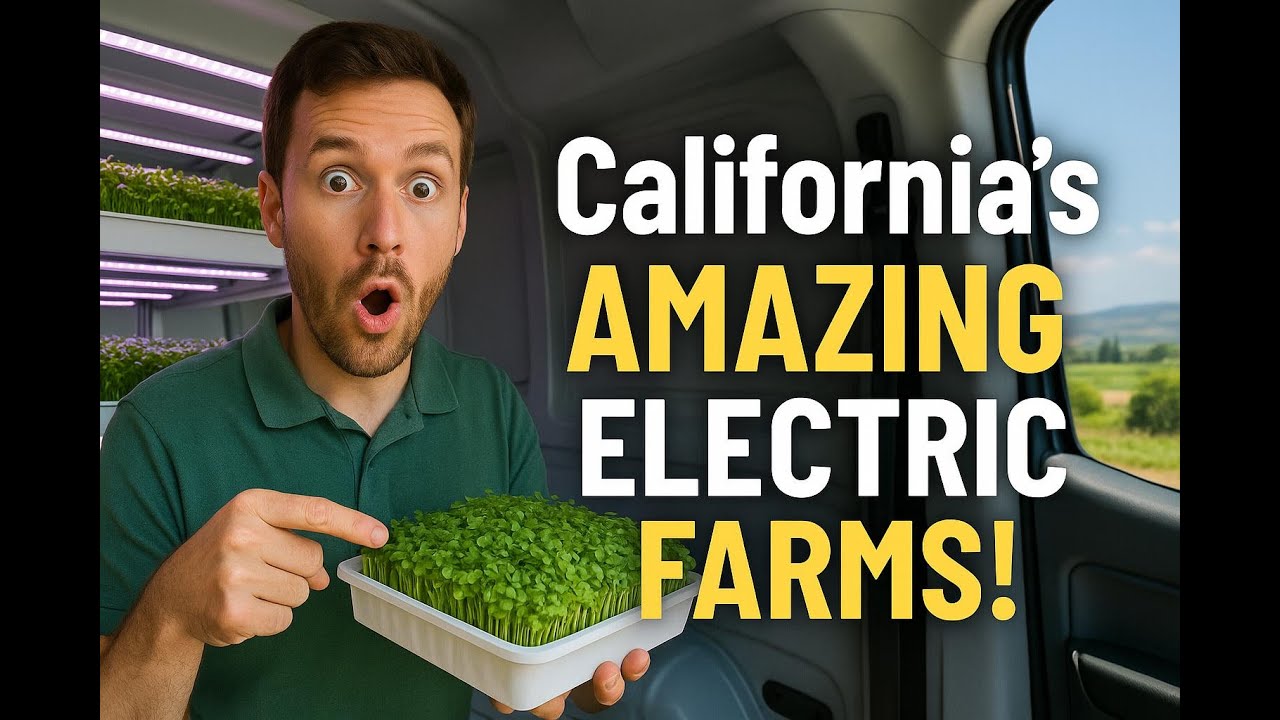
- ✔ Multiple cropping layers (racks, shelves) dramatically increase food output per square meter, especially in urban or land-constrained regions.
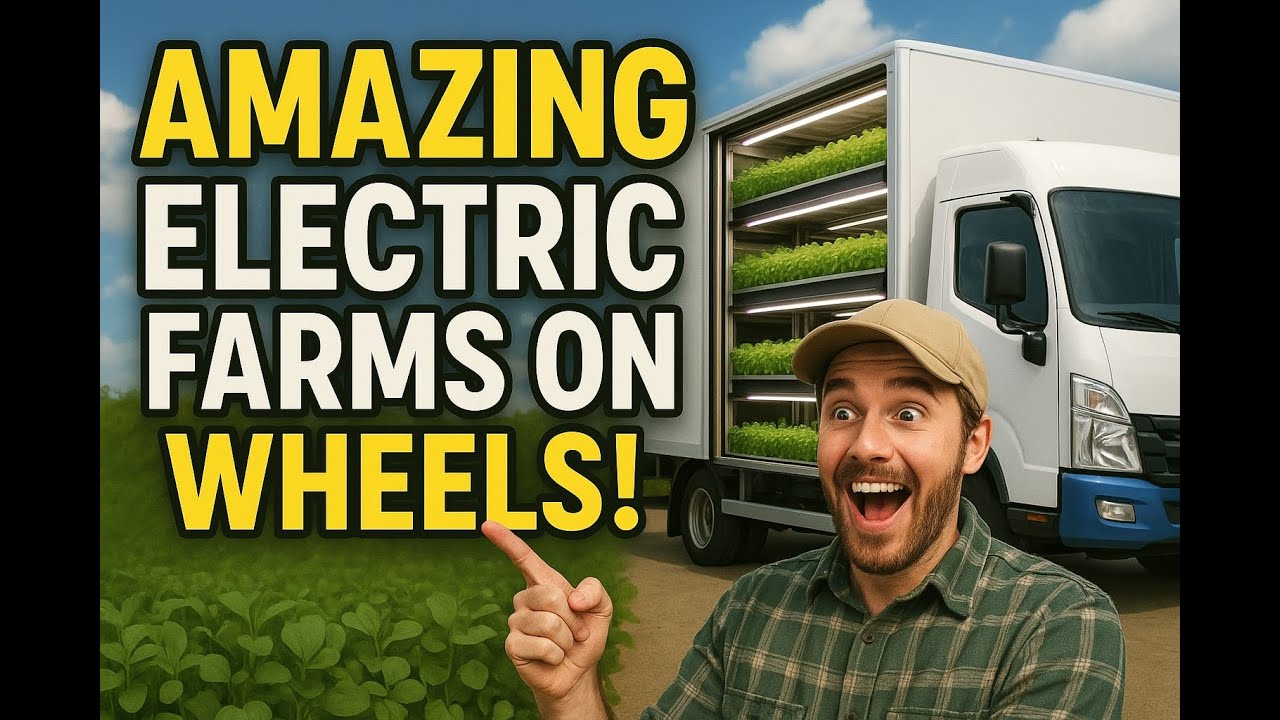
- ✔ Production can occur in underutilized spaces—old warehouses, greenhouses, or even repurposed shipping containers.
- ✔ Some systems achieve up to 10x greater yield per land area than open-field farming.
- ✔ Vertical stacking reduces pressure on valuable arable land, making farming possible in cities or environments with poor soil.
- 🌱 Densely Stacked Layers: From urban rooftops to towering modular racks, vertical farms multiply yield in compact footprints.
- 📏 Flexible Facility Sizing: Start small—with just a few stacked tiers—or expand across an entire urban warehouse.
- 🏢 Urban Integration: Place the farm within cities, reducing transport and providing ultra-fresh local produce.
3. Crop Yield Stability and Year-round Production
- ✔ Controlled environment eliminates weather dependency—delivering stable, predictable harvests 12 months a year.
- ✔ Not limited by growing seasons or regional climate variability. Crops grow optimally all year.
- ✔ LED lighting and climate controls extend photosynthesis and crop cycles.

4. Minimal Dependency on Soil and Pesticides
- ✔ Soilless hydroponics, aeroponics, and aquaponics minimize soil needs, allow for precision nutrient dosing, and reduce soil-borne diseases.
- ✔ Controlled, clean environments result in lower pest pressure—reducing or eliminating chemical pesticide applications.
- ⚠ Pesticide runoff is reduced, benefiting nearby water bodies and enhancing food safety.
- 🔬 Precision Nutrition: Plants receive tailored mineral and nutrient blends for optimal growth.
- 🛡 Pest Barrier: Indoor environments and air filtration protect crops from outbreak cycles common to fields.
5. Resource Stewardship and Environmental Sustainability
- ✔ Reduced chemical input (fertilizer, pesticide) and minimal environmental runoff preserve local ecosystems.
- ✔ Innovations in carbon footprint monitoring (such as Farmonaut’s Carbon Footprint Tracking) allow growers to measure and manage sustainability goals.
- ✔ Lower transportation emissions thanks to proximity to consumer markets.
6. Food Security and Supply Chain Resilience
- ✔ Decentralized vertical farms in or near urban centers reduce dependency on distant suppliers and fragile logistics chains.
- ✔ On-demand, year-round production buffers cities against disruption from climate shocks, political events, or pandemics.
- ✔ Faster delivery to markets = fresher, more nutritious produce for end consumers.
- 🏙 Urban Empowerment: Vertical farms on rooftops or in warehouses can supply local schools, restaurants, and residents directly.
- 🚚 Shorter Supply Chains: Reduced transport and handling mean both higher profit margins and fresher food.
Explore Farmonaut’s Supply Chain Traceability Solutions for full transparency from vertical farms to the consumer’s table.
7. Economic Advantages & Market Opportunities
- ✔ Strategic location selection near high-value urban markets reduces logistics costs and supports premium pricing for ultra-fresh produce.
- ✔ High productivity per area enables new business models—subscription greens, just-in-time harvesting, urban farming enterprises.
- ✔ Reduced operational costs for water, fertilizer, and pest management offset higher initial investments in infrastructure and LED lighting.
- ✔ Tech-forward operations create demand for skilled jobs in farm management, plant science, automation, and data analysis.
- ✔ Access to financing improves with remote monitoring & automatic reporting. See Farmonaut’s Crop Loan & Insurance Service for new finance models in tech-enabled agriculture.

Economic and Environmental Implications of Vertical Farming
The introduction to vertical farming offers wide-reaching economic and environmental benefits. However, each system design (hydroponics, aeroponics, aquaponics) and implementation context comes with trade-offs and opportunities.
- 📈 Productivity: Dramatically higher per-square-meter yield offsets higher capital expenditure.
- 💸 Cost Management: Lighting (energy) is the main operating cost, but modern LEDs, heat recovery, and automation sharply reduce expenses over time.
- 💧 Water Stewardship: Reliable, closed-loop systems secure valuable water resources and reduce utility costs.
- 🏭 Minimized Land Footprint: Farms fit within cities, lowering the need for remote, large-scale arable land development.
- 🌱 Sustainability: Decreased fertilizer and pesticide use, lower carbon footprint (especially if paired with renewable energy).
- 🌾 Crop Selection Strategy: Start with fast-growing leafy vegetables, herbs, microgreens and expand as operations scale and markets evolve.
- 🌿 Specialty Markets: Urban restaurants, farm-to-table grocers, and e-commerce thrive on vertical farm supply chains.
- ⚡ Renewable Integration: Rooftop solar, smart batteries, and green grid partnerships can further cut energy costs.
Implementation Considerations for Vertical Farms
- 🏘 Site Selection: Urban warehouses, converted retail spaces, or purpose-built greenhouses near city centers reduce logistics and support fresh supply chains.
- 🥗 System Choice: Hydroponics excels for greens and herbs; aeroponics for lighter, higher-value crops; aquaponics for fully integrated fish + plant systems.
- 🔋 Energy Strategy: Invest in efficient LEDs, heat recovery, and consider on-site renewables for sustainable energy.
- 🌱 Crop Strategy: Focus on rapid cycles for business cash flow, diversify with specialty crops as market demand grows.
- 🔄 Automation: Deploy sensors, actuators, and AI-based management to maximize productivity and minimize risk from manual errors.
- 💰 Operational Planning: While capital intensive, vertical systems can lower recurring costs for water, fertilizer, and pest management—essential for stable, long-term profitability.
- 📉 Risk Mitigation: Redundancy for power supply and climate control is critical; system failures can be rapid and costly.
Learn about Farmonaut’s Fleet Management Tools for tracking vehicles, deliveries, and optimizing supply chains in smart agriculture operations.

How Farmonaut Empowers Modern Agriculture
At Farmonaut, we are passionate about making advanced agricultural insights accessible and affordable. Our satellite-driven solutions empower farm operators of all sizes to monitor crop health, soil conditions, environmental impact, and operational efficiency in real time—enabling data-driven decisions across open-field, greenhouse, and vertical farming contexts.
Our platform stands apart by offering a powerful combination of satellite-based crop monitoring, AI-driven advisories, blockchain-enabled traceability, fleet and resource management, and environmental impact analytics.
- 🔭 Real-Time Crop Monitoring: Multispectral imagery for crop vigor, soil moisture, and pest/scarcity risk detection.
- 🧠 AI & Jeevn Advisory: Our AI tools deliver alerts and recommendations for disease risks, irrigation timing, and yield optimization—automated for your crops.
- 🔗 Blockchain Traceability: Secure, transparent supply chain records help validate organic claims and reduce supply fraud risk.
- 🚚 Fleet & Field Management: Optimize costs and logistics for machinery, vehicle fleets, and delivery scheduling in vertical or field operations.
- 🌍 Environmental Monitoring: Track your carbon footprint, water use, and sustainability compliance for brands and ESG investors.
We deliver solutions for individual growers, large-scale enterprises, governments, and agri-insurers alike—all with seamless accessibility via Android, iOS, browser, and public API.
Discover our scalable packages and flexible pricing for any farming stage:
Frequently Asked Questions (FAQ): Vertical Farming & Agricultural Technology
What crops can be grown with vertical farming?
Vertical farming excels with fast-growing, high-market-value crops such as leafy greens (lettuce, kale, spinach), herbs (basil, mint, cilantro), strawberries, microgreens, and selected specialty vegetables. With advances in soilless media and climate control, cherry tomatoes, peppers, and shallow-rooted root crops are now being cultivated in certain systems.
How does vertical farming reduce water usage?
By delivering water and nutrients directly to the roots and recirculating unused water in closed-loop systems, vertical farms use 70–95% less water than conventional field farming. Automated sensors enable real-time optimization to further minimize waste.
Are vertical farms only viable in cities?
While urban vertical farms are popular due to market proximity, these systems can be implemented anywhere, including peri-urban, rural, or climate-challenged regions where arable land and water are scarce.
What is the role of LED lighting in vertical farming?
LEDs are tailored to deliver specific light wavelengths for optimal photosynthesis. They consume far less energy than traditional lamps, enable year-round production, and can be dynamically adjusted for plant needs (e.g., red/blue spectrum balance).
How does Farmonaut support vertical farms?
We provide real-time satellite monitoring, crop advisory, logistics/fleet management, traceability, and environmental tracking services. These data-driven insights help growers optimize yield, minimize input costs, and meet sustainability goals.
“Vertical farming can produce up to 10 times more crops per square foot than traditional farming methods.”
“Advanced vertical farms use up to 95% less water compared to conventional soil-based agriculture.”
Conclusion: The Future is Vertical, Data-driven, and Sustainable
The introduction to vertical farming marks a turning point for modern, sustainable agriculture in an era defined by land scarcity, water limitations, urbanization, and climate risk. By harnessing the power of controlled environment systems, soilless culture, AI, and satellite-driven insights (like those offered by us at Farmonaut), growers can achieve unprecedented levels of yield, quality, resource efficiency, and climate resilience across agriculture, forestry, aquaculture, and related sectors.
As cities swell and global markets demand transparency, food safety, and environmental responsibility, vertical farming—supported by real-time monitoring and data-driven operations—is positioned to redefine our food supply for the next generation.
Visit us at Farmonaut to learn how we can help you harness the full potential of vertical farming and advanced, sustainable agricultural technologies.

 Aerospect
 Delicio
 Payagri
 WB Dev
 Sama Premium
 Prochecker
 Tres Valles
 LACOS Geoinformation
 Pulsar Supernova
 Magrifly
 LatConnect 60
 WebsEdge
 Blickwinkel
 Agricultural Credit Policy Council
 Marei Nursery
 eKGIS
eKGIS Mostas Tech
 Andex
Andex FCF India
 Unifrutti Gulf
 Deluxe Conseil
