

Iron II Sulfate, Iron 2 Sulfate, Iron Copper Sulfate Uses: Unlocking Sustainable Soil Health for 2025 and Beyond
Table of Contents
- Introduction: The Critical Role of Iron II Sulfate and Iron Copper Sulfate
- Science Behind Iron II Sulfate, Iron 2 Sulfate, and Iron Copper Sulfate
- Agricultural Applications and Soil Health for 2025
- Innovative Uses and Niche Applications of Iron Copper Sulfate
- Forestry and Nutrient Management With Iron Sulfates
- Mining, Extraction, and Mineral Processing
- Sustainability, Soil Health, and Environmental Trends for 2026 and Beyond
- Farmonaut Solutions: Precision Agriculture, Monitoring, and Traceability
- Comparative Benefits of Iron II Sulfate and Iron Copper Sulfate in Sustainable Agriculture [Table]
- Implementation & Best Practices for Soil Health
- FAQ: Iron II Sulfate, Iron Copper Sulfate, and Soil Health
- Conclusion: The Future of Sustainable Soil Health and Nutrient Management
- Farmonaut Subscriptions
Introduction: The Critical Role of Iron II Sulfate and Iron Copper Sulfate
In modern agriculture and resource management, few compounds have demonstrated the versatility and impact of iron ii sulfate, iron 2 sulfate, and iron copper sulfate. Their applications extend well beyond traditional fertilizer supplementation, reaching into areas of soil health, forestry, mining, and even mineral extraction. As we approach 2025 and move towards a more sustainable agricultural future, understanding these sulfate compounds and their integral roles in nutrient management, environmental stewardship, and crop productivity is more important than ever.
Iron and copper, as essential micronutrients, are critical to plant growth, development, and long-term soil health. Their sulfate forms—most commonly iron(II) sulfate (also known as ferrous sulfate or FeSO4) and iron copper sulfate—are widely used in agriculture, forestry, and mining industries for their unique properties in boosting nutrient uptake, improving soil chemistry, and reducing environmental impacts. These compounds are not merely supplements; they represent the evolving strategies required for sustainable resource management as we prepare for the future of farming, forestry, and mineral processing in 2026 and beyond.
Science Behind Iron II Sulfate, Iron 2 Sulfate, and Iron Copper Sulfate: From Chemistry to Crop Vitality
Understanding Iron’s Role in Plant Growth and Soil Chemistry
Iron stands as a key component in the biological machinery of plants. It is an integral part of chlorophyll synthesis and many enzymatic processes responsible for photosynthesis and respiration. While naturally present in most soils, iron often exists in insoluble forms—especially in alkaline soils—making it bioavailable only in very small concentrations.
- Iron II Sulfate (Ferrous Sulfate, FeSO4): A highly soluble compound, FeSO4 delivers iron in the bioavailable II (ferrous) valence state. It is widely used for rapid correction of iron deficiencies in soils where plant roots struggle to access native iron.
- Iron Copper Sulfate: By combining copper and iron ions with sulfate, this mixed-metal compound facilitates dual micronutrient supplementation, especially where both elements are deficient.
- Copper’s Role: Copper (Cu) is another vital micronutrient, indispensable for enzymatic processes in plant metabolism, disease resistance, and reproductive development.
Without sufficient iron or copper, plants exhibit clear deficiency symptoms—such as yellowing leaves (iron chlorosis) and stunted growth—which severely limit yields in crops and threaten the vitality of managed forests in forestry projects.
The acidifying effect of iron ii sulfate in alkaline soils is also noteworthy. Upon dissolution, sulfate ions help lower pH, unlocking other nutrients such as phosphorus and additional micronutrients that might be locked in insoluble forms under high pH conditions.

Agricultural Applications of Iron II Sulfate, Iron 2 Sulfate, and Iron Copper Sulfate in 2025
The global agricultural sector has witnessed a dramatic evolution in how iron ii sulfate, iron 2 sulfate, and iron copper sulfate are leveraged for soil health and crop yield optimization. As a proven and cost-effective amendment, iron ii sulfate continues to be the standard practice for correcting iron deficiencies across diverse crop systems.
- Form and Application: Typically applied in powdered or granulated form, iron(II) sulfate distributes easily across farm fields and managed plantations to increase iron bioavailability.
- Foliar Sprays: For rapid correction during the growing season, foliar applications effectively deliver iron (and sometimes copper) directly to leaves, reversing chlorosis and restoring healthy development.
- Soil pH Adjustment: The acidifying nature of these sulfates enhances nutrient cycling and helps remediate alkaline conditions, making other nutrients more available to plants—thus promoting more balanced, robust ecosystems in both annual crops and perennial species.
By 2025 and moving forward, integrated soil fertility strategies increasingly rely on satellite monitoring and precision agriculture tools to identify deficient patches and target application of sulfate compounds only where truly necessary. This approach reduces waste, improves the effectiveness of supplementation, and aligns perfectly with the principles of sustainable agriculture.

How Iron II Sulfate Supports Robust Crop Productivity
Iron ii sulfate directly enables improved crop productivity by restoring plant vigor, maximizing photosynthesis, and supporting root development. Yield data from 2020–2024 consistently show that fields treated with iron(II) sulfate see a marked reduction in yellowing leaves and stunted growth—key symptoms of deficiencies.
This aligns with the push towards precision agriculture, where tools—like those offered by Farmonaut—empower growers to track soil and crop health, monitor nutrient management, and measure carbon footprinting for regulatory compliance.

Experience Farmonaut’s Satellite Precision Platform
The result is clear: iron ii sulfate, iron 2 sulfate, and iron copper sulfate have secured their place in the future of advanced, environmental management and productivity improvement for the global farming community.

Did you know?
Innovative and Niche Uses of Iron Copper Sulfate in Modern Agriculture
While iron ii sulfate remains a mainstream solution, the rise of iron copper sulfate in niche applications reflects rapid innovations in micronutrient management. These compounds, developed in advanced formulations for 2025 and beyond, focus on:
- Simultaneous supplementation of iron and copper for soils deficient in multiple micronutrients
- Enhanced solubility and uptake efficiency, minimizing runoff and reducing waste
- Support of site-specific application in high-value crops and specialty agricultural enterprises
- Utilization in precision farming, guided by AI and remote sensing for optimal dosing
The impact of these advanced formulations is unmistakable, as more regions turn to mixed compounds to achieve higher nutrient use efficiency and reduce environmental burdens.
Forestry and Nutrient Management With Iron Sulfates
Managed forests and reforestation projects increasingly depend on iron ii sulfate, iron 2 sulfate, and iron copper sulfate to restore soil health and promote tree growth on degraded lands—especially where alkaline soils or multiple nutrient deficiencies prevail.
- Standard Practices: Large-scale fields and tree plantations now often utilize iron(II) sulfate for correction of deficiencies, establishing a baseline of soil fertility that drives resilient plantings and accelerates canopy closure.
- Enhanced Microbial Activity: By improving pH and iron status, these compounds enhance microbial cycling and organic matter decomposition, vital for nutrient turnover and long-term forest vitality.
As part of sustainable forest management for 2026 and beyond, these products support the regeneration of healthy forests, carbon sequestration, and increased resilience to climate shifts.

The Critical Role of Iron Sulfates in Forestry Restoration Efforts
Reforestation initiatives—from tropical Asia to North America—rely on micronutrient-rich sulfate supplements to overcome deficient soils and unlock greater biodiversity. Their application as part of managed forests epitomizes the shift toward targeted, resource-efficient soil amendment practices for the new decade.
When combined with digital monitoring—such as that enabled by Farmonaut’s Large-Scale Farm and Forest Management Tools—land managers can rapidly assess forest health remotely, plan supplementation, and monitor ecosystem responses with satellite intelligence.
Mining, Extraction, and Mineral Processing: Iron II Sulfate and Related Compounds
Beyond the field and forest, iron ii sulfate and related compounds play robust roles in mining and mineral extraction industries. Produced as a secondary product in copper mining and metal processing operations, FeSO4 is widely used for critical purposes:
- Heavy Metal Removal: Iron(II) sulfate is added to process waters to precipitate heavy metals—minimizing environmental contamination and protecting downstream ecosystems.
- Reducing Agent & Coagulant: As a reducing agent, it supports processing of ores and removal of impurities, improving the purity and yield of valuable minerals.
- Nutrient Reuse: By recycling byproducts in mineral processing, industries actively reduce waste and embrace circular resource flows, a pillar of global sustainability targets for 2026 and beyond.
This intersection between agriculture and mining underscores the integrated, multi-sector importance of iron ii sulfate and iron copper sulfate as we refine our approaches to ecological and resource management.
For mining operators looking to enhance traceability and environmental compliance, Farmonaut’s Blockchain-Based Traceability Solutions ensure transparency in mineral supply chains, helping industries meet both operational and sustainability goals.

Sustainability, Soil Health, and Environmental Trends for 2026 and Beyond
Environmental stewardship has become the cornerstone of modern agriculture, forestry, and mining. Increasingly, policy and market forces demand that every input—from nitrogen fertilizer to iron ii sulfate—is used with maximal efficiency and minimal environmental cost.
How Iron Sulfate Compounds Enhance Sustainability
- Controlled Release and Advanced Formulations: New formulations offer better control over nutrient release, reducing nutrient leaching and minimizing environmental risks.
- Improved Soil Microbial Activity: The acidification of alkaline soils not only increases plant-accessible iron, but also accelerates cycling of organic matter and microbial activity, supporting regenerative soil health.
- Resource Conservation: Precision application—enabled by satellite and AI (such as via Farmonaut’s Fleet Management Tools)—means less wasted input, optimized logistics, and a lower carbon footprint.
- Promotion of the Circular Economy: Residual materials from mining processing are repurposed in agriculture, reducing waste and closing nutrient loops.
The outcome is a powerful synergy between financial savings, higher productivity, resource conservation, and ecological restoration that positions iron ii sulfate and iron copper sulfate as pillars of future-ready sustainable resource strategies.
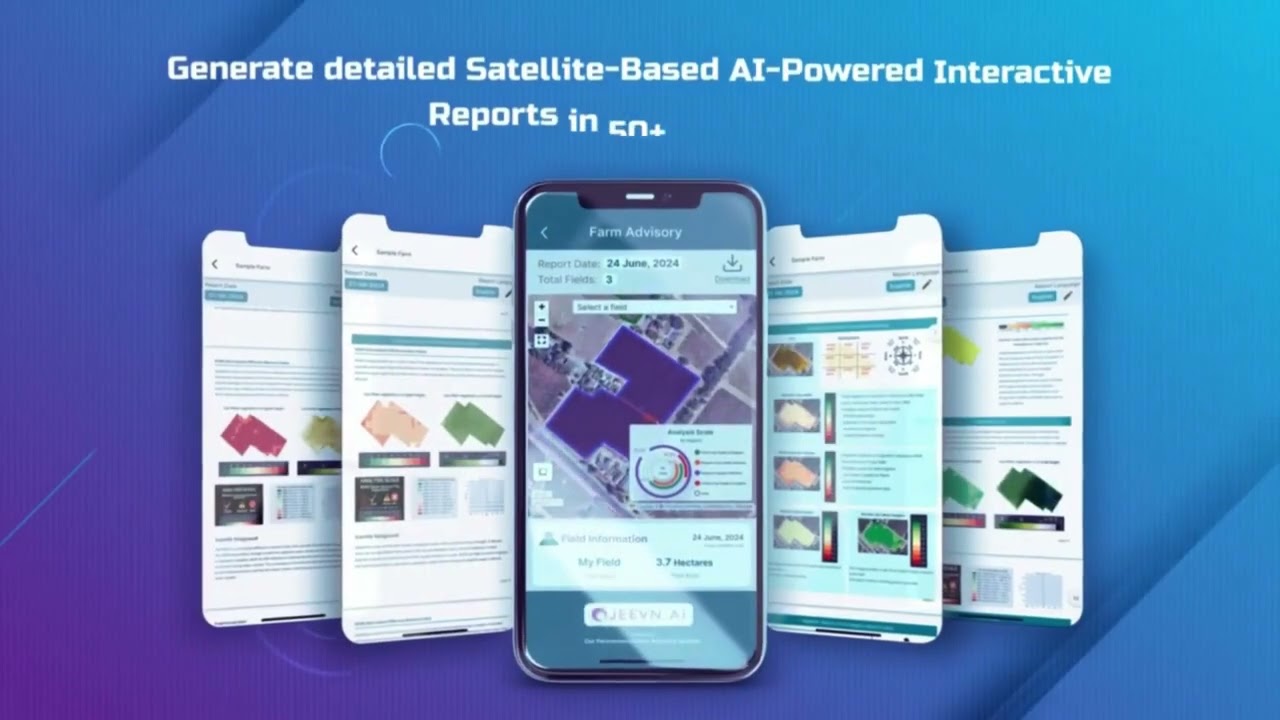
Farmonaut Solutions: Satellite Technology, AI-Based Advisory, and Comprehensive Resource Management
At Farmonaut, we are dedicated to empowering businesses, users, and governments with actionable satellite-driven insights that enable smarter management of agriculture, mining, and forestry resources. By integrating state-of-the-art remote sensing, AI, and blockchain, our solutions support the responsible use of iron ii sulfate, iron 2 sulfate, and iron copper sulfate for both immediate and long-term gains.
Farmonaut’s Core Offerings for Sustainable Soil and Resource Management
-
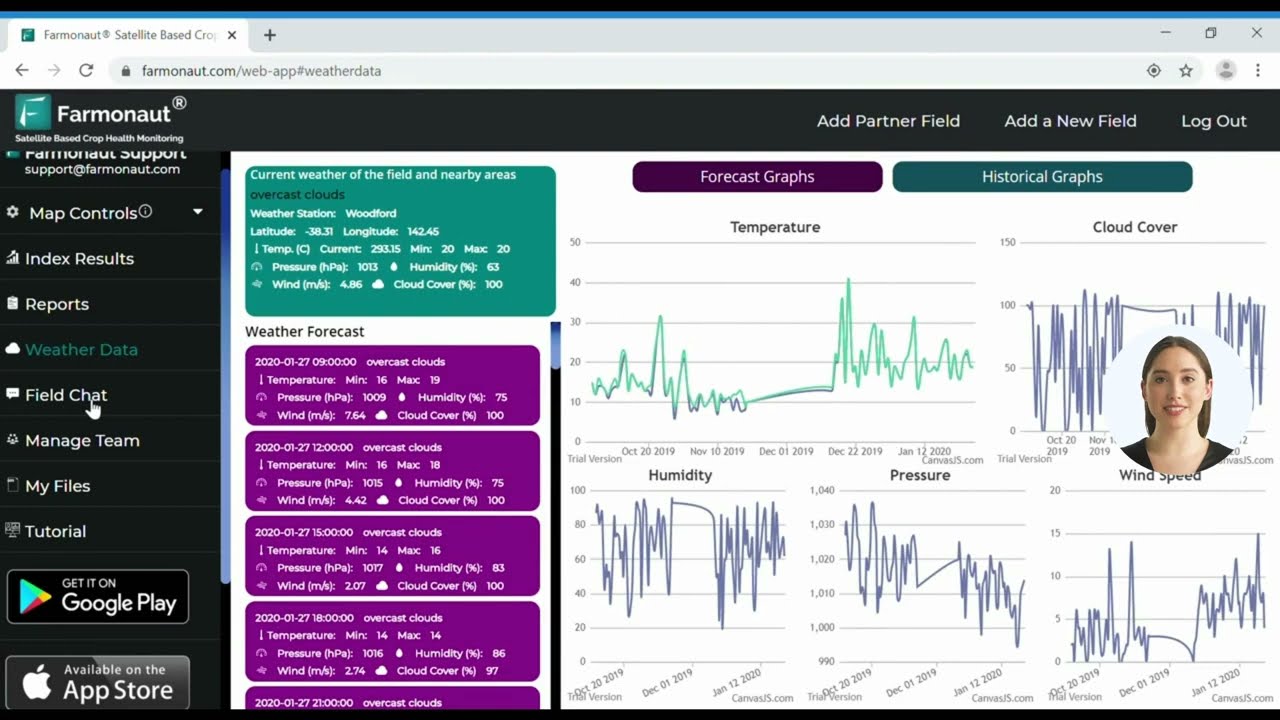
Satellite-Based Monitoring: Utilize NDVI (Normalized Difference Vegetation Index) and soil moisture analytics to detect emerging nutrient deficiencies—enabling targeted application of sulfate compounds for optimal field performance.
API integration for scalable analytics and updates. -
Jeevn AI Advisory System: Receive real-time alerts for soil deficiency detection and actionable crop strategies using AI-driven insights.
Explore developer documentation here. - Blockchain-Based Traceability: Trace each batch of agricultural inputs—such as iron ii sulfate—in supply chains for transparency, authenticity, and compliance with global best practices.
- Environmental Impact Tracking: Track carbon footprint and on-field emissions using our advanced analytics—key for sustainability reporting and crop loan & insurance eligibility.
- Fleet & Large-Scale Management: Streamline resource allocation, input delivery, and harvest logistics across large operations and multiple sites—maximizing the return on smart soil amendments.

Get the Farmonaut Android App

Download the iOS App
Comparative Benefits of Iron II Sulfate and Iron Copper Sulfate in Sustainable Agriculture
| Compound Name | Main Use in Agriculture | Estimated Improvement in Soil Health (%) | Environmental Impact (Low/Medium/High) | Nutrient Contribution (Key Elements Supplied) | Yearly Adoption Rate (Estimated % for 2025) |
|---|---|---|---|---|---|
| Iron II Sulfate (FeSO4) | Correction of iron deficiencies, soil acidification, foliar & soil amendments | 20% | Low | Iron (Fe) | 7% |
| Iron Copper Sulfate | Dual micronutrient supplementation (iron + copper), advanced foliar/precision application | 22% | Low | Iron (Fe), Copper (Cu) | 5% |
These figures illustrate how both iron ii sulfate and iron copper sulfate are central to advanced soil management strategies in 2025 and beyond, facilitating continual improvement of soil health and nutrient availability in agricultural lands.
Implementation & Best Practices: Getting the Most from Iron II Sulfate and Iron Copper Sulfate
How to Use Iron II Sulfate and Iron Copper Sulfate for Maximum Soil Health & Crop Productivity
Both compounds, when applied thoughtfully, produce transformative improvements in field and forest vitality. To maximize benefits, it’s important to follow modern best practices:
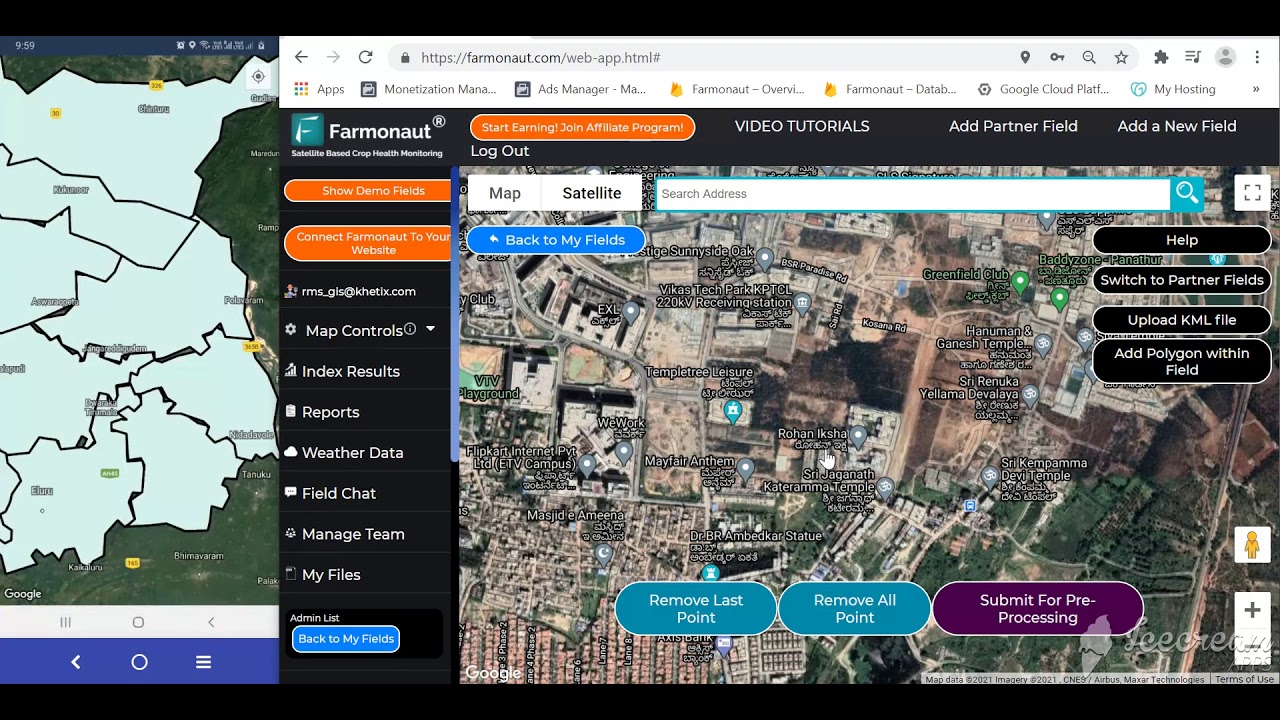
- Diagnosis First: Use satellite and soil tests (such as those enabled by Farmonaut’s crop & plantation monitoring tools) to confirm the location and extent of nutrient deficiencies.
- Appropriate Dosage: Calibrate application rates for site-specific conditions; avoid excess that can cause toxicity or environmental runoff.
- Timing: Prioritize pre-planting or early-season supplementation to correct soil status before peak crop demand. Use foliar sprays as in-season rescue for acute deficiencies.
- Combine with Other Good Practices: Integrate with organic matter addition, cover cropping, and ecological pest/disease management for holistic soil health.
- Remote Monitoring: Continue to observe crop or forest status remotely to validate effectiveness and to adapt management over time.
This results in a virtuous cycle of nutrient cycling, improved yields, and regenerative soil and ecosystem health.
FAQ: Iron II Sulfate, Iron Copper Sulfate, and Soil Health
What is the primary difference between iron ii sulfate and iron copper sulfate?
Iron II sulfate (ferrous sulfate, FeSO4) supplies only iron—a critical micronutrient for chlorophyll synthesis and crop growth—while iron copper sulfate is a mixed compound that delivers both iron and copper. Iron copper sulfate is preferred where soils are deficient in both micronutrients, supporting more efficient nutrient management and plant metabolism for specific scenarios.
Are iron sulfate compounds environmentally friendly?
Yes, when applied according to best practices, iron sulfate compounds have a low environmental impact. They improve soil nutrient cycling and health, and advanced formulations reduce the risk of runoff or over-application.
How do I know if my field or forest needs iron or copper supplementation?
Symptoms like yellowing leaves and stunted growth often indicate iron deficiency. For confirmation and area mapping, use soil tests or remote sensing solutions like those offered by Farmonaut. This ensures precise intervention and optimized resource use.
Can I use iron ii sulfate in organic farming?
Iron(II) sulfate is permitted in many organic systems, but always check local certifications. Its low toxicity profile, natural occurrence, and role in essential nutrient supply make it a popular amendment for sustainable agriculture and forestry, even in regenerative or climate-smart frameworks.
Do I need special equipment to apply iron copper sulfate?
Not typically. Granulated or powdered forms can be broadly spread with standard fertilizer implements. Foliar solutions may require boom sprayers, especially for large fields or forestry operations.
Conclusion: The Future of Sustainable Soil Health and Nutrient Management
Iron II sulfate, iron 2 sulfate, and iron copper sulfate are crucial compounds for advancing soil health, boosting crop productivity, and aligning with the green imperatives of 2025 and beyond. These essential micronutrients, when applied using best practices and informed by digital monitoring solutions, unlock cascading benefits: better plant growth, improved resource conservation, and reduced environmental impact.
As agriculture, forestry, and mining move toward sustainability, the use of iron ii sulfate and iron copper sulfate will remain integral. These compounds support regenerative practices, climate-smart management, and efficient resource utilization, forming the foundation of ecological and economic resilience in both local and global contexts.
At Farmonaut, we continue our mission to make the insights needed for optimal soil amendment, sustainable mining, and resilient forestry accessible and affordable. Our satellite-driven platform empowers users to detect, diagnose, and manage nutrient needs—all in real time, at field, operation, or even regional scale.
Farmonaut Subscriptions
Whether you are an individual grower, a resource manager, or a large-scale operator, Farmonaut’s modular platform and flexible subscriptions ensure you have access to the best satellite, AI, and blockchain solutions for your needs. Accelerate your productivity, optimize soil and asset management, and meet 2025’s sustainability goals—right from your device.

 Mwerezi Minerals Company Limited
 Congo Mining Solutions
 Mining SARL
 SenGold Invest SAS
 Sania Corporation
 Sean Mining Limited
 NTS Group (Pty) Ltd
 Mine4Africa
 Lithspo Minerals Limited
 Tintina Mining Group
 Dalgety Minerals Pty Ltd
 Vortex Minerals Pty Ltd
 Faith At Work (Pty) Ltd
 Geotech Mining Solutions plc
 Vulcan International Limited
 Kidepo Associates
 GKY Mining
 Alkimy SARL
 Double A Trading
