

Potash Fertilizer, MOP Fertilizer: Crop Essentials 2026
As we venture into 2026, sustainable agriculture is at the core of global food security, driven by the need for efficient, environmentally conscious farming practices. Potash fertilizer, especially MOP fertilizer (muriate of potash), remains an indispensable component of modern agricultural inputs. With global populations rising and climate challenges intensifying, demand for efficient fertilizer solutions has never been greater.
In this comprehensive guide, we explore the evolving landscape of potash fertiliser and mop fertilizer for 2025, 2026, and beyond:
- Core role of potassium (K) in crop health and soil sustainability
- Current trends in potash usage and market dynamics in America, Asia-Pacific, Russia, Belarus, and globally
- Best practices for nutrient management, balanced fertilization, and precision farming
- Technological advancements, including satellite insights and blockchain traceability
- Sustainability initiatives to reduce environmental impact while enhancing productivity
- Farmonaut’s vision for a smarter, efficient, sustainable future in agriculture
Whether you are a farmer, agronomist, policymaker, or agtech enthusiast, understanding the pivotal role of potash fertilizer is essential for informed decisions and the future of our food system.

Understanding Potash Fertilizer: The Essential Crop Component
Potash fertilizer—widely known as mop fertilizer (muriate of potash) or potash fertiliser—is primarily comprised of potassium chloride (KCl). Potassium is one of the three essential macronutrients (N, P, K) required for plant growth, alongside nitrogen and phosphorus.
While nitrogen and phosphorus are structural elements central to photosynthesis and energy transfer, potassium plays distinct, crucial roles in regulating water uptake, enzyme activation, photosynthesis, and enhancing plant resistance to diseases and environmental stresses, including drought.
- Potash fertilizer remains a cornerstone for maintaining soil fertility, boosting crop yields, and ensuring food security worldwide.
- MOP (muriate of potash) is the most widely used form, containing about 60% potassium chloride and high nutrient content, making it favored for its cost effectiveness and efficiency in fertilization programs.
- The role of potash fertilizers in 2025–2026 is more vital than ever due to global challenges—increased crop demand, climate change, and soil nutrient depletion.

Why Potassium is Indispensable for Plants and Soil Health
Potassium—delivered as potash fertilizer (mop fertilizer, potash fertiliser)—is present in all plant tissues and is key for many physiological processes:
- Water regulation and osmotic balance: improves drought resistance and reduces irrigation needs
- Enzyme activation: supports over 60+ enzymes in chlorophyll formation and nutrient metabolism
- Photosynthesis and energy transfer: boosts plant energy and productivity
- Strengthening cell walls: improves plant resistance to pests and diseases
- Minimizing nutrient loss: improves nutrient efficiency and reduces input waste
Potassium deficiencies can lead to poor plant quality, reduced yields, susceptibility to diseases, and less efficient nutrient uptake. That’s why efficient potassium management is fundamental for sustainable agricultural practices.

Major Forms of Potash Fertilizer: MOP, SOP, and Innovations
Potash comes in different forms for varied farming needs. The most widely used form of potash fertilizer is MOP (muriate of potash), but alternatives and emerging options are evolving, especially as sustainable agricultural practices advance:
1. MOP (Muriate of Potash) — Potassium Chloride (KCl)
- Primary Form: Most common potash fertilizer type used globally, containing 60% KCl.
- Cost-Effective: Favored for staple crops like cereals, maize, wheat, rice, and industrial crops (e.g., cotton).
- Neutral pH: MOP does not affect soil acidity, making it versatile for a range of soils.
2. SOP (Sulphate of Potash) — Potassium Sulphate (K₂SO₄)
- Contains 50% potassium oxide (K₂O), preferred for crops sensitive to chloride (e.g., tobacco, potatoes, certain fruits and vegetables).
- More expensive compared to MOP.
3. Emerging Innovations (2025–2026 and Beyond)
- Controlled-release MOP: Maximizes nutrient efficiency, minimizing runoff and environmental impact.
- Blended fertilizers: Combines potash with micronutrients and organic amendments for more balanced management.
- Bio-based potassium fertilizers: Produced from recycled sources, limited commercial use expected to grow by 2026.
- Smart/Precision application: Using sensors, AI, and satellite monitoring for targeted input application.
These innovations contribute to sustainability efforts, reducing input costs, and helping farmers meet environmental regulations.

Current Trends: Potash Fertilizer, MOP Fertilizer Usage in 2025–2026
Potash fertilizer usage is driven by the need for increasing crop yields, expanding acreage, and technological advances. In 2025 and beyond, the following trends define the global potash market:
-
Expanding Cultivation and Crop Diversity:
- Greater acreage in America, Asia-Pacific, and Africa is leading to wider adoption of potash-based inputs.
- Staple crops—cereals, maize, wheat, rice—account for over 70% of MOP fertilizer demand (see trivia below).
-
Integrated Nutrient Management and Balanced Fertilization:
- Combining potash with nitrogen and phosphorus for optimal management. This approach improves soil fertility, minimizes nutrient runoff, and addresses environmental requirements.
-
Adoption of Precision Agriculture:
- Precision techniques ensure fertilizer application (including potash) is targeted according to real-time soil and crop data—boosting efficiency and reducing input waste.
-
Attention to Sustainability:
- Global sustainability initiatives are minimizing energy use, reducing over-application, and supporting environmentally responsible farming.
-
Technological Innovations:
- Platforms like Farmonaut’s Crop Plantation and Advisory Apps help farmers and agricultural managers monitor soil and vegetation health, driving precision input application for greater productivity and sustainability.
These factors are not only driving yield improvement but also ensuring that agriculture keeps pace with the global food demand in a changing climate.
Sustainability and Environmental Impact of Potash Fertilizer
Sustainable agriculture is more than just increasing yields; it’s also about minimizing environmental impact and enhancing the long-term fertility of our soils. Potash fertilizer plays a pivotal role in supporting these goals:
-
Improved Water Use Efficiency:
- Potash strengthens plant water uptake mechanisms, helping crops withstand drought and requiring less irrigation—crucial for regions with water scarcity.
-
Reduced Synthetic Input Use:
- By enhancing nutrient uptake, potash fertiliser can reduce the need for excessive nitrogen and phosphorus input and minimize greenhouse gas emissions. See the comparative benefits table below.
-
Decreased Risk of Runoff and Leaching:
- Controlled-release and precision-applied potash fertilizers help keep nutrients in the root zone, minimizing environmental runoff that can pollute waterways.
-
Soil Structure and Long-Term Soil Health:
- Continuous, balanced use of potash maintains soil structure, supports microbial life, and keeps soils fertile for future generations.
-
Supporting Regenerative Agriculture:
- Potash fertilizer, when managed responsibly, is integral to regenerative practices by improving soil resilience while meeting the challenges of modern agriculture.
Innovations in fertilizer application are accelerating sustainable transitions. Platforms like Farmonaut’s Carbon Footprinting Solutions allow real-time monitoring and management of environmental impacts from fertilizer usage in agriculture.

Global Potash Supply & Market Dynamics: 2025–2026 Outlook
The global potash supply chain is robust yet adapting to geopolitical, energy, and environmental pressures. Here’s a look at 2025–2026:
-
Major Producing Regions:
- Canada, Russia, and Belarus—these countries account for the majority of potash fertilizer production worldwide. North and South America, alongside emerging suppliers in Africa and Asia-Pacific, are also increasing their output.
-
Mining and Production Advances:
- Innovations in extraction (from evaporite and sylvinite ores) are reducing energy use and environmental impact in fertilizer manufacturing.
-
Supply Chain Resilience:
- Strategic stockpiling, improved logistics, and diversified sourcing are making the global potash chains more resilient to geopolitical shocks and market fluctuations even in 2026.
-
Market Challenges and Opportunities:
- Rising costs—driven by energy prices—impact affordability for small and medium farmers.
- Efforts to recycle potash from waste streams and develop bio-based potassium inputs are accelerating for inclusive access and sustainability.
The potash fertilizer market is evolving with an increased emphasis on sustainability, transparency, and regional self-reliance without sacrificing crop productivity.
Precision Farming and Technological Innovations – The Farmonaut Approach
Precision farming is revolutionizing nutrient management, including potash fertilizer application. By leveraging real-time data from satellites, sensors, and AI, farmers achieve targeted fertilization with enhanced efficiency and reduced environmental impact.
-
Satellite-Driven Crop Monitoring:
- Platforms like ours at Farmonaut allow farmers and agricultural professionals to monitor soil conditions, nutrient deficiencies, and vegetation health (NDVI) from anywhere in the world.
- This enables smart decisions regarding fertilizer (including MOP) application, minimizing waste and improving efficiency.
-
AI-Based Advisory Systems:
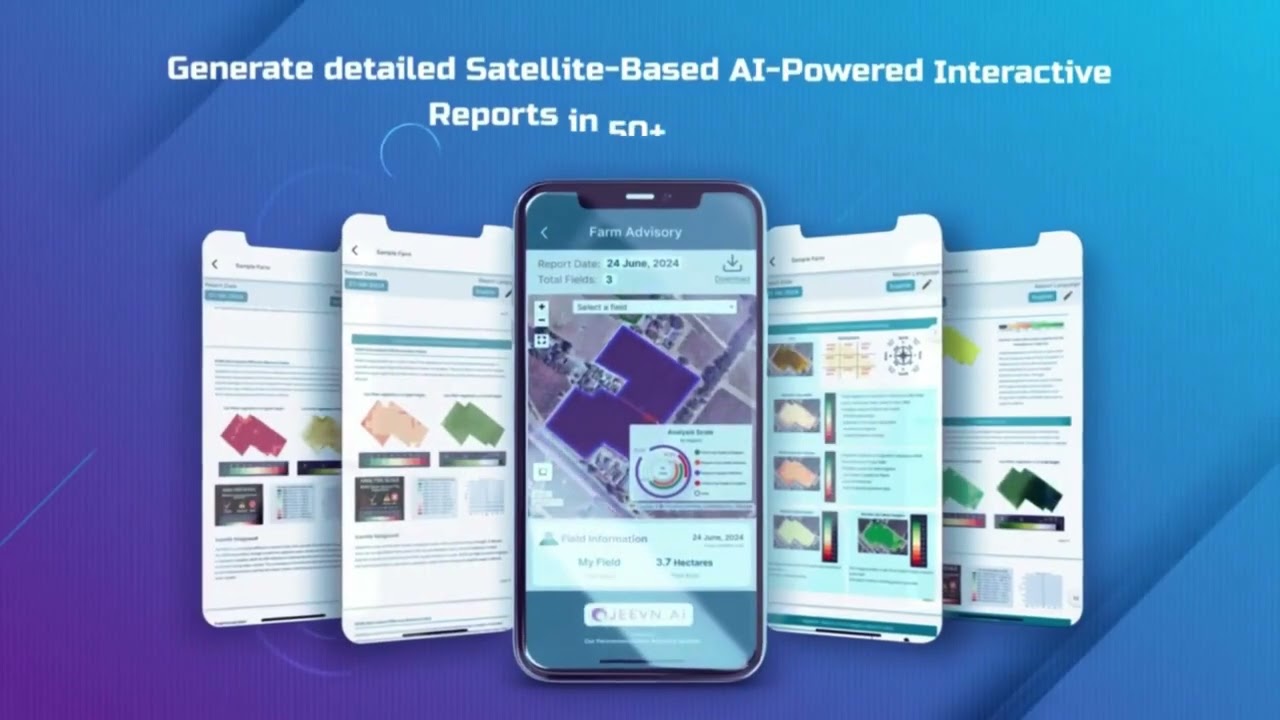
- We provide customized, actionable recommendations through our Jeevn AI—improving crop health, yield, and sustainability in every application of potash and other inputs.
-
Blockchain-Based Traceability:
- With our product traceability solutions, supply chains gain transparency and track the source and application of fertilizers, improving trust and minimizing resource losses.
-
Fleet and Resource Management:
- Fleet management tools in our platform help optimize fertilizer transport, reducing input losses during distribution—from mining regions to farm gates.
-
Large-Scale Farm Management:
- Organizations and governments benefit from large-scale farm monitoring solutions for regional nutrient efficiency and crop health.
-
Financial and Insurance Integration:
- Satellite-based crop loan and insurance verification ensures fertilizer-supported crop yields are protected and verified for finance access.
-
API and Developer Access:
- Our API and developer documentation provide seamless integration of up-to-date satellite-driven insights into any agricultural management system.
This integrated approach—combining satellite imagery, AI, and blockchain—dramatically improves potash fertilizer management, accuracy, and sustainability on a regional and global scale.



Estimated Benefits of Potash (MOP) Fertilizer Use: 2025–2026
| Sustainability Aspect | Estimated Benefit with Potash Fertilizer (2025–2026) | Environmental Impact |
|---|---|---|
| Crop Yield Improvement (%) | 10–25% increase in average yields (cereals, fruits, vegetables, cotton) | Supports food security; reduces pressure for farmland expansion |
| Soil Health Score (1–10 scale) | 7–9 (with balanced, precision application) | Improved microbial activity and soil structure |
| Nutrient Efficiency Increase (%) | 15–30% improved potassium and N/P uptake efficiency | Reduces loss of synthetic fertilizers and minimizes leaching |
| Estimated Reduction in Synthetic Inputs (%) | 10–20% less nitrogen/phosphorus needed with balanced potash | Less groundwater contamination, reduced greenhouse gas emissions |
Note: Actual values may vary by region, crop type, and management system. The above estimates are based on industry and academic studies for optimal nutrient management with potash fertilizer in 2025–2026.

Challenges and Future Directions for Potash Fertilizer, MOP Fertilizer
While potash fertilizer (especially MOP fertilizer) remains a cornerstone of sustainable agriculture, the industry faces notable challenges and opportunities looking into 2026 and beyond:
-
Soil Degradation and Nutrient Imbalances:
- Continuous use of imbalanced fertilizers depletes potassium reserves and disrupts K:N:P ratios in soils. Effective soil testing is essential for precision potassium application.
-
Affordability and Accessibility for Smallholders:
- High prices—due to energy costs and market volatility—limit fertilizer access for small-scale farmers in developing regions.
-
Dependence on Geological Reserves:
- Global potash production is dependent on a handful of major countries, making supply chains vulnerable to geopolitical risks.
-
Potential Environmental Risks:
- Over-application can lead to runoff, eutrophication, and negative soil structure impacts, especially where irrigation water is limited.
-
Emerging Solutions for Future Sustainability:
- Greater adoption of precision fertilizer management, soil condition monitoring, and digital advisory platforms (such as Farmonaut) will mitigate risks and drive efficient input use.
- Increased R&D in bio-based and recycled potassium fertilizers to diversify supply and reduce environmental impacts.
-
Integration with Digital Agriculture:
- The future of potash fertilizer management lies in seamless synergy between IoT sensors, satellite data, and AI-driven crop modeling.
Collaborative approaches, supported by technology and sustainable practices, will ensure equitably distributed benefits from potash fertilizer, while protecting the environment for generations to come.
Farmonaut’s Satellite, AI, and Blockchain Solutions for Sustainable Fertilizer Use
Farmonaut combines the power of satellite imagery, AI analytics, and blockchain for precise, data-driven fertilizer management:
- Real-time Monitoring: Multi-spectral remote sensing allows monitoring of crop health, soil nutrient status, and fertilizer application outcomes—facilitating rapid adjustments for potash fertilizer programs.
- AI-Powered Advisory: Jeevn AI analyzes satellite data to give tailored recommendations on potash and nutrient balance for increasing yield and improving soil health.
- Blockchain-based Traceability: Ensures fertilizer product authenticity, transparent records of input use, and minimizes fraud throughout agricultural supply chains.
- Environmental Impact Tracking: With carbon footprint monitoring, users can quantify and reduce environmental impacts from fertilizer production and use on farms and landscapes.
- Scalable and Customizable Platform: Subscription-based access is available on mobile and web apps, APIs, and multi-user admin systems for large farms or government projects.
By making satellite-driven insights affordable and accessible, we at Farmonaut are empowering agricultural stakeholders worldwide to maximize the benefits of potash fertilizer while meeting the world’s sustainability challenges.
Frequently Asked Questions (FAQ) on Potash Fertilizer, MOP Fertilizer, and Sustainable Agriculture
What is potash fertilizer and how is it different from MOP fertilizer?
Potash fertilizer refers broadly to any fertilizer containing potassium (K), a vital macronutrient for plants. MOP fertilizer (Muriate of Potash) is the most common and cost-effective type, consisting mainly of potassium chloride (KCl) and used for a variety of crops—including cereals, cotton, and vegetables.
Why is potassium important for crop health and yield?
Potassium ensures efficient water regulation, enzyme activation, photosynthesis, disease resistance, and healthy plant structure. Deficiency leads to stunted growth, reduced yields, and increased susceptibility to drought and pests.
What environmental impact does potash fertilizer have?
When applied correctly, potash fertilizer improves nutrient efficiency, reduces input waste, and minimizes water runoff and leaching. Over-application, however, can risk waterway pollution—so precision application and monitoring are crucial for sustainable agriculture.
Is potash fertilizer considered sustainable?
Yes, especially when integrated with precision agriculture practices, balanced nutrient management, and ongoing soil monitoring. Modern innovations like controlled-release formulas and digital monitoring platforms further enhance sustainability by reducing unnecessary inputs and environmental footprint.
How does Farmonaut support sustainable fertilizer use?
We at Farmonaut provide satellite, AI, and blockchain tools for real-time monitoring of soil, crop health, and input application. This empowers farmers, businesses, and governments to optimize potash use, minimize environmental risks, and meet sustainability and yield targets cost-effectively.
What will the future of potash fertilizer look like in 2026 and beyond?
The future will see greater integration of digital technologies (satellite monitoring, AI advisory, and traceability), development of bio-based potassium fertilizers, regional diversification of potash supply, and ever-increasing focus on environmental stewardship and food security.
Conclusion: Potash Fertilizer—Key to a Sustainable, Secure Food Future
As we look toward 2026 and beyond, potash fertilizer, especially in the form of mop fertilizer (muriate of potash), remains a vital component for sustainable agriculture. Its unique ability to improve soil health, enhance crop productivity, and minimize environmental impacts makes it indispensable in the realm of modern agricultural practices.
Through innovations in fertilizer management, precision technology, and sustainable supply chain practices, potash will continue to be the backbone of efforts to ensure food security, support farmer incomes, and protect our environment.
Empowering the agricultural community with real-time information, data-driven strategies, and environmental accountability is the way forward—and at Farmonaut, we are dedicated to making this future a reality for all.
Farmonaut Subscriptions
Access affordable, scalable, and AI-driven satellite monitoring for crops, soil, nutrient efficiency, and environmental impact with Farmonaut.
Choose the right plan for your farm, business, or government agency below:
Discussion
Questions, corrections or field experience? Share them below. First-time comments are reviewed before they appear, and your email is never published.
No comments yet. Be the first to add a question or your experience.

 Azure Clouds
 MCSOD
MCSOD Marei Nursery
 eKGIS
eKGIS Mostas Tech
 Native Seeds
 Andex
Andex FCF India
 Unifrutti Gulf
 Deluxe Conseil
 TVS Electronics
 WICO
WICO Chimera Innovation
 SkyHarvest
 Polaris Digitech
 Licence holder · Niger · Gold










