

Jersey Dairy Cow: 7 Benefits for Sustainable Farming
Meta Description: The Jersey dairy cow remains a vital asset for sustainable dairy farming in 2026, offering superior milk, efficient production, and environmental benefits. Discover why!
“Jersey cows produce milk with up to 20% higher butterfat content, ideal for eco-friendly dairy products in 2025.”
Table of Contents
- Summary: The Jersey Dairy Cow’s Role in Sustainable Dairy Farming (2026)
- Origins and Characteristics: The Jersey Dairy Cow’s Distinctive Traits
- Jersey Dairy Cow: 7 Key Benefits for Sustainable Farming
- Comparative Benefits Table: Jersey vs. Other Dairy Breeds
- Demand, Adaptability, and Modern-Day Success
- Jersey Dairy Cows for Sale: Investment, Breeding, and Management
- Jersey Cow Farming in 2026 and Beyond: Outlook and Opportunities
- How Farmonaut Empowers Sustainable Dairy Farms
- FAQ: All About Jersey Dairy Cows and Sustainable Farming
- Conclusion: Choose Jersey Dairy Cows for Sustainable and Profitable Farming
Summary: The Jersey Dairy Cow’s Role in Sustainable Dairy Farming (2026)
In the evolving landscape of modern agriculture, the Jersey dairy cow continues to prove itself as a vital asset for sustainable dairy farming—setting benchmarks in milk quality, efficient production, and environmental stewardship. With a heritage tracing back to the Channel Island of Jersey, this distinctive light brown breed excels in the essential goals of resource efficiency and economic viability, both of which are defining priorities for dairy farmers in 2026 and beyond.
This article explores the seven exceptional benefits of Jersey dairy cows, painting a comprehensive picture of why they have become the preferred breed for those committed to sustainable, profitable, and resilient dairy operations in the face of ever-shifting global demands. Discover how integrating Jersey cows can be a game-changing strategy for future-ready dairy farms.
Origins and Characteristics: The Jersey Dairy Cow’s Distinctive Traits
The Jersey dairy cow traces its roots to the Channel Island of Jersey, a heritage that has imparted a suite of remarkable attributes. Over centuries, this breed has been selectively bred for unique characteristics that make Jerseys stand out among global dairy breeds.
Key Physical Traits
- Size: Smaller than Holsteins and other breeds, making Jerseys easier to handle and less resource-intensive.
- Coat: A distinctive light brown coat, sometimes with white markings, aiding adaptability to temperate and even subtropical climatic conditions.
- Adaptability: Exceptional resilience enables Jerseys to thrive in diverse geographic locations, ensuring year-round milk production.
- Milk Composition: Notable high butterfat and protein content: Butterfat averages around 5–5.5%, with protein at approximately 3.8–4.0%—optimal for cheese and butter production.
Why These Traits Matter for Sustainable Agriculture
The smaller size of Jersey cows translates to:
- Lower feed and water requirements
- Reduced land usage per cow
- Simplified farm management and infrastructure needs
Reducing resource needs supports sustainability and aligns with the economic interests of both small and large-scale farmers.

Jersey Dairy Cow: 7 Key Benefits for Sustainable Farming
As we look towards 2026, the significance of Jersey dairy cows grows across global dairy farming. Here are the seven major benefits that make Jersey cows the preferred choice for sustainable and efficient dairy production:
- Superior Milk Quality: High butterfat and protein content make Jersey milk ideal for premium and value-added dairy products like artisanal cheese and butter.
- Efficient Feed Conversion: Jerseys use about 30% less feed per liter of milk than larger breeds (e.g., Holsteins), lowering production costs and reducing pressure on natural resources.
- Lower Environmental Impact: With their smaller size and efficient metabolism, Jersey cows generate fewer greenhouse gas emissions per unit of milk, contributing to sustainability goals.
- Adaptability and Resilience: Jerseys thrive in various climates—from temperate to subtropical—making them versatile for different farms across the globe.
- Enhanced Fertility and Longevity: Exceptional fertility rates and longer productive lifespans reduce the need for veterinary interventions and replacement animals, further enhancing sustainability.
- Economic Viability for Farmers: High-value milk, combined with lower feed and care requirements, helps farmers maintain better profit margins—even in challenging market conditions.
- Support for Small-Scale and Diverse Farms: The manageable size of Jersey cows makes them ideal for smaller operations and emerging dairy entrepreneurs, promoting inclusivity and diversity in agriculture.
“Jersey cows require 30% less feed per liter of milk, reducing the environmental footprint of sustainable dairy farms.”
Comparative Benefits Table: Jersey vs. Other Dairy Breeds
Let’s examine how Jersey dairy cows compare with popular dairy breeds—particularly in sustainability and operational efficiency.
| Benefit | Jersey Cow (Estimated Value) | Other Dairy Breeds (e.g., Holstein, Guernsey) | Sustainability Impact |
|---|---|---|---|
| Milk Yield (Annual/cow) |
5,000–6,000 L | Holstein: 8,000–10,000 L | Jerseys produce less volume but yield higher value milk per liter. |
| Milk Fat Content |
5.0–5.5% | Holstein: ~3.7% Guernsey: ~4.5% |
Higher fat improves nutritional value and returns from value-added products. |
| Milk Protein Content |
3.8–4.0% | Holstein: ~3.2% Guernsey: ~3.6% |
Enhances cheese yield and quality; attracts premium pricing. |
| Feed Efficiency (Feed per liter milk) |
30% less feed per liter than Holsteins | Higher feed required per liter for Holsteins | Cuts resource use, cost, and emissions per liter of milk. |
| Water Usage | Lower | Higher | Less pressure on freshwater resources. |
| Greenhouse Gas Emissions (per liter milk) |
Lower (efficient converters) | Higher | Supports climate-smart agriculture and carbon footprint reduction. |
| Land Requirement (per cow) |
Smaller land needed | Larger | Enables sustainable small-scale farms and higher stocking density. |
| Longevity/Productive Life | Up to 15 years | Holstein: 6–9 years | Reduces herd turnover and resource consumption over time. |
Looking to measure your dairy farm’s carbon footprint and improve sustainability? Explore Farmonaut’s Carbon Footprinting Solution: This tool empowers farmers and agribusinesses to track and minimize their environmental impact—essential for sustainable Jersey cow farming in 2026.
Demand, Adaptability, and Modern-Day Success
The growing global demand for ethical, nutrient-rich dairy products fuels increased interest in the Jersey dairy cow. What sets Jersey cow farms apart in 2026 is not just the milk’s premium quality, but also the breed’s remarkable adaptability and low-maintenance requirements, making them the preferred option for farmers across climates.
How Jersey Cows Support Sustainable Dairy Farming
- Consistent High-Quality Yield: While the annual yield per cow may be lower compared to some breeds, the superior milk quality and nutrient content often mean higher profits per liter produced.
- Ideal for Organic and Regenerative Farms: The Jersey cow’s efficiency and adaptability are particularly suited to pasture-based and organic dairy farming, themes central to regenerative agriculture in 2026.
- Low-Veterinary Needs: Resilient health, fewer metabolic issues, and easy calving help decrease operational disruptions.
- Nimble for Smaller and Large-Scale Farms: Jersey dairy cows thrive both on family farms and large dairies, reinforcing their reputation as the breed of choice in the evolving agricultural landscape.

Jersey Dairy Cows for Sale: Investment, Breeding, and Management
Farmers and dairy sector participants continually look for Jersey dairy cows for sale due to their genetic excellence, high fertility, and adaptability. As breeding technologies improve, notably with advanced genomic selection and data-driven herd management practices, the Jersey cow is further cemented as one of the most valuable assets for progressive dairy farms.
Investment Value: Why Jersey Dairy Cows for Sale Are in Demand
- Genetic Advancements: Modern Jersey herds benefit from meticulous genetic selection, emphasizing disease resistance, longevity, and optimum milk quality.
- Market Opportunities: Specialty dairy markets are flourishing, rewarding farmers with premium pricing for Jersey milk and products.
- Risk Mitigation: The breed’s resilience and reduced veterinary expenses minimize overall business risk—an attractive factor for both new and experienced agricultural entrepreneurs.
Best Management Practices for Jersey Cow Farms
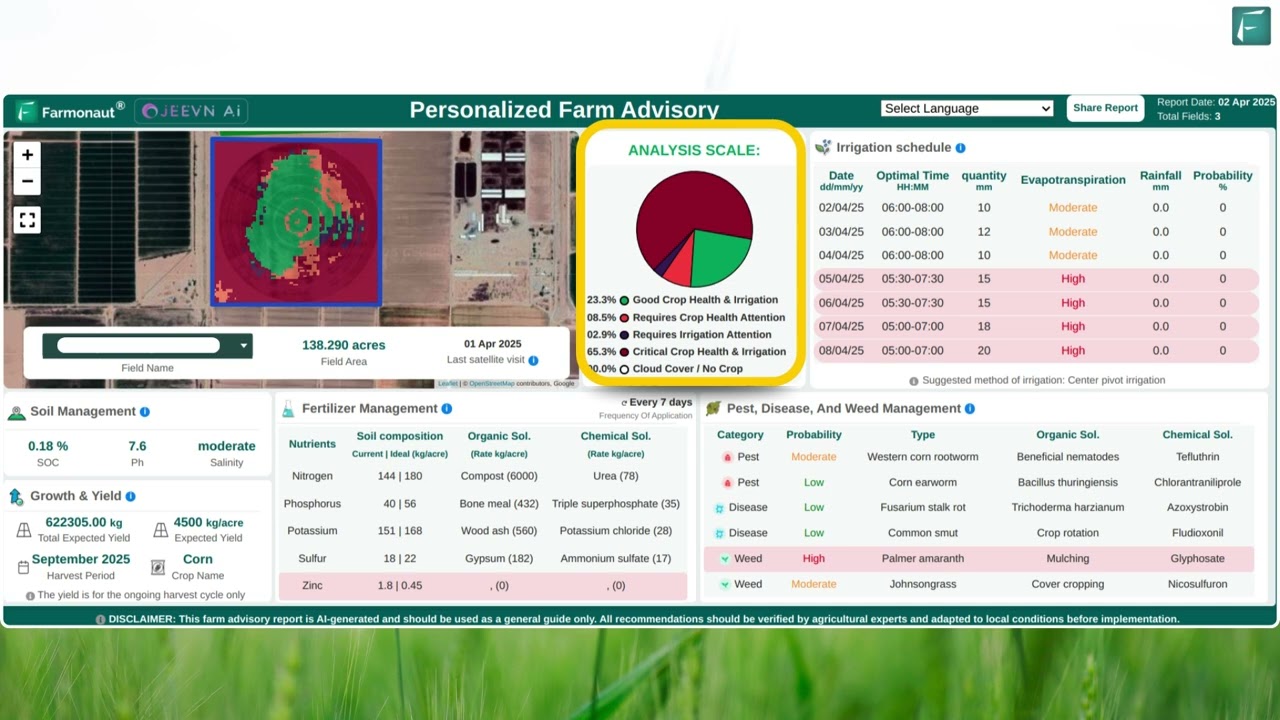
- Precision Nutrition: Adjust feed for optimal conversion and minimal waste using digital farm platforms and satellite analytics.
- Animal Welfare: Provide comfortable, spacious housing, with access to pasture, ensuring the health and happiness of your Jersey herd.
- Health Monitoring: Use modern herd management technology—such as satellite-based monitoring tools—to track cow movement, detect early health issues, and optimize productivity.
Want real-time satellite monitoring and AI advisory for your Jersey dairy farm?




Streamlining Farm Management in 2026
- Efficient Facility Use: Jersey cows’ smaller physical size means barns can house more animals in the same space, reducing construction and operational costs.
- Diverse Farm Opportunity: Emerging and established farmers alike can capitalize on Jersey cow assets, scaling from boutique dairy ventures to commercial farms.
- Blockchain for Traceability: For farmers aiming to build consumer trust or export dairy, Farmonaut’s blockchain traceability solution (Product Traceability) keeps your production transparent and secure across the supply chain.
Jersey Cow Farming in 2026 and Beyond: Outlook and Opportunities
Sustainable agriculture is not a passing trend—it’s the core philosophy defining success on dairy farms in 2026 and the years ahead. Against this backdrop, Jersey dairy cows are positioned as champions of environmental and economic sustainability.
- Feed-to-Milk Conversion: Jersey cows produce more milk per kilogram of feed, critical in a world balancing increased demand with finite natural resources.
- Mitigating Climate Change: Lower greenhouse gas emissions per liter of milk make Jersey dairy a cornerstone breed for climate-smart agriculture.
- Organic and Regenerative Practices: They excel in pasture-based, organic, and even regenerative agriculture systems—responding to growing consumer and regulatory demands for eco-friendly products.
- Digital Innovation: Integration of precision technology, satellite data, and digital management platforms enables real-time, sustainable farm decision-making.
Managing a large Jersey cow farm? Check out Farmonaut’s Large Scale Farm Management Platform to simplify herd management, schedule interventions, and track resources efficiently for maximum sustainability and profitability.

Need reliable verification for crop loans or insurance on your dairy farm? Leverage Farmonaut’s Crop Loan and Insurance Platform for secure, satellite-backed due diligence and easier financial access.
How Farmonaut Empowers Sustainable Dairy Farms
At Farmonaut, we are dedicated to supporting dairy farmers and agricultural businesses by offering affordable satellite-driven insights, AI advisory, and blockchain-powered traceability. Here’s how our services enhance Jersey dairy cow sustainability:
- Environmental Monitoring: Real-time data on greenhouse gas emissions, water usage, and land health support compliance and sustainability initiatives.
- Precision Management: By leveraging satellite imagery, we enable optimized feed allocation, pasture rotation, and animal health surveillance, leading to efficient resource use and happier, healthier herds.
- Product Traceability: Our blockchain-based solution assures transparency and authenticity in dairy supply chains, promoting consumer trust and market access.
- Scalability: Whether managing a family farm or a large commercial operation, our modular platform adapts to your evolving business needs.
Developers and agribusinesses: Integrate Farmonaut’s Satellite API or read the Developer Docs to bring advanced satellite intelligence to your dairy management systems.

Farmonaut Subscriptions
Unlock affordable, powerful monitoring for your Jersey dairy cow farm. Explore pricing below:
FAQ: All About Jersey Dairy Cows and Sustainable Farming
1. What makes the Jersey dairy cow sustainable?
The Jersey dairy cow offers 30% higher feed efficiency per liter of milk, lower greenhouse gas emissions, and thrives in various environments—making it the leading breed for sustainable dairy farming in 2026 and beyond.
2. Is Jersey milk better than other breeds?
Yes. Jersey milk is richer in butterfat and protein compared to breeds like Holstein, making it ideal for cheese and premium dairy products.
3. Are Jersey dairy cows suitable for small-scale farms?
Absolutely! The smaller size and high efficiency of Jersey cows make them perfect for small family farms and emerging dairy entrepreneurs.
4. How does Farmonaut help dairy farmers?
At Farmonaut, we provide real-time farm monitoring, AI-driven advisory, and blockchain-based traceability to maximize farm efficiency and support sustainability goals for Jersey dairy farmers.
5. Where can I buy Jersey dairy cows for my farm?
Look for reputable breeders and registered Jersey dairy cow farms in your region specializing in genetically strong, disease-resistant animals. Always seek pedigree, vaccination records, and health certifications.
Conclusion: Choose Jersey Dairy Cows for Sustainable and Profitable Farming
In the rapidly changing world of dairy farming, the Jersey dairy cow stands as a timeless, future-focused asset. From reducing resource use and environmental impact to maximizing milk quality and returns, Jerseys are at the heart of sustainable agriculture in 2026. Whether you’re starting out or optimizing a large operation, integrating Jerseys into your farm ensures economic viability, premium products, and a step forward for the planet.
- Prioritize sustainability with efficient, adaptable Jerseys.
- Enhance milk yield quality and profit margins.
- Embrace digital solutions for smarter farm management and environmental monitoring.
Stay ahead in the modern agricultural landscape by leveraging Jersey cow assets—the breed that continues to transform the dairy sector worldwide.
Take Smart Steps Toward a Sustainable Dairy Future:
- Get Farmonaut Apps for hands-on satellite monitoring.
- Measure & reduce your carbon footprint with Farmonaut’s tech.
- Ensure supply chain traceability with our blockchain solution.
- Access financial services for dairy and crop insurance, enabled by satellite verification.
- Scale your farm with advanced digital management.
Discussion
Questions, corrections or field experience? Share them below. First-time comments are reviewed before they appear, and your email is never published.
No comments yet. Be the first to add a question or your experience.

 Polaris Digitech
 ASQI
ASQI Teledarbas
 Wild Oak Farm
 SFX
SFX BACF Africa
 Doodlakine
 Exurbia Geospatial
 FieldZero
 Indico Company
 Kubota
 FFBS
FFBS Jontra
 Tucor
Tucor
 Licence holder · Niger · Gold










