

Liquid Phosphorus & Soft Rock Phosphate: Best Fertilizers for Sustainable Crop Growth
Introduction: Why Phosphorus Matters in Modern Agriculture
Phosphorus is a cornerstone of plant nutrition and plays a critical role in energy transfer, photosynthesis, cellular division, and nutrient transport within plants. As one of the essential macronutrients required for healthy plant growth, the search for sustainable and efficient ways to deliver phosphorus to crops remains a vital pursuit for farmers, researchers, and policymakers.
Enter liquid phosphorus fertilizers, homemade phosphorus fertilizer solutions, and the revival of soft rock phosphate as environmentally responsible options—reshaping fertilization practices and sustainable agriculture for 2026 and beyond. In this comprehensive guide, let’s explore their science, use cases, and the transformative possibilities they offer for soil health and crop yields, especially with the support of innovative platforms like Farmonaut.
Understanding Phosphorus Fertilizers and Their Importance
Phosphorus fertilizers come in a range of forms, types, and sources, each with unique advantages and optimal use cases for different soils and cropping systems. From traditional mined rock phosphate and highly processed superphosphate to soft rock phosphate and innovative liquid solutions, the choices for the modern farmer in 2026 are both diverse and increasingly focused on long-term sustainability and environmental benefits.
- Traditional Products: Mined rock phosphate, superphosphate, triple superphosphate, diammonium phosphate (DAP), monoammonium phosphate (MAP)
- Sustainable Alternatives: Soft rock phosphate, liquid phosphorus formulations, homemade phosphorus fertilizer, organic and bio-based phosphate amendments
- Integration with Precision Agriculture: Farmers, horticulturists, and foresters use digital tools and satellite platforms (like Farmonaut) for accurate application, reducing waste and runoff
The importance of phosphorus in modern agriculture is only growing as we look ahead to 2026, with global efforts focused on:
- Optimizing crop yields and plant health
- Minimizing environmental impacts (e.g., eutrophication, runoff)
- Supporting the soil ecosystem for future generations

Liquid Phosphorus Fertilizers: An Overview
Liquid phosphorus fertilizers have become increasingly popular in recent years due to ease of application, precision, and their ability to provide rapid nutrient availability directly to plant roots. By 2026, their adoption spans from large corporate farms to smallholder plots, and across hydroponic systems, fertigation pipelines, and foliar spraying regimens.
How Are Liquid Phosphorus Fertilizers Made?
- Typically derived: by dissolving phosphates (e.g., monoammonium phosphate, soft rock phosphate) in water or by solubilizing phosphorus minerals with organic acids/microbial inoculants (fermentation or enzymatic action).
- Highly compatible: with fertigation systems (adding nutrients to irrigation water), hydroponics, and precision foliar applications.
- Rapidly available: ensures faster uptake and nutrient movement within plants—making it ideal for early root development or correcting acute deficiencies.
Advantages of Liquid Phosphorus Over Conventional Forms
- ⚡ Immediate Availability: Unlike mineral/mined rock phosphate, liquid forms supply phosphorus directly in soluble, plant-ready state.
- 🎯 Precision Delivery: Efficient use reduces waste and environmental runoff—supports regulatory compliance in regions with fertilizer bans (see video below).
- 🌱 Uniform Coverage: Ensures consistent nutrient distribution around the root zone, critical for crops like tomatoes.
- 💧 Versatile Use: Easily applied via fertigation, compatible with hydroponics, and suitable for foliar feeding.
- 🔬 Integrates Well: with other products like seasol liquid compost and liquid gold leaf fertilizer to boost plant health and resilience.

When to Use Liquid Phosphorus?
- At transplanting: For vegetables and row crops to ensure strong root establishment
- During fruit set or flowering stages: Maximizes yields in high-demand crops (e.g., rock phosphate for tomatoes or peppers)
- To address phosphorus deficiency: Especially in alkaline soils or environments with poor native phosphorus availability

Homemade Phosphorus Fertilizer: Innovative & Accessible Practices
With a shift toward sustainable and eco-friendly farming, many farmers and gardeners now prepare their own homemade phosphorus fertilizer using readily available materials. This not only cuts costs, but also supports circular economy principles by recycling organic and mineral waste.
Common Ingredients for Homemade Phosphorus Fertilizer:
- 🦴 Bone Meal: Steamed or ground animal bones (very high in phosphorus)
- 🌱 Compost: Rich in organic matter and slow-release phosphate compounds
- 🍌 Banana Peels: Composting banana peels can boost phosphorus levels
- 🌿 Eggshells: When finely ground and composted, add both calcium and phosphorus
- 🪨 Crushed Rock Phosphate: Finely grind and mix with other organic matter for homemade phosphorus fertilizer
DIY Example Recipe:
One simple and effective formula:
2 parts composted manure, 1 part bone meal, 1 part finely ground rock phosphate, and a splash of wood ash (optional, for potassium boost).
Mix well and apply at planting or as a side dressing around established crops like tomatoes.
Benefits of Homemade Phosphorus Fertilizer:
- ♻ Reduces reliance on manufactured/processed fertilizers
- 💰 Lowers nutrient input costs
- 🌍 Minimizes carbon footprint and environmental impacts
- 🔁 Utilizes on-farm or local waste streams, supporting local sustainability
By enabling the preparation and use of homemade phosphorus fertilizer, smallholder farmers can enhance soil health over years, decrease input costs, and minimize negative impacts on the ecosystem.
“Soft rock phosphate contains 20-30% total phosphate, making it a sustainable choice for long-term soil fertility management.”
Soft Rock Phosphate: Nature’s Sustainable Choice
Soft rock phosphate (sometimes called colloidal phosphate) is a naturally occurring mineral fertilizer slowly gaining recognition among organic, regenerative, and mainstream farmers due to its low solubility, slow-release profile, and high total phosphate content. Suited for long-term soil fertility and especially valuable in perennial cropping systems or forestry where rapid nutrient runoff is a concern.
- 🌱 Supply: Extracted from soft, naturally occurring apatite-rich deposits
- 🐌 Release: Slow-release property means it supplies phosphate to the soil ecosystem and microbial community over years rather than weeks
- 🥕 Optimal Use: As a soil amendment at planting, in garden beds, with fruit trees, perennials, and especially for rock phosphate for tomatoes (where their fruiting stage needs are high)
- 🤝 Supports: Soil microbial health and improves soil structure, aiding nutrient cycling for sustainable systems
- 🌳 Forestry: Perfect for forestry and permaculture projects due to longevity and gentle nutrient release
Soft rock phosphate is often combined with other amendments like Seasol liquid compost to enhance overall nutrient cycling and soil resilience—making it a key player in regenerative agriculture for decades ahead.
Comparative Table: Liquid Phosphorus, Homemade Fertilizer, Soft Rock Phosphate
| Fertilizer Type | Main Nutrient(s) | Release Speed | Soil Health Impact | Eco-Friendly Score (1-5) | Est. Application Cost/Acre (USD) |
|---|---|---|---|---|---|
| Liquid Phosphorus | Soluble phosphate (P2O5), optional micronutrients | Fast | Positive (if used responsibly) | 4 | $30–$55 |
| Homemade Fertilizer | Mix of organic P/N/K; bone meal, compost | Moderate | Highly Positive | 5 | $10–$20 |
| Soft Rock Phosphate | Slow-release phosphate (20–30% P2O5) | Slow | Highly Positive (supports microbes) | 5 | $22–$40 |
This comparison illustrates that both homemade fertilizer and soft rock phosphate offer top scores for soil health and eco-friendliness, while liquid phosphorus excels in rapid plant response, especially when integrated responsibly and with precision.
Integrating Liquid Phosphorus with Seasol Liquid Compost & Gold Leaf Fertilizer
The synergistic use of liquid phosphorus fertilizers with other organic and biological amendments delivers robust nutritional, biological, and resilience advantages for crops.
Seasol Liquid Compost: Bio-Stimulant for Soil and Root Health
- Extracted from seaweed and oceanic plant extracts; rich in micronutrients & growth hormones
- Applied alongside liquid phosphorus to enhance nutrient uptake
- Boosts microbial activity > greater phosphorus solubilization and movement within plants
- Improves soil structure, organic matter, and root health
Liquid Gold Leaf Fertilizer: Foliage & Micronutrient Support
- Specially formulated for foliar feed, correcting nutrient deficiencies in fruit or high-value crops
- Contains bioavailable phosphorus + trace elements for optimal nutrient balance
- Low risk of toxicity, especially when precision-applied at recommended rates
Benefits of Combining Organic and Liquid Phosphorus Products
- ✔ Enhances overall soil fertility and health
- ✔ Increases crop resilience against drought & stress
- ✔ Minimizes losses due to leaching/runoff
- ✔ Reduces chemical fertilizer reliance
- ✔ Improves yields—particularly for tomatoes and other high-demand crops
Environmental Impact & Benefits for Future-Proof Farming
The modern environmental imperative is to boost farm productivity while protecting our natural resources. Liquid phosphorus, homemade phosphorus fertilizers, and soft rock phosphate stand out as
highly sustainable, low-runoff, and soil-building options for the next era of farming. The future focus is on maximizing resource efficiency and minimizing negative
environmental impacts—from runoff-induced eutrophication and landfill waste to carbon emissions associated with highly processed fertilizers.
- 🌿 Reduces nutrient leaching: Slow-release and organic forms ensure phosphorus stays in the root zone, nourishing plants, not polluting waterways.
- 🦠 Enhances microbial activity: Organic and soft mineral sources support beneficial microbes, vital for cycling nutrients and soil fertility.
- 🔄 Supports circular resource management: Homemade and organic options help close nutrient loops on mixed farms and in urban gardens alike.
- 🌱 Promotes carbon sequestration: Healthier, biologically-rich soil systems can store more carbon, mitigating climate change.
Investor Note

Farmonaut: Satellite Technology Empowers Sustainable Fertilization
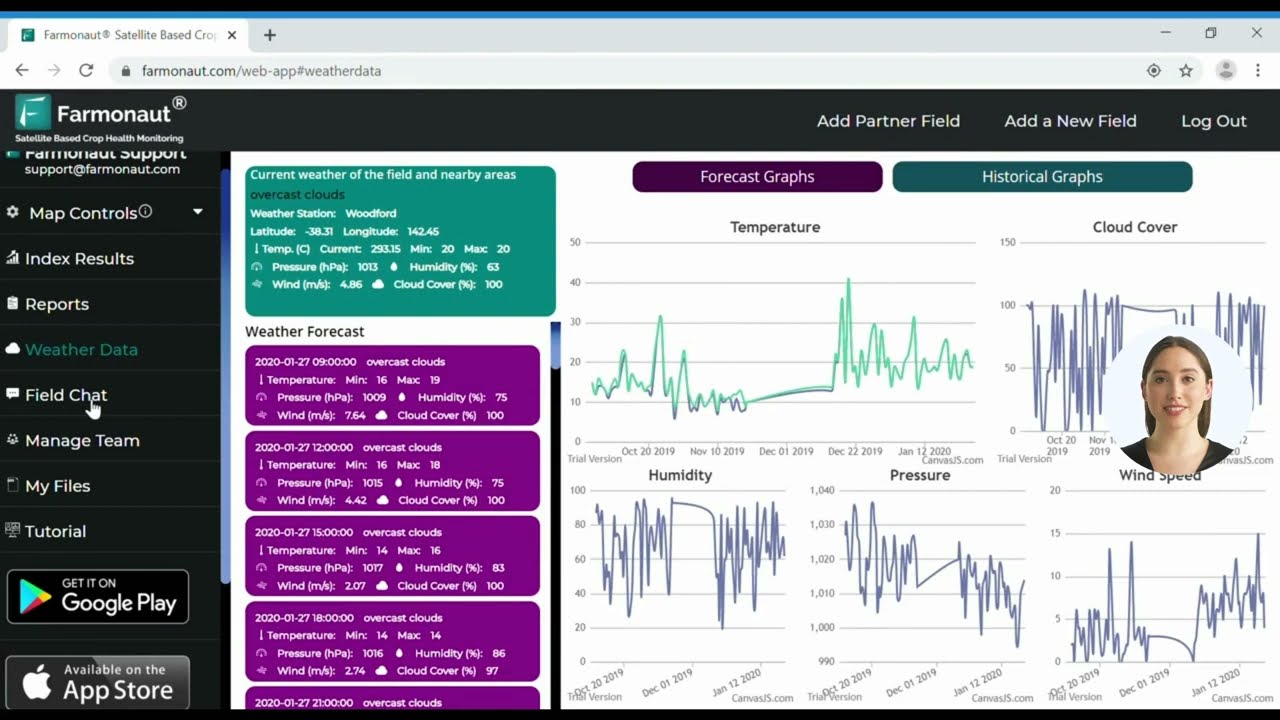
As part of the movement to optimize fertilizer use and environmental stewardship, satellite-based monitoring has become an invaluable resource for farmers, horticulturists, and foresters. At Farmonaut, we leverage advanced satellite imagery analysis, AI, and resource management tools to provide actionable data for farms and businesses worldwide.
- 🌍 Visualize nutrient deficiencies: Real-time NDVI and multispectral imaging highlight phosphorus stress and crop health at the field level.
- 🛰️ Plan applications precisely: Optimize when and where to apply liquid phosphorus, soft rock phosphate, or homemade amendments based on live data.
- 💡 Boost resource efficiency: AI-powered advisory (see Large-Scale Farm Management) aligns input decisions with crop needs, reducing inefficiencies.
- 📲 Farmonaut apps: Available for
 and
and 
Discover our full suite of geospatial and sustainability apps here:

For developers, our powerful Farmonaut Satellite & Weather API and Developer Docs let you integrate Earth monitoring and farm management data into your own tools. Build smarter solutions for phosphorus management, traceability, crop insurance, and environmental monitoring—ready for 2026 and beyond.
- 📊 NDVI Health Mapping: Visually track the response of crops to nutrient amendments like liquid phosphorus
- ✔️ Resource Planning: Forecasts for optimal phosphate and fertilizer application windows
- 🌦️ Weather-Driven Recommendations: Plan safe timing of foliar sprays or fertigation, avoiding environmental risks
- 🧾 Traceability Tools: Proof of responsibly sourced and used phosphorus products
- 🌎 Environmental Monitoring: Track the long-term impact of organic and sustainable fertilizer usage on farm carbon balance. (Visit Farmonaut’s Carbon Footprint Monitoring to learn more.)

Practical Guidance: Highlights, Bullet Points & Visual Lists
Top 5 Tips for Sustainable Phosphorus Application
- ✔ Test your soil to determine phosphorus needs and avoid over- or under-application
- 💧 Use liquid phosphorus when rapid plant response is essential; integrate with seasol liquid compost for best effect
- ♻ Recycle local organics with homemade phosphorus fertilizer to reduce costs and environmental impact
- 🌱 Apply soft rock phosphate at planting for perennials and slow-growing crops to boost multi-year fertility
- 🛰️ Leverage digital tools (like satellite-based crop monitoring) to optimize fertilizer timing and coverage
Visual List: Benefits of Sustainable Phosphorus Practices
- 🌱 Healthier plants with fewer chemical inputs
- 📈 Improved yields and crop quality (especially in tomatoes, fruit trees, and vegetables)
- 🌊 Clean water with reduced runoff
- 📉 Lowered costs and more resilient food systems
- 🥇 Better soil structure for years ahead
Visual List: Potential Risks to Avoid
- ⚠ Over-applying liquid phosphorus—risking runoff and aquatic contamination
- ⚠ Ignoring soil testing or local crop nutrient demands
- ⚠ Applying soft rock phosphate to highly alkaline soils (may limit phosphate availability)
- ⚠ Using contaminated sources (e.g., polluted bone meal or urban waste) for homemade fertilizer
- ⚠ Skipping integration with bio-amendments—lost opportunities for soil health gains
Key Insight
The real advantage for 2026 and beyond is in combining fast-acting liquid phosphorus with slow-release and organic amendments to maintain yields, reduce costs, and future-proof farm ecosystems.
Common Mistake
Applying conventional phosphorus fertilizers in excess leads to runoff, wasted inputs, and poor microbial health. Always integrate sustainable strategies—like homemade phosphorus fertilizer and soft rock phosphate.
Technical Spotlight
For the mining industry, responsible extraction of apatite and low-impact processing of soft rock phosphate are key to maintaining long-term phosphate sources and supporting agriculture’s shift to sustainable fertilizers.
Data Insight
Research shows properly integrated phosphate sources (liquid, homemade, and soft rock) can cut fertilizer costs by 20–30% while increasing average yields and soil organic matter content.
Frequently Asked Questions (FAQ)
Q1: Is liquid phosphorus really more environmentally friendly than traditional forms?
A: When applied with precision and informed by soil/crop monitoring, liquid phosphorus fertilizers significantly reduce nutrient losses due to runoff, supporting both higher efficiency and lower environmental impact.
Q2: Can homemade phosphorus fertilizer be used on a commercial scale?
A: Yes—using farm-based compost, bone meal, and crushed rock phosphate is scalable for both smallholders and larger operations, especially when integrated with precision application tools and monitored digitally.
Q3: What makes soft rock phosphate sustainable?
A: Soft rock phosphate is low-solubility, slow-release, and naturally mined. It builds long-term fertility and minimizes environmental risk, especially in organic and regenerative soil systems.
Q4: How do digital/satellite tools improve fertilizer efficiency?
A: Tools like Farmonaut provide real-time imagery and AI-powered advice to pinpoint nutrient needs, optimize timing, and track outcomes, making it easy to apply the right phosphorus source at the right time.
Q5: Is soft rock phosphate suitable for hydroponics?
A: No, its slow-release and low solubility make it best suited for soil systems. For hydroponics, a liquid phosphorus fertilizer is ideal.
Conclusion: Main Takeaways for 2026 & Beyond
The farm of the future is rooted in precision, sustainability, and resilience. Liquid phosphorus fertilizers empower precision and immediate plant response. Homemade phosphorus fertilizer and soft rock phosphate anchor your system in sustainability, soil health, and environmental stewardship. By combining these approaches and leveraging digital platforms like Farmonaut for real-time, satellite-driven monitoring, you can unlock a new standard of eco-friendly productivity for 2026 and beyond.
Whether you manage a diverse orchard, a tomato greenhouse, a large-scale grain farm, or are engaged in regenerative forestry, integrating liquid phosphorus, soft rock phosphate, and organic amendments—guided by cutting-edge technology—will keep your yields high, costs in check, and soil thriving for years ahead.
Farmonaut Subscription Plans & Resources
Ready to transform your phosphorus management strategies and adopt satellite-powered farm monitoring? Explore subscription plans tailored for farmers, agribusiness, and forestry professionals below.
Additional resources:
- Large-Scale Farm Management: Real-time field insights and satellite-driven productivity tools for major farms.
- Crop Loan & Insurance: Satellite-based verification minimizes claim fraud and boosts access to farm financing.
- Fleet Management: Track fertilizer application equipment, reduce fuel expenses, and optimize logistics seamlessly.
- Product Traceability: Blockchain-enabled traceability for fertilizer and food supply chains, building consumer trust.
Discussion
Questions, corrections or field experience? Share them below. First-time comments are reviewed before they appear, and your email is never published.
No comments yet. Be the first to add a question or your experience.

 Etherspace Network
 Teledarbas
 Wild Oak Farm
 SFX
SFX BACF Africa
 Doodlakine
 Exurbia Geospatial
 FieldZero
 Indico Company
 Kubota
 FFBS
FFBS Jontra
 Tucor
Tucor
 Licence holder · Niger · Gold
 Licence holder · Nigeria · Gold + lithium










