

Table of Contents
- Introduction: The Rising Importance of Pistachio Trees & Harvesting Innovation
- Did You Know?
- Pistachio Tree Basics: Species, Regions, and Economic Role
- Chinese Pistache and Red Push Pistache: Ornamental & Environmental Value
- The Rise of Innovation in Pistachio Harvesting (2025-2026)
- 7 Key Pistachio Tree & Harvester Innovations (2026)
- Comparison Table: Pistachio Tree & Harvester Innovations (2025–2026)
- Modern Pistachio Harvesting Machines: Efficiency and Precision
- Sustainability & Environmental Impact in Global Pistachio Production
- How Farmonaut’s Satellite Technology Empowers Pistachio Cultivation
- Farmonaut: Access, Tools & Subscriptions
- FAQ: Pistachio Trees, Harvesting, and Technology
- Conclusion: The Future of Pistachio Farming – Innovation & Sustainability
“Pistachio harvesters in 2025 can process up to 25% more yield per hour than previous models.”
Pistachio Tree & Harvester: 7 Innovations for 2026
Pistachio trees (Pistacia vera) have long been celebrated for their nutritional value, adaptability to arid regions, and economic importance in the global nut sector. As we move into 2026, the surging demand for pistachios has led to groundbreaking innovations in harvesting machinery, breeding, and sustainable cultivation methods—transforming the way both nut producers and the environment thrive.
The focus of this guide is to examine how the pistachio tree, advances in pistachio harvester design, and satellite-enabled solutions are shaping an era of efficient, eco-friendly nut production. Whether you’re an agricultural professional, landscaper interested in ornamental species such as the Chinese pistache tree or Red Push pistache, or an enthusiast tracking global pistachio innovations, this comprehensive resource will provide deep insights and actionable strategies for 2026 and beyond.

Pistachio Tree Basics: Species, Regions, and Economic Importance
Pistachio trees are a cornerstone of nut agriculture, beloved for their drought tolerance, high yield, and the premium market value of their nuts. Let’s explore what makes this species, especially Pistacia vera, such a force in global agriculture.
Understanding the Pistachio Tree (Pistacia vera)
- Climate Adaptability: Pistacia vera thrives in arid, semi-arid areas with long, hot summers and cool winters. Regions such as California, the Middle East, and the Mediterranean have become pistachio powerhouses due to these attributes.
- Hardy Characteristics: The pistachio’s deep root system makes it drought-resistant and ideal for water-scarce regions, helping farmers address climate and resource challenges.
- Economic Impact: Pistachio farming provides billions in annual revenue worldwide, generates employment, and anchors entire agricultural economies, especially in California’s Central Valley.
- Global Demand: As pistachio consumption rises in confections, snacks, and health foods, demand for efficient cultivation and environmental stewardship intensifies.
Cultivation Focus: Beyond the Traditional Pistachio
While Pistacia vera is grown mainly for nut production, other species—like the Chinese pistache tree (Pistacia chinensis) and Red Push pistache—play critical roles in urban landscaping and forestry initiatives. These varieties are prized for their ornamental foliage, resilience, and environmental benefits.

“Seven innovations are projected to reduce pistachio cultivation costs by 18% globally by the end of 2026.”
Regional Highlights: Where Pistachio Trees Thrive
- Middle East (Iran, Turkey): The ancestral homes of the pistachio, renowned for traditional and modern orchards.
- California, USA: The world leader in commercial pistachio output, powered by advanced machinery and large-scale farms.
- Mediterranean Basin: Spain, Greece, and Italy continue to expand high-value, sustainable pistachio production.
These areas are increasingly adopting innovative harvesting machines and conservation-focused technologies to meet market demands efficiently and sustainably.
Chinese Pistache & Red Push Pistache: Ornamental & Environmental Value Beyond Nuts
Not all pistache trees are grown for nut harvesting. The Chinese pistache tree and Red Push pistache are lauded for their urban and landscape contributions:
- Chinese Pistache Tree (Pistacia chinensis): Hardy, pollution-resistant, and offers vibrant autumn foliage. Extensively planted in cities for shade, erosion control, and air quality improvement. Valuable for forestry and urban biodiversity.
- Red Push Pistache: Ornamental pistache variety, famous for its burning-red leaves and ability to withstand harsh conditions. Plays a role in erosion management and beautifying landscapes in dry, challenging climates.
Though these species do not produce edible nuts, their role in urban landscaping and environmental conservation is increasingly critical—emphasizing how the pistache genus supports ecological resilience and human well-being.
The Rise of Innovation in Pistachio Harvesting (2025–2026)
Historically, pistachio harvesting was grueling, labor-intensive, and prone to errors or waste. Growers relied on manual collection or rudimentary shaking techniques that often caused nut damage and variable yields.
With modern pistachio harvesting machines and automation, the process has undergone a revolution:
- Mechanical Shakers: These attach to tree trunks or branches, vibrate gently to loosen nuts, and prevent tree damage.
- Catching Frames & Conveyor Systems: Integrated within the harvester, these gather nuts quickly as they fall, reducing contamination and post-harvest losses.
- Smart Sensors & Data: Carbon footprinting and diagnostics cameras now analyze nut maturity, yield, and equipment efficiency in real-time, empowering data-driven decisions for growers.
- Labor Reduction: Automated machines reduce human requirements by up to 80%, allowing skilled workers to focus on value-added roles in quality assurance and production planning.
These advancements mean higher efficiency, lower costs, and ever-improving nut quality for consumers worldwide, all while emphasizing environmental stewardship.
7 Key Pistachio Tree & Harvester Innovations (2026)
To stay competitive and sustainable, the global pistachio sector has embraced a wave of technological innovations. Here are the 7 most influential pistachio tree, harvester, and technique innovations shaping 2026:
-
AI-Integrated Pistachio Harvesting Machines
Type: Harvester
These advanced machines utilize artificial intelligence with in-field sensors to optimize trunk shaking, nut collection, and predictive maintenance. They reduce damage to trees and improve harvest timing for optimum nut quality. -
Genetically Improved Pistachio Tree Varieties
Type: Tree
Modern breeding leverages CRISPR and traditional hybridization to create pistachio trees that offer 12–18% greater yields, enhanced drought resistance, and stronger immunity to diseases common in hot, arid climates. -
Low-Fuel, High-Efficiency Harvester Engines
Type: Harvester
These eco-friendly engines cut fuel consumption by at least 22%, significantly lowering the carbon footprint of pistachio operations, with no compromise on harvester performance. -
Blockchain-Based Nut Traceability
Type: Technique
The use of blockchain traceability ensures every pistachio nut is transparently tracked from orchard to retailer, building consumer trust and guaranteeing exports meet stringent quality standards. -
Precision Irrigation and Resource Management Tools
Type: Technique
Satellite-driven systems (like those provided by Farmonaut) deliver real-time moisture and weather data, ensuring optimal water usage via crop and plantation advisory features, crucial for arid and water-scarce pistachio regions. -
Disease Detection Sensors & Disease-Resistant Trees
Type: Tree/Technique
Sensors—paired with satellite imagery analysis—enable early disease detection for proactive treatment, while innovative pistachio tree breeds resist soil-borne pathogens and weather-driven infections. -
Automated Sorting & Cleaning Systems
Type: Harvester/Technique
After mechanical harvesting, conveyor-based systems employ image-recognition tech to sort, clean, and grade nuts with minimal manual intervention, delivering batch-to-batch uniformity and export quality.

Comparison Table of Pistachio Tree & Harvester Innovations (2025–2026)
| Innovation Name | Type (Tree/Harvester/Technique) | Description | Estimated Impact on Yield (%) | Estimated Reduction in Labor (%) | Sustainability Score (1–10) | Projected Implementation Year |
|---|---|---|---|---|---|---|
| AI-Integrated Pistachio Harvesting Machines | Harvester | Harvesters with embedded AI and sensors for real-time nut maturity, yield, and machine adjustments. | +15% | -60% | 9 | 2025 |
| Genetically Improved Pistachio Tree Varieties | Tree | Trees bred for higher yield, climate resilience, and disease resistance using genome editing. | +18% | -15% | 8 | 2026 |
| Low-Fuel, High-Efficiency Harvester Engines | Harvester | Modern engines reducing emissions and fuel use without loss of capacity. | +10% | -35% | 10 | 2025 |
| Blockchain-Based Nut Traceability | Technique | Blockchain ensures transparent, tamper-proof tracking and quality validation for every nut. | +5% | -5% | 8 | 2025 |
| Precision Irrigation & Resource Management | Technique | Satellite and soil sensor-based dynamic irrigation, reducing water use and maximizing yield. | +16% | -20% | 9 | 2026 |
| Disease Detection Sensors & Resistant Trees | Tree/Technique | Multispectral sensors and robust trees for early warning and prevention of widespread outbreaks. | +12% | -8% | 8 | 2025 |
| Automated Sorting & Cleaning Systems | Harvester/Technique | AI vision systems for rapid, hygienic post-harvest nut sorting and cleaning. | +8% | -50% | 10 | 2025 |

Modern Pistachio Harvesting Machines: Efficiency, Cleanliness, and Real-Time Data
The landscape of pistachio harvesting has evolved dramatically in recent years. Let’s delve into the core characteristics of the latest pistachio harvesting machines and their effect on the global nut sector:
How Do New-Generation Pistachio Harvesters Work?
- Smart Mechanical Shakers: Attach to tree trunks or branches, shake at variable intensities based on nut maturity and health (using embedded sensors), minimizing stress and breakage in the tree.
- Conveyor-Based Catchment: Padded frames and conveyor systems capture falling nuts, reducing ground contamination, pests, and labor costs.
- Integrated Sorters: Pre-sorting in the field for size and shell defects improves downstream processing, raising the export quality of nuts.
- Live Yield Monitoring: Machines relay data such as nut volume per hour, fuel consumption, and harvest timing to growers, empowering data-driven production management.
- Environmental Sensors: Integrated carbon and moisture sensors assess overall orchard health, supporting carbon monitoring and sustainability.
The result is a cleaner, more efficient harvest with minimal tree damage and enhanced economic and environmental value.
Sustainability & Environmental Impact in Global Pistachio Production
With climate change and resource scarcity looming over the agricultural sector, sustainability in pistachio harvesting has become a primary concern. Here’s how new methods and machinery contribute to better environmental conservation:
- Reduced Fuel & Carbon Emissions: Advanced harvesters use low-emission engines, cutting the carbon impact of each harvest significantly.
- Water Conservation: Satellite-guided precision irrigation ensures water is applied only when and where needed, helping arid regions such as California, Turkey, and Iran.
- Land & Soil Protection: Perennial pistachio trees anchor soil, reduce erosion, and promote ecological health in orchards and forests.
- Nutrient Cycling: Farm waste and leaf litter are increasingly returned to the soil for carbon sequestration and fertilizer savings.
Many growers now use carbon footprinting tools and blockchain traceability solutions to document sustainability for both regulatory compliance and eco-conscious consumers.
How Farmonaut’s Satellite Technology Empowers Pistachio Cultivation
Innovations in satellite monitoring are revolutionizing the way pistachio orchards are managed, maximizing yield, improving sustainability, and reducing operational costs. At Farmonaut, our vision is to make advanced satellite-driven insights accessible for growers of all scales, from individual pistachio farmers to enterprise-level operations.
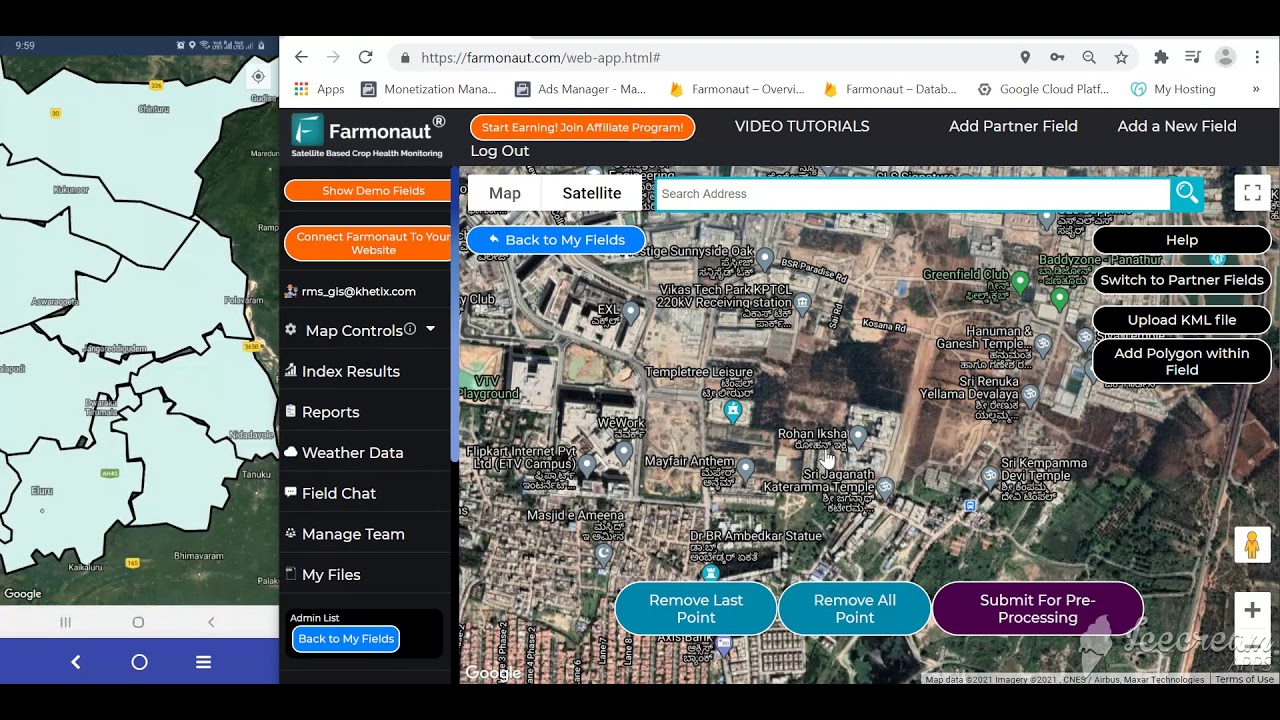
- Real-Time Crop Health Monitoring: Using multispectral satellite imagery, our platform offers growers detailed NDVI data, showing vegetation health at every stage—helpful for scheduling harvesting and minimizing nut loss.
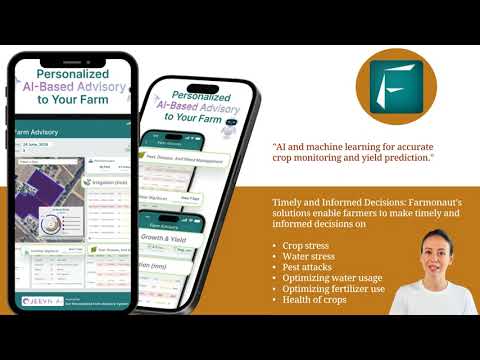
- Precision Weather & Disease Alerts: Jeevn AI delivers actionable weather forecasts and crop advisories so growers can mitigate drought, irrigation, and disease risks that threaten pistachio tree yield in hot, arid climates.
- Blockchain-Based Traceability: We provide tools for blockchain-driven nut tracking—ensuring high-value batches, like pistachios destined for international export, can be traced from “orchard to retailer.” Learn more at our product traceability page.
- Resource & Fleet Management: Our fleet management system optimizes use of harvesting machinery, ensuring minimal fuel consumption and effective deployment of resources during peak pistachio harvest seasons.
- Large-Scale Farm Management: For bigger projects in California or the Mediterranean, our highly scalable farm management solutions offer remote surveillance, yield tracking, and integrated data from both ground and satellite sensors.
- Environmental Footprint & Conservation Tools: Our carbon monitoring solutions empower pistachio growers to document sustainability, win certifications, and attract eco-conscious buyers.
With these capabilities, growers can not only meet strict market requirements for pistachio quality and transparency, but also promote ecological conservation and sustainable expansion of the industry.
Farmonaut: Access, Tools & Subscriptions



- Want to integrate real-time pistachio tree monitoring into your own ERP, dashboard, or mobile app? Check our API at Farmonaut API and view API Developer Docs.
- Monitor pistachio plantation health, schedule harvesting, and optimize water use using our intuitive web, iOS, and Android Apps.
- Unlock advanced crop and plantation advisory for pistachio/forestry with our crop plantation forest advisory.
FAQ: Pistachio Trees, Harvesting, and Technology
What makes pistachio trees ideal for arid regions?
Pistachio trees have deep root systems and hardy physiological traits, allowing them to thrive in dry climates with long, hot summers and scarce water. Their resilience makes them a favorable crop for areas like California, the Middle East, and the Mediterranean.
How do modern pistachio harvesters reduce labor and maximize efficiency?
Modern harvesters employ mechanical shakers, AI-driven adjustments, and conveyor-based catchment to automate most of the harvesting process, reducing manual labor by up to 80% and minimizing nut damage.
What is the role of blockchain traceability in pistachio production?
Blockchain systems track every nut batch transparently, verifying its journey from orchard to consumer, elevating food safety, export honesty, and market reputation.
Do Chinese pistache tree and Red Push pistache produce edible nuts?
No. These are mainly ornamental or forestry species—prized for their vibrant foliage, pollution resilience, and use in urban landscaping and erosion control.
How can satellite technology improve pistachio cultivation?
Satellite tools (like those offered by Farmonaut) allow real-time monitoring of crop health, support precision irrigation, deliver disease/pest alerts, and optimize resource management, all supporting higher yields and sustainable nut production.
How do new pistachio tree varieties help with climate resilience?
Genetically enhanced pistachio varieties withstand drought and disease pressures much better, ensuring yields even in extreme weather years.
Conclusion: The Future of Pistachio Farming – Innovation & Sustainability
As 2026 approaches, the pistachio tree stands as both a valuable agricultural crop and a beacon of evolving global sustainability. With relentless innovations in pistachio harvesting machines, techniques like blockchain-based traceability, and advanced satellite technologies, the sector is well equipped to meet rising global demand while safeguarding the environment and optimizing resource utilization.
Ornamental trees such as the Chinese pistache tree and Red Push pistache remind us that the impact of the pistache genus extends beyond nut production, supporting forestry, urban landscaping, and community resilience in our cities worldwide.
Looking ahead, continuous investment in technology, climate-adapted tree breeding, and digital infrastructure will be essential to ensure that pistachio farming remains environmentally and economically viable. With the tools and insights offered by Farmonaut, we believe that both producers and the planet can thrive in this new era of innovative pistachio production.
Explore more about our satellite crop monitoring and farm resource optimization tools on the Farmonaut platform and transform your pistachio operations for the future.
Discussion
Questions, corrections or field experience? Share them below. First-time comments are reviewed before they appear, and your email is never published.
No comments yet. Be the first to add a question or your experience.

 UCAL Fuel Systems
 Kubota
 FFBS
FFBS Jontra
 Kalustyan
 Tucor
Tucor Geno
Geno Hayleys Agriculture
 Linx Agritech
 Adinet
 Save Your Soils
 Grandstream Algérie
 XOS Realty
 Geospatial Lab Africa
 Agro La Gándara
