

Walnut Tree, Black Walnut, Hazelnut & Processing 2026: Key Innovations, Trends & Challenges
Introduction: The Transforming World of Walnut Tree Agriculture
Walnut tree agriculture is entering a new era in 2026, driven by innovations in harvesting, advanced processing technologies, and a heightened focus on sustainability and ecosystem health. The English walnut tree (Juglans regia), the black walnut tree (Juglans nigra), and the hazelnut tree (Corylus avellana) stand at the forefront of this transformation, as agri-tech disruption continues reshaping traditional farming methods.
The increasing demand for premium nuts worldwide marks 2025 and 2026 as pivotal years for the sector, offering immense potential for yield improvement, rural economy growth, and ecological stewardship.
In this comprehensive blog, we explore how the walnut, black walnut, and hazelnut tree industries are leveraging modern mechanization, digital farm management systems, and advanced processing methods to meet the quality and sustainability expectations of a dynamic global market.
“By 2026, modern walnut and hazelnut processing tech is projected to increase yield efficiency by over 35%.”
Walnut Tree, Black Walnut Tree & Hazelnut Tree: Critical Varieties & Cultivation in 2026
The evolution of nut agriculture rests on the judicious selection of tree varieties, targeted cultivation practices, and the integration of sustainable management systems. Let’s delve into the standout characteristics and cultivation requirements of these nutritious, long–valued species:
English Walnut Tree (Juglans regia): Global Production Leader
- Dominates commercial production due to large, thin-shelled nuts, which are highly suitable for international consumption and value addition.
- Favored by growers for its relatively fast yield maturity and versatile adaptation to temperate climates (Europe, North America, Asia).
- New 2026 cultivars emphasize disease resistance (blight, codling moth), cold hardiness, and superior kernel quality.
Black Walnut Tree (Juglans nigra): Timber & Niche Nut Crop
- Native to North America, the black walnut tree is renowned for its dense, dark timber—a mainstay in fine woodworking and furniture manufacturing.
- Produces smaller, extremely flavorful nuts (favored in niche markets), and its high-value timber sustains dual-income farming.
- 2025–2026 improvements target easier hull removal, mechanization, and precise orchard spacing to increase yield efficiency.
Hazelnut Tree (Corylus avellana): Biodiversity Booster
- Hazelnut trees bring essential diversification to nut orchards, offering high oil and protein content and wide culinary use.
- Frequently planted alongside walnut tree groves to create mixed orchards that enhance biodiversity, reduce pests, and optimize land use.
- Recent varieties focus on blight resistance, drought tolerance, mechanization compatibility, and cross-pollination benefits for adjacent walnut trees.
Agro-management advances in 2026 increasingly emphasize intercropping and genetic selection, ensuring that each species adapts optimally to evolving pest pressures and climate variability.
For technology-enabled monitoring of crop health, Farmonaut’s Large Scale Farm Management System offers satellite-based real-time health data, empowering both breeders and orchard managers.

Nutritional & Economic Benefits of Walnut, Black Walnut & Hazelnut
The continued rise in demand for nuts worldwide is driven not only by their superior nutritional value but also by their integral role in rural economies and agroforestry systems.
Why Are These Nuts So Highly Valued?
- Walnuts (English/Black): High in omega-3 fatty acids, antioxidants, vitamins (E, B6), and minerals—crucial for heart, brain, and metabolic health.
- Hazelnuts: Rich in unsaturated fats, magnesium, vitamin E, and plant proteins, making them a favorite among plant-based diet advocates.
- Both nut types serve as raw materials for value-added products: oils, butters, protein concentrates, and snack formulations.
- Multipurpose: Timber revenue (especially for the black walnut tree), shade value, and soil enrichment (integration in sustainable farming).
Elevated nuts consumption aligns with growing health trends, while the diversification of nut-based food and cosmetic products keeps global markets buoyant.
Comparative Trends & Innovations Table (2025–2026)
To provide clarity on the technological leap in nut tree cultivation and processing, the table below compares projected yields, harvesting techniques, and sustainability for each key species (focus keyword-rich).
| Nut Type | 2025 Estimated Yield (tons/ha) | 2026 Projected Yield (tons/ha) | Modern Harvesting Technique | Estimated Processing Efficiency (%) | Sustainability Rating |
|---|---|---|---|---|---|
| English Walnut Tree (Juglans regia) | 3.7 | 4.9 | Vibration harvesting, AI-guided mechanized sorting | 82% | High |
| Black Walnut Tree (Juglans nigra) | 2.2 | 2.9 | Automated hull removal, AI-optical selection | 76% | Medium–High |
| Hazelnut Tree (Corylus avellana) | 2.8 | 3.8 | Integrated shaking/sweeping, precision mechanized cleaners | 85% | High |

Note: These yield and efficiency values are industry projections, assuming proper orchard management, adoption of modern mechanization, and climate-smart agronomic practices.
Walnut Harvester Revolution: Mechanization and Modern Orchard Management
Mechanization is a critical driver of productivity gains in nut farming. The contemporary walnut harvester and harvesters for other nut trees have revolutionized the industry by automating the collection of nuts from the orchard floor and reducing labor demand. Let’s break down the latest machine innovations shaping 2025 and 2026:
How Walnut Harvesters Work in Modern Orchards
- Shaking mechanisms: Tree shakers attach to trunks, shaking the tree with precision force to dislodge ripe walnuts, minimizing branch and root damage.
- Sweeping and collection: Automated sweepers gather nuts into rows, followed by conveyor systems that transport them for sorting and walnut processing.
- Autonomous navigation: By 2026, top harvesters use GPS-enabled, AI-driven guidance to maneuver through orchards with minimal operator intervention, optimizing harvest schedules and reducing losses.
- Moisture & maturity sensors: Modern walnut harvester machines utilize on-board sensors to assess nut quality and detect ideal picking times, enhancing yield efficiency and nut quality.
Key Benefits of Mechanized Harvesting:
- Significantly reducing labor costs and reliance on seasonal workers
- Increasing field efficiency—machines operate for longer hours, maintain harvest windows, and reduce post-harvest losses
- Protection of sensitive tree tissues and root zones by limiting heavy equipment passes
- Supporting larger orchard sizes and higher production scales through automation
- Integrated data capture (yield mapping, nut quality profiling), supporting smarter management decisions
Cutting-Edge Management Tools for Walnut Orchards
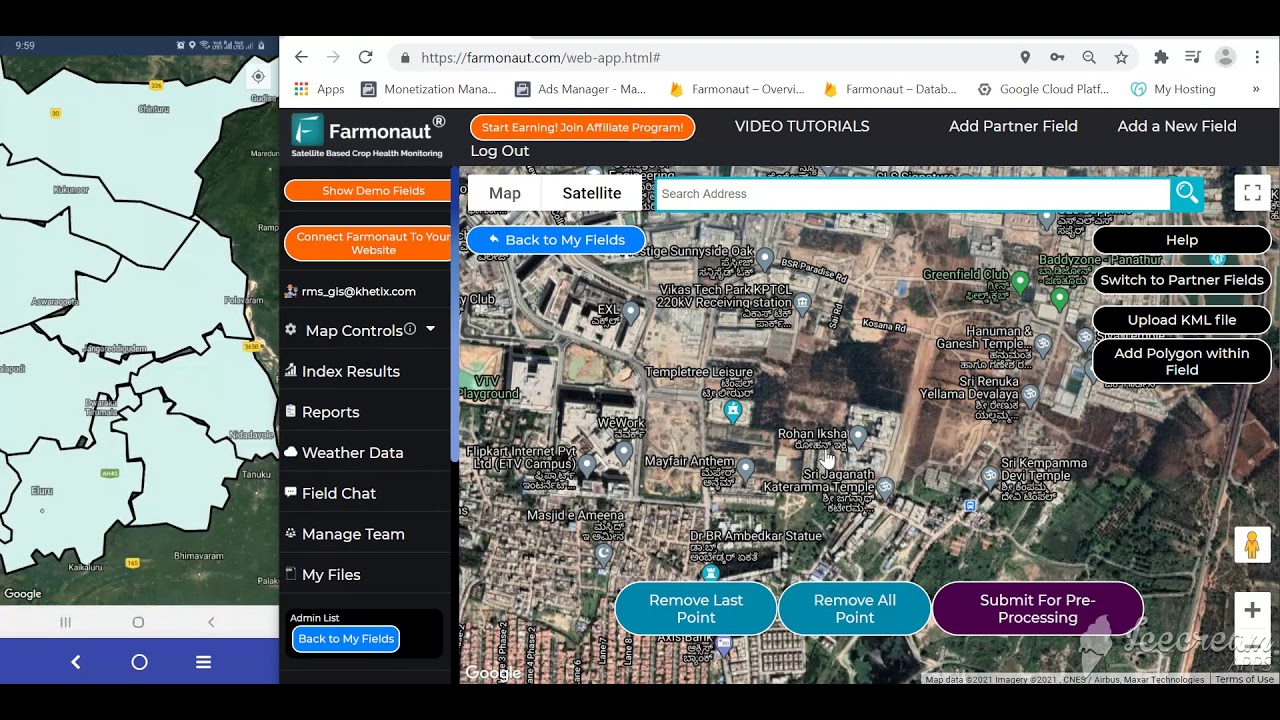
Alongside walnut harvesters, digital management platforms are increasingly indispensable. Farmonaut Large Scale Farm Management offers AI-driven insights and remote tracking of orchard activities, maximizing planter performance in large and complex farming operations.

Explore Farmonaut’s Web & App Crop Monitoring Suite
Walnut Processing & Value Addition: 2026 Technology Outlook
The leap from harvested nut to market-ready product relies on equally innovative walnut processing infrastructure. The drive for efficiency, food safety, and premium product quality powers the latest advances in 2026.
Modern Walnut & Black Walnut Processing
- Automated shelling lines: High-speed mechanical shellers now leverage infrared and AI-driven computer vision systems for optimized nut classification. This ensures greater kernel integrity and meets export standards.
- Quality control via AI: Sophisticated cameras detect minor internal damage, kernel size, and sorting flaws—reducing losses and standardizing output for global markets.
- Blockchain-based traceability: For food safety, traceability systems, such as those provided by Farmonaut’s Product Traceability Solution, track each batch from orchard to shelf, supporting regulatory compliance and consumer trust.
- Sustainable processing: Water and energy-saving techniques—like re-circulation washing, solar drying, and waste valorization—are increasingly mandated by both industry and government.
- Value addition: New product lines in 2026—like cold-pressed walnut oil, nut butters, plant-based proteins—bolster profit margins and meet evolving dietary trends.

Food Safety & Export Assurance: The Traceability Revolution
Ensuring control across the entire supply chain is paramount, especially as major import markets require transparent origin certification. Blockchain-powered solutions are the gold standard in 2026. Learn How Product Traceability Works & Its Impact
Fleet and resource management are vital not just for logistics but for cost control in large-scale walnut processing plants. Farmonaut Fleet Management Platform enhances the control and optimization of machinery and vehicles, directly impacting operating margins in 2026.


Environmental Impact & Carbon Footprint Control
Modern walnut and hazelnut processing isn’t just about product quality—carbon footprinting is a new priority. With tightening environmental standards, farms and processors can track, reduce, and report their carbon impact using Farmonaut’s Carbon Footprinting Service to maintain compliance and market access.
“Over 60% of new black walnut orchards in 2025 will adopt sustainable post-harvest practices.”

Hazelnut Tree & Walnut Tree Integration: Mixed Orchards and Intercropping
Mixed orchards—combining hazelnut tree and walnut tree plantings—are becoming increasingly common in 2025-2026 to diversify revenue, optimize land use, and support ecological health.
Advantages of Mixed Oak, Walnut, and Hazelnut Plantings:
- Spreads risk through diversification, safeguarding farm income against market or pest fluctuations in a single species.
- Reduces pest infestations (such as blight and codling moth) by disrupting monoculture pest cycles.
- Improves overall biodiversity and provides habitat for beneficial insects and wildlife.
- Enhances soil health by promoting diverse root systems and natural nutrient cycling.
- Enables integrated management systems—joint irrigation, fertilization, and pest management for optimized cost and efficiency.
Advanced digital and satellite-based monitoring provided by platforms like Farmonaut’s Carbon Footprinting Tool help optimize planting schemes for highest sustainability and yield, especially in large estates practicing serious intercropping.

Ecological Impact & Sustainable Agriculture: The Walnut Tree’s Role
Cultivating walnut tree, black walnut tree, and hazelnut tree supports environmental stewardship across the 2025-2026 landscape.
Key Environmental Benefits:
- Soil Health: Deep walnut tree roots improve soil structure and drive belowground carbon sequestration.
- Carbon Sequestration: Nut trees act as vital long-term carbon sinks; high-density orchards further increase yield efficiency per hectare of ecosystem service.
- Biodiversity Buffer: Orchards—especially those with mixed plantings—create microhabitats for birds, pollinators, and beneficial insects.
- Natural Herbicide: The black walnut tree secretes juglone, which suppresses weed growth but demands careful orchard design/farm management to avoid unintentional crop damage in intercropping setups.
Research & Digital Monitoring
With the increasing climate unpredictability, advanced soil management and environmental monitoring using satellite and remote sensing are now mainstream. Farms can use platforms like Farmonaut’s Carbon Footprinting Service to quantify carbon impact and adopt adaptive best practices.
Smart Agriculture: Digital Monitoring, AI & Satellite Solutions
The leap to 2026 is defined by the integration of IoT sensors, satellite imagery, AI-based disease detection systems, and blockchain for traceability in nut cultivation.
How Smart Systems are Used in Walnut and Hazelnut Farming
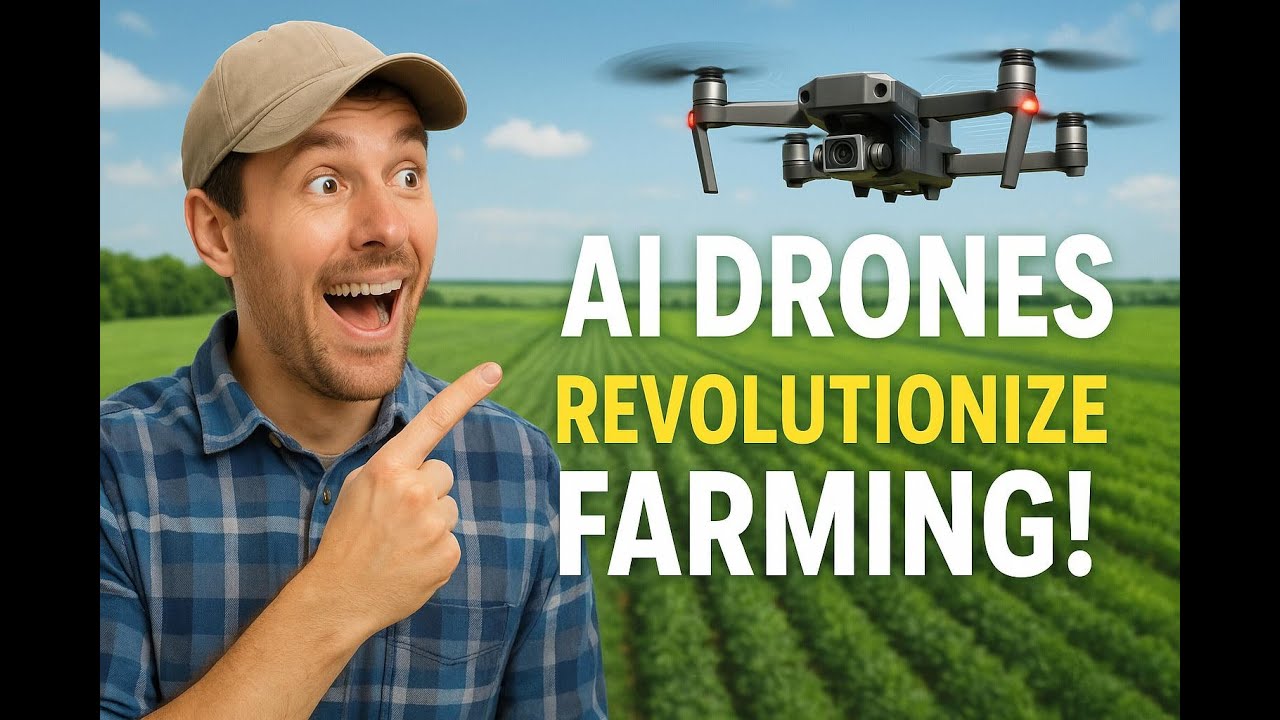
- Drone-assisted surveillance: Identifies stressed areas, nutrient deficiencies and potential pest outbreaks.
- NDVI-powered satellite monitoring: Uses multispectral images to visually track vegetation health, enabling targeted irrigation and fertilization in real time.
- AI-based advisory tools: Pair satellite data with weather forecasts for dynamic farm management and reduced risk of unexpected crop damage.
- Blockchain-based traceability: Builds consumer trust, helps access premium export markets, and minimizes risk of fraud.

For app developers and businesses wishing to directly harness satellite insights for precision farming or large-scale processing logistics, an extensive Farmonaut API is available.
Development resources and integration guides can be found at Farmonaut API Developer Documentation.
Farmonaut’s Role in Advancing Walnut Tree Agritech
At Farmonaut, we are committed to driving technological progress in tree nut agriculture—especially for walnut tree, black walnut tree, and hazelnut tree cultivation. By delivering satellite-based insights, AI-powered solutions, and scalable blockchain traceability, we help growers and industry leaders:
- Monitor orchard health via NDVI, soil moisture, and crop stress analytics
- Optimize input costs and resource allocation with AI-driven advisory (weather, soil, yield forecasts)
- Reduce environmental footprint, through environmental impact tracking and carbon reporting
- Ensure product authenticity for both local and international markets through blockchain-based traceability
Our user-friendly web & mobile app allows farmers, agronomists, and managers to oversee large estates, access historical trends, and make informed, real-time decisions to increase productivity—all via a single dashboard.
Advanced Crop Loan & Insurance Support
We also deliver satellite-data-powered services tailored for banks and insurance providers. These include satellite-based crop verification for insurance and loan application in nut agriculture, expediting risk assessment for all parties.
Our modular platform serves users ranging from individual walnut growers to the largest timber and nut processors, offering seamless scalability.
FAQ: Walnut, Black Walnut, Hazelnut & Processing in 2026
- Q: What is the most commercial variety of walnut tree for large-scale agriculture?
A: The English walnut tree (Juglans regia) dominates global nut markets due to its large, thin-shelled, and highly palatable nuts, optimized for commercial harvest and processing. - Q: Why choose black walnut tree over English walnut?
A: The black walnut tree (Juglans nigra) is prized for its high-value, dark timber and its flavorful, niche-market nuts. It’s ideal for growers targeting diversified revenue through both nut and wood sales. - Q: How has mechanization changed walnut farm management?
A: Mechanization, especially through wonderful walnut harvester machines, reduces labor, improves nut retrieval, preserves tree health, and enables precise scheduling, making large-scale, high-yield operations feasible. - Q: What is the benefit of interplanting hazelnut tree in walnut orchards?
A: Hazelnut trees (Corylus avellana) diversify farm income, break pest cycles, and enhance orchard biodiversity—while using digital monitoring ensures cross-species resilience. - Q: What are the latest trends in walnut processing?
A: Automated, AI-enabled sorting and shelling, blockchain traceability for food safety, and sustainable water/energy management define the state-of-the-art in 2026. - Q: How can I improve my farm’s sustainability and market access?
A: Adopt modern GPS-guided planting, mechanized harvesting, digital sustainability tracking, blockchain traceability (Farmonaut can help), and choose pest-resistant varieties adapted to your local climate and soils.
Conclusion: Outlook for Walnut, Black Walnut, Hazelnut Cultivation
The Walnut Tree and Its Role in Modern Agriculture: Advanced wonderful technologies in 2026 are recalibrating the future of walnut tree, black walnut tree, and hazelnut tree farming. With a clear focus on sustainable methods, digital management, and high-efficiency processing, the nut industry is set to increase yield efficiency and bolster rural economies globally.
By investing in the latest orchard design, mechanization, and satellite monitoring, growers and processors ensure both profitability and robust environmental stewardship. Innovation, responsible management, and technology are the pillars securing walnuts, black walnuts, and hazelnuts a premium place in agriculture for years to come.
Get Started: Farmonaut’s Tech Solutions for Walnut, Black Walnut, Hazelnut & More
Ready to transition to a data-driven, sustainable, and high-yield nut agriculture operation?
Monitor crop and soil health, implement real-time advisories with AI, and securely trace your nuts and timber products using our suite of platforms:
- For instant monitoring and advisory: Try Farmonaut Mobile & Web App – See Crop Health from Satellite
-
For system integration or developer access: Farmonaut Satellite Data API
(Developer Docs) - For carbon and environmental impact: Carbon Footprinting & Sustainability Services
- For product origin and food safety: Blockchain-based Product Traceability
- For crop loan and insurance support: Satellite-Powered Crop Verification for Insurance/Loans
- For machinery & vehicle control: Fleet Management for Harvesters & Equipment
- For field/plantation advisory: Expert Crop Plantation & Forest Advisory

 Misteo
 Tres Valles
 LACOS Geoinformation
 Pulsar Supernova
 Magrifly
 LatConnect 60
 WebsEdge
 Blickwinkel
 Agricultural Credit Policy Council
 MCSOD
MCSOD Marei Nursery
 eKGIS
eKGIS Mostas Tech
 Andex
Andex FCF India
 Unifrutti Gulf
 Deluxe Conseil
