

Macadamia Nut Farming: 7 Powerful Innovations for 2026
“In 2025, mechanization in macadamia farms is projected to increase nut yield by up to 30% globally.”
Introduction: The Rise of Macadamia Nut Farming
As we enter 2026, macadamia nut farming stands at the intersection of innovation and sustainability, responding to surging global demand for healthy, premium-quality nuts. The transformation of the macadamia tree from an indigenous species in Australia to a globally cultivated staple is a testament to the sector’s adaptability and the strategic application of advanced agriculture technologies. Farmers worldwide are leveraging new mechanization methods, sustainable practices, and cutting-edge systems to unleash the full potential of the macadamia nut tree and ensure consistent yield amidst mounting climate and market challenges.

Understanding Macadamia Integrifolia: The Foundation of Macadamia Nut Farming
The macadamia nut tree (Macadamia integrifolia) is the heart of modern and future macadamia nut farming. As the primary species cultivated for commercial production, integrifolia is prized for its ability to produce rich, buttery-flavored nuts—a quality that drives its global popularity. Thriving in subtropical climates with well-drained soils and stable rainfall, this tree reflects decades of horticultural advancement, selection and breeding.
- Origin and Adaptation: Native to Australia, the macadamia tree is now extensively grown in South Africa, Kenya, and parts of the United States (notably Hawaii and California). Its expansion into new regions is driven by breeding for higher yield, disease resistance, and adaptability to climate variability.
- Optimal Growth Requires: A frost-free environment, adequate rainfall or efficient irrigation, and well-drained soils.
- Cultivation Techniques:
- Use of improved varietal selection for robust growth.
- Introducing companion planting and agroforestry for enhanced soil health.
- Tailored nutrient and irrigation systems to optimize yield and minimize external inputs.
In 2026, leveraging knowledge of the macadamia integrifolia’s climate and soil preferences enables farmers to achieve optimal production, meet consumer demand, and implement scalable mechanization and sustainability solutions.

Why Macadamia? Benefits, Demand, and Global Appeal
The macadamia nut has emerged as a specialty agriculture product, symbolizing exceptional nutritional benefits and premium market value in the global demand for healthy foods. Let’s explore key reasons:
-
Nutritional Powerhouse:
- High in healthy monounsaturated fats — supports heart health.
- Rich source of vitamins (B1, B6), minerals (magnesium, iron, calcium).
- Buttery texture and rich flavor establish it as a gourmet snack.
-
Versatile Culinary Use:
- Popular in snack mixes, bakery, confections, plant-based dairy, and cold-pressed oils.
- Sought-after in health-conscious and premium consumer products.
-
Global Demand and Market Expansion:
- The macadamia tree’s yield and quality have made nuts a staple in global superfood markets.
- Demand for macadamia nuts is growing by over 6% CAGR, led by United States, Europe, and Asian premium markets.
Strategically, modern macadamia nut farming aligns with evolving consumer preferences for sustainable, high-value products—fueling ongoing innovation and diversification in orchard management, harvesting, and processing.

The 7 Powerful Innovations Shaping Macadamia Nut Farming in 2026
The macadamia nut farming landscape in 2026 is shaped by seven key innovations that collectively address yield, sustainability, cost reduction, and market demands.
-
Precision Irrigation Systems
- Benefit: Advanced drip and micro-sprinkler systems ensure adequate rainfall substitution, reduce water use, and optimize soil moisture.
- Impact: Maximizes nut set, supports tree health, and directly boosts yield.
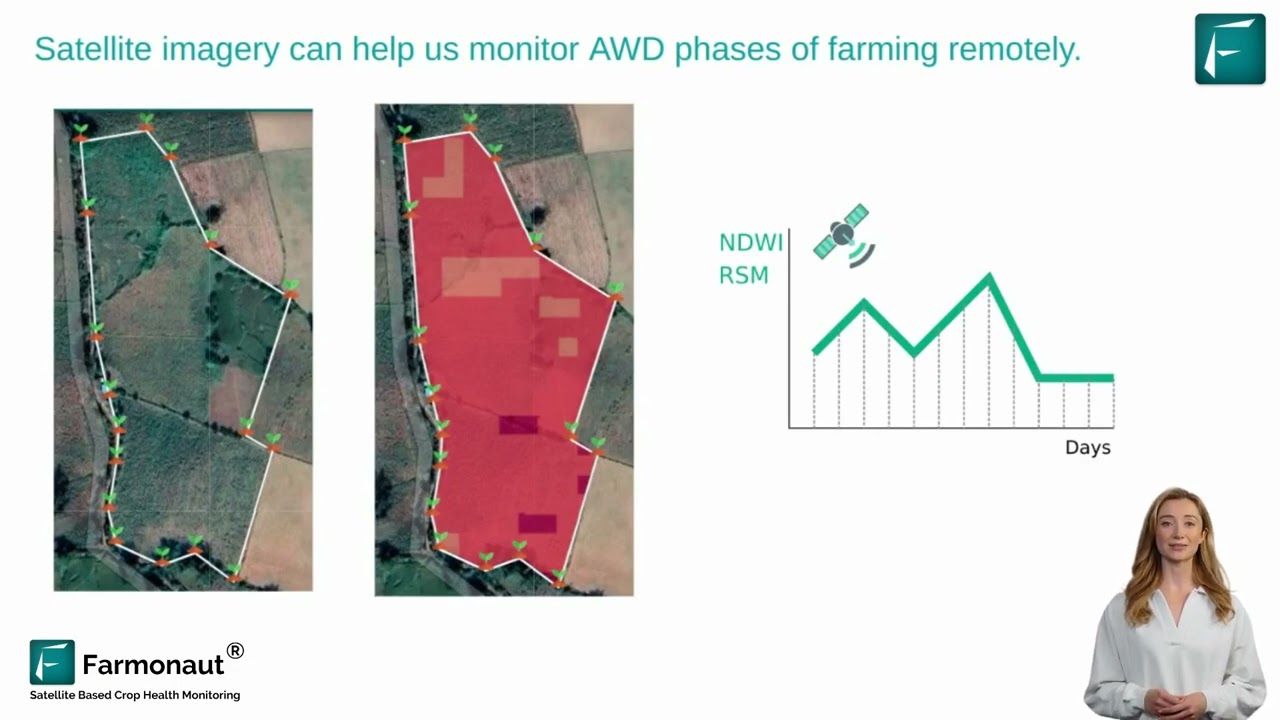
- Tech Example: Multispectral satellite data (as offered by Farmonaut) enables real-time moisture monitoring, ensuring water is only applied when required, saving irrigation costs and supporting sustainability.
-
Next-Gen Disease-Resistant Cultivars
- Benefit: Deployment of new varieties with genetic resistance to major macadamia diseases (such as felted coccid, nut borer, fungal leaf spot).
- Impact: Reduces chemical intervention needs and crop loss, supporting stable year-round production.
- Tech Example: Integration of genomic marker-assisted breeding and AI-driven disease prediction models.
-
Advanced Macadamia Nut Harvesters
- Benefit: Modern macadamia nut harvester machinery combines shaking, suction, and precision-guided collection systems.
- Impact: Transitions orchards from traditional handpicking to fully automated harvesting, cutting labor costs and increasing harvest speed.
- Tech Example: GPS, AI, and advanced sensors to navigate, minimize ground damage, and maintain nut quality by reducing exposure to contaminants.
-
Integrated Pest and Resource Management Systems
- Benefit: Use of multispectral satellite imagery and AI to monitor pest outbreaks, predict disease, and track resource use across large-scale orchards.
- Impact: Early intervention reduces pesticide use and crop risk, protecting environmental and economic sustainability.
- Tech Example: Remote sensing data integrated with IoT field sensors and Farmonaut‘s real-time monitoring solutions.
-
Drone-Based Orchard Surveillance and Mapping
- Benefit: Drones rapidly inspect tree health, identify water stress, and map orchard variability at the micro-level.
- Impact: Enables farmers to respond quickly to emerging challenges and optimize inputs on a tree-by-tree basis.
- Tech Example: Farmonaut’s satellite data complements drone imagery for comprehensive field monitoring and supports mobile fleet/resource management tools. Explore large scale farm management solutions for full integration.
-
Blockchain-Based Traceability Systems
- Benefit: Blockchain ensures supply chain transparency and traceability, building trust from farm to consumer in premium export products.
- Impact: Reduces food fraud and supports market access by meeting regulatory standards.
- Tech Example: Farmonaut’s product traceability platform provides an affordable blockchain layer for all-scale orchards.
-
Climate-Smart Carbon Footprinting and Emission Monitoring
- Benefit: Real-time audit of carbon footprint and emissions for macadamia orchards, supporting sustainability goals and compliance.
- Impact: Facilitates eco-certification and leverages consumer demand for eco-friendly nuts.
- Tech Example: Farmonaut’s carbon footprinting product offers actionable insights to reduce impact, save costs, and ace sustainability reporting for export and consumer markets.

“Sustainable macadamia farming could save 25% more water per hectare by adopting new irrigation innovations in 2025.”




Comparison Table of Key Macadamia Farming Innovations (2024 vs 2026 Estimated Impact)
| Innovation Name | Description | 2024 Avg Yield/Ha (kg) | 2026 Projected Yield/Ha (kg) | Est. Cost Reduction (%) | Sustainability Impact | Mechanization Level |
|---|---|---|---|---|---|---|
| Precision Irrigation Systems | IoT/satellite-guided drip & micro-sprinkler irrigation tailored to soil moisture | 3,000 | 3,900 | -28% | High | Fully Automated |
| Disease-Resistant Cultivars | Genetically improved Macadamia integrifolia for pest & fungal resistance | 3,100 | 4,100 | -22% | Medium | Manual/Semi-automated |
| Macadamia Nut Harvester Machinery | Self-driven units with shaking, suction, GPS navigation, and AI for orchard mapping | 3,000 | 3,800 | -34% | Medium | Fully Automated |
| Integrated Pest Management (IPM) & Resource Management | Satellite-driven monitoring of pest/disease, optimized pesticide/fertilizer use | 3,050 | 3,870 | -29% | High | Semi-automated |
| Drone-Based Orchard Mapping | Automated aerial health assessment and variability mapping | 3,150 | 4,000 | -20% | High | Semi-automated |
| Blockchain Traceability | End-to-end digital tracking of nut origin, quality, and supply chain journey | 3,100 | 3,600 | -10% | Medium | Manual/Semi-automated |
| Carbon Footprint Monitoring | Real-time calculation/tracking of orchard emissions; compliance for market premiums | 3,000 | 3,550 | -13% | High | Semi-automated |

How Farmonaut’s Technologies Support Modern Macadamia Nut Farming
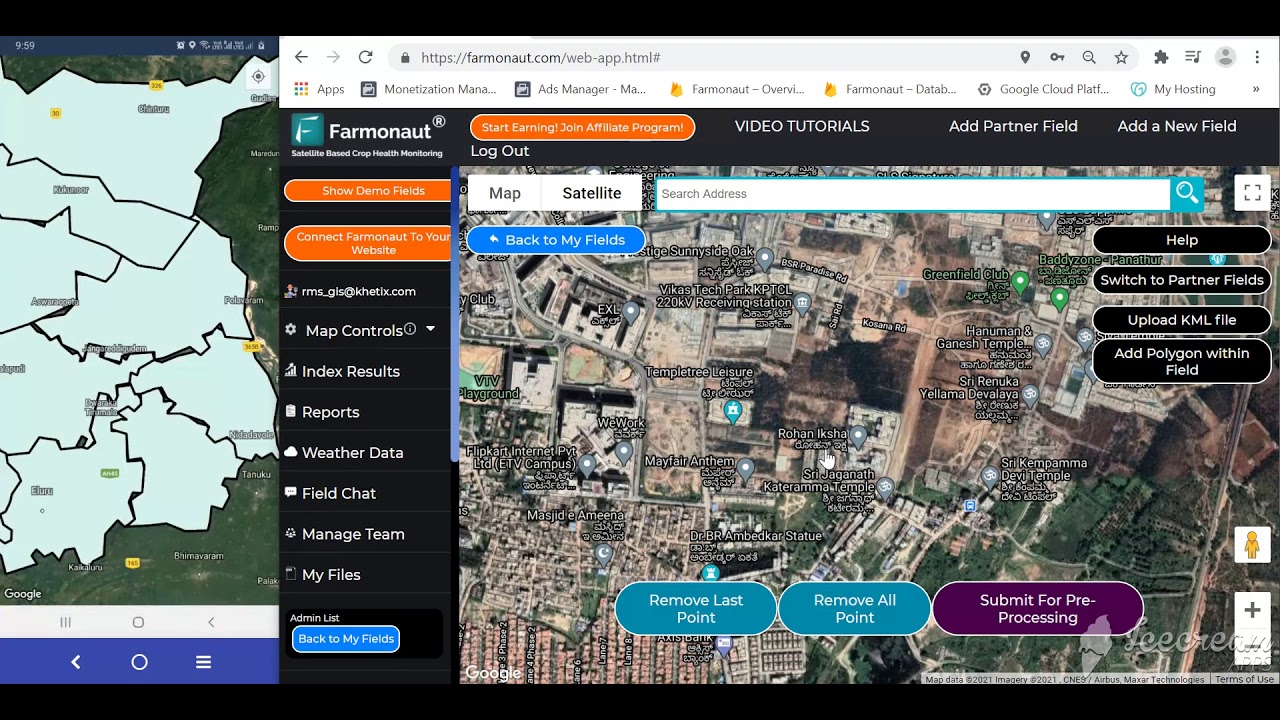
Achieving these innovations at scale requires powerful data-driven platforms. At Farmonaut, we offer modular, affordable satellite and AI solutions for all macadamia nut farming operations — from smallholder growers to large orchards implementing mechanization or climate-smart systems. Here’s how our technology fits into the 2026 landscape:
-
Satellite-Based Monitoring and Advisory:
- Multispectral imaging tracks vegetation health, soil moisture variability, and emerging pest/disease risks.
- AI-driven Jeevn advisory system suggests optimal irrigation, fertilizer, and pest control interventions.
- Read how satellite weather and farm monitoring APIs accelerate precision farming: Visit our Farmonaut API platform or explore our API developer documentation.
-
Blockchain Traceability:
- Enables transparent farm-to-shelf tracking for macadamia nuts, supporting export compliance and organic certification.
- Boosts consumer trust and access to premium markets.
-
Real-Time Resource and Fleet Management:
- Our tools help with orchard equipment allocation and route optimization for macadamia harvester machines. Discover more: Farmonaut Fleet Management.
- Reduces operational costs and improves harvest timing – crucial for nut quality.
-
Environmental Impact and Carbon Footprinting:
- Tracks carbon emissions and natural resource use, supporting environmental certification.
- Essential for positioning your product in environmentally conscious premium nut markets.
-
Large-Scale Orchard Mapping & Mobile Access:
- Satellite and drone data integration enables precise orchard mapping and mobile diagnostics— try our large-scale management tools for 2026.
Sustainability and Environmental Health in Macadamia Orchards
Sustainable macadamia nut farming practices are at the forefront of the industry’s response to climate variability and ethical consumer demand. Implementing these innovations means farmers can maximize yield without compromising the environment or long-term nut quality.
- Efficient Irrigation and Water Management: Modern systems reduce waste, saving as much as 25% water per hectare, critical in drought-prone regions.
- Soil Health and Cover Cropping: The use of cover crops, mulching, and compost-enhanced soils bolsters the resilience of macadamia trees, improves nutrient retention, and resists soil erosion.
- Biodiversity and Agroforestry: Integrate macadamia orchards with native vegetation and crop rotations to foster on-farm biodiversity and secondary income streams.
- Reduced Chemical Dependency: Integrated pest management (IPM), supported by AI and satellite-based alerts, targets pest outbreaks and reduces the necessity of broad-spectrum chemical applications.
- Carbon & Environmental Footprint Tracking: Leverage Farmonaut carbon footprinting for compliance, reporting, and improving sustainability in global nut supply chains.
In the most advanced orchards of Australia, South Africa, and Kenya, these sustainable approaches are integrated with next-gen harvesting and management platforms for resilient yields.
Ongoing Challenges of Climate, Disease, and Market in 2026
While the macadamia nut farming sector in 2026 enjoys robust technological support, it continues to face significant hurdles:
- Climate Variability: Unseasonal frosts, extended droughts, and extreme weather threaten tree health and reliable yield, particularly in Africa and Australia.
- Pest and Disease Risks: Outbreaks such as felted coccid or stem canker can wipe out entire blocks of macadamia integrifolia. Early detection and new-resistant varieties remain crucial.
-
Market Volatility and Consumer Trends:
- Trade barriers, export regulations, and demand swings require agile business and production strategies.
- Traceability and eco-certification are now entry points, not premiums, for global market access.
- Post-Harvest Processing and Storage: Minimizing nut spoilage, ensuring quality through proper drying, sorting, and contamination reduction is a continual concern.
- Labor and Mechanization Balance: Adaptation from manual systems to fully mechanized harvester operations requires both upskilling and capital investment, especially for emerging markets.
Embracing innovation—supported by satellite data, AI analytics, and robust resource management—helps farmers reduce risk, optimize yield, and maintain long-term profitability.
Farmonaut users benefit from real-time data to anticipate, manage, and mitigate these challenges, ensuring their macadamia nut tree investments thrive into the future.
Curious about carbon auditing for your orchard or scalable, weather-resilient management? Visit our carbon footprinting product and find mapped solutions for macadamia plantation advisories.
For those requiring secure financing or risk management, satellite-based verification accelerates access to crop loans and insurance, reduces fraud, and supports financial resilience. Explore our provision: Farmonaut crop loan and insurance solutions.
Frequently Asked Questions about Macadamia Nut Farming in 2026
What is the best climate and soil for macadamia tree cultivation?
Macadamia nut trees grow best in subtropical climates with well-drained soils, moderate humidity, and a frost-free environment. Adequate rainfall or advanced irrigation systems are crucial for optimal growth and production.
How does a modern macadamia nut harvester work?
Next-generation macadamia nut harvester machinery utilizes shaking mechanisms to dislodge nuts, then collects them using suction or sweeping systems. Equipped with GPS and hybrid sensors, these machines efficiently cover orchard floors while minimizing ground damage.
How can macadamia nut farming become more sustainable?
Sustainable solutions include efficient irrigation, cover cropping, organic fertilization, reducing chemicals via IPM, and tracking carbon footprint using platforms like Farmonaut carbon footprinting. This approach improves orchard health and market reputation.
What are the most significant challenges in macadamia nut farming?
Major challenges include climate variability (drought, frosts), pest/disease outbreaks, labor shortages, market price volatility, and maintaining post-harvest nut quality. Adopting innovations like those outlined above mitigates many of these risks.
Why is blockchain traceability valuable in the macadamia nut market?
Blockchain-based traceability guarantees product origin, reduces food fraud, and is increasingly required by premium export markets. Learn about Farmonaut’s traceability solution.
How can I use Farmonaut’s technologies for my macadamia orchard?
Create an account using our Farmonaut Web and Mobile Apps, or integrate satellite and weather data using our Farmonaut API for custom orchard management.
Conclusion: The Future of Macadamia Nut Farming
As global demand for macadamia nuts accelerates, the industry’s success in 2026 will be determined by its ability to embrace innovation, precision technology, and sustainable practices. From mechanized harvesters to satellite-driven resource management and blockchain-enabled traceability, the macadamia nut farming sector is uniquely positioned to lead specialty agriculture and meet the world’s appetite for healthy, sustainable, and nutritionally superior products.
At Farmonaut, we remain dedicated to making satellite-driven insights and advanced management tools accessible to all growers, supporting data-driven decisions that boost yield, reduce environmental impact, and secure economic returns—enabling a more resilient future for macadamia nut tree farming worldwide.
Explore our satellite technology solutions today:
For developers and agri-businesses looking to integrate weather or satellite analytics into custom apps or ERP systems: see our API product and API developer documentation.
Embrace the future of macadamia nut farming—where tradition meets technology for thriving, sustainable, and profitable orchards.
Discussion
Questions, corrections or field experience? Share them below. First-time comments are reviewed before they appear, and your email is never published.
No comments yet. Be the first to add a question or your experience.

 Mostas Tech
 AgroStar
 Native Seeds
 Andex
Andex FCF India
 Unifrutti Gulf
 Deluxe Conseil
 TVS Electronics
 BW Pipelines
 WICO
WICO Chimera Innovation
 SkyHarvest
 Polaris Digitech
 Teledarbas
