

Preventive Maintenance of Farm Tools: 10 Key Steps to Enhance Performance & Efficiency
Table of Contents
- Introduction
- Why Preventive Maintenance of Farm Equipment Is Essential
- Trivia 1
- 1. Regular Inspection and Cleaning
- 2. Lubrication and Fluid Management
- 3. Tire and Battery Maintenance
- 4. Calibration and Adjustment
- 5. Seasonal Maintenance
- 6. Proper Storage Practices
- 7. Record-Keeping and Documentation
- 8. Training and Safety Measures
- 9. Professional Inspections
- 10. Implementing a Maintenance Management System
- Preventive Maintenance Checklist Table
- Trivia 2
- Farmonaut: Satellite-Based Solutions to Boost Efficiency
- Frequently Asked Questions
- Conclusion
- Farmonaut Subscription Plans
In today’s rapidly evolving agricultural landscape, preventive maintenance of farm equipment has become indispensable for maximizing equipment performance, minimizing downtime, and optimizing efficiency on the farm. By developing a regular maintenance plan, farmers can extend the lifespan of their valuable machinery, reduce repair costs, and create a safer work environment for all farm operations. This comprehensive guide outlines the 10 key steps for preventive maintenance, complete with actionable checklists, best practices, and efficiency tips.



Why Preventive Maintenance of Farm Equipment Is Essential
Routine maintenance of farm tools and machinery plays a pivotal role in ensuring smooth, uninterrupted farming operations. Proactive care helps to:
- Prevent unexpected failures and minimize downtime during critical agricultural operations
- Extend the lifespan of valuable equipment and parts
- Reduce repair costs by identifying issues early before they escalate
- Enhance operational safety by keeping all systems in check
- Improve efficiency, energy use, and fuel economy
- Ensure peak machine performance during planting, fertilizing, harvesting, and other vital tasks
Effective preventive maintenance of farm equipment also contributes to sustainability by reducing waste, conserving resources, and safeguarding farm investments over the long run.
“Regular lubrication can reduce farm equipment breakdowns by up to 40%.”

1. Regular Inspection and Cleaning: Your Foundation for Preventive Maintenance of Farm Equipment
Routine inspections are the backbone of any effective maintenance plan. Conduct a thorough equipment inspection checklist both before and after each use. Carefully examine all visible components – belts, chains, hydraulic lines, connections, fasteners, tires – for signs of wear, leaks, loose parts, or damage. Don’t overlook small cracks, bends, abrasions, or fluid drips; even minor issues can escalate without timely attention.
- Use adequate lighting to spot hidden dirt, debris, and chemical residues that may cause corrosion or affect machine efficiency.
- Remove all build-up with brushes, compressed air, or water jets (as the manufacturer recommends).
- Pay extra attention to moving parts, pivot points, and hard-to-clean areas.
Tip: Keep a simple cleaning kit, rags, brushes, and degreasers handy at the farm workshop. Routine cleaning not only boosts performance but also helps spot impending mechanical failures before they become critical.
For detailed checklists and additional tips, explore resources at UMass Equipment Maintenance Guidelines.

2. Lubrication and Fluid Management in Farm Machinery
Lubrication is vital to prevent excessive friction and wear on moving parts. Follow the manufacturer guidelines regarding the type and frequency of lubricants (oil, grease). Lubricate gearboxes, axles, bearings, chains, and joints at the recommended intervals.
- Check and change fluids like engine oil, hydraulic oil, transmission fluid, and coolant, according to the service schedule.
- Replace filters (oil, air, fuel) as often as suggested, especially after heavy use or during dusty seasons.
- Keep a log of oil-change dates and fluid levels for optimal performance.
- Excess or insufficient lubrication can both affect efficiency and cause damage. Use only compatible products.
For more on how to improve efficiency and reduce breakdowns, see Lubrication and Fluid Management in Farm Machinery.


3. Tire and Battery Maintenance for Farm Machinery Efficiency
Tires are critical not only for the smooth movement of agricultural equipment but also for fuel economy, stability, and safety during operation.
- Inspect tires before every use for correct inflation (tire pressure), tread wear, and any visible cracks or punctures.
- Check and clean tire valves, bolts, and lugs for security and tightness.
- Replace or retread worn-out tires promptly to maintain balance and prevent accidents.
Batteries need special attention:
- Conduct regular checks for corrosion on terminals; clean using a baking soda paste and wire brush.
- Test charge levels with a voltmeter or battery tester.
- Ensure batteries are fully charged after long storage or inactivity.
- Replace faulty or old batteries to prevent unexpected downtime and electrical glitches.
Pro tip: Always wear gloves and eye protection when servicing batteries.
More on this topic? Visit the UMass Farm Equipment Maintenance Resources.
4. Calibration and Adjustment: Achieving Accurate and Precise Farm Operations
Calibration and adjustment are fundamental to ensuring equipment is performing at optimum levels – particularly for planting, fertilizing, and harvesting tasks that require precision and accuracy.
- Calibrate devices such as seeders, sprayers, and harvesters regularly to avoid over-application or under-application of seeds, fertilizers, and pesticides, which can waste resources and reduce yields.
- Follow the manufacturer’s guidelines for each type of farm tool to ensure proper operation and efficient resource management.
- Use test runs and calibration kits to check the output accuracy before starting full-scale operations.
For detailed guides on planting, fertilizing, and harvesting calibration, see this Farmonaut equipment maintenance article.
5. Seasonal Equipment Maintenance Tips for Changing Farm Operations
Seasonal maintenance routines are crucial to adapt equipment and tools for differing weather and operational demands:
- Before winter: Drain and replace engine fluids (oil, coolant), remove water from fuel systems, lubricate exposed metal parts, and apply anti-corrosion agents to vulnerable surfaces. Store batteries in a warm, dry place if not in use.
- Before planting or harvest season: Conduct a full inspection, test run, and calibration for all major machinery and attachments. Replace worn belts, chains, and hydraulic lines. Restock spare parts and service kits.
- During seasonal changes, clean and store off-season implements in dry, protected spaces.
Check out seasonal equipment maintenance tips for more actionable advice.
6. Proper Storage Practices to Prevent Corrosion and Damage
Storing equipment correctly is vital for extending machinery lifespan and preventing corrosion during periods of inactivity.
- Always store farm tools and equipment in clean, dry, and well-ventilated locations, away from moisture, sunlight, and pests.
- Use tarps or fitted covers for equipment left outdoors.
- Raise plows and tillers off ground to prevent rust on metal parts and frames.
- Keep storage areas organized and free of combustible materials.
Learn more at Farmbrite’s Guide to Equipment Care.
7. Record-Keeping and Documentation: Planning and Tracking Maintenance History
Meticulous record-keeping is a hallmark of successful farm machinery maintenance. Maintain a dedicated logbook or digital system for:
- Documenting service, inspections, and repairs for each tool and piece of equipment
- Noting all replacements of parts, such as filters, belts, batteries, and hydraulic lines
- Scheduling future maintenance tasks to avoid missed intervals
- Recording product details, warranty periods, and vendor contacts for reference
These records are invaluable for warranty claims, resale evaluations, and planning routine maintenance for agricultural equipment. They can also support compliance for certification and traceability requirements (learn about Farmonaut Traceability Solutions).
8. Training and Safety Measures: Promoting Safe Operation of Farm Equipment
Training is not just about productivity—it’s the core of farm safety and risk management.
- Ensure that all personnel are trained on the use, care, and safety protocols for every piece of equipment.
- Post clear guidelines and operating procedures in accessible locations.
- Encourage a culture of reporting issues and conducting pre- and post-operation checks.
- Organize periodic safety drills to maintain high standards.
More resources: UMass Safety Protocol Guidelines.
9. Professional Inspections for Early Trouble Detection
While routine maintenance is vital, periodically schedule professional inspections (at least annually) for all critical machinery. Certified technicians have specialized tools to:
- Detect hidden cracks, leaks, and faults that may be missed in day-to-day farm inspections
- Conduct advanced diagnostics and performance tests
- Update safety features and recommend necessary upgrades or repairs
These professional check-ups complement your own efforts and are key to extending machinery lifespan and reducing repair costs.
Find professional tips at The Camden Chronicle: Farm Machinery Maintenance.
10. Implementing a Maintenance Management System: Staying Organized and Efficient
A structured maintenance management system (MMS) brings clarity, organization, and accountability to busy farms and large-scale operations.
- Use digital or paper-based systems to track maintenance schedules, part replacements, and service history
- Set automated alerts for upcoming tasks
- Centralize documentation so records are easily accessible for inspections, compliance, and resale
Farmers can now leverage modern tools like Farmonaut’s advanced resource and fleet management solutions, making it easy to monitor large fleets, manage resources, and drive efficiency from any device (discover Farmonaut Fleet Management benefits).
To learn more about MMS, visit FarmRaise: Harvest Equipment Maintenance Tips.
“A structured 10-step maintenance checklist can extend machinery lifespan by over 25%.”
Preventive Maintenance Checklist Table: Actionable Steps for Farm Equipment Efficiency
| Step Number | Maintenance Task | Frequency (Estimated) | Tools/Materials Needed | Estimated Time Required |
|---|---|---|---|---|
| 1 | Inspection: Belts, Chains, Hydraulic Lines, Tires | Before & After Use / Weekly | Inspection checklist, Flashlight, Gloves | 10–15 min |
| 2 | Cleaning: Remove Dirt, Debris, Residues | After Each Use | Brushes, Rags, Degreaser | 10–20 min |
| 3 | Lubrication: Bearings, Chains, Joints | Weekly / As per Manual | Grease gun, Lubricating oil | 10–25 min |
| 4 | Check & Change Fluids: Oil, Coolant | Monthly / As Required | Oil, Coolant, Filters, Funnel | 20–40 min |
| 5 | Battery: Clean Terminals & Check Charge | Monthly / Start of Season | Brush, Voltmeter, Baking Soda, Gloves | 15 min |
| 6 | Calibration: Sprayers, Seeders | Pre-Season / As Needed | Calibration kit, Measuring cup, Test area | 20–30 min |
| 7 | Tire Maintenance: Inspect, Inflate, Replace | Before Use / Weekly | Pressure gauge, Pump, Lug wrench | 10–20 min |
| 8 | Seasonal Storage Preparation | End/Start of Season | Tarps, Anti-corrosion spray, Lifts | 30–60 min |
| 9 | Record-Keeping & Documentation | Every Maintenance Task | Logbook / MMS, Smartphone, Apps | 5–10 min |
| 10 | Professional Inspection | Annually | Technician, Diagnostic tools | 1–2 hours |
Farmonaut: Satellite-Based Solutions to Boost Farm Equipment Efficiency & Management
As farming and agricultural operations grow more complex, digital technologies such as satellite-powered platforms are revolutionizing maintenance management.
Farmonaut delivers an advanced solution for farmers seeking to maximize equipment and crop efficiency through real-time, data-driven monitoring and analytics.
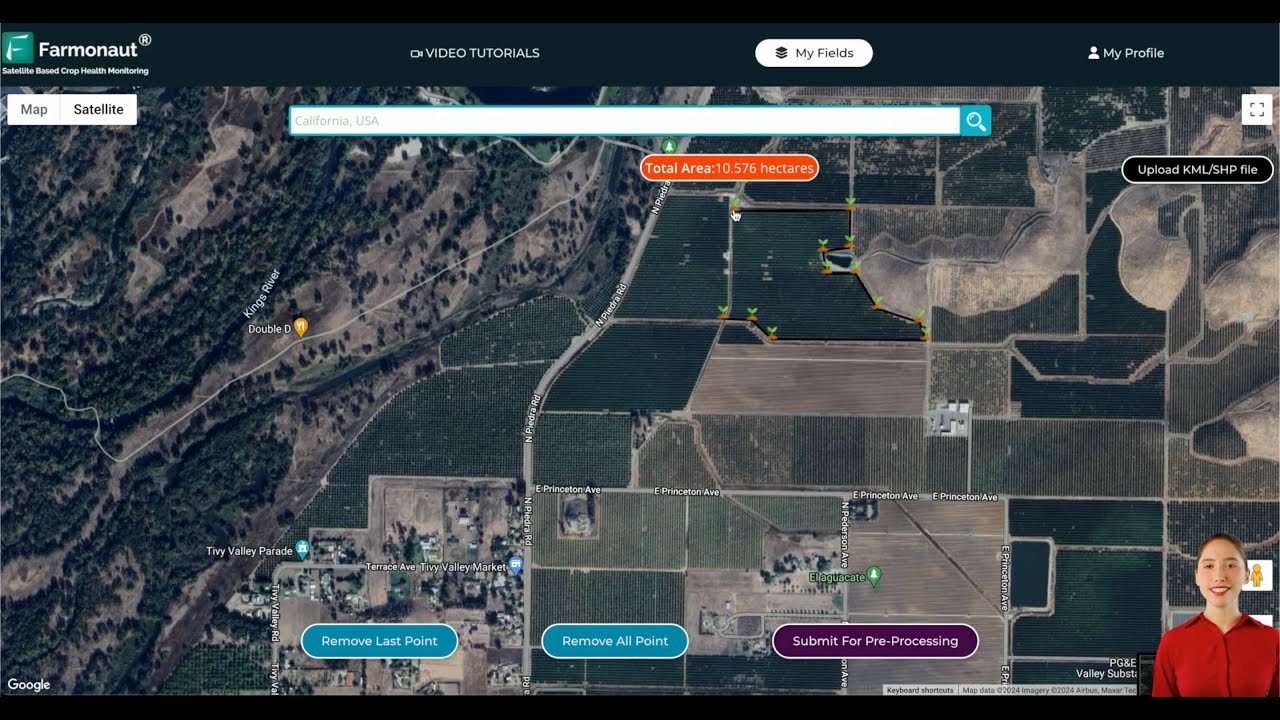
- Satellite-Based Crop Health Monitoring: Access NDVI, soil moisture, crop stress, and field condition data for smarter farm decisions.
- Jeevn AI Advisory: Receive personalized recommendations for resource management, pest control, and crop nurturing.
- Blockchain Traceability: Build trust and transparency in your supply chain with secure, tamper-proof product traceability solutions. Learn more about Farmonaut Traceability.
- Fleet & Resource Management: Monitor fleets, schedule preventive maintenance, and reduce operational costs using real-time insights. Explore Farmonaut Fleet Management.
- Carbon Footprinting: Track, manage, and minimize your farm’s environmental impact with detailed carbon footprint data. Read about our Carbon Footprinting solution.
Our platform is available on Android, iOS, browser, and via robust APIs for system integration:
- Farmonaut API Access: Integrate real-time agri-data into your tools and systems for custom workflow automation.
- API Developer Documentation: For seamless implementation and rapid development.
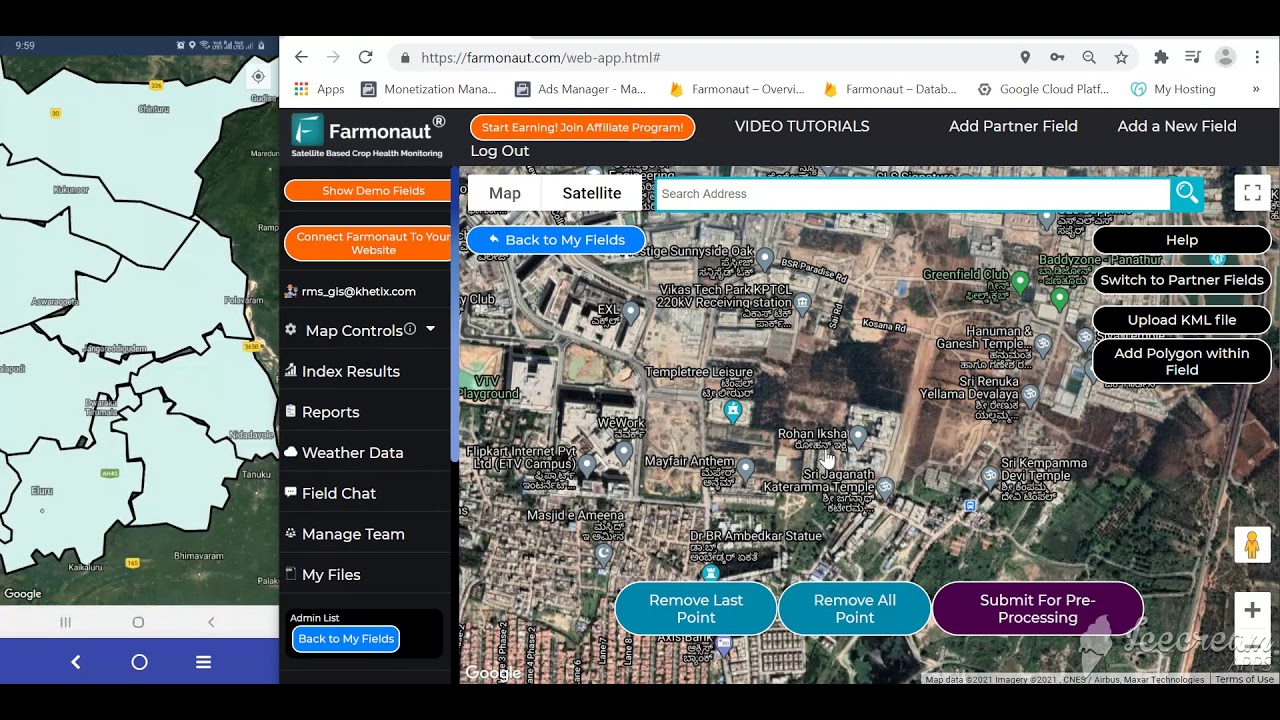
For large-scale operations, manage and map hundreds of fields with ease using the Agro Admin App. It is designed for plantation and forestry advisory, logistics, and compliance needs.
Frequently Asked Questions: Preventive Maintenance of Farm Equipment
What is preventive maintenance in the context of farm equipment?
Preventive maintenance involves performing regular (routine) inspections, cleaning, lubrication, adjustments, and minor repairs to avoid unexpected breakdowns of farm machinery and tools. This systematic approach keeps equipment in optimal working condition, prolongs service life, and ensures farm operations remain efficient and cost-effective.
Why should farmers prioritize maintenance over repairs?
Proactive maintenance helps farmers prevent major breakdowns, extend the usable life of machinery, and reduce repair costs. Reactive repairs are typically more expensive, cause longer downtimes, and may lead to lost productivity during peak agricultural seasons.
How often should equipment inspection and lubrication be carried out?
Inspection should be conducted before and after every use. Lubrication should follow the manufacturer’s recommended intervals (typically weekly or as usage dictates). High-use and heavy-duty equipment may require more frequent attention.
What are the most common signs that indicate the need for immediate machinery maintenance?
- Noticeable leaks (fluid, oil, coolant, or hydraulic)
- Excessive vibration or unusual noise during operation
- Rapidly wearing tires or belts
- Difficulty starting engines or charging batteries
- Visible rust, cracks, or broken parts
Can a digital maintenance management system improve farm efficiency?
Yes. Digital systems – such as those offered by Farmonaut – provide reminders, service history tracking, and centralized documentation, helping large and small farms stay organized and efficient while automating many routine maintenance tasks.
How does preventive maintenance contribute to sustainability?
Preventive maintenance reduces waste, energy use, and unnecessary consumption of parts and fluids. Well-maintained machines also minimize emissions and chemical leaks, supporting resource conservation and environmental stewardship in agriculture.
Does Farmonaut provide maintenance services or mechanical repairs?
No, Farmonaut does not provide direct mechanical repair or maintenance services. However, we offer advanced farm management and resource monitoring tools to help farmers plan, schedule, and optimize their maintenance routines for better efficiency and productivity.
Conclusion: Implementing Preventive Maintenance for Maximum Farm Equipment Performance
Regular, well-planned preventive maintenance of farm equipment is not simply a cost – it’s a mission-critical investment that preserves high-value tools, safeguards production, and advances the efficiency and safety of every farming operation. By implementing the 10 key steps outlined above and integrating modern management tools like Farmonaut’s digital solutions, farmers can unlock longer machinery lifespan, reduce unnecessary expenses, and keep their workflows smooth across every season.
Ready to supercharge your equipment efficiency? Get started with Farmonaut’s all-in-one farm management platform or explore the latest features and solutions on our official website.
Farmonaut Subscription Plans: Affordable Access to Smart Farm Management
Our precision agriculture and resource management tools are offered on flexible, scalable subscription tiers to serve individual farmers, cooperatives, and agribusinesses of all sizes. Unlock the full suite of features, including real-time monitoring, AI advisories, blockchain traceability, and more. Browse and select the best plan for your needs below:

 Indico Company
 Byju’s
 Kubota
 FFBS
FFBS Jontra
 Kalustyan
 Tucor
Tucor Geno
Geno Hayleys Agriculture
 Linx Agritech
 Adinet
 Save Your Soils
 Grandstream Algérie
 XOS Realty
