

Recirculating Aquaculture System: 2026 Seafood Innovation
As global food demand rises and environmental concerns intensify, sustainable and efficient ways of producing fish and seafood are more important than ever. Recirculating aquaculture systems (RAS) have emerged as a transformative technology—enabling intensive, climate-resilient fish production while minimizing water consumption and mitigating negative environmental impacts. Heading into 2026, these systems, alongside recirculating hydroponic systems and advanced monitoring solutions, are redefining global aquaculture and driving a new era in sustainable seafood.
Introduction: Why Recirculating Aquaculture Is Transforming 2026 Aquaculture
The aquaculture sector is at a crossroads. In the face of mounting food demand and increasing environmental concerns, recirculating aquaculture systems (RAS) are rapidly shaping the future of global seafood production. Driven by innovative technology, resource efficiency, and the imperative for sustainability, RAS aligns with the priorities of both producers and environmentally conscious consumers as we move into 2026—and far beyond. This modern fish farming technique not only drastically reduces water use and pollutants but also supports scalable, year-round food security in diverse regions.
What is a Recirculating Aquaculture System (RAS)?
A recirculating aquaculture system (RAS) is an innovative fish farming technique that reuses water within a closed-loop system. Unlike traditional aquaculture—which often relies on continuous water exchange with rivers, lakes, or coastal regions—RAS drastically reduces water consumption by filtering, treating, and returning the same water back to fish tanks. This system allows for the precise control of environmental variables: temperature, oxygen, pH, ammonia, and waste, which are critical for maintaining optimal aquatic health and maximizing fish growth rates.
- Reuses and recycles up to 99% of water within the system
- Ensures consistent, controlled environments, minimizing disease risk
- Reduces impact on natural water bodies and local ecosystems
- Allows for production year-round, independent of external conditions
- Enables inland fish farming, expanding location possibilities
Key Focus Keyword: Recirculating Aquaculture System
The recirculating aquaculture system (RAS) stands as a prominent example of how innovative technology is transforming traditional fish farming practices. Its closed-loop design delivers immense benefits in water use efficiency, disease risk reduction, and the ability to produce high-value fish species in a variety of controlled environments.
Meeting Mounting Global Seafood Demand Sustainably
International aquaculture production has already surpassed wild-caught fisheries, and the gap is projected to widen by 2026 as global demand for seafood increases. Traditional fish farming methods, though widely practiced, often suffer from water quality issues, disease outbreaks, and significant use of natural resources. By enabling intensive farming with minimal water use, RAS and integrated hydroponic systems present a promising solution to food security while reducing pressure on natural water bodies.
- World fish demand expected to grow by over 18% by 2030
- Regions with water scarcity increasingly adopt recirculating aquaculture systems
- International collaboration accelerates innovation in filtration and energy optimization
- Consumer demand for traceable, sustainable products drives RAS adoption
- New species and higher yields made possible by controlled, recirculating systems



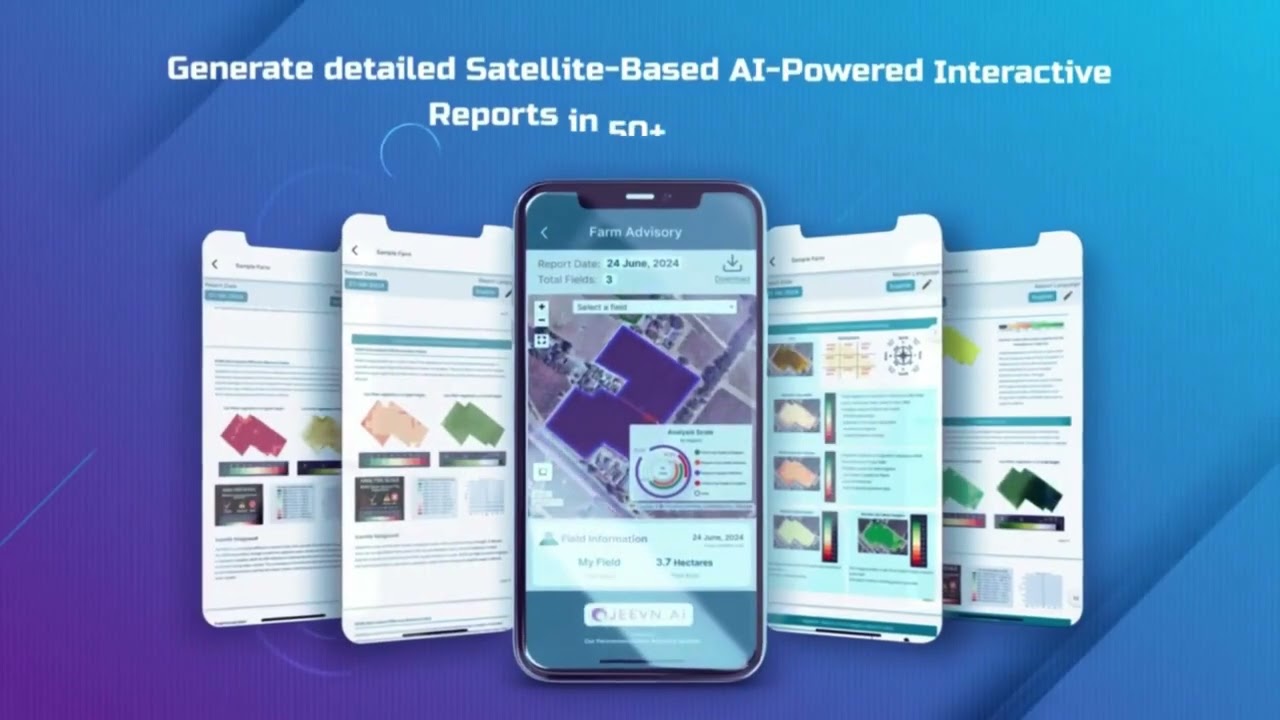
Farmonaut provides advanced satellite-based monitoring, blockchain-based traceability, and real-time AI-advisory services for agriculture and resource management—supporting sustainable food production across aquaculture, hydroponics, and traditional farming. Explore Farmonaut’s blockchain-enabled traceability platform for seafood supply chains, ensuring transparency from pond to plate.

Technological Components and Integration in RAS
Modern recirculating aquaculture systems are comprised of a sophisticated sequence of mechanical and biological filtration units, oxygenation devices, and automated environmental monitoring controls to ensure optimal fish health and productivity.
- Solids removal filters trap particles and waste as water passes through units
- Biofilters convert toxic ammonia (from fish waste) into less harmful nitrates
- UV sterilizers or ozonation remove pathogens and maintain water quality
- Oxygenation devices ensure dissolved oxygen remains at ideal levels for fish growth
- Automated controls for temperature, pH, and nutrient levels maximize growth rates and minimize disease risks
- Energy-efficient pumps recirculate water within closed systems
- Integration with IoT sensors and AI monitoring enables timely adjustments and resource optimization
- Data-driven management reduces waste, improves efficiency, and supports predictive aquaculture practices in 2026

Recirculating Hydroponic Systems & Aquaponics: Maximizing Resource Efficiency
One of the groundbreaking advancements in recirculating aquaculture over the past decade is the integration of hydroponics alongside RAS—in a concept known as aquaponics. This recirculating hydroponic system utilizes nutrient-rich water from fish tanks to irrigate leafy greens or herbs grown in soilless, controlled environments. The plants, in turn, absorb excess nitrates and nutrients, further purifying the water before it is returned to the fish tanks. This creates a synergistic cycle of maximum resource efficiency and minimal waste.
- Recirculating hydroponic systems reduce fertilizer usage and utilize fish-derived nutrients
- Double output potential: Both fish and marketable crops (herbs, greens, tomatoes, etc.) in one facility
- Drastically reduces discharge of pollutants into the environment
- Improves economic viability and diversifies product range for farmers
- Supports closed-system food production for resilient urban or peri-urban agriculture in 2026
This integration of recirculating aquaculture systems and hydroponic technology fits seamlessly in locations like urban centers or arid regions where natural water bodies are scarce, allowing for year-round, intensive sustainable food production.

Comparative Benefits Table: RAS, Conventional Aquaculture, and Hydroponics
| System Type | Water Use Efficiency (liters/kg fish, est.) |
Waste Production (kg/month, est.) |
Land Requirement (sqm/ton output, est.) |
Energy Consumption (kWh/ton output, est.) |
Sustainability Rating (1–5) |
Innovation Features |
|---|---|---|---|---|---|---|
| Recirculating Aquaculture System (RAS) | 300–800 | 10–30 | 35–60 | 800–1200 | 5 |
|
| Conventional Aquaculture (Pond/Cage) | 8,000–22,000 | 85–200 | 180–350 | 200–450 | 2 |
|
| Hydroponics-Based Aquaculture | 500–1100 | 18–45 | 45–80 | 950–1400 | 4 |
|
Environmental Stewardship and the Blue-Green Economy
Adopted globally, recirculating aquaculture systems play a crucial role in redefining sustainable aquaculture practices. By significantly reducing water consumption (by up to 99% compared to conventional systems), minimizing waste output, and controlling environmental variables within a closed system, RAS supports ecological balance and carbon footprint reduction. Learn more about advanced carbon footprinting solutions for aquaculture at Farmonaut’s Carbon Footprinting offering.
- Reduces effluent discharge, protecting local waterways from eutrophication
- Supports environmental compliance for urban and rural aquaculture facilities
- Decreases pressure on wild fish stocks and natural ecosystems
- Improves supply chain transparency and traceability for informed, eco-conscious consumers
- Enables integration with renewable energy sources—making operations greener for the future
Regional and International Aquaculture Adoption
As of 2026, international aquaculture leaders are adopting recirculating aquaculture systems not only for sustainability but also for market agility and product quality control. Notably, in North America, companies like Great Falls Aquaculture have utilized these systems to establish large-scale, premium fish production with sharply reduced water use and environmental risk—serving as a model for the region’s industry and inspiring similar practices worldwide.
- Countries with limited access to natural water bodies turn to RAS for inland, year-round seafood production
- International regulations and quality standards are shaping the requirements for closed-system technology
- RAS technologies facilitate export certification and product traceability for premium markets
- Global increase in species diversification and high-value niche products (e.g., sturgeon, barramundi, leafy greens)
- Jump-starts food security initiatives in regions pursuing sustainable agriculture
Strong international cooperation is supporting innovation in energy reduction, automated monitoring, and data-driven treatment processes, enabling even emerging aquaculture economies to leapfrog traditional models and adopt recirculating systems tailored to their local climate and markets.
Key Challenges and 2026 Future Prospects
While recirculating aquaculture systems offer numerous advantages in sustainability and resource efficiency, several challenges must be acknowledged:
- High initial capital investment required for advanced infrastructure
- Significant energy consumption for water recirculation and treatment
- Need for specialized technical knowledge and skilled operators
- Potential for system failure if critical components malfunction
- Ongoing maintenance costs and adaptation to emerging diseases
However, technological advancements in renewable energy integration, modular system design, and AI-based automation are making RAS more accessible and cost-effective. Going forward, closed-loop systems, recirculating hydroponic systems, and recirculating deep water culture (RDWC) will further propel the sector forward—creating resilient food systems for a resource-constrained world.
- Industry-wide R&D continues to reduce costs (both capital and operational)
- AI-driven monitoring platforms help preemptively identify disease and optimize feeds
- Hybrid energy systems lower the carbon footprint of intensive, year-round aquaculture
- Continuous improvement in biofiltration and recirculating hydroponic integration
- Education and technical training programs making recirculating aquaculture more accessible worldwide
How Farmonaut Satellite Technology Enhances Aquaculture Management
At Farmonaut, we recognize the essential role of real-time data and satellite monitoring in advancing recirculating aquaculture systems, hydroponics, and other sustainable aquaculture practices. By leveraging our suite of satellite imagery, AI-advisory, blockchain-based traceability, and resource management tools, we empower aquaculture managers to optimize resource use, enhance operational efficiency, and align with environmental regulations.
- Large-scale aquaculture or farm management is simplified with spatial monitoring, infrastructure assessment, and productivity mapping.
- Our blockchain-traceability (see our traceability services) offers unmatched transparency—from fingerlings to market-ready seafood.
- API integration allows for customized data connections, supporting interoperable tech stacks in modern aquaculture operations. Read our Developer Docs.
- Our carbon footprinting platform enables aquaculture businesses to track and reduce emissions sustainably.
- We also offer satellite-based verification for aquaculture loans—de-risking financial processes and streamlining insurance payouts for the sector.
5 Bullet Points: The Future of RAS in Sustainable Aquaculture
- Resource Optimization: RAS uses just a fraction of the water compared to old systems, increasing efficiency dramatically.
- Environmental Protection: Recirculating systems minimize discharges, supporting regional blue-green economy goals.
- Rapid Innovation: Ongoing tech upgrades are making aquaculture more accessible for every scale of producer.
- Data Integration: The future of RAS is powered by satellite-driven insights and blockchain traceability.
- Diverse Outputs: Mix fish production with leafy greens in hydroponic setups for resilient, high-return farming.
FAQs: Recirculating Aquaculture System
- What is a recirculating aquaculture system (RAS)?
A RAS is a closed-loop fish farming method where up to 99% of water is reused. Advanced filtration, biofiltration, and treatment enable continuous fish growth with minimal impact on natural resources or the environment. - How does RAS differ from traditional aquaculture?
Unlike open ponds or cages that continually use and discharge water from lakes/rivers, RAS treats and recycles nearly all its water—allowing for close environmental control and minimal waste. - What fish species are suited for RAS?
Common choices include tilapia, trout, salmon, bass, and sturgeon. With strong controls and biosecurity, almost any species can be adapted, though some require specific temperature or water chemistry. - What are the main challenges of RAS?
High initial investment, technical complexity, and ongoing energy costs. However, the tradeoffs are higher productivity, sustainability, compliance, and year-round operation. - How do RAS and recirculating hydroponic systems benefit urban farming?
They allow high-yield fish and crop production in compact spaces with low water use—perfect for cities where traditional agriculture isn’t feasible. - Can RAS integrate with Farmonaut’s technology?
Yes. We offer monitoring, traceability, resource management, and API integration that complements both RAS and combined hydroponic operations.
Visual List: RAS Advantages in 2026
- Saves up to 99% water compared to conventional methods
- Operates year-round, independent of climate or water body access
- Enables safe, high-quality seafood production with traceable supply chains
- Offers dual outputs by integrating leafy greens in aquaponic operations
- Boosts resilience for regions facing water scarcity or climate stress
Visual List: Key Technology Trends Powering Aquaculture in 2026
- AI-based automation for system health, water quality, and feeding
- Satellite and remote sensing for environmental monitoring and compliance (see Farmonaut’s large-scale management tools)
- Blockchain traceability for supply chain transparency
- Hybrid energy solutions (solar, wind) for off-grid, sustainable power
- Modular, scalable RAS units for flexible site deployment
Conclusion: Charting a Sustainable Course for Global Aquaculture
In the race to meet global seafood demand while safeguarding the environment, recirculating aquaculture systems have proven themselves as a key pillar for future-ready, sustainable fish production. With the ability to minimize water use, optimize resource efficiency, and integrate with recirculating hydroponic systems, RAS empowers the aquaculture sector to address 21st-century challenges head-on. As technology advances and data-driven management become standard, the vision for a blue-green economy—where intensive seafood production is balanced by ecological stewardship—comes within reach.
We at Farmonaut are committed to supporting this transformation with satellite-driven insights, blockchain-based traceability, and advanced management tools—helping operators worldwide adopt best-in-class recirculating aquaculture practices. By 2026 and beyond, investing in RAS, recirculating deep water culture, and associated technological solutions will mean not only thriving business, but also a resilient, sustainable, and transparent seafood supply for all.
Discussion
Questions, corrections or field experience? Share them below. First-time comments are reviewed before they appear, and your email is never published.
No comments yet. Be the first to add a question or your experience.

 Cresol
 Atur Kuliner
 GlobalQuant
 MDCV UK
 Zerella Group
 Etech Consulting Madagascar
 Vestlandsforsking
 Agritein
 Delicio
 WB Dev
 Sama Premium
 Prochecker
 Tres Valles
 LACOS Geoinformation
 Magrifly
 LatConnect 60
 Blickwinkel
 Agricultural Credit Policy Council
 Marei Nursery
 eKGIS
eKGIS Mostas Tech
 Exploration consultancy · South Africa · Gold
 Licence holder · Niger · Gold
 Licence holder · Nigeria · Gold + lithium










