

Bio Floc Fish Farming: 7 Powerful Advancements for 2026
“Biofloc technology is projected to increase fish farm productivity by up to 50% by 2025, revolutionizing aquaculture efficiency.”
Biofloc Fish Farming: The Future of Sustainable Aquaculture in 2025
As the global demand for fish and seafood continues to rise, the need for sustainable aquaculture practices becomes crucial to meet our growing consumption needs without depleting natural resources. Among the most transformative innovations in the aquaculture sector stands biofloc fish farming—a technology that unites environmental sustainability and economic viability.
By leveraging microbial processes to optimize nutrient recycling and maintain water quality, biofloc systems are quickly becoming a foundational pillar in sustainable fish farming worldwide. Their benefits are especially notable in regions facing water scarcity, limited land availability, and high production costs. In the following guide, we explore the seven most powerful advancements for 2026, promising to reshape bio floc fish farming and sustainable aquaculture for years to come.



Monitor, optimize, and analyze your aquaculture or fish farming operation from anywhere, anytime, with Farmonaut’s satellite-driven platform. Access robust AI analytics, resource management, and environmental impact tools—all from your smartphone or PC!
What is Biofloc Technology?
The term biofloc refers to a unique aquaculture system designed to manage nutrients, waste, and enhance fish farming productivity through the natural action of microbes, including bacteria and algae. By converting nitrogenous wastes from the aquatic body into protein-rich microbial biomass, the biofloc technology (often abbreviated as BFT) promotes a self-regulating system that serves as an additional food source for cultivated fish or shrimp.
This process also allows for zero or minimal water exchange, reducing the environmental impact by maintaining optimum water quality through continual microbial management. By 2025 and beyond (2026), biofloc fish farming is no longer just an emerging method; it’s a maturing pillar of sustainable production and ecological stewardship in aquaculture worldwide.
- Biofloc: Microbial aggregates or clusters that form the backbone of nutrient recycling in the tank/pond.
- Feed Efficiency: Flocs supplement traditional feed, creating a more natural and cost-effective solution.
- Environmental Impact: Self-contained systems that significantly cut down water consumption and pollution.

Key Components of Biofloc Fish Farming Systems
Understanding the Core Elements
-
Microbial Management:
- Beneficial microbes, mainly bacteria and algae, form the crucial flocs that digest toxic ammonia and nitrites, maintaining optimal water conditions.
- This natural activity helps avoid chemical treatments and frequent water exchanges.
-
Carbon to Nitrogen Ratio (C:N):
- Careful manipulation of the carbon:nitrogen ratio by adding carbon sources (such as molasses, rice bran, or vegetable waste) boosts microbial growth and biofloc efficiency.
-
Continuous Aeration:
- Persistent aeration guarantees enough oxygen for microbes and aquatic species, preventing harmful anaerobic zones.
- Mechanical or advanced aerators play strategic roles in high-density farming environments typical of biofloc systems in 2026.
-
Feed Efficiency:
- Biofloc aggregates act as a supplementary, nutrient-dense food source, reducing the feed conversion ratio (FCR) and depending less on traditional feeding.
-
Sludge and Waste Recycling:
- Periodic removal and utilization of inert floc maintains system health and keeps the environment balanced for future productivity.
- Advanced recycling methods in 2026 will transform sludge into useful bio-products, reducing environmental waste.

“By 2026, innovative biofloc systems could reduce water usage in fish farming by as much as 70% compared to traditional methods.”
Traditional vs. Biofloc Fish Farming: 2026 Comparison
How do traditional and biofloc systems compare? Use this data-backed table to weigh the transformative power of biofloc advancements on sustainability and efficiency in aquaculture by 2026.
| Aspect | Traditional Fish Farming (Estimated 2025) | Biofloc Fish Farming (Estimated Advancements 2026) | Impact on Sustainability/Efficiency |
|---|---|---|---|
| Productivity (kg/m³) | 8–12 | 16–20 | Up to 100% increase |
| Water Usage (liters/kg fish) | 500–800 | 150–250 | 70% reduction in water consumption |
| Feed Conversion Ratio (FCR) | 1.8–2.2 | 1.1–1.4 | More efficient feed utilization |
| Disease Incidence (%) | 20–30% | 5–10% | Lower disease risk, reduced chemical use |
| Operational Costs (USD/ton) | $1,600–2,000 | $1,000–1,350 | 30–40% cost reduction |
| Waste Output (kg/month) | 200–300 | 60–90 | Minimal environmental burden |
| Overall Environmental Impact | High; pollution and water use concerns | Low; sustainable and resource efficient | Eco-friendly, future-ready aquaculture |
📊 Biofloc System Key Benefits vs Traditional Methods
-
✔ Double Productivity
Biofloc tanks/ponds reach up to 20 kg/m³ fish yield—twice that of traditional systems. -
💧 Drastic Water Savings
Over 70% less water needed; critical in freshwater-scarce settings or land-limited zones. -
🦠 Reduced Disease Incidence
Fewer outbreaks due to beneficial microbial competition, strengthening fish immunity. -
♻ Lower Operational Costs
Less feed, minimized input chemicals, smarter energy use equals major cost savings. -
🌱 Eco-Friendly Aquaculture
Sustainable methods for cleaner, greener, and future-ready aquaculture.
📝 Checklist: Starting Your Biofloc Fish Farming Venture in 2026
- ✅ Choose Suitable Species: Tilapia, catfish, and shrimp adapt best to biofloc environments.
- 🛠 Invest in Automation: Use IoT-powered sensors to constantly track pH, DO, temperature, and real-time nutrient ratios.
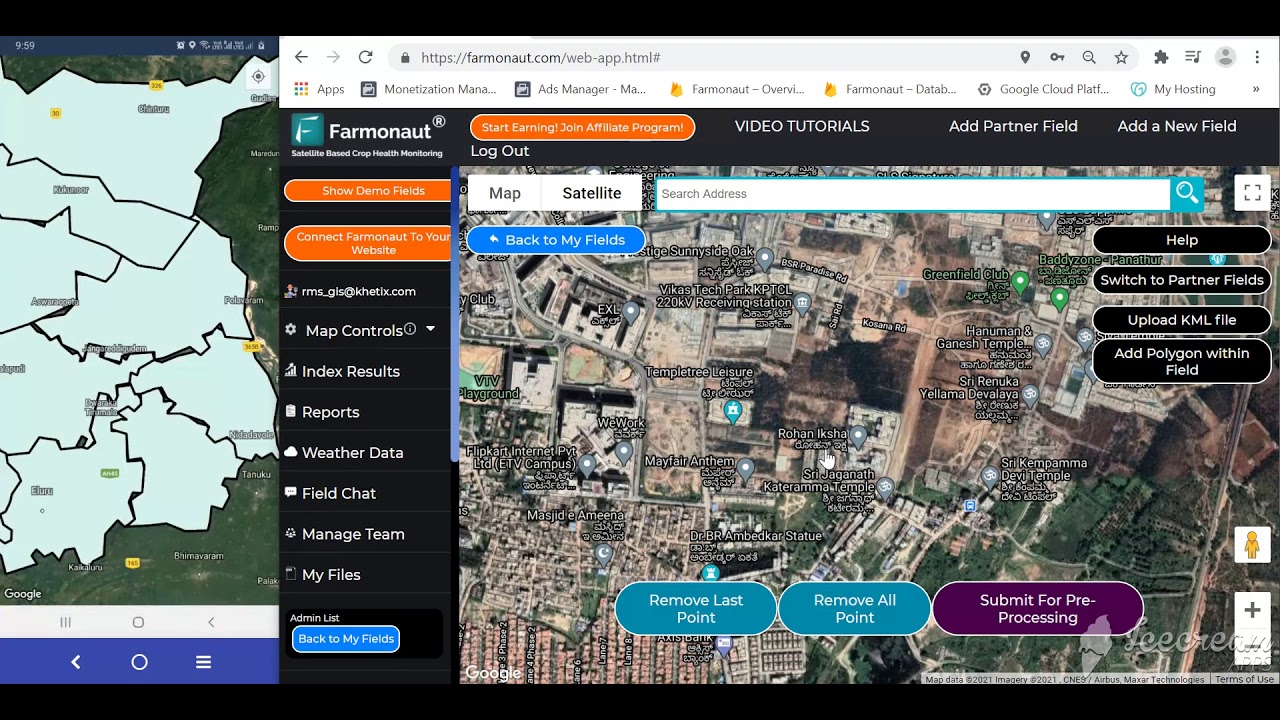
- 🌐 Leverage Satellite Insights: Platforms like Farmonaut provide satellite imagery, AI-advisory, and real-time water status updates for proactive management.
- 💡 Plan for Waste Management: Set up schedules for inert sludge removal and investigate ways for waste upcycling.
- 💸 Optimize Costs: Biofloc lowers feed and water costs, but a well-planned budget is key for sustainable profitability.
7 Powerful Advancements in Bio Floc Fish Farming for 2026
Let’s explore the top seven technological, biological, and management breakthroughs that will drive biofloc aquaculture success into the future:
-
AI-Driven Microbial Management Systems
Advanced platforms integrate real-time sensors with AI algorithms to maintain optimal carbon:nitrogen ratios, track ammonia/nitrite spikes, and provide data-driven advisory for microbial management. Solutions like Farmonaut Jeevn AI Advisory allow precise nutrient dosing, timely floc adjustments, and enhanced system longevity. -
Next-Generation Aeration & Oxygen Delivery
Smart aerators, linked to cloud-based controls and remote sensing, balance energy efficiency with water oxygenation. Real-time dissolved oxygen mapping—accessible via your phone, thanks to satellite-based platforms—ensures fish and microbes always have ideal conditions. -
Eco-Friendly Carbon Source Integration
Sustainable sources for carbon—like processed agricultural byproducts, city organic waste, or algae-based supplements—reduce input costs, optimize biofloc formation, and lower waste, enhancing circular economy models in aquaculture. -
Automated Sludge Recycling Systems
Novel, semi-automated systems convert biofloc waste/sludge into valuable byproducts (organic fertilizer, soil amendments), further reducing environmental impact and offering additional revenue streams for farmers. -
Integrated Disease Surveillance & Blockchain Traceability
On-the-go pathogen detection, remote diagnostics, and farm-to-fork blockchain tracking, via Farmonaut Traceability Solutions, build consumer trust, cut antibiotic misuse, and ensure food safety and compliance in international markets. -
Renewable Energy Utilization
Adoption of solar, wind, and biogas energy for running aerators, sensors, and water circulation components, further lowering operational costs and supporting energy-positive aquaculture models for the future. -
Scalable Urban & Peri-Urban Vertical Biofloc Farms
Modular, stackable tanks compatible with limited space—backyards, rooftops, or peri-urban greenhouses. Data-driven management enables small-scale, hyper-local seafood production—a game-changer for cities facing land and freshwater scarcity.
⭐ Advantages of 2026 Biofloc Technology
-
▲ Automated 24/7 Water Quality Monitoring
Remote, cloud-linked sensor arrays flag issues and activate interventions before fish health is threatened. -
✔ Farm-to-Fork Traceability
Blockchain solutions guarantee food authenticity and safe seafood export compliance. -
🔋 Integrated Renewable Energy
Reduces operational costs, carbon footprint, and enhances farm resilience. -
📦 Modular Expansion Capability
Scale production up or down with minimal infrastructure or downtime.
Biofloc Fish Farming Challenges & Future Prospects
Despite its promise, biofloc aquaculture brings its own set of technical and operational challenges into 2026:
- ⚠ System Complexity: Constant monitoring of pH, dissolved oxygen, ammonia/nitrite levels, and floc density is essential. Automation and remote sensing greatly help, but require upfront investment.
- ⚡ Energy Demand: Year-round, uninterrupted aeration means higher energy consumption. Shift to renewables and smart energy management answers this need.
- 🧪 Nutrient Management: Over- or under-dosing carbon sources can destabilize floc formation, risking water quality crises and fish health issues.
- 🗑 Sludge Accumulation: Floc buildup must be regularly removed and upcycled to avoid negative environmental effects.
- 🔬 Skill Gaps: Success in 2026 requires knowledge of microbial ecology, data analytics, and technical troubleshooting—ongoing training and digital tools help bridge this gap.
Solutions for these challenges are rapidly evolving: more accessible automation, peer-to-peer knowledge exchange, and remote digital advisory (powered by platforms like Farmonaut Jeevn AI Advisory System) are set to tip the scales toward accessible, profitable biofloc farming worldwide.

🌟 Essential Biofloc Success Factors for 2026
| Factor | Optimal Range/Best Practice (2026) | Effect on Production/Efficiency |
|---|---|---|
| Dissolved Oxygen (mg/L) | 5.0–7.0 | Ensures high growth rates and prevents fish mortality |
| C:N Ratio | 10–18:1 | Boosts efficient floc formation and nutrient recycling |
| Feed Conversion Ratio (FCR) | 1.1–1.4 | Maximizes output, minimizes feed expenditures |
| Temperature (°C) | 26–32°C | Ensures robust microbial activity and optimal fish growth |
Biofloc, Sustainability, and the Role of Technology
Biofloc technology doesn’t stand alone. The future of sustainable fish farming is built on seamless integration of biological, digital, and operational tools:
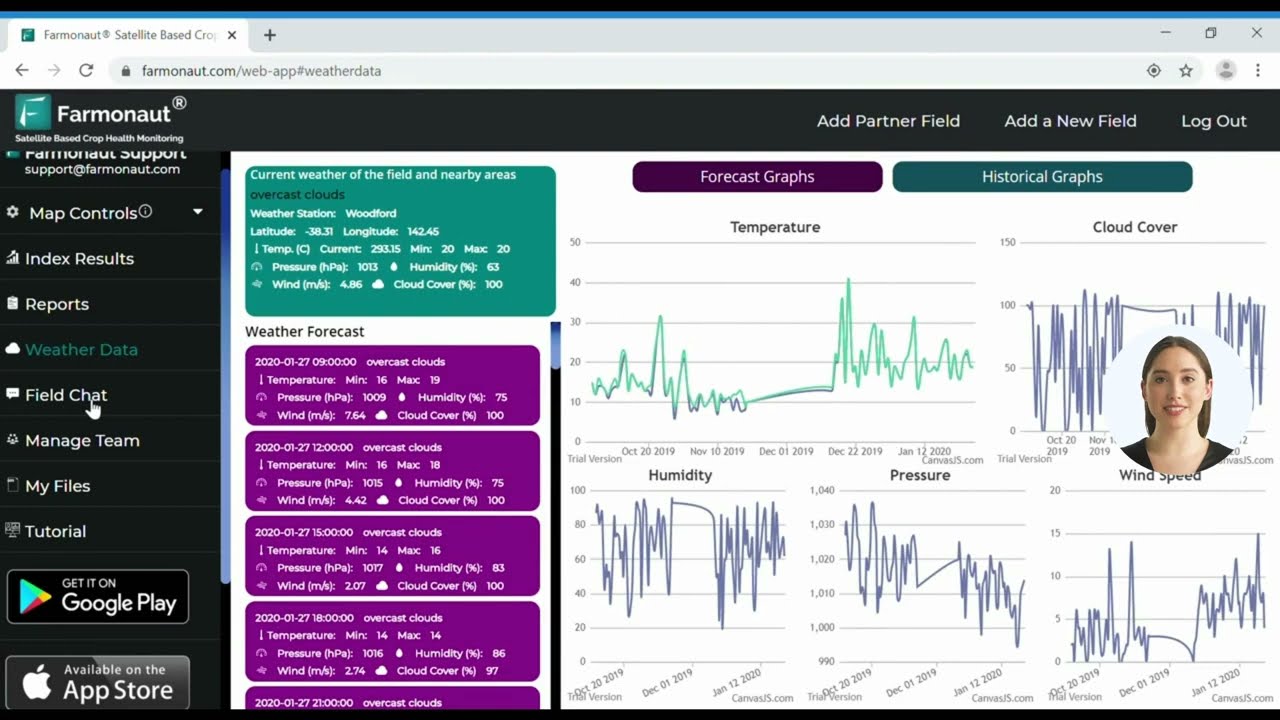
- Satellite Monitoring: Services such as Farmonaut’s Satellite-Based Monitoring deliver up-to-date insights into water quality, vegetation health, and management of large-scale aquaculture projects.
- AI-Powered Decision Making: Our Jeevn AI Advisory System helps unlock science-based, real-time recommendations for enhanced production efficiency and resource optimization.
- Blockchain Traceability: Trace your fish products from pond to plate, ensuring safety, authenticity, and meeting buyer demands for transparency. Learn more: Farmonaut Traceability.
- Resource Management: Satellite-driven fleet and farm management tools improve input logistics, optimize operational schedules, and support smart scaling as demand fluctuates.
- Finance and Insurance: Our crop loan and insurance verification solutions cut fraud and boost access for aquafarmers.
- Environmental Accountability: Real-time carbon and pollution tracking grow ever more essential for compliance and sustainability.
By tying together these advanced tools, biofloc aquaculture becomes a resilient, connected, and eco-friendly engine for feeding the world’s growing population.
Biofloc Fish Farming FAQ (2026)
Frequently Asked Questions
-
Which fish and shrimp species are best for biofloc systems in 2026?
Species thriving in high-density, low water exchange environments: Tilapia, catfish (Pangasius), common carp, Indian major carps, and shrimp (Penaeus vannamei) are most commonly cultured, thanks to their robust tolerance to dynamic water and nutrient conditions.
-
What are the must-monitor water quality parameters?
Dissolved oxygen, ammonia and nitrite concentrations, pH, C:N ratio, temperature, and total suspended solids; modern farms use cloud-linked sensors to automate alerts and corrections.
-
How does biofloc help reduce environmental impact?
By recycling nitrogenous waste into useful microbial biomass (>30% less pollution) and slashing water usage (>70% compared to conventional ponds).
-
Is biofloc technology cost-effective for small-scale farmers?
Yes—with the right support. Lower operational costs, minimal water needs, and supplemental nutrition make the economics of biofloc highly attractive, especially in regions with freshwater scarcity or limited land.
-
How can technology like Farmonaut help biofloc farmers?
Our satellite-based monitoring, AI-advisory, resource management tools, and blockchain-powered traceability empower both small and large aquafarmers to optimize input use, reduce environmental footprints, and boost farm traceability and transparency—all in real time.
Conclusion: Shaping the Future of Aquaculture with Biofloc
Bio floc fish farming is setting new global standards for sustainable aquaculture by 2026 and beyond. With continuous advancements in microbial management, digital monitoring, renewable energy, and system automation, the approach is moving from promising innovation to proven solution.
- ✔ Productivity is rising with double the fish output per unit of water.
- 📊 Data-driven management supports farmers in every region, even under the pressure of water scarcity and urban land constraints.
- ♻ Environmental sustainability is realized through efficient nutrient recycling, minimal waste, and a dramatic reduction in freshwater demand.
- 🌍 Global food security is strengthened by future-ready, locally optimized production systems.
- 🔐 Traceability and food safety are assured, thanks to blockchain integration and real-time monitoring platforms.
By leveraging the full potential of biofloc systems and integrating next-generation technologies like those offered via Farmonaut, fish and shrimp farming operations are poised to become smarter, cleaner, and more profitable. The era of sustainable aquaculture has truly arrived.
Get Started with Farmonaut
Ready to revolutionize your aquaculture operations with advanced satellite monitoring, AI-powered management, blockchain traceability, and environmental insight tools? Click below to launch Farmonaut’s web, mobile, or API solutions, and fish for the future!
Explore More: Discover how Fleet & Resource Management by Farmonaut enhances aquaculture and mining efficiency, optimizing vehicle use and machinery with real-time satellite insights.
Access the Farmonaut Crop, Plantation, and Forest Advisory App for expert recommendations on integrated agriculture planning and multi-trophic aquaculture systems.

 Etech Consulting Madagascar
 Vestlandsforsking
 Global Launch Base
 Elders
 Agritein
 Delicio
 WB Dev
 Sama Premium
 Prochecker
 Tres Valles
 LACOS Geoinformation
 Magrifly
 LatConnect 60
 WebsEdge
 Blickwinkel
 Agricultural Credit Policy Council
 Marei Nursery
 eKGIS
eKGIS Mostas Tech
 Andex
Andex
