

Sustainable Forestry: Key Strategies for 2025
“By 2025, sustainable forestry aims to increase global forest cover by 3% using advanced conservation technologies.”
- Introduction and The Future of Forest Management in 2025
- Sustainable Forestry: Core Principles and Growing Urgency
- Advanced Technology Integration in Forestry Management
- Key Sustainable Forestry Practices in 2025
- Economic and Social Dimensions of Sustainable Forestry
- Comparative Strategies Impact Table
- Global Challenges and Trends Impacting Forestry in 2025
- How Farmonaut Technologies Empower Sustainable Forestry
- Sustainable Forestry: What Lies Ahead?
- Frequently Asked Questions (FAQ)
Introduction and The Future of Forest Management in 2025
Sustainable forestry stands at the frontline of planetary stewardship in 2025, blending robust ecological, social, and economic strategies. As the global population continues to grow and climate change intensifies, forests face mounting pressures. Yet, these invaluable ecosystems provide a multitude of benefits—from purifying air and water to regulating the climate and supporting biodiversity.
The future of forestry is about balancing health, biodiversity, and economic needs with innovative technology, ethical management approaches, and ongoing conservation efforts. Sustainable forestry in 2025 is underpinned by advanced monitoring tools, evolving policy frameworks, and the increased responsibility of our society to both current and future generations.



Sustainable Forestry: Core Principles and Growing Urgency
Sustainable forestry is defined by its core principle—managing forest resources to meet current needs without compromising the ability of future generations to meet theirs. This approach involves balancing environmental protection, economic viability, and social responsibility. In contrast to traditional forestry, which often prioritized timber harvesting without ensuring adequate regeneration, modern sustainable forestry emphasizes ecosystem preservation, soil health, water quality, and wildlife habitats, alongside the maintained productivity of timber and other products.
- Stewardship requires integrated management of land, water, and living resources.
- Conservation acts to protect biodiversity by maintaining ecological functions and habitats.
- Social engagement recognizes the importance of forest-dependent communities and indigenous knowledge systems.
- Economic focus ensures that forestry provides livelihoods and market opportunities without compromising long-term forest health.
The Urgency: Population Growth, Environmental Change, and Pressures on Forests
Global population continues to grow, placing increasing demand on both agricultural and forest land. At the same time, climate change intensifies existing stresses—leading to more frequent and severe droughts, fires, and pest outbreaks. Illegal logging and unsustainable harvesting practices persist throughout the world, further threatening forest health.
These converging challenges have made sustainable forestry more important than ever in 2025. The push for sustainability is driven by:
- Advancements in technology—permitting real-time, data-driven insights for adaptive management
- Evolving policy frameworks at national and global levels (such as commitments under the Paris Agreement)
- Rising global awareness of the interconnectedness between forests, climate, and human well-being

Sustainable Forestry in 2025: The Defining Features
- Integration of Advanced Technology: Tools like satellite imagery, remote sensing, drone surveillance, and AI analytics provide real-time visibility of forest conditions and deforestation rates.
- Emphasis on Biodiversity and Landscape-level Management: Ecosystem connectivity, conservation corridors, and selective harvesting techniques help maintain landscape integrity and promote regeneration.
- Certified, Responsible Supply Chains: Certification schemes like FSC and PEFC ensure that timber and forest products are sourced responsibly.
- Community and Indigenous Involvement: Participatory models empower communities across the globe, integrating traditional knowledge into management strategies.
- Policy Innovation and Cross-Sectoral Collaboration: Governments, businesses, and NGOs are aligning on stricter environmental standards and market incentives for sustainability.
Advanced Technology Integration in Forestry Management
Sustainable forestry in 2025 is driven by major advancements in technology, revolutionizing how forests are managed, protected, and restored.
The integration of remote sensing, drone surveillance, satellite imagery, and artificial intelligence enables unprecedented monitoring and management precision. These technologies:
- Generate actionable data on forest health, deforestation, illegal activities, soil and water quality
- Help foresters make more informed decisions about harvesting schedules
- Optimize forest productivity while minimizing environmental impact
- Allow for the mapping and planning of conservation corridors using GIS and spatial systems
Key Technology Platforms in Practice
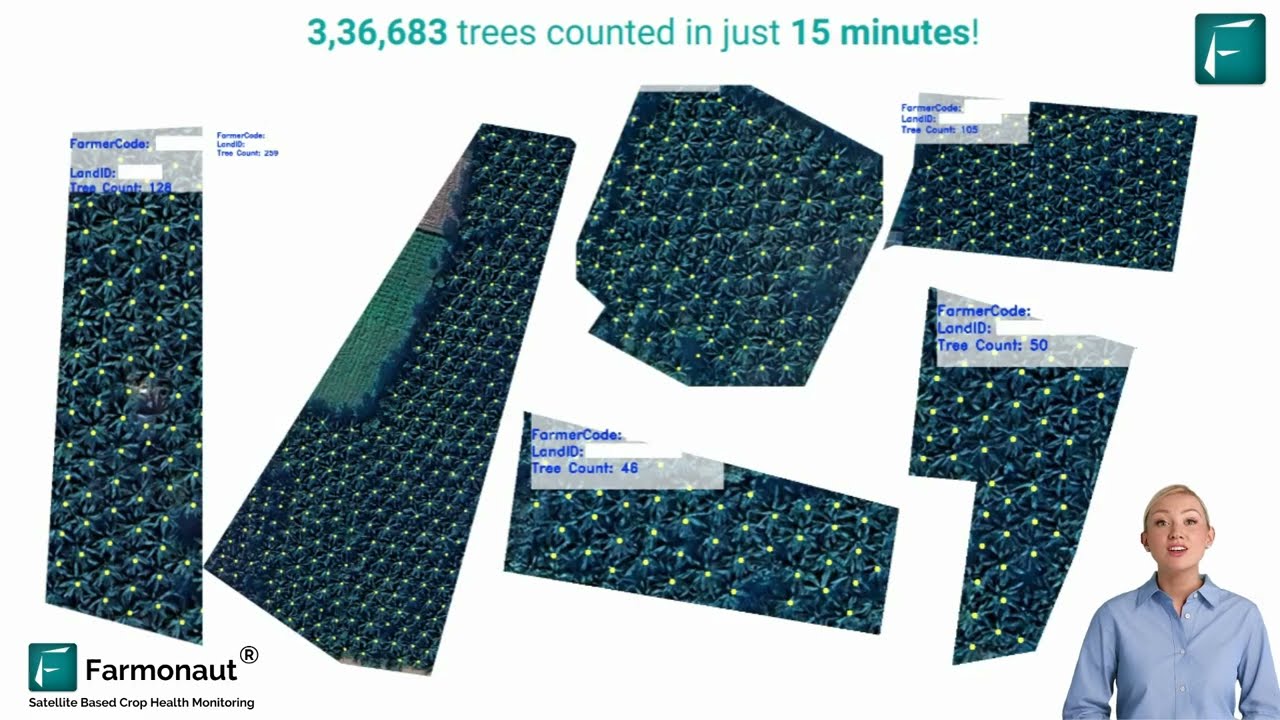
- Remote Sensing and Satellite Imagery: These tools provide real-time monitoring of vegetation density, disease outbreaks, and land use change. For example, Farmonaut’s Large-Scale Plantation Advisory offers spatially explicit recommendations for forest management, helping users track changes and plan adaptive strategies.
- AI and Machine Learning Analysis: Used for identifying areas of deforestation, classifying trees by stage of maturity, and detecting wildfire risk zones.
- Drones: Allow for precise, low-impact surveillance of sensitive areas, supporting rapid assessment with minimal disturbance to wildlife and soils.
- Blockchain-based Traceability: Solutions like Farmonaut’s Traceability Platform add transparency to supply chains, verifying the sustainable origin of timber and other forest products.

How Technology Promotes Sustainability and Accountability
With platforms that combine high-resolution imagery, predictive analytics, and traceability, forest managers can:
- Monitor illegal logging and implement swift interventions
- Assess carbon footprint reduction using tools like the Farmonaut Carbon Footprint Monitoring
- Forecast climate-driven challenges and plan reforestation campaigns

API Endpoint
| API Developer Docs
Key Sustainable Forestry Practices in 2025
Core sustainable forestry practices in 2025 are designed to balance ecological, economic, and social needs without depleting resources or jeopardizing ecosystem integrity.
- Selective Logging: This technique focuses on harvesting mature trees only, allowing younger trees to thrive and supporting ongoing forest regeneration. By minimizing overall biomass removal, selective logging reduces soil compaction, erosion, and habitat disruption compared to clear-cutting.
- Reduced-Impact Logging: Through careful planning, directional felling, and limiting heavy machinery use, these practices protect soil structure, water quality, and minimize collateral damage to undergrowth.
- Reforestation and Afforestation: Massive tree-planting efforts help to restore degraded landscapes, sequester carbon, and renew forest cover. National and global programs are tying these efforts to climate action, including commitments under the Paris Agreement.
- Conservation Corridors and Biodiversity Planning: Establishing wildlife corridors allows species to migrate and maintain genetic diversity, buffering against disease and climate threats. GIS mapping supports strategic planning of corridors and preserves.
- Continuous Forest Inventory and Adaptive Management: Ongoing assessment of forest resources, facilitated by digital monitoring, ensures management strategies can be rapidly adapted to changing field conditions.
“Over 60% of sustainable forest plans in 2025 will incorporate biodiversity monitoring to protect native species.”
Certification and Sustainable Consumption
Certification regimes, particularly the Forest Stewardship Council (FSC) and Programme for the Endorsement of Forest Certification (PEFC), help consumers identify responsibly sourced timber and products.
These schemes are fostering sustainability and creating economic incentives for best practices. Companies and landowners who subscribe to certification standards are rewarded through premium pricing and improved market access, aligning economic, social, and environmental outcomes.
Economic and Social Dimensions of Sustainable Forestry
While environmental protection is central, the economic and social pillars are equally critical.
Forests support livelihoods for millions globally, providing timber, non-timber products (such as medicinal plants and nuts), and ecosystem services. Sustainable forestry maintains these benefits without exhausting natural resources or marginalizing local communities.
- Participatory Management: Involving local and indigenous communities in decision-making preserves traditional knowledge and stewardship practices that have shown to be effective over centuries.
- Market Access Through Certification: Offering certified timber and non-timber products provides smallholders and community forests with economic incentives to maintain sustainable practices.
- Insurance and Financing: Innovative products, like Farmonaut’s Crop Plantation Loan & Insurance Verification, help landowners secure better financing and insure against climate-related risks by offering satellite-based proof of compliance and risk assessment.
Supporting Community Rights and Forest Stewardship
Community rights to forest resources are increasingly recognized as essential for sustainability. Inclusive governance models—with participatory mapping, benefit-sharing, and legal recognition—help integrate local and indigenous stewardship at every stage. When communities have secure rights, their efforts support regeneration, help control illegal logging, and foster biodiversity conservation.
Comparative Strategies Impact Table
The following table compares leading sustainable forestry strategies for 2025, their benefits, challenges, and expected adoption rates.
| Strategy | Estimated Ecological Impact | Economic Benefit* | Implementation Complexity | 2025 Adoption Rate |
|---|---|---|---|---|
| Remote Sensing Monitoring | High (10-15% increase in detection accuracy of threats, rapid intervention capability) | $40–$80 per hectare/year (in productivity and loss prevention) | Moderate | 65–75% (national/regional forestry agencies) |
| Selective Logging | Moderate to High (minimizes habitat loss, supports regeneration) | $60–$110 per hectare/year (premium on certified wood, resource sustainability) | Moderate | 55–70% (where certification required) |
| Community Engagement | High (reduced illegal activities, increased biodiversity) | $30–$95 per hectare/year (improved product diversity, social stability) | Simple to Moderate | 70–80% (projects with government or NGO support) |
| Biodiversity Corridors | Very High (enables species migration, boosts landscape resilience) | $45–$100 per hectare/year (ecosystem services, resilience) | Complex | 40–55% (large-scale landscape projects) |
| Certification Adoption | High (ensures responsible sourcing, stakeholder trust) | $70–$130 per hectare/year (market premium, reduced penalties) | Moderate | 72% (global exporters/importers) |
*Economic benefit estimates are indicative and can vary by geography, market certification premiums, and management intensity.
Global Challenges and Trends Impacting Forestry in 2025
Even as sustainable forestry gains ground, some key challenges threaten forest health and long-term sustainability.
- Illegal Logging and Resource Extraction: Persistent globally, especially in tropical and boreal forests, illegal logging undermines conservation efforts and market integrity.
- Land Conversion: Forested land is still converted to agriculture, mining, or urban areas, reducing biodiversity and fragmenting vital ecosystems.
- Climate Change Impacts: Increased droughts, wildfires, and pest outbreaks are more frequent, challenging existing management approaches.
- Policy Gaps and Weak Enforcement: Some regions struggle with out-of-date policies or insufficient oversight, creating gaps in sustainable implementation.
However, technology and cross-sector solutions offer new hope. For example, remote sensing now allows for near real-time monitoring and the pinpointing of illegal activities, while digitally enabled financing and insurance (via satellite verification and AI-based resource management) are revolutionizing risk management for communities and landowners.
Emergent Global Trends in 2025
- Integration of Climate, Biodiversity, and Economic Policy: Multilateral frameworks are increasingly linking forest carbon markets, ecosystem services payments, and biodiversity credits.
- Landscape Restoration Initiatives: Countries and regions are scaling reforestation, targeting desertification hot-spots and degraded ecosystems.
- Traceability as Standard: Markets now demand transparent, blockchain-guaranteed tracking of forest products, reducing illegal activity.
How Farmonaut Technologies Empower Sustainable Forestry
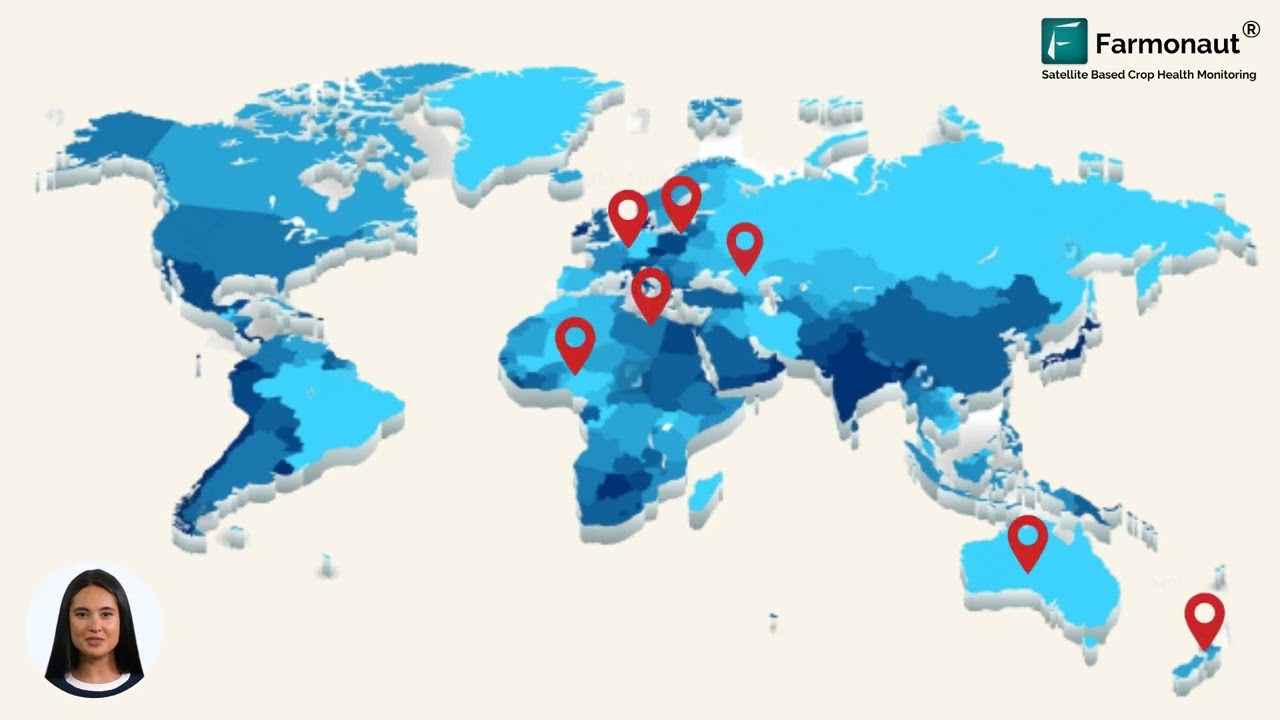
We at Farmonaut are committed to supporting a sustainable forestry future globally. Our satellite-driven platform combines advanced remote sensing, AI analytics, blockchain traceability, and resource management solutions to address the evolving demands of forest management in 2025.
- Real-Time Forest Monitoring: Our satellite systems deliver multispectral imagery on forest health (NDVI), detect illegal logging activities, and enable AI-powered risk analysis—empowering users to protect forests proactively.
- Environmental Impact Tracking: We equip users with dynamic tools to monitor environmental impacts, such as carbon emissions and water quality, directly supporting compliance with sustainability standards.
-
Blockchain-Based Traceability: Our traceability solutions establish end-to-end transparency, so organizations and communities can verify responsible sourcing and build consumer trust.
Learn more about Farmonaut’s Product Traceability features → - Resource & Fleet Optimization: Through our Fleet Management tools, landowners efficiently allocate equipment and human resources, reducing costs while maximizing sustainability and productivity.
- API Integration for Custom Solutions: Developers and enterprises can integrate our geospatial data streams, enhance existing applications, or build new solutions to address their specific forestry challenges. Explore Farmonaut’s API →

All Farmonaut tools are designed to be flexible and mobile responsive—accessible via web, iOS, and Android apps (access the web app).
Sustainable Forestry: What Lies Ahead?
As we approach the second half of the decade, sustainable forestry will continue to evolve—driven by innovation, policy action, and society’s deepening commitment to environmental stewardship. The future calls for:
- Further integration of AI, satellites, and blockchain: Unifying these technologies will make sustainable forest management more effective, transparent, and responsive to threats.
- Emphasis on local empowerment: Participatory planning and benefit-sharing mechanisms will continue to lift communities and indigenous groups into central roles in the management of forest resources.
- Coordinated global action: International policy frameworks must continue to align financial, technical, and social resources to the cause of forest conservation.
- Responsible consumption: Expanding market demand for certified, sustainably produced forest products will become a powerful economic lever for change.
Summary: Sustainable Forestry—The Future of Forest Management in 2025
Sustainable forestry in 2025 is a multidimensional, holistic approach that safeguards the integrity of forests worldwide—balancing environmental health, economic viability, and social responsibility. Empowered by advanced technologies, rigorous policy frameworks, and inclusive governance, sustainable forestry represents the most promising path for generations to come.
As challenges persist, tools and services like Farmonaut’s satellite-driven platforms will help change-makers and forest managers worldwide ensure the invaluable benefits of forests endure. By fostering transparency, supporting efficient resource management, and prioritizing conservation, the sector’s transition to technology-enabled, people-centered sustainability is not just possible—it’s already underway.
Frequently Asked Questions (FAQ)
- What is sustainable forestry?
- Sustainable forestry is an approach to forest management that balances environmental conservation, economic productivity, and social well-being, ensuring forests meet current needs without compromising their ability to support future generations.
- Which technologies are shaping forestry management in 2025?
- Key technologies include remote sensing, satellite imagery, AI analytics, blockchain traceability, and resource management tools. These enable real-time monitoring, efficient resource use, and environmental compliance.
- How does selective logging differ from clear-cutting?
- Selective logging involves harvesting mature trees only, preserving the forest’s structure, soil health, and biodiversity. Clear-cutting removes most or all trees in an area, often degrading habitats and making forests more vulnerable to environmental stress.
- What role do local communities play in sustainable forestry?
- Local and indigenous communities bring valuable traditional knowledge and stewardship practices. Empowering them with participatory management rights leads to more effective conservation and sustainable use of resources.
- Why is certification important for forest products?
- Certification, such as FSC or PEFC, ensures products are sourced from forests managed with respect for ecology, labor rights, and long-term sustainability. It gives consumers the ability to choose responsible options and supports global sustainability goals.
- How can Farmonaut help me implement sustainable forestry?
- Farmonaut’s solutions provide real-time monitoring, environmental tracking, traceability, and resource optimization for forestry operations. Our platform is accessible via web, mobile apps, and API for seamless integration into your existing workflows.
Ready to monitor and manage your forest resources with leading-edge technology?
Get started with our sustainable forestry solutions on the web app or download the app for Android or iOS.

 Progenseed
 SkyHarvest
 Sarvome
 Polaris Digitech
 Teledarbas
 Wild Oak Farm
 SFX
SFX BACF Africa
 Doodlakine
 Exurbia Geospatial
 FieldZero
 Indico Company
 Kubota
 FFBS
FFBS Jontra
