

Top Advantages of Integrated Farming System Explained: Boosting Productivity, Sustainability & Profits
Meta summary: Integrated farming system: a holistic approach to sustainable agriculture. Discover the advantages of integrated farming system—improved resource efficiency, increased productivity, better soil health, and higher profits through the synergy of crops, livestock, fish, and trees.
Table of Contents
- What is Integrated Farming System (IFS)?
- Why Choose Integrated Farming? Key Advantages
- Comparative Advantage-Impact Table
- Essential Components of Integrated Farming System
- How Does an Integrated Farming System Work?
- Integrated Farming System Example
- IFS for Indian Agriculture: Impact and Opportunities
- Farmonaut’s Satellite Technology & Advisory for Integrated Farming
- Success Strategies: Maximizing Integrated Farming Advantages
- FAQ
- Conclusion: The Future & Sustainability of IFS



What is Integrated Farming System (IFS)?
The integrated farming system (IFS) is a holistic, sustainable farming approach that strategically combines crops, livestock, trees, fish, and other allied enterprises to create a balanced, highly productive ecosystem. Rather than depending solely on a single crop or livestock, farmers diversify their activities. This integration ensures that the output (waste, residues, by-products) from one component serves as an input or resource for another, optimizing resource utilization, recycling organic matter, improving soil health, and boosting overall farm profitability.
The core idea of IFS is synergy—deliberately designing relationships so that each enterprise supports the others naturally. Crop residues feed animals, manure fertilizes fields, pond silt is used for horticultural plots, and livestock can control weeds and pests, to name just a few examples. This system reduces dependency on synthetic chemicals and external inputs, supporting environmental sustainability and resilience.
Why Choose Integrated Farming? Top Advantages of Integrated Farming System
Integrated farming advantages are numerous and impactful, making it a preferred model for future-ready and climate-smart agriculture. Let’s explore the leading benefits:
-
Higher Productivity & Resource Efficiency
Integrated systems recycle nutrients and organic matter, using resources efficiently and producing more outputs per hectare than monoculture businesses. -
Diversification & Risk Management
Multiple components (crops, livestock, poultry, trees, ponds, aquaculture) minimize risk from market fluctuations, droughts, pests, and price swings. -
Improved Soil Health & Biodiversity
Agroforestry and crop-livestock-tree mix enhances soil fertility, increases microbial activity, buffers pests and diseases, and supports pollinators. -
Water Use Optimization
Farm ponds, rainwater harvesting, and tree-based microclimates help save water and reduce irrigation demands. -
Higher Farm Income & Value Addition
Diversified products (e.g., milk, eggs, meat, crops, timber, vegetables) create reliable revenue streams and enable on-farm processing for greater profit. -
Environmental Sustainability
Recycling, reduced reliance on synthetic inputs, and improved ecosystem health lessen the farm’s environmental footprint.
- ✔ Resource efficiency: Maximizes nutrient cycles and minimizes waste on the farm.
- 📊 Increased productivity: Up to 30% higher total output per hectare using integrated systems.
- 🔥 Risk diversification: Multiple enterprises buffer against unpredictable market and climate risks.
- 🌱 Enhanced soil health: Organic matter and livestock manure builds fertility year after year.
- 💧 Water savings: Pond-based irrigation and tree shading preserve valuable water resources.
Synergistic Crop Production
Crop residues feed livestock, while animal manure fertilizes fields—closing nutrient loops.
Livestock Enterprise
Poultry and goats create diversified income streams and recycle nutrients into the soil.
Agroforestry & Trees
Fruit and timber trees protect soil, provide shade, and add commercial value.
Pond & Aquaculture
Small ponds enable fish farming and provide water for irrigation.
Comparative Advantage-Impact Table: How Integrated Farming Outperforms Conventional Systems
| Advantage | Description | Estimated Improvement (%) or Value | Environmental / Sustainability Benefit |
|---|---|---|---|
| Increased Productivity | Integrated systems produce higher total farm outputs by recycling nutrients and maintaining continuous land use. | Up to 30% increase in total yield per hectare | Less space wasted, more outputs from same land |
| Improved Soil Health | Manure, composting, and crop-livestock synergy enrich soil organic matter and promote microbial life. | 35% improvement in soil organic carbon | Stronger, more fertile soil for long-term farm sustainability |
| Better Resource Utilization | Efficient recycling of residues, by-products, and inputs across farm components | 20-40% higher use efficiency of nutrients | Reduced need for external inputs (fertilizer, feed, water) |
| Biodiversity Enhancement | Multiple plant, tree, and animal species on the farm provide natural buffers to pests and promote ecosystem health. | N/A (Varies, but ecosystem stability greatly improves) | Reduces chemical pest control; increases pollinator populations |
| Reduced Input Costs | On-farm supply of manure, feed, and mulch helps cut purchase of synthetic fertilizer and pesticide. | Up to 50% reduction in chemical fertilizer use | Less risk of runoff and environmental contamination |
| Higher Profitability | More diversified products (eggs, milk, meat, timber, fish, vegetables), value-added processing, and multiple revenue streams. | Income stability +20-60%; Lower risk of total loss | Supports sustainable livelihoods and local economy |

Essential Components of Integrated Farming System
An effective and resilient integrated farming system combines a thoughtful selection of interconnected components—each chosen for how it will complement and support the others. Here’s a deeper look:
1. Cropping Systems
- Core crops (staples or cash) grown in rotation or polyculture for soil fertility, yield stability, and pest control.
- Intercropping with legumes, cover crops, or vegetables adds diversity and maximizes land use.
2. Livestock Enterprises
- Cows, goats, poultry, ducks, sheep, or any livestock suit local needs—converting crop residues to meat, milk, manure, eggs.
- Manure is a critical resource for enriching soil and reducing fertilizer cost.
3. Aquaculture or Pond Farming
- Small, integrated farm ponds for fish or prawn culture, irrigation, and micro-habitat for beneficial organisms.
- Pond silt used to fertilize horticulture or vegetable beds.
4. Agroforestry and Trees
- Inclusion of fruit trees, timber species, nitrogen-fixing hedges or fodder trees for long-term productivity.
- Shading moderates microclimate; perennials reduce erosion and improve biodiversity.
5. Horticulture & Perennial Forages
- Diversified produce: vegetables, herbs, legumes, orchards, and forages for livestock feed.
- Enables year-round production to optimize land use.
6. Agro-processing & Value Addition
- On-farm processing units (drying, milling, cheese/yogurt making, oil extraction).
- Value addition for market differentiation and better pricing.
7. Soil and Nutrient Management
- Composting, mulching, vermicompost for organic enrichment and moisture retention.
- Biofertilizers and green manures sustain soil fertility for long-term productivity.
8. Pest and Disease Management (IPM)
- Diversification and synergy reduce pest outbreaks (natural enemies thrive in mixed systems).
- Use of biological controls, crop rotation, and resistant varieties reduces chemical dependencies.
How Does an Integrated Farming System Work?
Understanding IFS in action clarifies why it is praised as a holistic approach to modern agriculture.
- Crop residues (like straw or husk) are directly fed to livestock (cows, goats, poultry), reducing the purchase of external feed.
- Manure from animals—rich in organic matter and nutrients—is composted or applied fresh to fertilize fields, improving soil structure and yielding healthier, more resilient crops.
- Ponds on the farm not only host fish culture but also store water for irrigation. Fish waste further enriches surrounding soils, completing the nutrient loop.
- Agroforestry—integrating trees, timber, and fruit with crops— provides shade, windbreaks, additional products, and vital erosion protection; while hedgerows or shrubbery attract pollinators and harmless natural enemies of pests.
This systemic design reduces waste, slashes reliance on external inputs, conserves water, balances farm income streams, and delivers resilience in the face of climate and price shocks.
Poultry Eggs
Milk & Dairy Products
Meat & Poultry
Vegetables & Fruits
Timber, Mulch, & Tree Products
Fish & Aquaculture

Integrated Farming System Example: A Model for Sustainable Farm Success
Let’s break down a practical integrated farming system example for a small farm, using the principles covered above.
- A fruit orchard is established at the farm’s center, intercropped with vegetables like leafy greens and legumes between tree rows.
- Poultry and goats rotate around orchard edges, feeding on crop residues and providing manure to keep orchard soil fertile and rich.
- A pond in a low-lying area supports fish culture, stores water for irrigation, and supplies nutrient-rich silt to boost soil health in vegetable beds.
- Trees on the windward side function as windbreaks, offer additional timber, and prevent soil erosion.
- Revenue streams include: fruits, vegetables, goat meat, eggs, fish, timber/mulch—balancing risk and generating year-round cash flow.

Integrated Farming System for Indian Agriculture: Impact & Opportunities
- ✔ Higher resource efficiency: Makes optimal use of small landholdings common across India.
- 📊 Better climate resilience: Spreads risk against erratic monsoon and price fluctuations.
- 🔥 Improved food and nutrition security: Ensures farm families and communities access milk, meat, eggs, and vegetables in addition to grains.
- 🌱 Soil and water conservation: Tackles severe soil erosion and water scarcity in rainfed regions.
- 💡 Supports government sustainability goals: Reduces rural poverty, increases farmer income, and aligns with long-term sustainability and climate action targets.
Many success models—whether in Punjab, Tamil Nadu, Karnataka, West Bengal, Maharashtra, or Uttar Pradesh—show that IFS is ideal for small and marginal farmers, as well as large agri-businesses looking to secure their supply and profitability.
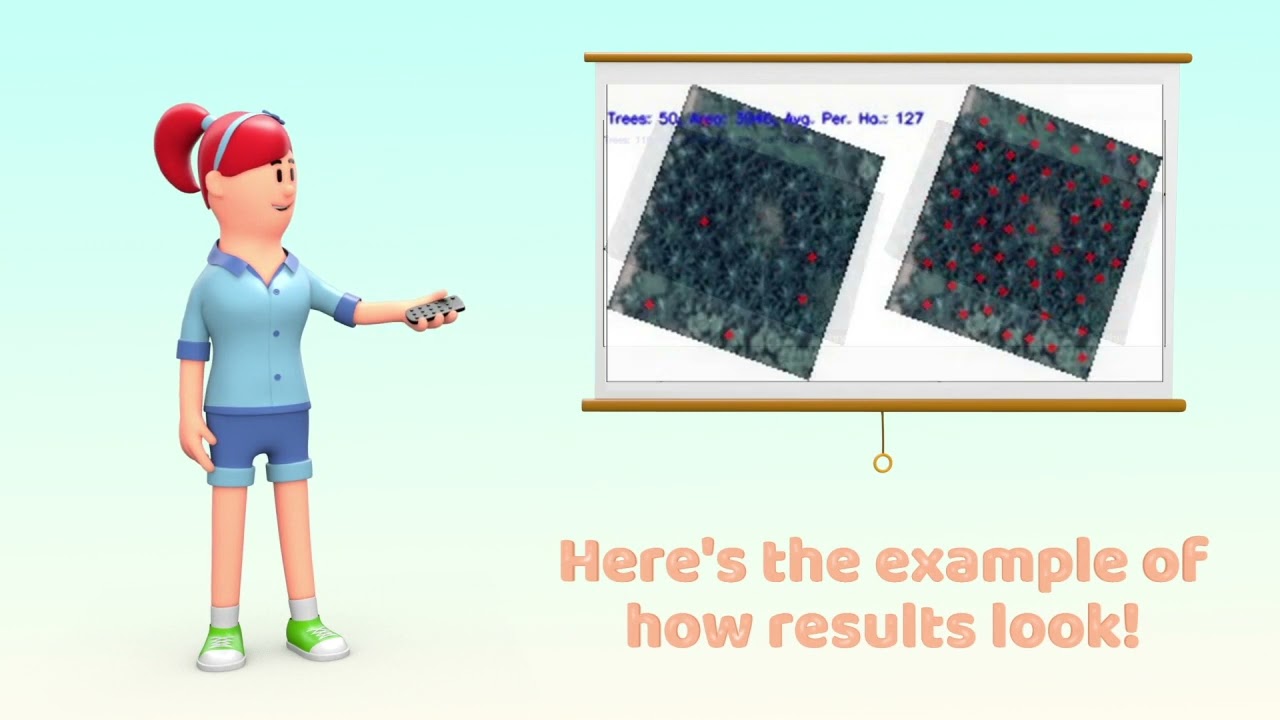
Efficient resource monitoring and sustainability tracking are critical for integrated farms. See how Farmonaut’s Carbon Footprinting helps you measure and optimize your farm’s environmental impact—making your IFS truly sustainable and future-proof.
How Farmonaut Empowers Integrated Farming Systems
As integrated farming systems become more sophisticated, so do the tools to manage them. We at Farmonaut leverage satellite imagery, AI, blockchain, and machine learning to offer farmers, businesses, and governments real-time, actionable insights for resource optimization, sustainability, and risk management.
Farmonaut Solutions for Integrated Farming Enterprises
- Satellite-Based Monitoring: High-resolution data to assess crop health, soil conditions, pond water levels, and forest cover—all in a single dashboard.
- AI Advisory: Jeevn AI delivers intelligent, component-specific recommendations—maximizing yield, minimizing wastage, and protecting farm health in real time.
- Blockchain Traceability: Critical for guaranteeing farm-to-market traceability of diverse IFS products (e.g., “organic eggs,” “sustainably raised fish,” or “zero-pesticide produce”).
- Fleet & Resource Management: Integrated tools for efficient transport/logistics of perishables and different farming components. See: Farmonaut’s Fleet Management solutions.
- Environmental Impact: We monitor carbon emissions, soil health improvements, and water optimization, helping achieve robust sustainability metrics.
Our technologies offer IFS farmers a seamless, efficient way to manage multiple integrated enterprises for maximum profit and resilience. For full farm management, check out the Farmonaut Large Scale Farm Management app—perfect for combining crops, livestock and forestry on any scale.
Power your own app with Farmonaut’s Satellite Data API—ideal for integrating advanced crop and resource monitoring into custom IFS dashboards
Visit: Developer Docs.
Success Strategies: Maximizing the Advantages of Farming System Integration
- ✔ Start with synergy: Choose components that naturally complement each other and local soil, water, climate conditions.
- ✔ Optimize recycling: Ensure farm wastes/residues (manure, pond silt, crop waste) circulate back as vital inputs for other enterprises.
- ✔ Schedule for year-round outputs: Plan rotations and relay cropping so that each component peaks at a different season, maximizing income streams.
- ✔ Integrate technology: Use real-time monitoring, record-keeping, and AI advisory systems for precise resource management and hassle-free regulatory compliance.
- ✔ Add value on-farm: Don’t just sell raw produce—diversify into value-added products such as cheese, smoked meat, processed vegetables, or timber for the best profit margins.
Frequently Asked Questions about the Advantages of Integrated Farming System
Q: What are the main advantages of integrated farming system over monoculture?
IFS offers up to 30% more productivity per hectare, reduces synthetic fertilizer needs by almost 50%, and delivers greater income stability by diversifying farm outputs. It improves soil health, increases biodiversity, and enhances climate resilience compared to conventional monoculture farming.
Q: What are key components of integrated farming systems?
An ideal IFS design combines cropping, livestock, aquaculture/pond, horticulture, agroforestry/trees, on-farm processing, and diversified nutrient management (e.g., compost/organic manure), with each component serving or supporting another.
Q: How do integrated farms manage pest and disease risk?
Integrated pest management (IPM) is fundamental: Crop rotation, biological control (using natural predators), diversified species, and healthy soils work together to buffer against outbreaks, reducing reliance on chemical pesticides.
Q: Does water use efficiency really improve in IFS?
Yes! Farm ponds, aquaculture, tree shading, and irrigation recycling all cut water usage and increase drought resilience—critical in water-scarce regions and climate-affected zones.
Q: How does Farmonaut support integrated farming systems?
We provide satellite monitoring, AI-powered advisory, environmental impact tracking, and blockchain-based supply chain traceability to make integrated farming more productive, sustainable, and market-ready—ensuring your farm thrives in today’s fast-evolving agri landscape.
Q: What are the first steps to transition to integrated farming?
Assess your land, water resources, market demand, and technical skills. Start integrating components in phases—e.g., add livestock to existing cropping, or fruit/forestry trees to current fields—while focusing on nutrient recycling and synergy.
Conclusion: Integrated Farming System for Sustainable, Profitable Agriculture
The advantages of integrated farming system are clear: increased productivity, improved soil health, efficient water and nutrient use, risk diversification, higher profitability, and long-term sustainability. By aligning multiple farming activities in synergy—the true core of IFS—we can create resilient, flexible, and environmentally responsible farms that are future-ready.
In a world facing resource constraints, market volatility, climate stress, and the urgent need for sustainable farming, the time for implementation of integrated farming systems is now. Whether for smallholder, mid-size, or large-scale agriculture, this holistic approach exemplifies how land, water, crops, trees, livestock, aquaculture, and processing can be combined for lasting value and prosperity.
Ready to build a smarter, more sustainable, and profitable farm? Unlock real-time insights with Farmonaut’s tools, tracking, and advisory to make your integrated farm a model of resilience and efficiency.

Integrated Farming Key Takeaways
- ✔ Boosts yields by up to 30% and reduces chemical inputs by nearly 50% vs. monoculture farming
- 🌱 Improves soil and water conservation, biodiversity, and natural pest management
- 💡 Diversifies income streams and value-added products for farmer stability
- 📲 Enhanced by advanced satellite, AI, and traceability technology with Farmonaut
- 🌍 Speeds transition to climate-smart, sustainable, and resilient farming worldwide
Begin your journey to sustainable, profitable agriculture with the power of integrated farming—and smarter resource management, today.
Discussion
Questions, corrections or field experience? Share them below. First-time comments are reviewed before they appear, and your email is never published.
No comments yet. Be the first to add a question or your experience.

 AdBio
AdBio MISE Maroc
 Drift-Sense
 NWNS
NWNS Hydenmet
 Red August Group
 Farm Inc
 WeMe Global
 Agrotoken
 Blue BearX
 Insignito
 Croptimum
 DnCubed
 Field Capacity
 Indosistim Teknologi
 Liquify Digital
 CU Foods
 BeyondTech Global
 Licence holder · Niger · Gold
 Licence holder · Nigeria · Gold + lithium










