

What Is Urban Farming: Advantages & Disadvantages 2026
“**By 2026, urban farming could supply up to 20% of global food demand in major cities.**”
Introduction: What is Urban Farming and Its Advantages?
Urban farming and urban agriculture have gained strong traction within the cities by 2025, especially as the need for sustainable development, local food security, and resource-efficient systems grows more urgent. With rapid urbanization, climate change pressures, and the increasing stress on rural food supply chains, understanding urban farming advantages and disadvantages has become a necessity for stakeholders in food, agriculture, infrastructure, and beyond.
This article focuses on what is urban farming and its advantages, exploring how new practices—including vertical farming and community gardens—help cities optimize land use, use water efficiently, integrate with urban ecosystems, and maximize food security. We will outline key benefits and systemic challenges, compare urban, vertical, and traditional farming methods, and highlight the futuristic, sustainable approaches that will define food systems in cities through 2026 and beyond.



🔎 Key Insight:
Urban farming does not replace traditional agriculture but complements it by providing fresh food within cities, reducing supply chain dependency, and optimizing underused urban land for productive purposes.
Urban Farming & Urban Agriculture Explained
What is Urban Farming and its Advantages?
Urban farming refers to growing, processing, and distributing food and related resources within city limits—on rooftops, balconies, community gardens, indoor vertical farms, and even vacant lots. The concept has grown broader in the 21st century, aligning with local food movements, municipal planning, and climate-adaptive city design.
- 🌱 Urban farming advantages: shorten food miles, reduce emissions, and offer fresh produce closer to consumers.
- 🏡 Growing areas: Include rooftops, balconies, wall-mounted planters, underground tunnels, and reclaimed industrial warehouses.
- 🍓 Produce: Focused on leafy greens, herbs, microgreens, some fruits, and specialty crops due to spatial and system constraints.
Urban agriculture is a broader term that encompasses farming-related activities within cities. Beyond food, it often includes fiber and feedstock production and aims to integrate with urban ecosystems, support community development, advance green infrastructure, and complement forestry, recycling, and circular economy initiatives.
What is Vertical Farming (The Urban Subset Revolutionizing Cities)?
Vertical farming is a subset of urban agriculture that involves growing crops in vertically arranged layers, often indoors and in controlled environments. Modern vertical farms employ controlled-environment agriculture (CEA) techniques—precise lighting (LEDs), climate/humidity control, smart hydroponics or aeroponics, and automated nutrient delivery—to optimize yield per unit area. Vertical farming advantages and disadvantages stem especially from these innovative, resource-efficient practices.
- 🚁 Stacked production: Maximizes output per square meter, essential for dense urban contexts where land is costly.
- 💧 Efficient water use: Technologies like hydroponics can reduce water consumption by up to 95% compared to traditional soil farming.
- 🔋 Climate control: Enables year-round, predictable harvests regardless of outdoor weather.
- ✨ Tech-driven: Integrates sensors, AI/automation, and advanced monitoring for precision agriculture in the city.

Urban Farming in Agriculture, Forestry, Infrastructure, and Mining: Contextual Relevance through 2026
Urban farming’s role expands far beyond simple city gardening. By 2025, food security, urban heat mitigation, and resource circularity have become critical goals for metropolitan areas. Let’s break down urban farming and urban agriculture advantages in different city-centric sectors:
- 🌆 Agriculture and Forestry Pressures: Urban farming helps alleviate food deserts (areas with scant access to fresh produce), diversifies local food supply chains, and provides raw materials—feed, fiber, or seedlings—for agroforestry projects and peri-urban green corridors.
- 🏢 Infrastructure and Land Use Efficiency: Transforming underutilized rooftops, garages, tunnels, and unused warehouses into productive spaces helps maximize existing urban land, aligning with smart-city planning goals.
- ⛏ Mining and Minerals: Urban farms can utilize recycled materials from construction or mining, repurpose contaminated or disturbed sites through land reclamation, and demonstrate pathways for sustainable food infrastructure in mining-adjacent areas.
💸 Investor Note:
Land-starved urban markets, rising energy prices, and ESG (Environmental, Social, Governance) investing are accelerating innovation in vertical and urban farming systems. Resource circularity and local food security will continue to drive investments post-2025.
- ✔ Urban farming advantages: Efficient land use in cities
- ✔ Urban agriculture advantages: Community resilience & job creation
- 📊 Vertical farming advantages: High yields per area & water savings
- ⚠ Urban farming disadvantages: High energy & capital costs
- 🌍 Environmental impact: Circularity, waste reuse, & lower food miles
Vertical Farming: Systems, Techniques, and Urban Potential
The rise of vertical farming advantages and disadvantages reflects a paradigm shift in how we supply food within cities. By 2026, vertical farms increasingly use smart sensors, AI-based climate management, and automation to optimize yields and reduce inputs. Popular techniques in urban vertical farms include:
-
Hydroponics: Growing plants in nutrient-enriched water without soil.
- Significantly reduces water usage (up to 95% vs. field farming).
- Minimizes pesticide needs and allows vertical stacking.
-
Aeroponics: Roots are suspended in air and misted with nutrients.
- Maximizes oxygen flow to roots and further boosts resource efficiency.
- Climate & Lighting Control: LEDs and climate systems (temperature, humidity, CO₂ control) create perfect growing environments for crops, resulting in steady, year-round harvesting.

“**Vertical farms use up to 95% less water than traditional agriculture, making them highly resource-efficient.**”
💡 Pro Tip:
Integrating vertical farming units with district energy systems lets urban farmers reuse building heat for climate control, reducing overall energy costs and emissions.

Urban Farming Advantages & Vertical Farming Pros
How Urban Farming and Agriculture Advantages Impact Cities (2026)
-
Increased Local Food Security:
- Shortens supply chains, strengthening resilience against transportation disruptions and resource shocks.
- Urban farms provide nearby food sources when rural deliveries are delayed.
-
Resource Efficiency & Lower Consumption:
- Smart irrigation, hydroponics, and climate control reduce per-unit water use and help optimize energy consumption.
-
Year-Round Controlled Production:
- Controlled-environment agriculture (CEA) systems maintain steady, predictable harvests regardless of weather or seasons. Produce markets and schools benefit from steady supply of fresh, nutritious food.
-
Waste Reduction, Recycling & Circularity:
- Kitchen composting, nutrient recovery, and renewable energy integration close the loop—reducing landfill waste and emissions, turning urban organic waste into fertile soil or liquid feedstock for plants.
-
Job Creation & Workforce Development:
- Cities benefit from new urban farming jobs—in production, processing, maintenance/technical roles, and agri-tech education for younger generations.
-
Aesthetic and Ecosystem Benefits:
- Green rooftops, living walls, and gardens reduce heat islands, improve air quality, and support city biodiversity, e.g., through pollinator habitats.
- ✔ Steady production even under extreme climate scenarios
- ✔ Reduces urban waste through composting & recycling
- ✔ Promotes local employment and food sovereignty
- ✔ Cuts emissions by minimizing food transport miles
- ✔ Supports resilient urban systems & green infrastructure goals

⚠ Common Mistake:
Many urban agriculture projects underestimate ongoing energy costs or local regulatory hurdles. Always assess utility rates, subsidies, power sources, and municipal zoning before scaling up.
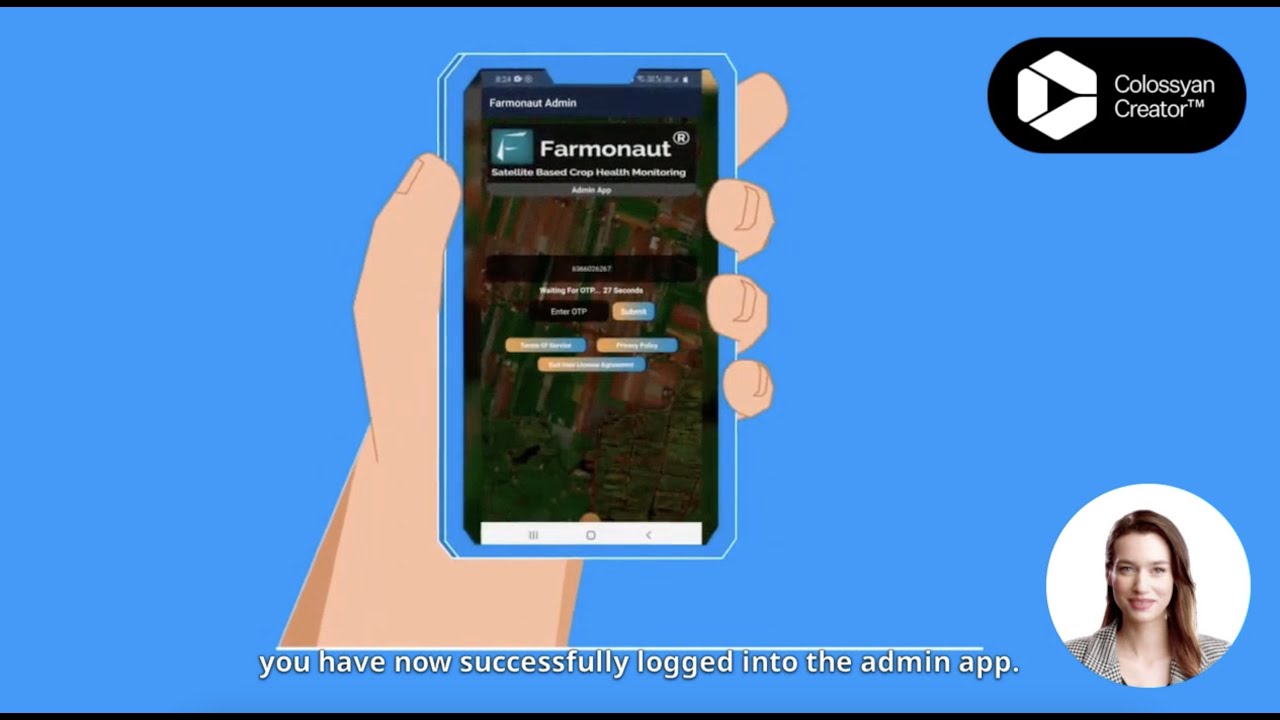
We at Farmonaut provide real-time monitoring of crop health and urban green infrastructure via multispectral satellite imagery—helping city planners and urban farmers manage large-scale urban farming projects efficiently. Our platform’s environmental impact tracking enables you to quantify and reduce carbon emissions, supporting low-impact, resilient city agriculture.
Urban Farming Disadvantages & Vertical Farming Cons
Urban and Vertical Farming Disadvantages: What to Watch For
- High Upfront Capital & Operating Costs: Equipment, LEDs, climate management, and space retrofits require significant investment. Return on investment depends on scale, produce pricing, and energy availability.
- Energy Intensity: While water-efficient, vertical and controlled-environment systems consume more electricity than traditional agriculture—especially for lighting, heating/cooling, and automation.
- Technical Expertise: Urban farming requires knowledge in agronomy, pest/disease management, hydroponics/aeroponics, sensor-driven climate and nutrient control, and tech troubleshooting.
- Crop Limitations: Leafy greens, herbs, and microgreens thrive; fruiting or root crops (e.g., tomatoes, carrots) often yield less efficiently or demand costly system modifications.
- Urban Land-Use Competition: Premium city real estate creates ongoing challenges—balancing food production against demands for housing, commuting, and amenities.
- Regulatory and Safety Hurdles: Navigating city zoning, food safety, permit requirements, and water rights can slow deployment or increase compliance costs.

- ⚡ Urban farming disadvantages: High energy costs, regulatory complexity
- 🚫 Crop selection limited: Less suitable for grains or large-rooted vegetables
- 💸 Initial setup expensive: Subsidies/support may be required for new projects
- 📉 Potential urban challenges: Land competition, local noise/waste management
- 🔬 Technical management: Requires skilled labor and ongoing system monitoring

Comparing Urban, Vertical & Traditional Farming: Pros and Cons for 2026
| Farming Method | Advantages | Disadvantages |
|---|---|---|
| Urban Farming |
Estimated Yield: 4–7 kg/m²/year Water Savings: 60–80% Food Miles: Typically <15 km Resource Circularity: High Community Impact: Job creation, education |
Initial Setup: $80–$350/m² Energy Consumption: Medium-high Urban Challenges: Land use competition, zoning hurdles |
| Vertical Farming |
Estimated Yield: 30–50 kg/m²/year Water Savings: Up to 95% Food Miles: Ultra-local (<5 km) Year-Round Growing: Yes Controlled Environments: High yields, minimal pesticide use |
Initial Setup: $200–$2,000/m² Energy Consumption: High (lighting, climate) Urban Challenges: Technical complexity, crop range limits |
| Traditional Farming |
Estimated Yield: 2–4 kg/m²/year Water Savings: Baseline Food Miles: 100+ km Initial Investment: Low–Moderate Flexibility: Wide crop range, scalable |
Initial Setup: $10–$50/m² Energy Consumption: Low–Moderate Environmental Impact: Higher emissions, soil erosion risk |
📊 Data Insight:
Vertical farms outstrip other systems for yield and water use efficiency—but pay close attention to electricity sources and projected setup costs before launching in your city.
Key Considerations for Urban Farming Implementation (2025 & Beyond)
To maximize urban farming advantages while managing disadvantages, careful planning and integration with city systems and local supply chains are a must. Here are best practices for sustainable urban agriculture in 2026 and beyond:
Integration & Supply Chain Recommendations
- 🤝 Partner with schools, hospitals, and local retailers to build consistent, year-round demand for your farm’s produce.
- 🔄 Integrate with waste management—compost food waste locally, recycle packaging, and return nutrients to your vertical or rooftop farm.
Urban Planning & Infrastructure Synergies
- 🏙 Leverage city planning & smart infrastructure by co-locating vertical farms with energy, heating/cooling, and water reuse projects for higher resource efficiency.
- 🌳 Design with ecosystems in mind: Align with city biodiversity or forestry goals—think multispecies rooftop units, pollinator corridors, and rainwater-harvesting gardens.
Financial, Technical & Regulatory Steps
- 📄 Plan for permits and urban food safety standards. Engage municipal authorities early to streamline compliance.
- 🧑🔧 Prioritize technical training for farm staff, including agronomy, hydroponics, smart sensor use, and maintenance.
- 💼 Explore financing options and incentive programs—grants, urban green bonds, and public-private sustainability funds may be available in your region.
Optimize for Circularity and Margins
- 🔗 Pursue co-located processing, packaging, and composting centers to cut costs and improve operational margins.
- Use satellite-based resource tracking (Fleet Management Tools) for real-time insights into logistics, crop health, and emissions—critical for large-scale, tech-forward farms.
🌱 Sustainability Highlight:
Circular urban farming is bolstered by AI-powered remote monitoring and blockchain traceability. Our traceability solutions ensure transparent, reliable urban food systems for both producers and consumers.
- ✅ Enhanced resource efficiency for cities
- ✅ Boost local food security and resilience
- ✅ Lower food miles, better freshness
- ✅ Job creation in urban agritech
- ✅ Greener cities and improved air quality
⚠ Common Mistake:
Skipping robust urban farm management and digital monitoring limits long-term success. Leverage emerging tech and real-time data to optimize yields and sustainability.
🌐 Investor Note (Mining & Geospatial):
Urban farming projects on reclaimed mining land or post-industrial sites can demonstrate green development while utilizing recycled materials and minimizing emissions. Monitor and document environmental impact with satellite data for regulatory and corporate disclosures.
Urban Farming FAQ (2026 Edition)
-
What is urban farming and its advantages compared to rural or traditional agriculture?
Urban farming is the cultivation, processing, and distribution of food within cities. Its advantages include shorter supply chains, reduced emissions, fresher local produce, new city jobs, and more sustainable land-use compared to rural or traditional farming. -
What systems and methods are most common in urban vertical farms?
Controlled-environment agriculture (CEA) dominates, using hydroponics, aeroponics, smart sensors, and LED lighting to optimize yield per area while minimizing water and pesticide use. -
What are the key urban farming disadvantages as of 2026?
High initial setup/operating costs, elevated energy demand, limited crop diversity, required technical management expertise, land-use conflicts, and regulatory complexity are chief disadvantages. -
How does urban farming support sustainability and resource efficiency in cities?
Urban and vertical farms integrate with city waste streams, help reduce food miles, enable local composting/recycling, and encourage biodiversity on rooftops and brownfields—vital for green city goals. -
Can Farmonaut help optimize urban farming systems?
We provide satellite monitoring, real-time advisory via AI, and resource tracking tools. These capabilities help urban agriculture projects monitor crop health, minimize resource waste, comply with regulations, and document sustainability impact—see Farmonaut’s API for easy integration. -
What crops are best suited to urban vertical farming systems?
Leafy greens (lettuce, kale, spinach), herbs (basil, mint), and microgreens are most profitable and productive due to short cycles, low vertical space requirements, and compact root systems. Fruiting crops have higher technical and space demands. -
How will the urban farming landscape evolve between 2026 and 2030?
We expect further integration with city planning and energy grids, more widespread adoption of AI/automation for crop management, and the establishment of new market niches around ultra-fresh, certified urban produce.
- 🟢 Urban farming advantages: Boosts resilience, year-round production
- 🔵 Urban farming disadvantages: High energy/setup costs
- 🟠 Vertical farming advantages: Ultra-efficient use of space/water
- 🔴 Vertical farming disadvantages: Best for select crops, not all grains/fruits
- 🟡 General takeaway: Integration with city ecosystems is key for success
⏳ Key Challenge (2026):
Scaling up urban and vertical farms to serve neighborhoods—without overstressing utility grids or driving up city land prices—requires collaboration between agriculture experts, urban planners, and tech providers.
Summary: The Future of Urban Farming and Sustainable Urban Agriculture (2026 & Beyond)
Urban farming and vertical farming are no longer experimental—by 2026, they are vital components of contemporary city life. As urban populations surge, climate unpredictability increases, and traditional supply chains stretch thin, resilient food systems within cities are essential.
We have seen that the advantages of urban farming include greater resource efficiency, reduced emissions, new jobs, and more equitable access to healthy food within cities. Vertical farming’s extraordinary yields and minimal water consumption—coupled with real-time management and digital traceability—are defining features of next-generation agriculture. Conversely, upfront costs, ongoing energy demands, and crop/land-use constraints highlight the ongoing need for technical innovation and supportive municipal policies.
In summary, urban and vertical farming complement traditional rural agriculture and provide a pathway to maximize sustainability, food security, and green city development for 2026 and the decades to come. Stakeholders—including city planners, growers, infrastructure engineers, investors, and policymakers—should focus on synergy, integration, and tech-driven solutions to realize the full sustainability benefits of urban agriculture.
Farmonaut: Enabling Smart, Sustainable Urban Agriculture
As a satellite technology company, we at Farmonaut are dedicated to democratizing agricultural intelligence—enabling more efficient and climate-smart urban farming for all stakeholders. Our platform delivers:
- Satellite-based monitoring—track urban green spaces, crop health, and environmental impacts remotely in real-time.
- AI & blockchain traceability—enhance transparency, support food safety compliance, and document your project’s ESG performance.
- API Tools and Platform Access—developers and analysts can integrate powerful farm data into their vertical or large-scale city farm systems (developer docs).
- Financing support via satellite verification—helping you access sustainable crop loans and insurance for city farm projects with transparent risk analysis.
- Environmental and carbon-footprinting tools—quantify GHG emissions reductions with every urban harvest.
Learn more, manage your projects seamlessly, and access support for urban, vertical, or sustainability-focused agriculture via:
- App: Farmonaut Web & Mobile Apps
- API: Farmonaut API
- Developer Docs: API Docs
Ready to optimize your urban or vertical farming project?
Get started with Farmonaut today!
Discussion
Questions, corrections or field experience? Share them below. First-time comments are reviewed before they appear, and your email is never published.
No comments yet. Be the first to add a question or your experience.

 Escorts Kubota
 FieldZero
 Indico Company
 Kubota
 FFBS
FFBS Jontra
 Kalustyan
 Tucor
Tucor Geno
Geno Hayleys Agriculture
 Linx Agritech
 Adinet
 Save Your Soils
