

Traditional and Modern Farming: 7 Key Methods for 2025
- Interesting Trivia
- Summary: Bridging the Past and Future of Agriculture in 2025
- Introduction: The Backbone of Global Food Security
- Traditional Farming: Roots in Heritage and Sustainability
- Modern Farming: Innovation and Efficiency for 2025
- 7 Key Methods: Traditional and Modern Methods of Farming in 2025
- Comparative Methods Table: Traditional vs Modern Farming (2025)
- Traditional vs Modern Farming: Towards Integration in 2025 and Beyond
- Farmonaut: Empowering Farming with Satellite Solutions
- Frequently Asked Questions (FAQs)
- Conclusion: Bridging the Past and Future
“By 2025, over 60% of global farms are expected to adopt at least one modern sustainable farming method.”
Summary: Traditional and Modern Farming: Bridging the Past and Future of Agriculture in 2025
Agriculture remains vital—underpinning food security, supporting rural livelihoods, and driving economic development worldwide. Navigating the 21st century’s mounting challenges—climate change, population growth, and resource scarcity—requires innovative, resilient, and sustainable agricultural systems.
Traditional farming methods are built upon millennia of indigenous knowledge and community-based practices, emphasizing sustainability, resource conservation, and resilience. However, traditional approaches often face limitations in productivity and market access.
Modern farming, conversely, harnesses scientific progress, precision tools, and digital technology to increase crop yields and resource efficiency. While transformative, these systems can pose risks to ecology, social equity, and long-term sustainability.
The emerging agricultural paradigm for 2025 and beyond lies in integrating traditional and modern farming methods, leveraging the strengths of both to ensure resilient, efficient, and secure food systems for future generations.
Jump to 7 Key Traditional and Modern Methods of Farming for 2025.
Introduction: The Backbone of Global Food Security
Agriculture remains the backbone of most global economies, underpinning food security, rural livelihoods, and economic development. Whether in bustling rural India, the vast plains of Africa, or the fertile valleys of California, farming is a thread that binds communities, sustains traditions, and propels growth. As we navigate the 21st century, we face mounting challenges—climate change, rapid population growth, resource scarcity, ecological disruption, and social inequity.
In this crucial moment, understanding the unique strengths and limitations of traditional and modern farming is more significant than ever. Only by critically engaging with both these worlds can we hope to create sustainable, resilient agricultural systems that feed the planet responsibly and equitably.
Traditional Farming: Roots in Heritage and Sustainability
Traditional farming has deep roots in the cultural heritage of societies worldwide. Practiced for millennia, these systems carry a wealth of indigenous knowledge, passed through generations and closely attuned to local environments.
Key elements of traditional farming include:
- Crop diversity: Planting a variety of crops—sometimes in mixed cropping systems—to reduce risk and promote resilience.
- Crop rotation: Alternating different crops each season to improve soil health and minimize pests.
- Organic fertilizers: Using compost, animal manure, and green manure instead of synthetic inputs to nourish the land naturally.
- Water conservation: Traditional methods such as contour plowing, mulching, and rainwater harvesting to manage water efficiently.
- Natural pest control: Utilizing ecological knowledge (e.g., beneficial insects, crop associations) to manage pests without chemicals.
The sustainability of traditional farming lies in its strong ecological integration. By tapping into the natural rhythms and cycles of land and water, these systems support biodiversity and long-term soil health—key advantages for buffering against climatic variability. The close connection to community values often reinforces social equity and fosters cooperation in resource management.
However, in the modern era, traditional farming faces considerable challenges: limited mechanization, lower yields, restricted access to markets, and difficulty in scaling up to meet rising global food demands without external inputs or technological innovation.
Traditional cotton farming in India – a glimpse into heritage practices and community livelihoods.
Modern Farming: Innovation and Efficiency for 2025
Modern farming represents a quantum leap in agricultural productivity, resource efficiency, and innovation. It leverages advancements in science, technology, and precision agronomy, including:
- Chemical Inputs: Fertilizers, herbicides, fungicides, and pesticides to boost yields and control pests.
- Mechanization: Use of tractors, harvesters, drones, and other machinery to reduce labor intensity and scale up production.
- Precision Agriculture: Satellite and IoT sensors, AI-driven analytics, and remote monitoring to optimize soil, crop, and resource use.
- GMOs & Hybrid Crops: Genetically modified and selectively bred varieties for greater disease resistance, yield, and resilience.
- Smart Irrigation: Automated, sensor-based systems to reduce water waste, adjust schedules, and prevent resource scarcity.
The primary advantage of modern farming is its unparalleled efficiency: increased yields, greater scalability, rapid response to pests or climate events, and the ability to feed a growing global population—expected to near 10 billion by 2050.
Challenges emerge, however, when modern farming systems become overly dependent on chemical inputs, intensive monoculture, or expensive technologies that can exclude smallholder farmers and threaten ecological balance.
Smart farming tools and data-driven precision agriculture are transforming modern food systems.
7 Key Traditional and Modern Methods of Farming for 2025
To illuminate the ongoing changes in traditional and modern agriculture, let’s examine seven essential farming methods through both lenses, evaluating their resource use, sustainability impact, and relevance for 2025 and beyond.
“Traditional crop rotation can boost soil fertility by up to 30% compared to continuous monoculture practices.”
1. Crop Rotation & Mixed Cropping
- Traditional Approach (2025): Crop rotation and mixed cropping are historic cornerstones, involving alternating crops across different plots and seasons. This breaks pest cycles, replenishes soil nutrients, and supports biodiversity. Indigenous farmers in Africa, South Asia, and Latin America have tailored these systems for their unique ecological rhythms.
- Modern Approach (2025): Digital tools and AI now optimize rotation plans using predictive analytics, satellite data, and soil sensors. Mixed cropping is enhanced with data-driven modeling, selecting optimal crop combinations for soil health, productivity, and even carbon storage (learn more about Farmonaut’s carbon footprinting tools).

How regenerative and rotational practices enhance soil health and carbon sequestration for the future.
2. Soil Health & Fertilizer Management
- Traditional Approach (2025): Reliance on organic fertilizers such as composted plant matter, animal manure, and locally derived mulches. Minimal disturbance farming enhances soil health and promotes beneficial soil microbes.
- Modern Approach (2025): Adoption of precision soil mapping, AI-based fertilizer recommendations, and targeted inputs. Blended approaches combine organics with micro-dosed synthetic inputs for maximum efficiency and reduced runoff (see Farmonaut’s large-scale farm management platform).
3. Water Management & Irrigation
- Traditional Approach (2025): Use of rain-fed systems, contour bunds, traditional wells, and indigenous water-harvesting techniques like “johads” in India. Community water management fosters equitable distribution and sustainability.
- Modern Approach (2025): IoT-based drip and sprinkler systems, real-time soil moisture monitoring, and satellite-guided precision irrigation dramatically reduce water waste and maximize efficiency. (Read how satellite data helps farmers optimize irrigation with Farmonaut’s field and plantation advisory.)

Precision irrigation and digital water management are revolutionizing sustainable viticulture worldwide.
4. Pest & Disease Management
- Traditional Approach (2025): Knowledge-intensive methods such as intercropping, biological pest controllers, herbal pesticides, and ecosystem balance. These reduce dependency on external chemical inputs.
- Modern Approach (2025): Smart traps, AI-powered pest alerts, drones for targeted application, and biopesticide innovations. Digital monitoring reduces blanket chemical use (see Farmonaut’s fleet and resource management tools).
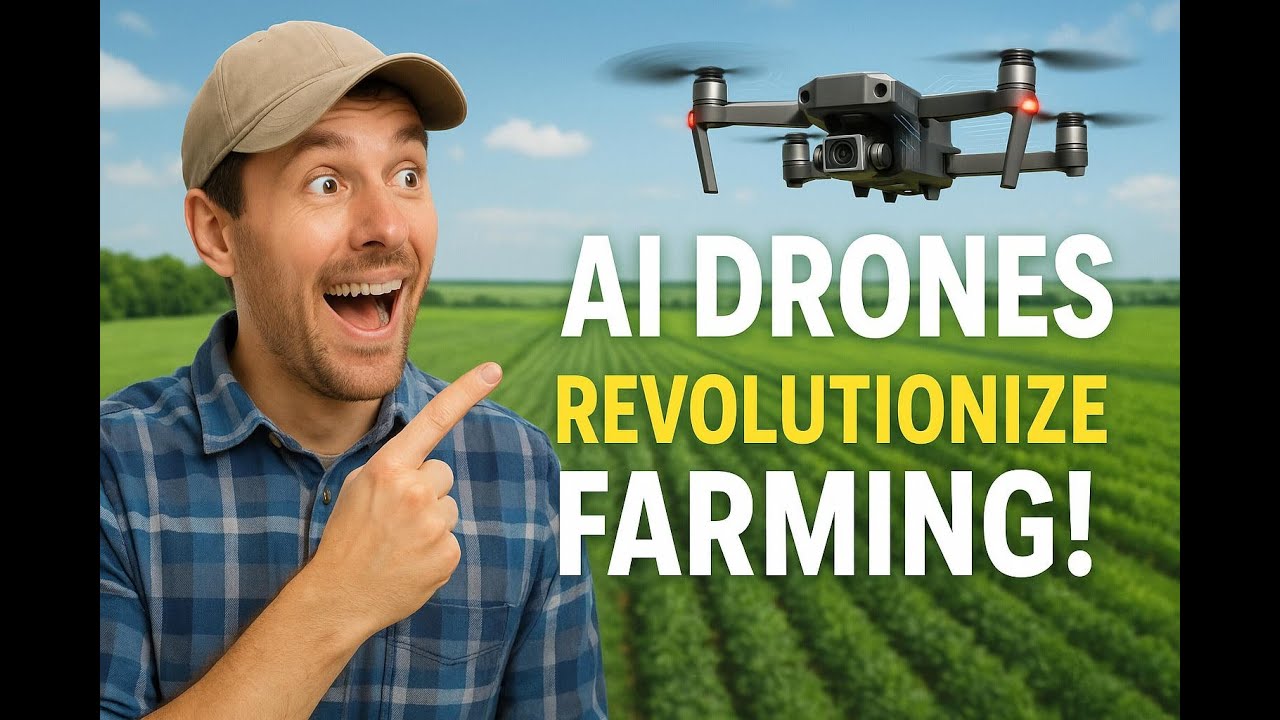
Cutting-edge drones are enhancing pest control and resource optimization across modern farms.
5. Ecosystem & Biodiversity Conservation
- Traditional Approach (2025): Emphasis on maintaining diversity (agroforestry, polyculture), conserving native pollinators, and protecting habitats. Practices often align with cultural and spiritual values, such as India’s “sacred groves” or African forest-edge farming.
- Modern Approach (2025): Use of satellite and AI to map biodiversity, monitor tree cover, and implement rewilding or regenerative programs. Digital traceability ensures that farming supports conservation (see Farmonaut’s blockchain-based traceability platform).

Regenerative agroforestry and AI traceability protect ecosystems while boosting farmer incomes in Africa.
6. Mechanization & Farm Operations
- Traditional Approach (2025): Use of animal traction, hand tools, and communal labor. While low-cost and accessible, these limit scalability.
- Modern Approach (2025): Drones, autonomous tractors, robotics, and fleet management platforms reduce labor and increase operational efficiency (discover Farmonaut’s fleet management solutions).

Satellite-based crop health monitoring is revolutionizing how farms operate for resilience and growth.
7. Digital & Data-Driven Farming
- Traditional Approach (2025): Reliance on oral wisdom, seasonal calendars, observation of weather patterns, and communal record-keeping for guidance.
- Modern Approach (2025): Mobile phones, farm management apps, satellite data, weather forecasts, and AI advisory platforms (see Farmonaut’s Jeevn AI and apps for digital farming insights). Digital records enable smart decisions and seamless access to credit and insurance (learn about Farmonaut’s crop loan and insurance verification platform).

Digital platforms are reimagining subsidies and data access for traditional and modern rice farming systems.
Comparative Methods Table: Traditional vs Modern Farming (2025)
| Farming Method | Traditional Approach (2025) | Modern Approach (2025) | Sustainability Impact (Estimated) | Efficiency (Yield/Resource Use) |
|---|---|---|---|---|
| Crop Rotation & Mixed Cropping | Manual plan, indigenous crop choices, knowledge transfer | AI-optimized sequences, satellite-guided, precision input | High (soil health, biodiversity) | Medium to High (20-30% yield increase possible) |
| Soil & Fertilizer Management | Compost, manure, green manures, minimal tillage | Targeted fertilization, micro-dosing, real-time soil monitoring | High (reduced leaching, improved soil structure) | High (up to 35% input savings) |
| Water Management & Irrigation | Rain-fed, traditional wells, communal ponds | IoT drip/sprinkler systems, moisture sensors, automation | Medium to High | Very High (up to 50% water savings) |
| Pest & Disease Control | Intercropping, herbal sprays, ecosystem balance | Drone spraying, AI pest scouts, biopesticides | High (reduced residues, less resistance) | Medium to High (less crop loss, lower chemical use) |
| Ecosystem & Biodiversity Protection | Agroforestry, sacred groves, habitat corridors | Satellite mapping, digital traceability, precision rewilding | Very High (supports pollinators, wildlife) | High (long-term sustainability gains) |
| Mechanization & Farm Operations | Animal/human labor, basic tools | Robotics, drones, autonomous vehicles, fleet analytics | Medium (potential soil compaction if not managed) | Very High (up to 80% time/labor saved) |
| Digital & Data-Driven Farming | Oral wisdom, seasonal calendars | Mobile apps, satellite data, AI advice, digital records | High (inclusive, supports transparency) | High (timely actions, better decisions) |
Traditional vs Modern Farming: Towards Integration in 2025 and Beyond
The contrast between traditional and modern methods of farming is stark, but a remarkable convergence is under way in 2025. Worldwide, farming communities and policymakers increasingly recognize that neither approach alone fully addresses the challenges of food security, climate change, resource conservation, and social equity.
Integrated farming systems are emerging—sometimes called “agroecology,” “regenerative agriculture,” or “smart farming”—and they draw on the best of both worlds:
- Leveraging indigenous knowledge and crop diversity to foster resilience, reduce chemical dependency, and restore ecosystem health.
- Utilizing smart sensors, remote monitoring, and data-driven platforms to increase efficiency, reduce resource waste, and support informed decision making.
- Implementing participatory breeding and cooperative programs to blend local seed genetics with modern varieties for climate adaptation.
- Empowering farmers with education, tools, and digital resources, enabling even smallholders to access modern innovation without losing their cultural roots.
This hybrid approach offers the most hope for creating resilient, securely-fed, and sustainable agricultural systems as we look to 2025 and beyond.
Farmonaut: Empowering Farming with Satellite Solutions
In the drive to bridge traditional and modern agriculture, next-generation technological tools are essential for scaling, monitoring, and optimizing farming practices. We at Farmonaut are committed to making advanced satellite-driven insights both affordable and accessible across global agriculture. Here’s how our platform supports farming in 2025 and beyond:
-
Satellite Crop Monitoring:
Our multispectral imagery provides real-time analysis of crop health (NDVI), soil moisture, disease outbreaks, and nutrient status—enabling more precise management of inputs and timely interventions. -
AI-based Advisory & Jeevn AI:
Leveraging advanced machine learning, Jeevn AI offers tailored guidance on fertilization, pest control, and irrigation. This strengthens farming resilience and supports climate adaptation strategies based on observed satellite trends. -
Blockchain Traceability:
We ensure end-to-end traceability of agricultural produce—boosting transparency for consumers and regulators, while helping producers command fair value and maintain sustainable practices. -
Environmental & Carbon Footprinting:
Our carbon footprinting services empower farmers to meet climate goals, participate in carbon markets, and demonstrate sustainable practices to global partners. -
Digital Platform & API Access:
All features are available via easy-to-use web and mobile interfaces as well as API (API portal | Developer Docs). This flexibility supports individual users, agricultural businesses, governments, and financial institutions worldwide. -
Fleet and Resource Management:
Operational efficiency is key to modern and traditional farming. Our fleet management solutions optimize vehicle, machinery, and labor use, reducing overhead for any scale of agricultural operation. -
Field & Plantation Advisory:
From optimizing plantation cycles to managing large forest estates and supporting reforestation, our field advisory platform empowers better decisions in large-scale agriculture and conservation scenarios. -
Crop Loan & Insurance Verification:
Securing credit and protection is essential for rural livelihoods. Our crop loan and insurance verification delivers reliable, satellite-based verification for banks and insurers, speeding up access to vital financial services.



Frequently Asked Questions (FAQs) on Traditional and Modern Farming Methods 2025
Both approaches face significant challenges—including climate change, resource scarcity, biodiversity loss, rural depopulation, and market volatility. Traditional farming struggles with limited scalability and lower yields, while modern farming can trigger ecological harm and social inequities if not carefully managed. Integrating both methods provides robust resilience for future food security.
Q2: How does Farmonaut support sustainable farming?
We at Farmonaut provide satellite-driven insights and AI tools that democratize access to precision data for all scales of agriculture. Our focus on carbon monitoring, traceability, and operational efficiency empowers farmers to reduce inputs, optimize resource use, and transition toward more sustainable and resilient systems.
Q3: Can smallholder farmers benefit from modern farm technologies?
Absolutely. Modern technologies—especially digital tools accessible via mobile—can bridge knowledge gaps, provide weather/pest alerts, and streamline crop management for smallholders. Platforms like Farmonaut are designed for flexibility across both large and small-scale operations, encouraging equitable agricultural development worldwide.
Q4: Is there still a place for traditional farming in global food systems?
Yes. Traditional knowledge remains essential for ecological resilience, cultural heritage, and biodiversity conservation. When integrated with modern data and tools, these systems can underpin sustainable, productive food systems for local and global needs in 2025 and the future.
Q5: What are key trends to watch in agriculture for 2025 and beyond?
Major trends include adoption of precision agriculture, rise of regenerative practices, increased importance of traceability, expansion of digital farm management, focus on climate-smart and resource-efficient systems, and the merging of traditional and modern farming approaches for a more robust, sustainable agri-food system.
Conclusion: Bridging the Past and Future of Farming
In 2025, the global conversation on food security, sustainability, and economic development increasingly centers on traditional and modern farming methods.
Traditional systems offer invaluable ecological wisdom, heritage, and community resilience—rooted in respect for natural rhythms and local resource cycles.
Modern farming introduces high-efficiency tools, advanced science, and data-driven approaches to unlock yield and optimize inputs.
Only by bridging the past and future—merging generations-old knowledge with cutting-edge innovation—can we create robust agricultural systems poised to meet tomorrow’s challenges. Embracing both tradition and technology, supported by satellite and digital solutions, is the surest path to a sustainable, resilient, and equitable food system for generations to come.
Explore how Farmonaut’s affordable, data-driven platforms empower this vital transition across all scales of agriculture—visit the Farmonaut App today.

 Farmer Amigo
 Cresol
 Atur Kuliner
 MDCV UK
 Zerella Group
 Etech Consulting Madagascar
 Vestlandsforsking
 Agritein
 Delicio
 WB Dev
 Sama Premium
 Prochecker
 Tres Valles
 LACOS Geoinformation
 Magrifly
 LatConnect 60
 Blickwinkel
 Agricultural Credit Policy Council
 Marei Nursery
 eKGIS
eKGIS
