

Types of Plots in Agriculture: 7 Modern Farming Methods That Revolutionize Yield, Resilience & Sustainability
“Over 70% of global banana production relies on rainfed agricultural plots using modern farming methods.”
“Seven innovative plot types now drive higher yields and sustainability in advanced agricultural systems worldwide.”
Table of Contents
- Understanding Types of Plots in Agriculture
- Types of Modern Agriculture: 7 Innovative Farming Methods
- Comparison of 7 Modern Farming Methods
- Agricultural Landscape Around the World: Types of Agriculture World Map
- Rainfed Farming Explained: Types of Rainfed Agriculture
- Banana Farming: What Type of Agriculture is Banana Farming?
- Farmonaut’s Role in Modern Agriculture and Land Management
- Frequently Asked Questions on Types of Plots in Agriculture
Understanding Types of Plots in Agriculture
The foundation of productive agriculture begins with understanding how land is partitioned and managed. The types of plots in agriculture—from smallholder fields to expansive commercial farms—shape everything from water management to risk diversification and sustainability goals.
How Agricultural Plots Are Delineated
- ✔ Size: Plots range from a fraction of a hectare (smallholder farms) to large-scale plantations spanning thousands of hectares.
- 📊 Soil: Differences in fertility, structure, and texture influence plot organization and suitable cropping systems.
- ⚠ Moisture Regimes: Some plots rely on irrigation, others are entirely rainfed; the water source shapes plot practices.
- ✔ Cropping Objectives: Plots may be multi-crop, monoculture, or integrated with livestock, based on farmers’ goals.
Common Types of Agricultural Plots
- Smallholder Plots: Usually less than a hectare; prioritize crop diversity, labor-intensive practices, and soil conservation. In many regions, these plots interplant cereals, legumes, and vegetables to maximize resource use and minimize environmental impact.
- Medium-Sized Plots: Emphasize mechanization potential and crop rotation, finding a balance between input use and yield goals.
- Commercial or Large-Scale Plots: Focus on monoculture production, standardized inputs, and advanced infrastructure. These plots often rely on scalable machinery and precision management.
- Agroforestry & Forestry Plots: Integrate crops with trees or pasture to create multi-layered systems. These adapted plots help enhance biodiversity and build system resilience.
- Mining-Adjacent Plots: May be designated for land reclamation, nutrient restoration, or functioning as buffer zones to mitigate environmental impact.
The type of plot defines not only crop or livestock choice but also shapes practices like water conservation, input management, and risk mitigation strategies—fundamental for sustainability in an era of climate variability.
How Plot Type Influences Management
Each plot type determines adjustments in planting densities, irrigation, soil health programs, pest and disease management, and integration of technology. For example:
- ✔ Soil Conservation: Terracing or contour farming is common on sloped plots, while raised beds improve drainage in flood-prone zones.
- ⚠ Risk Diversification: Plots with diverse crops and livestock tend to be more resilient to price shocks, pest outbreaks, and climate extremes.
- 📊 Precision Inputs: Commercial plots often rely on GPS, sensors, and drone imagery to tailor fertilization, irrigation, and crop protection.

Types of Modern Agriculture: 7 Innovative Farming Methods
Modern agriculture blends technology, science, and sustainability to meet the food, fiber, and fuel demands of a growing world. Let’s explore the seven most impactful types of modern agriculture that transform how land, water, soil, and other resources are utilized and managed for diverse objectives across different regions.
1. Precision Agriculture: Science-Driven Plot Management
Precision agriculture uses GPS-guided machinery, remote sensing, and soil sensors to tailor inputs (e.g., fertilizers, water, pesticides) based on within-field variability. Satellite imagery solutions (such as those available on the Farmonaut Agro-Admin platform) enable real-time monitoring of crop health and soil status, supporting informed decisions for targeted and efficient resource use.
- ✔ Technology: Relies on digital mapping, soil moisture sensors, and machinery automation.
- 📊 Goal: Reduce waste, boost yields, and lower environmental impact.
- 🌱 Practice: Site-specific nutrient application, variable rate irrigation, precision seeding.
2. Conservation Agriculture: Building Resilient Plots
This type emphasizes minimal soil disturbance, permanent organic soil cover (using mulches or crop residues), and diversified crop rotations. These methods improve soil health while supporting vital ecosystem services like carbon sequestration and pest suppression.
- ✔ Technology: No-till planters, cover cropping, smart mulching practices.
- 🌱 Goal: Enhance resilience, water retention, and biodiversity.
- ⚠ Common Mistake: Over-tilling or removing residues undermines conservation goals.

3. Integrated Crop-Livestock Farming: Recycling for Resilience
Integrated farms combine crops with livestock to recycle nutrients, stabilize income, and diversify risk. Residues from crops feed livestock, while manure returns to fields, enhancing soil fertility and reducing reliance on synthetic inputs.
- ✔ Technology: Rotational grazing, automated feeding, waste-to-compost converters.
- 📊 Goal: Improve input efficiency, support diversified income, and buffer against market or climate shocks.

4. Vertical Farming & Controlled Environment Agriculture
Vertical farming involves maximizing outputs in compact spaces by growing crops in stacked layers using hydroponics or aeroponics. Controlled Environment Agriculture (CEA) tightly regulates temperature, light, humidity, and nutrients for optimal growth, making it especially suitable for urban and peri-urban settings.
- ✔ Technology: LED grow lights, nutrient dosing systems, climate controls.
- 📊 Goal: Maximize productivity year-round with minimal land use.
- ⚠ Investor Note: High initial capital outlay, but offers scalable, high-density return in urban markets.

5. Agroforestry: Integrating Trees for Healthier Plots
Agroforestry integrates trees with crops or pasture, delivering shade, carbon sequestration, wind protection, habitat for beneficial species, and additional income streams (timber, fruits, nuts).
- ✔ Technology: GIS mapping, remote sensing, species selection software.
- 🌱 Goal: Enhance biodiversity, stabilize soils, and boost resilience to weather extremes.

6. Rainfed Agriculture: Harnessing Nature’s Water
Rainfed farming relies exclusively on rainfall for crop moisture requirements. Practiced across vast global zones, this type adapts to local precipitation patterns and moisture regimes. It’s vital in both tropical and arid regions where irrigation isn’t feasible.
- ✔ Technology: Drought-tolerant crop varieties, water harvesting, satellite rainfall monitoring.
- 📊 Goal: Optimize production with minimal water infrastructure using crop and soil resilience.
- 🌱 Pro Tip: Mulching, minimum tillage, and timely planting maximize retention and minimize drought risk.
Rainfed Practice Checklist
- 💡 Drought-Tolerant Crops
- 💡 Soil Mulching
- 💡 Contour Farming
- 💡 Rain Harvesting
- 💡 Minimum Tillage
7. Plantation & Monoculture Farming
These are large-scale, standardized plot systems often dedicated to a single cash crop, such as banana, oil palm, or rubber (particularly in tropical and subtropical zones). Modern plantation systems rely on advanced irrigation, soil fertility management, and integrated pest control to maintain yield consistency.
- ✔ Technology: Drip irrigation, plantation mapping, integrated pest management platforms.
- 📊 Goal: Maximize output per hectare using highly scalable infrastructure.
- ⚠ Common Mistake: Overreliance on single crop species can invite long-term pest and disease risk.
Plantation systems can benefit from intercropping (e.g., legumes with banana) to enhance soil fertility and increase income diversity – without major infrastructure change.
“Over 70% of global banana production relies on rainfed agricultural plots using modern farming methods.”
“Seven innovative plot types now drive higher yields and sustainability in advanced agricultural systems worldwide.”
Comparison of 7 Modern Farming Methods
| Farming Method | Key Features | Estimated Yield Increase (%) | Water Use Efficiency | Sustainability Level | Suitability (Crops/Regions) |
|---|---|---|---|---|---|
| Precision Agriculture | GPS, drones, sensors, tailored inputs, real-time monitoring | 15-25% | High | High | Cereal, oilseeds, vegetables; temperate & subtropical zones |
| Conservation Agriculture | No-till, cover crops, crop rotation, soil conservation | 10-20% | Medium-High | Very High | Wheat, corn, beans; all regions, esp. erosion-prone areas |
| Integrated Crop-Livestock | Livestock + crops, nutrient recycling, diversified income | 10-25% | Medium | High | Cereal, grasses, legumes, pasture; global |
| Vertical/Controlled Environment | Hydroponics, aeroponics, stacked layers, climate control | 40-70% | Very High | High | Leafy greens, herbs, berries; urban settings |
| Agroforestry | Trees + crops/pasture, carbon sequestration, habitat | 15-30% | Medium | Very High | Cacao, coffee, banana, timber; tropical & subtropical regions |
| Rainfed Agriculture | No irrigation, drought-tolerant crops, soil moisture management | 5-15% | Variable | Medium | Sorghum, millet, pulses; arid/semi-arid/tropical zones |
| Plantation/Monoculture | Single crop, high density, mechanized, standardized inputs | 20-40% | Medium | Moderate | Banana, oil palm, sugarcane, etc.; tropical & subtropical zones |
🔑 Five Quick Takeaways on Modern Agriculture
- ✔ Diverse farming systems leverage both technology and ecological knowledge for higher sustainability.
- 📊 Precision methods reduce input waste, improve yield, and cut environmental impact.
- 🌱 Rainfed and agroforestry plots emphasize resilience, biodiversity, and risk management.
- ⚠ Monoculture plantations may be high yielding but are vulnerable to pest, disease, and market risks.
- ✔ Integrated, conservation, and vertical systems support long-term productivity in a changing climate.
Agricultural Landscape Around the World: Types of Agriculture World Map
Agriculture adapts to the world’s diverse climate zones, soils, and socio-economic factors. The types of agriculture world map reveal that each region’s dominant farming systems are shaped by unique environmental pressures and opportunities.
🌎 Agricultural Systems by Region
- 🌧️ Tropical Regions: Root/tuber crops, banana, plantation, rainfed intercropping.
- 🌻 Subtropical Zones: Cereals, pulses, fruits; heavy irrigated pockets.
- 🌾 Temperate Zones: Oilseeds, grains, pasture-based rotation systems.
- 🏔️ Mountain Highlands: Terraced farming, livestock grazing, cool weather crops.
- 🏜️ Arid/Semi-Arid: Rainfed cereals, drought-resistant species, oasis/irrigation farming.
In addition, each region’s governance, market access, and extension services strongly influence which modern agriculture systems are adopted and how sustainability standards are implemented.
Rainfed Farming Explained: Types of Rainfed Agriculture
Rainfed agriculture plays a foundational role in global farming—especially in areas lacking large-scale irrigation infrastructure. The main types of rainfed agriculture can be grouped by climate, moisture regime, and adaptation level:
Rainfed Systems Across Regions
- ✔ Moisture-Abundant Zones: Multicropping, dryland cereals (rice, wheat), legumes, and forage crops predominate to optimize fertility and build resilience.
- ⚠ Semi-Arid & Arid Regions: Focus on sorghum, millet, chickpea, sunflower, and perennial forages. Practices emphasize drought tolerance, soil moisture retention, and risk diversification.
Best Practices for Rainfed Plots
- ✔ Soil Mulching: Using crop residues, grass, or legume cover reduces evaporation, preserves soil moisture.
- ✔ Minimum Tillage: Leaves the soil less disturbed, improving water infiltration/retention.
- ✔ Contour or Terraced Planting: Slows runoff, allowing water to soak in and preventing erosion.
- ✔ Microcatchments: Redirect rainfall to root zones (great for tree crops, smallholder landscapes).
- ✔ Adjusted Planting Dates: Schedules are synced with local rainfall patterns for germination success.
Regions that rely on rainfed agriculture are increasingly turning to remote sensing technology to track rainfall variability and support insurance, lending, and crop planning decisions. Satellite-driven solutions like those from Farmonaut Crop Insurance enable better financial risk management in these environments.
Banana Farming: What Type of Agriculture is Banana Farming?
Banana farming typifies plantation agriculture, especially in tropical and subtropical zones where year-round moisture (natural or irrigated) can support consistent high-density cropping. The typical banana production system is laid out as:
- ✔ Standardized Plantation Layouts: Regular spacing for canopy management and efficient equipment use.
- 📊 High-Density Planting: Maximizes production per hectare.
- ✔ Shade Management: Incorporation of shade trees or agroforestry to improve resilience and biodiversity.
- ⚠ Pest and Disease Control: Bananas are vulnerable to weevils and fungus like Fusarium wilt; integrated pest management is essential.
- ✔ Soil & Water Stewardship: Drip irrigation, mulching, periodic soil fertility checks, and disease-resistant cultivars are key for maintaining output while sustaining resource health.
Diversifying Banana Plantations
Large-scale banana farms often experiment with intercropping legumes or planting diverse cash crops amongst bananas for added income, improved biological activity, and nitrogen fixation (especially in regions with declining soil fertility). However, traditional monoculture remains prevalent in zones seeking economies of scale and streamlined logistics.
Neglecting crop rotation or excessive monoculture in banana plots can deplete soil nutrients and increase pest pressures. Adopting integrated soil health programs and agroforestry practices is vital for long-term production.
Farmonaut’s Role in Modern Agriculture and Land Management
As the diversity of types of plots in agriculture rapidly evolves, Farmonaut empowers farmers, businesses, and governments with innovative, affordable satellite technology to enable real-time, precision decisions across all plot types and farming systems.
- ✔ Carbon Footprinting: Measures and tracks carbon emissions from agriculture and mining, helping users improve environmental stewardship and meet regulatory standards.
- ✔ Traceability: Ensures transparent and secure product tracking from farm to market via blockchain, increasing trust and market value, especially vital for supply-chain sensitive crops like banana and plantation crops.
- ✔ Fleet Management: Optimizes machinery and transport resource use for both large and medium producers, reducing cost and enhancing field efficiency through satellite and AI insights.
- ✔ Farmonaut API: Provides developers and agribusinesses with plug-and-play access to multispectral satellite data, crop health metrics, rainfall monitoring, and more for their own agricultural systems and commercial apps.
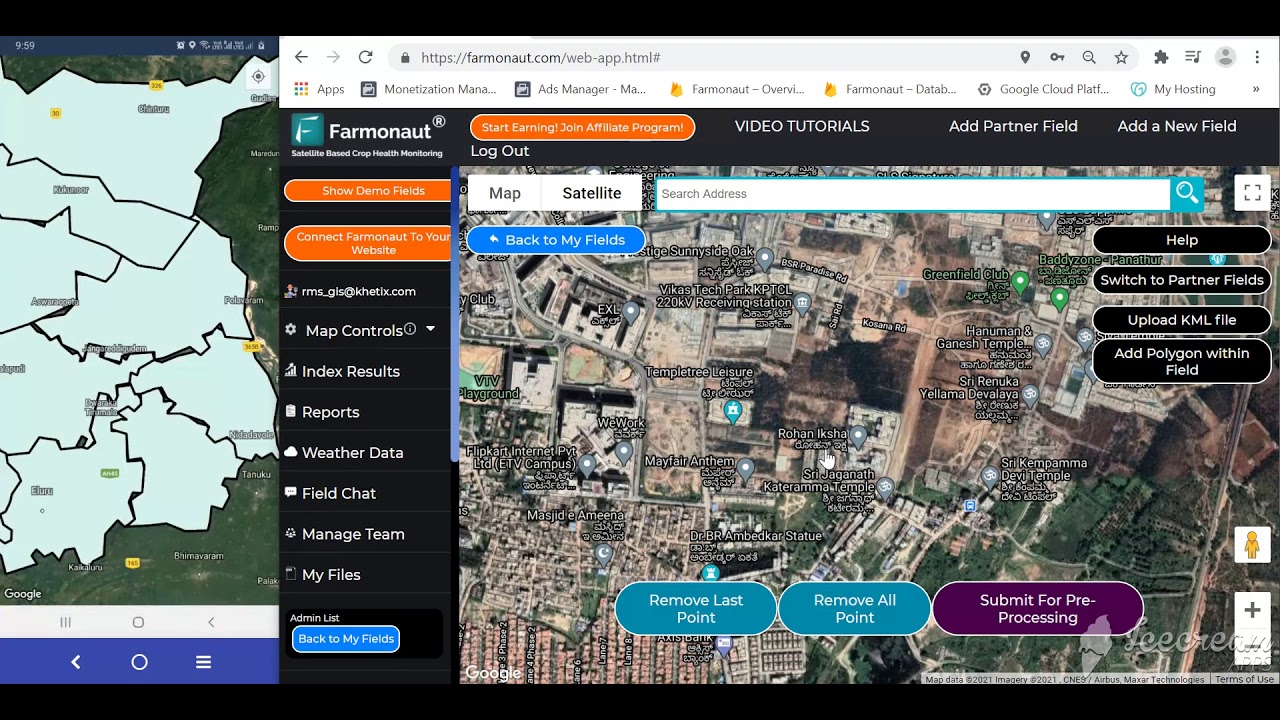
- ✔ Large Scale Farm Management: Offers managers of commercial plantations, rainfed plots, agroforestry, and integrated farms a unified dashboard to monitor NDVI, soil moisture, and farming infrastructure nationwide.
We enable a future where sustainability, traceability, and productivity coexist, driven by actionable data and innovation.
By making satellite, AI, and blockchain technology affordable and accessible, Farmonaut unlocks advanced plot management, environmental traceability, and resource efficiency — for plots of every size and production goal.



Frequently Asked Questions on Types of Plots in Agriculture
What distinguishes a smallholder plot from a commercial plot?
Smallholder plots are typically less than a hectare, prioritize crop diversity, use traditional practices, and often incorporate livestock. Commercial plots, on the other hand, are larger, highly mechanized, usually monocultural, and rely on standardized inputs and advanced tech-driven management for scale and yield maximization.
How does rainfed agriculture manage drought risk?
Rainfed systems rely on timely planting, drought-tolerant crop varieties, conservation practices like mulching and minimum tillage, and soil moisture management through practices like contour farming and rainwater harvesting.
Which farming systems are best suited for urban environments?
Vertical farming and controlled environment agriculture (using hydroponics, aeroponics, and containerized plots) are best suited, maximizing productivity in small, compact spaces with minimal land footprint.
What are the benefits of integrating trees into agricultural plots?
Integrating trees (agroforestry) creates shade, sequesters carbon, increases biodiversity, improves soil stability, and diversifies income through timber, fruit, or nuts—thus fostering both resilience and sustainability across production systems.
How does Farmonaut contribute to sustainable plot management?
Farmonaut provides real-time satellite crop and soil monitoring, carbon footprint tracking, blockchain-based traceability, resource management for fleets and equipment, and weather/rainfall analytics for smarter decisions, scalability, and sustainability in all modern plot systems.
Conclusion: Modern Plot Types Power Sustainable Agriculture
The types of plots in agriculture define not just where and how crops are grown, but also how sustainability, risk, and resilience are balanced against production goals in every region of the world map. The rise of modern farming methods—precision, conservation, integrated, vertical, agroforestry, rainfed, and plantation—demonstrates that innovation, technology, and ecological knowledge can converge to optimize yields and minimize environmental impact.
With the right plot type—matched to local soils, moisture regimes, and landscape objectives—farmers and agri-businesses can improve food security, stabilize income, reduce waste, and forge a sustainable agricultural future.
As the sector evolves, advanced tools—like those we offer at Farmonaut—will be increasingly essential to monitor, manage, and improve every agricultural plot, aligning productivity with stewardship and business opportunity in every region, climate, and scale of farming.

 Zerella Group
 Agroes
 Etech Consulting Madagascar
 Vestlandsforsking
 Agritein
 Delicio
 WB Dev
 Sama Premium
 Prochecker
 Tres Valles
 LACOS Geoinformation
 Magrifly
 LatConnect 60
 WebsEdge
 Blickwinkel
 Agricultural Credit Policy Council
 Marei Nursery
 eKGIS
eKGIS Mostas Tech
 Andex
Andex
