

Vertical Farming Disadvantages: Top 7 Key Drawbacks
“Vertical farms can consume up to 38% more energy per kilogram of produce than traditional greenhouses.”
“Initial setup costs for vertical farming can exceed $100 per square foot, limiting accessibility for small-scale farmers.”
Introduction
Vertical farming advantages disadvantages—a topic surging with technological intrigue—has ignited interest across agriculture, horticulture, and even mining-repurposed lands. While its vision of urban, indoor crop production promises higher output per footprint, reduced land use, and year-round cycles, the adoption of vertical farming comes with significant disadvantages that need thoughtful investigation. Understanding these drawbacks is especially crucial for those considering investments in related sectors like forestry nurseries, mining site rehabilitation, or resource-constrained rural areas.
In this comprehensive guide, we examine the top seven key disadvantages of vertical farming. We use clear, informative analysis and tech-focused comparisons to help you weigh these issues against the much-discussed benefits. Let’s dive into the sometimes underexplored realities of vertical farming disadvantages and see what it means for the future of agriculture, resource management, urban produce, and long-term sustainability.
Not all vertical farming systems are created equal—disadvantages may vary significantly depending on location, crop choices, market demand, and long-term resource constraints.
Trivia & Fast Facts
- ⚡ Vertical farms can consume up to 38% more energy per kilogram of produce than traditional greenhouses.
- 💸 Initial setup costs for vertical farming can exceed $100 per square foot, limiting accessibility for small-scale farmers.
- 🌍 Many large-scale indoor farms are found in densely populated cities, aiming to reduce transport emissions but sometimes increasing energy footprints.
- 🔬 AI-driven monitoring and nutrient dosing are common in advanced vertical farming systems, demanding specialized technical labor.
- 🥬 The most common crops in vertical farms are leafy greens, herbs, and microgreens—fruits, root vegetables, and grains remain rare.

Vertical Farming Disadvantages: Comprehensive Overview
The disadvantages of vertical farming are multifaceted and nuanced, affecting practical, economic, environmental, and social dimensions of farming operations. Let’s examine the seven most critical drawbacks, supported by research and technological insights, to help you make appropriate strategies for your context.
Capital requirements and operating costs often surpass traditional field farms, particularly in the initial phase. Carefully model your financial projections!
1. High Capital and Operating Costs: An Expensive Model to Start and Sustain
One of the most well-recognized disadvantages of vertical farming lies in its initial investment and ongoing operational costs. Setting up a vertical system is substantially more complex and costly than traditional farms. The cost structure includes:
- Buildings & Facilities: Repurposing warehouses or erecting purpose-built structures requires significant capital.
- LED Lighting & Climate Control: High-efficiency LEDs, HVAC, humidifiers, CO₂ injection, and sophisticated environment management systems are essential.
- Automation & Sensors: Investment in IoT sensors, robotics, automated nutrient dosing, irrigation, and harvesting systems.
- Hydroponic/Aeroponic Infrastructure: Specialized growing towers, trays, and recirculating systems further add to costs.
- Ongoing Expenses: Electricity, water filtration, specialized nutrient solutions, replacement parts, and software licenses.
- Maintenance: Skilled technicians are needed for system upkeep.
Example: Initial setup costs can exceed $100 per square foot. Operating costs—particularly energy and labor—remain high even after deployment, often comparing unfavorably to traditional, open-air farming systems.
- ⚠ Barrier for Small Farms: Smaller farmers in rural areas often find the financial barrier insurmountable, restricting entry and slowing return on investment.
- ⚠ Vulnerability to Market Swings: Price volatility in specialty crops can make payback periods uncertain.
- ✔ Automation can reduce some recurring costs over time, but the upfront expense is still substantial.
Seek out financing options that leverage satellite-verified crop insurance and loan products (Farmonaut Crop Loan & Insurance) that help offset risk and potentially improve access to capital, especially in resource-constrained regions.

2. Significant Energy Consumption and Environmental Footprint
A key vertical farming disadvantage—and a current environmental concern—is energy consumption.
While advocates tout the use of energy-efficient LEDs and precision climate control, vertical farming operations can consume up to 38% more electricity per kilogram of produce than traditional greenhouses. These levels of energy intensity are due to:
- Artificial Lighting: Even the best LEDs still require energy input well above natural sunlight.
- Climate Systems: Hot, humid, or cold regions require aggressive heating, cooling, and humidity management.
- Ongoing Power Demand: Pumps, CO₂ generators, automation, and water treatment systems run continuously.
- Centralized Facilities: Growing crops in city centers may reduce long-haul transport emissions but can increase total energy use if local grids are carbon-intensive.
Additional Consideration: In places with expensive or unreliable power grids, the environmental footprint—and cost—may offset some claimed benefits of “local” or “green” vertical produce.
- ⚠ Carbon Cost: High carbon intensity may undermine environmental branding.
- ⚠ Grid Vulnerability: Unreliable grids increase operational risk.
- ⚠ Offsetting Advantages: If produce is grown far from actual consumption markets, transport emissions can rise, erasing local benefits.
- 📊 Estimated Energy Use: Ranges up to 3,500–16,000 kWh per square meter per year.
Assuming all vertical farms are “eco-friendly”—make sure you calculate whole-life carbon costs including energy sourcing and transport before promoting sustainability claims!
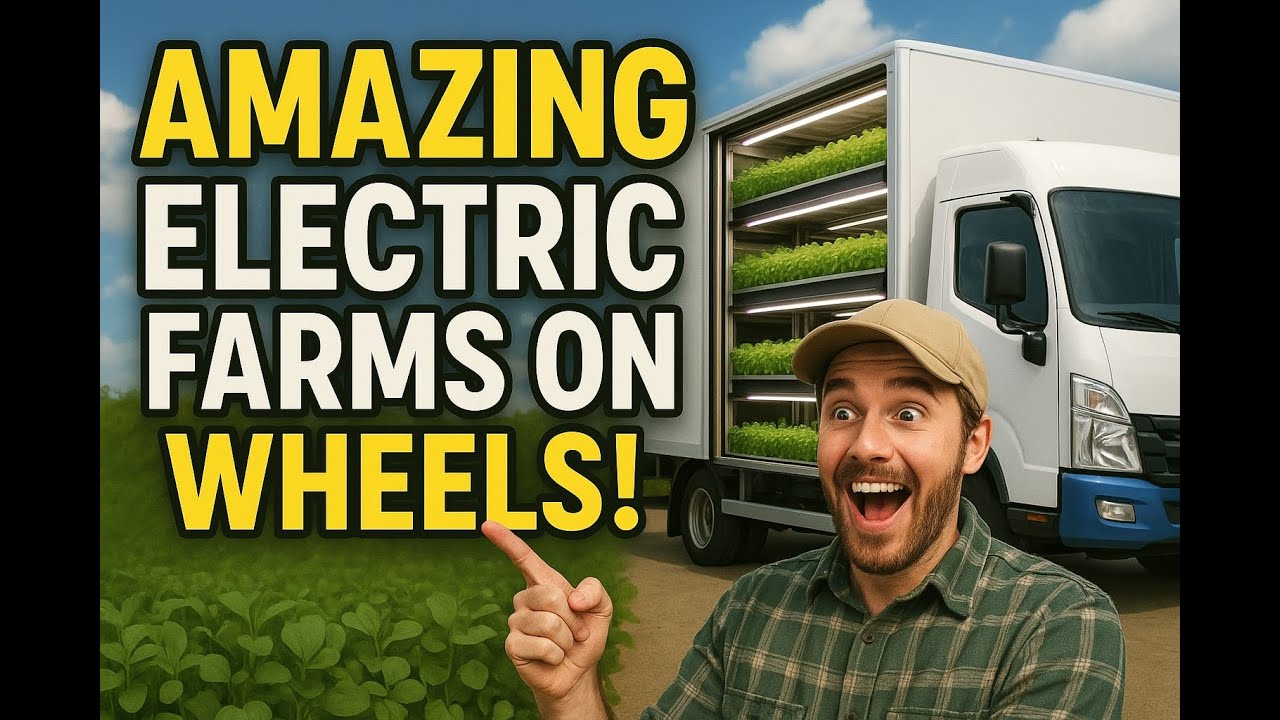
3. Scale and Yield Limitations: Not a Universal Solution
While vertical farming advantages include maximizing output per footprint, limiting factors remain when scaling production:
- 📏 Facility Size: Production is hindered by physical constraints—most facilities are limited to city blocks, floors, or converted warehouses.
- 🌱 Crop Types & Root Systems: Many crops (grains, tubers, fruit trees) require deep root systems, pollinators, or soil-based microbiomes unavailable in vertical systems. Vertical setups excel for leafy greens but struggle with root vegetables or cereals.
- 🚜 Uniformity Challenges: Maintaining uniform light, temperature, and humidity across multiple levels gets harder as scale increases.
- 🔍 Yield Limitations: Overall tonnage per year may remain lower than field farms due to space, infrastructure, and crop rotation constraints.
Monoculture pressure—relying on the same crops for profitability—can increase disease risk and degrade nutrient quality over time.
- ⚠ Diversity Constraints: Crop rotation and diversity are more difficult, potentially reducing long-term system health.
- ⚠ Yield Tradeoffs: Intensive vertical farms often face diminishing return on stacked layers or automation at very large scale.

4. Disease and Pest Management Challenges in Vertical Environments
Advocates often suggest that vertical farming disadvantages in disease and pests are mitigated by closed systems, but realities are more complex:
- 🦠 Confined Space Dynamics: Once a pathogen breaches the system, it can spread swiftly, affecting multiple layers in hours or days.
- 🍄 Humidity & Fungi: Humid, densely populated environments increase the risk of fungal outbreaks and mold.
- 🔬 Limited Biosecurity Options: Eliminating a persistent pest or disease may require total system shutdown, major financial loss, or heavy chemical intervention.
- ♻ Chemical Constraints: Some treatments are restricted by food safety regulations or may foster resistant strains.
Intensive irrigation and recirculated air foster a microclimate for disease proliferation, making robust disease management a continual challenge—especially as facilities scale up or crop rotation is minimal.
- ⚠ Closed Loop Risks: Introduction of new crops or external contamination may trigger large-scale crop failure, with few buffer zones for containment.
- ⚠ Persistent Costs: Disease management tools and interventions add to ongoing operating costs and labor demand.
Satellite-driven real-time monitoring (like Farmonaut’s crop health platforms) and carbon footprinting tools can help optimize disease management and environmental impact, but cannot fully replace on-ground biosecurity protocols for indoor farms.

5. Water Use Efficiency and Quality Concerns
Water usage is often promoted as a vertical farming advantage, but actual efficiency depends heavily on system design, management, and local water quality. Drawbacks and risks include:
- 💧 Recirculating System Complexity: Water is reused, requiring constant filtration, nutrient management, and equipment maintenance.
- 🧪 Nutrient Solution Imbalances: Salinity build-up and micronutrient shortfalls can degrade crop quality and ultimately lower yields.
- 🔄 Urban/Freshwater Variability: Urban areas may face fluctuating water quality or expensive filtration requirements that erode efficiency gains.
- 💸 Maintenance Cost: Filtration, monitoring, and equipment maintenance add to recurring operational costs.
- ⚠ Failure of Water Systems: Even short outages or equipment malfunctions can result in rapid crop failure, especially for high-value specialty greens.
- ⚠ Waste Streams: Disposal of spent water or cleaning solutions can create new waste management liability, undermining sustainability claims.
Advanced water quality sensors and automation can minimize some human error, but their effectiveness depends on skilled staff and ongoing investment.

6. Labor Needs and Technical Skill Requirements
Vertical farming disadvantages in workforce management appear as labor and technical skill requirements increase:
- 👩🔬 Advanced Automation Dependence: Sensors, robotics, AI-based advisory, and real-time analytics platforms require skilled labor for deployment, calibration, and maintenance.
- 👷 Higher Training Demands: Traditional farmers may struggle to upskill or recruit specialists for vertical farms—this “skills gap” can be acute in rural or mining site rehabilitation settings.
- 👌 Manual Intensive Tasks Persist: Certain crop management, transplanting, harvesting, and disease interventions remain labor-intensive, even in automated settings.
- 💰 Labor Costs: Wages for specialized or technical roles (engineers, data analysts, technicians) are usually higher than for traditional agricultural labor.
- ⚠ Recruitment Challenges: Finding (and keeping) qualified workers is a repeated operational pain point, particularly outside dense urban hubs.
- ⚠ Ongoing Training Requirement: Rapid technology change necessitates regular retraining.
- 📊 Estimated Skilled Labor Premium: Up to 1.5–2× increase in labor cost compared to conventional field farming.
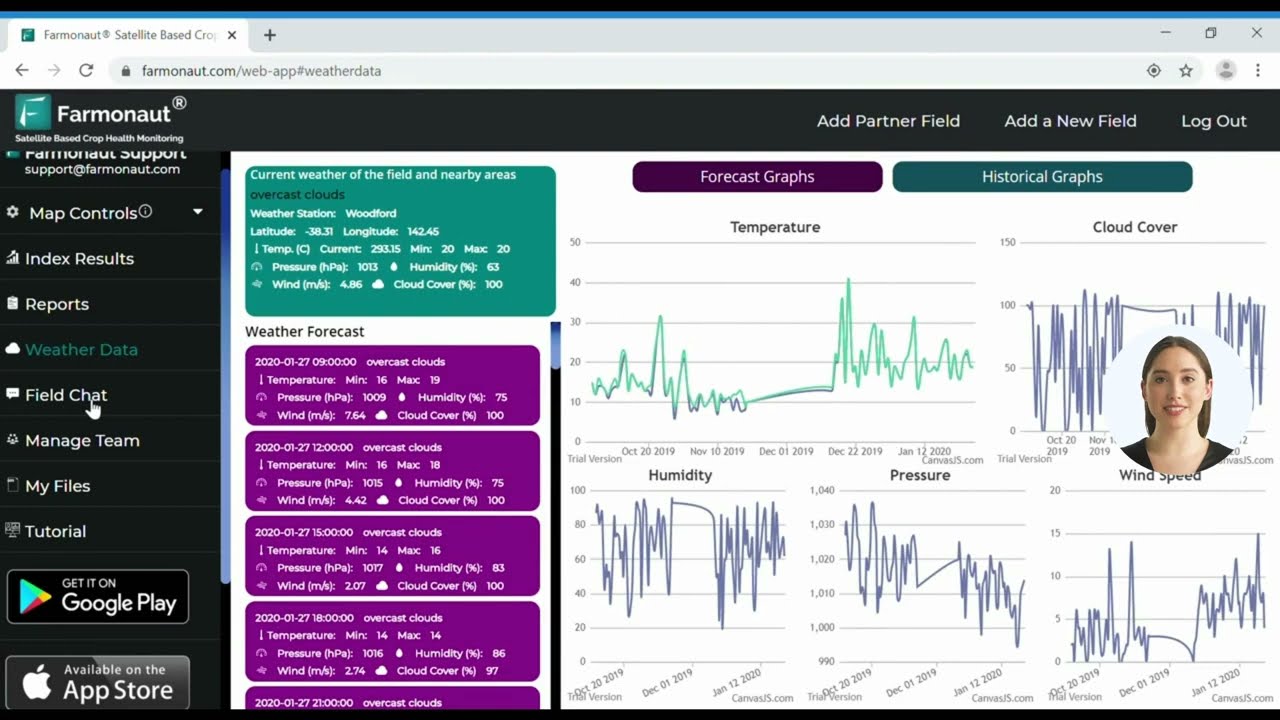
To address technical skills gaps, digital platforms like Farmonaut’s large-scale farm management tools and fleet management help aggregate data and reduce manual errors, but hands-on skills are still fundamental.



7. Economic, Market, and Sustainability Challenges
Economic realities and market constraints are among the most significant practical vertical farming disadvantages.
- 💲 Premium Pricing Needed: The market often expects “local,” “fresh,” or “sustainably grown” greens—these must command premium prices to justify costs. Should consumer demand dip, profitability evaporates.
- 🤝 Competition & Market Saturation: Traditional farms can often produce the same products at lower cost, placing downward pressure on prices as supply grows.
- 🚚 Supply Chain Constraints: Centralized urban facilities may be far from final consumers or restaurants, increasing transport costs and reducing freshness advantages.
- 📈 Market Uncertainty: Establishing stable, reliable markets for vertically farmed produce is often a challenge in forestry or mining-rehabilitation contexts, where demand for high-value greens, micro-herbs, or ornamentals may not exist.
- ♻ Material Waste: The use of plastics, synthetic growing media, and the replacement of hardware (LEDs, pumps, trays) creates new waste streams. Disposal can be a sustainability and environmental concern.
- ⚠ Lifecycle Assessment: True sustainability should include the entire system—from construction, through use, to decommissioning and waste disposal.
- ⚠ Rehabilitation Challenge: For lands being rehabilitated after mining, vertical systems may not be the most cost-effective or suitable strategy, given the complexity of ecological restoration.
Blockchain traceability solutions, like those offered by Farmonaut, can enhance product transparency and consumer trust, but do not inherently resolve market or lifecycle sustainability drawbacks.

- High Initial Investment – substantial entry barriers for new and small-scale farmers.
- Ongoing Energy Costs – strong link between profit margins and electricity prices.
- Limited Crop Range – struggles with adapting to local diets and market needs.
- Market Uncertainty – unstable demand for specialty produce may lead to losses.
- Material Waste Streams – plastics and equipment disposal challenge sustainability.
Comparative Summary Table – Disadvantages of Vertical Farming
Farmonaut and Innovation Solutions
At Farmonaut, we recognize the complex landscape of vertical farming disadvantages and the importance of robust technological support to mitigate risks and improve project viability. Our mission is to make satellite-based insights, environmental monitoring, and AI advisory accessible and affordable across the agriculture spectrum—including vertical, traditional, forestry-associated nurseries, and mining-repurposed lands.
Examples of how our technology helps:
- ✔ Real-time Monitoring: Satellite imagery tracks crop health, disease outbreaks, and environmental concerns, allowing for lightning-fast response and resource allocation.
- ✔ AI-based Advisory: Our Jeevn AI delivers location-specific recommendations, from nutrient inputs to irrigation strategies, supporting both indoor and outdoor environments.
- ✔ Blockchain Traceability: We ensure transparency across the supply chain, supporting sustainability claims and improving consumer trust—link here.
- ✔ Resource Management: Tools like large-scale farm management and fleet optimization systems boost operational efficiency in all types of farms.
- ✔ Environmental Impact Tracking: With carbon footprinting solutions, projects can measure, reduce, and report progress on emissions reduction—critical for securing investments and regulatory compliance.
Vertical farming advantages disadvantages shift as technology and markets evolve. At Farmonaut, our role is to empower stakeholders in choosing appropriate strategies for their unique operational, economic, and environmental contexts.
Want to integrate satellite-driven crop, land, or environmental data into your farm or agri-business platform? Explore our API and Developer Docs to seamlessly power your applications with real-time, geospatial intelligence.
- ✔ Precise input management (water, fertilizers, energy)
- ✔ Advanced disease surveillance with remote and in-situ sensors
- ⚠ Requires ongoing skilled labor and advanced maintenance logistics
- ⚠ Environmental cost may be high if grid is fossil-fuel dependent
- ⚠ Plastics and equipment disposal can be significant over time
Frequently Asked Questions (FAQ): Disadvantages of Vertical Farming
Q1: Is vertical farming cheaper than traditional outdoor farming?
A: No, not in most cases. Vertical farming disadvantages include high capital, energy, maintenance, and labor costs, often making it significantly more expensive than traditional field-based farming. Only certain high-value specialty crops and conditions may justify the premium.
Q2: What kinds of crops are not suitable for vertical farming?
A: Root vegetables, grains, large fruiting crops, and crops requiring deep soil interactions or natural pollinators generally face major limitations in vertical systems, reducing both crop diversity and market scope.
Q3: Are there environmental concerns about vertical farming?
A: Yes, including high energy consumption, material waste, and water management risks. The environmental benefits depend on the full life-cycle analysis and local grid emissions.
Q4: Do vertical farms require more skilled labor?
A: Yes. Automation, sensor systems, and digital management require ongoing technical support, driving up labor costs and requiring specialized training compared to most traditional farms.
Q5: Can technology solutions like those offered by Farmonaut reduce these disadvantages?
A: Technology can help mitigate some risks—especially around monitoring, advisory, and logistics—but cannot fully eliminate core cost, scale, and energy intensity challenges. Strategic deployment and ongoing evaluation remain essential.
Conclusion: Weighing Vertical Farming Disadvantages in Modern Agriculture
The adoption of vertical farming systems has undeniably sparked interest and driven innovation across agriculture, forestry, and even mining-impacted land rehabilitation. However, the disadvantages of vertical farming—including high capital and operating costs, significant energy demand, scale and crop limitations, persistent disease management challenges, water quality risks, labor skill requirements, and long-term economic feasibility questions—should be fully weighed against their often-promoted advantages.
For sectors like horticulture, forestry nurseries, and repurposed lands (including those affected by mining), understanding these drawbacks is crucial in choosing appropriate farming strategies. The fastest-growing technological enhancements—such as satellite-based monitoring, AI advisory systems, and blockchain traceability—offer new ways to reduce risk and enhance resource management, but they do not eliminate the structural economic and operational constraints facing vertical farming.
At Farmonaut, our mission remains to empower all agricultural, mining, and resource management stakeholders with proven, accessible, data-driven tools, allowing them to make informed and sustainable choices—whether in vertical farms, traditional settings, or challenging rehabilitation projects.
If you’re considering investing in, operating, or evaluating vertical farming in your sector, use this guide to shape your analysis and strategic decisions. And don’t hesitate to explore Farmonaut’s technology platform for the next step in data-driven, sustainable agriculture and resource management.

 Etech Consulting Madagascar
 Vestlandsforsking
 Global Launch Base
 Elders
 Agritein
 Delicio
 WB Dev
 Sama Premium
 Prochecker
 Tres Valles
 LACOS Geoinformation
 Magrifly
 LatConnect 60
 WebsEdge
 Blickwinkel
 Agricultural Credit Policy Council
 Marei Nursery
 eKGIS
eKGIS Mostas Tech
 Andex
Andex
