

Which Land Capability Class Limits Agricultural Production? An In-depth Guide to Soil Suitability, Land Classification, and Sustainable Management
“Only Land Capability Classes I and II, covering less than 25% of global land, are highly suitable for sustainable agriculture.”
- Introduction: Understanding Land Capability and Limitation
- Land Capability Classes Explained
- Factors Affecting Crop Production and Soil Suitability
- Detailed Overview: Land Capability Classification
- Classes That Limit Agricultural Production: V to VIII
- Land Capability Class Comparison Table
- Sustainable Land Management Practices
- Tech Empowering Sustainable Agriculture: How Farmonaut Supports Sustainability
- FAQ: Land Capability Class and Agricultural Production
- Conclusion: The Path Forward
Introduction: Understanding Land Capability and Limitation
Land capability classification is a fundamental system used to assess the suitability of soils and lands for different agricultural and non-agricultural uses. By evaluating soil properties, topography, climate, and other crucial factors, we can understand the limitations of land for cultivation and select the most suitable management practices for sustainable use.
This soil classification approach has become an indispensable tool—not only for experts but also for farmers, agribusinesses, and policymakers. Through thoughtful land management informed by this system, we optimize agricultural production and protect our environment for future generations.

Why is Land Capability Classification Crucial?
- It helps us assess soil suitability for agriculture to avoid mismanagement.
- Assists in preventing soil degradation (such as erosion, waterlogging, or salinization).
- Guides us toward choosing sustainable land use and management strategies.
- Informs **policy and planning** at local, regional, and global levels.
In the following guide, we will examine which land capability class limits agricultural production most severely, discuss the features and limitations of each class, and provide best practices for sustainable land management.
Land Capability Classes Explained
The USDA’s land capability classification system remains the globally recognized standard. It divides land into **eight classes**, from Class I (most suitable for intensive agriculture) to Class VIII (least suitable, often unsuitable for any agricultural or commercial plant production).
Before we focus on classes that impose severe limitations on cultivation and crop production, let’s quickly summarize all eight agricultural land classes:
- Class I: Few or no limitations for agriculture. Highly suitable for most crops, requiring minimal conservation practices.
- Class II: Slight limitations (gentle slopes, minor erosion risk); suitable for sustainable cultivation and regular cropping with basic soil conservation.
- Class III: Moderate limitations (erosion, drainage, steeper slopes), requiring more extensive conservation and some crop limitations.
- Class IV: Severe limitations (pronounced erosion risk, poor drainage, or stoniness). Cultivation possible but less frequent; often better for pasture or perennial crops.
- Class V: Limitations that severely restrict agricultural use (flooding, stoniness, or shallow soils), generally unsuitable for regular crop cultivation.
- Class VI: Severe limitations (steep slopes, very shallow or stony soils). Not suited to crops, best reserved for grazing or limited forestry.
- Class VII: Very severe limitations; minimal use except for wildlife habitat, forestland, or recreation.
- Class VIII: Limitations so extreme that the land is totally unsuitable for any commercial plant production, only non-agricultural uses advisable.
Quick Reference: “Class I and II lands, under 25% globally, are highly suitable for agriculture, while classes V to VIII, over 40%, have severe cultivation limitations.”
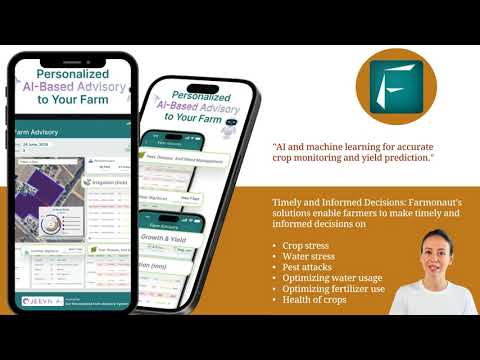
Land Capability Class Focus: Limiting Factors for Agricultural Use
While Classes I-IV are generally used for agriculture (with varying management needs), the limitations of land for cultivation become severe from Class V onwards. Let’s explore the constraints and land management practices that are necessary—or possible—on these less suitable lands.
“Classes V to VIII, making up over 40% of land, have severe limitations and are unsuitable for regular crop production.”
Factors Affecting Crop Production and Soil Suitability
Understanding soil suitability for agriculture means considering all the elements that influence crop productivity and land conservation. The most important factors affecting crop production include:
- Soil Properties: Texture, structure, fertility, depth, drainage, stoniness, and salinity all affect root growth, nutrient supply, and tillage operations.
- Topography: Slope steepness, aspect, and elevation directly influence erosion risk, water retention, and machinery operations.
- Climate: Rainfall patterns, temperature, humidity, and frost-free period dictate crop suitability and yield potential.
- Hydrology: Waterlogging, frequent flooding, and groundwater depth can affect land suitability and cause crop failure if not managed.
- Vegetation and Land Cover: Natural cover, woodland, and forestland status are considered regarding soil protection and biodiversity.
- Accessibility and Drainage: Poor access, field shape, and inadequate or excessive drainage can restrict land use and sustainability.
These factors are carefully assessed in every land classification system. When certain factors cross critical thresholds, lands are assigned to more restrictive classes.



Get real-time soil and crop insights on your mobile or computer. Farmonaut helps you monitor soil moisture, crop health, and environmental conditions for informed decision-making.
Detailed Overview: Land Capability Classification System
Let’s dive deeper into how lands are categorized, what each class represents, and how these classifications guide sustainable agricultural uses.
The Eight Land Capability Classes: A Brief Summary
- Class I: Nearly ideal for regular cropping; deep, well-drained soils with minimal constraints. Little effort is needed for sustained high yields.
- Class II: Slight limitations (e.g., minor slopes, infrequent flooding). Routine conservation practices suffice.
- Class III: Moderate limitations may require additional conservation (e.g., strip cropping, terraces) and restrict some crop choices.
- Class IV: More severe limitations (pronounced risk of erosion, drainage issues, stoniness). Best for pasture or select perennial crops, not for continuous cultivation.
- Class V: Cannot be cultivated for crops due to barriers like frequent flooding, excessive wetness, or poor drainage—open to grazing, woodland, or wildlife habitat only.
- Class VI: Steep slopes, shallow soils, or excessive stoniness make arable farming impractical; can be used for rangeland, pasture, or forestry with careful management.
- Class VII: Extremely steep or eroded land, often used for wildlife, limited grazing, or forest.
- Class VIII: Beyond any productive use, restricted to recreation, wildlife, or conservation.
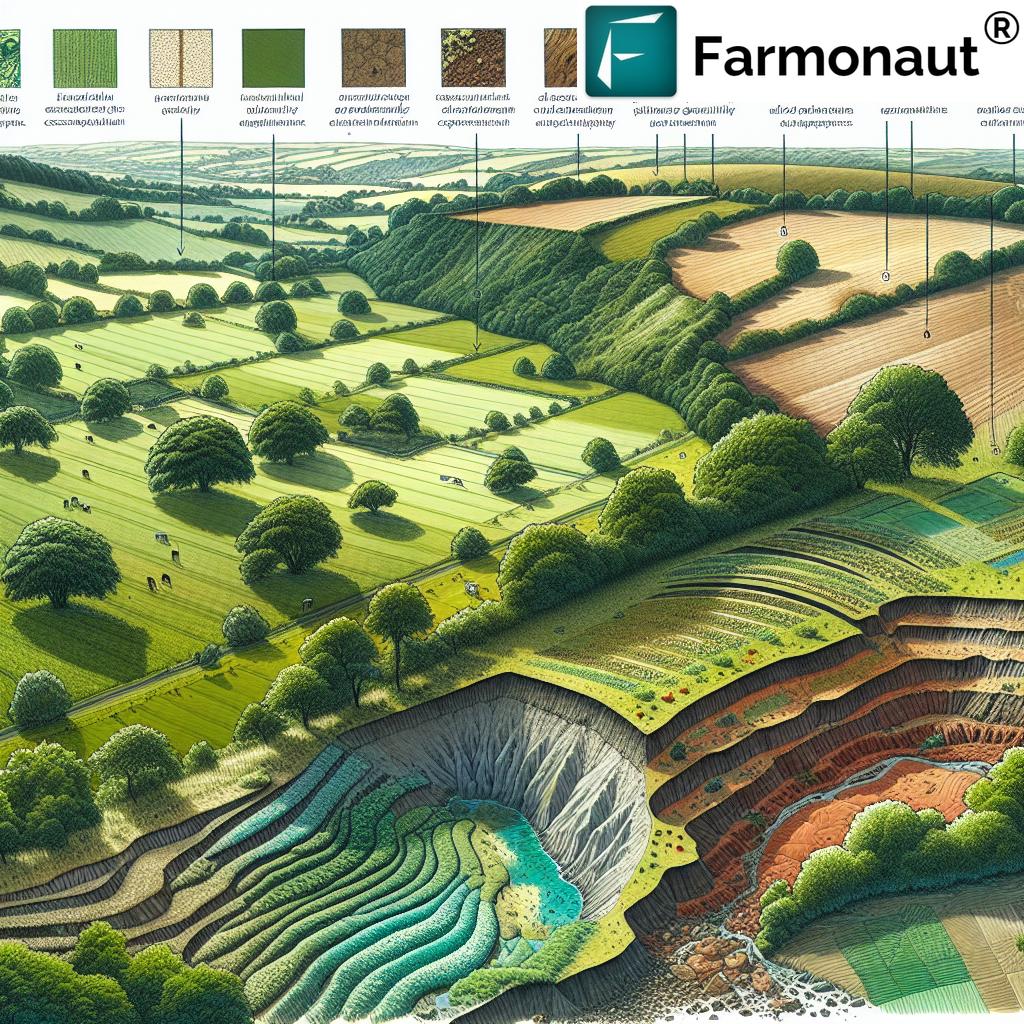
Soil Capability Subclasses: Zooming in on Limitations
Each class can have one or more subclasses denoting specific limitations:
- e: Erosion risk (due to slopes, wind, or water)
- w: Wetness (poor drainage, flooding, or high water table)
- s: Shallow soil, stoniness, restricted rooting depth
- c: Climatic limitations (short growing season, aridity)
This helps us match land use not only to general limitations but also to precise management requirements and sustainability objectives.
Classes That Limit Agricultural Production: V to VIII
Class V: The Impact of Severe Limitations
Class V lands are characterized by very severe limitations that make regular crop cultivation impractical or impossible. Common constraints include:
- Frequent Flooding: These areas are prone to regular inundation, destroying crops and destabilizing soil structure.
- Poor Drainage: Soils may suffer from inadequate drainage, resulting in persistent waterlogging, reduced oxygen for roots, and vulnerability to plant diseases.
- Shallow Soil Depth: Limited root penetration restricts plant growth and diminishes yield potential.
Lands in Class V are commonly utilized for pasture, rangeland, forestland, or wildlife habitat, rather than annual field crops. The cost or impracticality of removing these limitations (e.g., major flood control or drainage infrastructure) means perennial uses and sustainable management are preferred.
For these lands, proper management practices—such as rotational grazing, maintaining vegetation cover, and strategic afforestation—are key for long-term productivity and preventing further degradation.
Class VI: Stronger Limits Due to Steep Slopes & Stoniness
In Class VI, severe topographic and soil properties prevent sustainable crop production. These lands may feature:
- Steep Slopes (over 18%): Hard to till, harvest, and keep from eroding.
- Stony, Shallow Soils: High stone content impedes field operations and damages equipment. Nutrient uptake and root growth are compromised.
- Severe Drainage Problems or Droughtiness: Soil with both insufficient depth and poor water retention, limiting plant support.
Here, the risk of topography and soil erosion is extremely high; thus, these lands are usually best for well-managed pasture, natural woodland, grazing, or forestland. Exceptional conservation measures such as reforestation, terracing on gentler slopes, and minimized disturbance are essential.
Ready to monitor your land’s slopes, soil moisture, or erosion risks?
Farmonaut enables satellite-based tracking of soil moisture, crop growth, and management zones across your fields—reducing resource waste and guiding conservation actions.
Class VII: Very Severe Limitations—Barely Productive Lands
Class VII lands are recognized by extremely steep slopes (over 30%), frequent rock outcrops, and severe soil depth constraints. Cultivation is impossible, and even grazing is kept to a minimum in most zones.
- Best utilized for wildlife habitat, woodland, forestland, or recreation.
- Conservation priorities take precedence, aiming to maintain ground cover and prevent further erosion or landslides.

Class VIII: Lands with No Agricultural Potential
Class VIII lands are characterized by conditions that absolutely preclude agricultural use:
- Extremely steep, rocky slopes (often over 45%)
- Exposed bedrock, large stone content, shallow or non-existent soil layers
- Arid, saline, swampy, or otherwise inhospitable to plant growth
Their only sustainable use: recreation, wildlife habitat, environmental protection, or watershed conservation.
For example, certain mountain summits, deserts, or wetlands fall into this class and require strict protection from degradation.
? Track Your Farm’s Environmental Impact with Farmonaut Carbon Footprinting
Monitor and reduce carbon emissions directly via satellite insights—beneficial for farms needing to comply with environmental regulations on sensitive or marginal lands.
? Enhance Supply Chain Trust with Farmonaut Blockchain-Based Traceability
Track the journey of farm products, especially from challenging environments, to ensure food safety, authenticity, and market transparency.
Land Capability Class Comparison Table
| Land Capability Class | Class Description | Typical Limitations | Estimated Suitable Uses | Sustainable Management Practices | % Global Arable Land |
|---|---|---|---|---|---|
| I | Nearly ideal for intensive agriculture | Minimal, if any | Crops, horticulture | Standard rotation, basic soil care | ~10% |
| II | Slight limitations | Gentle slopes, occasional erosion or drainage issues | Crops, some pasture | Contour farming, crop rotation | ~15% |
| III | Moderate limitations | Moderate slopes, drainage, moderate stoniness | Some crops, restricted rotation, pasture | Strip cropping, terraces | ~15% |
| IV | Severe limitations | Steep slopes, high erosion, shallow soils | Limited crops, pasture, forestry | Reforestation, minimal tillage | ~10% |
| V | Very severe limitations (non-arable) | Frequent flooding, poor drainage, stoniness | Pasture, forestland, wildlife habitat | Rotational grazing, wetland management | ~15% |
| VI | Severe limitations (unsuitable for crops) | Steep slopes (>18%), stony, shallow soils | Grazing, natural woodland, conservation | Afforestation, erosion control | ~13% |
| VII | Very severe limitations | Extremely steep slopes, high erosion | Limited grazing, woodland, wildlife | Ground cover maintenance | ~12% |
| VIII | No agricultural capability | Rocky, desert, waterlogged, non-productive soils | Wildlife, recreation, watershed | Strict conservation, no disturbance | ~10% |
*Percentages are global estimates, actual figures vary regionally
Sustainable Land Management Practices for Challenging Lands
On lands with severe or very severe limitations (Classes V to VIII), our management goal is to maintain ecosystem function, prevent soil degradation, support biodiversity, and, where possible, provide grazing or forestry resources. Key strategies include:
-
Conservation Tillage and No-Till Practices
Reduces erosion on fragile soils, increases soil organic matter, and maintains ground cover. -
Controlled/Rotational Grazing
Prevents overgrazing, maintains pasture productivity, and supports soil and water conservation. -
Agroforestry and Reforestation
Integrating trees enhances ecosystem resilience, stabilizes steep slopes, supports wildlife habitat, and improves nutrient cycling. -
Wetland and Watershed Management
For Class V and VIII, managing wetlands for ecological function supports water filtration, flood control, and biodiversity rather than crop yield. -
Stone and Rock Removal (Where Feasible)
In selected microenvironments, stone picking may extend pasture or specialized perennial cropping (e.g., vineyards, orchards). -
Implementing Buffer Zones and Ground Cover
Reduces runoff, controls erosion, and creates diversified wildlife habitat. -
Sustainable Recreation and Ecotourism Initiatives
In Class VIII, focusing on low-impact tourism, hiking trails, or environmental education rather than agricultural development.
Manage agricultural machinery logistics and minimize disturbance to fragile environments—maximize efficiency while supporting land stewardship.
Ready to leverage satellite insights for your sustainable land management strategy?
Tech Empowering Sustainable Agriculture: How Farmonaut Supports Sustainability
Farmonaut is a pioneering agricultural technology company focused on making precision agriculture affordable, scalable, and accessible. Our platform harnesses advanced satellite-based monitoring, artificial intelligence, and blockchain to empower better land management and environmental stewardship.
- Satellite-Based Crop & Soil Health Monitoring: Detect issues such as drought stress, pest outbreaks, or soil moisture depletion before visible symptoms appear. This guides targeted interventions for sustained yields and resource conservation.
- AI-Powered Farm Advisory (Jeevn): Provides custom recommendations on crop management, irrigation, and risk mitigation for all scales of operations.
- Blockchain Traceability: Build transparency into your agricultural commodities—even from marginal or difficult lands—streamlining compliance for traceable, sustainable supply chains.
- Fleet & Resource Management: Optimize routes and equipment usage while reducing the environmental impact, especially important on lands with limited suitability or fragile soils.
- Carbon Footprint Tracking: Monitor and reduce emissions in response to sustainability mandates and land stewardship demands.
- API & Developer Access: Integrate our data and analytics into your own platforms for custom and scalable solutions.
See the Farmonaut API |
Developer Docs
If you manage plantations or forestry on marginal lands, Farmonaut’s Advisory Platform can help track sustainability indicators, plan rotations, and boost resilience.
FAQ: Land Capability Class and Agricultural Production
What is land capability classification and why does it matter?
Land capability classification is a scientific system used to rank the suitability of soils and lands for different uses—chiefly agricultural, forestry, grazing, and conservation—based on their inherent properties and limitations. It helps us avoid investing in unsuitable lands for agriculture, protect environmental values, and ensure optimal land use planning.
Which land capability classes are most suitable for crops?
Classes I and II are highly suitable for intensive crop production, offering minimal or only slight limitations. Classes III and IV may be suitable for less intensive crops or pasture but require more careful management. Classes V-VIII are largely unsuitable for commercial crop cultivation.
What factors are considered in classifying land?
Soil depth, drainage, fertility, texture, stoniness, slope steepness, erosion risk, climate, and flooding frequency are the main factors affecting classification.
Can land in Classes V-VIII be improved for agriculture?
Major limitations on these lands—such as chronic flooding, extreme stoniness, shallow soils, or very steep slopes—are often too expensive or ecologically risky to remove. Instead, these lands should be managed for conservation, grazing, woodland, or recreation.
How does misusing sub-optimal land increase environmental risk?
Attempting intensive cultivation on Class V-VIII lands accelerates erosion, soil depletion, waterlogging, sediment loss, and may further restrict ecosystem services. Sustainable management and correct land use assignment are essential to avoid long-term degradation.
How does Farmonaut help with land suitability decisions?
Farmonaut delivers real-time insights into soil moisture, crop health, land cover, and environmental risks, helping users to map, monitor, and sustainably manage lands of all capability classes—especially those with severe or very severe constraints.
Conclusion: The Path Forward for Sustainable Land and Soil Management
As we have explored, land capability classification is not just a tool for mapping—it’s a blueprint for long-term sustainability. Classes V through VIII are characterized by very severe or insurmountable limitations: flooding, poor drainage, excessive stoniness, shallow soils, steep slopes, or barren terrain. Attempting regular crop production on these lands is rarely viable or environmentally responsible.
As responsible stewards, our focus should be on matching land use with its inherent capability. That means:
- Safeguarding classes I and II for sustainable agricultural production,
- Deploying conservation, pasture, and forestry on classes III through VI,
- Assigning classes VII and VIII to recreation, wildlife, and ecological functions, ensuring biodiversity and protecting ecosystem services.
Farmonaut supports these efforts with advanced, affordable technology—delivering data-driven insights to help you assess, monitor, and protect your soils and lands for generations to come. The future of agriculture depends on using the right land, at the right time, for the right purpose.
Embrace sustainable agriculture. Monitor your land’s capability with Farmonaut today!

 Teledarbas
 Dreamz Tech
 Wild Oak Farm
 SFX
SFX BACF Africa
 Doodlakine
 Exurbia Geospatial
 FieldZero
 Indico Company
 Kubota
 FFBS
FFBS Jontra
 Tucor
Tucor
