

Top 10 German Agriculture Facts & Products: Sustainability, Innovation, and High-Quality Production
“Germany dedicates over 47% of its land—about 16.7 million hectares—to agriculture, emphasizing sustainable practices.”
“Nearly 10% of German farms are organic, ranking Germany among Europe’s leaders in sustainable, eco-friendly agriculture.”
Table of Contents
- Introduction: A Study in German Agriculture
- Fact & Product Impact Table: German Agriculture at a Glance
- 1. Cereal Crop Leadership: Wheat, Barley, Rye, and More
- 2. Potatoes: The Iconic Root Crop of Germany
- 3. Rapeseed & Sunflower: Oilseeds Driving Food & Industry
- 4. Fruits from German Orchards: Apples, Berries, and More
- 5. Vegetable Production: From Cabbage to Carrots
- 6. Pork & Meat Production: Livestock Systems & Standards
- 7. Dairy Excellence: Milk, Cheese & Specialty Dairy Products
- 8. Organic Farming: Eco-Leadership & Certification
- 9. Forestry & Timber: Biodiversity & Resource Management
- 10. Connected Infrastructure: Innovation, Technology & Digital Tools
- Highlight Boxes & Visual Lists
- Farmonaut’s Support for Sustainable Agriculture
- FAQ: German Agriculture Facts & Products
- Conclusion
Introduction: A Study in German Agriculture
Germany is a standout player in the world of agriculture. With nearly half of its land—16.7 million hectares—dedicated to agricultural production, the country combines its long-standing tradition of farming with modern technology to set high benchmarks in quality, sustainability, and environmental stewardship. German agricultural products are more than just commodities; they are the result of a sophisticated system emphasizing resource efficiency, precision agriculture, and a robust export market.
This comprehensive guide reveals the top 10 German agriculture facts and products—showcasing the unique blend of sustainable practices, innovation, and premium standards characterizing agricultural products in Germany. We’ll explore everything from cereal crop dominance and diverse vegetable systems to advanced dairy management and eco-friendly forestry resources.
Enhance your understanding not just of what Germany grows, but how it grows it—the environmental, economic, and technological factors that make Germany’s agricultural sector a model of resilience and sustainability.
Fact & Product Impact Table: German Agriculture at a Glance
| Rank | Description of Fact | Example Products | Production/Export Value | Sustainability Impact |
|---|---|---|---|---|
| 1 | Cereal Crop Dominance | Wheat, Barley, Rye | Over 45 million tons/year (wheat: ~22M) | Crop rotation, precision input use |
| 2 | Potato Leadership | Potatoes, Potato Starch | ~11 million tons/year | Efficient irrigation, disease-resistant varieties |
| 3 | Oilseed Innovation | Rapeseed, Sunflower Oil | Rapeseed oil: Top EU producer | Biofuel, pollinator support |
| 4 | Fruit Abundance | Apples, Berries, Plums | Apples: ~1M tons/year | Integrated Pest Management |
| 5 | Vegetable Powerhouse | Cabbage, Onions, Carrots | Cabbage: 590,000 tons/year | Crop diversity, low-pesticide approaches |
| 6 | Meat & Pork Production | Pork, Beef, Poultry | Pork: ~5M tons/year | Strict welfare, traceability systems |
| 7 | Dairy Excellence | Milk, Cheese, Butter | Milk: ~32M tons/year | Quality control, low-emission feed |
| 8 | Organic Farming Growth | Organic cereals, dairy, eggs | 10% farm share; rising exports | Lower chemical use, eco-labels |
| 9 | Forestry & Timber Management | Sawn wood, pellets | Top 3 EU timber exporter | FSC/PEFC certification, CO₂ storage |
| 10 | Tech & Innovation Integration | Precision farming tools | Adoption rate rising | Water saving, digital farm management |
1. Cereal Crop Leadership: Wheat, Barley, Rye, and More
Germany’s agricultural sector has long been anchored by its role as a leader in cereal crop cultivation. These core crops—wheat, barley, rye—form the foundation of bread, pastry, and feed industries, making them vital not only for domestic food security but also for the country’s reputation in international markets.
- ✔ Key benefit: Cereal production ensures stability for both German farmers and the wider food supply chain.
- 📊 Data insight: Germany is typically the largest wheat producer in the European Union.
- ⚠ Risk or limitation: Variable weather conditions have affected yields, but modern agronomy mitigates risk through diverse crop rotations and precision management.
- 🌱 Sustainability note: Fertilizer and water use is optimized with smart sensors to minimize losses and protect the environment.
- 🌽 Innovation highlight: Digital platforms and satellite data support yield tracking and farm planning.
Precision Management & Advanced Technology
Cereal farming in Germany is a showcase of precision agriculture. By integrating soil health monitoring, variable rate fertilizer application, and data-driven field analysis, farmers conserve moisture, reduce environmental impact, and stabilize incomes even in challenging seasons.
- Modern combines and yield monitors optimize harvesting efficiency
- Remote soil sensors inform input decisions—crucial for both yield stability and environmental stewardship
The resulting grain is of consistently high quality, supporting the domestic and export-oriented markets.

2. Potatoes: The Iconic Root Crop of Germany
Potatoes are a pillar of German agricultural production and a staple of both domestic cuisine and processing industries. The German countryside is dotted with fields dedicated to both table varieties and starch potatoes, which supply everything from classic dishes to industrial uses.
- ✔ Key Benefit: Potatoes are vital for both food security and value-added exports like starch and frozen fries.
- 📊 Data Insight: Germany ranks among the world’s top potato producers, especially within the EU.
- ⚠ Risk or Limitation: Disease management challenges—tackled through selective breeding and integrated pest control.
Sustainable Practices in Potato Production
- Use of improved seed stock to boost yield and disease resistance
- Efficient irrigation and climate-resilient technologies
- Post-harvest storage technology ensures year-round supply
German potatoes exemplify efficiency, safe food handling, and consumer trust through traceability—with dedicated tracking systems from field to fork.
3. Rapeseed & Sunflower: Oilseeds Driving Food & Industry
Rapeseed and sunflower crops not only diversify Germany’s agricultural portfolio but also unlock opportunities in the food supply, industrial applications, and renewable energy (biofuels). These oilseeds are responsibly managed to ensure sustainable production while supporting pollinators and soil health.
- ✔ Key Benefit: Rapeseed is the most important oilseed in Germany and a pillar of the European biofuel sector.
- 📊 Data Insight: German rapeseed oil production exceeds other EU nations.
- 🌻 Eco-Friendly Highlight: Flowering fields promote biodiversity and bee populations.
Resource-Efficient Oil Crop Management
- Integrated water and nutrient management minimizes environmental impact
- Crop rotations strengthen soil fertility and curb pest resistance
- Support for renewable energy markets reduces carbon footprint
Explore Farmonaut’s Carbon Footprinting Solution to track emissions and promote resource-efficient farming practices in your operation.
4. Fruits from German Orchards: Apples, Berries, and More
German orchards yield some of Europe’s best apples, berries, pears, and plums. These fruits represent a substantial segment of both fresh markets and the value-added processed food industry, appearing in juices, jams, and pastries.
- 🍏 Diversity: A broad range of cultivars offers adaptability to variable weather and disease risks.
- 🧊 Storage: Advanced cold-chain logistics and controlled-atmosphere storage ensure year-round supply and minimize losses.
- 🌱 Health: Emphasis on selective breeding for taste, storage life, and resistance to disease.
- 🌍 Markets: Germany’s fruit sector supplies domestic demand and export markets across Europe.
This approach maximizes output and ensures consumer safety through rigorous quality control and traceability protocols.
5. Vegetable Production: From Cabbage to Carrots
Vegetables—such as cabbage, onions, carrots, and lettuce—are staples in the German diet and core to the country’s agricultural products portfolio. Modern horticulture supports diversity, resilience, and sustainable practices.
- 🥕 Volume: Consistent output of cabbage and root crops underpins both local cuisine and global exports such as sauerkraut.
- 🌱 Approach: Integrated pest management, reduced chemical inputs, and protective cropping systems are standard.
- 🍃 Innovation: Protected cropping (e.g., greenhouses) for premium, year-round produce.
Visual List: Top German Vegetables
- 🥬 Cabbage—Essential for traditional German dishes and a major exported ingredient
- 🧅 Onions—Key flavor base with excellent storage life
- 🥕 Carrots—High in vitamins, often grown using organic methods
- 🥔 Potatoes—Covered above, but also vital as both a root vegetable and staple food
- 🥗 Lettuce—Protected cropping systems allow year-round supply
6. Pork & Meat Production: Livestock Systems & Standards
Livestock production is pivotal in the German agricultural sector, with a strong emphasis on welfare, efficiency, and stringent safety standards. Pork is Germany’s chief meat product, but beef and poultry also contribute substantially.
- 🥩 Volume: Pork production is among Europe’s highest, with significant export markets in Asia and beyond.
- 🧬 Genetics: Breeding programs improve productivity and overall animal health.
- 🐖 Traceability: End-to-end product traceability limits the risk of food safety issues.
- 🌱 Sustainability: Efficiency measures minimize waste, emissions, and optimize resource use.
Animal welfare standards and efficient feed management are supported by advanced monitoring technology and data collection. These efforts position Germany’s meat industry as both globally competitive and environmentally conscious.
Discover advanced supply chain traceability solutions with Farmonaut’s Blockchain-based Traceability Platform.
7. Dairy Excellence: Milk, Cheese & Specialty Dairy Products
Dairy production in Germany is renowned for both its efficiency and uncompromising quality standards. Milk is processed into cheese, butter, and an array of specialty dairy products that are enjoyed domestically and exported globally.
- 🧀 Value-added: Famous cheeses and yogurt lines meet the high expectations of German and international consumers.
- 🐮 Precision: Dairy systems use digital monitoring and smart feeding to guarantee yield stability and safe animal welfare.
Visual List: Leading Dairy Innovations
- 📈 Real-time milk quality monitoring for optimal protein and fat content
- 🥛 Low-emission feed programs reducing methane and supporting climate goals
- 📦 Cold storage logistics for extended shelf life and food safety
- 🧬 Genetic advancements for herd health and resilience against disease
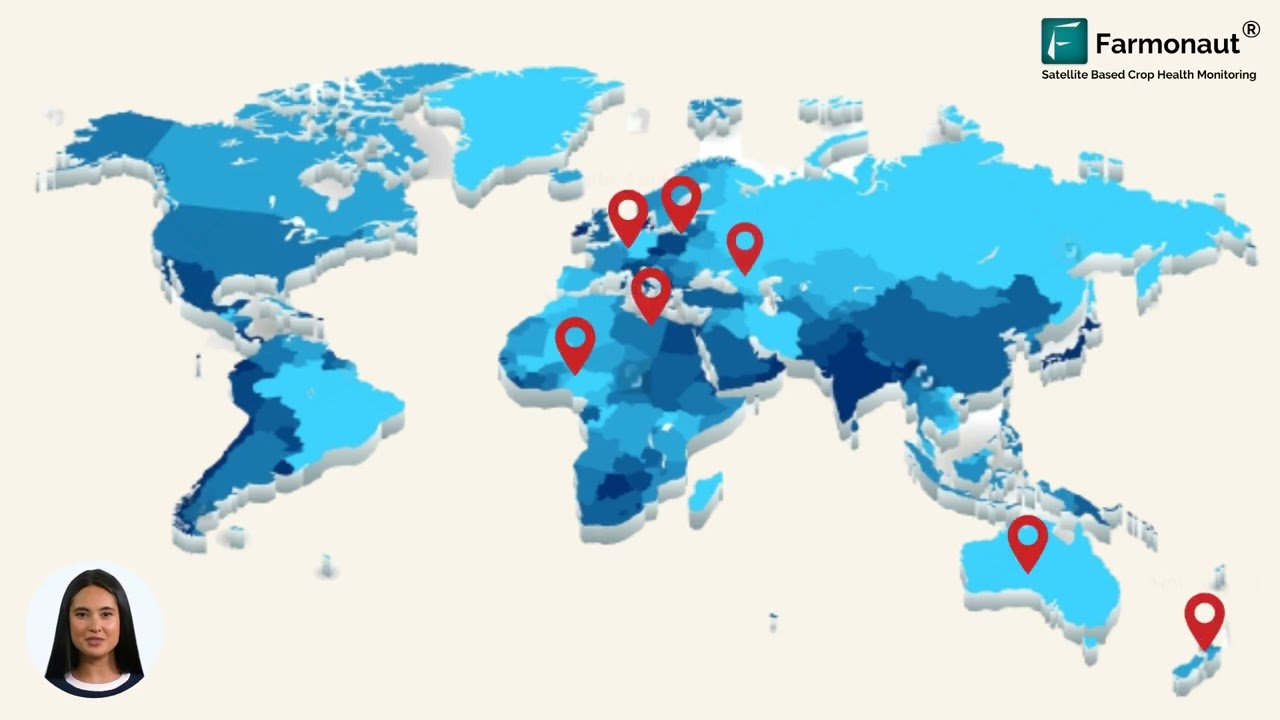
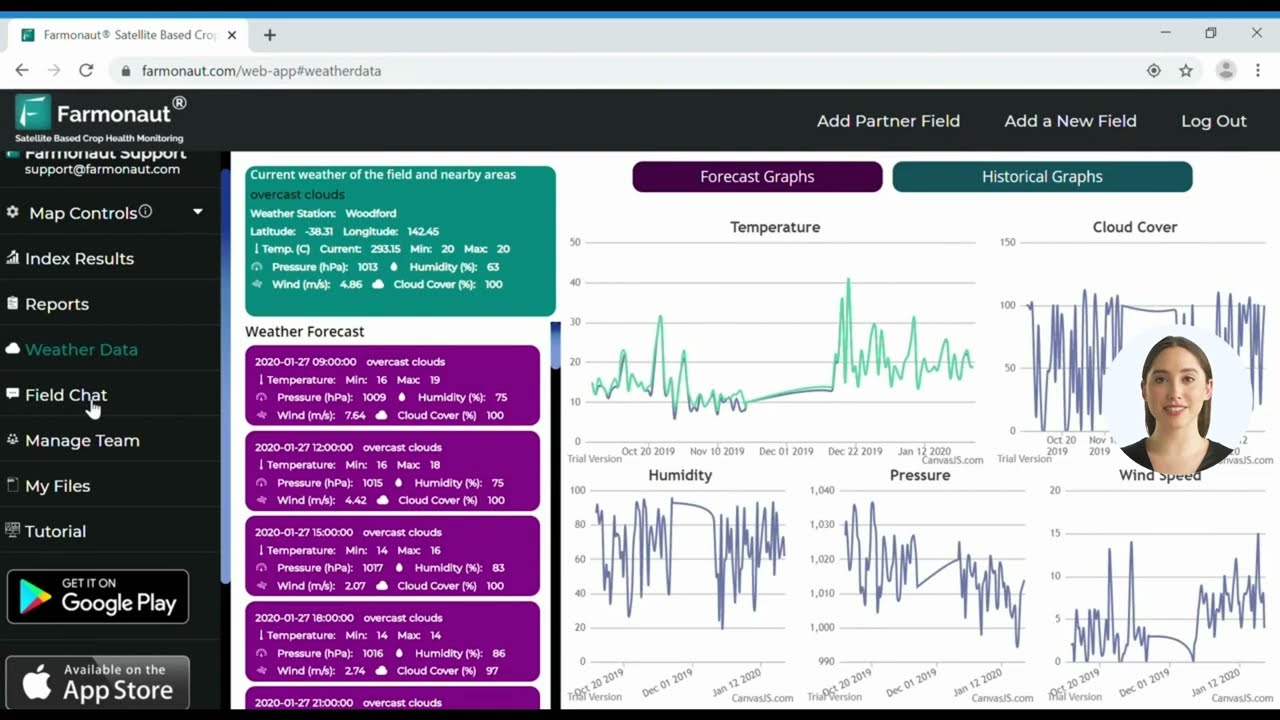
Dairy farmers benefit from precision agriculture tools—such as Farmonaut’s real-time monitoring and advisory systems—to streamline daily operations, control resource use, and ensure products consistently meet the highest standards.
8. Organic Farming: Eco-Leadership & Certification
Organic production is a blossoming segment within German agriculture, reflecting both consumer demand and national ambition to lead in sustainability. The sector grows annually—almost 10% of German farms are certified organic—with a focus on soil health, eco-friendly pest management, and animal welfare.
- 🌿 Principles: No artificial fertilizers, reduced chemical inputs, high biodiversity
- ♻ Certification: Adopts EU organic standards—traceable from farm to shelf
- 📈 Export: Rapid growth in both domestic consumption and international markets
German organic products command a premium due to their documented sustainable practices and traceability.
- 🌏 Curious about how to certify your harvest or product as organic and traceable internationally?
Check out our Blockchain Traceability Product Page for transparent record keeping and market access tools.
Soil health, carbon management, and wildlife corridors are essential elements of German organic agriculture, connecting traditional stewardship with modern standards.
9. Forestry & Timber: Biodiversity & Resource Management
Forestry is a vital—and often overlooked—component of Germany’s agricultural resources. Managed forests provide timber, fiber, and even energy while supporting biodiversity and carbon sequestration.
- 🌲 Scale: Forests cover more than 30% of Germany’s land and are a principal supply of sawn wood and wood pellets.
- 🌍 Certification: Most German forests are FSC or PEFC certified, reflecting the nation’s environmental stewardship.
- 🪵 Diversification: Besides wood, forests contribute to eco-tourism and watershed management.
Modern forestry management practices maintain biodiversity and ensure that timber harvests are resource-efficient and sustainable.
- 📊 Digital forestry monitoring platforms improve planning and minimize risk of over-exploitation.
- 🌱 For plantation and forest advisory tools, see:
Farmonaut’s Plantation & Forest Management Advisory Page

10. Connected Infrastructure: Innovation, Technology & Digital Tools
Underpinning Germany’s agricultural success story is a commitment to digital infrastructure, supply chain logistics, and agricultural research. Research institutions, farmer cooperatives, and advisory networks facilitate the rapid adoption of precision agriculture and sustainable management systems.
- 📌 Innovation Nodes: Germany’s sprawling network of universities and research hubs bridges industry and practical farming.
- 🚜 Precision Tech: From drones and soil sensors to satellite imagery and AI-powered apps, new solutions improve risk management and maximize yields.
- 🔗 Traceability: High-standard traceability systems define quality assurance from farm to fork.
- 📈 Market Access: E-commerce and digital market platforms boost farmer income and widen export reach.
Farmonaut’s digital advisory, real-time monitoring, and blockchain-based traceability services provide valuable technological support for precision agriculture, carbon footprinting, and resilient, responsive food systems in Germany and beyond.
Ready to integrate next-generation fleet management and farm management dashboard into your operations? Farmonaut’s modular platform delivers efficiency at every scale.



Which farm machinery brands come from Germany?
Two of the best-known makers of large farm machinery are German. CLAAS builds its self-propelled harvesters, including combines and forage harvesters, in Harsewinkel, Germany, where the group is headquartered (source). Fendt was founded in 1930 by Xaver Fendt in Marktoberdorf, Bavaria, and is best known for its tractors. It has been part of AGCO since 1997 and still builds most of its tractors in Marktoberdorf (source). If you are researching “German farming tools”, these two are the usual starting point for combines and tractors.
Highlight Boxes & Visual Lists: German Agriculture in Focus
- ✔ Satellite-based crop health monitoring
- ✔ Remote soil moisture sensing
- ✔ Blockchain traceability for food supply
- ✔ AI-driven advisory systems for agronomy
- 🍞 Bread and bakery products (from wheat, rye)
- 🥓 Processed meats including sausages
- 🧀 Cheese (Gouda, Emmental, Quark)
- 🥔 Potato-based goods
- 🍏 Apple juice and jams
- ✔ Diversifying crops
- ✔ Integrating cover crops for soil enrichment
- ✔ Regularly monitoring weather patterns using digital platforms
- ✔ Utilizing e-commerce for broader market reach
Farmonaut’s Support for Sustainable Agriculture
At Farmonaut, our mission is to empower German farmers, agri-businesses, and governments with affordable access to advanced satellite technology, real-time monitoring, and AI-driven advisory systems for sustainability, risk management, and competitive productivity.
- ✔ Satellites and AI: Our platform leverages multispectral satellite images, AI, and blockchain to deliver insights into crop health, soil conditions, and resource use.
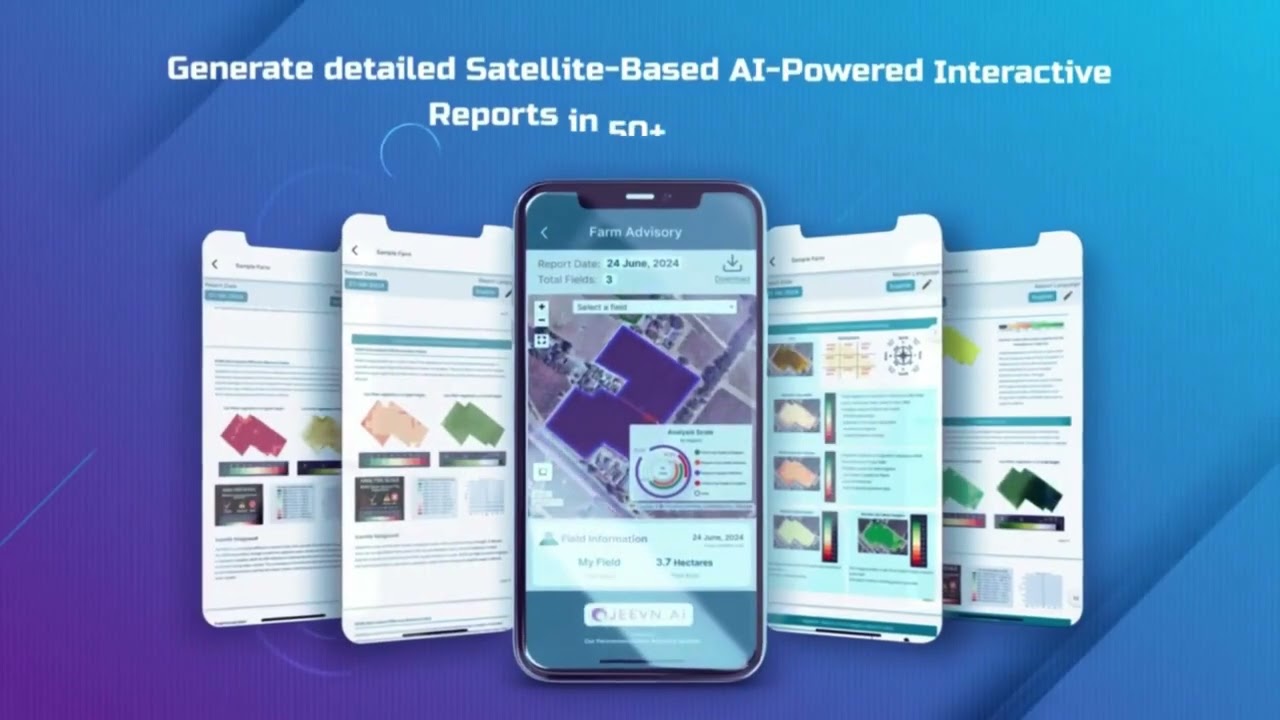
- ✔ Jeevn AI: We offer customizable AI-based guidance for integrated mixing of weather data, field status, and yield predictions.
- ✔ Traceability: End-to-end, blockchain-backed tracking for German agricultural products—ensuring compliance, transparency, and fraud minimization.
- ✔ Fleet & Resource Management: Our digital tools improve logistics efficiency and support safe, sustainable operations.
With modular subscription packages for individuals, businesses, and government entities—and robust API access (see our API page and developer documentation)—our solutions scale to meet the evolving needs of the entire German agricultural sector.
Subscribe to Farmonaut’s powerful analytics suite for real-time farm management, environmental monitoring, and sustainable growth:
FAQ: German Agriculture Facts & Products
1. What are the top crops in Germany?
The leading crops include wheat, barley, rye, potatoes, rapeseed, corn, and sugar beets.
These form the backbone of both domestic markets and export-oriented food supply chains.
2. How does Germany support sustainable agriculture?
Through crop rotation, precision input management, water-saving technologies, organic farming, and rigorous food safety and traceability standards. The country also promotes eco-labeling and incentivizes biodiversity.
3. Why is livestock production significant in Germany?
Pork, beef, dairy, and poultry underpin Germany’s food system. They benefit from efficient breeding, feed optimization, and animal welfare regulations, allowing Germany to be a major exporter while maintaining rigorous domestic food safety controls.
4. What is the share of organic farms in Germany?
Nearly 10% of German farms are organic, with the sector growing annually. These farms use no synthetic inputs and are leaders in eco-friendly practices.
5. How does technology improve German agriculture?
Modern agronomy, soil and crop monitoring, AI-driven advisory, and blockchain traceability drive risk management and optimize input use across the German agricultural sector. They increase productivity, sustainability, and global competitiveness.
Conclusion: Germany’s Agricultural Sector at the Forefront of Sustainability & Quality
The top 10 German agriculture facts and products illustrate why Germany is a leader in sustainable, innovation-driven farming. By embracing precision agriculture, resource efficiency, and environmental stewardship, German farmers and agri-businesses deliver premium-quality crops, vegetables, dairy, meat, fruits, and timber for both domestic and international markets.
Strong infrastructure, forward-thinking policy, and rapid technology adoption—such as those offered by Farmonaut’s satellite-based platforms—underpin the sector’s long-term resilience and its contribution to global food security. By safeguarding natural resources for future generations, the agricultural products of Germany become synonymous with trust, sustainability, and unmistakable quality.
For those aiming to engage with or learn from German agriculture, the lesson is clear: innovation and stewardship go hand in hand.
Discussion
Questions, corrections or field experience? Share them below. First-time comments are reviewed before they appear, and your email is never published.
No comments yet. Be the first to add a question or your experience.

 Sun Palm Australia
 Grandstream Algérie
 XOS Realty
 Geospatial Lab Africa
 KhetiBuddy
 Agro La Gándara
 HIPSAC
 ZOL Zimbabwe
 Juligerm
 AdBio
AdBio MISE Maroc
 NWNS
NWNS Red August Group
 Farm Inc
 WeMe Global
 Agrotoken
 Blue BearX
 Insignito
 Croptimum
 DnCubed
 Licence holder · Niger · Gold
 Licence holder · Nigeria · Gold + lithium










