

Kentucky Agricultural Products: Top 2026 Facts & Crops
“Kentucky farmers use precision agriculture to manage over 2 million acres of corn and soybeans annually.”
Kentucky Agriculture Products: Overview
Kentucky’s agricultural landscape has always stood as a robust blend of tradition and innovation, reflecting the dynamic history and modern achievements of this remarkable state. Nestled along the fabled Bluegrass region, Kentucky is renowned for its fertile soils, diverse climates, and rolling topography, providing an ideal environment for a dynamic array of crops, livestock, specialty grains, and thriving forestry operations.
- ✔ Kentucky agricultural products are the backbone of rural life, underpinned by advanced practices and centuries-old traditions
- 📊 1 in 6 jobs in the state is directly or indirectly linked to the agricultural economy
- ⚠ Water conservation and soil health are ongoing priorities amidst climate variability
- ✔ Precision farming and AI-driven management tools are key innovation drivers for 2026 and beyond
- 📊 Kentucky’s agricultural output continues to support both local consumption and national exports
The story of agriculture Kentucky is one of adaptability and resilience. As stewards of the land, Kentucky farmers have embraced a technology-forward approach, leveraging precision agriculture, satellite-based monitoring, and conservation programs to boost productivity while safeguarding natural resources.

Start Real-Time Satellite Monitoring with Farmonaut’s App
Kentucky Agricultural Landscape Trivia
“Forestry covers 48% of Kentucky’s land, with modern tech boosting sustainable timber and specialty grain yields.”
Visual List: What Makes Kentucky Agri Landscape Unique?
- Fertile Soils Along Bluegrass Region: Home to some of the richest pastures in the country
- Dynamic Mix of Crops, Livestock, & Forestry: Supporting a blend of traditional and emerging products
- Innovation in Conservation & Soil Health: Progressive environmental stewardship programs in action
- Diverse Climates & Microregions: From Appalachian hills to central pastures and riverine valleys
- Direct Market Resilience: Farmers markets, farm-to-table, and CSA initiatives flourishing
Agricultural Products & Innovation Summary Table
Below you’ll find a data-driven snapshot of Kentucky’s top agricultural products in 2026—comparing estimated production, their role in the state’s output, the main precision agriculture solutions applied, and proven sustainability impacts. This comparative view highlights the state’s commitment to both production excellence and environmental responsibility, underpinning its regional identity and economy.
| Crop Name | Estimated 2026 Production Value (USD million / Tons) | % of State Agricultural Output | Main Precision Agriculture Practice Used | Sustainability Impact |
|---|---|---|---|---|
| Corn | $780M / 210M bushels | 21% | Drought-Resistant Hybrid Adoption, Drone Mapping | Water Use Reduction, 17% Yield Increase |
| Soybeans | $650M / 95M bushels | 19% | Variable-Rate Fertilization, AI Disease Detection | Reduced Nitrate Runoff, Improved Oil Content |
| Forestry Products | $660M / 7M tons timber | 18% | Satellite Forest Monitoring, GIS Stewardship | Biodiversity Gains, Erosion Control |
| Specialty Grains | $120M / 1.2M tons | 4% | Smart Irrigation, Blockchain-Based Traceability | Resilient Markets, Carbon Sequestration |
| Beef Cattle | $780M / 1.01M head | 21% | Rotational Grazing, Satellite Pasture Analysis | Soil Structure Improvement, Reduced GHG Emissions |
| Poultry | $975M / 295M broilers | 25% | IoT-Enabled Climate Control | Efficiency in Feed Use, Emission Reduction |
| Dairy | $185M / 1.2B lbs milk | 5% | Sensor-Based Milking, Nutrient Management | Decreased Antibiotic Use, Manure Optimization |
| Fruits & Berries | $55M / 47K tons | 3% | Precision Spraying, Smart Greenhouse Systems | Pollinator Habitat, Reduced Chemical Use |
Kentucky stands out nationally by coupling high-value agricultural outputs with modern precision practices. Investment in satellite monitoring and smart irrigation drives water savings, boosts yields, and enhances farm and forest traceability—all major agriculture Kentucky trends into 2026.

Key Crops and Grains in Kentucky Agriculture
Crops and fields form the backbone of agriculture Kentucky. While corn and soybeans remain the staples, supporting both consumption and as essential feedstocks for livestock and bio-based products, the focus in 2026 is on boosting yields with less environmental impact and optimizing land use.
Corn: Powering Food, Feed, and Kentucky’s Distillery Identity
- ✔ Kentucky’s corn production leverages drought-resistant hybrids and precision agronomy tools—including large-scale farm management systems for yield mapping and irrigation optimization.
- 📊 Average yields: 170-190 bu/ac (rising in central “corn belt” counties)
- ✔ Used for livestock feed, bourbon production, sweeteners, ethanol, and food products
- 📊 Supported by real-time crop health monitoring and fertilization advice via satellite data
Soybeans: Multimarket Demand and Regional Supply Chains
- ✔ Soybeans are vital to feed industries, providing meal, oil, and high-protein feedstock
- 💡 Farmers adopt AI diagnosis of disease pressure and satellite-based weather insights for improved plant health
- ⚠ Risks: Variable rainfall, pest outbreaks, and market volatility due to global trade
- 📊 Expanded exports alongside stable domestic demand
Pro Tip

Beyond Corn & Soybeans: Specialty Grains, Oats, Wheat, and Barley
As beyond the “big two” approach gains momentum, Kentucky sees rising acreage in oats, wheat, barley, specialty grains, and cover crops. These grains improve soil structure, fight erosion, and provide buffer income for rural farms.
- ✔ Cover crops and forages are expanding rapidly, especially in Bluegrass belt and eastern topography
- 📊 Farms adopting precision seeders and smart irrigation have seen an average 9% increase in soil organic matter and erosion reduction
- ✔ Specialty grains supply the bourbon and craft whiskey industry, adding value to the supply chain
Specialty and heritage grains offer rapid growth segments. Demand from distillers, local breweries, and health-food supply chains could mean opportunity for new storage, traceability, or blockchain-based recordkeeping solutions. Learn how Farmonaut’s traceability platform ensures transparent grain provenance.

Tobacco: Heritage, Value-Added Forms, and Niche Markets
Once the dominant crop, tobacco has declined in acreage but persists in specialty, value-added forms and remains important to the state’s agricultural heritage. Today, tobacco is grown on fewer acres with high traceability demand, often using modern monitoring to comply with export and quality standards.
- ✔ Niche uses: Premium cigars, organic blends, and heritage catalogues
- ⚠ Reduced use of chemicals and increasing demand for sustainable compliance
Livestock – The Pillar of Kentucky Farming
Kentucky’s pastures and forage-based systems underpin a thriving livestock sector. Beef cattle, poultry, hogs, and dairy represent the state’s top agricultural products beside the leading grains, contributing significantly to rural income and supporting robust regional supply chains.

Download Farmonaut Android App for Crop Insights
Beef Cattle: Thriving on Kentucky’s Mixed Grass Pastures
- ✔ Beef cattle herds thrive on resilient, nutrient-rich pasturelands using rotational grazing and enhanced forage yields
- 📊 Adoption of remote satellite pasture monitoring improves weight gains and herd health
- ✔ Calf-cow systems, feedlots, and premium niche beef (e.g., grass-fed, heritage breed, organic) supply both regional and national markets
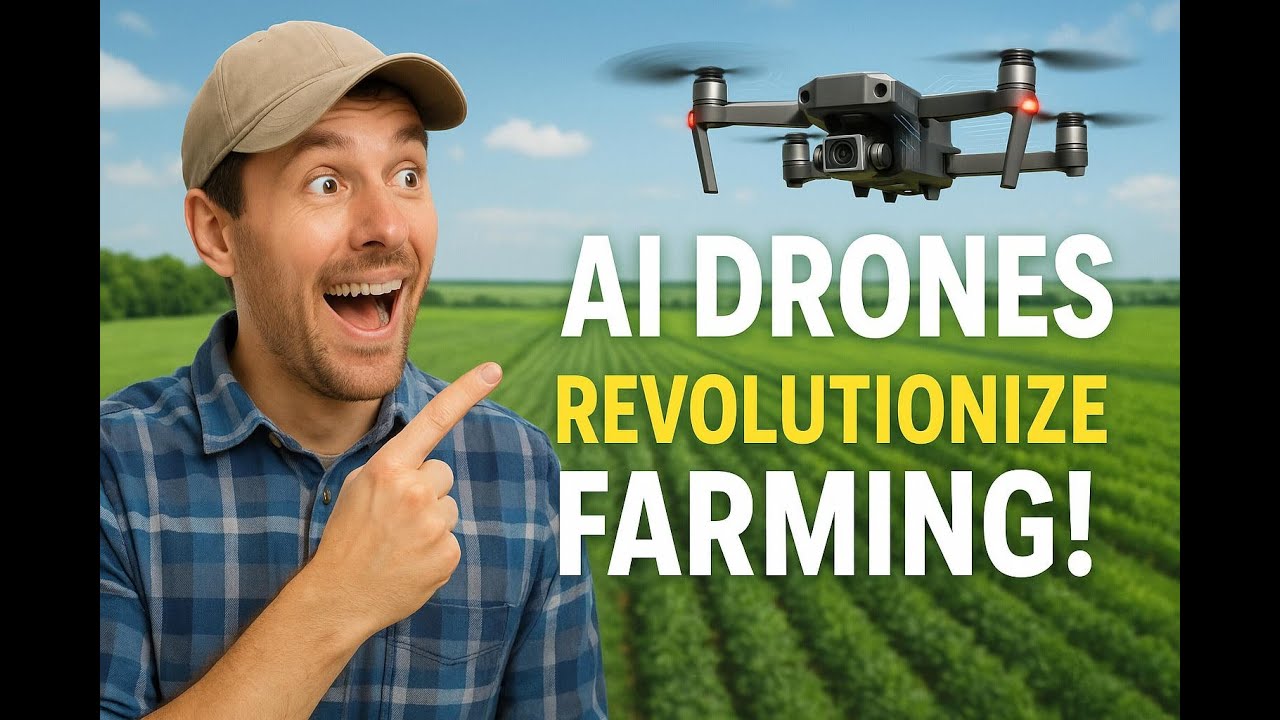
Poultry and Hogs: Farm Income and Modern Feed Supply
- ✔ Poultry (broilers, eggs, turkeys) is the largest single livestock sector by value in Kentucky
- 📊 Poultry operations use smart sensors, IoT-enabled climate control, and automated feeding for efficiency and animal health
- ✔ Hog operations: Supported by local soybean meal/feed processing for optimized feed conversion
- ⚠ Biosecurity and traceability solutions (see Farmonaut’s traceability tools) are increasingly essential for food safety
Dairy: Steady Presence and Regional Distribution
- ✔ Dairy cooperatives and family-scale operations distribute fresh milk, cheese, and value-added dairy products
- 📊 Smart milking, precision nutrient management, and blockchain certification adopted on progressive farms
- ✔ Demand for artisanal cheeses, niche breed dairy (Jersey, Ayrshire, heritage breeds) is increasing
Niche Livestock and Aquaculture: New Markets Emerging
- ✔ Aquaculture, pastured pork, and specialty meats gaining market share alongside grass-fed or heritage breed options
- ✔ Producer cooperatives use blockchain traceability for differentiation and consumer trust
- ⚠ Regulatory pressure is growing around traceability and environmental compliance

Kentucky Forestry Products & Land Stewardship
Nearly half of Kentucky’s territory is woodland or managed forest. This not only supports timber, pulpwood, and specialty hardwoods but also delivers ecosystem services—from erosion control and carbon sequestration to wildlife habitat.
- ✔ Sustainable forest stewardship is achieved through reforestation, selective cuts, and precision mapping
- 📝 Programs emphasize ecosystem resilience, rural job creation, and supply of bioenergy feedstocks
- ✔ Landowners use remote satellite assessment to monitor timber yield and track soil health
- ✔ Engineered wood and value-added forest products (flooring, crafts) contribute to rural livelihoods
- ⚠ Restoration programs in Appalachian counties address legacy mining, land degradation, and water quality

Forest and agricultural land use increasingly intersect. Remote sensing and satellite data now guide decisions not just for harvests, but for fire risk mitigation, erosion control, and timber certification.
Specialty and Value-Added Products
Kentucky is celebrated for its bourbon—the heart of the state’s value-added market. Yet, specialty products—from apples and berries to organic produce and artisanal foods—offer both direct-to-consumer income and new export opportunities.
Bourbon & Craft Spirits: Linking Crops to Kentucky’s Distilling Renown
- ✔ Bourbon producers rely on Kentucky-grown corn, rye, and wheat; traceability of grains is increasingly demanded for premium brands
- ✔ Blockchain and satellite auditing validate “KY origin” and sustainability claims (see Farmonaut traceability)
Fruit, Vegetable, Greenhouse & Niche Crop Production
- ✔ Apples, peaches, blackberries, strawberries, pumpkins, and melons grown across central to eastern Kentucky
- ✔ Greenhouse crops, CSA programs, and farmers markets complement row crop and livestock operations
- 📊 Highly popular in regions close to Lexington, Louisville, Bowling Green
- ✔ Price premiums and market resilience through direct-to-consumer, farm-to-table, and subscription sales
- 🌱 Niche products: Farmstead cheese, artisanal honey, heritage-breed meats, and organic grains
- ✔ Enhanced sustainability from reduced transport, local supply, and pollinator programs
Fresh produce operations can gain a competitive edge by leveraging Farmonaut’s API and developer documentation to integrate advanced traceability and weather insights directly into farm management software.

Modern Precision Agriculture in Kentucky
The modern face of Kentucky agriculture is defined by precision, data, and resource optimization. We are in the midst of a technological leap—where multispectral satellite imagery, AI-driven disease detection, variable-rate application, and blockchain-based management have become standard for leading operations in 2026, supporting both production and long-term sustainability.

Get Farmonaut iOS App – On-the-Go Ag Insights for Kentucky Fields
Visual List: Modern Tech Practices for Kentucky’s Fields and Forests
- Satellite crop and forest monitoring for real-time vegetation health (e.g., NDVI)
- Drone mapping and precision field scouting for timely response to drought, pest, or input inefficiencies
- AI-driven advisory delivering field-specific irrigation, nutrient, or fungicide guidance
- Blockchain traceability end-to-end for supply chain transparency
- IOT climate and automated machinery for poultry, dairy, and greenhouse climate control
Pro Tip
Farmonaut Technologies Driving Innovation
At Farmonaut, we enable Kentucky farms and woodlands to thrive in a data-driven world by democratizing advanced satellite solutions. Our platform delivers AI-powered, real-time monitoring, blockchain-based traceability, and resource management designed for agriculture Kentucky, forestry, and environmental compliance.
- ✔ Satellite Monitoring: Analyze crop, pasture, and forest health to improve yields and sustainability
- 📊 Jeevn AI Advisory: Weather adaptation and field-specific guidance for droughts, pests, and compliance requirements
- ✔ Blockchain Traceability: Transparent records from field to table, boosting consumer and regulatory trust
- ✔ Environmental Impact: Track carbon, monitor erosion, and optimize resource use with our carbon footprinting suite
- ✔ Financing and Insurance: Satellite-based farm loan and insurance verification (explore our crop loan services)
- ✔ Fleet Management: Optimize agricultural, forestry, and infrastructure equipment using satellite fleet data (see how)
Kentucky Agriculture Facts – 2026 and Beyond
- ✔ Kentucky supports 75,000+ farm operations, the majority family-owned
- 📊 Forestry, livestock, and grain output collectively underpin a $6.8B+ annual agricultural economy
- ✔ Average farm size: 164 acres, with a dynamic blend of small, diversified, and expansive commercial operations
- 🌎 Exports include grains, livestock products, bourbon, specialty foods, and timber—extending Kentucky’s rural impact internationally
- ✔ Conservation and soil health grants are at all-time highs in 2026, incentivizing technology adoption and resilience planning
Rural Infrastructure Supporting KY Agriculture
Modern Kentucky agriculture depends on robust rural infrastructure—from grain elevators and cold storage to irrigation systems and regional processing plants. Strategic investments have transformed the state’s ability to handle postharvest logistics, drought resilience, and product flow.
- ✔ State investments: Upgrades to rural water networks, farm roads, and broadband empower technology-enabled farming
- ✔ Storage and distribution: Cold chain and regional processing give specialty grain, vegetable, and dairy operations new markets
- ✔ Farm-to-table, CSA, and agritourism: Direct market channels create price stability and consumer loyalty for Kentucky farms
- 😃 Stewardship programs, supply chain efficiency, and disaster preparedness set the state apart from its regional peers
Conservation Programs and Environmental Resilience
The future of agriculture Kentucky depends on balancing productivity and conservation. Emphasis is placed on programs that promote soil, water, and pollinator health—often leveraging AI and remote sensing to guide best practices from Appalachian woodlands to central pasturelands.
- ✔ Cover crops, field borders, and pollinator strips reduce erosion, increase yields, and enhance biodiversity
- ✔ Water quality programs: Smart irrigation and runoff management for compliance and downstream health
- ✔ Blockchain-enabled ecosystem credits for verified carbon sequestration and soil health
- ✔ Reforestation and woodland enhancement programs stabilize hillsides and restore post-mining land
Kentucky leads with precision conservation: real-time data tracks nutrient runoff, field moisture, and carbon stocks, while AI integrations help farmers optimize yield and stewardship goals at once.
Kentucky’s Robust Economy Powered by Agriculture
A strong, tech-enabled Kentucky agricultural economy is about more than just crops and cattle. It’s a dynamic mix of export-ready grains, specialty and value-added products, timber, direct market produce, and monitoring solutions that collectively underpin the rural identity of the Bluegrass State. By 2026, Kentucky’s farmers are recognized as forward-thinking stewards—grounded in tradition, guided by innovation, and prepared for the climate challenges of the future.
Summary List: Trends Shaping Kentucky Agriculture in 2026
- ✔ Field and remote monitoring adoption at all-time highs for both crops and livestock
- 🌟 Specialty grains, heritage breeds, and direct market foods outpacing national averages
- 🔗 Traceability and carbon verification adding value along the entire supply chain
- 🌧️ Drought and flood risk analytics drive climate adaptation funding, insurance, and lending
- 📱 Data-driven stewardship and environmental compliance incentivized via government programs
Frequently Asked Questions – Kentucky Agriculture Products
Q1. What are Kentucky’s top agricultural products in 2026?
Answer: Corn, soybeans, forestry products, beef cattle, poultry, dairy, specialty grains, and value-added niche products such as bourbon and artisanal cheese lead the list in both production value and economic contribution.
Q2. How is technology changing farming and forestry in Kentucky?
Answer: Statewide, farmers have adopted satellite monitoring, AI-driven advisory systems, blockchain traceability, and IoT-based management to increase yields, cut resource waste, and comply with conservation standards, reflecting a state-of-the-art blend of tradition and innovation.
Q3. What role does bourbon production play in Kentucky agriculture?
Answer: Bourbon is a defining value-added industry, relying on Kentucky-grown corn and specialty grains, supporting farm income through premium contracts, grain traceability, and local supply chains—cementing the state’s identity and rural economy.
Q4. Can specialty and organic farming thrive in Kentucky?
Answer: Absolutely. With rising consumer demand for traceability, quality, and local supply, Kentucky is seeing growth in CSA programs, organic produce, heritage livestock breeds, and direct-to-consumer niche products. Integration of traceability, precision monitoring, and efficient infrastructure helps small farms stay profitable.
Q5. Where can farmers or agribusinesses access real-time satellite monitoring?
Answer: Farmonaut offers satellite crop, pasture, and forest monitoring solutions through Android, iOS, and web-based apps, as well as APIs for third-party software integration, making real-time data, resource management, and traceability universally accessible.
Explore more. Farm smarter. Kentucky’s agricultural future is bright—rooted in stewardship, powered by innovation.
Discussion
Questions, corrections or field experience? Share them below. First-time comments are reviewed before they appear, and your email is never published.
No comments yet. Be the first to add a question or your experience.

 Sarvome
 Polaris Digitech
 Teledarbas
 Wild Oak Farm
 SFX
SFX BACF Africa
 Doodlakine
 Exurbia Geospatial
 FieldZero
 Indico Company
 Kubota
 FFBS
FFBS Jontra
 Licence holder · Niger · Gold










