

Drone Surveying Breakthroughs: 7 Powerful Benefits for 2026
“By 2025, drones will conduct up to 85% of land surveys in agriculture, mining, and infrastructure projects.”
Introduction: The 2026 Drone Surveying Revolution
In 2026, we are witnessing a transformation across industries driven by the integration of drones and surveying technologies. Compared to traditional surveying methods, the use of drones for land surveying is now a standard practice, offering unprecedented efficiency, accuracy, and safety. From agriculture to forestry, mining to infrastructure development, the rapid adoption of surveying drones is revolutionizing how we manage land, resources, and operations.
Drones equipped with advanced sensors like LiDAR (Light Detection and Ranging), high-resolution cameras, multispectral and thermal imaging technologies now facilitate the collection of detailed geospatial data even in the most challenging terrains. As we step into this new era, let’s explore the seven most powerful benefits that drone surveying is bringing to the table in 2026, shaping smarter, safer, and more sustainable industries worldwide.
How Drone Surveying Technology Has Transformed by 2026
The journey of drones and surveying over the past years reflects dramatic changes. Initially seen as an experimental or supplementary tool, surveying drones are now integral to mission-critical operations. Their technological advancements have set new industry standards:
- Integration of Advanced Sensors: Modern surveying drones are equipped with LiDAR, multispectral cameras, thermal imaging, and even AI-enabled onboard computers to process and analyze data on the fly.
- AI and Machine Learning: Automated analytics, real-time decision-making, and anomaly detection allow for smarter monitoring of crop health, soil conditions, forest density, and much more.
- Cloud Integration: Collected geospatial data is seamlessly transferred to cloud platforms for collaborative use, enabling multiple stakeholders to make informed decisions rapidly.
- Improved Range and Endurance: New battery technologies and efficient propulsion extend drone flight time and coverage, making surveys of vast areas feasible in a single flight.
- Enhanced Accessibility: User-friendly software interfaces and comprehensive apps mean that even teams without deep technical backgrounds can operate and benefit from drone mapping and surveying.
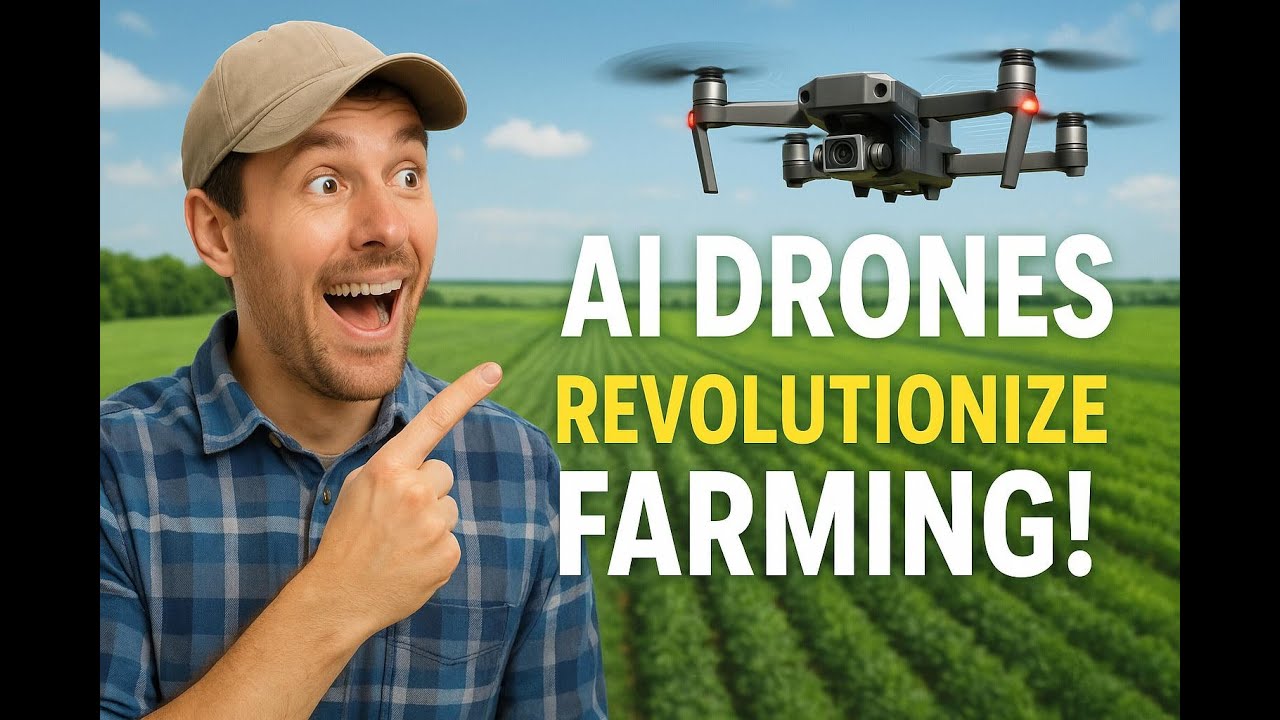
Discover the game-changing role of AI drones in agriculture and how they’re saving farms worldwide with advanced surveying.
Drone Surveying Breakthroughs: 7 Powerful Benefits for 2026
The benefits of using drones for land surveying are multifold and extend across sectors. Each benefit represents a leap over traditional methods by offering increased value, efficiency, and capability—crucial as industries race to keep up with global demands for sustainability and operational excellence.
1. Speed: Rapid Data Collection and Delivery
Perhaps the most immediate advantage of drone land surveying is its speed. Surveying drones complete missions in hours that once took days or even weeks. Advanced sensors and flight automation allow for near-instant collection and processing of data:
- Agriculture: Crop scanning and soil health assessments can be performed in real time, accelerating decision-making during critical planting and harvesting windows.
- Mining: Stockpile management and volume calculations are updated rapidly, supporting continuous operations without production interruptions.
- Infrastructure: Topographic maps and 3D models are generated early and revised as construction progresses, reducing project lead time.
Why it matters for 2026: With increasing project sizes, expedited timelines, and the need for up-to-date geospatial information, rapid data collection is not just convenient—it is essential for competitiveness.

2. Accuracy: Precision in Mapping and Analysis
Drones for mapping and surveying achieve results previously unavailable through traditional surveys. With integrated LiDAR, multispectral, and thermal imaging, surveying drones produce data accuracy within 2 centimeters—a game-changer for landscape modeling, resource allocation, and regulatory compliance.
- Mining: Precise volume calculations, slope stability analysis, and monitoring of pit walls, tailings dams, and extraction sites safeguard operations against errors.
- Agriculture: Accurate plant density maps and soil nutrient assessments enable targeted application of resources, increasing yields and reducing waste.
- Infrastructure: Reliable as-built documentation and change detection minimize costly mistakes and rework.
Why it matters for 2026: As urbanization accelerates and environmental pressures mount, accurate, actionable data supports smarter planning, compliance, and sustainable development.
“Mapping accuracy with advanced drone surveying can now reach within 2 centimeters, revolutionizing project planning by 2026.”

3. Safety: Operational Risk Reduction
One of the most significant advantages of drone surveying is the ability to access hazardous or hard-to-reach areas without risking human life. This applies directly to operations in mining, forestry, and post-disaster infrastructure assessment.
- Mining: Automated flights over unstable pit walls or high-potential landslide areas ensure continuous monitoring with zero human exposure.
- Infrastructure: Bridges, dams, and earthquake-affected buildings can be inspected from above, reducing the need for manual climbs.
- Forestry: Remote mapping of dense forests prevents human encounters with dangerous wildlife or treacherous terrain.
Why it matters for 2026: In the face of tighter labor safety regulations and a focus on worker well-being, eliminating exposure to dangerous zones is both ethical and cost-effective.

4. Efficiency: Streamlined Workflows & Project Acceleration
Surveying drones not only make mapping faster but also simplify entire project workflows. From site assessments to ongoing progress monitoring, drones reduce manual labor and administrative overhead while enabling real-time updates:
- Infrastructure Development: Orthomosaic images and 3D models created using drones support fast progress checks, damage inspections, and timeline management.
- Agricultural Operations: Seamless integration with large-scale farm management apps for rapid crop health updates, irrigation monitoring, and harvest scheduling.
- Mining: Automated data updates allow for continuous tracking of extraction site changes, resource allocation, and equipment usage.
Why it matters for 2026: As project complexity increases and resources become scarcer, streamlining operations is essential for profitability and success.

5. Accessibility: Unlocking Hazardous and Hard-to-Reach Areas
Whether deep in dense forests, steep ravines, or unsafe post-disaster sites, modern surveying drones access areas previously beyond the reach of ground teams.
- Forestry Management: Monitoring tree canopy, disease spread, and density in untraversable forests.
- Agriculture: Surveying large plantations or remote fields for pest outbreaks and irrigation faults without manual exploration.
- Infrastructure: Rapid assessment of bridges, highways, or buildings after earthquakes, floods, or other natural disasters.
Why it matters for 2026: As climate events increase, rapid and safe data acquisition from inaccessible areas supports faster recovery and better resource management.
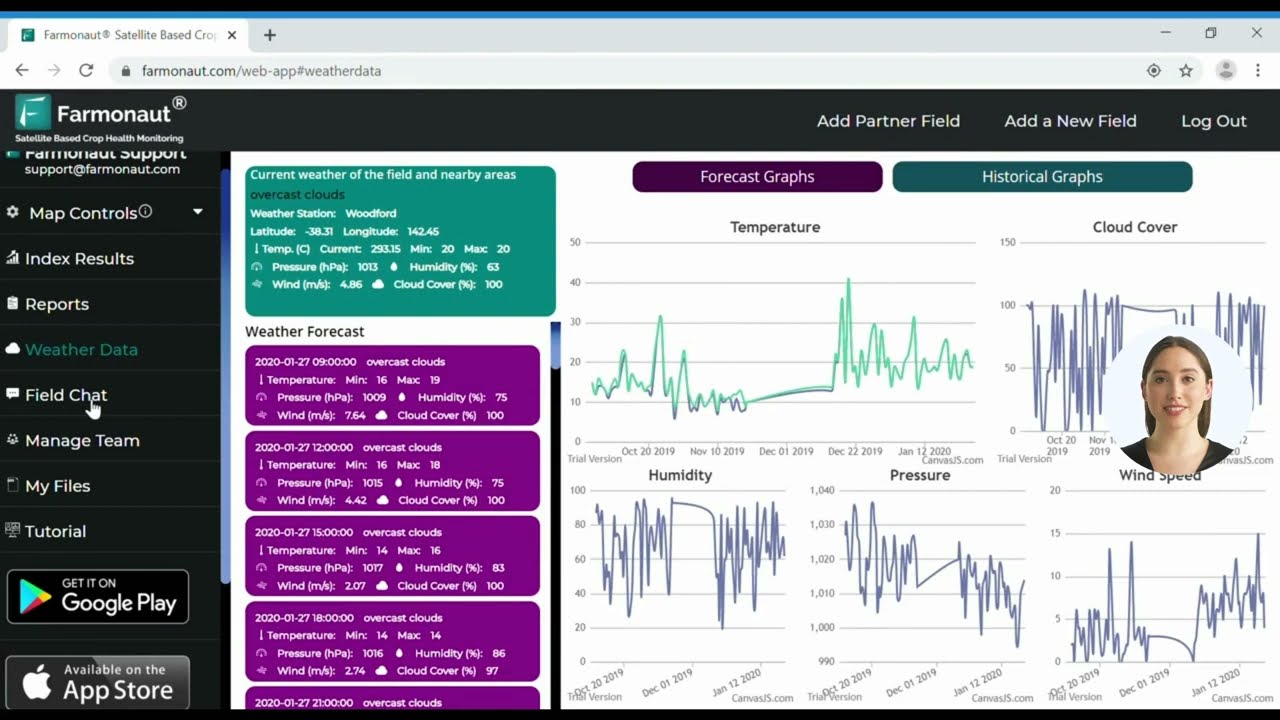
6. Environmental Sustainability
Drone surveying plays a critical role in promoting environmental sustainability. By providing precise geospatial data, drones enable better land-use planning and minimal disruption to natural habitats.
- Forestry: Surveillance of deforestation rates, mapping of tree cover and health, supporting reforestation efforts, and monitoring carbon sequestration.
- Mining: Assessment of restoration, compliance with environmental regulations, and tracking the impact of extraction activities.
- Agriculture: Identifying overused land, soil erosion, and optimal zones for sustainable crop rotation.
For organizations wishing to track carbon footprint or showcase compliance, check out our carbon footprinting solutions which integrate drone and satellite insights for superior environmental reporting.
Why it matters for 2026: With stricter global regulations and public demand for sustainability, industry players must demonstrate active environmental management—and drones and surveying are at the forefront of this shift.
7. Cost Effectiveness
Drone surveying brings significant cost savings over traditional surveying:
- Fewer personnel and equipment rentals, lowering upfront operational costs.
- Reduced project delays and fewer re-surveys due to enhanced accuracy and speed.
- Minimized travel and insurance expenses as most surveys are performed remotely.
With the growing availability of surveying drones for sale and fleet management tools for efficient drone use, investing in this technology is increasingly affordable—even for small and medium-sized enterprises.
Why it matters for 2026: In a competitive, cost-sensitive market, every edge counts. Drone surveying not only reduces expenses but frees resources for analysis, innovation, and growth.

Comparative Benefits Table: Drone Surveying vs. Traditional Methods
| Benefit | Description | Estimated Improvement with Drones | Industry Application | 2026 Projected Impact |
|---|---|---|---|---|
| Speed | Rapid collection and delivery of geospatial data | 60–90% faster than traditional methods | Agriculture, Mining, Infrastructure | Expedited planning, reduced project delays |
| Accuracy | High-precision mapping and analysis tools (LiDAR, multispectral) | Up to 30% more accurate (within 2cm) | All sectors | Fewer errors, more reliable outputs |
| Safety | Remote surveying reduces exposure to dangerous sites | Up to 95% reduction in on-site risk | Mining, Infrastructure, Forestry | Fewer accidents, improved compliance |
| Efficiency | Streamlined workflows, real-time project management | Reduces manual input by 40–70% | All sectors | Shorter project cycles, increased productivity |
| Accessibility | Surveys in hazardous or remote areas, post-disaster inspection | Enables surveys in 100% of previously inaccessible sites | Forestry, Infrastructure, Agriculture | Improved emergency response, comprehensive land analysis |
| Environmental Sustainability | Supports precise planning and monitoring for minimal environmental impact | 50% reduction in survey-related land disturbance | All sectors | Facilitates compliance, supports sustainable development |
| Cost Effectiveness | Reduced labor, equipment rental, and insurance costs | Total survey costs reduced by 35–65% | All sectors | Lower operational budgets, improved ROI |
Surveying Drones for Sale: The 2026 Market Overview
The market for surveying drones for sale in 2026 has matured into a robust ecosystem with diverse options to meet the unique challenges faced by various industries.
- Quadcopters: Ideal for agile, small-scale agricultural mapping and quick inspections.
- Fixed-wing drones: Favored in forestry and mining for their ability to cover vast areas efficiently.
- Heavy-lift drones: Essential for carrying advanced LiDAR and hyperspectral imaging payloads on large infrastructure or mining sites.
Modern surveying drones are often bundled with software platforms that allow automated flight planning, real-time analysis, and seamless integration with industry-specific management systems.
For developers or organizations seeking to embed satellite and drone data directly into their applications, check out our Farmonaut API and API developer documentation for advanced satellite-driven solutions.
With such a diverse range of options, drones for mapping and surveying have become accessible to both small-scale users and major industry players.



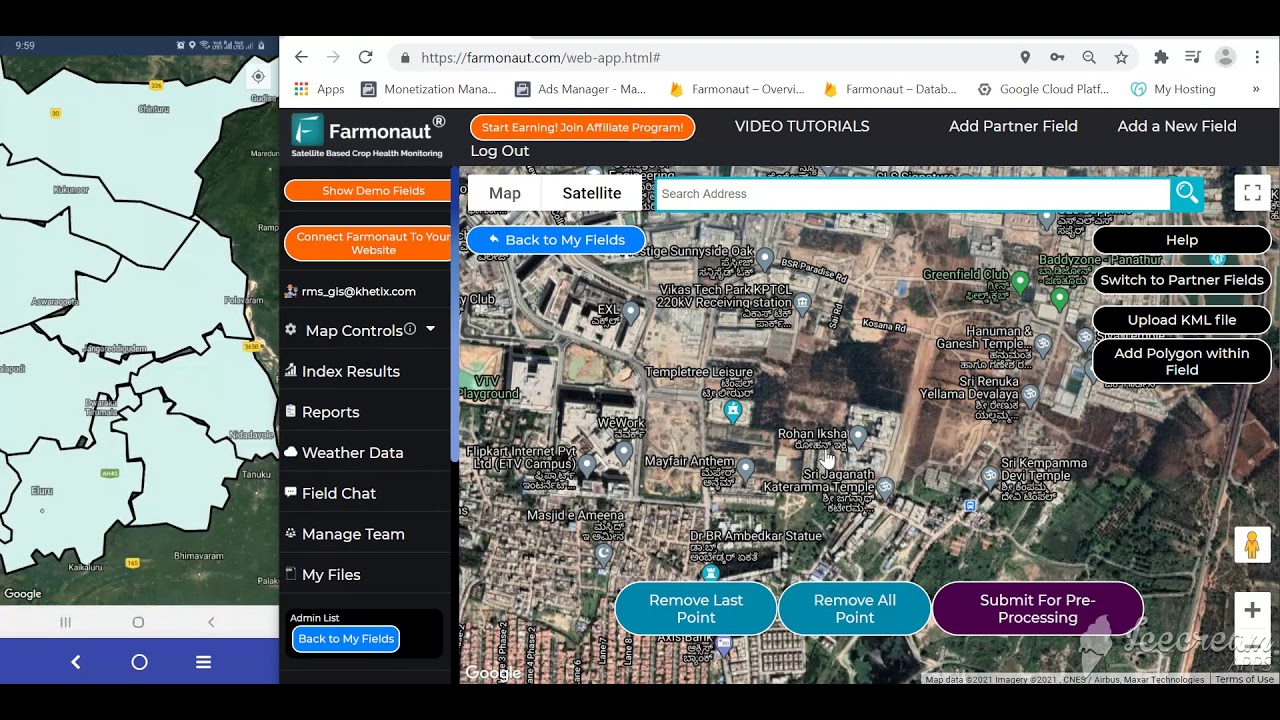
Access leading-edge satellite & drone surveying tools on web, Android, and iOS.
Drone Surveying in Agriculture, Mining, and Infrastructure
The versatility of drone surveying is most evident in its industry-specific applications. Let’s examine how drones are shaping the future of agriculture, mining, and infrastructure development in 2026.
Agricultural Drone Surveying: Smarter Crop and Soil Management
In agriculture, the integration of drone surveying with AI advisory systems is revolutionizing crop health monitoring, soil analysis, irrigation planning, and yield prediction. Drones detect stress, pests, diseases, and nutrient deficiencies in real time via multispectral and thermal imaging.
- Use large-scale farm management apps like Farmonaut’s Agro Admin to monitor every field plot, analyze health indices, schedule interventions, and comply with traceability standards with ease.
- For crop loan or insurance verification, satellite-enabled surveying ensures more accurate, fraud-resistant data. Learn more on crop loan and insurance products.
This approach enables smarter resource management, increased yields, and reduced use of chemicals, contributing directly to sustainability and profitability.
Mining Drone Land Surveying: Enhanced Planning and Safety
In the mining sector, surveying drones are indispensable for:
- Safety monitoring of pit walls, slopes, and tailings dams
- Rapid volume calculations for material extraction and stockpile management
- Fleet and resource management for optimizing machinery and reducing equipment downtime
With real-time data feeds, mining managers can proactively address hazards and align operations with stringent environmental regulations. Drone land surveying also supports mine reclamation planning and long-term site sustainability.
Infrastructure Drone Mapping and Surveying: Project Acceleration
Engineers and planners rely on drone mapping and surveying for:
- Generating high-resolution orthomosaic images and 3D models pre-, during, and post-construction
- Progress monitoring, quality checks, and as-built documentation
- Rapid post-disaster damage inspection in the case of floods, earthquakes, or landslides
Site assessments that once required extensive manual work now happen in hours. For infrastructure operators, this means faster project delivery, increased safety, and reduced liabilities.
Need traceability in materials or construction? Explore blockchain-enabled traceability solutions for trustworthy project records.
Farmonaut: Empowering Industries with Satellite-Based Drone Solutions
As the world pivots to digital-first solutions, Farmonaut empowers industries by integrating satellite monitoring, AI advisory, blockchain traceability, and fleet/resource management. Our platform is accessible via Android, iOS, web app, and API—making advanced geospatial data and drone insights affordable and accessible to all.
- Technologies: Multispectral satellite imagery, AI/ML analytics for crop, mining, and infrastructure monitoring; blockchain for agricultural and mining traceability.
- Business Model: Flexible subscription packages, pay-as-you-grow, and API integration.
- Target Audience: Individual users, SMEs, corporations, government agencies, and financial institutions worldwide.
- Benefits: Enhanced productivity, data-driven planning, sustainable operations, traceable supply chains, and easier access to financing.
Try our web or mobile apps today—just click your preferred option below!
Farmonaut Subscription Plans
Drone Surveying FAQs for 2026
Q1: How accurate are surveying drones in 2026 compared to traditional methods?
Answer: Surveying drones now regularly achieve mapping accuracy within 2 centimeters, outperforming most conventional ground-based surveys. This level of precision allows for highly detailed geospatial data, supporting advanced planning, analysis, and compliance.
Q2: What types of sensors are common in surveying drones today?
Answer: Modern surveying drones are equipped with LiDAR, multispectral, thermal imaging, and high-resolution cameras. These technologies allow for comprehensive data collection in various conditions and terrains.
Q3: Can drone surveying be used for environmental monitoring?
Answer: Absolutely. Drones now enable rapid and precise environmental impact monitoring, from tracking deforestation and reforestation in forestry to monitoring carbon footprint and reclamation activities in mining. Learn more about our carbon footprinting tools here.
Q4: How do surveying drones help with safety in hazardous worksites?
Answer: Surveying drones access areas that are unsafe or inaccessible for humans, such as steep pit walls, damaged infrastructure, or dense forests, removing the need for risky manual inspections and dramatically reducing worksite accidents.
Q5: Can I integrate drone and satellite surveying data into my own software?
Answer: Yes! With the Farmonaut API and developer-friendly docs, developers and businesses can easily import real-time, high-resolution geospatial and satellite data into their custom platforms.
Q6: Are there affordable solutions for small business or individual users?
Answer: The availability of cost-effective surveying drones for sale as well as flexible subscription plans from satellite-driven companies like Farmonaut makes advanced drone surveying accessible to everyone, not just large enterprises.
Q7: How do drones help in crop loan and insurance processes?
Answer: Drones provide irrefutable documentation of crop health and damage, facilitating more accurate, transparent, and fraud-resistant assessments for crop loan and insurance verification. See here for more.
Conclusion: Navigating the Future with Drone Surveying
By 2026, drone surveying has evolved from a specialized technology into a vital, standard solution for agriculture, mining, forestry, and infrastructure. The integration of drones and surveying delivers rapid, accurate, and actionable geospatial data—enabling precision, safety, efficiency, sustainability, and significant cost savings across the board.
From monitoring crop health, mapping forest density, safeguarding miners to optimizing infrastructure projects, drone surveying makes managing our natural and built environments smarter than ever before.
As AI and automation continue to advance, we can expect drone surveying to become even faster, more autonomous, and more accessible. For organizations of every size—from family farms to global mining conglomerates—the benefits of embracing this technology are simply too powerful to ignore.
Ready to lead in 2026 and beyond? Explore the powerful potential of drone surveying—partner it with advanced satellite-driven insights for maximum impact.
Experience the next level in land surveying—where technology, innovation, and sustainability meet.

 Proto9
 TVS Electronics
 BW Pipelines
 WICO
WICO Gen Chayat
 Chimera Innovation
 SkyHarvest
 Polaris Digitech
 Teledarbas
 Wild Oak Farm
 SFX
SFX BACF Africa
 Doodlakine
 Exurbia Geospatial
 FieldZero
 Indico Company
