

Cobalt Mining for Lithium Batteries: 7 Key Challenges 2026
“Cobalt demand for lithium batteries is expected to rise by 24% annually until 2026, straining current mining capacities.”
Table of Contents
- Summary: Cobalt Mining for Lithium Batteries—A Critical Link
- The Role of Cobalt in Lithium Batteries
- Global Landscape: Cobalt Mining for Lithium Batteries
- 7 Key Challenges in Cobalt Mining for Lithium Batteries (2026)
- Comparative Challenge Overview Table
- Technological Advancements & Innovations in Cobalt Mining
- Toward a More Sustainable and Responsible Cobalt Supply Chain
- How Farmonaut Helps Enhance Mining Sustainability & Transparency
- Frequently Asked Questions (FAQ)
- Conclusion: The Road Ahead for Cobalt, Batteries & Clean Energy
Summary: Cobalt Mining for Lithium Batteries—A Critical Link in the Clean Energy Transition
As the global demand for clean energy technologies accelerates, lithium-ion batteries have become a cornerstone for powering electric vehicles (EVs), renewable energy storage, and portable electronics. Among key materials for these batteries, cobalt remains vital—enhancing energy density, battery stability, and longevity.
In 2026, cobalt mining for lithium batteries stands as a complex sector at the intersection of technological progress, environmental sustainability, and social challenges. The industry faces seven critical challenges, including environmental impacts, ethical labor issues, supply chain vulnerabilities, technological hurdles, geopolitical risks, cost factors, and the pressing need for innovative, sustainable mining practices.
Read on for an in-depth exploration of these challenges—plus future-focused solutions for a secure, equitable, and sustainable cobalt supply chain powering the next wave of battery and clean energy innovation.



The Role of Cobalt in Lithium Batteries
The lithium-ion battery dominates the landscape of electric vehicles, energy storage systems, and portable electronics. Within these advanced batteries, cobalt is typically used in cathodes to improve unique performance characteristics. Specifically, cobalt enhances energy density—enabling longer driving ranges for EVs and superior retention in grid storage solutions. It also stabilizes the chemical structure, reducing risks of overheating and extending battery longevity.
Although battery chemistries are evolving to reduce cobalt content—driven by cost, environmental, and ethical concerns—the material still accounts for a significant portion of high-energy battery materials. Its unique properties enable batteries to deliver higher power, stability, and safety—qualities crucial in a world increasingly reliant on renewable energy storage and EVs.
- Energy Density: Enables long driving ranges and efficient energy storage
- Stability: Reduces overheating and extends battery lifetime
- Performance: Improves overall battery efficiency for electronics and grid systems
Why Not Eliminate Cobalt Altogether?
Leading researchers are developing cobalt-free battery chemistries (like Lithium Iron Phosphate—LFP). However, as of 2026, these alternatives do not fully match the energy density or stability provided by cobalt-containing batteries. Thus, cobalt mining for lithium batteries remains essential for high-performance applications and the clean energy transition.

Global Landscape: Cobalt Mining for Lithium Batteries
The global supply chain for cobalt is highly concentrated and evolves dynamically to meet surging demand for batteries and storage technologies. Over 60% of the world’s output is mined in the Democratic Republic of Congo (DRC)—making it the single largest and most influential node in the global chain.
“Over 60% of the world’s cobalt, crucial for lithium batteries, is mined in the Democratic Republic of Congo, raising ethical concerns.”
Outside the DRC, Russia, Australia, and Canada have emerged as notable producers, expanding mining activities to diversify global sources and fortify supply security. Mining operations range from large, industrial mines employing advanced extraction and processing to artisanal and small-scale mining in rural communities—particularly in the DRC.
- Industrial Mines: Utilize sophisticated technologies and are subject to stricter regulatory standards.
- Artisanal Mines: Often lack safety and environmental oversight, leading to ethical and social challenges.

7 Key Challenges in Cobalt Mining for Lithium Batteries (2026)
As demand surges for cobalt mining for lithium batteries in 2026, the sector faces seven significant and intertwined challenges that shape the future of sustainable, responsible supply across the globe.
-
Environmental Impact
Mining for cobalt, like many metals, often involves deforestation, water pollution, and energy-intensive processing. In biodiversity hotspots like the DRC, mining can devastate ecosystems through:
- Land degradation from open-pit mines
- Heavy metal runoff contaminating water sources
- Significant greenhouse gas emissions from extraction and transport
- Disruption of wildlife habitats and community livelihoods
Inadequate regulation in some regions exacerbates these impacts, raising critical questions about the sustainability of mining practices.
-
Ethical and Social Concerns
Artisanal cobalt mining in the Democratic Republic of Congo, in particular, has come under global scrutiny for:
- Child labor and unsafe working conditions
- Poor remuneration and lack of worker protections
- Social unrest in mining communities due to inequitable benefit sharing
- Lack of access to healthcare and education for miners’ families
While international organizations and NGOs promote responsible mining and transparent supply chains with rigorous audits, enforcement and full compliance are ongoing challenges.
-
Supply Chain Vulnerabilities & Security
The concentration of cobalt production—especially with the DRC supplying 60% of global output—means geopolitical risks abound:
- Potential for supply disruptions due to regional conflict or instability
- Evolving trade and export policies affecting availability
- Global price volatility linked to local events
The strategic importance of cobalt as a critical material for EVs and energy storage heightens the impact of any supply chain shocks.
-
Technological and Process Challenges
Ensuring high-quality cobalt extraction with minimal waste and environmental harm requires substantial technological advancements:
- Sophisticated ore sorting and processing technologies
- Automation and AI for operational efficiency
- Water and energy conservation measures
- Innovations in mine site management to reduce emissions
However, the high upfront cost and slow deployment of these innovations, especially in less-developed regions, mean many operations still lag behind best practices.
-
Cost Pressure and Economic Sustainability
As battery and EV markets grow, so does demand for cobalt—yet pricing, extraction costs, and economic volatility present ongoing challenges:
- Rising extraction costs in new regions
- Price swings driven by speculative investment
- Competition from alternative battery chemistries pursuing lower costs
Producers face the delicate task of balancing profitability with investment in sustainable practices.
-
Governance, Regulation & Transparency
Strong governance frameworks and rigorous audits are essential for:
- Ensuring compliance with labor and environmental standards
- Improving traceability throughout the supply chain
- Building global trust in responsible mining
Yet, implementation varies widely by country and within the sector, leading to gaps in accountability and continued illicit activities.
-
Innovation and Circular Economy Integration
To meet clean energy goals, the sector must embrace circular economy principles:
- Improving recycling of cobalt from end-of-life batteries
- Investing in closed-loop supply chains
- Developing new technologies for enhanced material recovery
Integration remains in early adoption stages, with significant technological and logistical barriers to overcome before circular practices can significantly reduce primary extraction.

Comparative Challenge Overview Table: Cobalt Mining for Lithium Batteries (2026)
| Challenge Name | Description | Estimated Impact | Current Mitigation Efforts (Estimated Effectiveness) |
Projected Trend by 2026 |
|---|---|---|---|---|
| Environmental Impact | Deforestation, habitat loss, water pollution, and carbon emissions from mining operations | High—Global environmental degradation and increased GHG emissions | Sustainable mining certifications, satellite/AI monitoring (Est. 40% effectiveness in industrial mines) | Stable to Slightly Decreasing (due to tech adoption and stricter standards) |
| Ethical and Social Concerns | Child labor, unsafe conditions, social unrest in artisanal mining communities | Severe social and reputational risks; impacts >40% of DRC output | Certification schemes, NGO oversight, supply chain audits (Est. 28% ethically sourced as of 2025) | Stable (slow progress in labor reforms) |
| Supply Chain Vulnerabilities & Security | High concentration in DRC (~60%); susceptible to geopolitical instability | Significant risk of global battery/EV supply disruptions | Producer diversification, secondary sourcing (Est. 30% non-DRC by 2026) | Increasing (due to demand and global tensions) |
| Technological and Process Challenges | Outdated or absent advanced mining, waste, and emission control tech | Moderate-impact; key for sustainability and cost control | Automation, AI, sensor-based ore sorting (Est. 55% adoption by 2026 in large mines) | Slightly Decreasing (tech spread) |
| Cost Pressure and Economic Sustainability | Rising extraction costs, market volatility, and price swings | Moderate to high; threatens supply stability and investment | Cost-saving process innovation, risk hedging strategies (Est. 35% buffer impact by 2026) | Stable |
| Governance, Regulation & Transparency | Inconsistent enforcement and standards across global supply chains | Moderate; affects reputation and environmental/ethical outcomes | International frameworks, certifications, physical supply audits (Est. 43% effective global coverage) | Stable (incremental improvements) |
| Circular Economy Integration | Low recycling rates for cobalt; end-of-life battery recovery limited | Moderate; potential to reduce mining demand and waste | Battery recycling programs, closed-loop pilot projects (Est. 22% of global demand supplied via recycling by 2026) | Increasing (slow but steady growth in closed-loop systems) |

Technological Advancements & Innovations in Cobalt Mining for Lithium Batteries
As concerns mount over the environmental and ethical issues in cobalt mining for lithium batteries, the industry pushes for innovations to improve sustainability, transparency, and efficiency. Here’s what’s transforming extraction and supply chains in 2026:
1. AI, Automation & Sensor-Based Monitoring
- AI-driven software analyzes site data for efficient ore sorting, mining planning, and resource allocation.
- Autonomous equipment and robotics reduce safety risks and streamline extraction in hazardous zones.
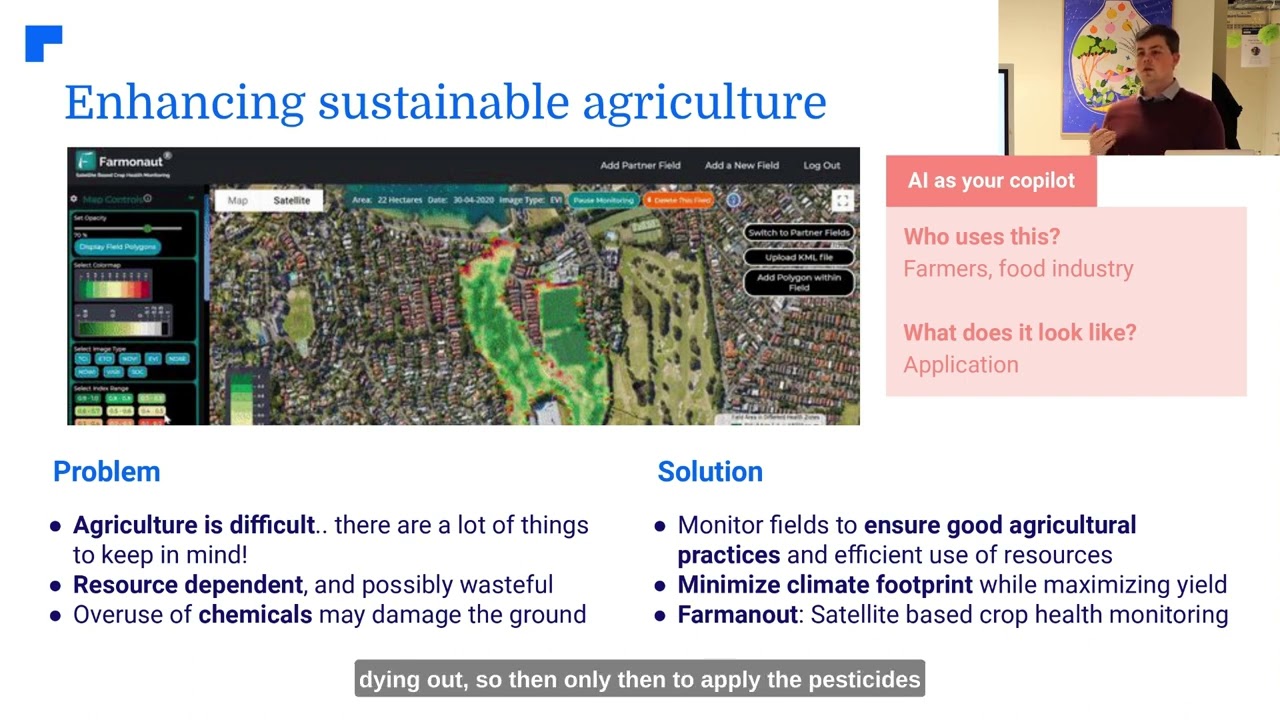
- Satellite technology (as leveraged by companies like Farmonaut) provides real-time environmental monitoring, detecting deforestation, emissions, and land changes across vast, remote mining sites.

2. Blockchain & Digital Traceability
- Blockchain-based traceability (read more here) authenticates mineral provenance from mine site to finished battery—helping verify ethical sourcing and prevent fraud in supply chains.
- Digital audits and certification platforms facilitate rigorous compliance with labor and environmental standards.
- Traceability builds trust, encourages accountability, and empowers responsible purchasing among manufacturers and end-users.
3. Carbon Footprint Monitoring & Environmental Compliance
- Real-time carbon footprinting technology (such as Farmonaut’s carbon footprinting platform) enables miners and regulators to track GHG emissions, energy consumption, and pollutant loads across operations—crucial for compliance and reporting.
- Companies integrating these tools are better positioned to meet stringent global environmental standards and consumer sustainability expectations.
4. Recycling and Circular Economy in Action
- Dedicated cobalt recovery plants are emerging to extract valuable metals from spent lithium batteries.
- Investments in closed-loop supply chains and battery recycling are set to increase the share of recycled cobalt—projected to supply up to 22% of demand by 2026.
- Circularity not only reduces environmental load but improves security against raw material shortages.

5. Smart Fleet and Resource Management
Advanced fleet management platforms (e.g., Farmonaut’s fleet management) optimize logistics, reduce resource use, and lower operational costs for large-scale mines. Such tools are becoming indispensable in mines looking to:
- Track equipment usage and site operations for safety and performance
- Enhance overall efficiency while minimizing carbon footprint
- Streamline resource allocation and reduce unnecessary idling and emissions

“Over 60% of the world’s cobalt, crucial for lithium batteries, is mined in the Democratic Republic of Congo, raising ethical concerns.”
6. Enhanced Financial Access with Satellite Verification
Satellite-driven verification tools (full details) are leveraged by financial institutions to offer loans and insurance with reduced fraud risk—vital for small-scale miners seeking capital to upgrade to higher environmental and safety standards.
7. Digital Environmental Impact Monitoring
- Satellite monitoring platforms (such as those by Farmonaut) offer real-time updates on land use, vegetation health, and environmental violations at mining sites.
- These insights are actionable, supporting more effective regulatory enforcement and internal ESG governance.
Try Farmonaut’s Large-Scale Management Platform for digital oversight and project tracking.
Toward a More Sustainable and Responsible Cobalt Supply Chain
The road to a sustainable, responsible cobalt supply hinges on technology-driven progress and multi-dimensional innovation. As 2026 approaches, we see:
- Enhanced traceability and transparency throughout the mining lithium batteries sector thanks to blockchain and physical audits
- Circular economy gains—from battery recycling to cobalt recovery—reduce reliance on virgin extraction
- Sophisticated satellite tools and AI, like those built by Farmonaut, enable real-time oversight of mining operations and detection of crucial environmental and social issues.
- Increasing pressure from consumers, governments, and ESG investors pushes the cobalt mining sector toward internationally recognized ethical, labor, and environmental standards.
Companies and regulatory bodies, leveraging technologies from satellite-based monitoring to AI-driven advisories, have the power to:
- Improve operational efficiency
- Enhance sustainability of cobalt and battery supply chains
- Build trust in battery-powered, clean energy solutions for a global market
How Farmonaut Helps Enhance Mining Sustainability & Transparency
As a pioneering satellite technology company, we at Farmonaut believe in making satellite-driven insights affordable and accessible for mining companies, governments, and users—enabling a brighter, more responsible future for cobalt mining for lithium batteries.
- Satellite-Based Monitoring: Our multispectral imagery tracks deforestation, environmental degradation, and operational safety in real-time—helping miners remedy risks and adhere to global sustainability standards.
- AI Advisory for Mining: Our Jeevn AI system delivers customized strategies for extraction processes, improving efficiency while reducing emissions and costs.
- Blockchain Traceability Systems: Integrated blockchain solutions ensure traceable, transparent supply chains, supporting responsible sourcing efforts and product traceability in mining lithium batteries.
- Resource and Fleet Management: Our platform’s fleet management tools optimize logistics for large mining sites, lowering overuse of resources and ensuring compliance with safety and environmental standards.
- Environmental Compliance: Our carbon footprinting tools support sustainability audits, guidance, and reporting—enabling mining sector clients to monitor and reduce emissions.
- API Integration: Mining businesses can integrate our insights directly with their systems via API and tap into innovation through the developer documentation.
With Farmonaut, mining operators gain scalable, cost-effective monitoring, compliance, and reporting—reducing challenges while building a future-ready cobalt supply chain fit for the global clean energy transition.
Flexible Farmonaut Subscription Options:
Frequently Asked Questions (FAQ)
Q1: Why is cobalt mining critical for lithium batteries and clean energy?
Cobalt plays a key role in improving the energy density, safety, and longevity of lithium-ion batteries. These qualities are vital for electric vehicles, renewable storage solutions, and high-performance electronics—making cobalt mining essential for clean energy progress.
Q2: What are the main environmental and ethical challenges in cobalt mining?
Major environmental challenges include deforestation, water pollution, and greenhouse gas emissions. Ethical challenges focus predominantly on the prevalence of child labor, poor working conditions, and lack of oversight in artisanal mines, especially in the DRC.
Q3: How is technology improving cobalt mining for lithium batteries?
Innovations like AI-driven ore sorting, automation, satellite monitoring, blockchain-based traceability, and environmental compliance tools are helping reduce environmental impact, improve efficiency, and boost transparency and ethical compliance in supply chains.
Q4: Can cobalt be fully replaced in lithium batteries?
While research into cobalt-free or reduced-cobalt chemistries (e.g., LFP) is ongoing, as of 2026, these alternatives do not fully match the energy density and stability of cobalt-containing batteries used in EVs and grid storage.
Q5: What role does Farmonaut play in sustainable cobalt mining?
Farmonaut’s satellite-powered platform provides environmental monitoring, digital traceability, AI advisory, and resource management solutions—helping mining companies and regulators reduce risks, improve transparency, comply with global standards, and make operations more sustainable. Learn more about our carbon footprint tools and traceability innovations for compliance and efficiency.
Q6: How does battery recycling fit into the future of cobalt mining?
Battery recycling and circular economy practices are becoming increasingly important—by 2026, up to 22% of cobalt demand may be supplied through recycled materials, easing pressure on primary mining and reducing environmental impact. Farmonaut’s monitoring can support such circular initiatives with real-time data.
Conclusion: The Road Ahead for Cobalt, Batteries & Clean Energy
Cobalt mining for lithium batteries will remain a critical, complex link in the global supply chain powering clean energy and EV adoption through 2026 and beyond. The sector faces seven significant challenges—from environmental and ethical hurdles to technological and supply chain risks.
With the integration of advanced mining technologies, satellite-based monitoring platforms, circular economy practices, and blockchain traceability, a path toward greater sustainability and transparency is truly attainable. For mining operations, regulators, and battery producers, leveraging platforms like Farmonaut’s real-time mining intelligence tools ensures better compliance, efficient resource use, and a strategic edge in tomorrow’s clean energy revolution.
To unlock the full value of these next-generation tools, we encourage mining professionals and sustainability leaders to explore our full suite of solutions—via web and mobile apps—and to integrate Farmonaut APIs (see our API and documentation) into their digital infrastructure.
With informed choices and smart technological adoption, we can collectively build a cobalt supply ecosystem that advances battery technology while upholding the highest environmental and ethical ideals—making the clean energy transition inclusive, responsible, and effective for generations to come.

 Berks Gold Limited
 Mwerezi Minerals Company Limited
 Congo Mining Solutions
 Mining SARL
 SenGold Invest SAS
 Sania Corporation
 Sean Mining Limited
 NTS Group (Pty) Ltd
 Mine4Africa
 Lithspo Minerals Limited
 Tintina Mining Group
 Dalgety Minerals Pty Ltd
 Vortex Minerals Pty Ltd
 Faith At Work (Pty) Ltd
 Geotech Mining Solutions plc
 Vulcan International Limited
 Kidepo Associates
 GKY Mining
 Alkimy SARL
 Double A Trading
 GemSprout Metals Limited
 Qader Group
 Ileys General Trading
 SG Gold Mining LLC
 VRV Global Pte Ltd
 Omsri International FZE
 G.I.T.T.
 Jaunita Erss Ltd
